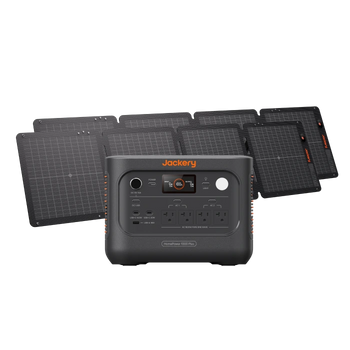

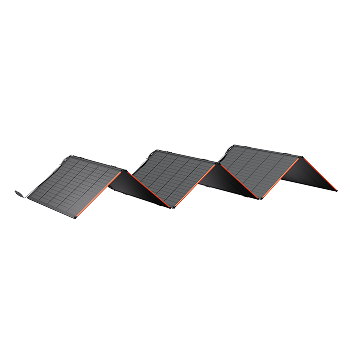
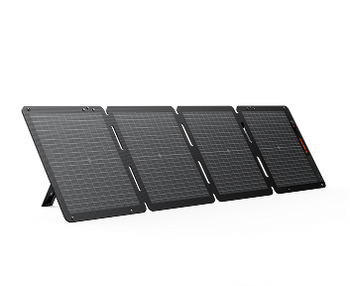






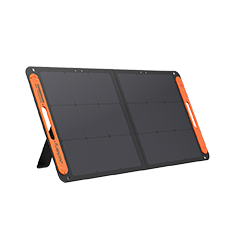



![[Add-on] Jackery SolarSaga 500 X - Jackery](http://www.jackery.com/cdn/shop/files/add-on-jackery-solarsaga-500-x-1493607.webp?v=1786503068&width=324)
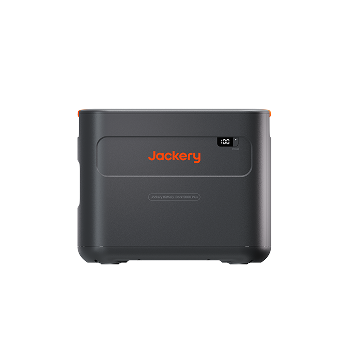
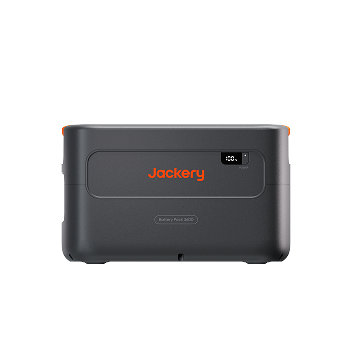
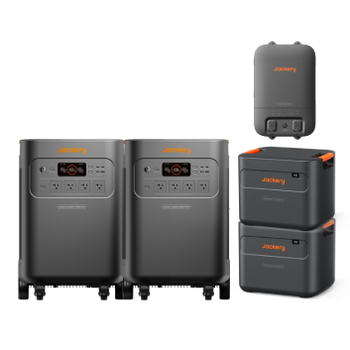
![[Add-on] Jackery Battery Pack 5000 Plus - Jackery](http://www.jackery.com/cdn/shop/files/add-on-jackery-battery-pack-5000-plus-6713401.webp?v=1786503068&width=324)





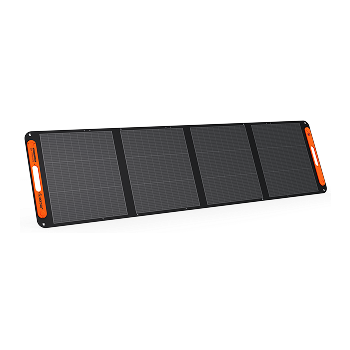
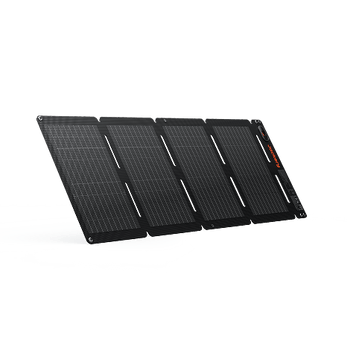
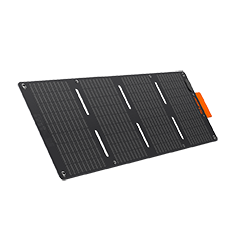
![[Add - on] SolarSaga 200W - Jackery](http://www.jackery.com/cdn/shop/files/add-on-solarsaga-200w-4834329.png?v=1754016915&width=324)


Quick Answer: A 2,000 Wh lithium power station delivers only about 1,700 Wh of usable AC power after inverter losses, and summer heat increases fridge runtime by 20–30%. For a two-week trip, plan on 400–600 Ah LiFePO₄ and enough solar to recharge to 80% daily within the 20–80% state-of-charge window for maximum lifespan.
Key Takeaways
- Inverter conversion losses of 10–15% turn a 2,000 Wh label rating into roughly 1,700 Wh of usable AC power — a drain beginners rarely budget for.
- Summer heat forces fridge compressors to run 20–30% longer; plan your daily watt‑hour budget with a 25–30% cushion over spring or fall trips.
- For multi‑week off‑grid camping, a LiFePO₄ bank of 400–600 Ah (two 200 Ah units or four 100 Ah units) with adequate solar closes the “recharge gap” that kills a trip.
- The 20‑80% state‑of‑charge window reduces electrode stress, stretching LiFePO₄ cycle life past 6,000 cycles — about double the life of a battery cycled from 0–100%.
- Redundancy beats a single giant unit. Two independent batteries with their own BMS mean a failure never leaves you powerless.
Why Standard Sizing Fails in Summer: Heat, Inverter Losses, and the Hidden Recharge Gap
Standard sizing fails because three invisible drains eat into your battery before you even flip a switch:
- Ambient heat: When daytime temperatures hit 40°C (104°F), the compressor inside a portable fridge or freezer runs 20–30% longer to maintain the same internal temperature. A 50 W unit that draws 500 Wh on a mild day can easily consume 650 Wh during a heat wave. That extra 150 Wh per day compounds over two weeks into an additional 2,100 Wh — more than one entire 2,000 Wh battery’s usable output.
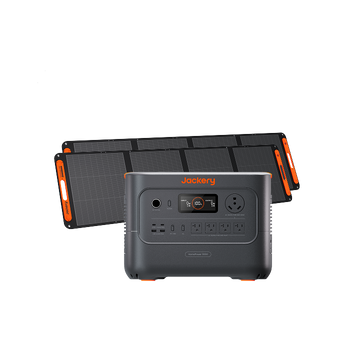
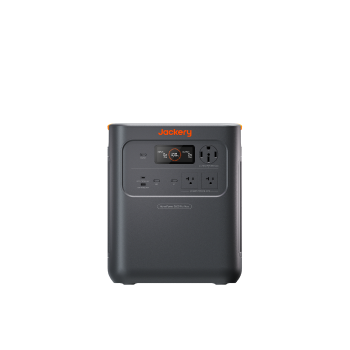
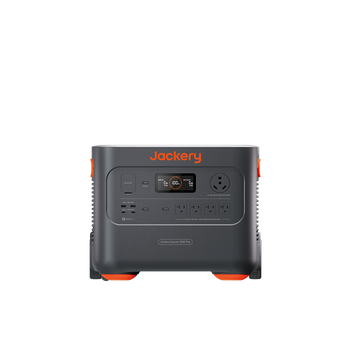
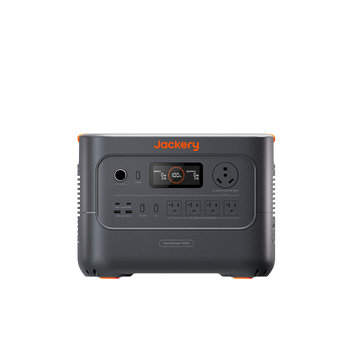
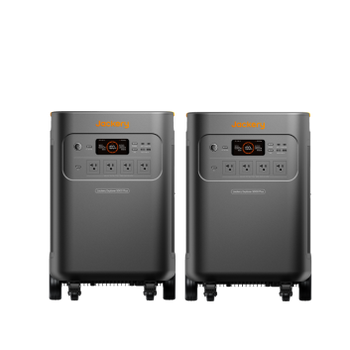
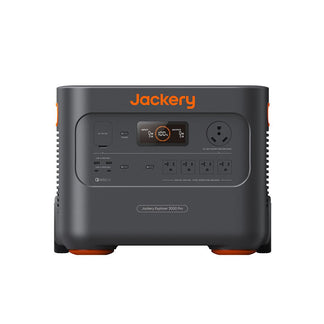
- Inverter losses: Converting DC to AC costs 10–15% in conversion losses. A 2,042 Wh Jackery Explorer 2000 v2 Portable Power Station delivers about 1,735 Wh at the AC outlets after the internal inverter takes its cut. Those 307 Wh that never reach your appliance are real, and they’re not printed on the box.
- Single‑point failure: A lone battery with a single BMS is one component away from a dark campsite. Many 100 Ah units cap continuous output at roughly 100 A, limiting the inverter to about 1,000 W unless you parallel two batteries. Two smaller batteries wired in parallel through bus bars solve both the output ceiling and the reliability risk.
External mounting adds another failure layer. Tongue‑box compartments rarely hold more than 100–200 Ah and roast in direct sun. Moving the battery bank inside the RV’s conditioned space — or, for tent campers, under a shaded awning — lowers the ambient temperature 15–20°F and prevents a thermal BMS shutdown just when you need the fridge the most.
Whether your Jackery can power an air conditioner is a separate calculation, but the same rule applies: a 900 W portable AC kills a 2,000 Wh battery in about two hours of actual use after inverter losses.
Building Your Summer Power Budget: Real‑World Capacity and Redundancy
A reliable summer power budget starts with real-world appliance loads, then factors in inverter efficiency and a safety buffer.
(Device Watts × Hours Used) × 1.2 Safety Buffer ÷ 0.85 Inverter Efficiency = Raw Battery Capacity Needed Per Day
Example:
- 50 W fridge running 10 h/day = 500 Wh
- 20 W LED lights for 5 h = 100 Wh
- Total appliance load = 600 Wh
- Apply 1.2 buffer: 720 Wh
- Divide by 0.85 inverter efficiency: 847 Wh raw battery demand per day
For a 14‑day trip, that single fridge‑and‑lights load requires 11,858 Wh of raw battery capacity. At a nominal 12.8 V LiFePO₄ voltage, that’s 927 Ah — well above the 400–600 Ah minimum experienced users start with, assuming daily solar top‑ups.
The recharge gap — running out of power before the sun or generator catches up — is the number‑one anxiety on multi‑week trips. The fix is a charging source that can supply at least 25% of the battery bank’s rated capacity each day. For a 400 Ah bank, that’s 100 Ah (about 1,280 Wh) of new energy daily. If your solar array only harvests 500 Wh on a hazy afternoon, you’re in a slow, painful discharge spiral that ends by day six.
Redundancy beats a single giant unit every time. Two 200 Ah batteries with independent BMS give you the same capacity as one 400 Ah unit, but a BMS failure on the single pack leaves you with zero. On the dual‑battery setup, you lose half the capacity — enough to run the fridge for several days while you sort out a replacement.
Mastering the 20‑80 Rule: Extending Your LiFePO₄ Camping Battery Lifespan
LiFePO₄ cells chemically prefer a narrow state‑of‑charge window. Cycling between 20% and 80% reduces the mechanical stress on the electrodes that causes capacity fade. Lab data consistently show that staying inside this band can pull cycle life from about 3,000 cycles to over 6,000. That’s an extra decade of camping summers.
The catch: a 2,042 Wh battery restricted to the 20–80% sweet spot stores only 1,225 Wh of DC energy. After the inverter converts that to AC, another 10–15% disappears, leaving roughly 1,041 Wh of usable AC — substantially less than the 1,735 Wh you would get from a full discharge. Size your appliance budget against that 1,041 Wh figure, not the label capacity.
A quality BMS enforces the window automatically. Set your charging profile to stop at 80% SOC and the discharge floor at 20%, and the system does the heavy lifting. Pre‑charging new cells to about 35% SOC before connecting them to an RV converter lets the converter’s lithium charging profile learn the pack without overshooting to 100% on the first cycle.
Storage temperature matters as much as cycling. LiFePO₄ handles heat far better than AGM — it won’t sulfate and die after a few scorching summers — but it still derates above 45°C (113°F) without active cooling. Park your battery in an air‑conditioned interior bay, not on the tongue, and you’ll see less than 2% capacity loss per year even through July in the desert.
Knowing real‑world charge times is just as critical: a unit that hits 100% in one hour from a wall outlet caps your downtime on a generator‑assisted trip, letting you stay in that 20‑80% sweet spot with a short daily run.
Sizing Your Solar Recharge: Matching Panels to the 20‑80 Rule and Summer Conditions
To match solar panels to your battery bank, oversize your array by at least 25% and use an MPPT charge controller to capture every available watt. PWM controllers throw away up to 30% of a panel’s potential power when the sun is hazy or the panel heats up. An MPPT controller — mandatory for any large camping battery bank — extracts every available watt by tracking the panel’s max power point in real time. On a dusty, partly cloudy afternoon, that 30% can be the margin between a topped‑off bank and a slow sink toward 0%.
US peak sun hours average 4–5 in summer, but dust, humidity, and partial shading cut effective harvest.
Panel wattage formula:
(Daily Wh consumed ÷ Peak sun hours) × 1.5 system loss factor = Minimum solar wattage
Example:
- Daily consumption: 1,200 Wh
- Peak sun hours: 5
- (1,200 ÷ 5) × 1.5 = 360 W minimum
For a 400–600 Ah bank drawing 1,200 Wh a day, a safe rule of thumb is to install panel capacity equal to 25% of the battery bank’s watt‑hour capacity. A 5,120 Wh bank (400 Ah × 12.8 V) calls for 1,280–1,920 W of solar. That covers the 20‑80% recharge from empty, compensates for cloudy days, and pulls the bank back to 80% in three to four hours of strong sun.
A charge controller with a 12–60 V input range lets you wire panels in series for higher voltage and lower current, reducing cable losses in long runs between an awning‑mounted array and a battery box inside the RV.
Understanding multi‑input charging on larger systems — solar, AC, and generator simultaneously — gives you a blueprint for routing every available watt into your bank during a short recharging window.
Installation Tips for Summer Reliability: Wiring, Heat, and Redundancy
- Parallel wiring: Never daisy‑chain batteries with a single positive‑to‑positive cable. Current sharing is uneven, and the middle battery in the chain carries less load than the ends, accelerating aging. Use bus bars and equal‑length cables from every battery to the bar.
- Placement: Keep batteries inside the conditioned living space to prevent a BMS thermal cutoff on a 110°F afternoon.
- Pre‑charge new packs to 35% SOC before connecting to the RV converter to avoid shocking the BMS.
- Redundancy through portable units: Two smaller power stations serve as portable modules that can move between the tent, awning, and RV galley. If one unit is busy recharging from a folding solar panel, the other runs the fridge — no down time.
Fast, multi‑source charging isn’t just for stationary home backup; the same principle shrinks the generator run‑time needed to top up a large camping bank on a cloudy streak.
Jackery Solutions Sized for Your Summer Trip
Three portable power stations cover the common camping profiles — from ultralight weekenders to family trips that demand fridge, lights, and portable A/C.
Camping Profile |
Recommended Model |
Capacity (Wh) |
Usable AC (Wh) |
AC Charge Time |
Family: fridge, lights, portable A/C for short gaps |
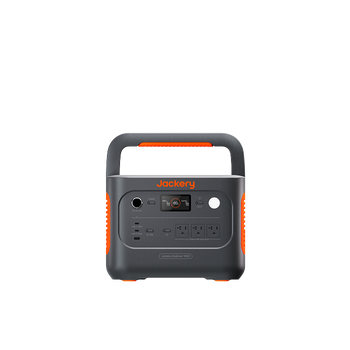
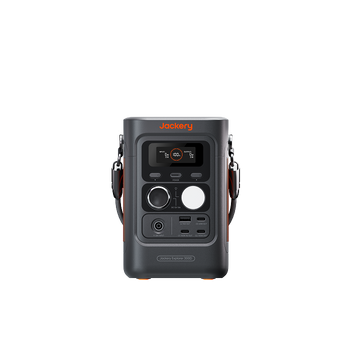
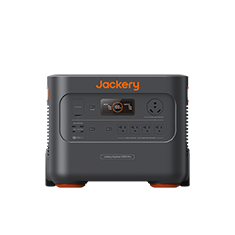
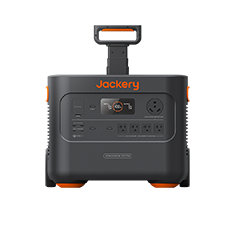
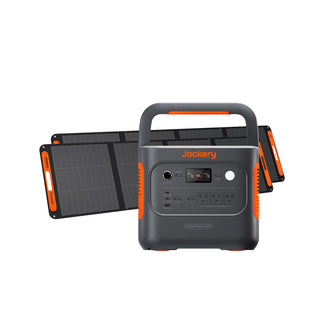
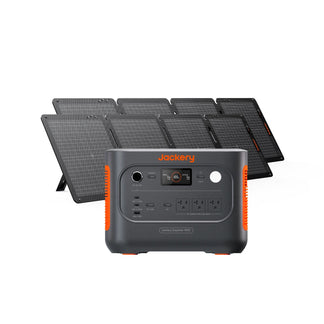
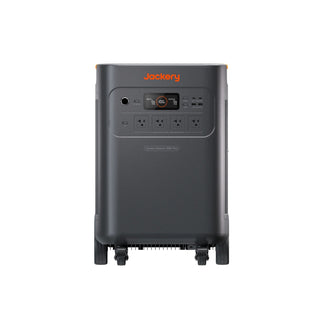
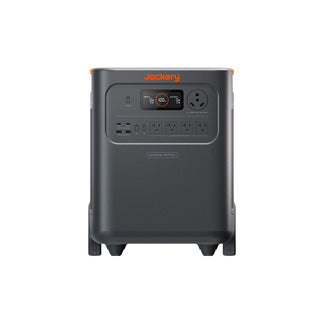
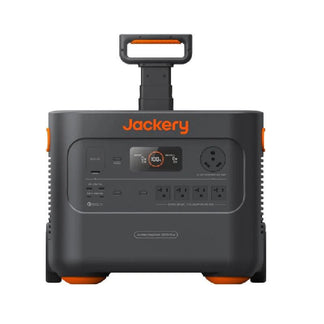
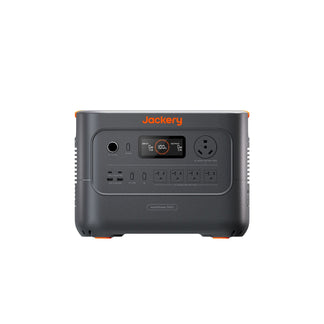
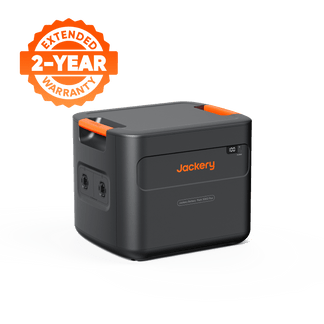
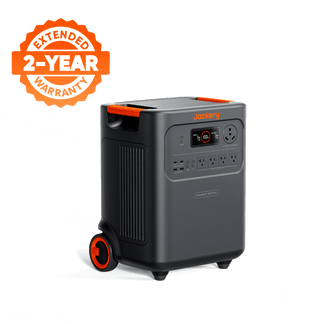
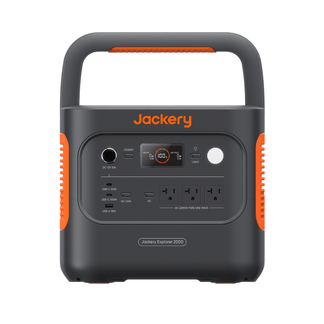
Jackery Explorer 2000 v2 Portable Power Station |
2,042 Wh |
~1,735 Wh |
1.7 h (0–100%) |
Solo/couple 2–3 day trip with fridge |
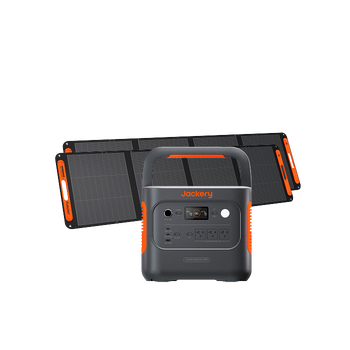
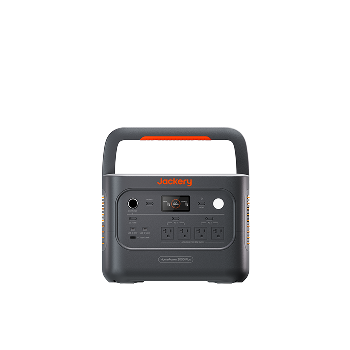
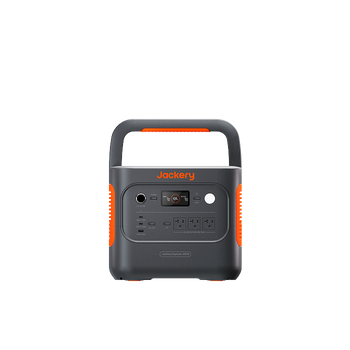
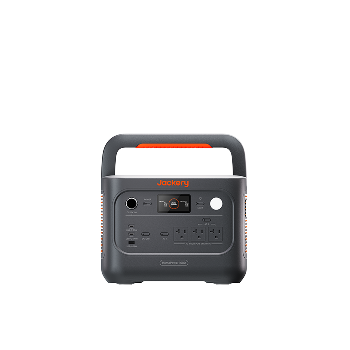
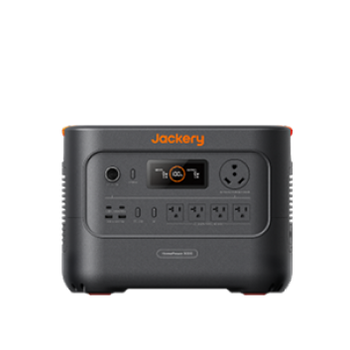
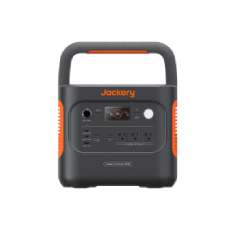
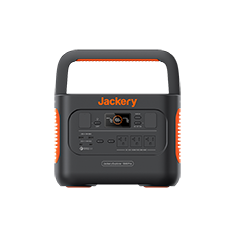
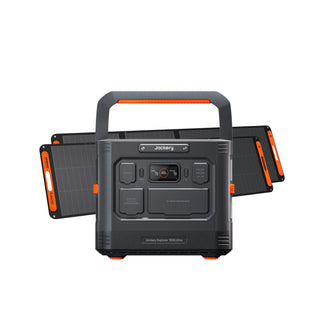
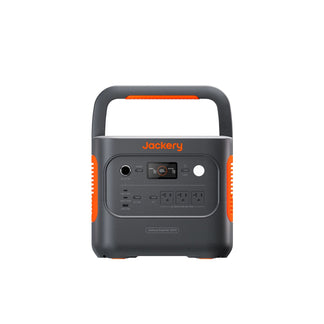
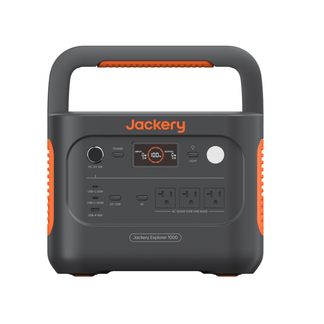
Jackery Explorer 1000 v2 Portable Power Station |
1,070 Wh |
~910 Wh |
1 h (0–100%) |
Ultralight weekender: phone, laptop, small fridge |
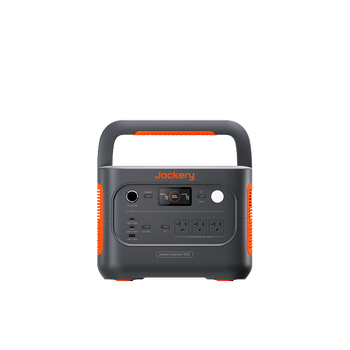
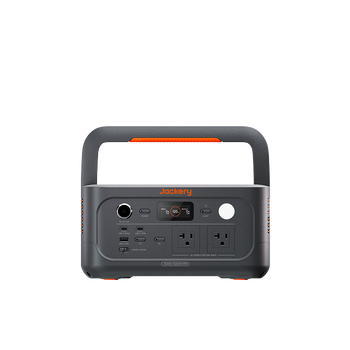
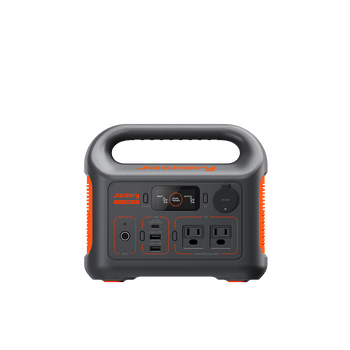
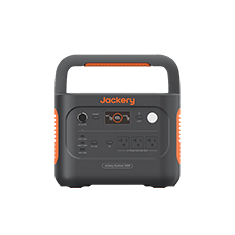
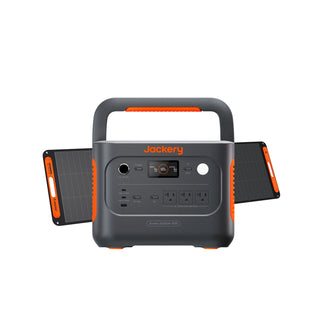
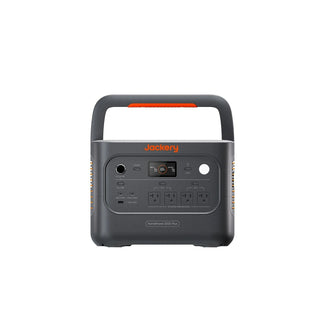
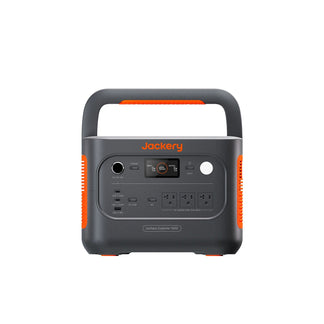
Jackery Explorer 600 v2 Portable Power Station |
640 Wh |
~544 Wh |
1.7 h (0–80%) |
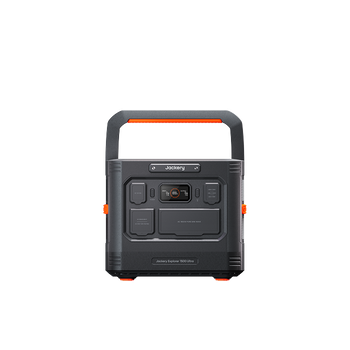
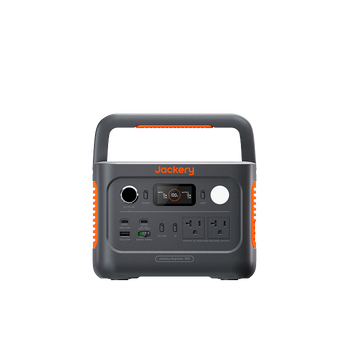
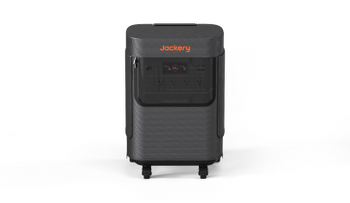
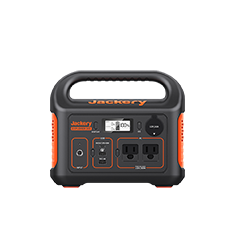
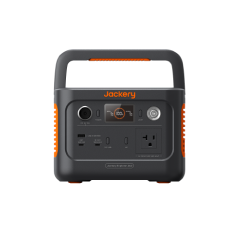
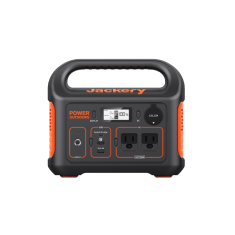
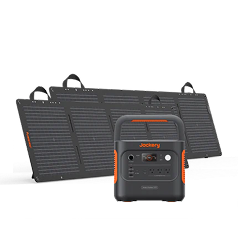
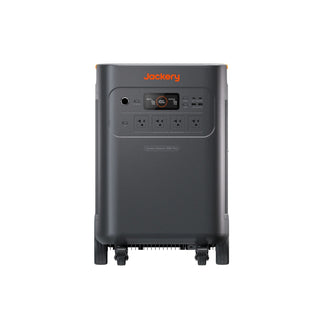
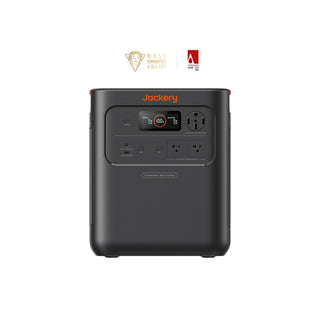
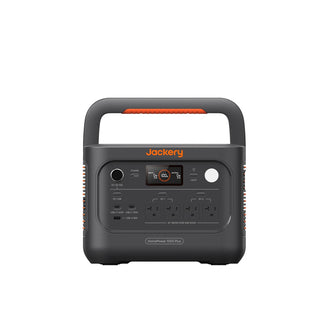
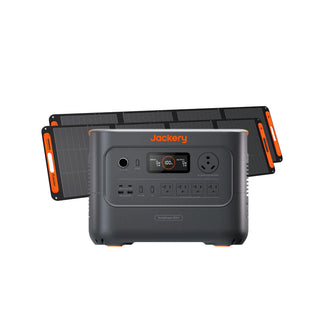
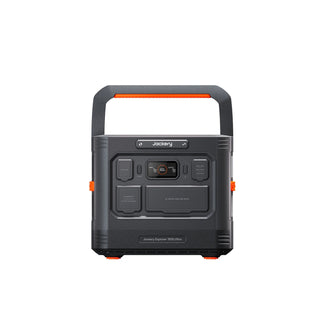
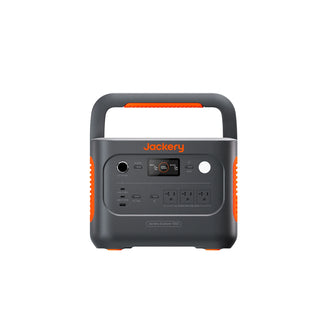
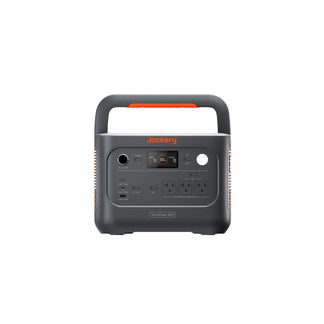
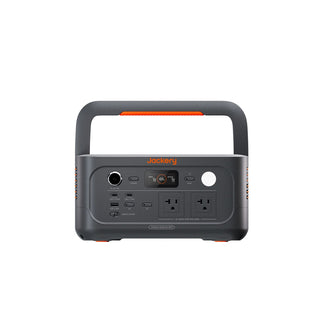
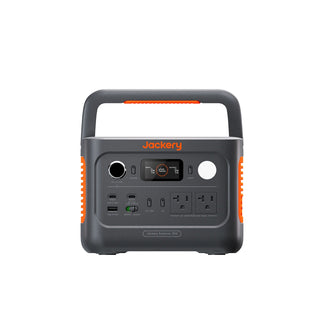
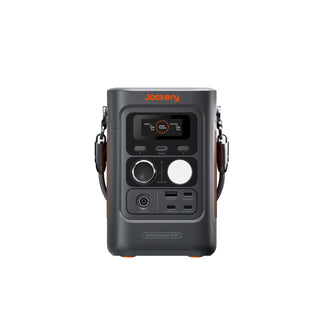
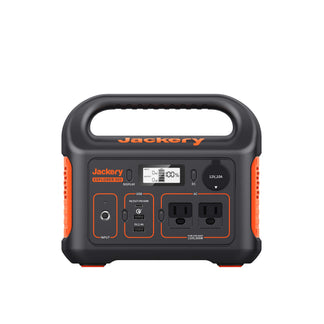
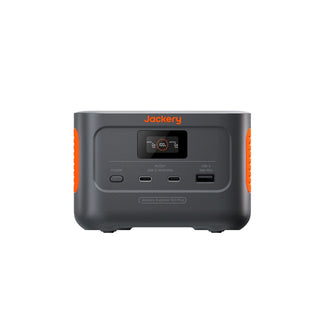
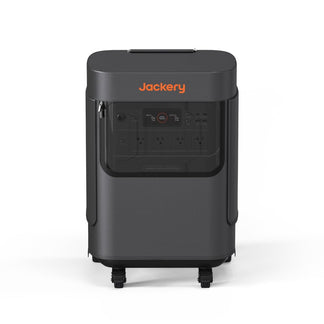
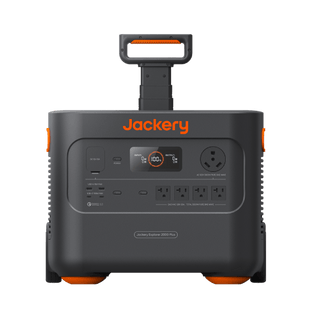
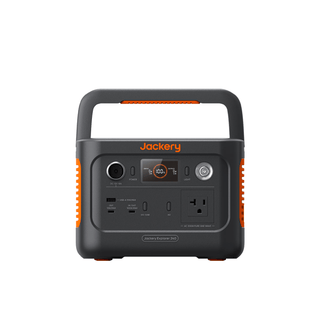
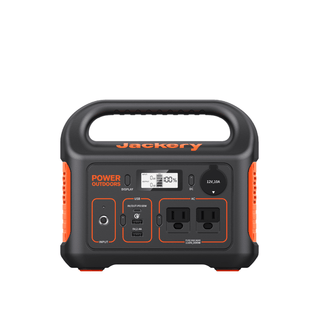
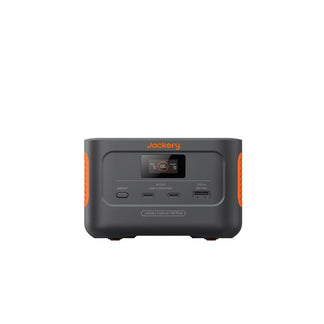
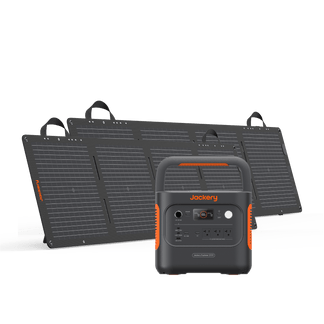
The Explorer 2000 v2 (39.5 lbs) has a telescoping handle and wheels; runs a 520 W fridge 3.2 h or a 900 W portable AC 2 h; emergency super charge to 80% in 1.7 h; UPS‑grade switching under 20 ms protects sensitive camp gear from generator surges. The Explorer 1000 v2 (23.8 lbs, <30 dB) powers a 60 W portable fridge for 15 hours, with dual 100 W USB‑C PD ports and ChargeShield 2.0 with 62 protections. The Explorer 600 v2 (14.1 lbs) is the lightest 600 Wh LiFePO₄ station, operates from -4°F to 113°F, and holds a full charge for months with ZeroDrain technology.
Frequently Asked Questions (FAQ)
How many amps do I really need for a large camping battery?
- Calculate daily watt‑hours per device, not raw amps.
- Divide by system voltage (usually 12.8 V).
- Factor in inverter losses and a 20% safety buffer.
A 600 Wh daily load translates to about 55 Ah at 12.8 V after losses, well within a 200 Ah bank’s 20‑80% window.
LiFePO₄ vs AGM for summer camping — which is better?
LiFePO₄. It tolerates higher ambient heat without permanent capacity loss, weighs half as much for the same usable capacity, and lasts four times longer. Over a decade of July and August trips, the cost per usable watt‑hour is dramatically lower.
Do I need solar for a 2‑week trip with a large camping battery?
Yes. Even a 600 Ah bank cannot sustain 14 days without recharge. Aim for at least 400 W of solar per 200 Ah of battery capacity to avoid creeping discharge and the “recharge gap” that ends trips early.
Can I wire two batteries in parallel safely?
Only if they are identical in brand, chemistry, age, and capacity. Use a bus‑bar system with equal‑length cables on every battery. Imbalanced wiring creates uneven current sharing that overheats one battery and ages it prematurely.
What about bargain‑brand lithium batteries for a long trip?
In remote locations where a failure ruins a month‑long adventure, invest in a Tier‑1 brand with a documented BMS and a real warranty. A $200 savings means nothing when you’re hand‑pumping a cooler on day eight.


