







![[Add - on] SolarSaga 200W - Jackery](http://www.jackery.com/cdn/shop/files/add-on-solarsaga-200w-4834329.png?v=1754016915&width=324)


![5 Best Solar Batteries For Home [2026 Updated] - Jackery](http://www.jackery.com/cdn/shop/articles/5-best-solar-batteries-for-home-2026-updated-9761250.jpg?v=1784345783&width=800)
The best solar batteries for home use in 2026 combine high storage capacity, fast recharging, and reliable backup power for essential appliances during outages. This guide breaks down the five best options based on storage capacity, output power, solar recharging speed, warranty coverage, and real-world value for homeowners looking to cut electricity costs or prepare for grid outages.
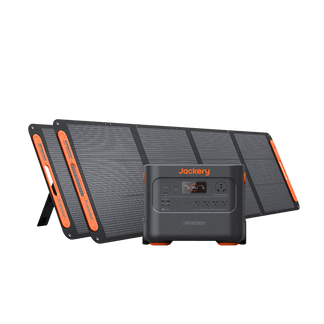
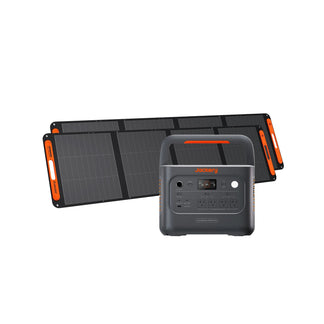
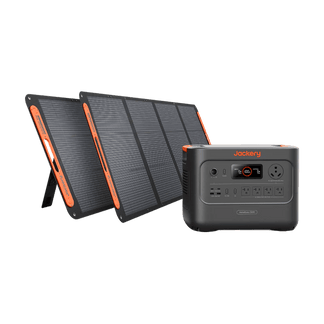
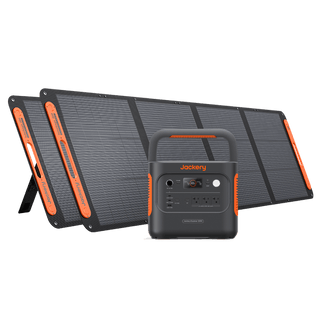
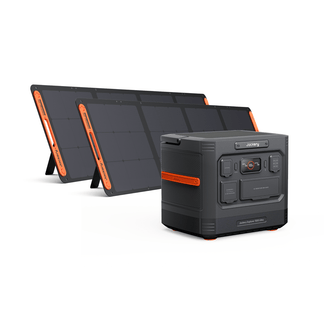
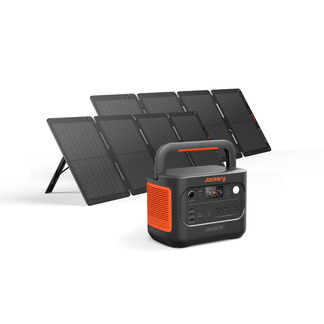
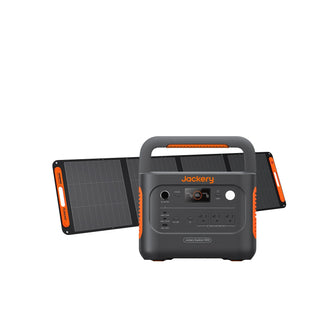
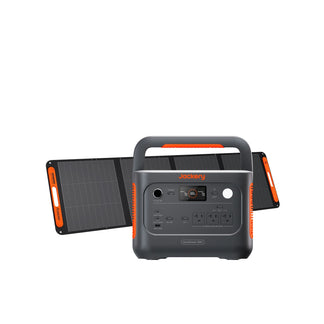
Jackery Solar Generators stand out as an ideal choice for homeowners who want dependable backup power without the cost and complexity of a hardwired battery system. These essential home backup solutions feature LiFePO4 battery technology with expandable capacity, fast solar recharging, and plug-and-play setup, so homeowners can go from unboxing to backup power in minutes rather than scheduling a professional installation.
Key Takeaways
- A solar battery stores electricity generated by solar panels for use when sunlight is unavailable, such as at night, during overcast days, or when the grid goes down.
- When choosing a home solar battery, the most important factors you should keep in mind are capacity (Wh), cycle life, depth of discharge (DoD), round-trip efficiency, and warranty.
- Jackery Solar Generators use LiFePO4 battery chemistry and are available in different capacity tiers, ranging from 1kWh for single-room backup to 3.6kWh+ for essential home coverage.
- Jackery Solar Generators are a complete, all-in-one solar battery system: solar panels, battery storage, pure sine wave inverter, and BMS.
What is Solar Battery?
A solar battery is an energy storage device that captures surplus electricity generated by your solar panels during the day. This stored power allows you to run your home appliances using clean energy at night, during cloudy weather, or in the event of a grid power outage.
Jackery Solar Generators act as reliable solar batteries for homes to power small and large home appliances like refrigerators, ACs, sump pumps, and more. These home battery backups are available in different sizes and capacities, so you can pick the one that aligns with your power needs.
How Does Solar Battery for Home Work?
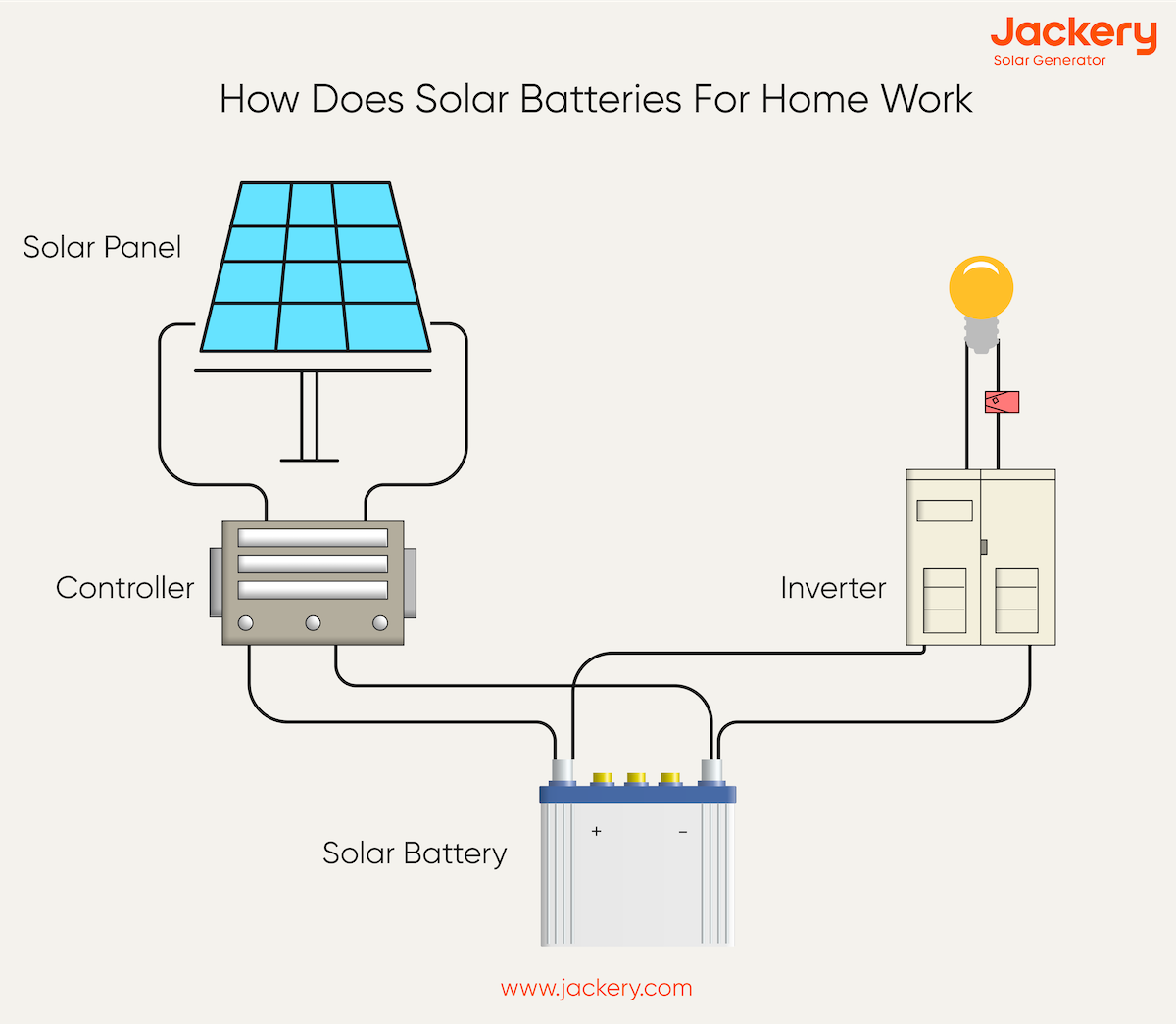
Solar batteries consist of solar panels, a controller, a solar battery, and an inverter. When the sun's rays fall on the solar panels, it converts the solar energy into DC electricity. It passes through the controller to reach the solar battery. The inverter then converts the DC to AC electricity, which is then supplied to the home appliances.
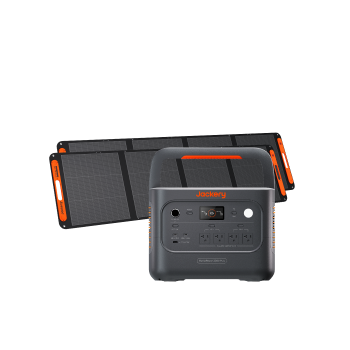
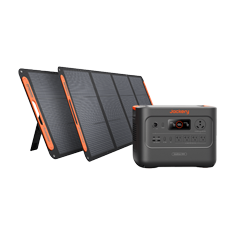
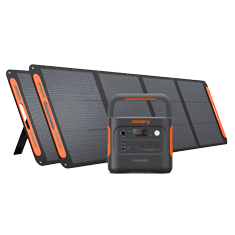
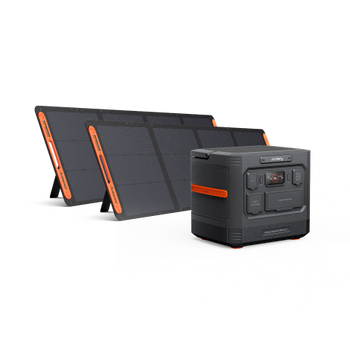
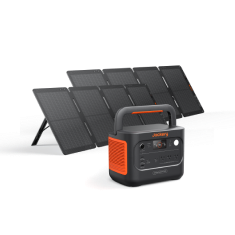
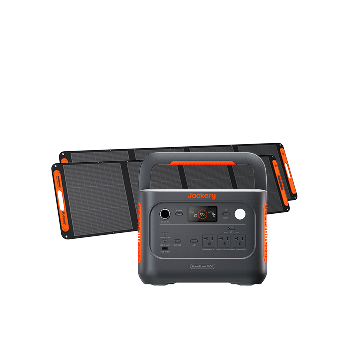
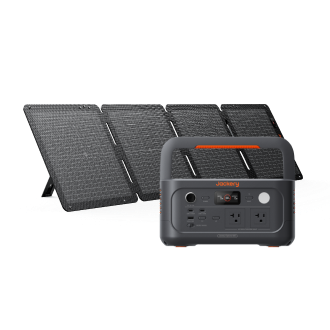
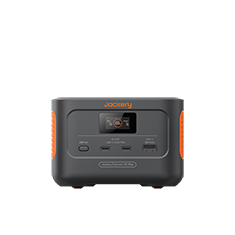
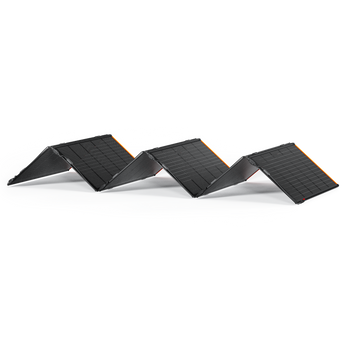
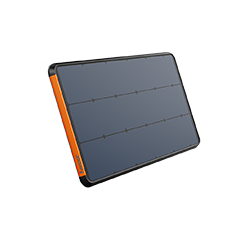
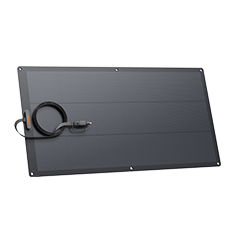
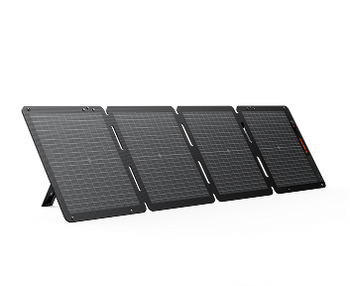
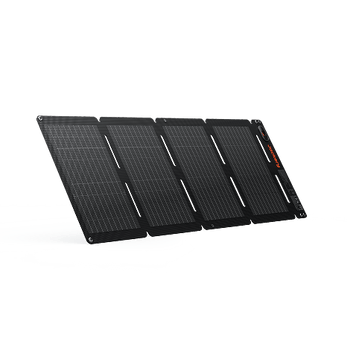
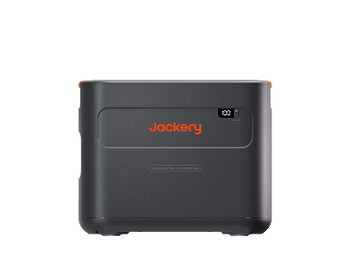
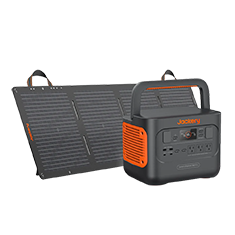
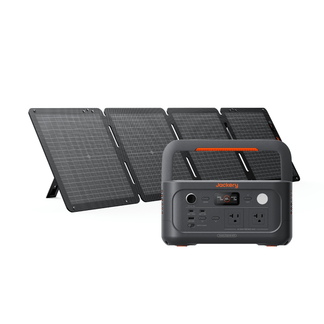
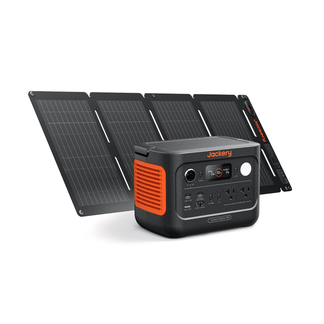
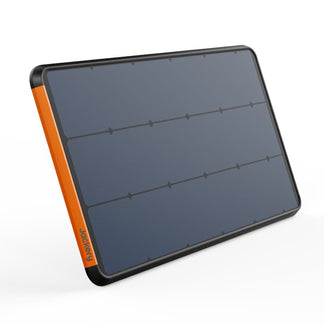
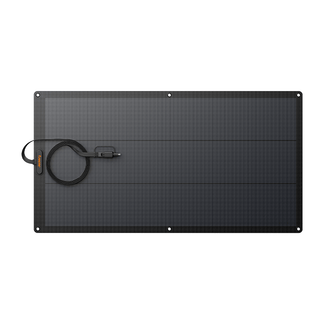
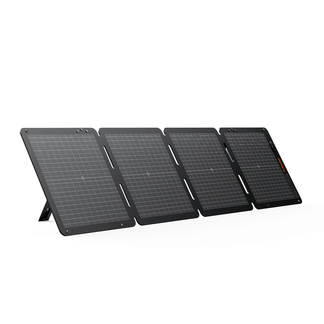
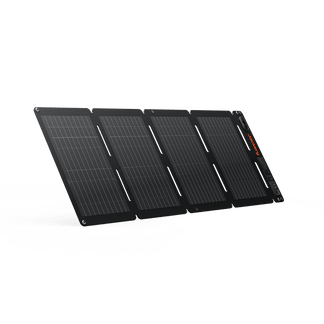
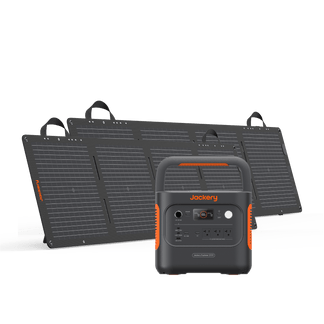
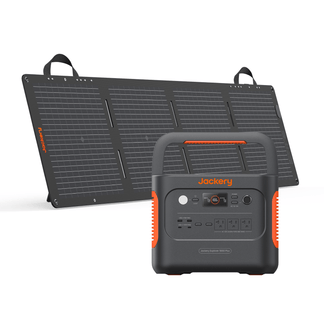
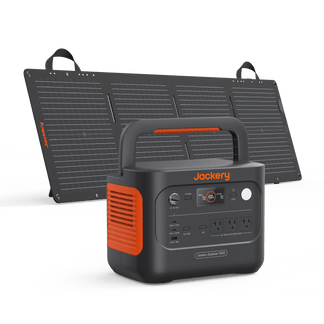
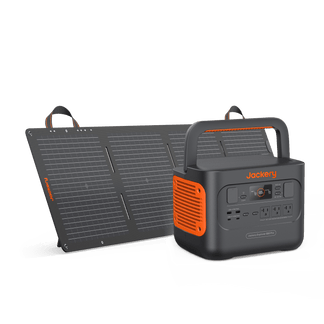
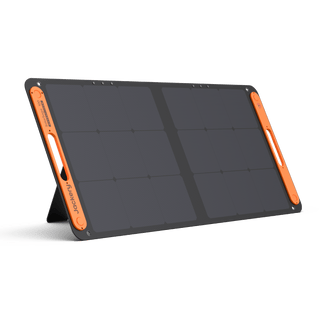
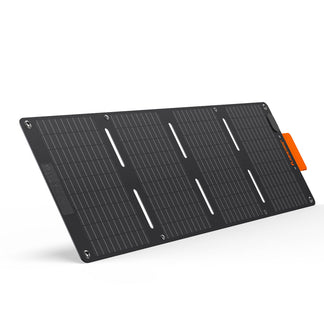
Unlike traditional solar batteries for home, Jackery Solar Generators consist of a Jackery Explorer Portable Power Station and Jackery SolarSaga Solar Panels. The solar power panels collect the sun's energy and convert it into DC electricity, which is then stored in Jackery Portable Power Stations. You can simply connect the electrical appliances to the power station and start charging.
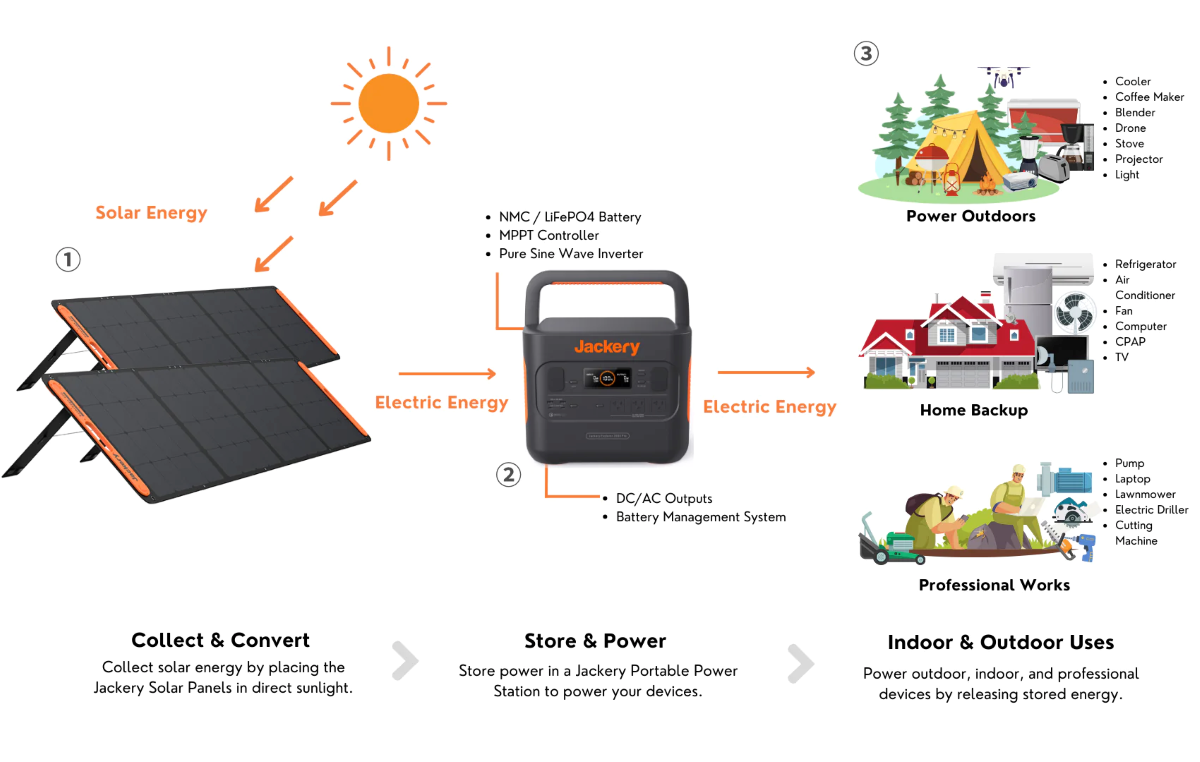 One of the primary benefits of Jackery Solar Generators is that it does not require any additional controller or inverter. The Jackery Portable Power Stations comes with a built-in pure sine wave inverter and controller, minimizing the number of parts you need to set up.
Pros and Cons of Using Solar Batteries for Home
Just like any other product, home solar batteries come with certain advantages and limitations.
Pros
- Solar batteries for home offer a cleaner source of power backup than gas generators.
- They can store and supply power even when the grid is down.
- Built with LFP battery technology, modern Jackery Solar Generators safely power appliances with high efficiency and long-term reliability.
- Pairing solar batteries with solar panels can meaningfully reduce monthly electricity bills, especially in high-rate states.
Cons
- Higher upfront cost compared to gas generators, though total cost of ownership over 10+ years is significantly lower.
- Actual savings depend on local utility rates, net metering rules, and how often the system is used.
What are the Different Types of Solar Batteries?
There are four main types of home solar batteries: lead-acid, nickel-cadmium, lithium-ion (NMC), and LiFePO4 (LFP). Understanding the differences between them is the most important step in choosing the right solar battery for your home, because two batteries with identical wattage ratings can have very different real-world lifespans, safety profiles, and total cost of ownership depending solely on their chemistry.
Lead-Acid: These deep-cycle batteries are a tried-and-tested technology for energy storage. Lead-acid batteries are among the lowest-cost options upfront, but they have the shortest lifespan (300–1,000 cycles), the lowest depth of discharge (50–60%), and require regular maintenance including monthly water refills, terminal cleaning, and equalization charging.
Nickel-Cadmium (NiCd): Nickel-cadmium batteries are durable and can operate at extreme temperatures. However, the cadmium used in these batteries is highly toxic and difficult to dispose of safely. They are rarely used in modern home solar systems due to their environmental impact and the availability of better alternatives.
Lithium-Ion (NMC): Nickel Manganese Cobalt (NMC) batteries offer higher energy density than LFP and are common in older portable power stations where compact size was the design priority. NMC batteries typically offer 500–2,000 cycles and 90–95% round-trip efficiency. NMC is a reasonable choice for low-frequency emergency backup in temperature-controlled environments.
LiFePO4 (LFP): LiFePO4 is the latest and most advanced battery technology for home solar systems. Jackery Solar Generators use built-in LFP batteries. LFP offers 3,000–6,000+ cycles, superior thermal stability, and an extremely low risk of thermal runaway, making it safe for unattended indoor storage and daily use in any climate. Its depth of discharge can reach 80–100% without the wear penalties associated with lead-acid or NMC.
Hugh Richards splits his life between a Halifax home wired for modern professional demands and a coastal Nova Scotia cottage where hurricanes, sou'wester winds, and winter storms make power outages a routine reality rather than an exception. When a hurricane knocked out electricity at the cottage for three full days in 2020, the disruption was total, with refrigerators warming, water systems stalling, and work impossible. He chose Jackery products for redundancy across both properties. The clearest proof of value came during planned roadwork that cut power for 12 hours a day, two days running: the internet stayed live, the screens stayed on, and calls continued without interruption. Explore more such Jackery Stories from the Jackery community.
5 Best Solar Batteries for Home from Jackery
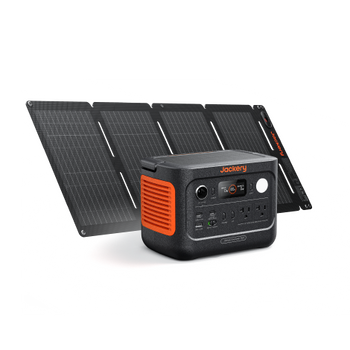
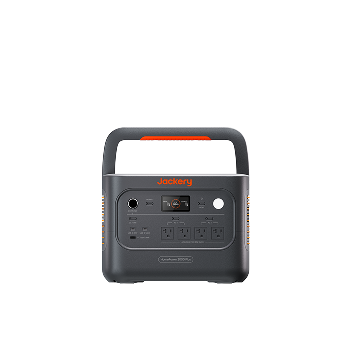
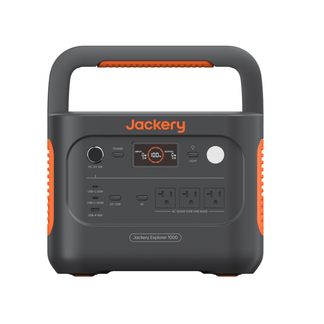
Jackery Solar Generator HomePower 1000 v2: Best for Home Office
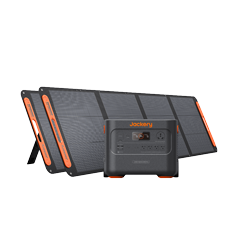
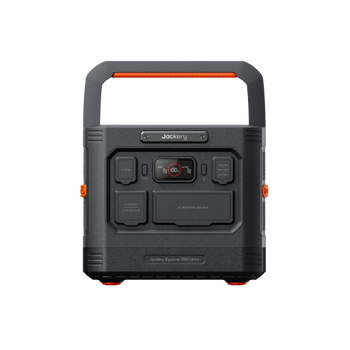
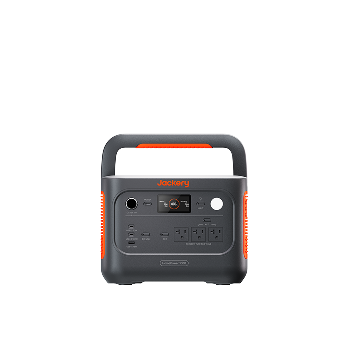
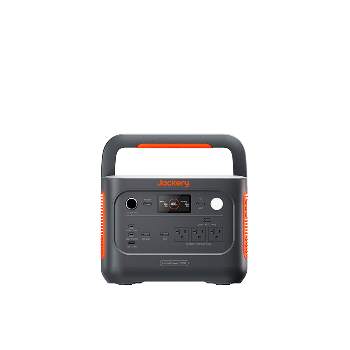
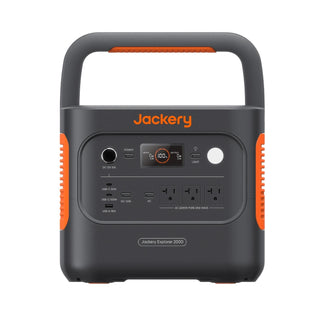
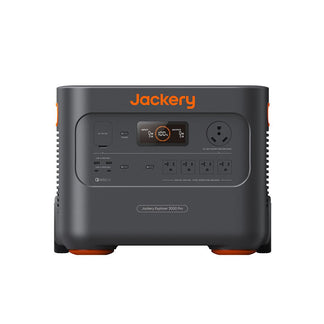
The Jackery Solar Generator HomePower 1000 v2 is specifically designed as a home backup station and UPS replacement. It features a sub-10ms UPS switchover that keeps connected appliances running without any interruption when the grid drops, built-in 3kV surge and lightning protection that actively shields sensitive electronics from voltage spikes, and Jackery Priority Routing™ smart energy management that automatically protects your most critical devices when the battery level drops.
Appliances Running Time
- Refrigerator (300W): 3.0H
- TV (100W): 7.0H
- Sump Pump (1000W): 1.0H
- Heater (800W): 1.0H
- Portable Air Conditioner (800W): 1.0H
Who Should Buy This
The Jackery Solar Generator HomePower 1000 v2 is the right choice for solo homeowners, home office professionals, or anyone who needs professional-grade UPS protection, the longest LFP lifespan in the 1kWh class, and the most intelligent energy management in a compact, quiet, always-ready package.

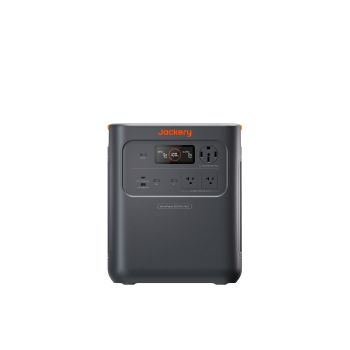
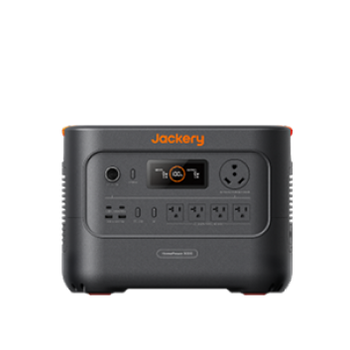
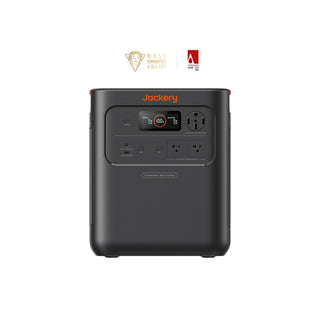
Jackery Solar Generator HomePower 2000 Plus v2: Best for 1–2 Bedroom Home Backup
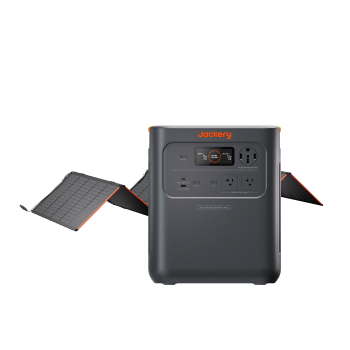
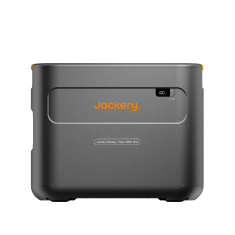
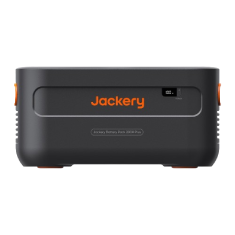
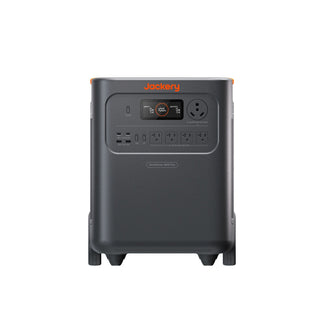
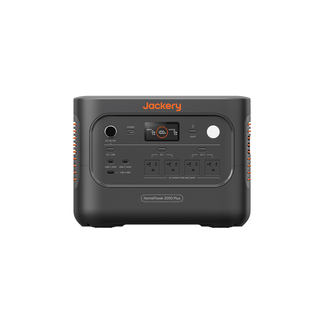
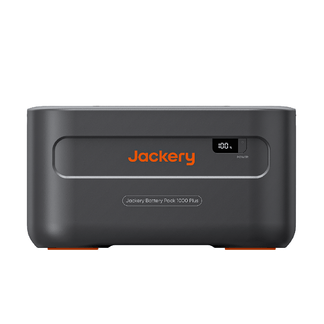
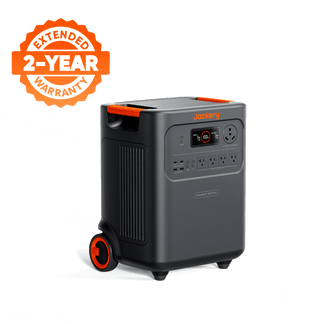
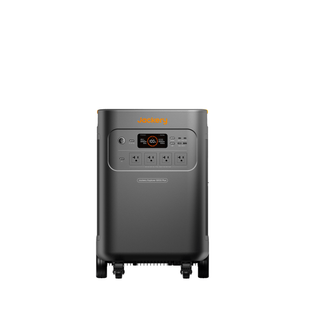
The Jackery Solar Generator HomePower 2000 Plus v2 comes with a 2,400W rated output and expandability to 12kWh via compatible add-on battery packs. It can run a refrigerator, a WiFi router, LED lights, fans, medical devices, and multiple device chargers simultaneously for a full day at base capacity or for multiple days when expanded. The all-new Jackery Priority Routing™ feature automatically protects the most critical connected devices when the battery level drops.
Appliances Running Time
- Refrigerator (300W): 5.0H
- TV (100W): 14.0H
- Sump Pump (1000W): 2.0H
- Heater (800W): 2.0H
- Portable Air Conditioner (800W): 2.0H
Who Should Buy This
The Jackery Solar Generator HomePower 2000 Plus v2 is ideal for 1–2 bedroom households, families experiencing frequent short-to-medium outages, and anyone who wants a scalable, intelligent home battery backup that starts at 2kWh and can grow to 12kWh as needs evolve.

Jackery Solar Generator HomePower 3000: Best Compact Solar Battery for Home
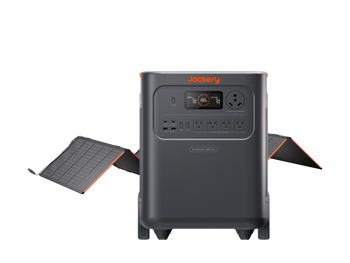
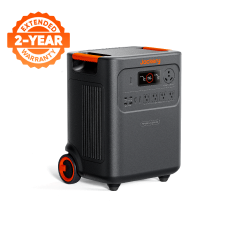
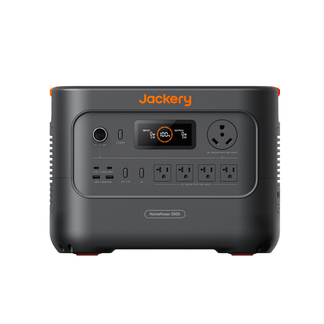
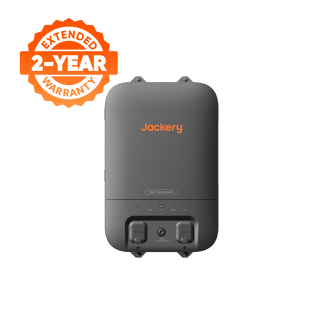
The Jackery Solar Generator HomePower 3000 is the world's lightest and smallest 3kWh solar generator that fits in a closet, beside a piece of furniture, or in the trunk of a car. It can handle a full household, such as a refrigerator, AC, microwave, lights, WiFi, and device chargers, through a 12 to 24-hour outage on a single charge. ZeroDrain™ self-discharge retention keeps approximately 95% of charge after 12 months on the shelf, making it always ready without regular recharges.
Appliances Running Time
- Refrigerator (300W): 8.1H
- TV (100W): 21.4H
- Sump Pump (1000W): 2.6H
- Heater (800W): 3.2H
- Portable Air Conditioner (800W): 3.2H
Who Should Buy This
The Jackery Solar Generator HomePower 3000 is the right pick for homeowners and families who want a compact, long-lasting home solar battery that is always shelf-ready, covers a full day of essential appliances in a single charge, and does not require expanded battery packs to be genuinely useful.

Customer Review
Received and charged 1 week before a 22 hour power outage. Kept fridge and large freezer running and 2 fans for 10 hours. I was able to charge and keep things going.
— Brad L.
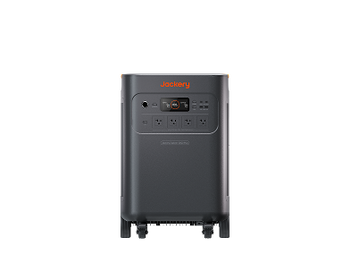
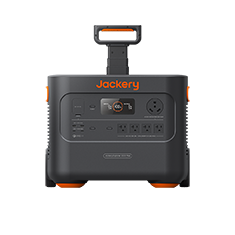
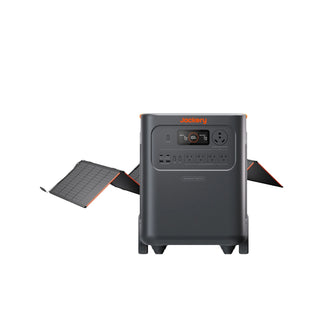
Jackery Solar Generator HomePower 3600 Plus: Best Long-Life Solar Battery for Multi-Day Outages
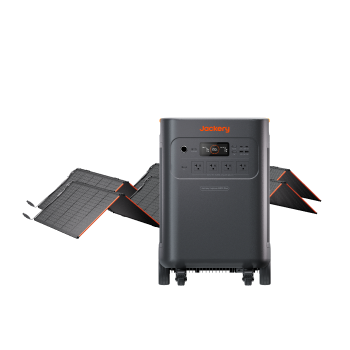
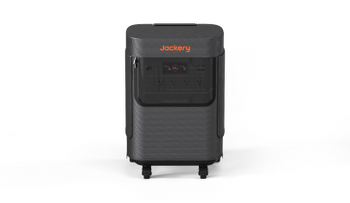
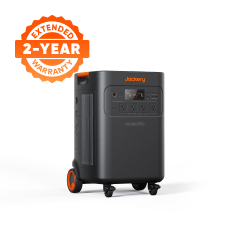
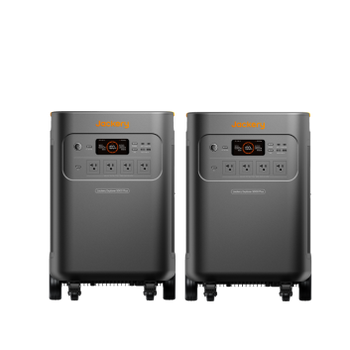
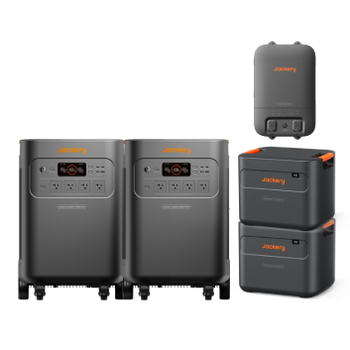
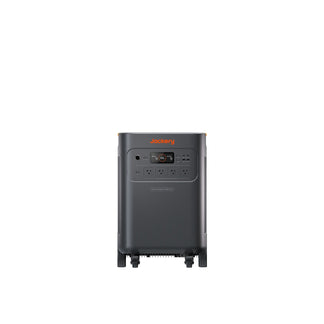
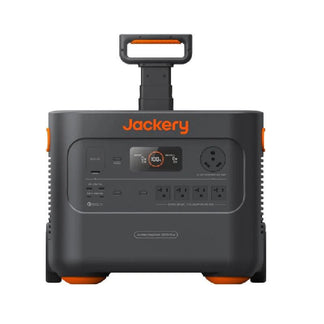
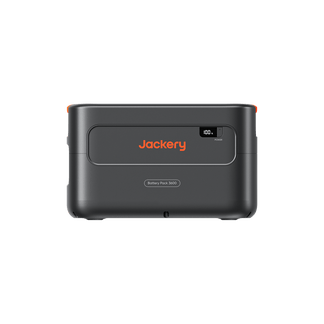
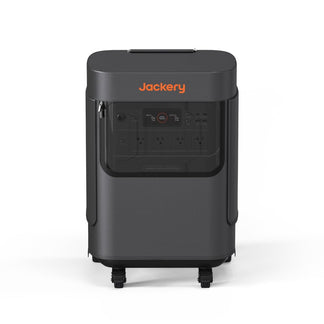
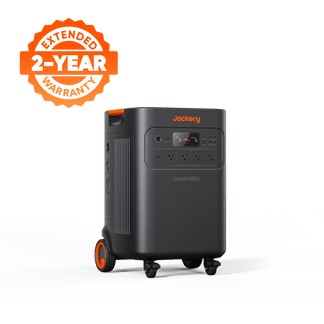
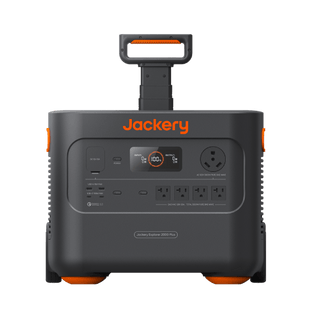
The Jackery Solar Generator HomePower 3600 Plus has a sub-10ms UPS switching that ensures connected appliances, such as refrigerators, computers, and medical devices, experience zero interruption when the grid drops. Capacity expands from 3,584Wh to 21kWh with up to five Jackery Battery Pack 3600 Plus units, covering the household for multiple days of essential use at the maximum expanded configuration. The built-in wheels and a telescoping pull handle make it genuinely rollable between rooms or out to the garage.
Appliances Running Time
- Refrigerator (300W): 9.5H
- TV (100W): 25.0H
- Sump Pump (1000W): 3.0H
- Heater (800W): 3.7H
- Portable Air Conditioner (800W): 3.7H
Who Should Buy This
The Jackery Solar Generator HomePower 3600 Plus is the right choice for families in storm-prone or outage-frequent areas who want the longest LFP lifespan available, multi-day coverage, expandable capacity, and sub-10ms UPS protection for sensitive home electronics.

Customer Review
I am using it as plugged-in Uninterruptible Power Supply for computers & monitors, internet router & cable telephone, WiFi, hard drives, recharging of cell phones, iPads, etc. When power goes out, I’ll plug in my refrigerator as well.
— Frank C.
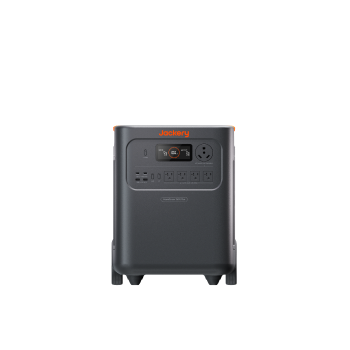
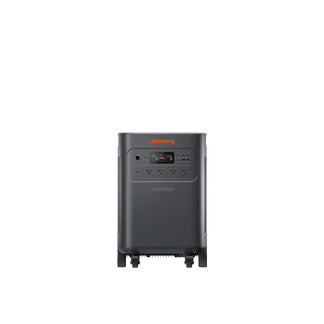
Jackery Solar Generator HomePower 3600 Pro Max: Best Automatic Solar Battery for Essential Home Backup
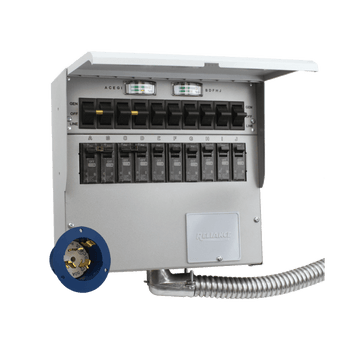
The Jackery Solar Generator HomePower 3600 Pro Max is ideal for homeowners who want essential home automatic protection that activates before they have time to react. The built-in Auto Transfer Switch switches selected home circuits to battery power in under 10ms when the grid drops. TOU (Time of Use) Mode schedules charging during off-peak electricity hours to reduce utility costs. It is particularly ideal for households with home offices or critical appliances that cannot tolerate any interruption.
Appliances Running Time
- Refrigerator (300W): 9.5H
- TV (100W): 25.0H
- Sump Pump (1000W): 3.0H
- Heater (800W): 3.7H
- Portable Air Conditioner (800W): 3.7H
Who Should Buy This
The Jackery Solar Generator HomePower 3600 Pro Max is the right choice for homeowners who want automatic, hands-free essential home circuit protection the moment the grid fails without manually connecting anything.

How to Choose the Best Solar Battery for Home
Choosing the best solar battery requires matching your capacity needs (kWh), power output (kW), and chemistry to your home's energy profile. Aim for a battery that covers 60-80% of your average evening use, prioritize safe LiFePO4 (LFP) chemistry, and ensure it seamlessly pairs with your inverter.
Capacity: This is the most crucial factor. It determines for how long the battery backup can supply electricity to your appliances. The larger the battery capacity, the longer it can provide electricity. Calculate your minimum Wh requirement before choosing, and add a 20% buffer.
Cycle Life and Chemistry: Choose LFP for daily use. Its 3,000–6,000+ cycle rating and 10–16+ year lifespan make it the only practical chemistry for a home solar battery that will be cycled regularly. NMC is acceptable for infrequent emergency backup only.
Warranty: A solar battery for a home is a significant investment. Choose a product backed by a meaningful warranty of at least 3 to 5 years from a manufacturer with a proven track record.
Noise Level: Unlike gas generators, a solar battery for home appliances does not emit combustion noise, though you can expect some sound from internal cooling fans. For a peaceful environment, choose a solar generator rated at 50dB or less. Jackery Solar Generators operate at under 45dB, making them ideal for noise-free environments.
Input/Output Ports: A solar battery backup with multiple output ports, such as AC, USB-A, USB-C, and DC, can power many appliances simultaneously. Consider the number and type of ports alongside raw capacity when comparing options.
Ease of Setup: The best home solar battery requires no professional installation, additional inverter, or additional controller. Jackery Solar Generators include everything you need (power station, solar panels, inverter, BMS, and all required cables) in a single bundle.
Solar Battery for Home FAQs
How much are solar batteries for home?
The cost of solar batteries for homes depends on the size, capacity, and battery type. Jackery Solar Generators range from entry-level models under $500 for compact units to several thousand dollars for high-capacity home backup systems like the Jackery HomePower 3600 Plus.
What size battery for home solar?
The size of your home battery backup will depend on how much electricity you use during an outage and your budget. As a general rule: studio and one-bedroom homes typically need 1,000–2,000Wh for 12 to 24 hours of essentials, two to three-bedroom families need 2,000–3,600Wh, and larger homes with medical equipment or extended outage coverage needs should consider 3,600Wh+ with expandable capacity.
How many solar batteries are needed to power a house?
The number of solar batteries needed depends on your household's daily energy consumption and the duration of coverage you need. A single Jackery Solar Generator HomePower 3600 Plus at 3,584Wh base capacity covers most household essentials for approximately 15 hours. When expanded up to 21kWh or 43kWh, the runtime of the appliances can be extended to days or even weeks, depending on the load.
What type of battery is best for a home solar system?
LiFePO4 (LFP) is the best battery chemistry for home solar use. It delivers 3,000–6,000+ cycles and 10–16+ years of daily life, 80–100% depth of discharge, 90–95% round-trip efficiency, excellent thermal stability, and the lowest risk of thermal runaway of any lithium battery chemistry.
Is it worth getting a battery with solar panels?
Yes. Investing in solar panels with a home battery means you can store energy generated during daylight hours for use at night, during overcast days, or during grid outages. When the electricity grid is down, the solar panels can recharge the battery backup to supply consistent electricity, eliminating the need for grid access or fuel during extended outages. In high-rate electricity states like California and Hawaii, regular solar offset of grid power during peak hours can also meaningfully reduce monthly utility bills.
What size solar battery for my home?
A battery with a capacity of 4-8kWh is enough to run electrical appliances even when the electricity grid is down. If you want to determine the size of the solar system, simply add the watt consumption of the appliance and multiply it by how many hours you plan to use it.
Conclusion
If you are buying solar batteries for your home, it is essential to consider battery capacity, chemistry, cycle life, depth of discharge, efficiency, and warranty before choosing. LiFePO4 (LFP) is the clear recommendation for any homeowner planning regular use. Jackery Solar Generators are complete, all-in-one solar battery systems. Whether you want a compact, always-ready backup like the Jackery Solar Generator HomePower 1000 v2 or a scalable multi-day solution like the Jackery Solar Generator HomePower 3600 Plus, Jackery's HomePower lineup covers different home backup scenarios from a single room to an entire household.


