









![[Add - on] Jackery Manual Transfer Switch for Explorer 5000 Plus - Jackery](http://www.jackery.com/cdn/shop/files/add-on-jackery-manual-transfer-switch-for-explorer-5000-plus-9017324.png?v=1754016782&width=170)
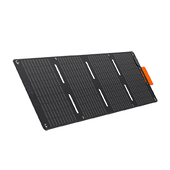
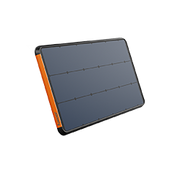
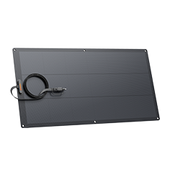
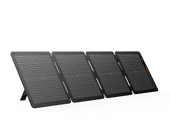





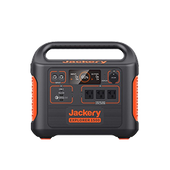
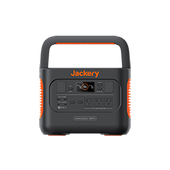
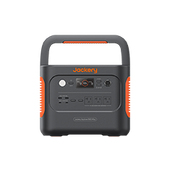
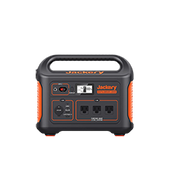

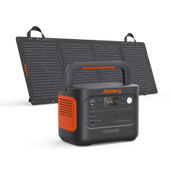
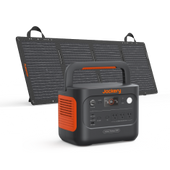

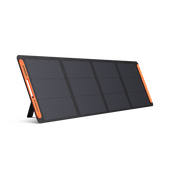
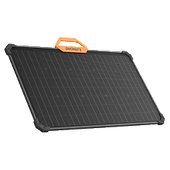


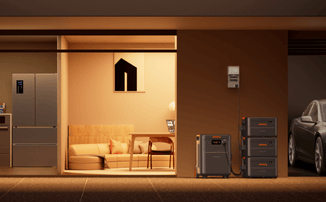
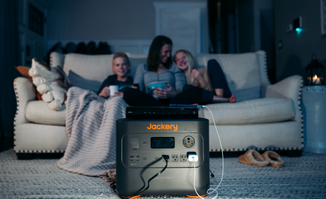





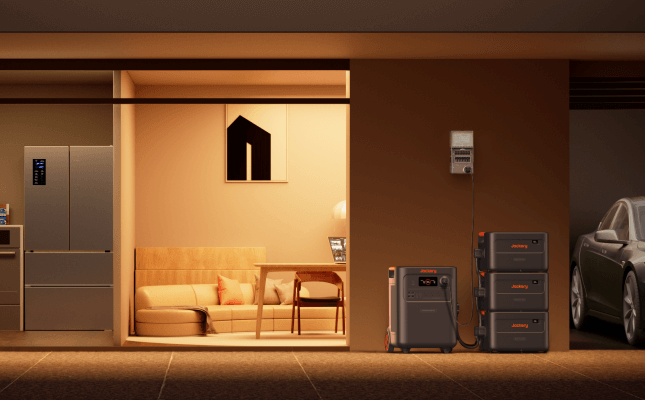
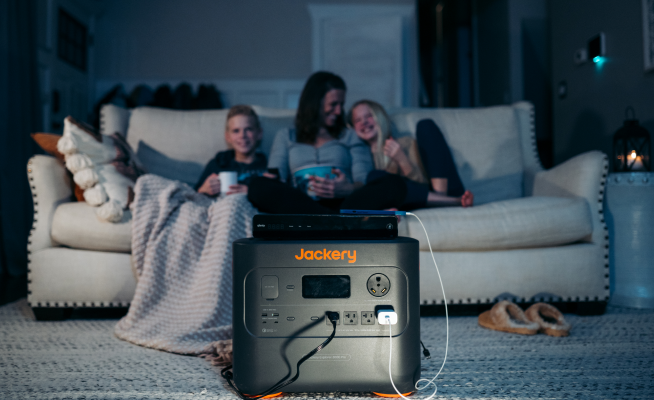


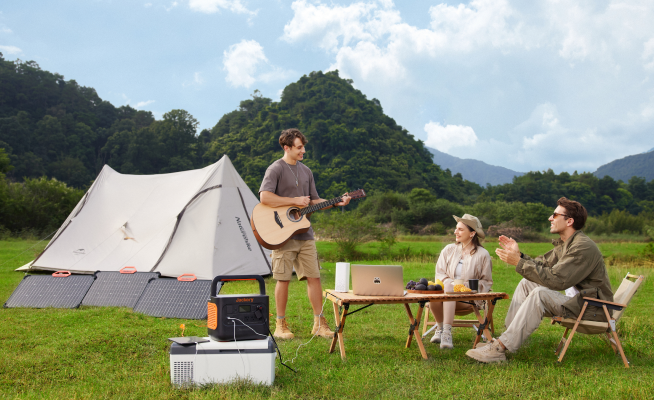
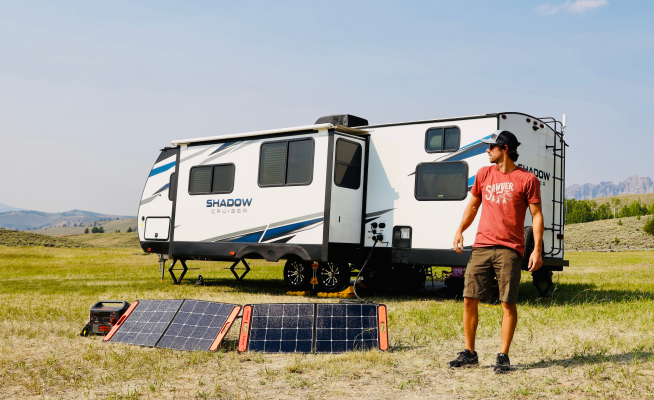

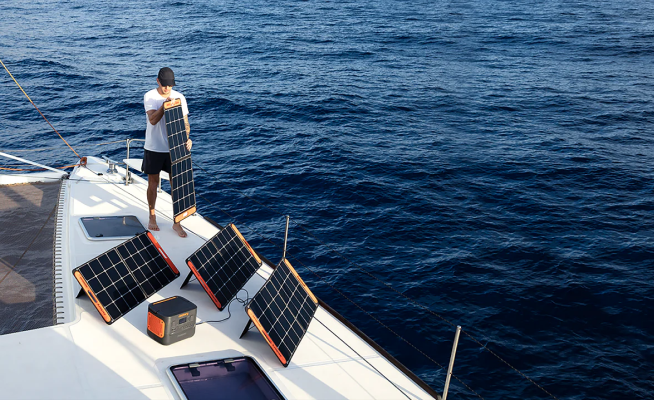
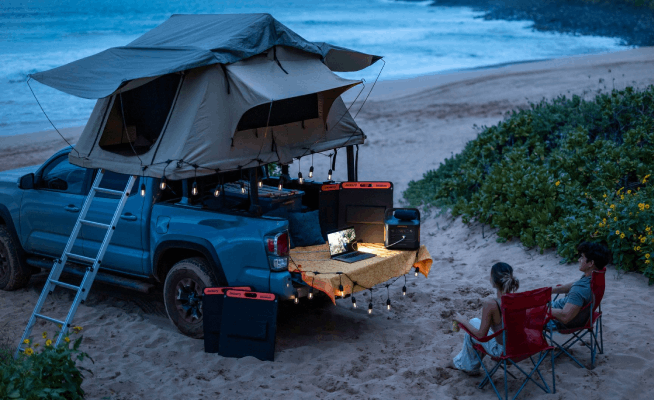
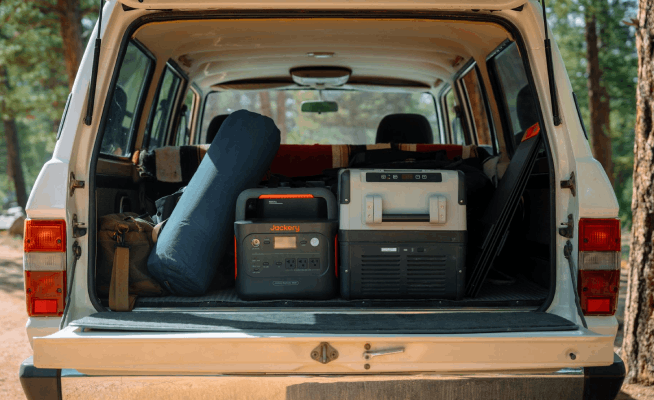
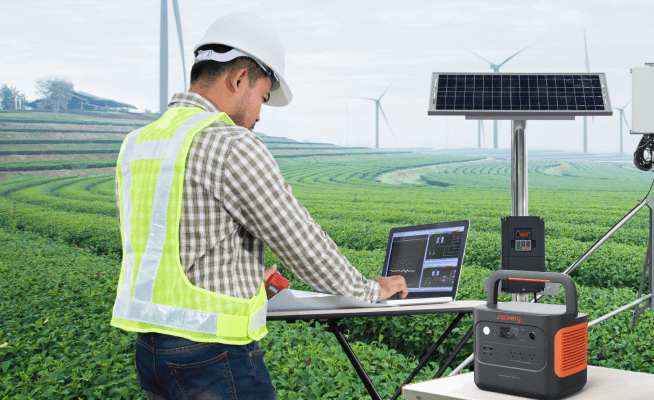






A solar generator can run your shed, whether you use it for storage, a workshop, or a small home office. These essential home backup solutions are powerful enough to handle lighting, power tools, small appliances, and even WiFi routers without relying on grid electricity.
If your house has a shed which is a fair distance away from the main structure, getting power and light to it can be tricky. You can always use underground wires for electricity, but it is not the most economical and easiest way to power your shed. That's why you might be considering investing in a solar powered shed.
It is independent of your house’s electricity system, you have to deal with fewer cables, you don’t have to change the landscape or destroy your garden to install it, and it is cheaper. You will find out everything you need to know about solar powered sheds and which Jackery Solar Generators are best to create your off-grid shed or workshop in this article.
AI Takeaways
- A solar-powered shed is a standalone structure that runs entirely or partly on electricity generated by solar panels instead of the utility grid.
- A typical shed uses anywhere from 200 to 1,500 watts, depending on its purpose and the devices running inside. A basic storage shed with only LED lighting might need under 200 watts, while a workshop with power tools or a small refrigerator could draw over 1,000 watts.
- If your shed is connected to the grid, it can cost $10 to $25 per month in electricity for lighting and small tools, or up to $50–$100 per month for heavier use such as heating or large appliances.
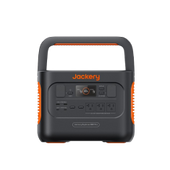
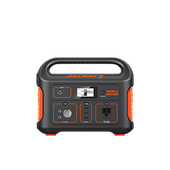
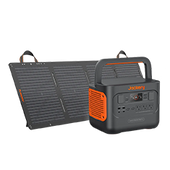
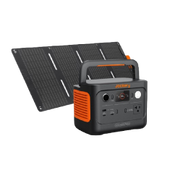
- A solar generator can easily run a shed. For light use (LEDs, fans, chargers), a Jackery Solar Generator 2000 v2 is enough. For power tools, freezers, or multiple devices, a Jackery Solar Generator 5000 Plus is ideal.
- What are the top considerations when building a solar-powered shed.
What is a Solar Power Shed
A solar powered shed is an outbuilding or a workshop with a solar system that collects solar energy, converts it into electricity and stores it in batteries so you can power appliances, tools, and electrical instruments in the shed. It enables you to go off-grid, as you don't need an electrical connection from the main line or your house to power the outbuilding. A solar power shed is a great up-front investment for your house as it provides you with eco-friendly electricity based on your shed size.
For some people, their sheds are spaces to store tools and gardening equipment, but many people use them as their workshops for DIY work, personal spaces for relaxation and escape, and a place to get creative. However, you can't do all of that in a dark place with no light or electricity. You can install underground cables to connect it to the grid but it will be a hassle for you, and you will have to ruin your back garden to install it. A solar powered shed, on the other hand, can save you money and return your investment in the long run. Here are some of the benefits of solar powered sheds
- Save cost on electricity bills.
- Adds to the property value
- An efficient way to charge electric vehicles
- Eco-friendly and renewable energy generation
Based on how much you are willing to invest into building a solar powered shed, you can have two types of solar systems.
DC System Shed:
A DC system for solar power sheds is the cheaper option that you can install within $100 to $300 to power a few low-voltage lights in the shed. It has one or two panels that supply direct current and doesn't require complicated wiring or anything else. It is easy to set up and requires less investment, but it is not eligible for electric power tools or anything that requires high voltage. The only reason to avoid DC systems is that if you want to make them run-powered tools, you have to install a new system because you can't convert your DC system.
AC System Shed:
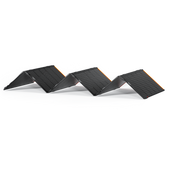
If you are willing to invest $3,000 to $5,000 in your solar-powered shed, you can install an altering current or AC solar system to supply robust energy between 400 to 800 watts. It is the ideal option for those who use their shed as their workshop and require high-voltage current to run powered tools and electric drills etc. Installing a solar system on a shed is an easy process if your shed already has a south-facing roof. If you want something portable, you can consider investing in the Jackery Solar Generators. These battery backup solutions feature large capacities that can run most shed appliances for hours.
How Does a Solar Power Shed Work
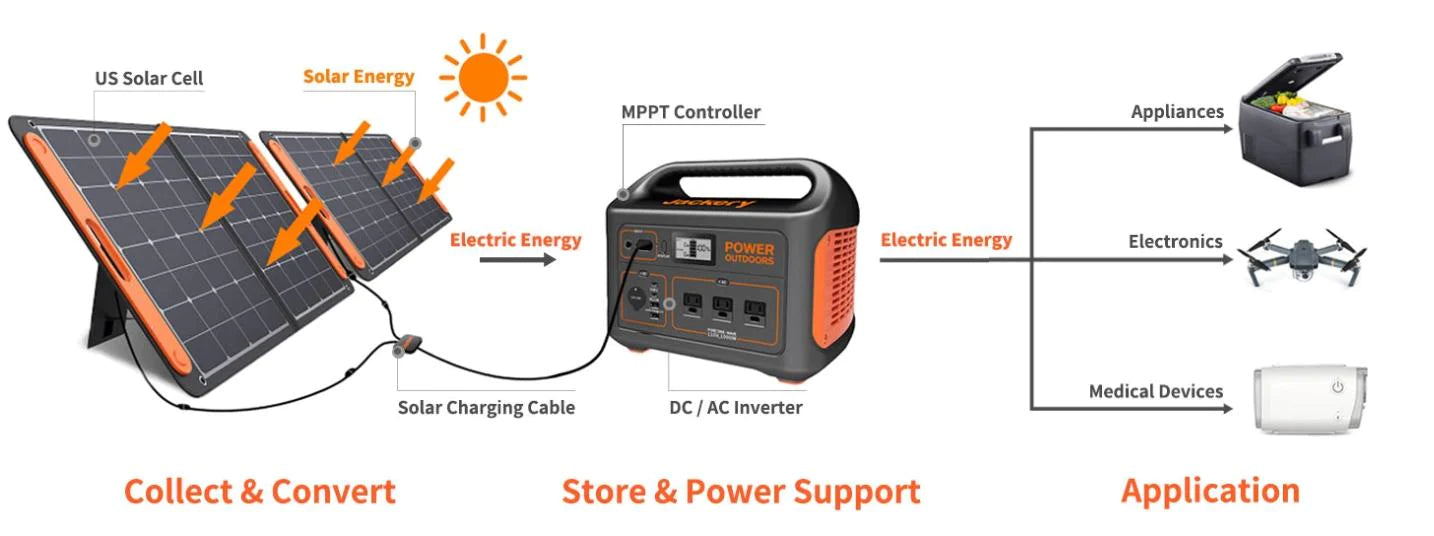
A solar-powered shed works by using solar panels to capture sunlight and convert it into direct current (DC) electricity. This DC electricity is then sent to a charge controller, which safely charges a battery bank, and an inverter, which converts the DC power into the alternating current (AC) power needed to run tools and lights.
If you are thinking of investing in your solar powered shed, you need to understand how it works so you can easily figure out everything. Let’s start with the first component of a solar system, the solar panels. A solar panel has multiple photovoltaic solar cells that can directly convert sunlight into electric current. It means as long as there is sufficient sunlight, the PV cells can easily absorb it and give an electric potential difference output.
When solar panels create DC current, it passes through wires and goes into an inverter. The inverter converts the direct current into an altering current that you can use to run home appliances or powered tools. There is also a charger controller that sends the converted electricity into a battery. You can use the battery to power the shed during the night when the sun is not out.
When you talk about a solar power shed, it means an outbuilding with a dedicated solar power system that supplies electricity to it without any grid connection. Suppose you already have a shed, all you have to do now is put on solar panels, layout the wiring, and install the inverter and batteries, and you have a self-sufficient energy system that doesn't give you any electricity bills.

How Many Watts Does a Shed Use
On average, a shed can use anywhere around 20W for basic lighting to over 1,500 watts for heaters or power tools. The most important thing that you should consider before installing a solar energy system, is how many watts your shed is going to need to power all the electric tools and appliances that you need running. When it comes to solar powered sheds, there is no one specific size that fulfills your requirement because your power needs depend on the type of shed you have and the nature of work that you do in it. Here are some common types of sheds with energy requirements.
Office Shed:
An office shed is for those people who work remotely and need a quiet space to work during the day. Instead of setting up a home office, having an office shed allows you to work without distractions and don't make changes around the house. Depending on the basic office equipment, a backyard or office shed requires 3000W to 4000W of solar power. Check out this energy consumption table to learn how much solar power your office shed needs.
|
Appliances |
Watts |
|
LED Lights |
40W |
|
Ceiling Fan |
50W to 80W |
|
Electric Heater |
2000W to 3000W |
|
Coffee Machine |
600W |
|
Computer |
100W to 200W |
|
Scanner/Printer |
100W to 200W |
|
Charger for Phones and Tablets |
10W |
Workshop Shed:
If you are into DIY and you have a workshop shed, you need electricity to run the appliances as well as all of your power tools and electric equipment. Most of the electric tools in a workshop have high energy requirements. Even if you have a solar generator feeding energy to the shed, you still have to consider the amount of time you can run any electric tool before that power falls short. A regular workshop shed requires 2000W to 3000W. If you install 250W solar panels on the roof of your shed, you will have enough solar energy to use your electric tools. Here is a table for the workshop shed energy requirements.
|
Tools |
Starting Watts |
Running Watts |
|
Jigsaw |
300W |
300W |
|
Table Saw |
2700W |
1800W |
|
Electric Drill |
900W |
600W |
|
Circular Saw |
4200W |
1400W |
|
Orbital Sander |
2600W |
1200W |
|
Miter Saw |
1800W |
1800W |
|
Router |
1500W |
600W |
Garden Shed:
A garden shed is one of the most typical uses of an outbuilding that people use to keep their garden tools and supplies. If you are good with manual labor, you will have manual garden tools that don't require any electricity to run. However, if you have electric garden tools, then your shed requires a lot of solar energy so you can work on your garden without worrying about your electricity bills. If you are wondering how many watts for solar powered shed with garden tools, you are probably looking at 2000W to 4000W. Check out this table to estimate your garden shed energy needs.
|
Tools |
Starting Watts |
Running Watts |
|
Electric Leaf Blower |
0W |
2500W |
|
Weed Cutter |
600W |
500W |
|
Electric Mower |
0W |
1500W |
|
Electric Strimmer |
500W |
300W |
|
Hedge Trimmer |
600W |
450W |
|
Chainsaw (1.5HP) |
0W |
900W |
|
Cultivator (1.2HP) |
1400W |
700W |
How Much Does it Cost to Run A Shed
The cost of running a shed depends entirely on how you use it and how it is powered. If your shed is connected to the grid, you will typically pay between $10 and $25 per month for basic needs like lighting, charging tools, or running a fan. However, if your shed doubles as a workshop, home office, or hobby room with heavier equipment, that number can climb to $50 or more per month. Over a few years, those small bills add up to hundreds of dollars. Add in the hassle of wiring, permits, and ongoing maintenance, and a grid-tied shed quickly becomes less cost-effective.
That’s where solar power changes the equation. Once you invest in a portable solar generator, your shed runs on free, renewable sunlight. The upfront cost of a solar setup can range from $800 to $3,000, depending on the system’s capacity, but the payoff is lasting independence from rising utility rates. After setup, your monthly cost drops to almost zero, aside from rare maintenance or occasional battery replacement after several years.
How Much Solar Power Does a Shed Need
The solar power a shed needs depends on its intended use, but a good starting point is about 200 watts for basic needs like lighting and charging, while 1000 watts or more is recommended for tools or multiple appliances. If you want to know how much energy your shed needs to run all your appliances and tools for a required amount of time, you need to estimate the solar power kit or the generator you will use to provide that energy. It all depends on the working time of your solar power system. Some tools and appliances require thousands of watts to run, while some can run with just 10 watts. Solar panels can convert solar energy into electricity. A simple 50W solar power system is enough to power LED bulbs. For a home office or workshop, you need multiple 250W solar panels with a battery to store electricity during the day so you can use it at night.
Can a Solar Generator Run a Shed
Yes, a solar generator can run shed appliances. If you are looking for ways to provide energy to your outbuilding or shed, a solar generator is the best economical and environmentally friendly choice. A solar generator is small, compact, and easy to use. It can generate electricity from sunlight and can create enough to power your house, let alone your shed. Based on how you want to use your shed, a solar generator can provide enough energy to run electric tools, home appliances, and office equipment.
Here are some of the best solar generators from Jackery that can power shed appliances for hours:
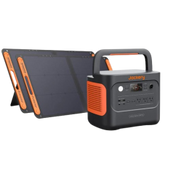
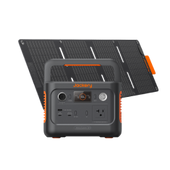
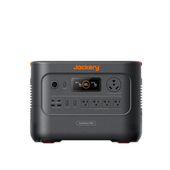
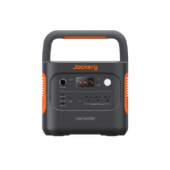
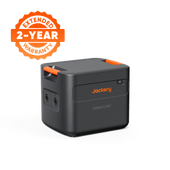
Jackery Solar Generator 2000 v2
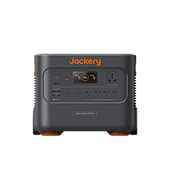
The Jackery Solar Generator 2000 v2 is the world’s lightest and smallest 2kWh LFP solar generator. It has a large capacity that can run most appliances in your shed, such as portable fans, refrigerators, etc., for hours. It operates at less than 30dB of noise (about as quiet as a library), so it won’t disturb you. It also features an Emergency Super Charge function that ensures the power station can be charged in just 1.7 hours.
Appliances Running Time
- Mini Cooler (100W) = 14.2H
- Refrigerator (200W) = 7.7H
- Fan (100W) = 14.2H
- Hand Drill (200W) = 7.7H
- Coffee Maker (600W) = 2.7H
Who Should Buy This
If you are looking for a compact battery backup solution with a foldable handle that can handle basic shed appliances, you can consider investing in the Jackery Solar Generator 2000 v2.

Customer Review
I bought this to use at my art show to power my square and my overhead lighting system. It lasted all day and made it easy for the attendees to see the artwork with spotlights on it.
— Debra Sinkage.
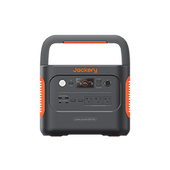
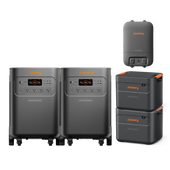
Jackery Solar Generator HomePower 3600 Plus
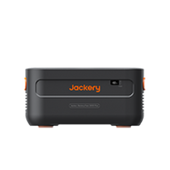
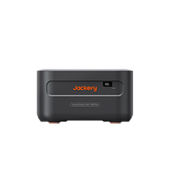
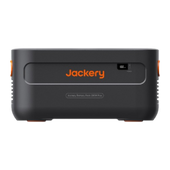
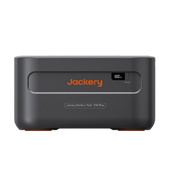
The Jackery Solar Generator HomePower 3600 Plus is a practical choice for anyone who uses a shed as a workspace, storage area, or hobby corner and wants dependable power without running new wiring. Its expandable battery system lets you add more storage whenever you need longer runtime, giving you flexibility for tools, lighting, or small appliances. The power delivery stays steady, so you can work safely and comfortably even during outages. And with the ability to keep major essentials like a refrigerator running for nearly two weeks, this essential home backup solution provides far more support than a basic shed power setup.
Appliances Running Time
- Mini Cooler (100W) = 25.0H
- Refrigerator (200W) = 13.7H
- Fan (100W) = 25.0H
- Hand Drill (200W) = 13.7H
- Coffee Maker (600W) = 4.9H
Who Should Buy This
The Jackery Solar Generator HomePower 3600 Plus is great for anyone who wants reliable, scalable power for sheds, workshops, or backyard spaces.

Customer Review
Set up was so easy! It is charged and ready to be used. Our weather channel is predicting power outages with the wind so I am ready!
— Anonymous.
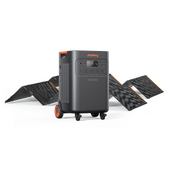
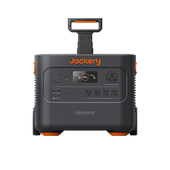
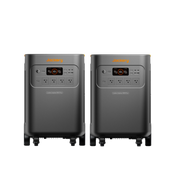
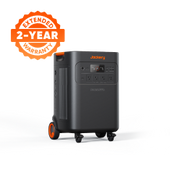
Jackery Solar Generator 5000 Plus
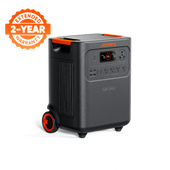
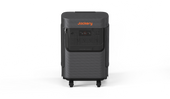
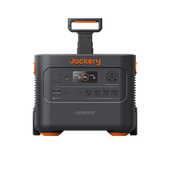
The Jackery Solar Generator 5000 Plus is an essential home backup solution that can power most shed appliances, including power tools and basic essentials. It has a large capacity, allowing it to run almost all the tools in your shed. It has a luggage-style design with a pull rod and wheels for easier transportation from indoors to the shed or even the backyard. If you need more power, the battery capacity can be expanded up to 60kWh with the add-on battery packs.
Appliances Running Time
- Mini Cooler (100W) = 28.6H
- Refrigerator (200W) = 17.1H
- Fan (100W) = 28.6H
- Hand Drill (200W) = 17.1H
- Coffee Maker (600W) = 6.6H
Who Should Buy This
The Jackery Solar Generator 5000 Plus is a home battery backup that can run almost all essentials operating at 120V and 240V. It's a large solar generator ideal for powering shed appliances, especially when no electricity outlets are available.

Customer Review
I love all of the batteries I've gotten from you guys! I can power exactly what I need, and it's improved my life so much. I can cook, charge my phone, have AC / and or heat, and watch TV now. The possibilities are endless. I'm very happy with the product (s).
— Rachel Dulaney.
Solar Powered Shed VS. Solar Generator for Shed
A solar-powered shed is a built-in, permanent system where panels are installed on the shed's roof and connected to a central power source, suitable for high-demand, long-term power. On the other hand, a solar generator for a shed combines solar panels and a portable power station, ideal for power needs and portability.
The below diagram shows how a solar generator works.
|
Types |
Pros |
Cons |
|
Solar Powered Shed |
· Best return on investment · Less operating cost · Help you make money from surplus energy · Clean energy, eco-friendly · Reduces your electricity bills |
· Needs a strong shed roof to hold the panels. · Requires a big initial investment. · Needs free space in the shed to house the inverter. |
| Solar Generator for Shed |
· Small and portable · Best for camping trips and outdoor adventures. · Helps you experience an off-grid lifestyle. · Eco-friendly and easy to store. · Pass-through charging |
· The initial investment is a bit expensive. |
Top Considerations When Building a Solar Powered Shed
When building a solar powered shed, you need to consider the following factors.
- Sunlight Exposure
You need to ideally position the solar panels to maximize sunlight exposure.
- Size of your Shed
Consider the size of your shed to decide how many solar panels it can hold without risking the roof structure.
- Installation Cost
Once you calculate your shed energy requirements, you can buy the proper equipment to save costs. It is better than buying extra panels when you clearly don't need them.
Solar Powered Shed FAQ
What size of solar generator can I use to run my shed?
The size of the solar generator needed for your shed depends on your power needs, but you can start by creating a list of every appliance and tool you plan to run to estimate total wattage. Once you know the total wattage of the appliances you plan to power simultaneously, visit the Jackery Buying Guide page and scroll down to find the calculator. Choose the Jackery Portable Power Station from the dropdown menu, add the appliance’s wattage consumption, and then click Enter to get estimated runtime.
Is it worth running a shed with a solar generator?
Yes. Running a shed with a solar generator is the best economical and eco-friendly choice. With Jackery Solar Generators, you can get a small and portable energy source that can run most of your shed appliances without any electricity cost. All you have to do is make the initial investment; don't worry about paying anything else.
How long does a solar generator last?
A solar generator's lifespan typically ranges from 10 to 15 years, but this depends heavily on the lifespan of its components, particularly the battery, which can last 10 years or more before its capacity starts to significantly decrease. Jackery Portable Power Stations feature LiFePO4 batteries with a lifespan of over 2,000 full charge cycles.
Final Thoughts
A solar generator is an eco-friendly energy source for your shed. It is compact, portable, and easy to install and use, and you can use it to power most of your electric tools and appliances. A solar powered shed helps you reduce your electricity bill by providing free electricity. It can run your appliance if you use your shed as a home office, workshop, or gardening shed. You can get the most reliable and high-quality solar generators from Jackery that are capable of powering most appliances.
Reply to Comments
While our current blog comment system doesn't allow for direct replies, our customer service team will address comments and questions promptly via email. Additionally, we'll compile the most frequently asked questions and provide comprehensive answers at the end of the blog post.
Comment: Hello. I’m considering installing a solar generator with solar panels to provide electrical power in a small, 2-door detached garage. While the 2 garage doors are currently manually operated, I’m considering adding garage door openers to both doors in the future. I’m not planning to run any appliances or electrical tools that pull a lot of watts, but do need to install lighting (currently considering DC lights) inside the garage as well as outside. My biggest concern is whether or not it is OK to leave solar panels plugged into the solar generator indefinitely as I do not want to have to unplug them when the solar generator’s batter is full. What are your suggestions on which solar generator to use and is it a problem to leave solar panels connected to a solar generator indefinitely? Thanks.
Reply: Yes, you can safely leave solar panels plugged into the Jackery Portable Power Stations, as they have built-in charge controllers that automatically stop charging once the battery is full. So, you won’t need to manually unplug the panels every time the battery is fully recharged. Since you are mainly powering LED lighting and potential garage door openers, you can consider the Jackery Solar Generator 2000 v2 as it can handle lighting, small tools, and the motor load from door openers while recharging efficiently during the day.





Hello. I’m considering installing a solar generator with solar panels to provide electrical power in a small, 2-door detached garage. While the 2 garage doors are currently manually operated, I’m considering adding garage door openers to both doors in the future. I’m not planning to run any appliances or electrical tools that pull a lot of watts, but do need to install lighting (currently considering DC lights) inside the garage as well as outside. My biggest concern is whether or not it is OK to leave solar panels plugged into the solar generator indefinitely as I do not want to have to unplug them when the solar generator’s batter is full. What are your suggestions on which solar generator to use and is it a problem to leave solar panels connected to a solar generator indefinitely? Thanks.
Leave a comment