


























What is Solar Powered TV?
You can enjoy virtually endless off-grid, remote amusement with a solar-powered TV setup. Broadly speaking, there are two types of Solar Powered TV setups:
- Dedicated Solar TVs: These are specialized 12V DC televisions designed specifically for RVs or remote cabins. They bypass the need for an inverter (which converts battery power to wall-outlet power), making them highly efficient but often smaller and lower resolution.
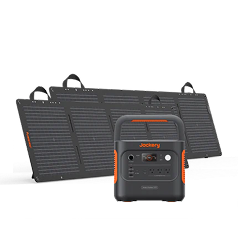
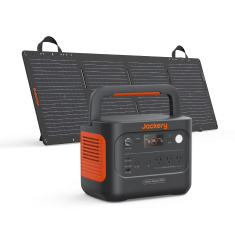
- Solar Generator Systems: This is the most common method. It involves using a standard AC television (like the one in your living room) powered by a portable power station connected to solar panels.
How Does A Solar TV System Work?
While a solar panel generates Direct Current (DC), a standard television utilizes Alternating Current (AC).
Here is the energy journey:
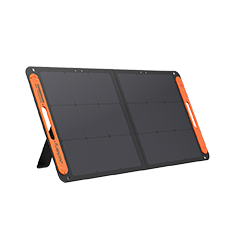
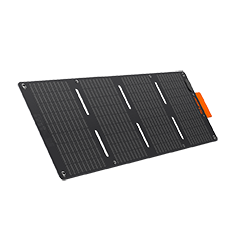
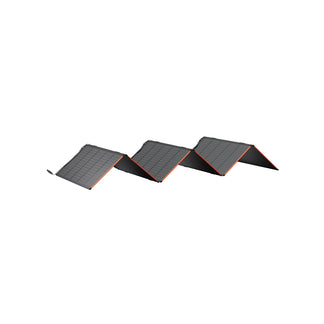
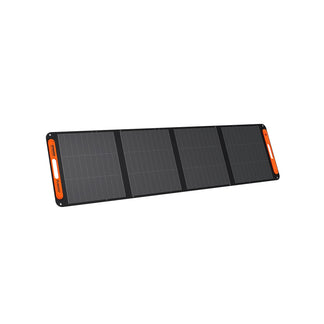
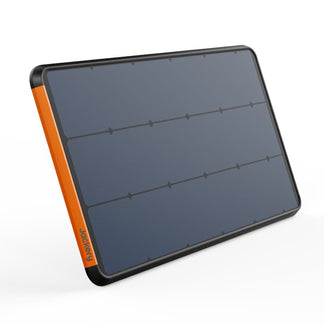
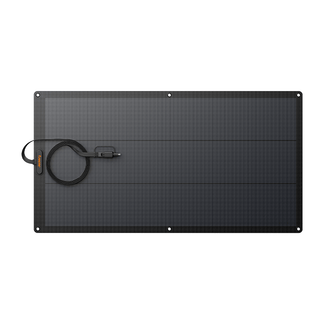
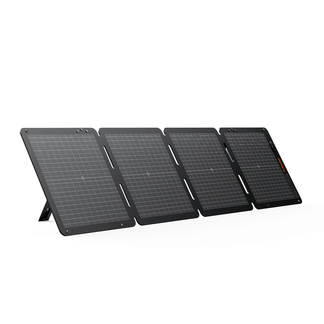
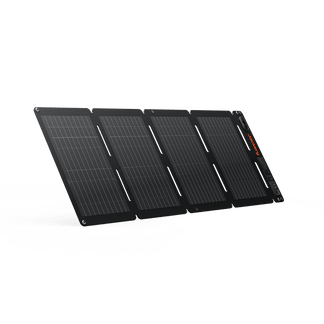
- Capture: Photovoltaic (PV) solar panels capture sunlight and convert it into DC electricity.
- Regulation: A charge controller (built into Jackery Solar Generators) regulates the voltage to prevent overcharging the battery.
- Storage: The energy is stored in a battery (like a LiFePO4 battery bank). This is essential because you likely watch TV at night when the sun isn't shining.
- Conversion: An inverter converts the stored DC power into AC power, which is safe for your standard household TV.
Note on Inverters: For modern TVs, especially 4K or OLED models, you must use a Pure Sine Wave inverter. Modified sine wave inverters (found in cheaper systems) can cause interference, audio buzz, or even damage sensitive electronics. All Jackery Solar Generators use Pure Sine Wave inverters.

Types of Solar TV Solutions
Depending on your needs—whether it's a permanent cabin, a weekend camping trip, or home backup—there are different approaches.
All-in-One Solar TV Kits
These are niche bundles that include a small DC TV, a small panel, and a battery.
- Best For: Remote cabins with very low power needs.
- Pros: High efficiency.
- Cons: Small screens (usually 24"-32"), limited features, no 4K.
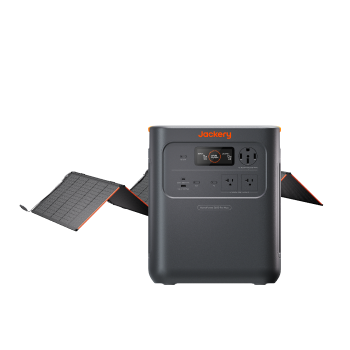
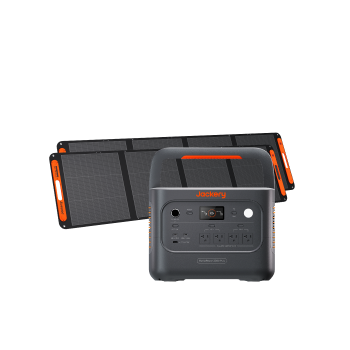
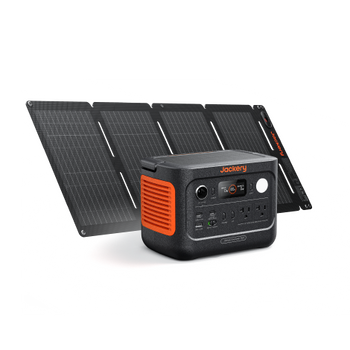
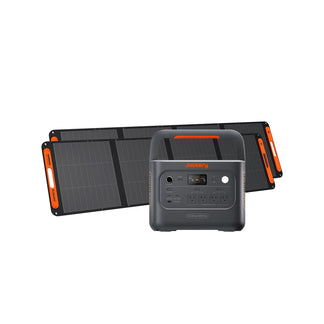
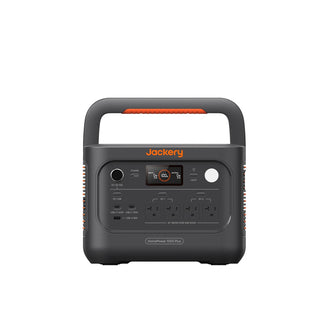
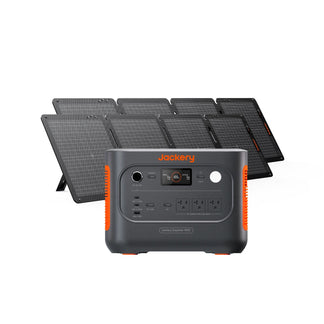
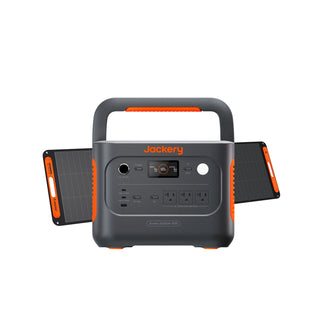
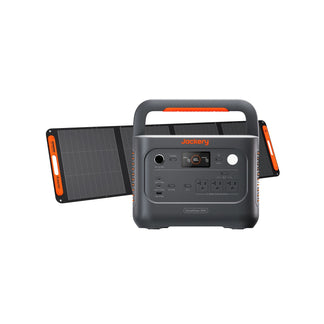
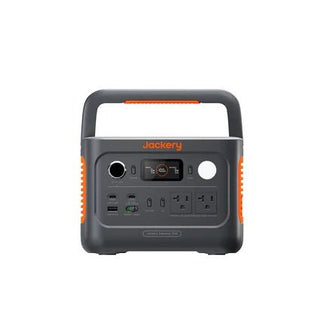
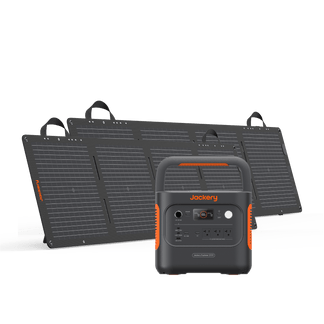
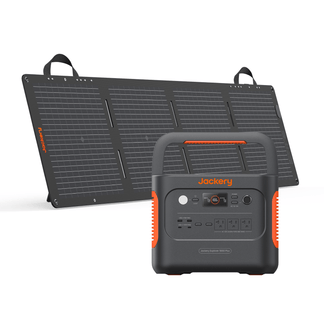
Portable Solar Generators (Recommended)
This combines the battery, charge controller, and inverter into one portable unit.
- Best For: Home backup, RVs, camping, and tailgating.
- Pros: Plug-and-play, powers standard TVs (plus soundbars and phones), portable.
- Cons: Requires recharging via solar or wall outlet.
DIY Off-Grid Systems
A custom build with roof-mounted panels, heavy-duty batteries, and separate inverters.
- Best For: Permanent off-grid living.
- Pros: Scalable power.
- Cons: Complex installation, requires electrical knowledge, high upfront cost.
Solar Powered TV VS. Solar Generator for TV
A 150W solar panel setup might power a 50-inch TV for a few hours, but weather unpredictability is a major factor. Solar generators provide a more robust way to power a TV, keeping you powered even at night, during rainy weather, or on cloudy days with their fully charged portable power stations. Additionally, they allow pass-through charging (charging the battery while using the TV).
|
Feature |
Dedicated Solar Powered TV Kit |
Solar Generator for Standard TV |
|---|---|---|
|
Energy Source |
Clean solar energy (DC direct) |
Clean solar energy (Stored AC) |
|
Flexibility |
Limited to the specific TV provided |
Works with ANY TV, plus lights, phones, & fridges |
|
Installation |
Requires mounting and wiring |
Plug-and-play (No installation) |
|
Video Quality |
Often limited to 720p or 1080p |
Supports 4K, OLED, QLED, HDR |
|
Weather Reliance |
Stops working when battery drains |
Large capacity batteries last days without sun |
|
Maintenance |
Requires system maintenance |
Zero maintenance |
Solar Generator for TV
Portable solar generators can power a variety of appliances both inside and outside the house. It converts solar power into electricity and stores the energy for later use. Thanks to this, you can still enjoy off-grid living, camping, outdoor activities, or even when you are not linked to the electrical grid.
The solar generator is the best option for charging TVs and other appliances, unlike dedicated solar TV kits requiring installation and specific equipment. It is a clean energy source, economical, and appropriate for backup power.
How Many Watts Does A TV Use?
The average modern TV uses between 60 and 150 watts, but this varies wildly based on technology and size.
- LED/LCD TVs: The most common and efficient. A 50-inch LED typically uses ~85W.
- OLED TVs: Offer better picture but consume slightly more power than standard LEDs.
- Plasma TVs: Older technology (pre-2014). These are energy hogs, often using 300W+. If you are running on solar, consider upgrading to LED to save battery life.
Estimated Wattage by Size (LED/LCD):
|
TV Size |
Estimated Wattage |
Daily Consumption (4 Hours) |
|---|---|---|
|
32 Inch |
30W - 50W |
120Wh - 200Wh |
|
42 Inch |
50W - 70W |
200Wh - 280Wh |
|
50 Inch |
75W - 100W |
300Wh - 400Wh |
|
65 Inch |
110W - 140W |
440Wh - 560Wh |
|
75+ Inch |
150W - 200W |
600Wh - 800Wh |
Note: Check the label on the back of your TV for the exact "Power Consumption" number.
For further reading, please read our guide on How Many Watts does a TV Use.
Sizing Your Setup: The Math
To run a TV on solar, you need to calculate two things: Battery Capacity (how long you can watch) and Solar Input (how fast it recharges).
Calculate Battery Runtime
You can navigate to our Buying Guide to calculate the battery runtime on different Jackery Solar Generators.
Calculate Solar Panels Needed (Peak Sun Hours)
You need enough solar input to recharge the battery during the day. In the US, the average "Peak Sun Hours" (optimal charging time) is about 4 hours per day.
- Formula: Panel Wattage × Peak Sun Hours × 0.80 (efficiency) = Daily Production
- Example: 2 x 200W Panels (400W total) × 4 hours × 0.80 = 1280Wh per day.
- Result: This is enough to recharge the energy used by watching TV for roughly 10 hours.
Can A Solar Generator Run a TV?
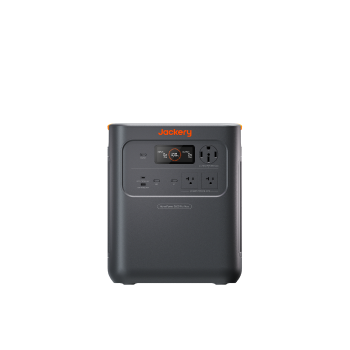
Absolutely yes! A solar generator is the best option for an off-grid cabin, RV, or home backup during outages. Jackery Solar Generators use clean solar energy to power your devices via Pure Sine Wave inverters, ensuring your expensive electronics are safe.
Depending on your power needs and the number of appliances, Jackery offers high-capacity solutions ideal for home entertainment and backup.
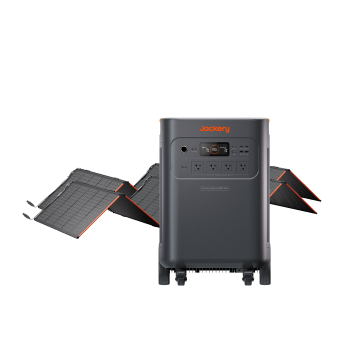
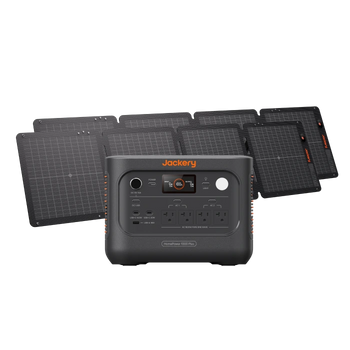
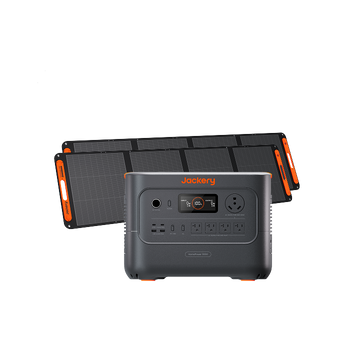
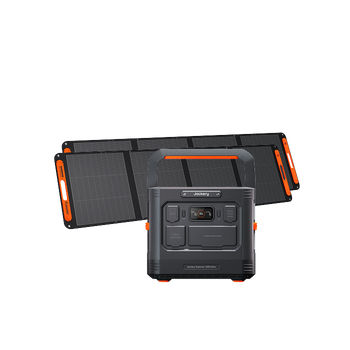
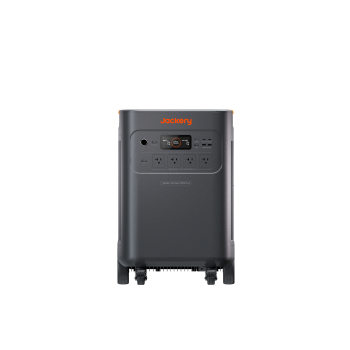
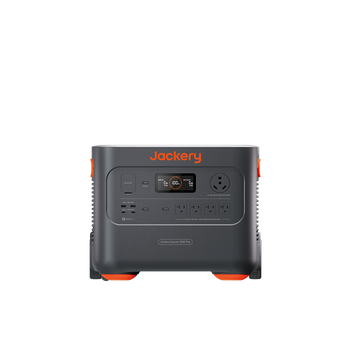
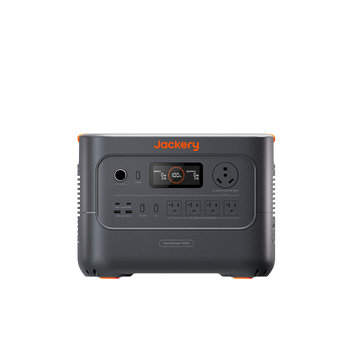
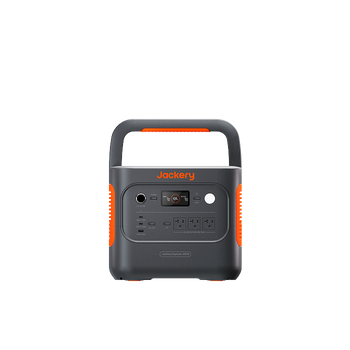
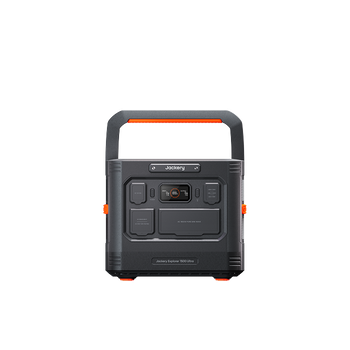
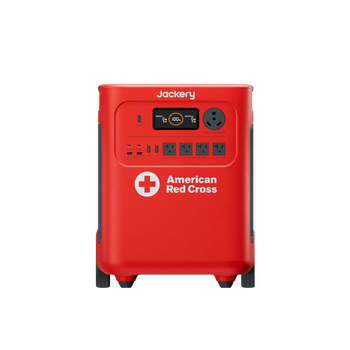
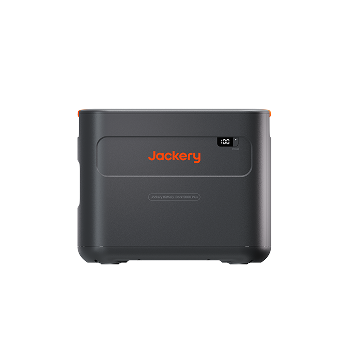
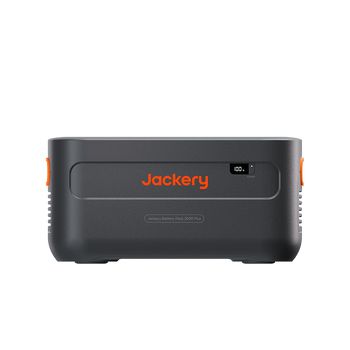
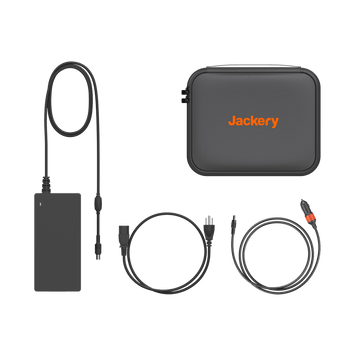
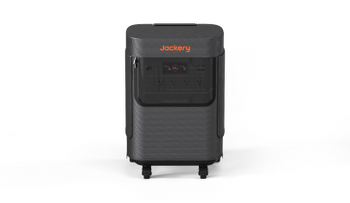
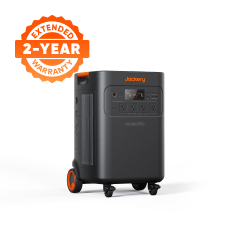
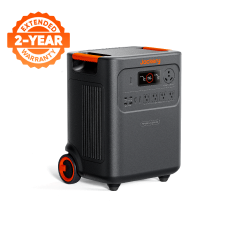
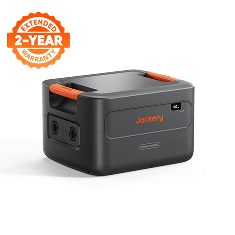
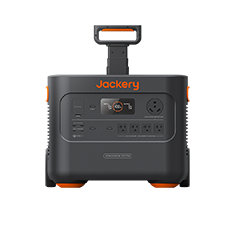
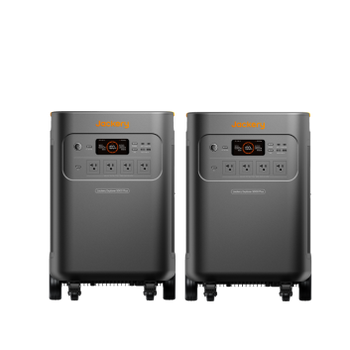
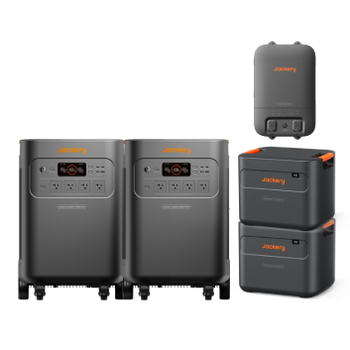
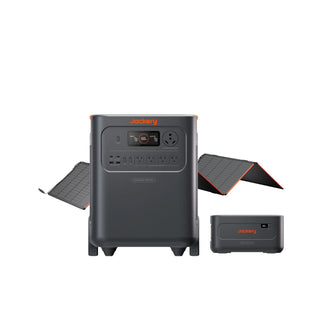
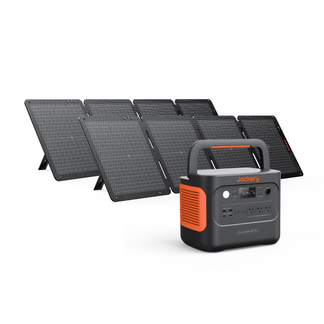
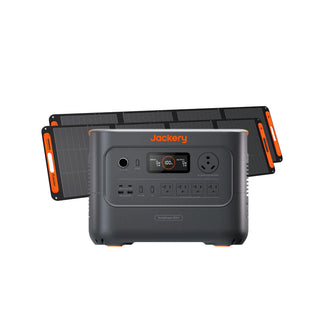
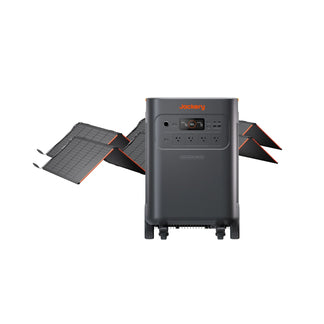
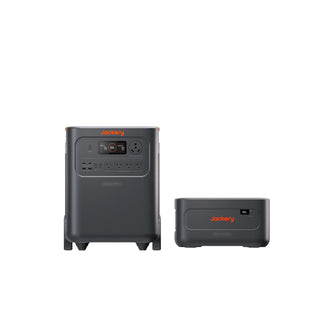
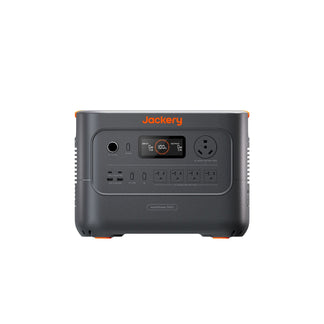
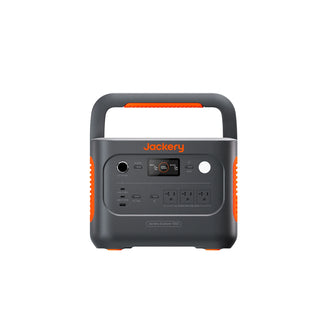
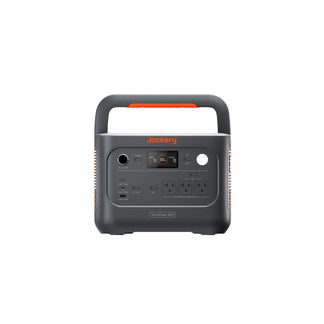
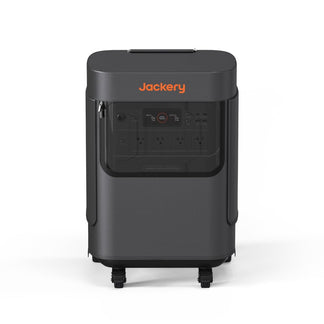
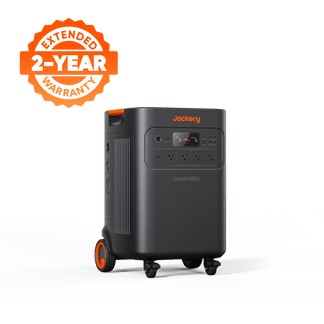
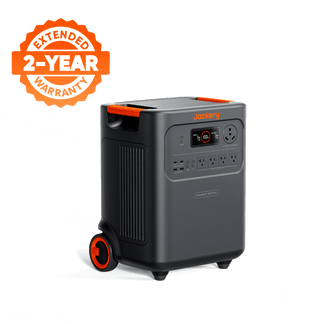
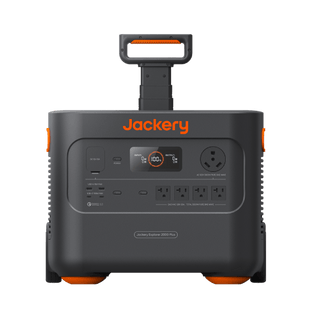
Jackery Solar Generator HomePower 3600 Plus
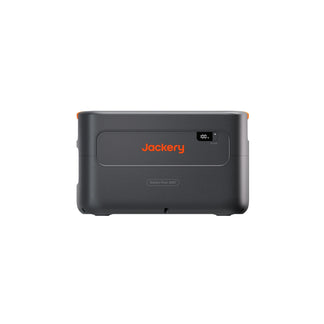
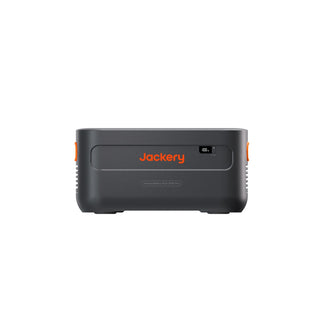
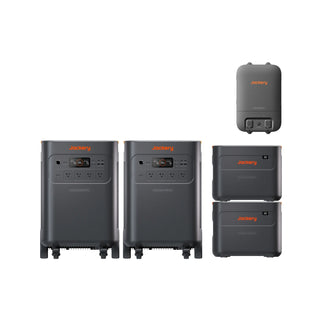
The Jackery Solar Generator HomePower 3600 Plus is the ultimate solution for home backup and prolonged off-grid living. It features a massive capacity that can be expanded, ensuring you can run your TV, refrigerator, and lights for days during a blackout.
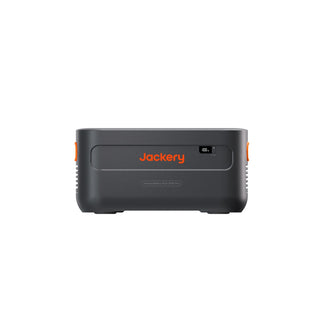
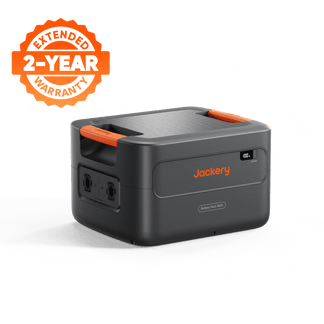
- Capacity: High capacity (Expandable from 3.6kWh up to 21kWh with add-on battery packs).
- AC Output: High power output capable of running heavy-duty appliances, including large home theater systems with surround sound.
- Best For: Essential home backup, long-term power outages, and large off-grid cabins.
- TV Runtime (Est. for 100W TV): With the base unit alone, you can run a standard TV for 30+ hours.
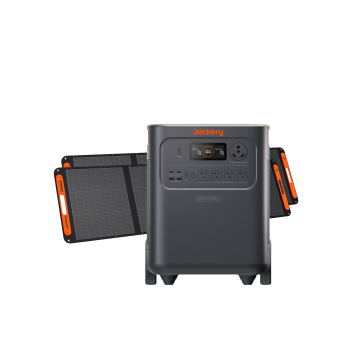
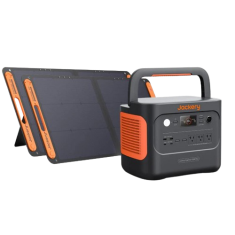
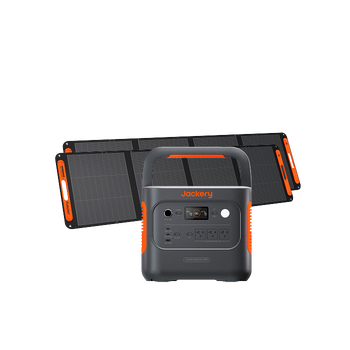
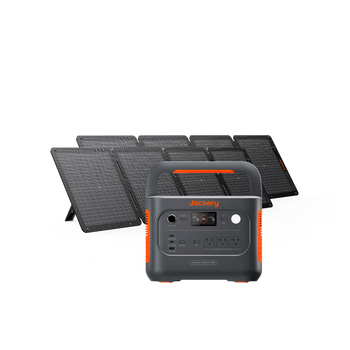
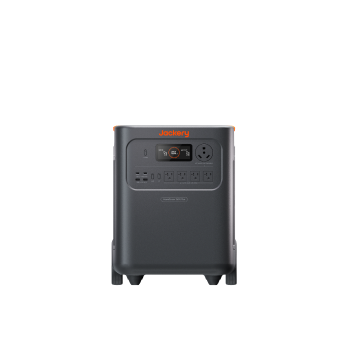
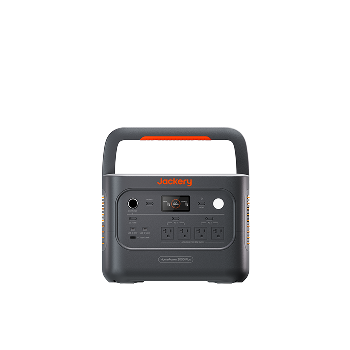
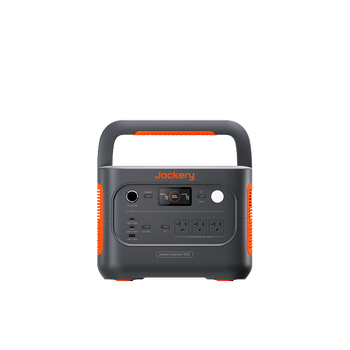
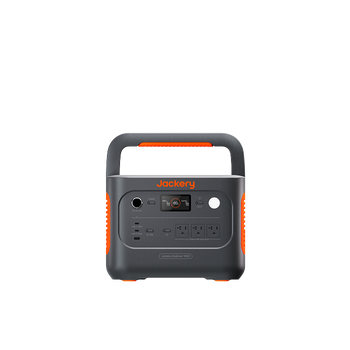
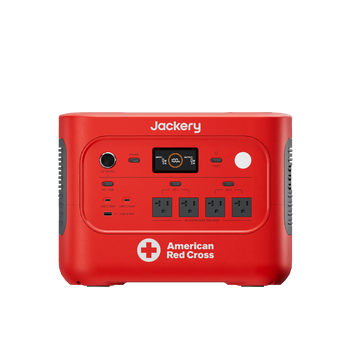
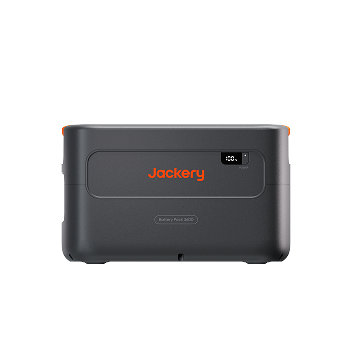
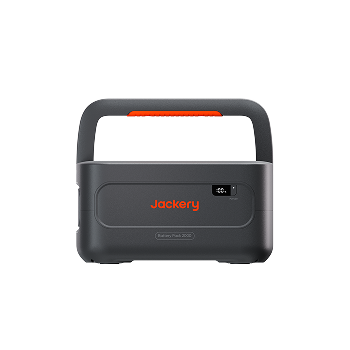
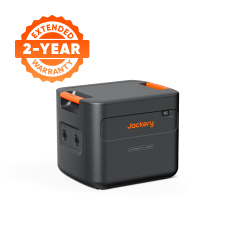
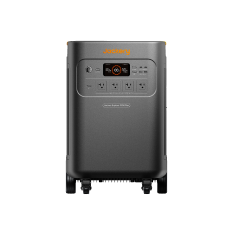
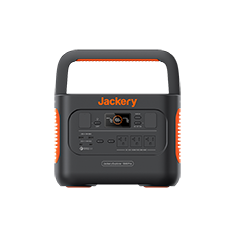
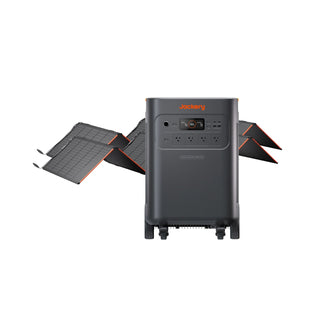
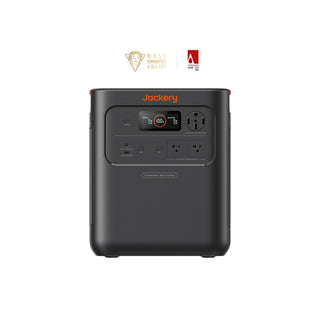
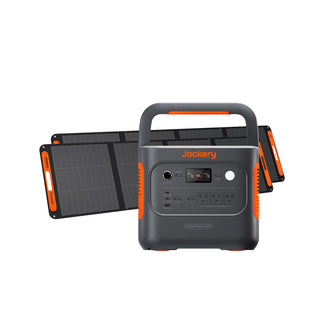
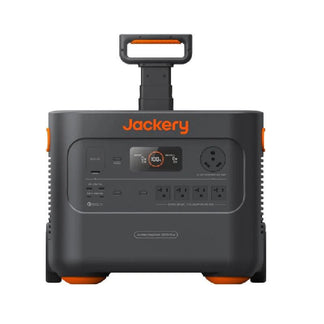
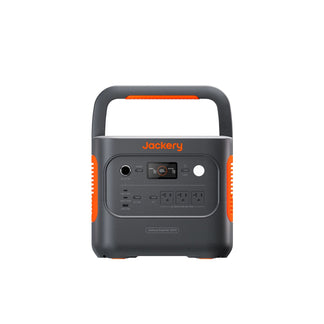
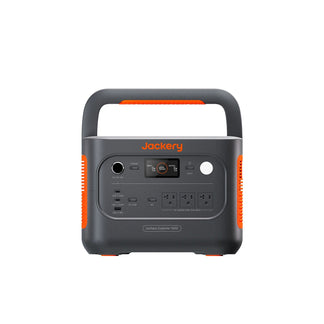
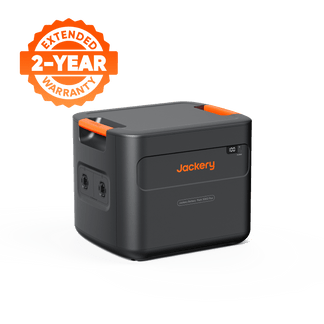
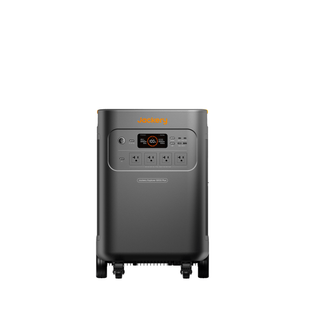
Jackery Solar Generator HomePower 3000
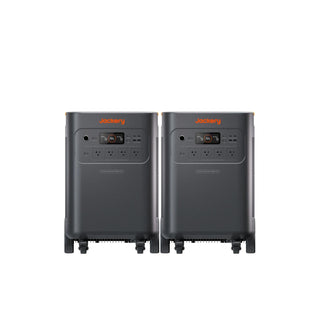
For a balance of portability and immense power, the Jackery Solar Generator HomePower 3000 is an exceptional choice. It is designed to be the "Pro" solution for those who need mobility but refuse to compromise on capacity.
- Capacity: ~3072Wh
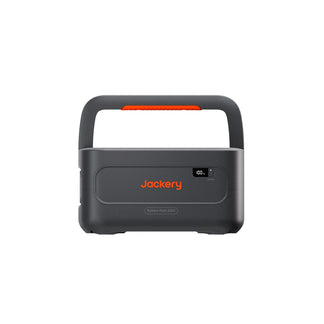
- Portability: Features a foldable handle, making it easy to move from the garage to the backyard or into an RV.
- Charging: Ultra-fast solar charging capabilities.
- Best For: RV living, glamping, tailgating, and emergency home backup.
- TV Runtime (Est. for 100W TV): Approximately 25 hours of continuous viewing.
Comparison: Runtime by TV Size
|
TV Size (Approx Watts) |
Jackery Solar Generator HomePower 3000 (3072Wh) |
Jackery Solar Generator HomePower 3600 Plus (Base Unit) |
|---|---|---|
|
32 Inch (40W) |
~64 Hours |
~75+ Hours |
|
50 Inch (85W) |
~30 Hours |
~36+ Hours |
|
65 Inch (120W) |
~21 Hours |
~25+ Hours |
|
75 Inch (180W) |
~14 Hours |
~17+ Hours |
Note: Runtimes are estimates. Actual results vary based on usage and peripheral devices.
Step-by-Step Guide to Setting Up
It's simple to make a TV operate on solar power using a generator. Here is how to set it up:
- Assess Energy Needs: Check the label on your TV and sound system to find the total wattage.
- Choose the Generator: Select the Jackery Solar Generator HomePower 3600 Plus for home backup or the Jackery Solar Generator HomePower 3000 for portable use.
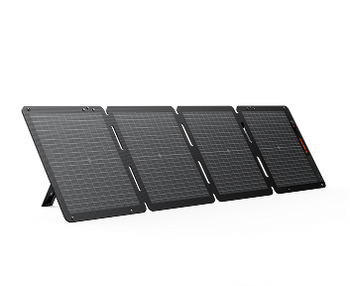
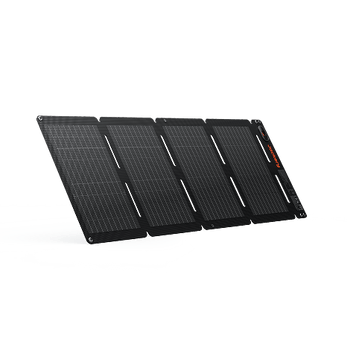
- Position Panels: Place your solar panels in direct sunlight. In the Northern Hemisphere, angle them toward the South.
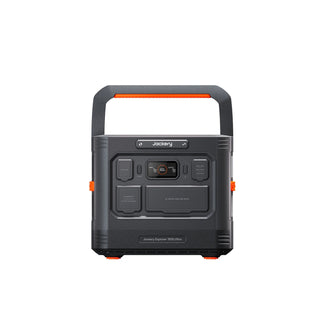
- Connect Storage: Plug the solar panels into the input port of the Jackery Portable Power Station.
- Plug and Play: Plug your TV directly into the AC outlet on the Jackery Portable Power Station.
- Monitor Usage: Use the Jackery App or the digital display to monitor input (solar) and output (TV usage) to ensure you have enough battery for the evening.
Solar Powered TV FAQs
What Size Solar Generator Do I Need to Run A TV?
Watts and watt-hours are the units used to describe a generator's output. The capacity you need depends on how long you want to watch. For a standard movie night (3-4 hours), almost any medium-sized generator works. However, for a full weekend of camping or a multi-day blackout, you need larger capacity units like the Jackery Solar Generator HomePower 3000.
Can A 100W Solar Panel Run A TV?
Technically, yes, but with caveats. A 100W panel might generate ~60-80W in real-world conditions. If your TV uses 100W, the panel alone cannot keep up. You need a battery buffer. The panel charges the battery, and the battery runs the TV. For a reliable experience, we recommend at least 200W to 400W of solar input to charge the battery faster than the TV drains it.
Do I need a special "Solar TV"?
No. With a Jackery Solar Generator, you can use the exact same TV you have in your living room. The generator provides standard AC electricity, just like your wall outlet.
Can I play video games on a solar-powered TV?
Yes. Gaming consoles (PlayStation, Xbox) consume significant power (150W-200W). You will need to account for this extra draw. The Jackery Solar Generator HomePower 3600 Plus handles the high load of a TV plus a gaming console with ease.


![How Many Watts Does a TV Use: 24, 32, 50, 55, 65 Inch TV and More [With a Data Table]](http://www.jackery.com/cdn/shop/files/how-many-watts-does-a-tv-use-24-32-50-55-65-inch-tv-and-more-with-a-data-table-5393610.jpg?v=1786014787&width=90)
