











![[Add - on] SolarSaga 200W - Jackery](http://www.jackery.com/cdn/shop/files/add-on-solarsaga-200w-4834329.png?v=1754016915&width=324)


Tornado season activity peaks between March and June, with 2026 forecasts suggesting heightened atmospheric instability across the Midwest and South. This increases the probability of long-track storms that sever infrastructure.
Infrastructure Impact
Power outages typically last 24 to 72 hours following a direct hit. Severe tornadoes destroy substations and sever distribution lines, meaning a safe room power kit designed for only one hour of use is insufficient. You must prepare for the extended recovery phase that follows the initial impact.
Debris and Projectile Risks
External power components are vulnerable to flying debris, which is the primary killer in a tornado. Solar panels and cabling must be impact-tested or easily disconnected. If your power source relies on external components that get destroyed, your shelter goes dark.
Resilience Strategy
Part of knowing how to keep safe in a tornado is ensuring your power system offers offline durability. It needs redundancy—multiple ways to charge—and the ability to recharge safely without opening the shelter doors. Relying solely on the grid to top up batteries is a gamble, as grid failure often precedes the warning siren.
Safe Room Structural Requirements & Materials
Installing power into a safe room requires strict adherence to engineering standards to avoid compromising the wind rating of the structure.
FEMA Compatibility
Modifications must adhere to FEMA P-320 and FEMA P-361 guidelines to maintain certification. If you drill through a certified steel or concrete wall without following the manufacturer's engineering specs, the shelter may fail under the load of windborne debris.
Penetration Safety
Certified, weather-sealed passthroughs are mandatory for any cable conduits. Consult the shelter manufacturer before creating openings. Never run cables through a cracked door seal, as this compromises the shelter's ability to maintain pressure and keep out debris.
Moisture Management
IP-rated enclosures are necessary for batteries stored in humid storm cellars. Standard electronics will corrode in these below-grade environments. If using a portable power station, ensure it is stored in a climate-controlled area and only moved to the shelter when a tornado season watch is issued.
Anchoring Equipment
Heavy power equipment must be secured to the floor or wall using heavy-duty brackets. Loose batteries become projectiles during structural impact. The mounting system must be rated to withstand the same G-forces as the shelter itself.
Essential Safe Room Power & Communication
Sizing a power kit is a mathematical calculation based on load categorization. You must ensure critical systems run for the duration of the threat.
Load Classification
Divide your devices into three categories:
- Critical: Medical devices (CPAP, oxygen concentrators), emergency radios, cellular boosters. These must never lose power.
- Important: LED lighting, ventilation fans, small cooling devices. These maintain safety and basic comfort.
- Non-essential: Entertainment devices, microwaves, large appliances. These are luxuries.
Sizing Formula
Calculate your required capacity using this method:
- Identify the wattage of every critical and important device.
- Multiply wattage by the number of hours you need them to run (aim for 24 hours minimum).
- Add a 20% buffer to account for inverter inefficiency.
Example: A 50W CPAP machine running for 8 hours = 400Wh. A 10W LED light running for 24 hours = 240Wh. Total = 640Wh + 20% buffer = 768Wh minimum capacity.
Battery Chemistry
LiFePO4 (Lithium Iron Phosphate) batteries are the standard for safe rooms due to superior thermal stability. Unlike lead-acid batteries that emit toxic fumes, LiFePO4 units are safe for confined spaces and offer long lifecycles of 4,000+ cycles.
Capacity & Expandability
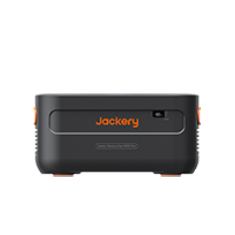
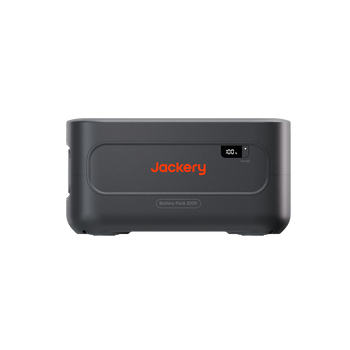
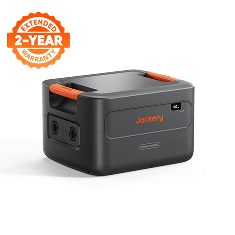
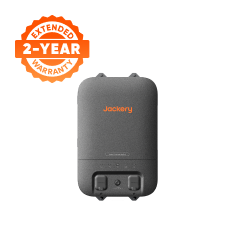
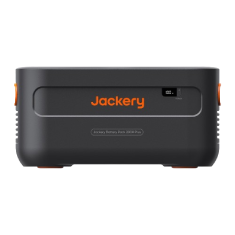
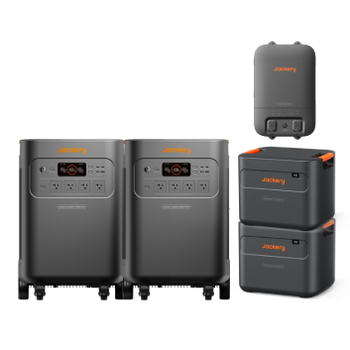
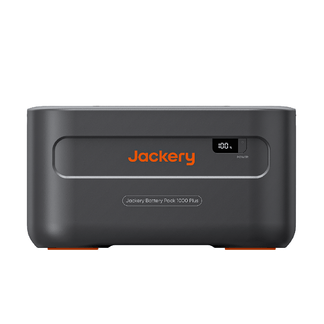
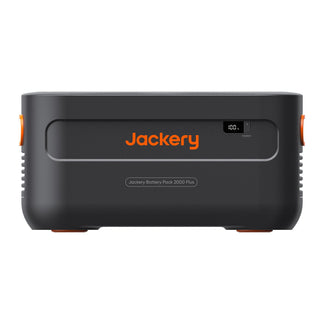
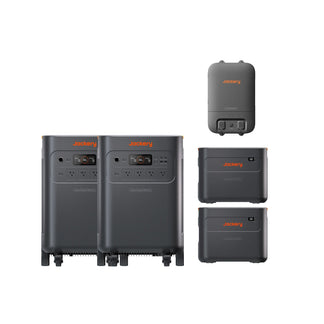
Modular systems allow you to add battery packs later without replacing the main inverter unit. Start with a baseline unit that covers 24 hours of critical loads.
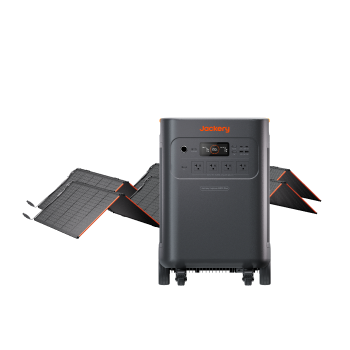
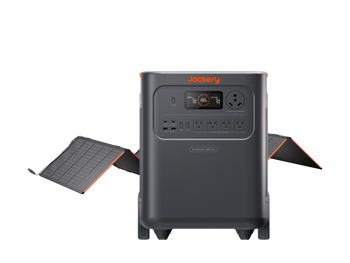
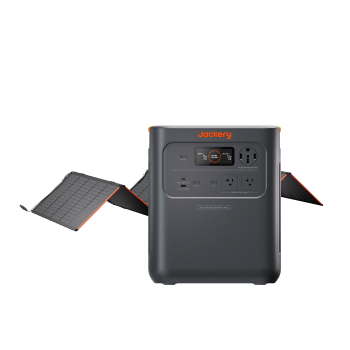
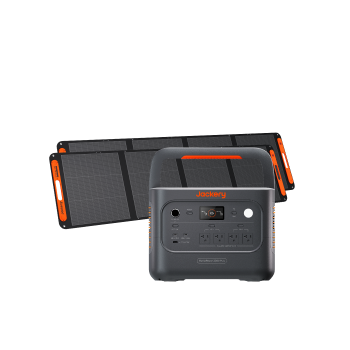
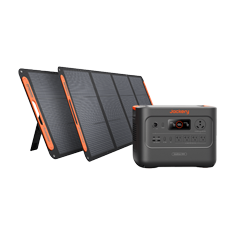
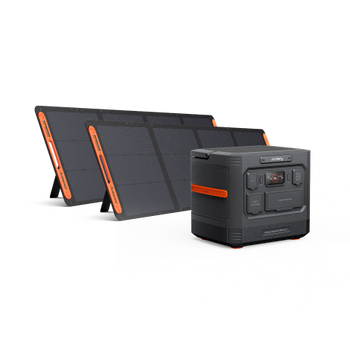
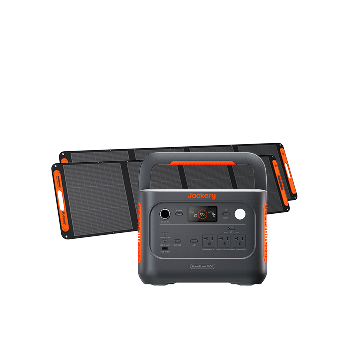
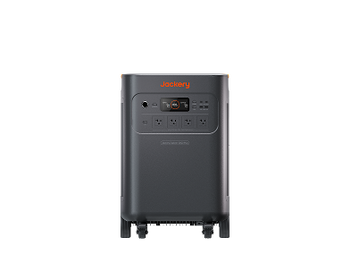
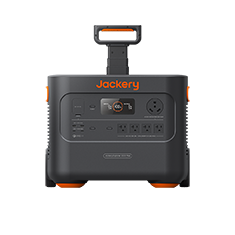
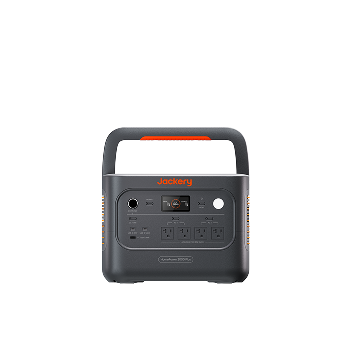
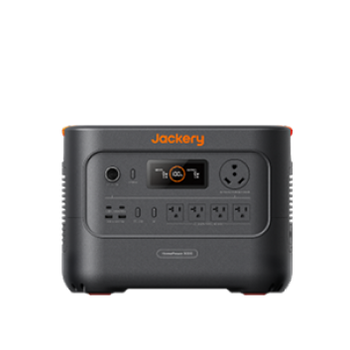
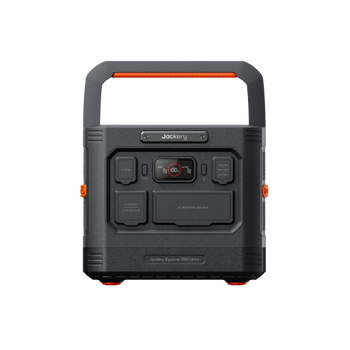
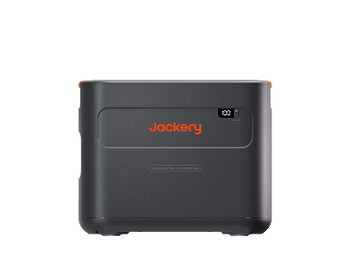
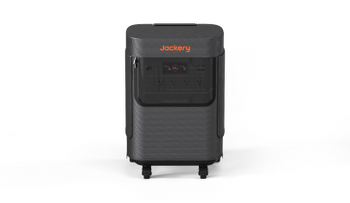
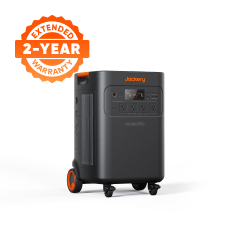
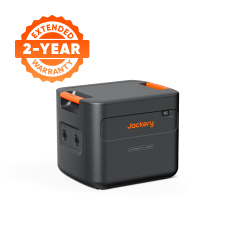
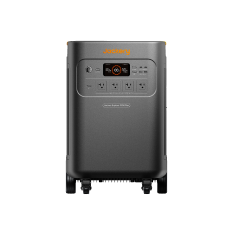
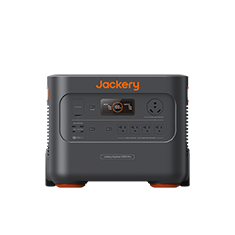
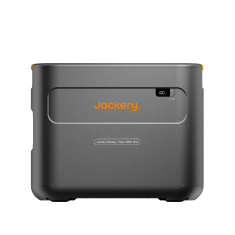
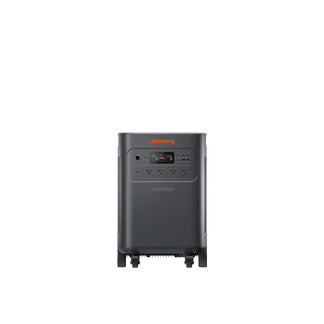
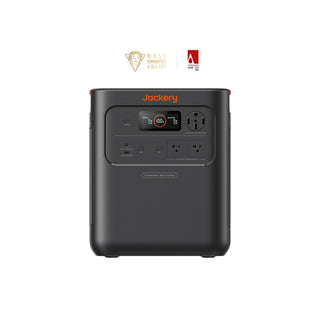
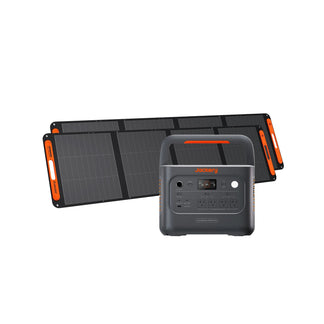
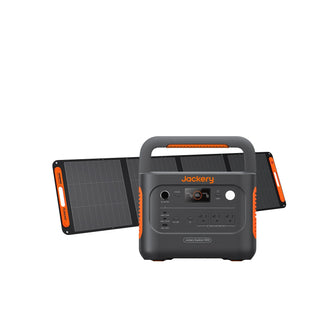
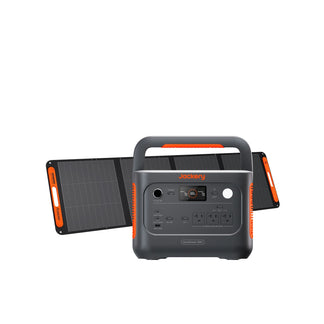
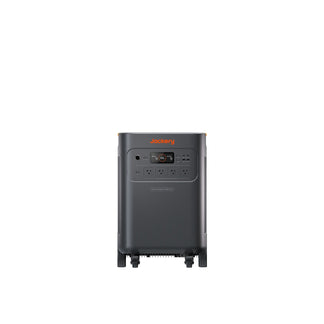
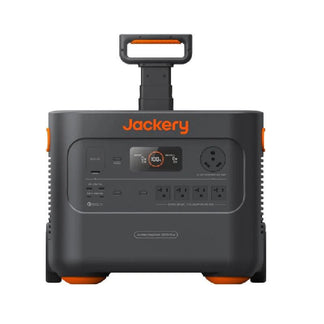
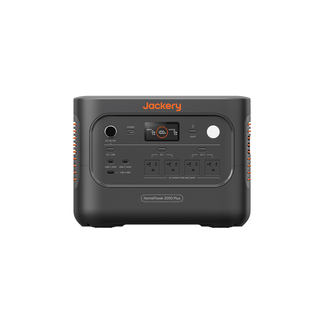
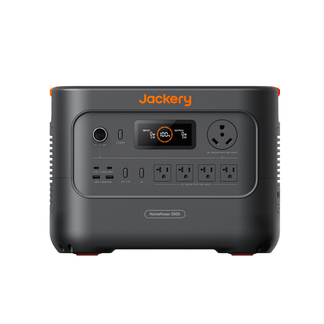
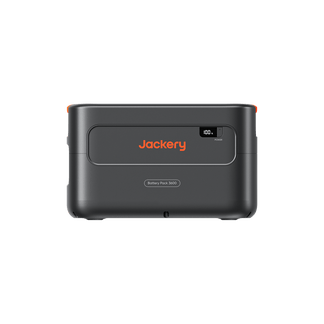
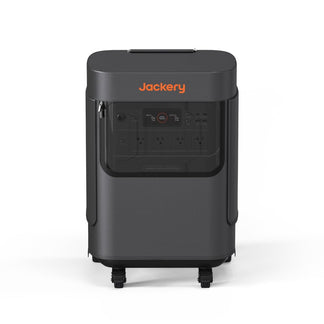
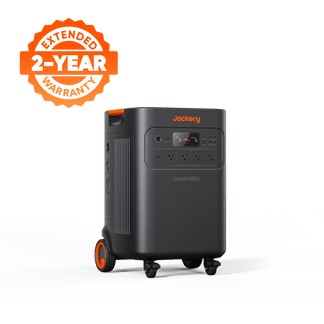
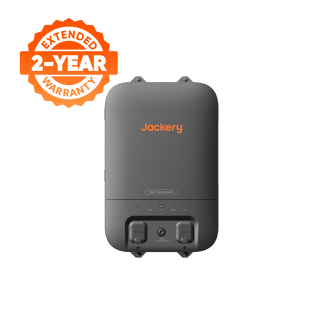
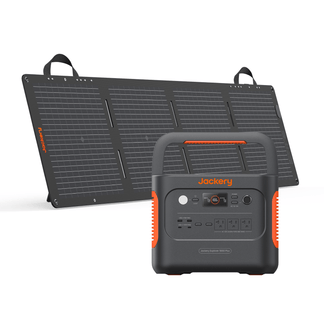
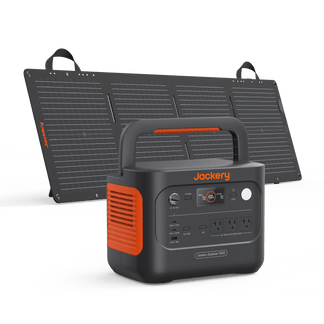
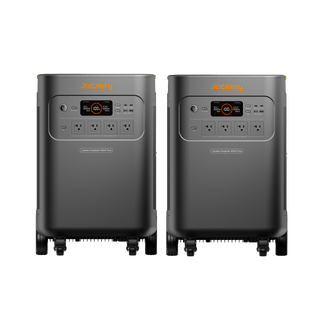
The Jackery Solar Generator HomePower 3600 Plus is an ideal foundation with a substantial 3584Wh capacity. This unit powers critical medical gear and communications for days. Crucially, the generator is expandable up to 21kWh, allowing you to scale your resilience as your budget allows for extended outages during tornado season.
Inverter Requirements
- Pure Sine Wave: Mandatory for sensitive electronics and medical devices like CPAP machines. Modified sine wave inverters can damage this equipment.
- Surge Rating: Ensure the inverter handles the startup surge of motors, such as small sump pumps or portable fridges.
Solar Integration
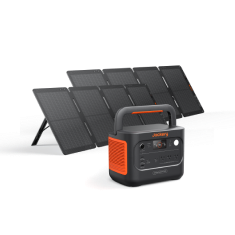
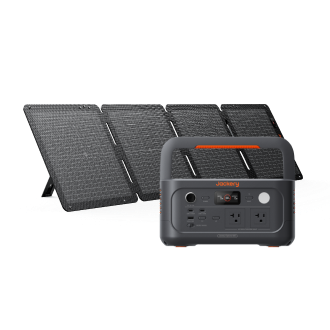
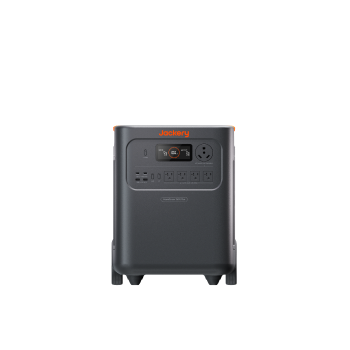
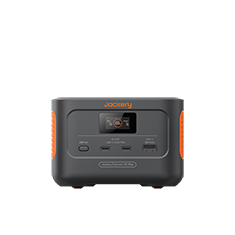
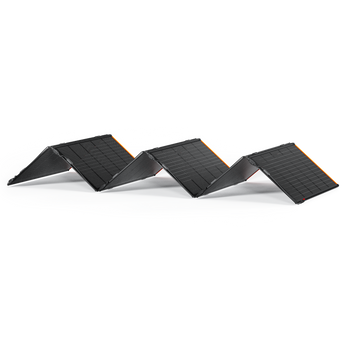
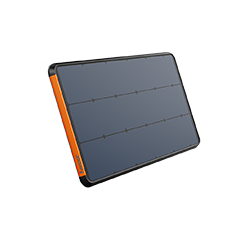
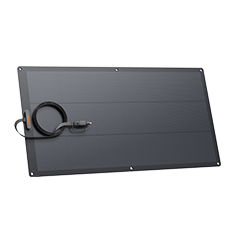
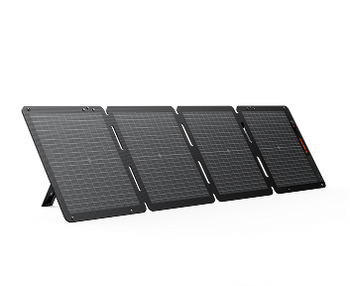
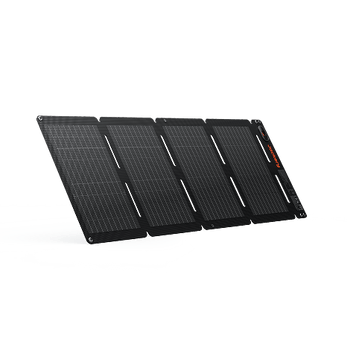
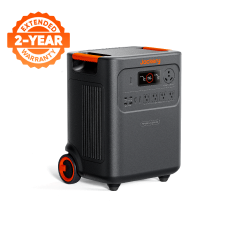
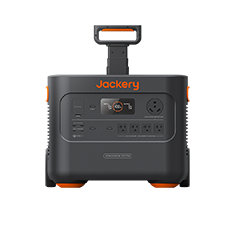
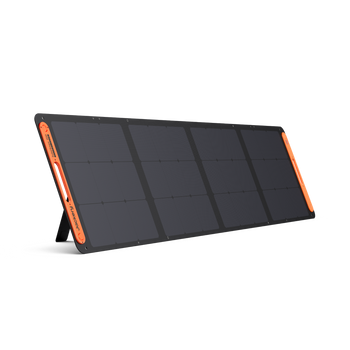
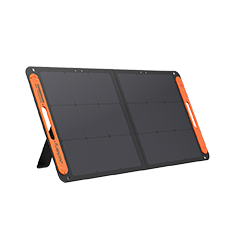
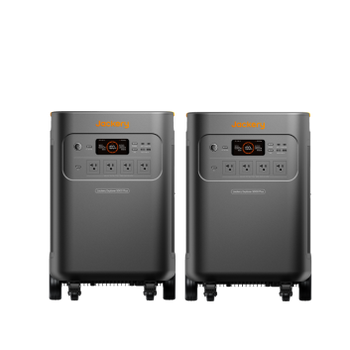
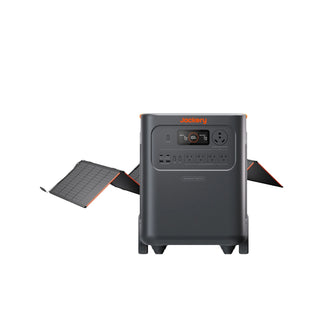
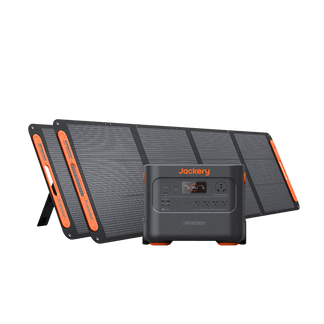
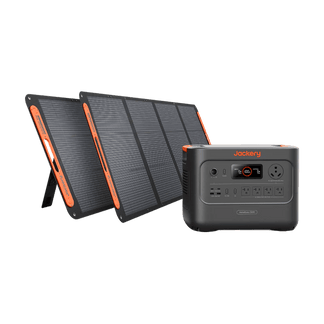
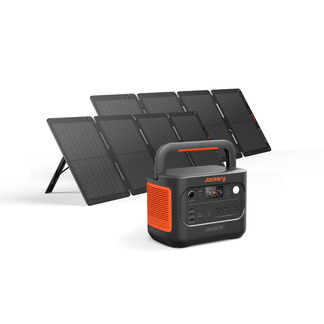
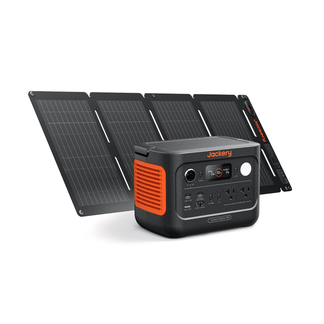
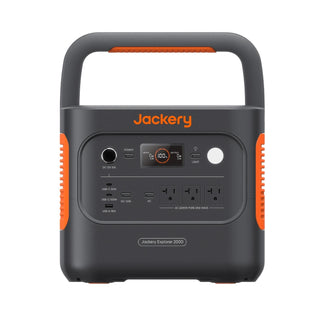
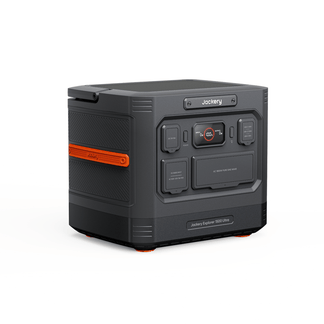
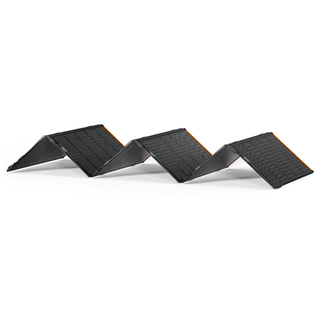
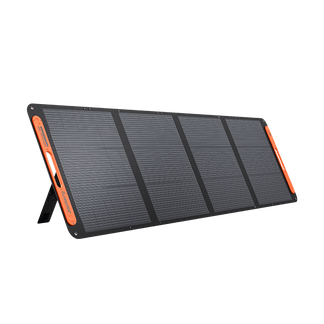
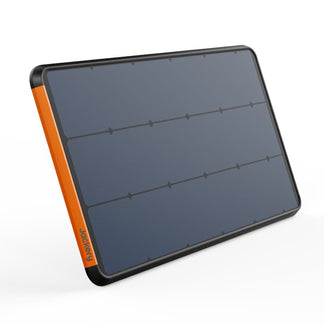
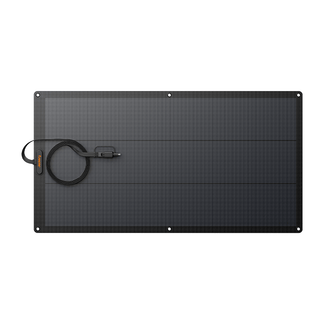
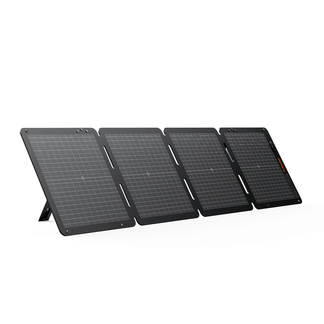
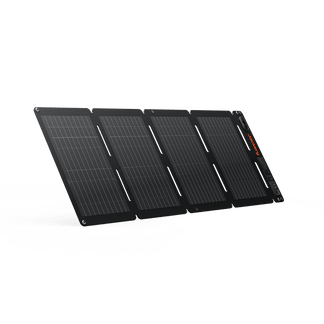
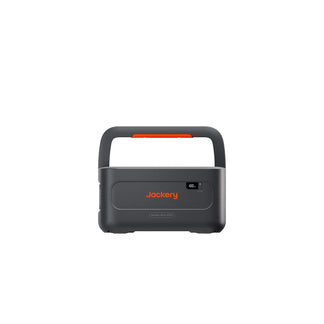
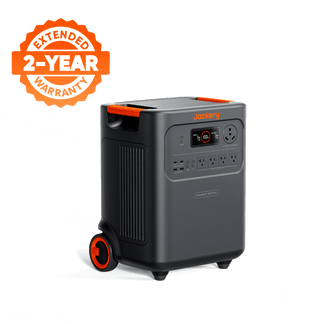
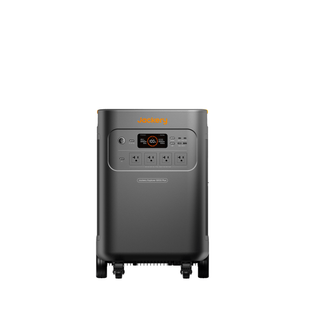
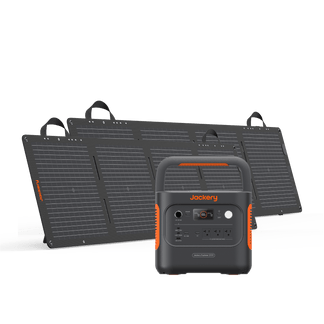
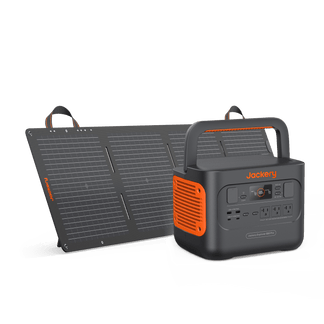
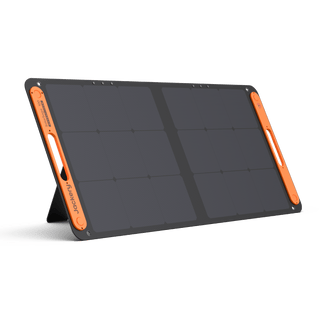
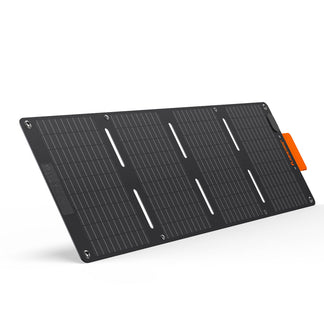
Solar panels must be mounted outdoors using weatherproof MC4 cabling routed through certified conduit penetrations. While solar provides indefinite runtime, panels should be anchored securely or deployed only after the storm passes. The Jackery Solar Generator 5000 Plus supports high-voltage PV input, allowing for rapid recharging during short breaks in the weather.
Safety, Ventilation, and Regulatory Considerations
Air quality and fire safety are paramount when operating power equipment in a confined space. A sealed room turns small mistakes into fatal errors.
Carbon Monoxide (CO) Zero-Tolerance
Battery-powered generators are the only safe option for internal use. Never run gas, propane, or diesel generators inside a safe room or near intake vents. CO is odorless, colorless, and kills within minutes in enclosed spaces.
Battery Safety Features
A Battery Management System (BMS) is required to actively monitor voltage, current, and temperature.
- Thermal Protection: The system must shut down if internal temperatures rise dangerously high.
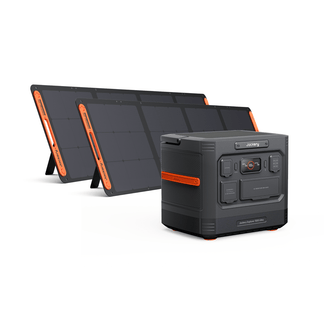
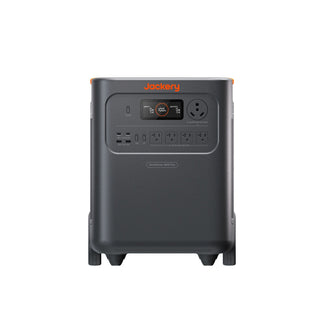
- Advanced Tech: The Jackery Solar Generator 5000 Plus utilizes ChargeShield 2.0 technology. This provides enhanced safety protocols and fire protection, ensuring the unit operates reliably even under the stress of rapid charging.
Ventilation
Maintain airflow to cool both the equipment and the occupants. Batteries generate heat when discharging. Do not block the shelter's intake louvers with battery packs or supplies. Position the power station near the exhaust vent if possible to facilitate heat dissipation.
Electrical Code
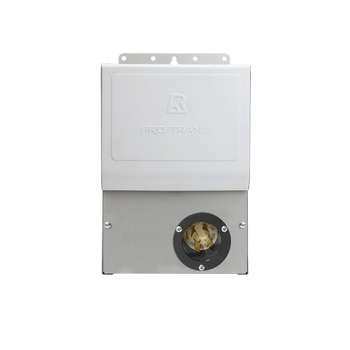
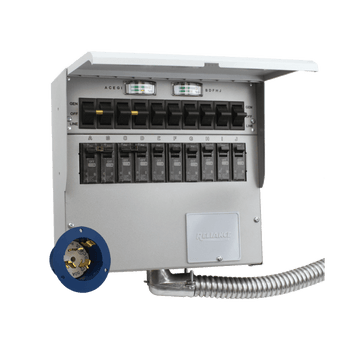
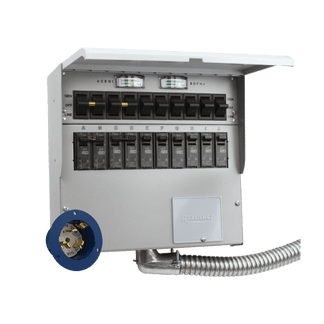
A licensed electrician must install a transfer switch if you intend to hardwire your power station to the shelter's internal circuits. For medical gear, ensure the switchover time is less than 20ms (UPS grade) to prevent devices from shutting off during a grid failure.
Budgeting, Grants, and Financing
Strategic financial planning helps you acquire high-quality gear without compromising on safety. Building a robust safe room kit is an investment.
Modular Approach
Start by purchasing a high-quality inverter/battery base to secure immediate safety. You do not need to buy a 20kWh system on day one. Expand with solar panels and extra battery packs as funds allow, spreading the cost over time.
Investment vs. Cost
LiFePO4 systems last 10+ years with zero maintenance costs. While they have higher upfront costs than lead-acid batteries or gas generators, the cost per use over a decade is significantly lower, and the reliability is exponentially higher.
FEMA & Grants
FEMA Hazard Mitigation Grant Programs (HMGP) may cover a portion of safe room construction and equipping costs.
- Rebates: Check with your local emergency management office for available safe room rebates.
- Critical Rule: Do not purchase materials or equipment before receiving a Notice to Proceed from the grant authority to avoid disqualification.
Financing
Many manufacturers offer financing plans allowing you to pay for systems like the Jackery Solar Generator 5000 Plus in monthly installments. For larger whole-home backup systems, explore SBA disaster loans if you are recovering from a previous storm.
Permitting, Installation, Testing & Maintenance
Proper deployment ensures your gear works when the siren wails. Neglecting maintenance is a common cause of failure.
Permitting
Local building codes dictate electrical work requirements. While plugging devices into a portable station requires no permit, installing a transfer switch or mounting permanent outdoor solar arrays usually does.
Professional Installation
Certified installers should handle any structural penetrations. Drilling into a reinforced concrete shelter incorrectly can shatter the surrounding material. Professionals use diamond-core drills and install proper sleeves to preserve the wind rating.
Testing Protocol
Testing is a critical step in learning how to prepare for a tornado effectively.
- Blackout Drill: Perform this annually by flipping the main breaker to your shelter. Run your full critical load for 24 hours to verify the actual capacity matches your calculations.
- Solar Test: Test solar recharging speeds under real-world conditions before tornado season begins. Winter sun is weaker than summer sun; know your recharge times for different seasons.
Maintenance
- Firmware: Keep smart power stations updated to optimize battery efficiency.
- State of Charge: Charge batteries to manufacturer-recommended levels (usually 80-100%) every 3–6 months if storing the unit for long periods. This prevents voltage drop that can damage cells.
Practical Deployment Scenarios
Select the scenario that matches your situation to choose the right equipment. Different households have different survival needs.
Scenario A: The Medical Necessity
The Need: A user requires a CPAP machine, an oxygen concentrator, and a small medical fridge for insulin. The power must last 48 hours without grid support.
The Solution: The Jackery Solar Generator HomePower 3600 Plus.
- Why: The unit's 3584Wh capacity handles the constant draw of the oxygen concentrator and the cycling of the fridge. The pure sine wave inverter protects sensitive medical motors.
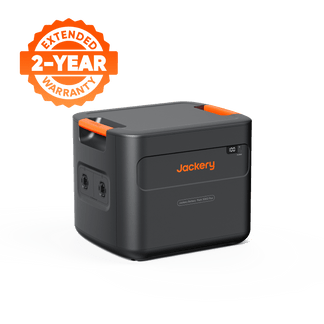
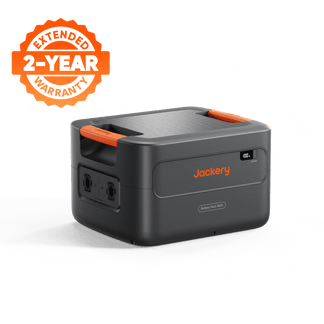
- Expansion: Extra battery packs can be added to extend runtime to 72+ hours if storm damage is severe.

Scenario B: Essential Shelter Resilience
The Need: A family of four in a large safe room needs to run a portable AC unit, a microwave, communications gear, and LED lighting.
The Solution: The Jackery Solar Generator 5000 Plus.
- Why: This generator supports a massive 7200W output and dual voltage (120/240V) capability. It runs high-wattage appliances like an AC unit and microwave simultaneously without tripping overload protection.
- Solar: High solar input allows for faster recharging once the sun returns, quickly restoring power for the next night.

Decision Tree
- Calculate Total Critical Wattage: Add up the running watts of all must-have devices.
- Determine Runtime: Decide if you need 24 hours (urban area) or 72 hours (rural area).
- Select Base Unit: Choose a unit with expandable battery options. Understanding the difference between hurricane vs. tornado vs. cyclone safety protocols helps refine your energy plan.
Action Plan:
- Audit: List your critical devices and calculate total wattage immediately.
- Consult: Check with local officials regarding permits and grant timelines.
- Select: Choose a modular power station like the Jackery Solar Generator 5000 Plus for long-term safety and expandability.
- Install: Schedule professional installation and testing well before peak storm activity in March.
Secure your power today to ensure your safety tomorrow.
Frequently Asked Questions
Will my safe room's steel walls block emergency radio signals?
Yes, steel and reinforced concrete create a Faraday cage that blocks signals. You must install an external antenna pass-through or a leaky cable system to ensure NOAA weather radio and cellular signals penetrate the shelter.
How do I keep batteries from freezing in unheated outdoor shelters?
Lithium batteries degrade in freezing temps. Use insulated battery thermal wraps or select power stations with internal self-heating mechanisms to maintain discharge efficiency in cold spring temperatures.
What happens if my power station gets wet from flooding?
Immediately disconnect all loads and do not attempt to turn the unit on. Even IP-rated units must be professionally inspected for internal corrosion before being powered back on to prevent short circuits or fire.


