

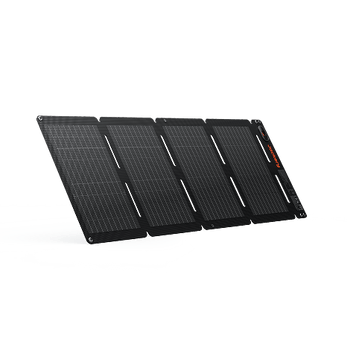
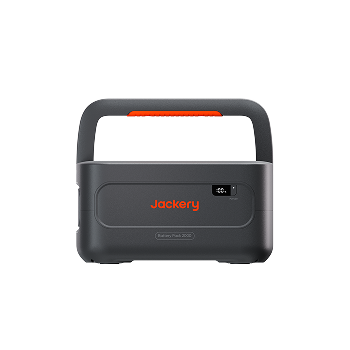
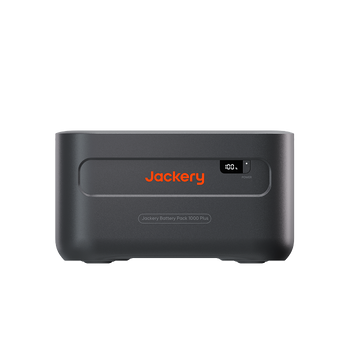






![[Add-on] Jackery SolarSaga 500 X - Jackery](http://www.jackery.com/cdn/shop/files/add-on-jackery-solarsaga-500-x-1493607.webp?v=1786503068&width=324)
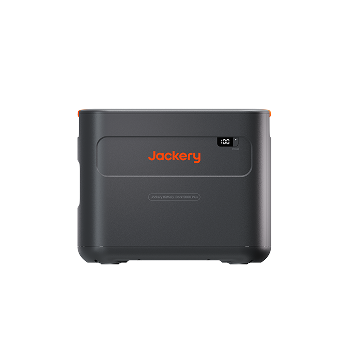
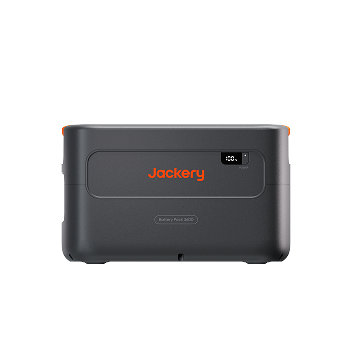
![[Add-on] Jackery Battery Pack 5000 Plus - Jackery](http://www.jackery.com/cdn/shop/files/add-on-jackery-battery-pack-5000-plus-6713401.webp?v=1786503068&width=324)





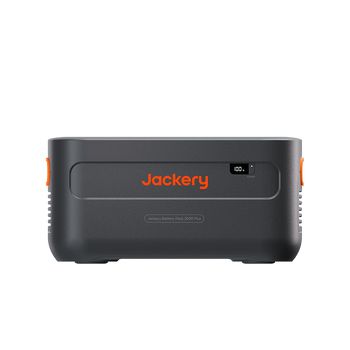
![[Add - on] SolarSaga 200W - Jackery](http://www.jackery.com/cdn/shop/files/add-on-solarsaga-200w-4834329.png?v=1754016915&width=324)


When severe weather alerts pop up, the jargon can be overwhelming. Knowing the key differences between hurricanes and tornadoes is essential for real preparedness. This guide breaks down the facts, clears up the confusion, and gives you practical steps to keep your family and home safe.
Understanding the Differences Between Hurricanes, Cyclones, and Typhoons
These powerful storms are all the same weather phenomenon: a tropical cyclone. Their names simply change based on where they form in the world. Knowing what a hurricane or cyclone is key to understanding the threat.
How Are These Storms Named?
The difference in naming is purely geographic. Despite different names, they are the same type of storm in terms of formation, behavior, and function.
- Hurricanes: Develop over the North Atlantic, central North Pacific, and eastern North Pacific.
- Typhoons: Develop in the Northwest Pacific.
- Cyclones: Form over the South Pacific and Indian Ocean.
How Do Tropical Cyclones Form and Get Classified?
Tropical cyclones form over large bodies of relatively warm water, requiring sea surface temperatures above 79.7°F (26.5°C). They typically form away from land, between 5 and 20 degrees latitude, but never on the Equator.
The storm's progression is classified by wind speed:
- Tropical Disturbance: An organized area of thunderstorms.
- Tropical Depression: Sustained winds under 39 mph.
- Tropical Storm: Sustained winds of 39-73 mph.
- Hurricane/Typhoon/Cyclone: Sustained winds of 74 mph or higher.
These storms can grow into massive, rotating systems that are hundreds of miles wide (60 to over 1,000 miles) and can last for days or even weeks. This immense scale and long duration are what set them apart from more localized storms. Major hurricanes, cyclones, or typhoons are classified as Category 3 or higher on the Saffir-Simpson scale.
What Are the Primary Threats of a Hurricane?
The primary threats from a hurricane, typhoon, or cyclone are widespread destruction from high winds, heavy rainfall, and storm surge. These factors often lead to prolonged, multi-day power outages that can cripple entire regions. The danger of coastal flooding from storm surge is immense, and it's a threat that requires heeding evacuation orders.
For more on coastal disaster planning, you can learn how to prepare for a tsunami, which shares similar evacuation principles.
How Is Hurricane Intensity Measured?
The intensity of a hurricane is measured by the Saffir-Simpson Hurricane Wind Scale. This is a 1 to 5 rating based on the hurricane's maximum sustained wind speed. The scale helps estimate the potential for property damage and storm surge, giving communities a clear idea of the storm's destructive power.
Category 5 storms can have wind speeds over 157 mph (253 km/h).
What Is the Hidden Danger of Hurricanes?
A critical, often overlooked danger is that hurricanes frequently spawn tornadoes, particularly in their outer rain bands as they make landfall. This means residents far inland, who may not be in the direct path of the hurricane's eye, must still prepare for sudden, violent weather. This requires a dual preparedness strategy for both potential evacuation and the need to take immediate shelter.
A stark real-world example is Hurricane Ian in 2022. This catastrophic storm caused devastating flooding and long-term power loss across Florida and also produced multiple tornado outbreaks far from the coast, demonstrating the complex and widespread nature of the threat.
When Is Hurricane and Cyclone Season?
Atlantic Ocean hurricane season peaks from mid-August to late October. Northern Indian Ocean cyclones typically form April-December, peaking around May and November. However, storms can occur outside these periods.
The Localized Fury: Understanding Tornadoes
A tornado is a violently spiraling funnel cloud from a thunderstorm. Unlike a hurricane, which is a massive, slow-moving system, a tornado is characterized by a narrow, concentrated path of extreme destruction. The hurricane vs. cyclone debate is one of geography, but the hurricane vs. tornado comparison is one of scale, duration, and warning time.
How Do Tornadoes Form and What Are Their Characteristics?
Tornadoes form rapidly, often with very little warning, and typically over land. Their key characteristics include:
- Formation: Most often from severe thunderstorms called supercells, requiring a mix of hot/humid air, a cool air mass, and wind shear.
- Duration: Short-lived, lasting from a few seconds to an hour, but often less than 15 minutes.
- Size: Much smaller than hurricanes, typically less than a mile wide (rarely more than a few hundred feet).
- Path: They travel an average of 10 to 20 miles.
- Frequency: The U.S. is hit by about 1,200 tornadoes a year.
How Are Tornado Wind Speeds and Damage Measured?
Their destructive power is measured after the event using the Enhanced Fujita (EF) Scale, which estimates wind speeds from EF0 to EF5 based on the severity of the damage left behind. Wind speeds can reach 100 to 300 mph (483 kph). EF-5 tornadoes can have winds over 200 mph and sweep away bridges.
Tornadoes cause intense, focused destruction along a narrow path from extreme wind speeds and flying debris.
What Are the Immediate Safety Actions for a Tornado?
Because of the minimal warning time, the primary safety action for a tornado is to take shelter immediately. The safest place is a basement, storm cellar, or an approved safe room. If none are available, seek shelter in a small, interior, windowless room on the lowest level of a sturdy building.
A key part of tornado readiness is having a pre-packed shelter kit ready for quick access. When a warning is issued, you may only have seconds to act.
Your Action Plan: Preparing for Hurricanes and Tornadoes
Your preparation must match the specific threat you are facing. A plan for a hurricane's multi-day impact is very different from a plan for a tornado's instantaneous strike.
How Should I Prepare for a Hurricane?
- Monitor Official Sources: Pay close attention to your local National Weather Service (NWS) office and emergency management agencies for the latest forecasts and evacuation orders. Their guidance is your most reliable source of information.
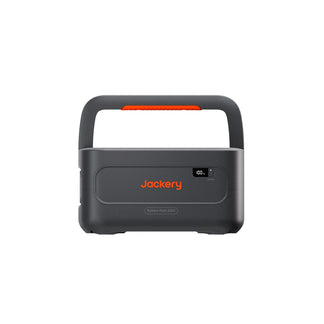
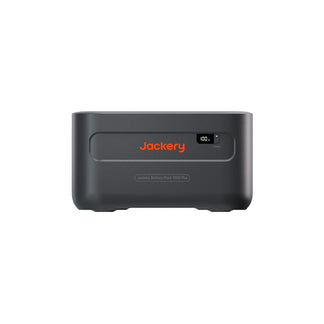
- Plan for Multi-Day Outages: Secure a reliable backup power source. A hurricane can knock out power for days or weeks, so you need a solution capable of running essential devices like a refrigerator, medical equipment, and communication tools for an extended period.
- Prepare for Evacuation and Sheltering: Have a designated evacuation route and a "go-bag" ready. Simultaneously, have a plan for sheltering in place to protect against inland tornadoes that the hurricane may spawn as it moves through your area.
How Should I Prepare for a Tornado?
- Identify Your Shelter: Know exactly where you will go the moment a tornado warning is issued. This should be a basement, safe room, or the most interior room on the lowest floor, away from windows.
- Prepare a "Go-Kit" for Your Shelter: This kit should be stored in or near your shelter space. Include a NOAA weather radio, flashlight, first-aid supplies, and a small, portable power source to keep phones charged for communication.
- Protect Your Head: Flying debris is a primary cause of injury. Keep helmets, pillows, or other hard coverings in your shelter location to protect your head and neck.
Securing Your Power: A Practical Guide to Backup Solutions
In a severe storm, a power outage can halt daily life, cutting off communication, spoiling food, disabling medical devices, and leaving your home in darkness. A dependable backup power source isn’t a luxury; it’s an essential safety tool for weathering the storm.
How to Size Your Power Needs
Choosing the right backup power solution starts with understanding your own needs.
Step 1: List Essentials: Identify the critical devices you must run during an outage. This typically includes a refrigerator, phone, and internet router for communication, and some lights.
Step 2: Find Wattage: Check the labels or manuals for each device to find its power consumption, measured in watts (W). Some list running watts and starting (or surge) watts; you'll need a generator that can handle both.
Step 3: Calculate Total Needs: Estimate how many hours per day you need to run each device. Multiply the device's wattage by the number of hours to determine the total watt-hours (Wh) of energy storage you require.
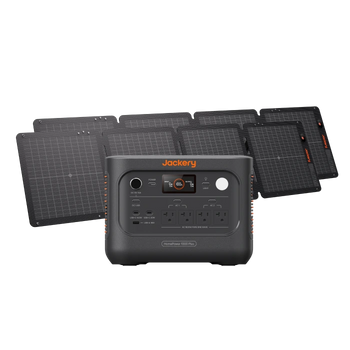
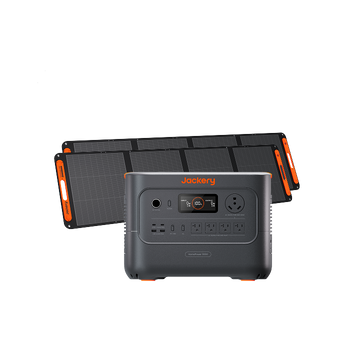
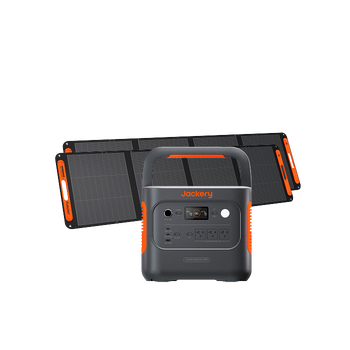
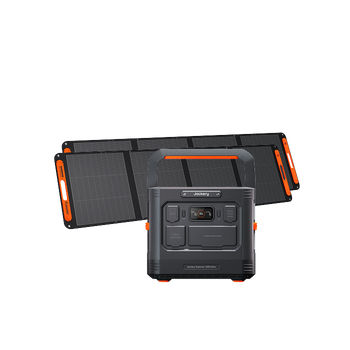
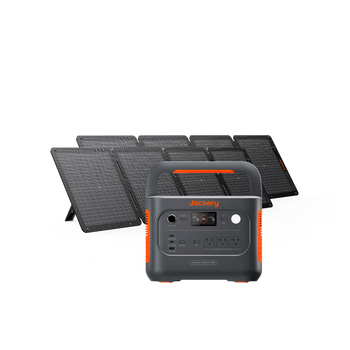
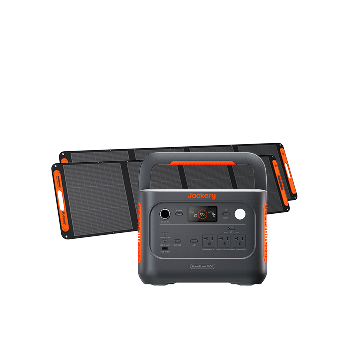
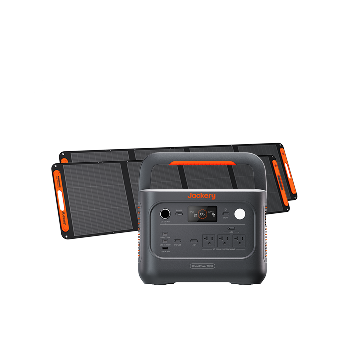
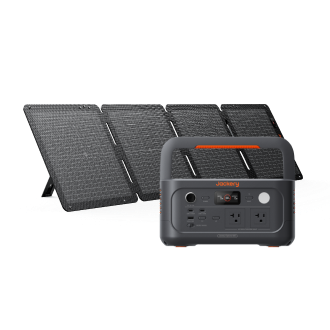
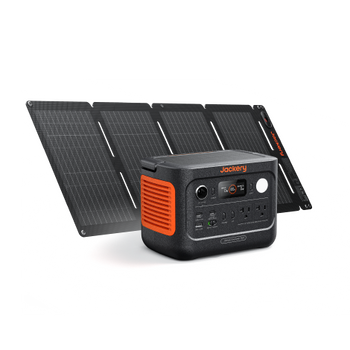
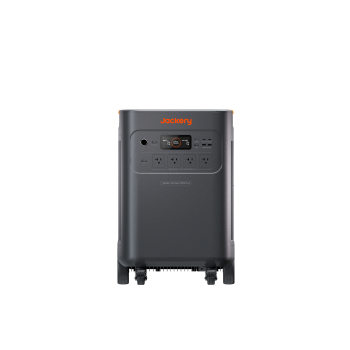
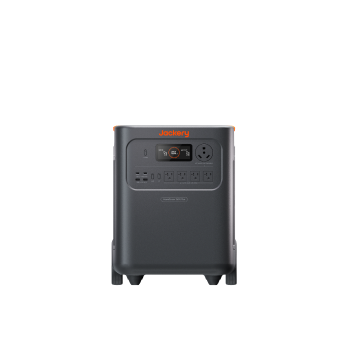
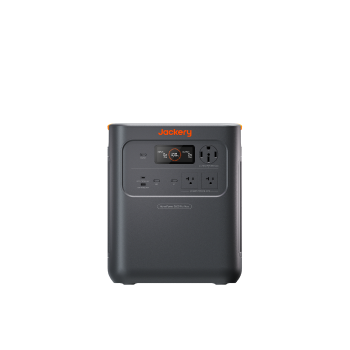
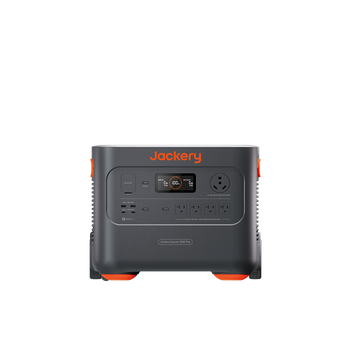
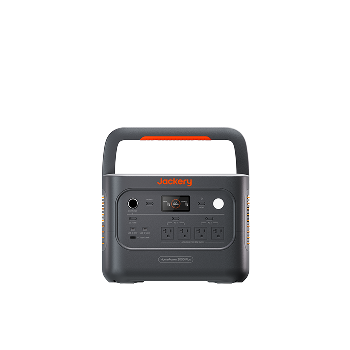
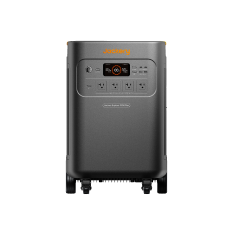
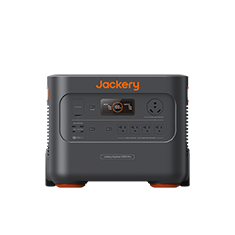
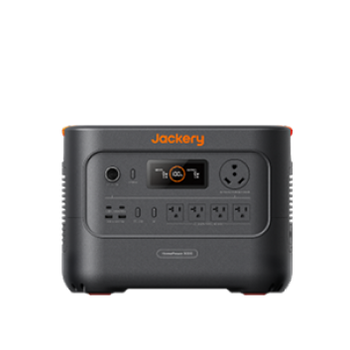
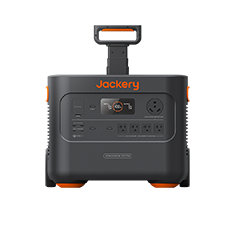
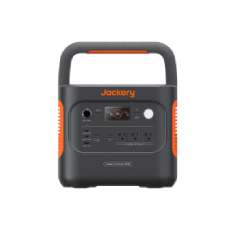
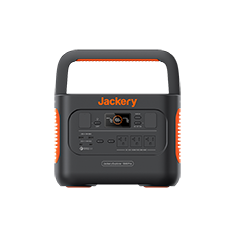
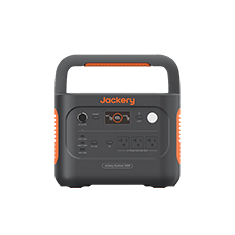
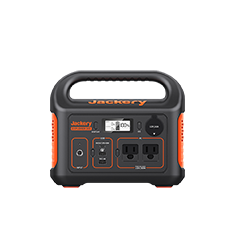
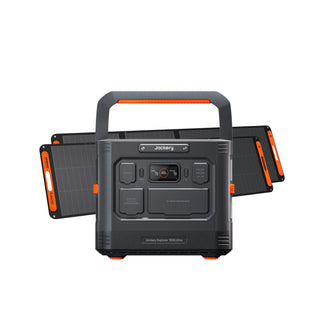
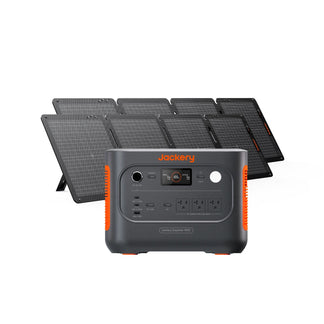
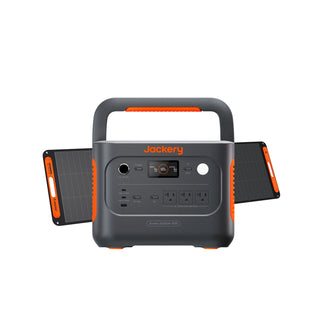
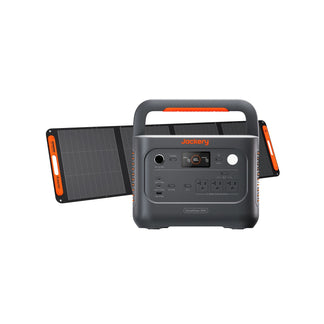
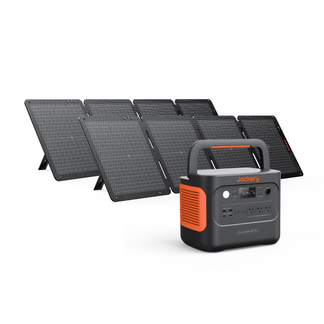
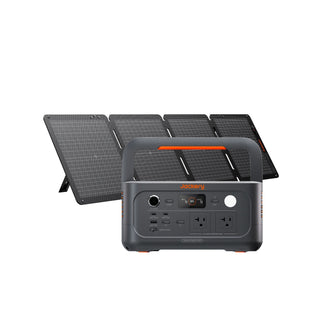
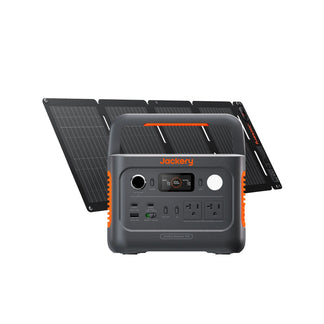
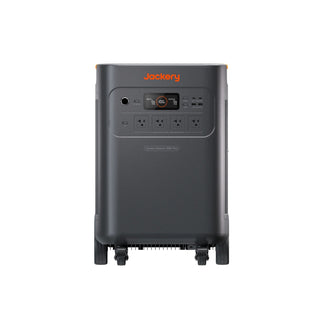
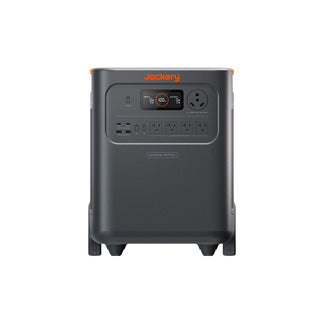
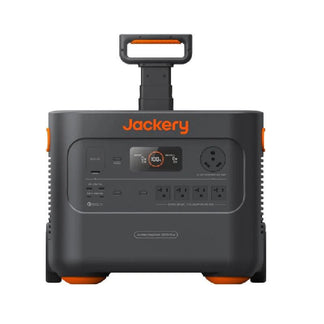
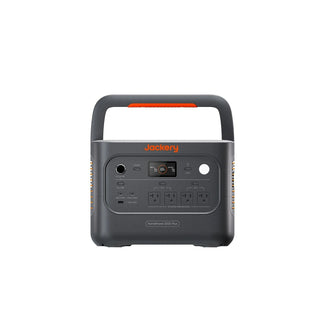
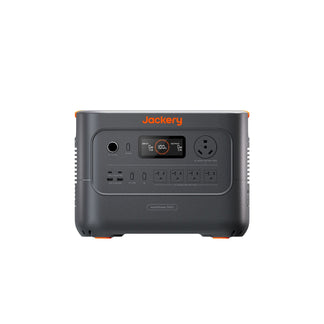
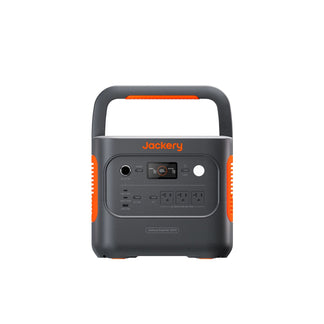
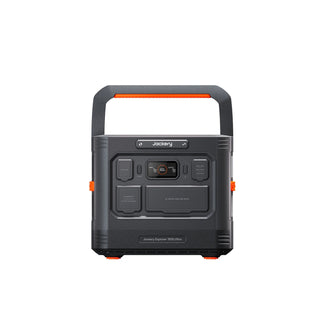
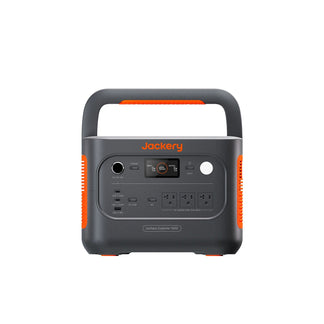
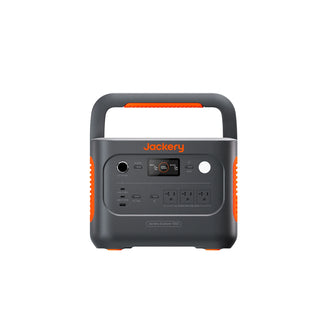
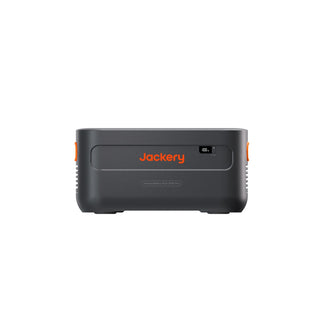
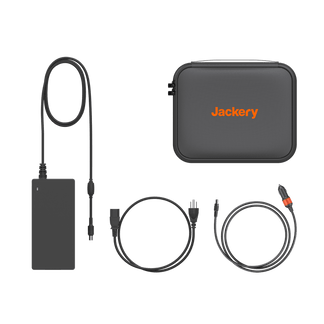
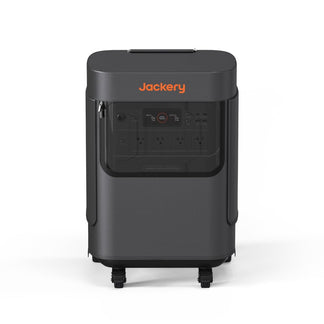
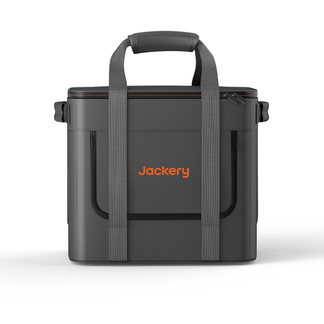
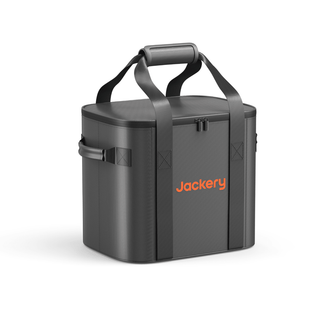
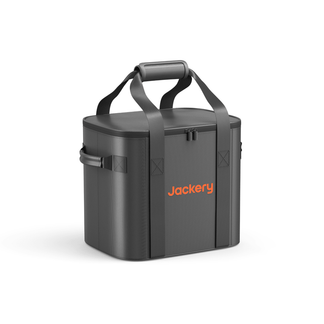
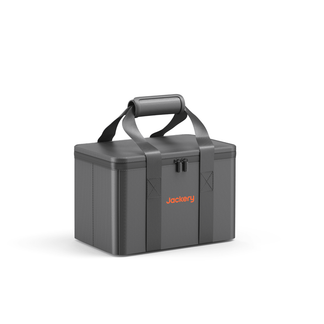
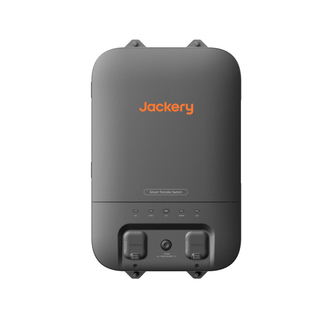
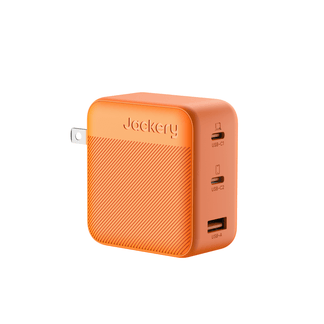
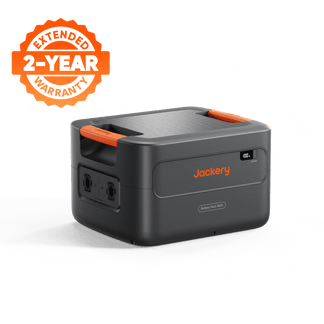
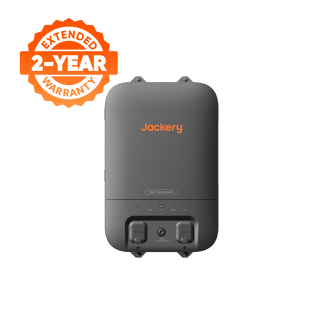
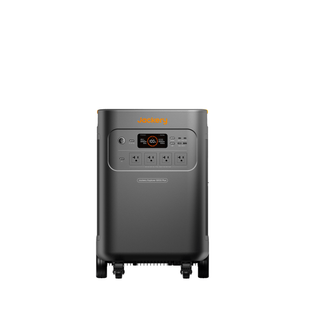
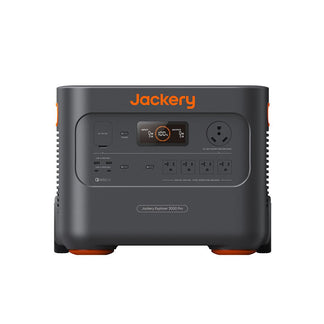
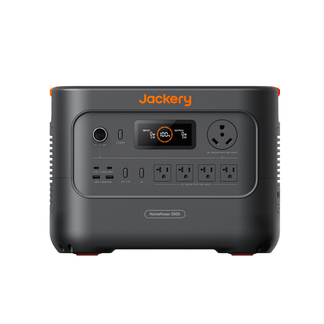
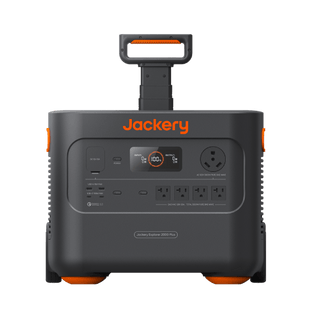
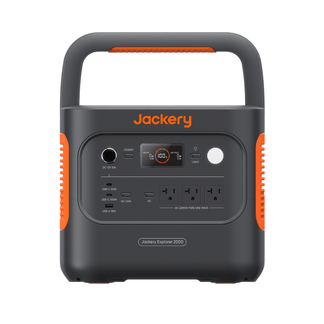
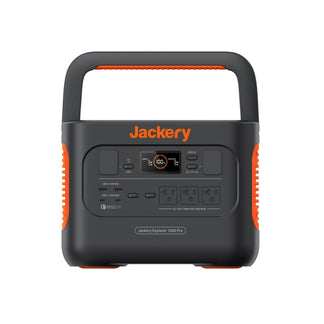
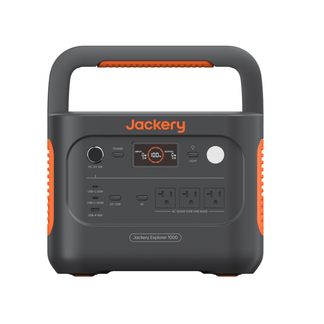
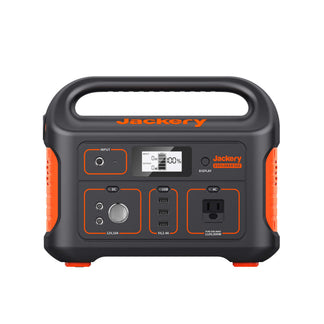
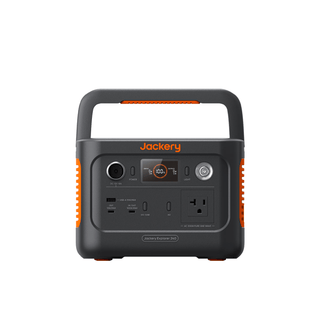
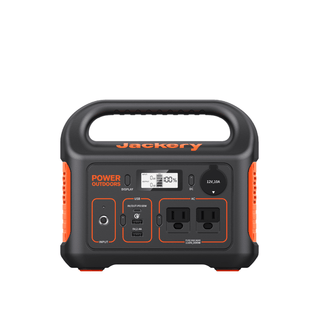
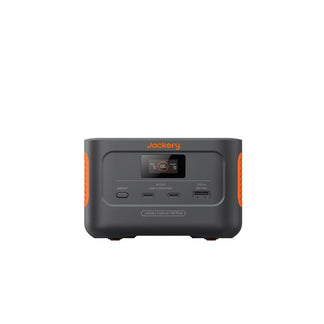
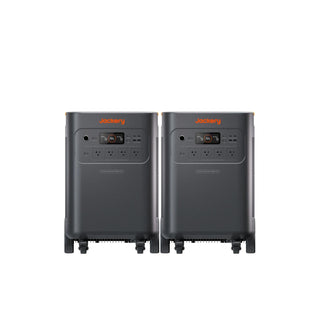
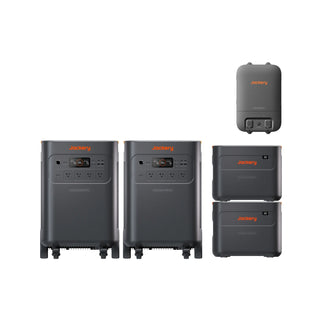
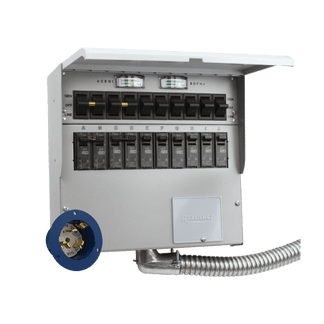
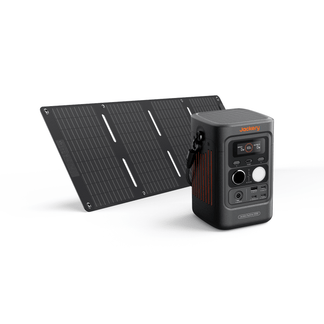
Which Jackery Solar Generator is Right for Me?
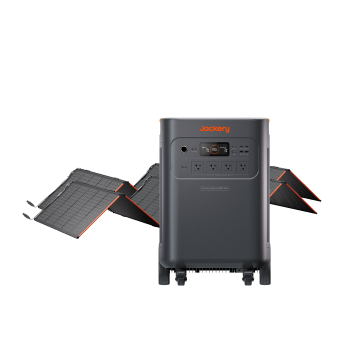
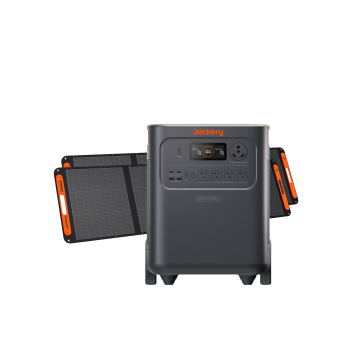
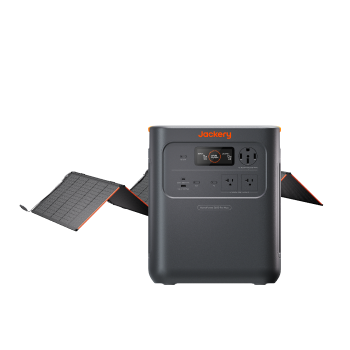
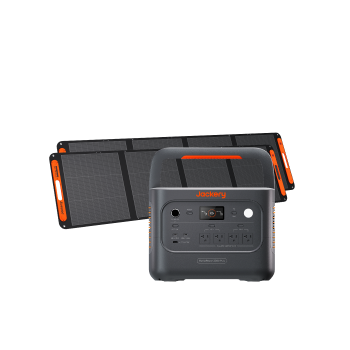
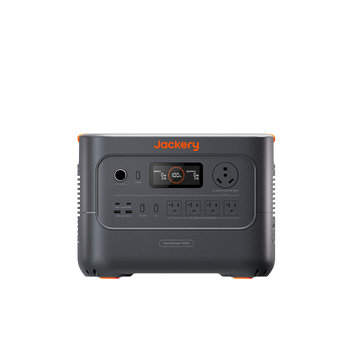
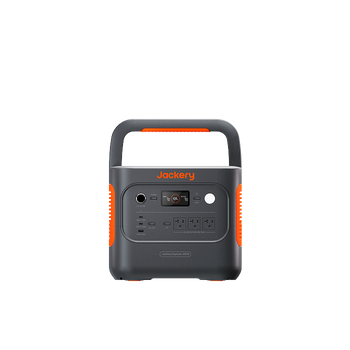
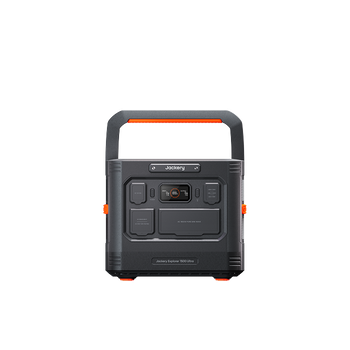
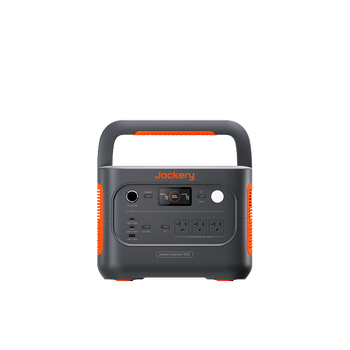
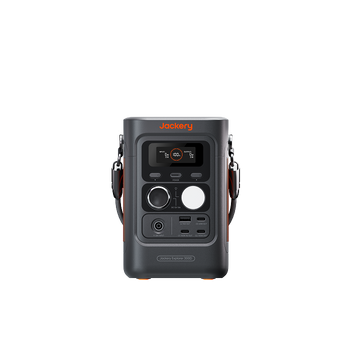
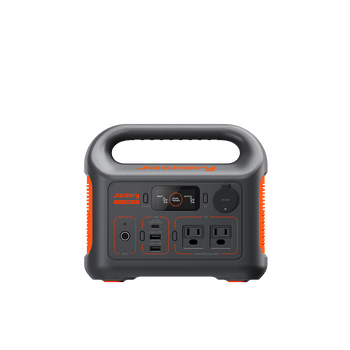
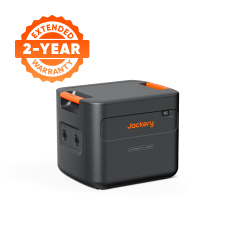
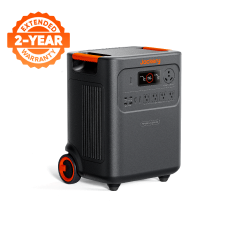
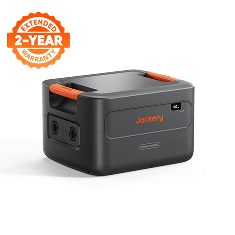
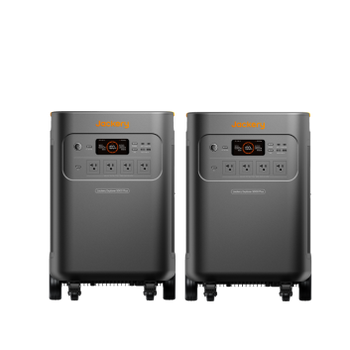
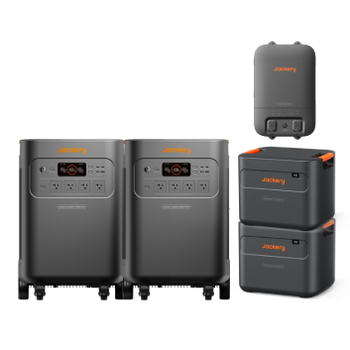
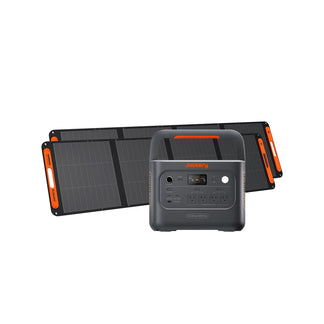
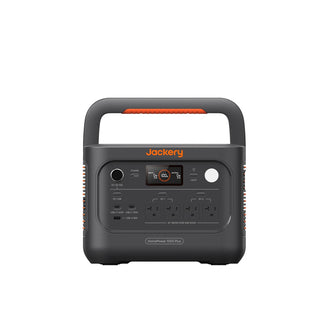
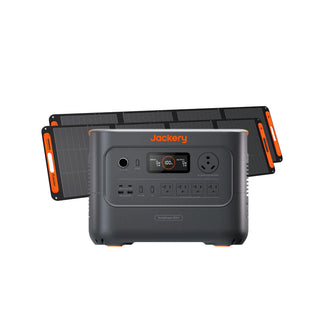
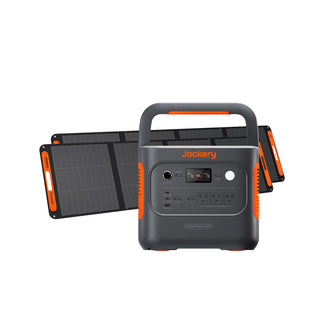
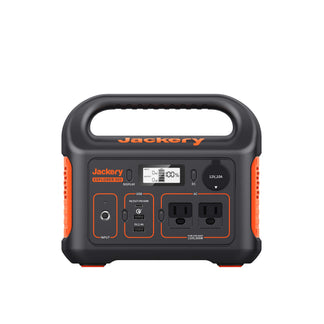
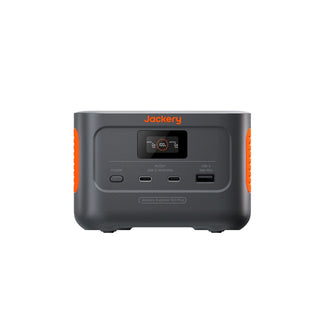
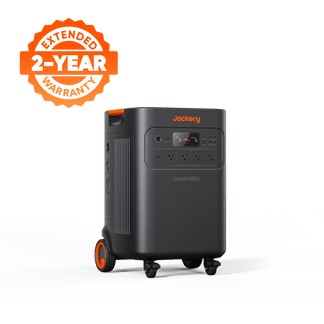
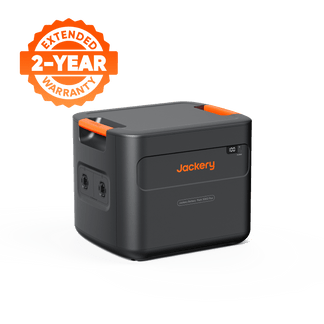
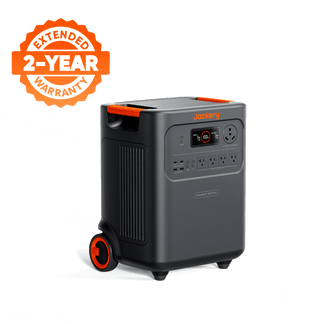
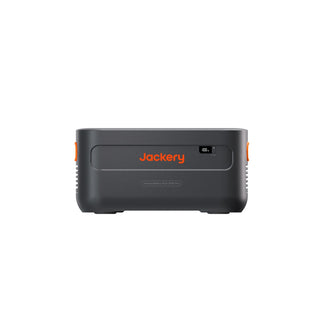
Jackery offers a range of solar generators to meet different levels of emergency power needs, providing clean, quiet, and reliable energy when you need it most.
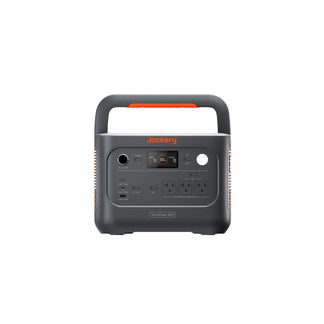
|
Use Case |
Product Name |
Key Features |
|---|---|---|
|
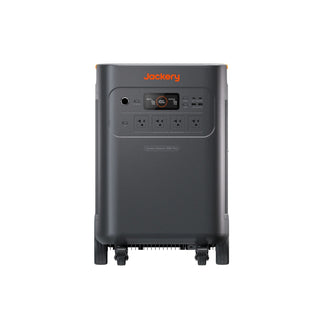
For Robust, Essential Home Backup |
• Expandable 5-60kWh capacity. |
|
|
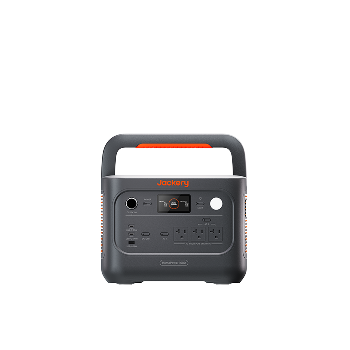
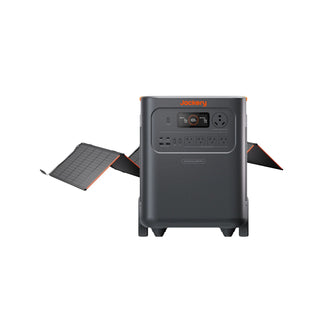
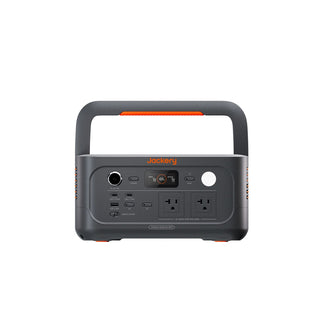
For Standard Essential Home Backup |
• 3.58kWh capacity, expandable to 21kWh. |
|
|
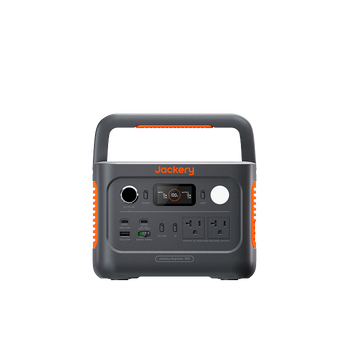
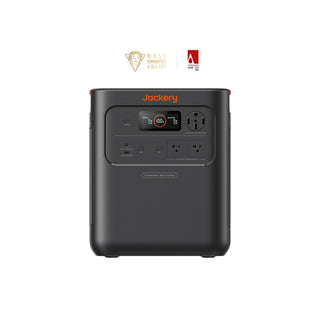
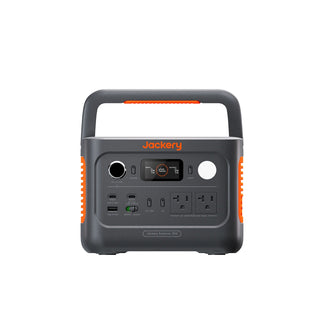
For Essential Appliances and Portability |
• Expandable 2-24kWh capacity. |
|
|
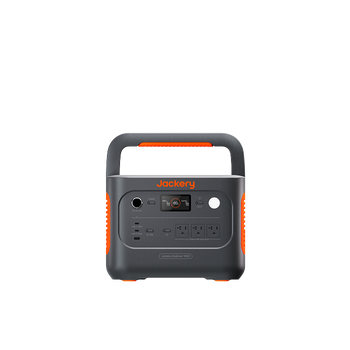
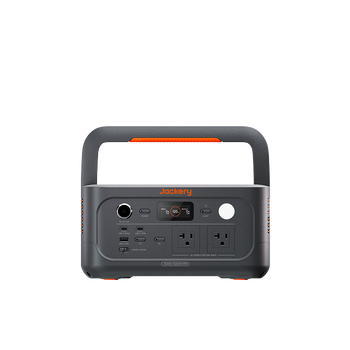
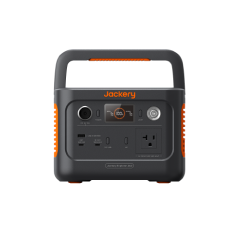
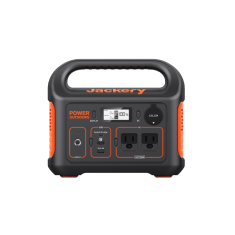
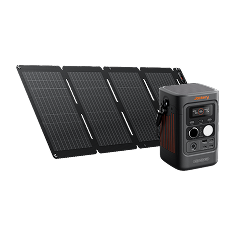
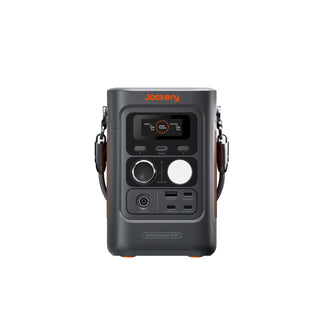
For Personal "Go-Kits" and Immediate Shelter |
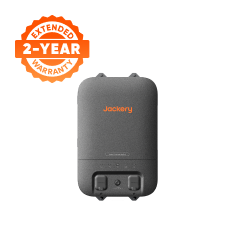
• Lightweight at just 8.27 lbs. |
What Is the Advantage of Solar Recharging?
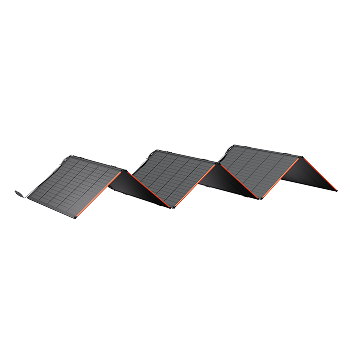
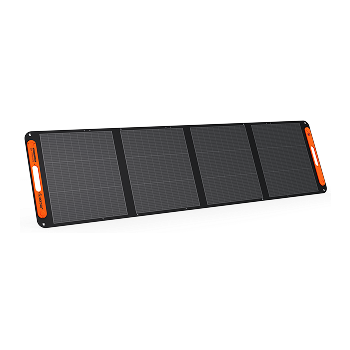
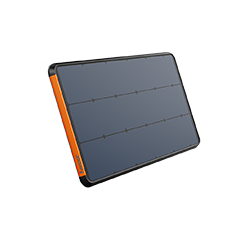
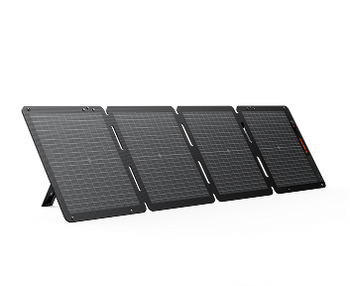
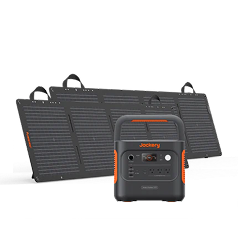
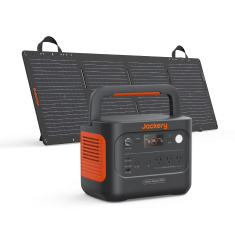
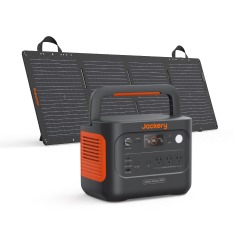
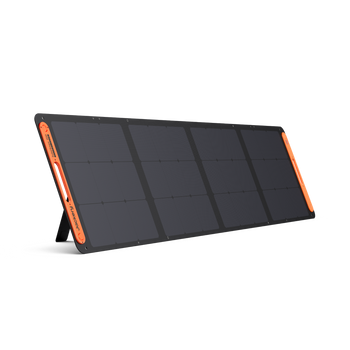
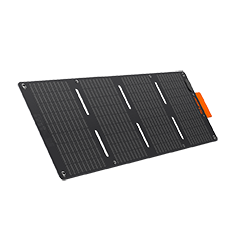
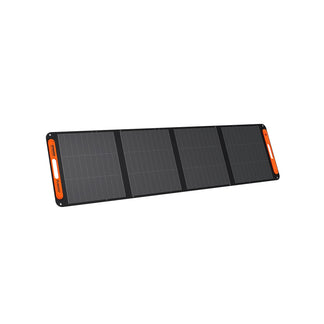
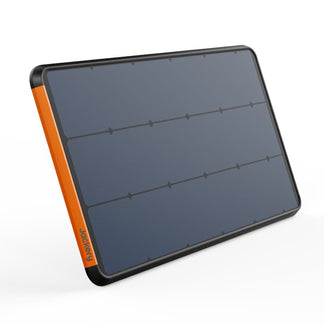
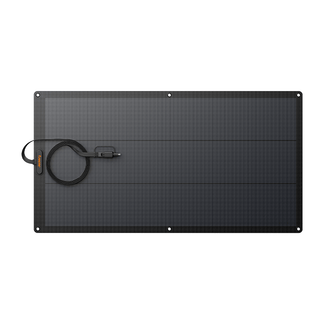
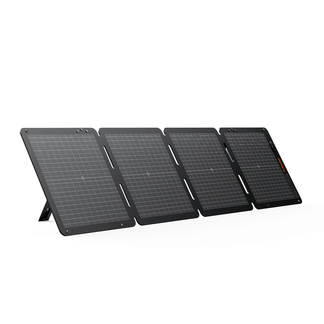
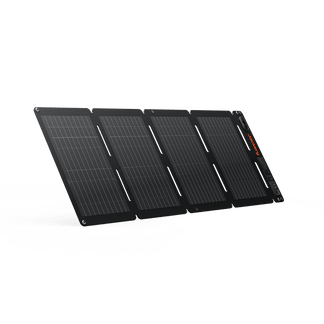
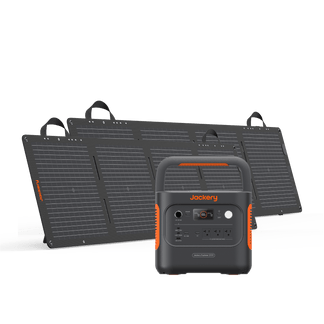
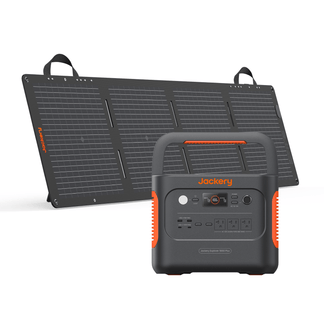
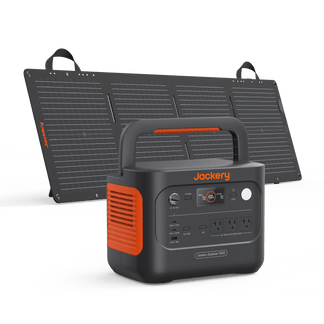
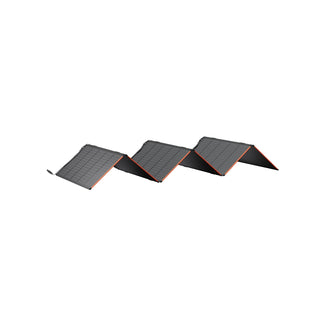
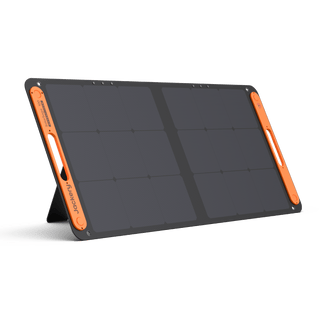
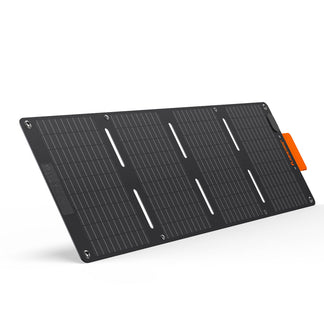
Pairing a Jackery Solar Generator with portable solar panels lets you harness the sun to keep your power station charged. In a multi-day outage, this setup provides a fully independent, renewable energy source—delivering both peace of mind and true energy freedom.
Conclusion: From Understanding to Action
Hurricanes and tornadoes are very different threats, each demanding its own safety plan. The one thing they share? Both can knock out power, making a reliable, independent energy source vital for survival.
The right-sized backup power station is the cornerstone of modern storm preparedness. It keeps you connected, protects your food and medicine, and brings comfort and security when it matters most.
Official and Recommended Resources
- Primary Official Sources: Your local National Weather Service (NWS) office is the authority for watches and warnings. For federal preparedness guidance, consult Ready.gov.
- Essential Hardware: A NOAA Weather Radio with battery backup is crucial for receiving continuous alerts, even if power and cell service are down.
- Situational Awareness Tools: Reputable radar and weather apps on your smartphone can supplement official information, but they should never replace an official evacuation order from emergency management.
Frequently Asked Questions
How do climate change and rising ocean temperatures impact the frequency or intensity of these storm types?
Scientific consensus suggests warmer ocean waters fuel more intense tropical cyclones. The relationship with tornado activity is more complex, but changes in atmospheric instability could influence the conditions that favor their formation.
What are some lesser-known, yet critical, items that people often forget to include in their emergency kits for multi-day power outages?
People often forget a manual can opener, books or games for children, a multi-day supply of pet food and water, and digital or physical copies of important documents like insurance policies and IDs.
Are there specific building codes or home reinforcement strategies that are particularly effective against the unique forces of hurricanes versus tornadoes?
Yes, hurricane-resistant construction focuses on impact-resistant windows and roof-to-foundation strapping to resist high winds and uplift. Tornado-resistant features prioritize building a fortified safe room and reinforcing foundations to withstand extreme rotational forces, as detailed in guides on how to build a disaster-proof home.
How can communities, especially those in high-risk areas, best organize and implement effective early warning systems and evacuation procedures for diverse populations, including those with special needs?
Effective community strategies include multi-lingual communication channels, pre-registration programs for residents needing transportation or medical assistance, and clear, accessible evacuation plans tailored to vulnerable groups.


