

















![[Add - on] Jackery Manual Transfer Switch for Explorer 5000 Plus - Jackery](http://www.jackery.com/cdn/shop/files/add-on-jackery-manual-transfer-switch-for-explorer-5000-plus-9017324.png?v=1754016782&width=170)








































































![What Is The Average Electric Bill In Indiana [2025 Updated]](http://www.jackery.com/cdn/shop/articles/what-is-the-average-electric-bill-in-indiana-2024-updated-8746228.jpg?v=1765393729)
Brief Answer: In Indiana, the average monthly electricity bill in May 2025 was $149.10, with an average monthly usage of 876 kWh. The average residential electricity rate in Indiana was 17.02 cents/kWh, according to EIA.
Indiana residents spend around $149.10 per month and $1,789.20 per year on electricity bills. The monthly electric rate in the USA is 17.47 cents per kWh, which is slightly higher than Indiana's electric rate of 17.02 cents per kWh. That said, the monthly electric bill in the USA is around $157.05, which is higher than Indiana's bill of $149.10 per month.
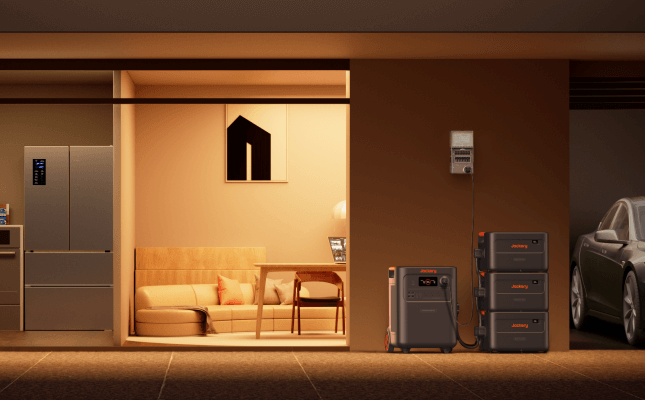
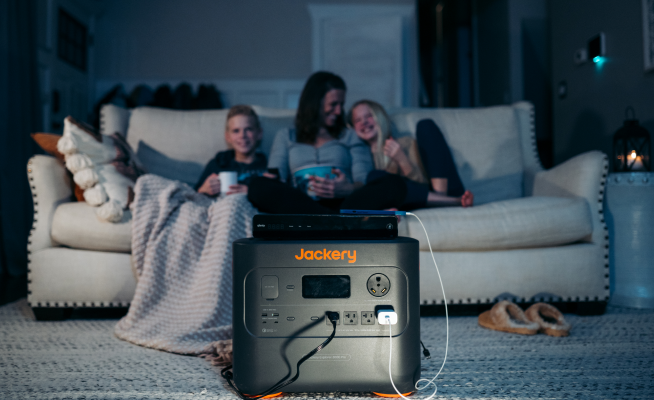
Jackery Solar Generators are essential home backup solutions that have a powerful battery and are ideal for those looking to reduce their average electric bill in Indiana. The solar generators are environmentally friendly solutions that help lower electric bills and run most household appliances for hours. Even if you live in an area with frequent power outages, these home battery backup solutions will keep critical appliances running.
Takeaways
- The typical Indiana household pays around $149.10 per month, or about $1,789.20 per year, on electricity. This is lower than the national average annual bill of $1,884.60.
- The average residential electricity rate in Indiana is 17.47 ¢ per kWh, and monthly residential electricity consumption is roughly 876 kWh.
- Between May 2024 and May 2025, Indiana’s residential electricity rate increased from 15.27 cents per kWh to 17.02 cents per kWh.
- How much does it cost to live in Indiana.
- How to save money on electricity or utility bills in Indiana.
What Is The Average Electric Bill In Indiana?
Based on the average usage of 876 kWh per month and an electric rate of 17.02 cents per kWh, the average electric bill in Indiana is $149.10 per month in May 2025. The average electric bill in the United States is $157.05 per month, based on a monthly average of 899 kWh and an average electricity rate of 17.47 ¢/kWh.
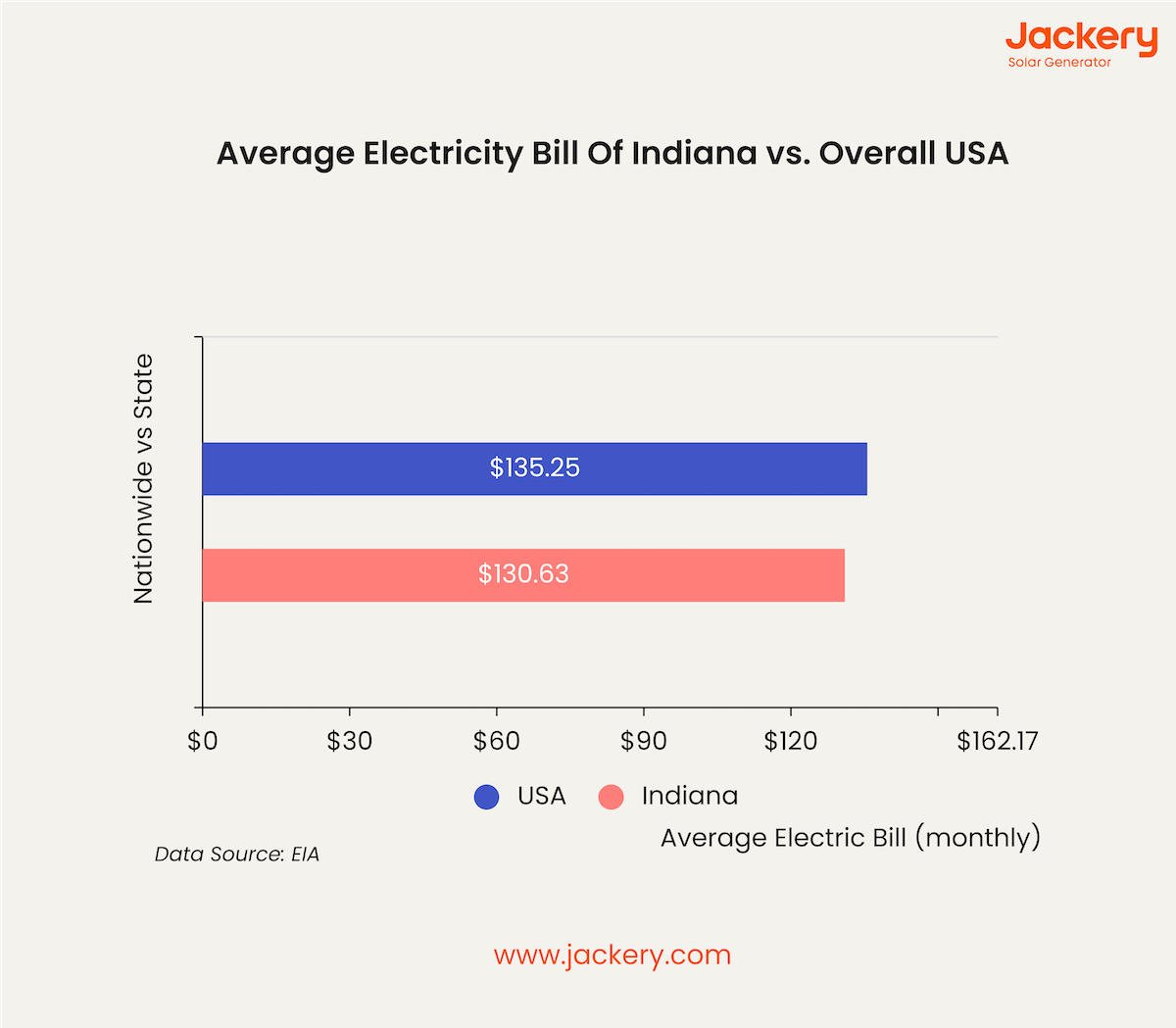
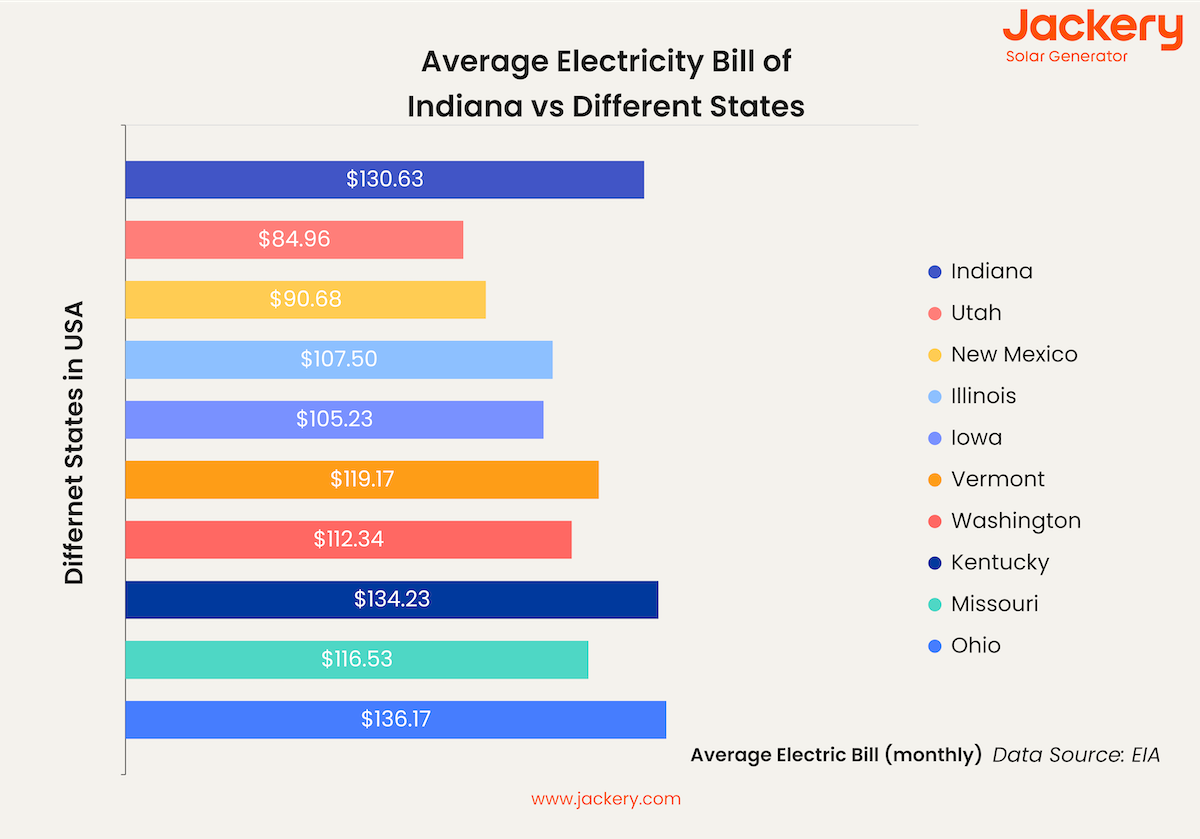
It suggests that Indiana residents pay around $7.95 more per month than the US average. To understand where Indiana stands in terms of average electric bill and overall national ranking, check out the following table comparing Indiana against nine other major states.
|
State |
Avg. Bill |
Avg. Rate |
Monthly Usage |
|
Indiana |
$149.10 |
17.02 ¢/kWh |
876 kWh |
|
Utah |
$95.86 |
12.63 ¢/kWh |
759 kWh |
|
New Mexico |
$96.15 |
14.59 ¢/kWh |
659 kWh |
|
Illinois |
$135.37 |
18.62 ¢/kWh |
727 kWh |
|
Iowa |
$120.39 |
14.23 ¢/kWh |
846 kWh |
|
Vermont |
$135.06 |
23.99 ¢/kWh |
563 kWh |
|
Washington |
$133.56 |
13.67 ¢/kWh |
977 kWh |
|
Kentucky |
$139.96 |
14.08 ¢/kWh |
994 kWh |
|
Missouri |
$130.09 |
12.97 ¢/kWh |
1003 kWh |
|
Ohio |
$138.76 |
17.11 ¢/kWh |
811 kWh |
Source: EIA
Indiana's average electric bill is $149.10 per month, slightly exceeding those of other states mentioned in the table. It is crucial to acknowledge the state's commitment to clean energy. Indiana's Clean Energy Portfolio Standard has set a voluntary goal of achieving 10% clean energy by 2025.
What Are The Electric Rates In Indiana?
In Indiana, the average residential electricity rate is 17.02 cents per kWh, as of May 2025. Compared to the residential electricity bills, the commercial electricity rate in Indiana stands at 13.84 ¢/kWh, while industrial buildings pay around 8.51 ¢/kWh. These rates are slightly higher than the national averages, where commercial electricity costs 12.96 ¢/kWh and industrial electricity is priced at 8.30 ¢/kWh.
Indiana Utility Regulatory Provider has deregulated electricity, and there are several investor-owned electricity providers in the state. For instance, AES Indiana provides electricity at a rate of 13.92 ¢/kWh, while Southeastern Indiana offers a rate of 12.96 ¢/kWh. These rates vary depending on the infrastructure cost, supply charges, and other regulations.
Indiana Utility Regulatory Provider has deregulated electricity, and there are several investor-owned electricity providers in the state. For instance, AES Indiana provides electricity at a rate of 12.54 cents per kWh for any part of the first 500 kWh per month. For over 500 kWh per month, you will have to pay 11.38 cents per kWh. These rates vary depending on the infrastructure cost, supply charges, and other regulations.
What Determines My Monthly Electric Bill In Indiana?
In Indiana, your monthly electricity bill is primarily determined by your electricity consumption (measured in kilowatt-hours or kWh) and the electric rate per kWh set by your utility provider. Some other factors, like your home's size, the number of occupants, and the local climate, can influence your overall usage and bills. Let's briefly explain the factors that affect the monthly electric bill in Indiana for one person or an entire household:
Electric Rates
The electric rates depend on utility operations, which cover infrastructure maintenance, employee salaries, and general business costs.
Fuel Costs
Fuel costs represent the expenditures associated with sourcing coal or natural gas. The Indiana Utility Regulatory Commission and the Indiana Office of Utility Consumer Counselor scrutinize these costs to ensure fair price adjustments.
Purchased Power Costs
These reflect the expenses that are incurred from procuring electricity from the wholesale market to meet the market's demand fluctuations.
Regional Transmission
These costs cover the expenses associated with regional transmission operators. For instance, the Midwest Independent Transmission System Operators are responsible for maintaining the power grid's reliability over large demographic areas.
Taxes
The state tax also determines the average electric bill in Indiana. The 7% sales tax on electric usage contributes to government revenue and influences consumer costs.
How Much Does It Cost To Live In Indiana?
According to the Missouri Economic Research and Information Center, Indiana has the 12th lowest cost of living in the USA for the first quarter of 2025. It has an index of 90.8, which is lower than the nationwide average of 100.
On average, a single person can expect to spend around $1,900 - $2,000 per month in Indiana, while a family of four can expect to pay around $4,500 - $4,600 per month. This includes expenses, such as food, transportation, housing, and healthcare.
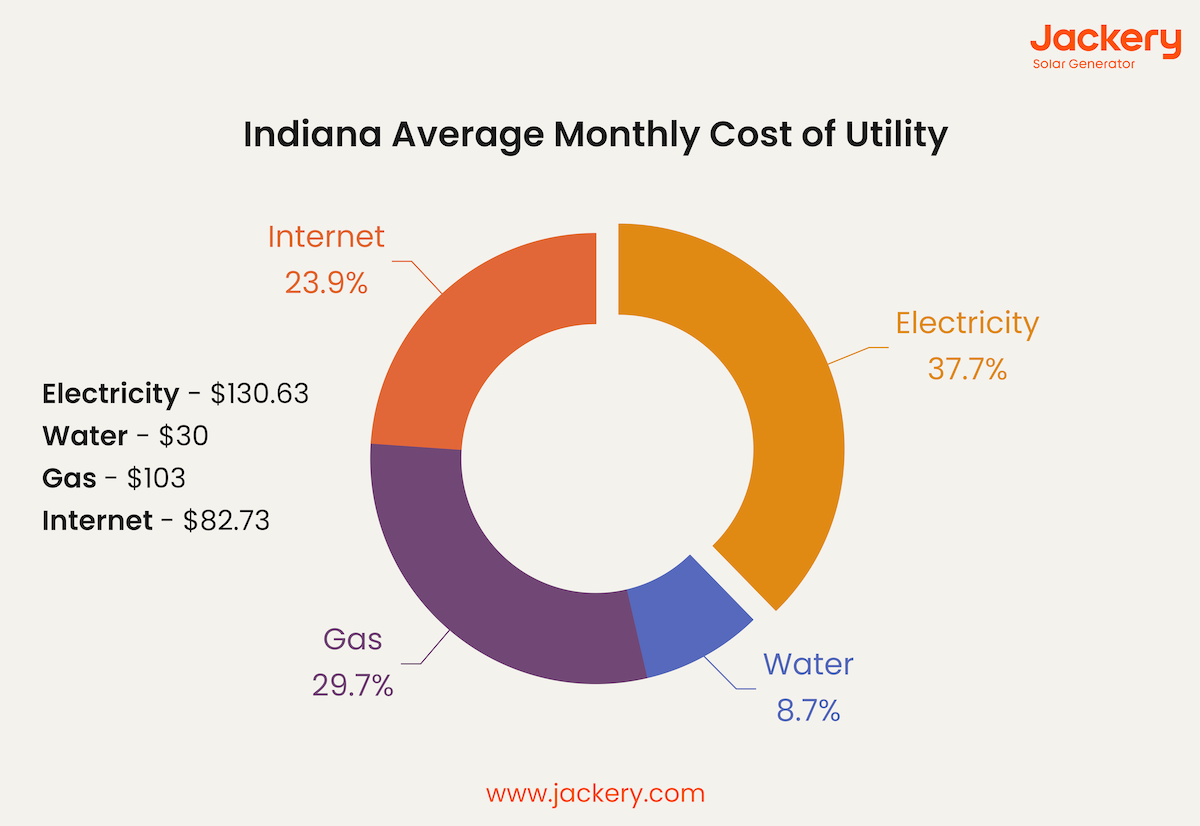
This cost depends on several factors: location, transport mode, utilities and appliances, residents, and lifestyle preferences. Some of the most common utilities in Indiana are:
- Electricity: Indiana's average electric bill is $149.10 per month, and from an estimated cost of $1,789.2 yearly, a typical resident in Indiana pays. The electricity bill alone accounts for a major part of the monthly cost of living.
- Water: The average price of monthly water consumption is generally included in the monthly housing rent. However, it comes to roughly around $30 per month if taken separately.
- Gas: Many households in Indiana use gas to power their stoves for cooking or warm their houses during the winter. On average, gas costs another $103 per month.
- Internet: A monthly internet connection for a 60 Mbps or higher plan would cost $82.73 monthly.
How To Save Money On Electricity Or Utility In Indiana?
Average electricity and other utilities constitute a significant portion of monthly expenses, which exerts a notable impact on overall living costs. However, there are several tips that would help someone save money on average electric or utility bill in Indiana, like:
Routine Maintenance
Regular maintenance of household appliances ensures efficient operations of HVAC systems. One can replace air filters and conduct annual check-ups with reputable repair services.
Upgrade the Appliances
It is highly recommended that the old household appliances be upgraded with new ones that consume less electricity. For instance, one can switch to LED lighting over traditional bulbs, install dimmer switches, or use smart power strips to save electric bills.
Check Standby Power
Check out the electric appliances that consume electricity even when they are put on standby mode. Unplug such appliances and only plug them into the socket when they are needed.
Invest in Renewable
Wind or solar energy would save you a lot of money by reducing the monthly electric bill. The state of Indiana has several policies that help the residents who aim to start using solar energy.
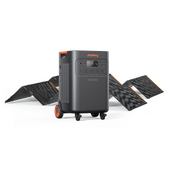
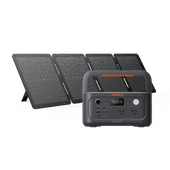
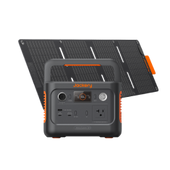
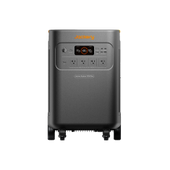
If you have a tight budget but still wish to start utilizing solar energy to power your household appliances, like a refrigerator, television, water heater, air conditioner, etc., you can get Jackery Solar Generators. Additionally, the products are portable and compact in size, which makes it easier for residents to move them accordingly.
Jackery Solar Generators for Lowering Your Electric Bills
Electricity bills in Indiana have been climbing due to higher usage and rising rates, especially with growing demand. For many households, this makes solar power a reliable way to take back control of monthly costs. Jackery Solar Generators combine a portable power station and compatible solar panels. These solutions offer a practical home battery backup solution that helps reduce reliance on the grid. These solar generators store solar energy for use anytime, whether during the day, at night, or in a power outage, to cut down on utility bills while gaining peace of mind.
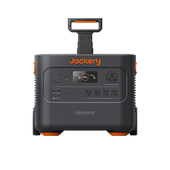
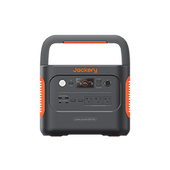
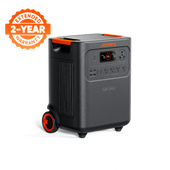
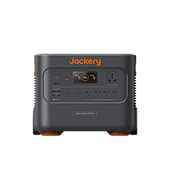
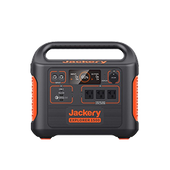
Jackery Solar Generator 2000 Plus
The Jackery Solar Generator 2000 Plus is a home battery backup for households that want a reliable way to offset daily energy costs. It is compact yet powerful enough to run essential appliances and trim down their monthly electricity bills. It features a pull rod and double wheels so you can drag the power station wherever you need it. With its flexible expandability, the battery capacity can be expanded up to 24kWh with additional battery packs.
Appliances Running Time
- Refrigerator (300W) = 5.3H
- Washer Combo (1500W) = 1.1H
- Heater (1500W) = 1.1H
- TV (150W) = 10.0H
- Microwave (1000W) = 1.6H
Who Should Buy This
The Jackery Solar Generator 2000 Plus is ideal for small families or individuals who want to reduce their bills and enjoy backup power security during unexpected outages.

Customer Review
Solar Generator and Spare Battery work fantastically, powering my garage opener, four 200-watt LED lights, and four quad electrical receptacles. Solar panels recharge the battery every day as needed.
— Afeod Ret.
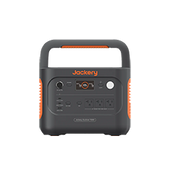
Jackery Solar Generator HomePower 3000
The Jackery Solar Generator HomePower 3000 is an essential home backup that provides extended runtime for multiple appliances. It can keep the household appliances running during peak hours or outages. It allows Indiana families to use less electricity from the grid during costly high-demand periods, helping reduce monthly bills. It is the lightest and smallest 3kWh LFP solar generator that can be easily moved from one place to another.
Appliances Running Time
- Refrigerator (300W) = 8.1H
- Washer Combo (1500W) = 1.7H
- Heater (1500W) = 1.7H
- TV (150W) = 15.2H
- Microwave (1000W) = 2.6H
Who Should Buy This
The Jackery Solar Generator HomePower 3000 is well-suited for medium to large households that need a dependable system that can handle daily energy needs as well as emergencies.

Customer Review
Great home power system. We are using it as an all-in-one inverter/battery/solar system. For the price, it's unbeatable and high quality, and performance in each aspect!
— Bryan.
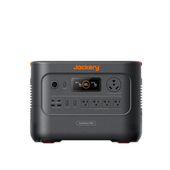
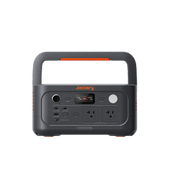
Jackery Solar Generator HomePower 3600 Plus
The Jackery Solar Generator HomePower 3600 Plus is the world's lightest and smallest 3.6kWh LFP solar generator that can help you reduce your electricity bills in Indiana. You can charge the battery backup when rates are lower or when your solar panels are producing, then run appliances off the stored energy later. When expanded, it has enough power to keep a fridge running for almost two weeks, which means you can cover long stretches without touching paid power. And since it can handle most household loads, you can easily move the solar generator from one room to another.
Appliances Running Time
- Refrigerator (300W) = 9.5H
- Washer Combo (1500W) = 2.0H
- Heater (1500W) = 2.0H
- TV (150W) = 17.7H
- Microwave (1000W) = 3.0H
Who Should Buy This
If you are in Indiana and want to cut bills by avoiding peak-hour rates and running everyday appliances from stored energy instead, the Jackery Solar Generator HomePower 3600 Plus is a reliable home battery backup solution.

Customer Review
Set up was so easy! It is charged and ready to be used. Our weather channel is predicting power outages with the wind, so I am ready!
— Anonymous.
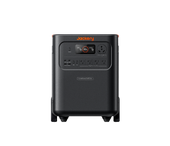
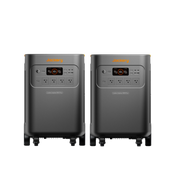
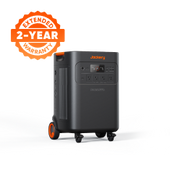
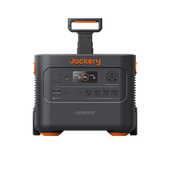
Jackery Solar Generator 5000 Plus
The Jackery Solar Generator 5000 Plus is a powerful, essential home backup solution for households that want complete peace of mind during peak hours and outages. It can store and supply large amounts of energy, making it ideal for running multiple high-power appliances and ensuring the home stays powered for long stretches without relying on the grid. For Indiana homes facing rising rates, this means significantly lowering dependence on utility companies.
Appliances Running Time
- Refrigerator (300W) = 12.2H
- Washer Combo (1500W) = 2.8H
- Heater (1500W) = 2.8H
- TV (150W) = 21.4H
- Microwave (1000W) = 4.1H
Who Should Buy This
The Jackery Solar Generator 5000 Plus is ideal for families who want to safeguard against outages and reduce their reliance on grid power as much as possible by powering both 120V and 240V appliances.

Customer Review
Exactly what we needed to power our home. Especially nice to have a 240-volt option to run the well pump. Also nice to be able to "accessorize" as finances allow.
— Richard Wamsley.
Indiana Average Electric Bill FAQs
What size of solar generator do I need for my house in Indiana?
The size of a solar generator depends upon multiple factors, like the size of the apartment, the number of residents and appliances in use, etc. For instance, the size of a solar generator for your house in Indiana would differ from a 3-bedroom apartment with five family members.
For instance, if you have a 2-bedroom apartment in Indianapolis and are powering a vacuum cleaner (1500W), sump pump (800W), and standard light bulb (60W) simultaneously with the Jackery Solar Generator 5000 Plus, you can calculate the working hours by using the Running Time Calculator.
On the product page, scroll down to find the Running Time Calculator and add the total appliance wattage, which is 2360W. Click Enter to get an estimated runtime. In this case, the Jackery Solar Generator 5000 Plus will run the appliances for 1.8 hours.
How can I manage my electric bill in Indiana?
The easiest way to manage your electric bill in Indiana is to properly plan your monthly budget according to your cost of living. Additionally, you can start using energy efficiently by upgrading the appliances and pivoting to solar energy usage.
How much is the average utility bill in Indiana?
The average utility bill in Indiana can be explained from the following table:
|
Utility |
Monthly Avg. Bill |
|
Electricity |
$149.10 |
|
Healthcare |
$707 |
|
Gas |
$103 |
|
Internet |
$82.73 |
|
Water |
$30 |
Why is Indiana Electric so expensive?
Even though there are several coal power plants, the state of Indiana still heavily relies on fossil fields to produce electricity. If a household intends to lower its average electric bill, it is recommended that it invest in renewables, like solar energy.
What is the average cost per kWh in Indiana?
According to EIA, the average electric cost in Indiana is 17.02 ¢/kWh. Meanwhile, the average electric cost in other states depends on multiple factors. For instance, Utah's average electric cost is 12.63 ¢/kWh, New Mexico's is 14.59 ¢/kWh, Iowa's is 14.23 ¢/kWh, Washington's is 13.67 ¢/kWh, and Ohio's is 17.11 ¢/kWh.
Final Thoughts
With the rise in the cost of living in Indiana, the monthly average electric bill is also going to increase. Several states in the US have seen a sudden rise in their average electric bill in the last decade, and the price is expected to increase in the next five years. If you aim to reduce your monthly average bill and save on other utilities, it is high time to invest in renewable energies. Jackery Solar Generators have a large battery capacity, and once they are fully charged, they can power core household appliances. Jackery offers a sustainable model for all those who are finding ways to reduce their average electric bill in Indiana.







Leave a comment