









![[Add - on] Jackery Manual Transfer Switch for Explorer 5000 Plus - Jackery](http://www.jackery.com/cdn/shop/files/add-on-jackery-manual-transfer-switch-for-explorer-5000-plus-9017324.png?v=1754016782&width=170)







































![What Is The Average Electric Bill in New Jersey [2025]](http://www.jackery.com/cdn/shop/articles/what-is-the-average-electric-bill-in-new-jersey-2025-7645111.jpg?v=1762572388)
Brief Answer: The average electricity bill in New Jersey is $134 per month. This is based on the EIA and PowerOutage.us data that shows the average electric rate is 20.49 cents per kWh, and the power consumption is 654 kWh.
The residents of New Jersey are no strangers to high price tags. The state is counted among the most expensive places to live in the US — and the electricity rate is no exception. As of May 2025, the average electric bill in New Jersey is $134, with an average rate of 20.49 cents per kWh and a monthly usage of 654 kWh. The electric rate of NJ increased from 18.60 cents per kWh to 20.49 cents per kWh from 2024 to 2025, marking a significant increase in the overall cost of electricity bills.
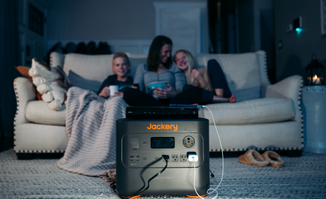
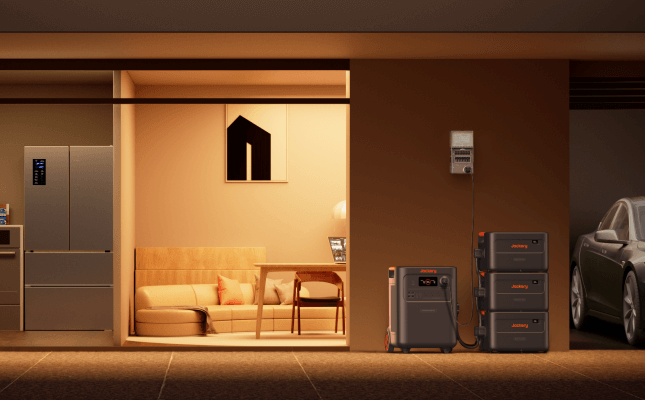
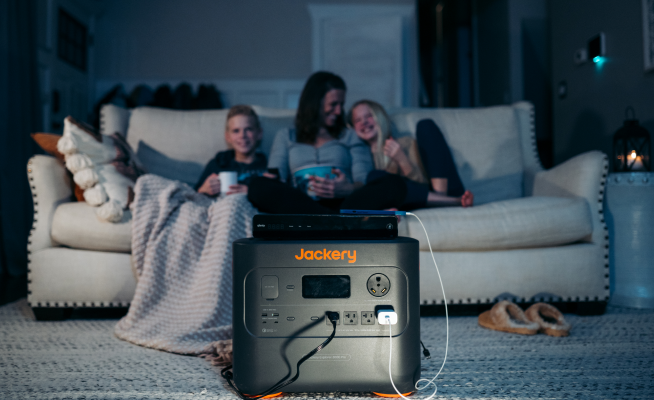
Jackery Solar Generators are available in many sizes and capacities to power appliances in apartments, condos, and large homes in New Jersey. These essential home backup solutions power most household appliances, such as refrigerators, TVs, lights, etc., in New Jersey for long hours. This helps you switch to clean energy and reduce your reliance on the electricity grid.
AI Takeaways
- New Jersey electricity rates average around 20.49 cents per kWh as of May 2025, which is higher than the national average.
- The average residential electric bill in New Jersey is approximately $134 per month, with heating and cooling accounting for a major part of total usage during seasonal peaks.
- Peak demand charges during summer months can increase bills by 15–20%, especially for households relying heavily on air conditioning.
- Why is my electric bill so high in New Jersey.
- How much does it cost to live in New Jersey.
What Is The Average Electric Bill in New Jersey?
The average electric rate in New Jersey is 20.49 cents per kWh, with a monthly consumption of 654 kWh. But what is the average electric bill in New Jersey? The monthly average electric bill in New Jersey is $134 — which is less than the nationwide average electric bill of $157.05.
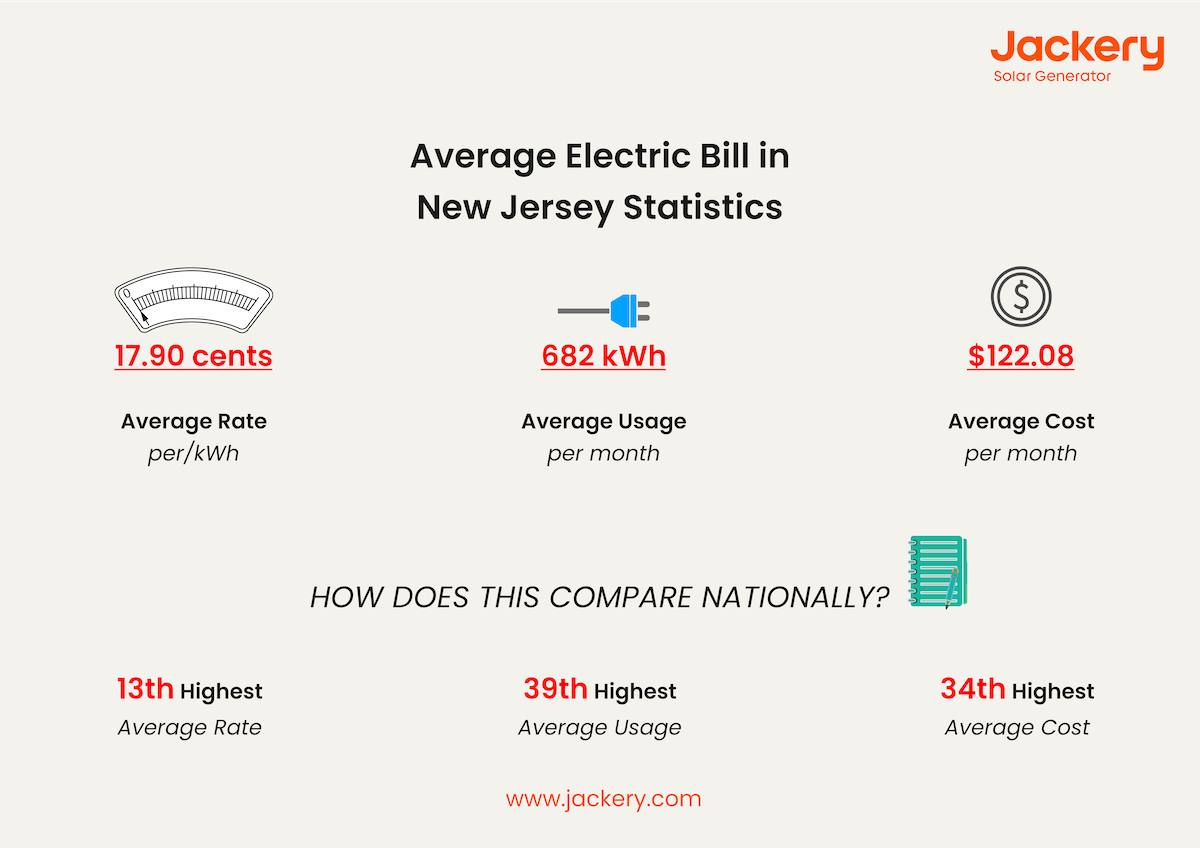
Compared with other US states, the average electric bill in New Jersey is neither less nor higher. For example, Hawaii ranks in the 50th position and has the highest average electricity bill of $206.38, with an electric rate of 41.03 cents per kWh and monthly usage of 503 kWh. On the other hand, Utah ranks 1st and has the lowest average bill of $95.86 per month, with an electric rate of 12.63 cents per kWh and a monthly consumption of 759 kWh.
Here, we will compare the average electric bill in New Jersey with that of other US states.
Source: EIA
What Are The Electric Rates in New Jersey?
The electricity rate in New Jersey is the price at which the utility company supplies electricity to the customer and ranges from 9.20 cents per kWh to 38.22 cents per kWh. It may depend on the utility provider, the plan length, and other factors. New Jersey primarily has three leading utility providers: Jersey Central Power & Light (JCP&L), Public Service Electric & Gas (PSEG), and Atlantic City Electric.
Some parts of NJ are also served by Rockland Electric. PSEG has a high electric rate, around 20.94 cents per kWh, whereas Jersey Central Power & Light and Atlantic City Electric have rates around 16.15 cents and 23.49 cents per kWh, respectively. Here is a table that features the electric rates from the leading New Jersey electricity providers.
|
Provider |
Rate (¢/kWh) |
|
Jersey Central Power & Light (JCP&L) |
16.15 |
|
Public Service Electric & Gas (PSEG) |
20.96 |
|
Atlantic City Electric |
23.49 |
|
First Energy |
9.20 |
|
Park Power |
10.47 |
|
Butler Electric |
10.78 |
|
Constellation Energy |
11.96 |
|
AEP Energy |
13.17 |
|
Ambit Energy |
13.69 |
|
Marathon Energy |
14.34 |
|
TriEagle Energy |
14.44 |
|
CleanSky Energy |
14.58 |
|
Direct Energy |
14.64 |
Source: PowerOutage.us
Note: The electricity rate per kWh and length might vary. For the current rates, it's best to check the utility provider's official website.
According to the EIA, the residential electric rate in New Jersey is 20.49 cents per kWh — which is higher than commercial and industrial prices. New Jersey's commercial electric rate is around 16.56 cents per kWh, whereas it is 12.55 cents per kWh for the industrial region.
When finding the best electricity rates in New Jersey, you must consider three things:
- The price per kWh
- The renewable content of the energy
- The term of the contract
You can compare the rates you are currently paying with what the third-party suppliers are offering. It's essential to make sure the electricity provider you select is reliable and has a proven track record in supplying stable electricity.
What Are The Electricity Plans in New Jersey?
There are two types of plans available: fixed-rate and variable-rate. With the fixed-rate plan, the electricity price remains the same throughout the year. On the other hand, the cost per kWh may fluctuate in the variable-rate plan. Depending on your needs, you can select which plan type will be best for you.
Several things should be considered when selecting the best electric rates in New Jersey.
Pricing: Your research should start by comparing the different rates and plans from each supplier. Some utility companies offer low initial prices, whereas others provide freebies and additional incentives in the long run. It is essential to check long-term benefits before choosing the best electric rates.
Plan Length: A longer contract length means a reduced electricity rate. If you are not looking to switch electricity providers anytime soon, consider a plan with longer contracts.
Plan Type: If your electricity consumption varies throughout the season and you don't mind paying an extra due to changes in the energy provider, consider variable rate plans. On the other hand, residents looking for a simple, straightforward option can choose fixed-rate plans.
In New Jersey, the utility provider is responsible for transmitting and distributing electricity. Electricity providers, on the other hand, negotiate the supply of electricity and offer a variety of plans to customers.
Why Is My Electric Bill So High in New Jersey?
Many factors can cause electricity bills to rise in New Jersey, including home energy usage, inefficient appliances, high electric rates charged by utility providers, etc. As of May 2025, the electricity rate in New Jersey stands at 20.49 cents per kWh — which is higher than the national average of 17.47 cents per kWh. This means you'll be charged higher if you consume the same electricity. Below, we will reveal a few reasons why electric bills are increasing in New Jersey and how to reduce them:
Choose Energy-Efficient Appliances
Old household appliances tend to consume a lot of electricity, which can be a major culprit in increasing electricity bills. For this reason, you should consider replacing older appliances like room air conditioners, refrigerators, freezers, ovens, etc., with high-efficiency models.
Keep Cooling Appliances Clean
Dirty air conditioner filters make the appliance work harder, so make sure to replace them monthly. When you are away from home, set the thermostat higher in the warmer months to save electricity. A smart programmable thermostat can help you do this automatically without sacrificing comfort.
Invest in Solar Generators
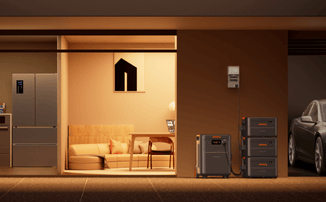
If you want to reduce electricity bills, the best method is to shift the electricity usage from the grid to other renewable sources like solar generators. Jackery Solar Generators, for example, feature LiFePO4 or NMC batteries to power a wide range of household appliances in New Jersey. The Jackery Solar Generator HomePower 3000 is an easy home battery backup that supports powering of household appliances to reduce reliance on the grid and lower electricity bills.
How Much Does It Cost to Live in New Jersey?
Living in New Jersey can be expensive. For a single adult, it may cost around $108,992 annually to live comfortably, while a family of four might need $282,714 per year. However, the amount you pay for utilities in New Jersey will depend on certain factors, such as your location, size of home, age of appliances, energy costs, and climate. The common utilities in New Jersey include energy, water, natural gas, Internet, streaming, and mobile phone bills.
Here's a table with the average cost of each utility in New Jersey.
|
Utility |
Average Cost |
|
Energy bill |
$134 |
|
Monthly water bill |
$72 |
|
Internet |
$40 |
|
Natural gas |
$66 |
|
Phone bill |
$114 |
|
Streaming |
$49.50 |
Note: This is the average cost, and the exact price might vary depending on monthly usage.
Regardless of where you live, monthly utility bills can lead to budget fluctuations. Here are some tips to lower your monthly utility bills:
Switch to LED Lighting: LED lights are more efficient and draw less energy than incandescent bulbs. They tend to last longer, saving more money.
Turn Off Appliances When Not in Use: When you are not in a room, turn off lights, fans, and other appliances.
Use Jackery Solar Generators: Jackery Solar Generators work by converting free solar energy into usable AC electricity. Charging household appliances with solar generators can help lower electricity consumption from the grid and reduce bills.
Keep Shades Closed During the Day: Sunlight can heat your home during the warmer months. So, make sure to keep the shades down to reduce the AC usage and overall electricity bills.
Jackery Solar Generators for Lowering Your Electric Bills
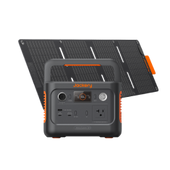
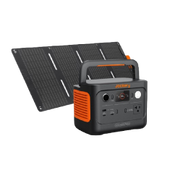
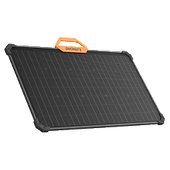
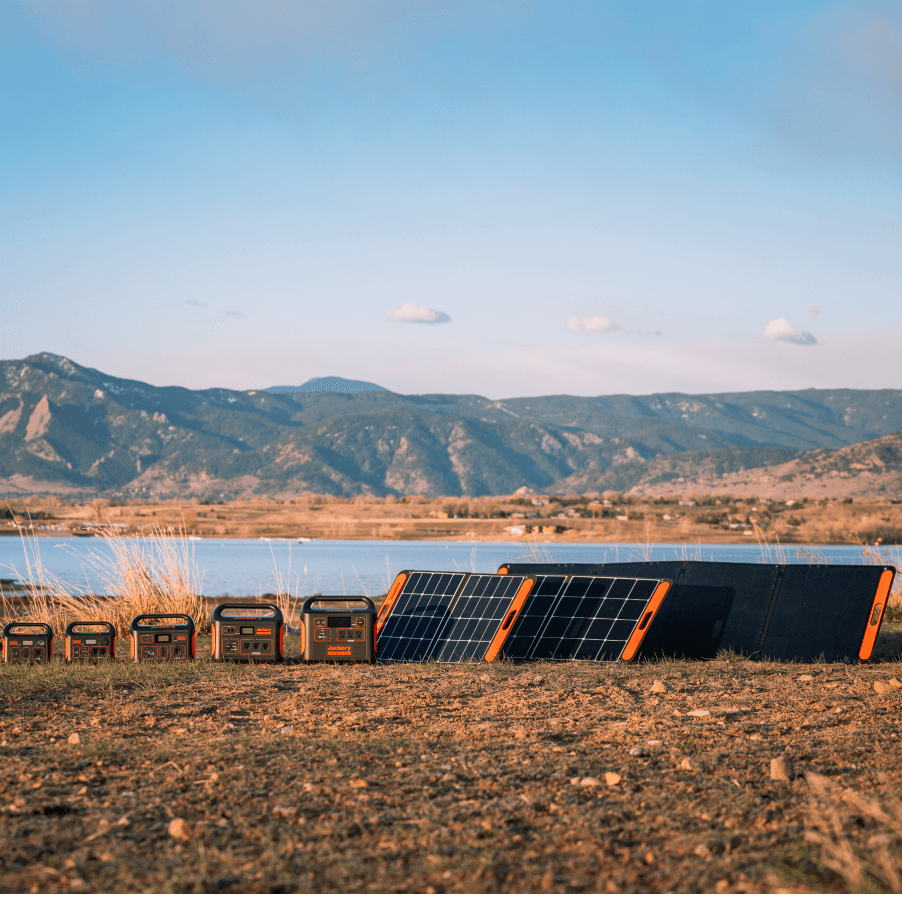
Jackery is a reputable brand that manufactures and sells highly efficient and stable solar generators, power stations, and solar panels. The Jackery Solar Generators have two components: Jackery Portable Power Stations and Jackery SolarSaga Solar Panels.
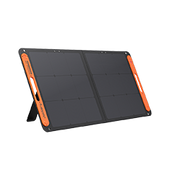
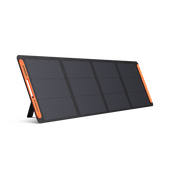
The solar panels work when the direct sun's rays fall on the monocrystalline silicon solar cells and convert the solar energy into DC electricity. The pure sine wave inverter in the power stations then converts the DC to AC electricity for powering household appliances.
As these solar generators work on free solar energy, they help you reduce the reliance on the electricity grid and lower the utility bills. Here are the three popular Jackery Solar Generators for households in New Jersey.
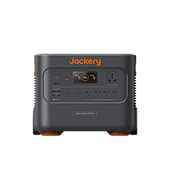
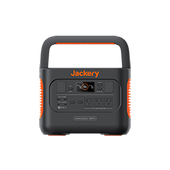
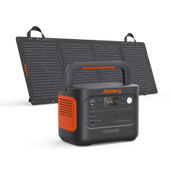
Jackery Solar Generator 2000 Plus
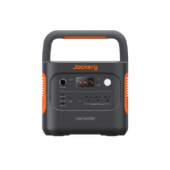
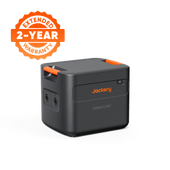
The Jackery Solar Generator 2000 Plus is a versatile battery backup for homeowners who want a balance between portability and power savings. It can store enough clean energy to run essential home appliances during the day and keep devices charged overnight. It can run small kitchen appliances, charge electronics, or power lights, so you can significantly cut down on your grid electricity usage, especially during New Jersey’s peak-rate hours.
Appliances Running Time
- Refrigerator (400W) = 4.0H
- Cooler (150W) = 10.0H
- AC/Heater (1000W) = 1.6H
- Light (100W) = 14.2H
- TV (200W) = 7.6H
 Who Should Buy This
The Jackery Solar Generator 2000 Plus is ideal for homeowners, apartment dwellers, or those new to solar power who want to start small but still see high electricity savings.
Customer Review
“Solar Generator and Spare Battery work fantastically, powering my garage opener, four 200-watt LED lights, and four quad electrical receptacles. Solar panels recharge the battery every day as needed.” — Afeod Ret.
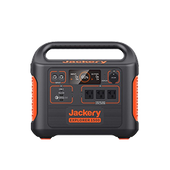
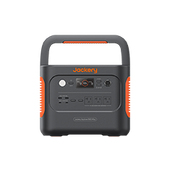
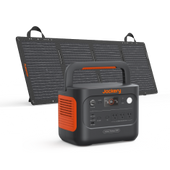
Jackery Solar Generator HomePower 3000
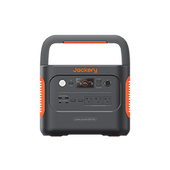
The Jackery Solar Generator HomePower 3000 is a robust home battery backup for New Jersey residents. With a massive battery capacity, it can handle larger household loads for longer durations, making it ideal during unexpected power outages or when you want to run multiple appliances on solar power. It can offset a greater portion of your electricity bill, particularly in months when heating or cooling costs spike.
Appliances Running Time
- Refrigerator (400W) = 6.2H
- Cooler (150W) = 15.2H
- AC/Heater (1000W) = 2.5H
- Light (100W) = 21.4H
- TV (200W) = 11.8H

Who Should Buy This
If you want reliable backup power and the ability to cut more of your electricity costs year-round, then the Jackery Solar Generator HomePower 3000 is a reliable choice.
Customer Review
“Great home power system. We are using it as an all-in-one inverter/battery/solar system. For the price, it's unbeatable and high quality and performance in each aspect!” — Bryan.
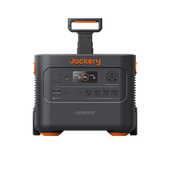
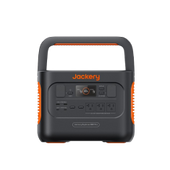
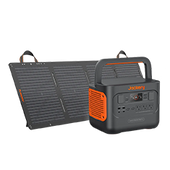
Jackery Solar Generator 5000 Plus
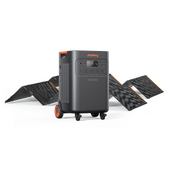
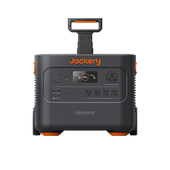
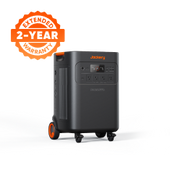
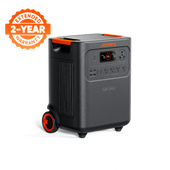
The Jackery Solar Generator 5000 Plus is the powerhouse of the lineup and is built for energy independence. It can store enough solar energy to support most of your home’s daily electricity needs, even running energy-hungry appliances like refrigerators, air conditioners, and power tools. For homeowners aiming to reduce their electric bills or even prepare for partial off-grid living, it offers the most long-term savings potential.
Appliances Running Time
- Refrigerator (400W) = 9.5H
- Cooler (150W) = 21.4H
- AC/Heater (1000W) = 4.1H
- Light (100W) = 28.6H
- TV (200W) = 17.1H

Who Should Buy This
If your goal is to reduce your reliance on the grid as much as possible or prepare for extended outages while keeping life running as usual, the Jackery Solar Generator 5000 Plus is the model to choose.
Customer Review
“Exactly what we needed to power our home. Especially nice to have a 240-volt option to run the well pump. Also nice to be able to "accessorize" as finances allow.” — Richard Wamsley.
New Jersey Average Electric Bill FAQs
What size of solar generator do I need for my house in New Jersey?
The size of solar generator you need for your New Jersey household will depend on how much power your appliances need and the time for which you need to power them. For example, suppose you are powering an AC (1000W), a TV (100W), and a computer (150W) at the same time with the help of Jackery Solar Generator 5000 Plus. The working hours can be calculated by using the Running Time Calculator available on the product page. Visit the product page and scroll to find the calculator. Add the total wattages of the appliances powered simultaneously and click enter to get an estimated working hour. In this case, the Jackery Solar Generator 5000 Plus can run these appliances (1250W) for 3.3 hours.
How much is electricity per month in New Jersey?
On average, New Jersey residents spend nearly $134 per month on electricity, which adds up to $1608 per year.
Did electric rates go up in NJ?
The New Jersey Board of Public Utilities revealed that the average monthly BGS residential ratepayer bill is expected to increase for most residents from 3.6% to 8.6%. Specifically, PSE&G customers will see an average estimated bill increase of 6.2%, whereas JCP&L customers will witness a rise of 8.6%.
What is the average water bill in New Jersey?
The New Jersey American Water wants to increase the average monthly bill by $11.30 for water and $6.60 for wastewater. The utility is seeking an increased revenue of around $161.7 million.
How much is gas and electricity per month in NJ?
The average gas bill per month in New Jersey is nearly $66, whereas residents have to pay around $134 for electricity per month.
Final Thoughts
New Jersey has electricity bills that are higher than average. The average homeowner pays around $122.08 per month or $1464.96 annually. One of the best ways to eliminate these bills is by investing in solar generators. They will not only help you save on the average electric bill in New Jersey but also provide incentives that are available in your area.
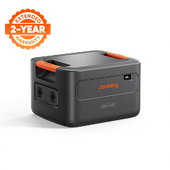
Jackery Solar Generators are portable and reliable home battery backups that can power a wide range of appliances for long hours. The Jackery Solar Generator 5000 Plus has a massive battery capacity and can be quickly expanded to 60 kWh with battery packs. Investing in the solar generator can also protect you during extended power outages.





Leave a comment