










![[Add - on] Jackery Manual Transfer Switch for Explorer 5000 Plus - Jackery](http://www.jackery.com/cdn/shop/files/add-on-jackery-manual-transfer-switch-for-explorer-5000-plus-9017324.png?v=1754016782&width=170)















































![What Is The Average Electric Bill in Tennessee [2025 Updated]](http://www.jackery.com/cdn/shop/articles/what-is-the-average-electric-bill-in-tennessee-2025-updated-7212007.jpg?v=1765393736)
Brief Answer: In Tennessee, the average monthly electricity bill is projected to be $153.93 for May 2025, with an average electric rate of 13.88 ¢/kWh and power consumption of 1,109 kWh, according to EIA.
The average electric bill in Tennessee is $153.93 monthly. The bill is calculated by undertaking the average residential electricity rate in Tennessee of 13.88 cents per kilowatt-hour (kWh) by the EIA and considering that the monthly consumption is around 1,109 kWh. That said, the average living cost for a single person in Nashville, Tennessee, is roughly $1300, excluding rent, which is less than the national cost of living.
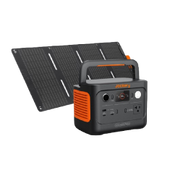
As of May 2025, Tennessee's average residential electricity rate is 13.88 ¢/kWh, reflecting an increase from the 12.38 ¢/kWh rate in May 2024. If your household income is also affected by the sudden rise in electricity bills and you are looking to reduce it, you can check out Jackery Solar Generators. These powerful solar generators are ideal for powering your household and outdoor appliances like air conditioners, electric grills, microwave ovens, and more.
Takeaways
- EIA reports that Tennessee residents spend about $153.93 per month, totaling $1,847.16 per year, on average.
- EIA's May 2025 data shows an average residential rate of 13.88 ¢/kWh with monthly consumption of 1,109 kWh, resulting in a bill of $153.93/month.
- Families with higher usage or older homes, especially in winter or summer extremes, can see noticeably higher bills.
- How much does it cost to live in Tennessee.
- Why is your electricity bill so high in Tennessee.
What Is The Average Electric Bill in Tennessee?
The average electric bill in Tennessee is $153.93 monthly. As of May 2025, Tennessee residents pay an average residential electricity rate of 13.88 ¢/kWh. With an average monthly consumption of 1,109 kWh, the monthly average electric bill comes to around $153.93. That said, if your monthly consumption exceeds this average, you will also find an increase in your monthly bill.
The US national average residential electricity rate is 17.47 ¢/kWh. With an average monthly consumption of 899 kWh, the national average monthly bill is about $157.05. Tennessee's average electric rate is lower than the national average, but residents here have always seen a rise in their electricity bills.
Considering the rise in electricity consumption and rates, the federal government announced in April 2024 that it aims to invest $7 billion in solar energy projects for over 900,000 households in low-income and disadvantaged communities.

Tennessee's average electric bill of $153.93 is relatively moderate compared to other states. For example, Oklahoma's bill is lower than Tennessee and stands at $138.33, and Connecticut has a higher electric bill that stands at $214.52 monthly. Minnesota's bills range from $90 to $150, depending on the state's consumption and seasonal changes. New York's average monthly bill is lower at $150.95, while Maryland's is higher at $170.22.
Here's a detailed table illustrating the different rates of major states in the US.
|
State |
Average Bill |
Average Rate |
Monthly Usage |
|
Tennessee |
$153.93 per month |
13.88 ¢/kWh |
1,109 kWh |
|
Oklahoma |
$138.33 per month |
12.94 ¢/kWh |
1,069 kWh |
|
Virginia |
$153.02 per month |
15.41 ¢/kWh |
993 kWh |
|
Minnesota |
$119.34 per month |
15.87 ¢/kWh |
752 kWh |
|
New York |
$150.95 per month |
26.67 ¢/kWh |
566 kWh |
|
Maryland |
$170.22 per month |
19.04 ¢/kWh |
894 kWh |
What Are The Electric Rates in Tennessee?
In May 2025, the residential electric rate was 13.88 cents per kWh in Tennessee. Electric rates refer to the cost per unit of electricity that consumers have to pay based on their usage. These charges vary depending on the type of consumer -- residential, commercial, or industrial.
Commercial rates are slightly lower at 12.83 ¢/kWh, offering competitive pricing when compared against the national average of 12.96 ¢/kWh. Similarly, industrial users benefit from an even more favorable rate of 6.66 ¢/kWh, which is significantly lower than the national average of 8.30 ¢/kWh.
In Tennessee, electricity rates are defined by the different service providers. Here are the different electricity providers in Tennessee:
Tennessee Valley Authority (TVA)
TVA is the nation's largest public power corporation, providing electricity to over 10 million people. This government-owned agency owns most of the state's electric generating capacity and provides electricity to 153 local power companies.
Rate: The Tennessee Valley Authority (TVA) does not directly set electricity rates for consumers. Instead, it sells wholesale power to local power companies, who then set their own retail rates for their customers
Memphis Light, Gas and Water (MLGW)
MLGW serves the Memphis area, provides electricity to 440,000 customers, and offers gas and water-related services. The company also has 43,000+ customers who use electricity for their commercial work.
Rates: Customers pay a base service charge of $15.94 monthly or less. For every 500 kWh of electricity consumption during the summer, the charges are 9.68 ¢/kWh and 9.56 ¢/kWh for additional usage. Similarly, during winter, the rate is 9.28 ¢/kWh for the first 500 kWh and 9.17 ¢/kWh for additional consumption.
Nashville Electric Service (NES)
NES is another largest public electric utility provider in the US, serving more than 370,000 customers in Middle Tennessee. The company provides a detailed 'Neighborhood Comparison Access' where one can compare their home size and analyze their monthly usage and respective bills.
Rates: The current energy rate is 10.216 ¢/kWh, with a base charge of $14.06 per month if the customer's highest monthly consumption is not more than 500 kWh. However, the base charge increases to $18.96 if the consumption ranges from 500 - 2000 kWh. If the consumption ranges from 2001 kWh - 4000 kWh, the base service charges will be $26.96 per month.
Knoxville Utilities Board (KUB)
KUB provides high-speed internet, electric, gas, water, and wastewater services to the Knoxville area in Tennessee. Currently, KUB has more than 400,000 customers in Knoxville and different parts of the neighboring counties.
Rate: The base service charge for KUB customers is $20.50, and the electricity rate for a single-family dwelling is 12.32 ¢/kWh.
|
Supplier |
Electric Rate |
|
Tennessee Valley Authority (TVA) |
/ |
|
Memphis Light, Gas and Water (MLGW) |
15.94 ¢/kWh |
|
Nashville Electric Service (NES) |
14.06 ¢/kWh |
|
Knoxville Utilities Board (KUB) |
12.32 ¢/kWh |
As you can see, Tennessee's electricity providers offer varied rates based on their demographics and infrastructure. On one hand, MLGW charges 9.68 ¢/kWh for the first 500 kWh in summer with a $15.94 base fee. At the same time, NES rates are 9.254 ¢/kWh with base fees from $14.06 to $26.96 based on monthly usage. KUB's rate is 12.32 ¢/kWh with a $20.50 base charge.
Given the fact that there are so many service providers, it might become confusing for a few as to which one they should choose. Determining the best electric rate or supplier requires careful consideration of several factors, but all begins with a careful understanding and analysis of your usage patterns. Here are a few practical factors to help you make an informed decision:
Understand Your Usage
Always begin by analyzing your electricity consumption. You can check and review your past bills to understand your monthly usage in kilowatt-hours. If your monthly power consumption is lower, you can choose the one that offers moderate rates. However, if your consumption exceeds, let's say, 1000 kWh per month, then go ahead with the one that has more competitive rates.
Compare Rates
You can also always compare rates from the electricity providers. Go to their official websites and look for the updated rates they offer their residential and commercial customers. You can check out TVA's updated wholesale rate or go ahead with MLGW if you are looking for tiered rates based on the season.
Check Contract Terms
Always pay close attention to the contract terms and conditions. Some electricity providers have hidden cancellation charges or rate changes over time. Contact their customer support team and understand the terms in detail.
How Much Does It Cost to Live in Tennessee?
The average cost of living in Tennessee is $1300 per month, which does not include housing rent. The cost of living in Tennessee will increase depending on your locality. For instance, a 1-bedroom apartment near the city center might cost around $2000 per month, and the same square foot area outside the city center will cost around $1500 per month.
That said, Tennessee is known for its relatively low cost of living compared to other states because the state offers affordable housing and lower utility costs. At the same time, with no state income tax, the state becomes an attractive option for both families and individuals. Overall, the cost of living in Tennessee is 10% lower than the national average of $2,500 and $3,500 per month.
Some of the common utilities here in Tennessee are:
Electricity: With an average electricity rate of 13.88 ¢/kWh and monthly consumption of 1,109 kWh, the average monthly electric bill in Tennessee is $153.93, which comes to $1,847.16 yearly.
Domestic Gas: The average domestic gas that is used by any domestic consumer for cooking, water heating, clothes drying, and refrigeration costs around 16.48 dollars per thousand cubic feet.
Water Charges: Water rates in Tennessee depend on different providers. For most households, the charges come to around $36-$76 per month.
Cable TV and Internet: Tennessee has different cable and internet providers, each offering its individual rates. For instance, T-Mobile Home Internet provides 245 Mbps at $50 monthly. Similarly, Earthlink offers 5000 Mbps at $49.95 per month. Other than this, there are several cable TV providers, each offering different features. On average, the cost of cable TV and Internet comes to around $121 per month.
Additionally, the cost of living in Tennessee also depends on multiple other factors. For instance:
Housing Cost
Compared to the nationwide average, housing costs in Tennessee are a little more affordable. The median home value is around $231,600, which is about 20% lower than the national average. Similarly, a 1-bedroom apartment in the city center would cost around $2000, but renting a place outside the city center will cost you around $1500.
Groceries & Food
Tennessee is famous for its agricultural production, which is why the average cost of groceries here is about 5 - 7% lower than the national average. On a monthly basis, individuals can expect to spend around $251 on groceries. This does not include the cost of dining out in expensive restaurants.
Transportation Cost
The average annual cost of transportation in this state ranges from $5,477 for a single adult to $15,530 for a family with three children. However, transportation varies according to gas prices, travel frequency, and usage of public transport.

The above data and cost are the state average, as the cost varies significantly across different cities. For example, the cost to live in Nashville will be comparatively higher than in cities like Memphis and Chattanooga, which offer affordable living options and lower utility costs. Similarly, Knoxville also falls on the more affordable side and offers a balanced cost of living.
Compared to other states, Tennessee's overall cost of living is about 10% lower than the national average, making it one of the more affordable states in the US. Having said that, there is always room to cut costs and expenditures without losing comfort.
Why Is My Electric Bill So High in Tennessee?
Several factors contribute to high electric bills in Tennessee. For instance, the choice of electricity providers, city, and number of appliances play a major role in determining the average electric bill in this state. Some of the notable factors are:
Climate Condition
Compared to other large states, Tennessee generally has a humid subtropical climate. In Tennessee, the temperature in summer goes around an average of 90°F or 32°C. Compared to summer, winters tend to be mild to cool. The change in such weather conditions directly influences the electric bills.
Usage Consumption
The average electricity consumption in Tennessee is around 1,109 kWh, which is higher than the nationwide average of 899 kWh. If your household suddenly starts using excessive appliances, the rise in consumption will directly affect the average electric bill in Tennessee.
Usage Timing
On-peak and off-peak usage hours significantly influence electricity costs. Peak hours are when the electricity demand is highest, and off-peak hours are when the demand is lowest.
In Tennessee, the on-peak hours typically occur during the hottest parts of the day in summer and early evening in winter, leading to higher rates. In contrast, the off-peak hours usually occur late at night and early in the morning, offering comparatively lower rates.
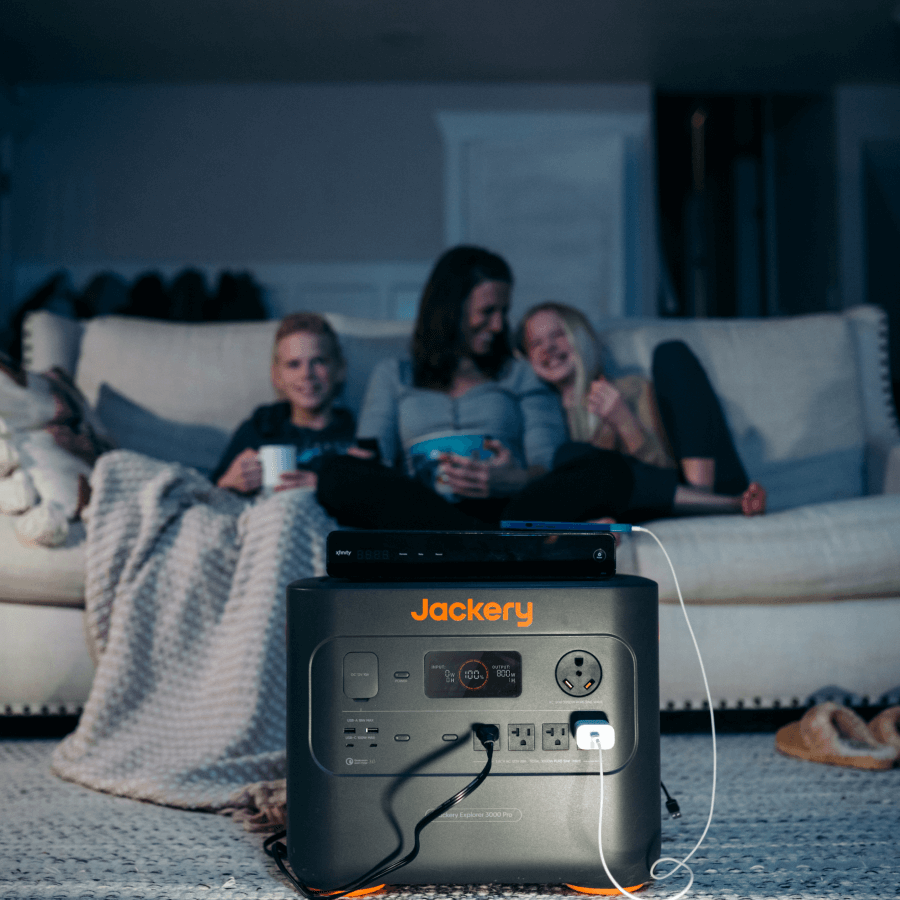
If you wish to use all of your electric appliances without worrying about the on-peak or off-peaks while managing your monthly average cost of living, you can check out Jackery Solar Generators that can power your core household appliances, leading to a lower dependency on grid power. This way, you can have an eco-friendly source of power and will have a lower average electric bill in Tennessee.
Jackery Solar Generators for Lowering Your Electric Bill
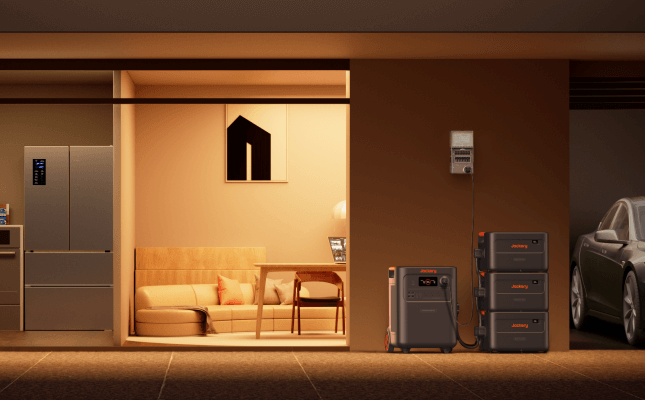
Tennessee homes see bills spike during humid summers and cold weather when HVAC runs longer, and rates can vary across TVA-served utilities. Jackery offers a wide range of solar generators that can help you spend less on grid power at the priciest or most energy-hungry times. You can harness free sunlight during the daytime with solar panels, store it in the power station, and use the stored energy in the evenings for essential appliances. That means fewer kilowatt-hours purchased, less exposure to seasonal bill swings, and quieter, cleaner backup when storms roll through.
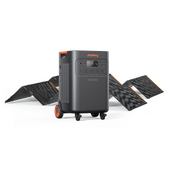
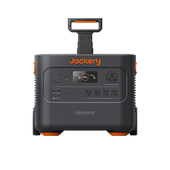
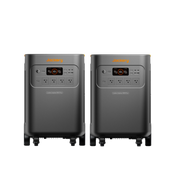
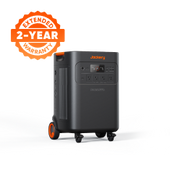
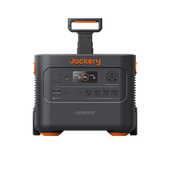
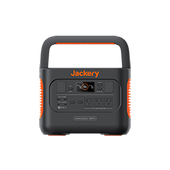
Jackery Solar Generator 5000 Plus
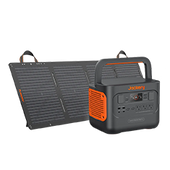
If you live in a larger household, the Jackery Solar Generator 5000 Plus helps you lower electric bills in Tennessee by a significant margin. You can use the stored solar power when your home draws the most: meal prep, laundry, and cooling in the early evening. By offloading these heavier routines to stored solar, you reduce grid purchases during your costliest periods. During outages, this essential home backup keeps key circuits and major essentials running without fuel or noise.
Appliances Running Time
- Refrigerator (300W) = 12.2H
- TV (150W) = 21.4H
- HVAC System (1500W) = 2.7H
- Microwave (1000W) = 4.1H
- Cooler (300W) = 12.2H
Who Should Buy This
The Jackery Solar Generator 5000 Plus is ideal for high-usage homes, home offices with heavier loads, or small households that want maximum evening offset and resilient backup for outages.

Customer Review
I received the Explorer 5000 Plus solar generator to use to run my home if power goes out. It works great and will run my whole home if the power goes out.
— Dennis Carlson.
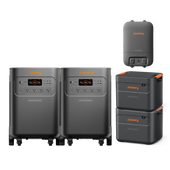
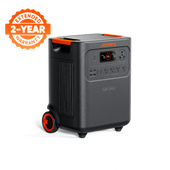
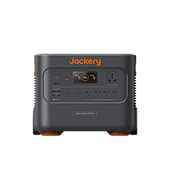
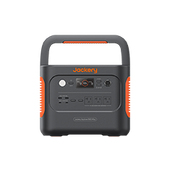
Jackery Solar Generator HomePower 3600 Plus
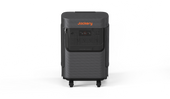
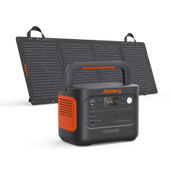
The Jackery Solar Generator HomePower 3600 Plus helps you run core household appliances with the help of stored energy instead of pulling from the grid every hour. When you add the expansion batteries, the solar generator can keep a fridge running for close to two weeks, which opens up room to power other everyday loads without touching billed electricity. It also handles other heavier appliances, and the wheeled design makes it simple to move from one place to another.
Appliances Running Time
- Refrigerator (300W) = 9.5H
- TV (150W) = 17.7H
- HVAC System (1500W) = 2.0H
- Microwave (1000W) = 3.0H
- Cooler (300W) = 9.5H
Who Should Buy This
If you live in Tennessee and want to reduce the total electricity pulled from the grid to lower your monthly electricity bills, then the Jackery Solar Generator HomePower 3600 Plus is a reliable choice.

Customer Review
I have 2 3600 plus with the big plug to join together I used 1 to see how long it will run my 20 year old side by side refrigerator and my 5 month old 7 cubic freezer and my spider lamp with 6 lights total watts old refrigerator 145 watts freezer 100 lites 70 charged 85 percent ran 3 days few hours to Jackary 3600 will run me for a week.
— Lamont C.
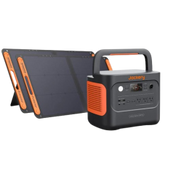
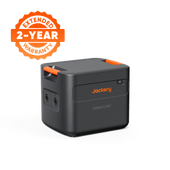
Jackery Solar Generator HomePower 3000
The Jackery Solar Generator HomePower 3000 is an easy home backup solution that can power core home appliances. It can power your living room or kitchen appliances, such as fridges, microwaves, lights, etc., so your meter works less when demand is highest at home. It is the lightest and smallest 3kWh LFP solar generator that can be easily relocated to areas where power is required.
Appliances Running Time
- Refrigerator (300W) = 8.1H
- TV (150W) = 15.2H
- HVAC System (1500W) = 1.7H
- Microwave (1000W) = 2.6H
- Cooler (300W) = 8.1H
Who Should Buy This
If you want a dependable and essential home battery backup solution that can keep core kitchen appliances powered during outages or blackouts, the Jackery Solar Generator HomePower 3000 is a reliable option.

Customer Review
I'm very impressed with my new HomePower 3000 Solar Generator....it's been doing everything I've put on it load-wise and more!!
— David Mantei.
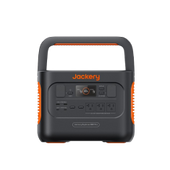
Jackery Solar Generator 2000 Plus
Jackery Solar Generator 2000 Plus is ideal for those looking for a high-capacity generator that emits no fumes and operates whisper-quietly. You can use the stored energy to run lights, WiFi, a fan, your router, and devices without relying on the grid. Over time, that routine trims daily usage while giving you portable backup for brief outages. Its compact footprint fits apartments and small homes, and you can scale panels or batteries later as your needs grow.
Appliance Working Hours
- Refrigerator (300W) = 5.3H
- TV (150W) = 10.0H
- HVAC System (1500W) = 1.1H
- Microwave (1000W) = 1.6H
- Cooler (300W) = 5.3H
Who Should Buy This
If you want an easy, portable way that can be expanded based on your power needs and can help you cut small-to-moderate bills, the Jackery Solar Generator 2000 Plus is an ideal solution.

Customer Review
Purchased for home backup, but I also take these out with me on long camping trips. It will easily power whatever you plug in it, and the 30 amp RV plug is a nice addition.
-- Chris.
How to Lower My Electric Bill in Tennessee?
To lower your electric bill in Tennessee, you should focus on reducing energy consumption and take advantage of utility programs. This includes using energy-efficient appliances, adjusting thermostat settings, and exploring options like time-of-use rate plans. If you are also looking to lower your average electric bill in Tennessee, you can check out a few handy tips:
Use Energy-Efficient Appliances
Always replace your old appliances with Energy Star-rated models that can help reduce energy consumption. It is reported that energy-efficient appliances can help you reduce 20% of your average electric bill.
Upgrade Lighting
If your household still uses incandescent or CFL bulbs, then try shifting to LED bulbs. The latest LED bulbs can even help you reduce energy usage by up to 75%, significantly reducing your monthly electricity bill.
Opt for Off-Peak
If possible, in your household, shift energy-intensive activities, like dishwashing and laundry, to off-peak hours when the electricity is comparatively lower than the on-peak hours.
Go Solar
You can even invest in solar energy to substantially save on electricity bills. With the help of ground-mounted solar panels or roof-mounted solar panels, you can reduce your reliance on the grid.
There are several benefits of going ahead with solar energy, like:
- By generating your own electricity, you can significantly lower your monthly utility bills.
- If you go ahead and install solar panels on your house's roof, the state will count 12.5% of your project costs as taxable property value.
- Solar power is a clean and renewable energy source, which reduces carbon footprint and is environmentally friendly.
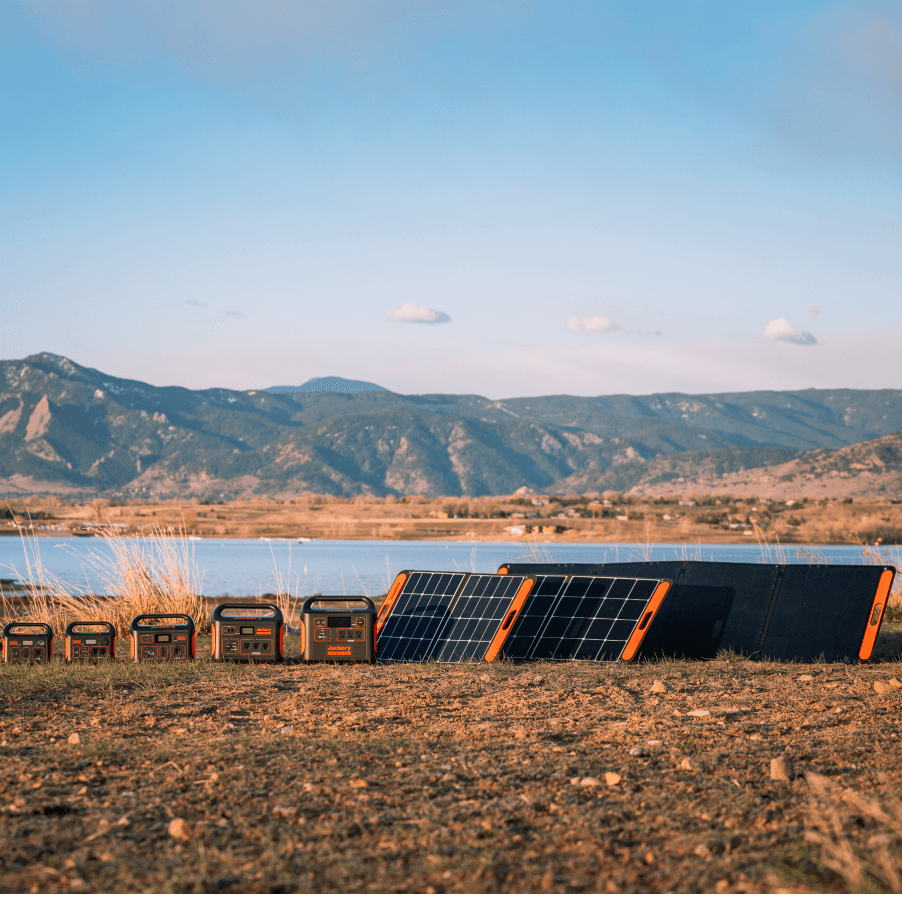
That said, the average cost of installing full-fledged solar panels is roughly $15000 to $23000. If you do not wish to spend this large sum of money and still wish to use solar energy, you can always check Jackery Solar Generators. These portable solar generators are economical compared to the roof-mounted solar panel system but are reliable and highly recommended for RV living, camping, and other outdoor activities.
Tennessee Average Electric Bill FAQs
What size of solar generator do I need for my house in Tennessee?
The size of the solar generator that you will need for your home in Tennessee depends on multiple factors, including the number of hours that you intend to use the generator and the total wattage of all the running appliances.
Let's suppose you are using a Jackery Solar Generator 5000 Plus and intend to power a refrigerator (300W) and a portable fan (60W) with it. Then, the working hours that you will get can be calculated by using the Running Time Calculator available on the product page. Once you know the total wattage of the appliances that you would like to power (i.e., 360W in this case), go to the product page and scroll to find the calculator. Enter the total appliance wattage to get an estimated runtime. The Jackery Solar Generator 5000 Plus will run appliances (360W) for 10.4 hours.
What is the average utility bill in Tennessee?
The average utility bill in Tennessee is approximately $350 - $450 per month, including electricity, gas, water, and cable/internet, but does not include the house rent cost. The monthly grocery for one would further include $251 per month. The average utility bill and cost of living would vary as per the service provider and usage behavior.
Is electricity expensive in Tennessee?
No, electricity in Tennessee is at a moderate level. The average residential electricity rate is 13.88 cents per kWh, which is lower than the national average. However, due to the excess energy consumption, the monthly electricity bill comes to roughly $150 - $180 per month.
How much are utilities per month in Tennessee?
On average, utilities in Tennessee cost about $350 - $450 per month. The monthly utility charges include the average electricity, gas, water, and cable/internet bills from different providers.
Which state has the highest electricity rates?
Hawaii has the highest electricity rate in the US. The average rate is 41.03 ¢/kWh, which is comparatively higher than those in other states, such as Tennessee, Minnesota, Florida, New York, and others.
How much does it cost to run electricity to a house in Tennessee?
The cost to run electricity to a house in Tennessee varies, but it typically ranges from $150 - $180, depending on the usage and other important factors.
Reduce Electric Bills in Tennessee With Solar
Over the last year, the electricity rate in Tennessee has increased from 12.38 ¢/kWh to 13.88 ¢/kWh. If the rise continues, the projected electric rate in 2030 may come to around 18.26 ¢/kWh and 54.31 ¢/kWh by 2050. With the rise in electricity consumption, everyone is looking to reduce their average electric bill in Tennessee. Apart from moving to energy-star labeled appliances, you can also try Jackery Solar Generators. The compact design and high-capacity battery of these generators makes them ideal for daily household use and outdoor adventures.





Leave a comment