
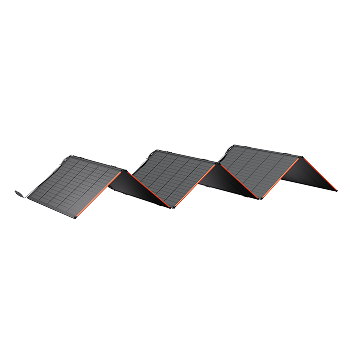
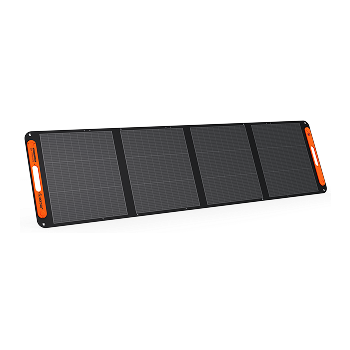
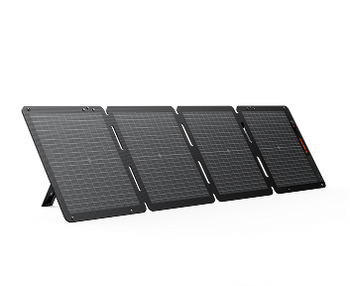
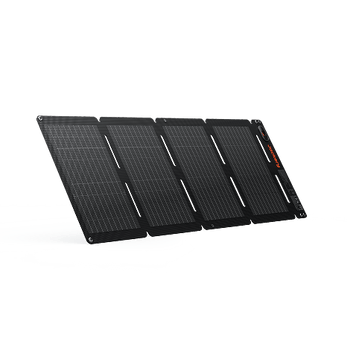





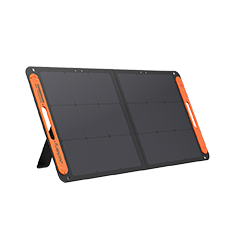
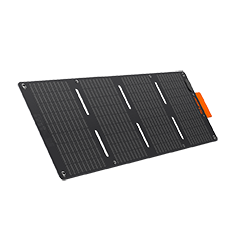


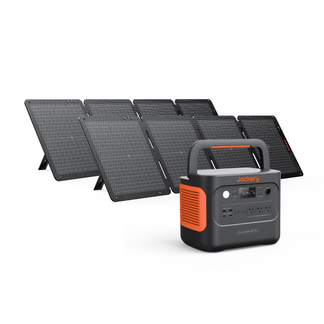

![[Add-on] Jackery SolarSaga 500 X - Jackery](http://www.jackery.com/cdn/shop/files/add-on-jackery-solarsaga-500-x-1493607.webp?v=1786503068&width=324)
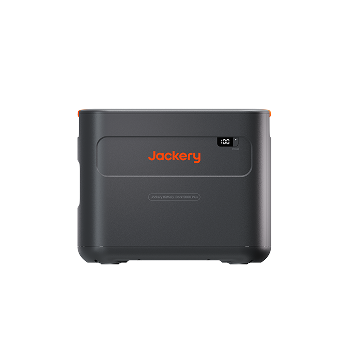
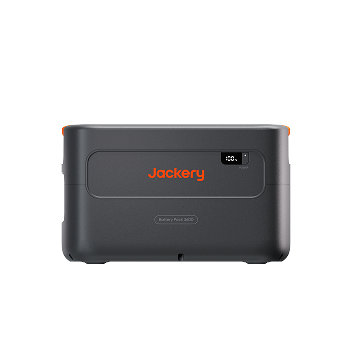
![[Add-on] Jackery Battery Pack 5000 Plus - Jackery](http://www.jackery.com/cdn/shop/files/add-on-jackery-battery-pack-5000-plus-6713401.webp?v=1786503068&width=324)



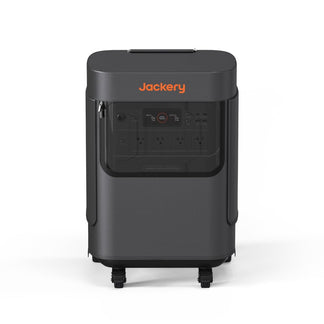



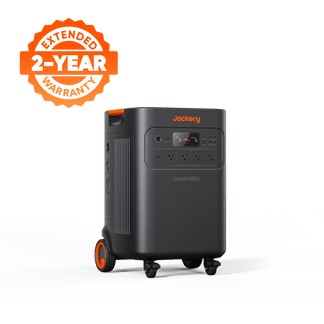
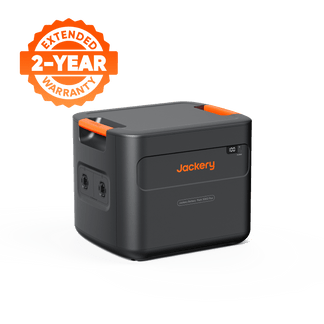
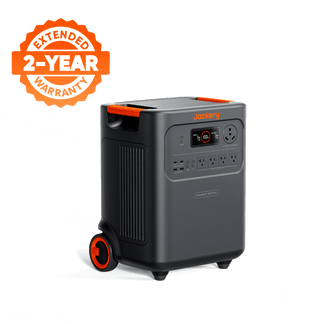
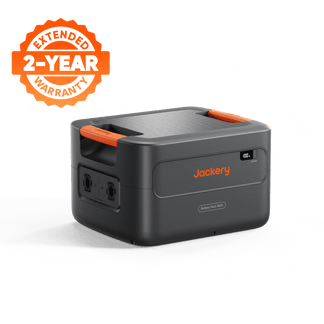
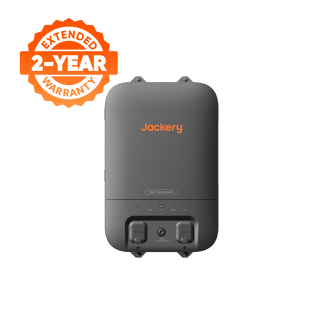
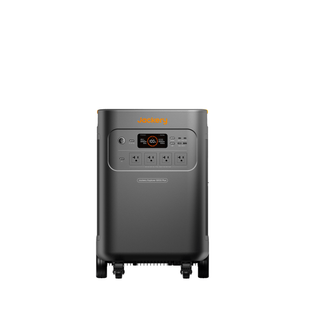
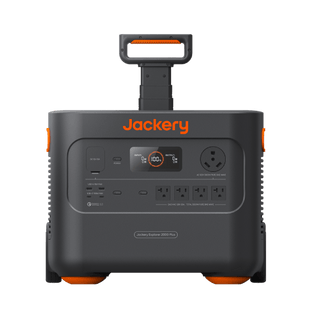
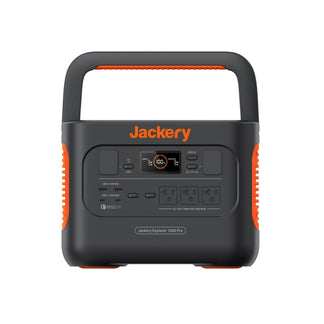
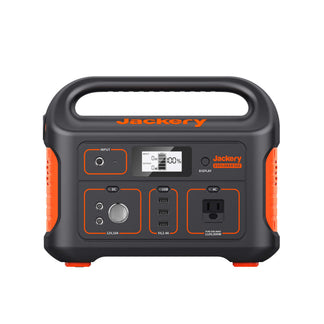
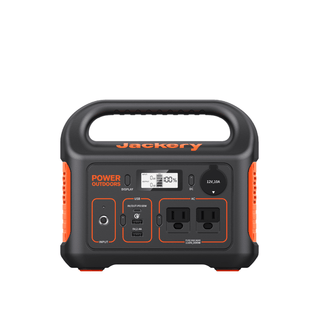
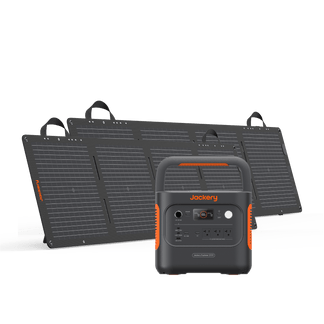
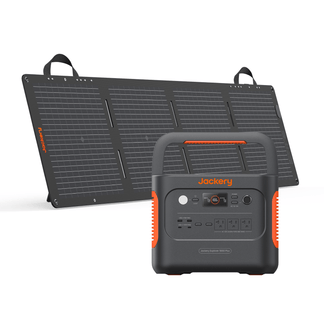
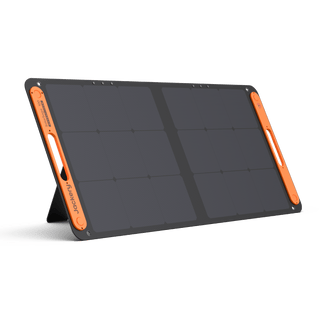
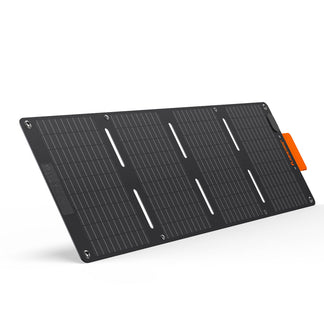
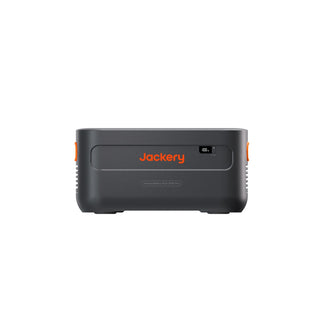
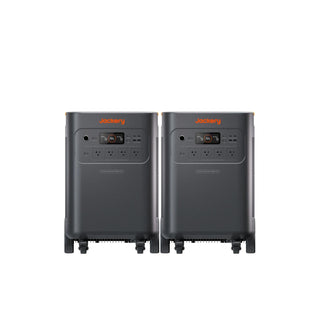


Yes, a portable solar generator can run a refrigerator 24/7, but only if it is sized correctly. The battery needs to be large enough to keep the fridge running through the night, and the solar panels need to be powerful enough to fully recharge that battery during the day. If you get both right, your refrigerator runs continuously without touching the grid.
Most refrigerators use between 1 and 2 kWh of electricity per day. That sounds manageable, but the challenge is in the timing. The fridge runs while the sun is down, which means the battery is doing all the work overnight. During the day, the solar panels need to put back everything that was used and then some more. When that cycle works consistently, 24/7 refrigerator operation becomes very achievable.
This guide walks you through exactly what it takes: the battery size you need, the solar input required, which Jackery Solar Generators are built for this, and how to set up your system for reliable round-the-clock performance.
Takeaways
- A portable solar generator can run a refrigerator 24/7 if it has enough battery capacity and solar input to match daily energy use.
- A typical full-size refrigerator uses 1–2 kWh per day. Your battery needs to cover overnight use, and your solar panels need to fully recharge it by the next evening.
- LiFePO4 batteries (like those in Jackery Solar Generators) offer higher usable capacity, which is a major advantage over older battery types.
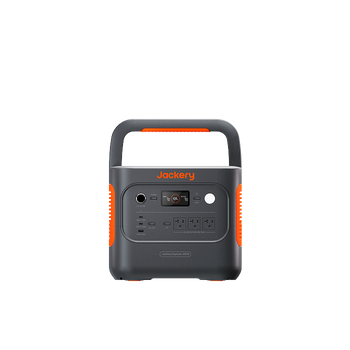
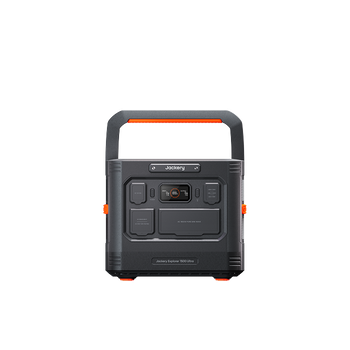
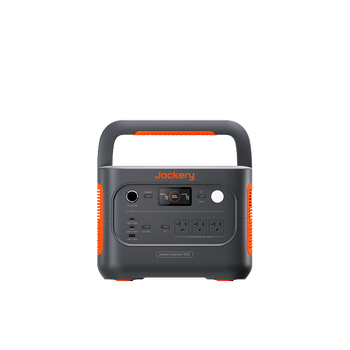
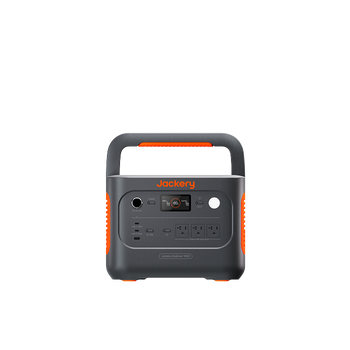
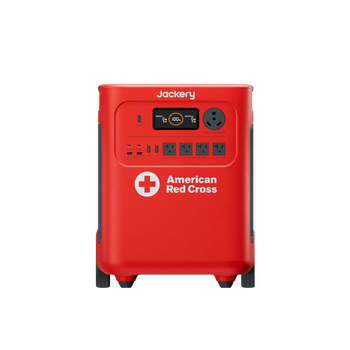
- The Jackery Solar Generator HomePower 3000, Jackery Solar Generator HomePower 3600 Plus, and Jackery Solar Generator 5000 Plus are capable of running a refrigerator for extended periods.
- Proper panel placement, clean panels, and MPPT charging all help maximize solar recharge and keep the cycle going reliably.
What Does It Actually Take to Run a Refrigerator Non-Stop on Solar Power?
Running a refrigerator on solar power around the clock comes down to two things working together: stored energy and recharge rate. The battery keeps the fridge running when the sun is not shining. The solar panels refill that battery during daylight hours. If either side falls short, the system fails.
Think of it this way. The battery is a bucket. The solar panels are a faucet. For 24/7 operation, the faucet has to refill the bucket at least as fast as the fridge drains it. If the faucet is too slow or if there are not enough panels, the bucket slowly empties, and the fridge eventually shuts off.
Here is what the math looks like for a typical household refrigerator:
- A full-size refrigerator uses roughly 1–2 kWh of electricity per day.
- A 1,000 Wh battery can get you through one 8-hour night, but only if your solar panels can refill it completely by the next evening.
- A single 100W solar panel produces roughly 400–600 Wh on a good day, which is often not enough on its own to refill a 1,000 Wh battery.
This is where many people run into trouble. Many entry-level solar generators ship with a single 100W or 200W panel. That setup works fine for camping or occasional use, but it is not designed for running a portable solar generator on a refrigerator 24/7. You need more solar input than most starter kits provide. The good news is that the right-sized portable power station paired with the right number of panels makes continuous refrigerator operation genuinely possible.
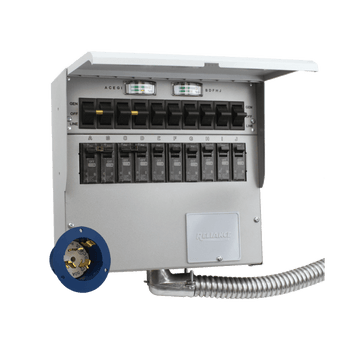
Andrew Evans spent nearly thirty years in the Canadian Army, deploying to Afghanistan, Kosovo, Bosnia, and beyond, training in conditions most people never face. Andrew needed a system he could rely on without compromise. He started with the Jackery Solar Generator 1000 v2, and the difference was immediate. He could run an electric kettle, a toaster, a slow cooker, and keep devices charged without a second thought. He added the Jackery Solar Generator 5000 Plus with an extra battery pack, with plans to connect it to his home via a manual transfer switch, enough capacity to run his refrigerator, freezer, furnace, and air conditioning if the grid ever goes down. Read more such Jackery Stories and see how people prepare for emergencies.
What Size Solar Generator Battery Do You Need for a Refrigerator to Run Overnight?
For most full-size off-grid refrigerators, you need at least 1,000–1,500 Wh of usable battery capacity to get through an 8-hour night. If your fridge runs on the higher end of energy use, aim closer to 2,000 Wh to give yourself a comfortable buffer.
Why "Usable" Capacity Is What Actually Matters
Not all battery capacity is created equal. With LiFePO4 (lithium iron phosphate) batteries (the type used in Jackery Solar Generators), you can use 90–100% of the rated capacity. Older lead-acid batteries only allow about 50% before damage occurs. So a 1,000Wh lead-acid battery only gives you 500Wh of safe and usable power. A 1,000Wh LiFePO4 battery gives you nearly all of it.
This distinction matters a lot when sizing your system. With Jackery's LiFePO4 batteries, the capacity you see on the label is essentially the capacity you actually get.
The Expandability Advantage
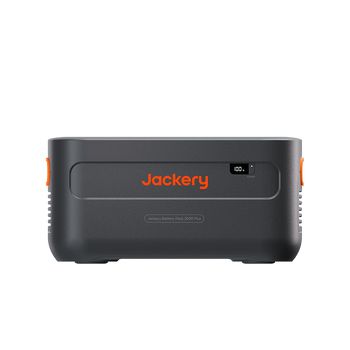
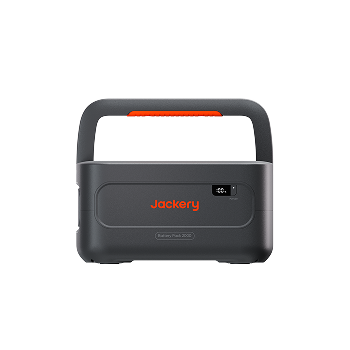
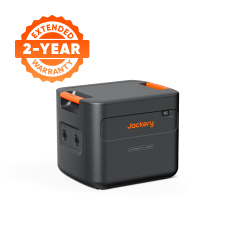
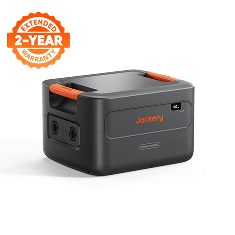
One of the most practical features to look for in a solar generator for refrigerator is the ability to add extra battery modules. If your energy needs grow or if you want to add a freezer alongside your fridge, expandable solar generators let you scale capacity without buying an entirely new unit. The Jackery HomePower 3600 Plus, for example, can expand up to 21kWh or 43kWh with another unit, and the Jackery Explorer 5000 Plus goes all the way to 60kWh.
One more tip worth knowing: a refrigerator with good insulation and fully stocked shelves uses noticeably less power overnight. The food itself acts as thermal mass, helping the fridge stay cold longer between compressor cycles. For more detailed information, you can refer to our guide, How Many Solar Panels Do I Need to Run A Refrigerator.
|
Average Daily Draw |
Min. Battery Needed (LiFePO4) |
|
|
Mini Fridge (100W) |
800Wh |
~1000W |
|
Single Door Refrigerator (250W) |
1200Wh |
~1500W |
|
Double Door Refrigerator (400W) |
3200Wh |
~3500-4000W |
|
Bottom Refrigerator (500W) |
4000Wh |
~4000-5000W |
|
Side By Side Refrigerator (600W) |
4800Wh |
~5000W |
Note: Even if the refrigerator runs continuously for 24 hours, it works only for 8 hours due to on-off cycles. You can read how many watts does a refrigerator use to know the power consumption of different types of refrigerators and accordingly choose the right size generator.
Which Jackery Solar Generators Can Run a Refrigerator for Long Hours?
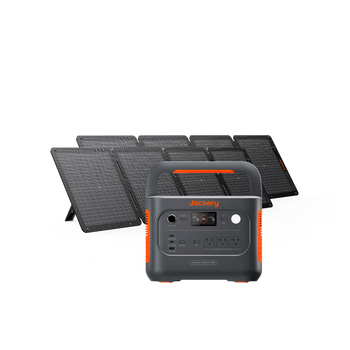
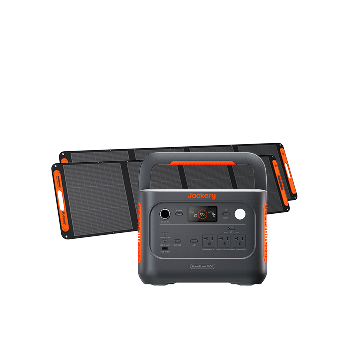
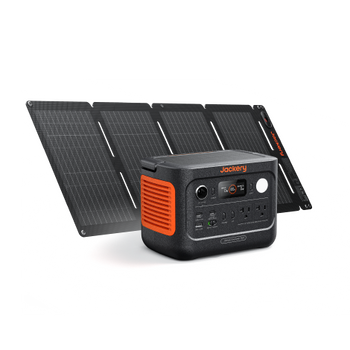
Jackery is a leading brand that manufactures solar panels, portable power stations, and solar generators. The portable solar generators can run most household or outdoor appliances, such as refrigerators, for long hours. With the help of solar panels, you can charge these portable power stations without any dependence on the electricity grid. Here are the three Jackery Solar Generators below that are specifically designed for the kind of continuous, reliable performance that running a portable solar generator on a refrigerator 24/7 requires:
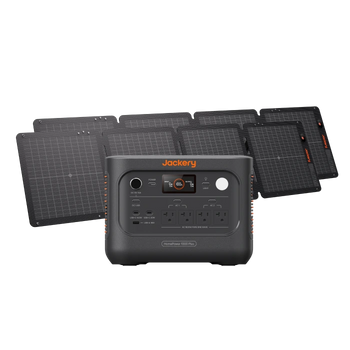
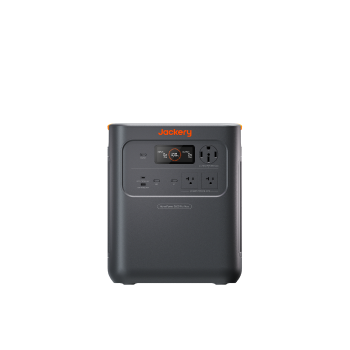
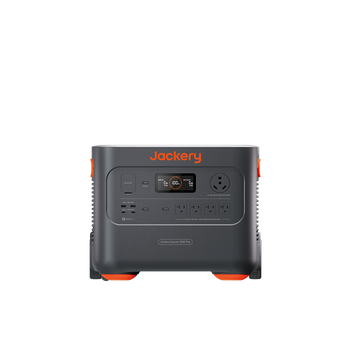
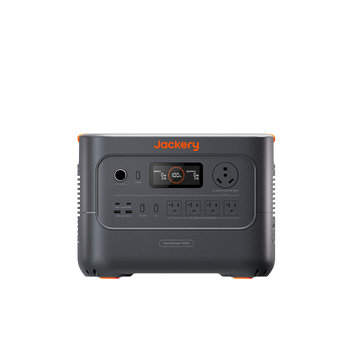
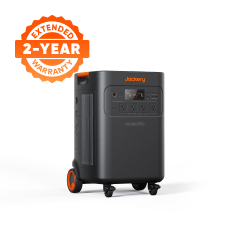
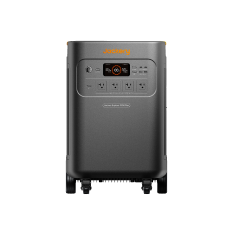
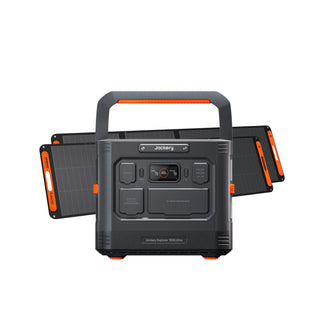
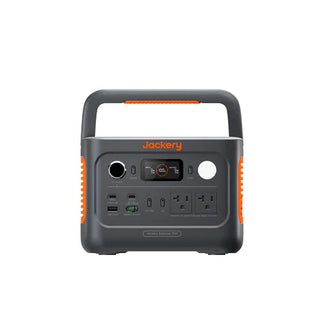
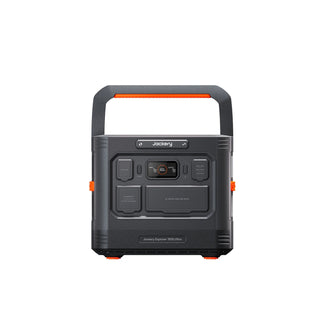
Jackery Solar Generator HomePower 3000
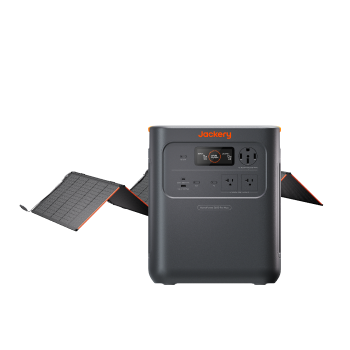
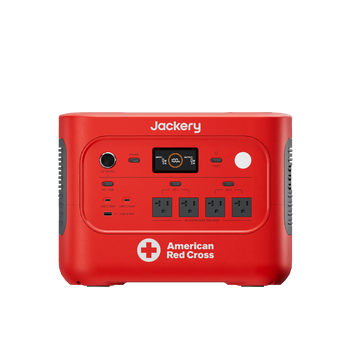
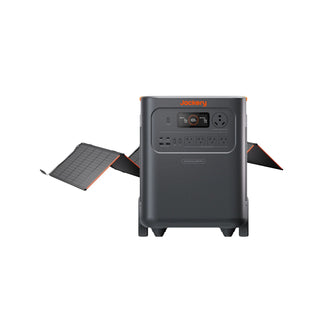
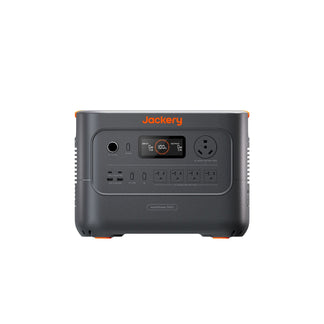
The Jackery Solar Generator HomePower 3000 features a large battery capacity, which is enough to power a full-size refrigerator for long hours on a single charge. What makes it especially practical is ZeroDrain™ technology, which retains approximately 95% of its charge after 12 months in storage. So if you buy it for backup and do not use it for a year, it will still be nearly full when you need it. It is also the world's lightest and smallest 3 kWh LFP solar generator, making it easy to move and store. For households that want reliable refrigerator protection without a large footprint, the Jackery Solar Generator HomePower 3000 is a strong starting point.
Appliances Running Time
- Mini Fridge (100W) = 21.4H
- Single Door Refrigerator (250W) = 9.6H
- Double Door Refrigerator (400W) = 6.2H
- Bottom Refrigerator (500W) = 5.0H
- Side By Side Refrigerator (600W) = 4.2H
Who Should Buy This
If you want a compact battery backup solution that can run your refrigerator during short power outages or when you are away from the electrical outlets, consider investing in the Jackery Solar Generator HomePower 3000.

Customer Review
I purchased the 3000, and it can run my refrigerator for 24+ hours. With the 500W Solar Panel, I can recharge quickly.
— Tracie.
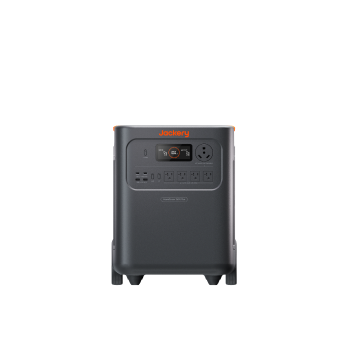
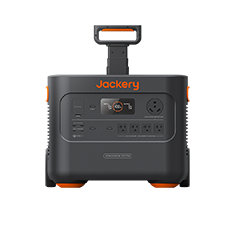
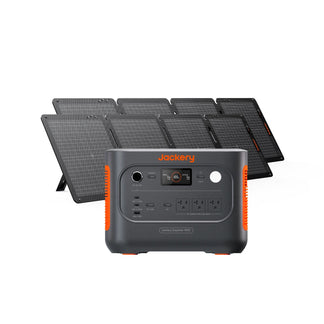
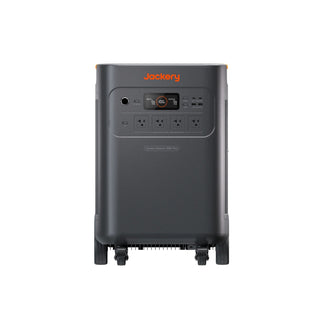
Jackery Solar Generator HomePower 3600 Plus
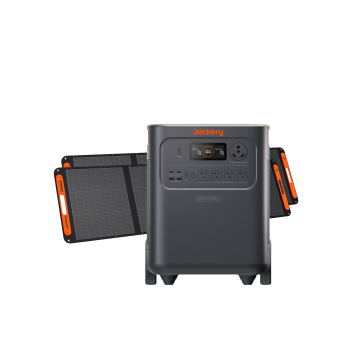
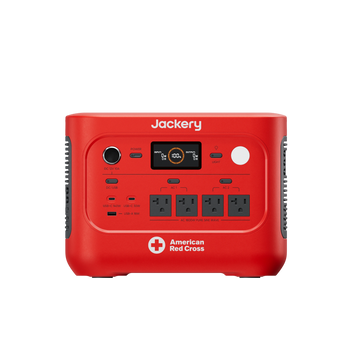
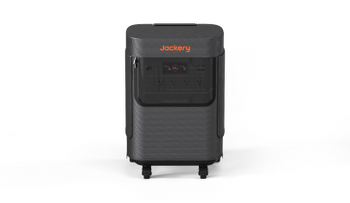
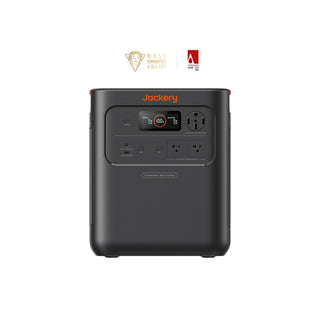
The Jackery Solar Generator HomePower 3600 Plus steps up both in capacity and flexibility. It can expand up to 21 kWh by connecting additional battery packs or up to 43kWh with another battery unit, which means you can start with enough capacity for a single fridge and grow to cover an entire home's worth of essential appliances. The UPS mode switches to battery power within 20ms during an outage, which is fast enough to keep a refrigerator running without interruption. It is designed with double wheels and a pull rod, which ensures easy movement from one place to another.
Appliances Running Time
- Mini Fridge (100W) = 25.0H
- Single Door Refrigerator (250W) = 11.2H
- Double Door Refrigerator (400W) = 7.2H
- Bottom Refrigerator (500W) = 5.8H
- Side By Side Refrigerator (600W) = 4.9H
Who Should Buy This
If you live in an area with frequent outages, or if you want an essential home backup system that can grow with you, the Jackery Solar Generator HomePower 3600 Plus offers a strong balance of starting capacity, output power, and long-term scalability.

Customer Review
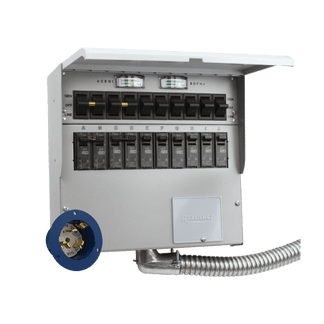
I installed a 6-circuit manual transfer switch for the main things I need to run during a power outage, plugged in the 3600, and ran it for five hours and still had 50 % charge left. That is awesome!
— Arthur W.
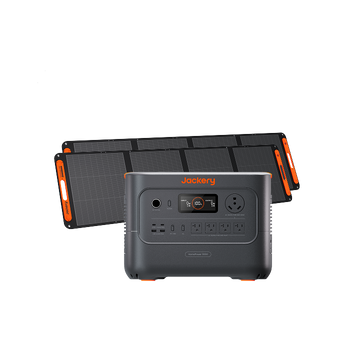
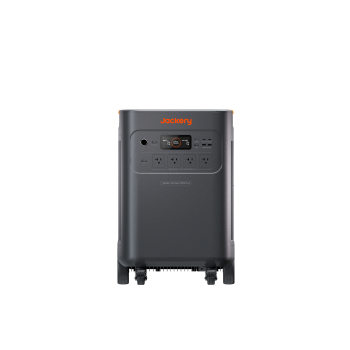
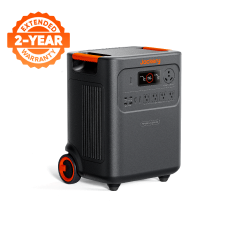
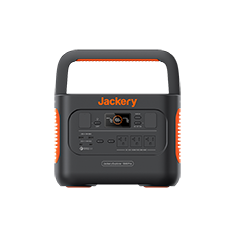
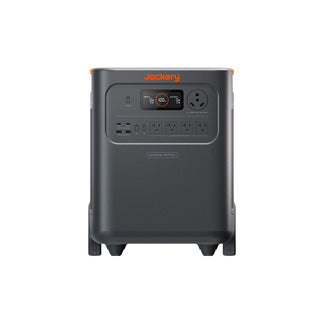
Jackery Solar Generator 5000 Plus
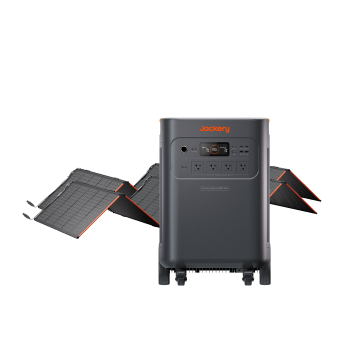
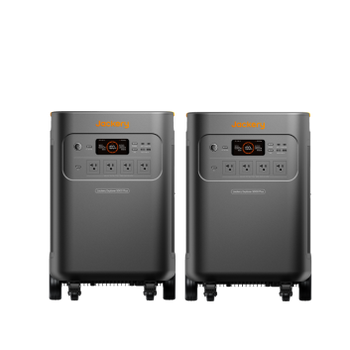
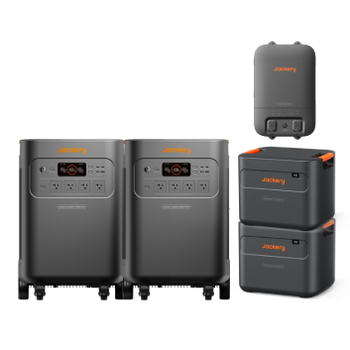
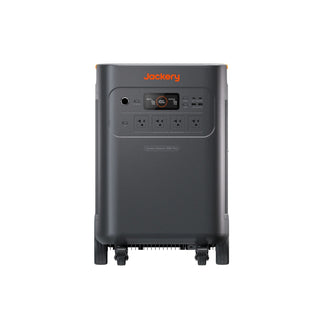
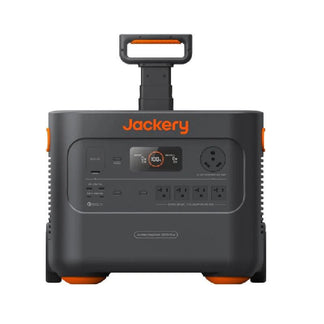
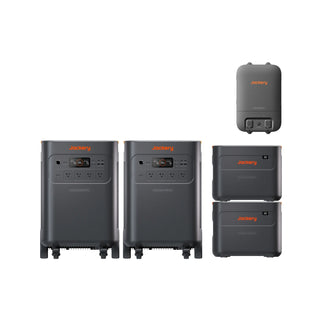
The Jackery Solar Generator 5000 Plus is the most capable home battery backup system that can expand up to 60 kWh, which is enough to run a household's essential loads for days. It connects with the electricity grid via the Jackery Smart Transfer Switch to keep the refrigerator and other essential circuits running without even a brief flicker during an outage. For anyone serious about running a portable solar generator to power a refrigerator 24/7 as part of an essential home energy strategy, the Jackery Solar Generator 5000 Plus is the most capable option.
Appliances Running Time
- Mini Fridge (100W) = 28.6H
- Single Door Refrigerator (250W) = 14.3H
- Double Door Refrigerator (400W) = 9.5H
- Bottom Refrigerator (500W) = 7.8H
- Side By Side Refrigerator (600W) = 6.6H
Who Should Buy This
Jackery Solar Generator 5000 Plus supports both 120V and 240V natively, so heavy appliances like dryers or water pumps can run alongside your refrigerator without any adapters or workarounds.

Customer Review
Kept my house powered all night during a blackout. Everything works as intended. Thank you.
— Daniel H.
How Should You Set Up a Solar Generator to Keep a Refrigerator Running Through the Night?
Getting the hardware right is only half the job. How you set up and use your system determines whether it runs reliably day after day. Here is a practical step-by-step approach:
Step 1: Measure Your Fridge's Actual Energy Draw
The wattage printed on a refrigerator's label is the compressor's peak draw and not what it actually uses over time. A Kill-A-Watt meter plugged in for 24 hours will give you the real daily consumption. This is the number you want to work with.
Step 2: Calculate Your Overnight Energy Need
Multiply your fridge's hourly draw by 8–10 hours (the length of a typical night). Add a 20–25% buffer on top to account for inefficiencies and compressor startup spikes. This gives you your minimum battery capacity target.
Step 3: Confirm Your Battery Can Cover the Night
Compare your overnight energy needs to the usable capacity of your generator. With LiFePO4 batteries, you can count on nearly 100% of the rated Wh. If the math is close, consider a solar generator with expandable battery packs to give yourself more headroom.
Step 4: Position Solar Panels for Maximum Morning Recharge
Face your solar panels south (in the Northern Hemisphere) and tilt them to match your latitude angle. The goal is to capture as much early-morning sun as possible, since recharging needs to be complete well before the next sunset. A generator with an MPPT (Maximum Power Point Tracking) charge controller, like all current Jackery Solar Generators, will extract more energy from your panels throughout the day.
Step 5: Maintain Your Panels
Dust, pollen, and bird droppings can reduce a panel's output by 15–25%. Clean them regularly with a soft cloth or panel-safe brush, especially during dry seasons or after storms. Even partial shading on a single cell can significantly reduce an entire panel's output. You should keep panels clear and unobstructed.
What to Do During Extended Cloudy Stretches
If you know several cloudy days are coming:
- Pre-charge your generator from a wall outlet before the weather arrives
- Minimize refrigerator door openings to reduce energy loss
- Set the fridge temperature slightly lower the night before so it starts the cloudy period with more thermal reserve
- Consider moving critical perishables to an insulated cooler if the outage looks extended
Is It Worth Running a Refrigerator on Solar Power?
Whether a portable solar generator running a refrigerator 24/7 makes sense for you depends on your situation. Here is an honest breakdown of when it works well and when other solutions might be a better fit.
When It Makes Strong Sense
- Off-grid or partial off-grid living, such as cabins, tiny homes, and RVs, where grid power is unavailable or unreliable
- Regions prone to frequent or extended outages, such as hurricane zones, rural areas with aging infrastructure
- Households that want energy independence and are willing to invest in a system that pays off over time
- Anyone who wants a silent, zero-emission alternative to a gas generator
When a Different Approach May Fit Better
- Urban apartment dwellers with consistently reliable grid access may be more practical for occasional outage protection.
- Situations where outages are rare and short, and a smaller, lower-cost solar generator may cover your refrigerator for the few hours you actually need it, without requiring the capacity for sustained 24/7 operation.
The key question is how often your grid goes down and for how long. If outages are frequent, multi-day, or unpredictable, a capable solar generator system pays for itself in peace of mind and spoiled-food prevention. If outages are rare and brief, a smaller unit or a different type of backup might be the smarter investment.
Conclusion
Can a portable solar generator run a refrigerator 24/7? Yes, absolutely. But it takes the right combination of battery capacity, solar input, and smart setup to make it work consistently. The basic formula is straightforward: your battery needs to cover overnight energy use, and your solar panels need to fully recharge it before the next night. LiFePO4 batteries, like those in every current Jackery Solar Generator, make this easier by delivering nearly all of their rated capacity, so the numbers you plan around are the numbers you actually get.
For most households, the Jackery Solar Generator HomePower 3000 reliably covers the basics. The Jackery Solar Generator HomePower 3600 Plus adds expandability for growing needs. And the Jackery Solar Generator 5000 Plus is built for essential home backup, with enough output and capacity to handle a refrigerator, freezer, and much more, even through multi-day outages. Whatever your situation, the steps are the same: measure your fridge's real draw, match it to the right battery, set up your panels for maximum recharge, and let the system do its job.


