



































































































![[Add-on] Jackery SolarSaga 500 X - Jackery](http://www.jackery.com/cdn/shop/files/add-on-jackery-solarsaga-500-x-1493607.webp?v=1786503068&width=324)



![[Add-on] Jackery Battery Pack 5000 Plus - Jackery](http://www.jackery.com/cdn/shop/files/add-on-jackery-battery-pack-5000-plus-6713401.webp?v=1786503068&width=324)




















































A federal carbon tax adds a direct price to every ton of carbon dioxide (CO₂) emissions, and that extra cost lands on your household utility bills and at the gas pump within months of enactment. The policy mechanism is straightforward: fossil fuel producers pay the fee upstream, then pass these added costs down through the commercial supply chain until they reach your wallet. Whether the tax successfully achieves its climate goals depends entirely on what you do next—switching to clean energy alternatives or continuing to pay the carbon premium.
While carbon pricing is highly discussed in policy circles, understanding its direct impact on your household budget is critical. A carbon tax is designed to alter consumer behavior by making fossil-fuel energy more expensive. However, this transition can create significant monthly cash-flow strain for families before any promised government rebates or dividends are distributed. This guide will explain how carbon taxes operate, analyze their impact on utility statements, and explore clean energy storage strategies to insulate your household budget.
Historically, carbon taxes align with the global Polluter Pays Principle, which argues that those who generate environmental damage should bear the financial costs of mitigation. First implemented in Northern Europe in the early 1990s, carbon taxes are designed to internalize the societal costs of burning fossil fuels. For U.S. households, this economic shift means that every kilowatt-hour of grid electricity generated from natural gas or coal-fired power plants will carry a direct, built-in surcharge that utility companies pass directly to consumers.
What is a Carbon Tax and How Does It Work?
In economics, a carbon tax is classified as a Pigovian tax—a fee designed to make polluters pay for the negative externalities or external damage their emissions cause, rather than leaving society to absorb those costs through healthcare burdens, infrastructure damage, and climate impacts. By placing a clear price on carbon, the policy allows free market forces to shift energy production toward cleaner, renewable options.
To understand how this pass-through cost dynamic operates, check out the MIT Climate Portal's explainer on carbon cost pass-through. The tax is levied upstream directly on fuel producers—such as oil refineries, coal mines, and natural gas distributors—based on the carbon content of the fuel they extract or sell. Electricity generated from coal carries a significantly higher carbon tax burden than electricity generated from natural gas because burning coal releases roughly double the volume of CO₂ per unit of energy produced (Btu). These calculations are precise, based on the BTU heat content and carbon-to-hydrogen ratio of each specific fuel type.
These upstream producers then pass these carbon costs downstream to wholesalers, utility companies, and eventually, the end-user. For example, at a carbon price of $40 per ton of CO₂, standard gasoline prices will rise by approximately 36 cents per gallon at the pump, while electricity generated from natural gas plants will climb by roughly 2 cents per kilowatt-hour. These are not estimates; they are the direct chemical result of burning fossil fuels, which releases roughly 20 pounds of CO₂ per gallon of gasoline burned.
How a Carbon Tax Affects Your Energy Bills
The direct costs of a carbon tax hit your household utility statements almost immediately, with no phase-in period or delay. Your natural gas invoice, electricity bill, and gasoline receipts will all reflect the new carbon pricing on day one. While many carbon tax proposals are designed to be revenue-neutral—returning the collected tax revenue to households via per-capita dividend checks—this structure creates a severe monthly cash-flow mismatch.
Your higher utility bills land every month, while your carbon dividend checks typically arrive only quarterly or annually. For a standard family spending $300 a month on gasoline and home utilities, a $40 per ton carbon tax can add $45 to $60 in monthly out-of-pocket expenses. Even if an annual rebate check of $600 to $800 fully compensates you on paper, you must still cover this monthly cash-flow gap in the meantime, which can place a real strain on household budgets, particularly for fixed-income retirees and low-income families.
Furthermore, this burden is highly regressive. Lower-income and rural households spend a disproportionately larger share of their income on basic heating and vehicle fuel, meaning price hikes hit their budgets harder.
Geographic location also introduces stark regional variations: coal-dependent states see their electricity rates spike significantly further compared to states powered primarily by hydroelectric dams or nuclear energy. To see how these regional baselines affect standard household expenses, review our analysis on the average electric bill in Ohio.
The Carbon Tax Debate: Pros and Cons
Evaluating the effectiveness of a carbon tax requires looking at both sides of the economic and political debate:
|
Core Arguments In Favor (Pros) |
Core Arguments Against (Cons) |
|
Economic Efficiency: Lets market forces find the cheapest path to emissions reductions, rather than imposing complex government regulations. |
Regressive Impact: Places a disproportionate financial strain on lower-income and rural households without adequate rebates. |
|
Robust Revenue Generation: A modest $25/ton tax can generate over $750 billion in a decade, funding clean energy infrastructure. |
Competitiveness Risks: Domestic industrial manufacturers face a severe disadvantage against foreign rivals operating in unregulated regions. |
To analyze the socioeconomic distribution of these costs, consult the Congressional Budget Office's carbon tax distributional effects report. You can also explore macroeconomic arguments in the MIT Sloan carbon tax economic review.
One major con is carbon leakage—where energy-intensive industries (like steel or chemicals) relocate their manufacturing facilities to carbon-havens with loose regulations. While Border Carbon Adjustments (special import tariffs) are designed to prevent this, they are administratively difficult to implement under global trade rules.
How to Offset Rising Energy Bills Under a Carbon Tax
To minimize your exposure to carbon-taxed utility inflation, you must reduce your home’s reliance on fossil fuels. Standard weatherization steps—such as improving attic insulation, sealing door drafts, and installing high-efficiency heat pumps with high Coefficients of Performance (COP)—directly lower your natural gas and heating oil consumption, shielding your budget from the tax's impact.
Installing rooftop solar panels allows you to generate your own clean electricity on-site, completely bypassing the grid's carbon-inflated retail pricing. A standard 6 kW home solar system produces roughly 9,000 kWh of energy annually; at a carbon tax rate of 2 cents per kWh, this represents hundreds of dollars in direct annual savings. Additionally, as net energy metering rules (such as NEM 3.0 in California) reduce your grid export credits, installing on-site battery storage has become a financial necessity to maximize your solar savings. To review grid-connection regulations and policies, check out our guide to California's solar landscape.
Adding a home battery backup system takes this energy-saving strategy even further, allowing you to store your free solar generation during the day and use it during peak evening hours when grid electricity is most expensive and most reliant on gas-fired peaker plants. This isolates your household budget from fossil-fuel-driven utility rate hikes entirely.

Home Battery Storage: Your Shield Against Grid Surcharges
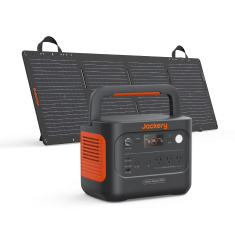
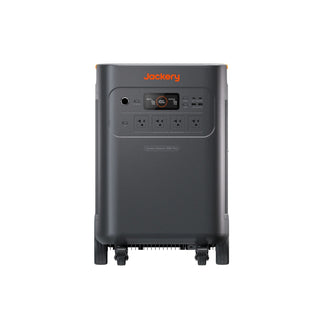
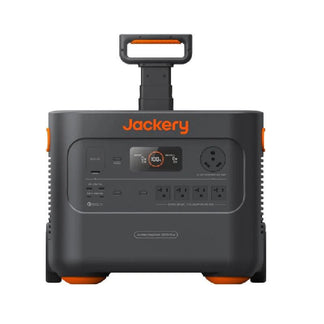
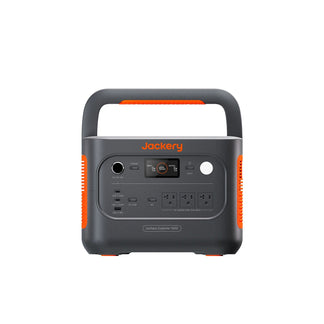
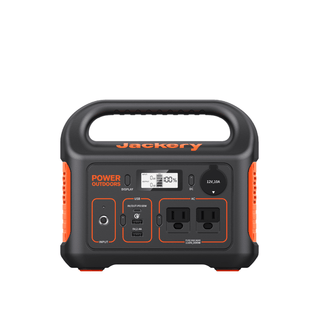
An advanced home battery storage system serves as your most direct shield against carbon-taxed energy bills, storing free solar power so you can bypass expensive grid electricity during peak hours. Two premium solar generators from Jackery provide ideal clean energy storage:
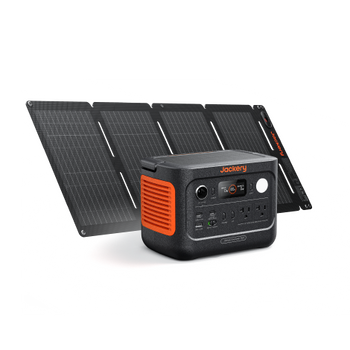
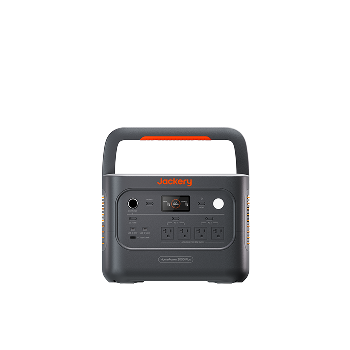
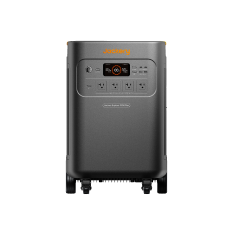
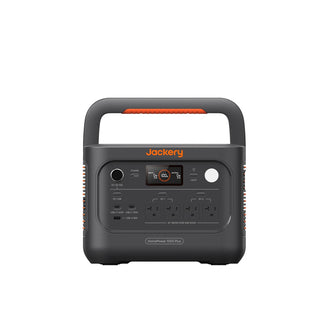
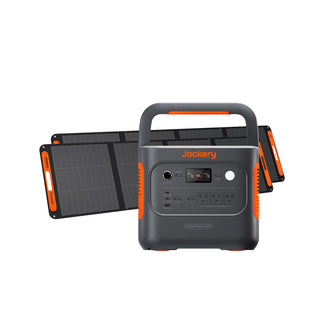
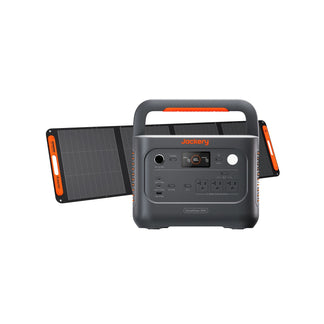
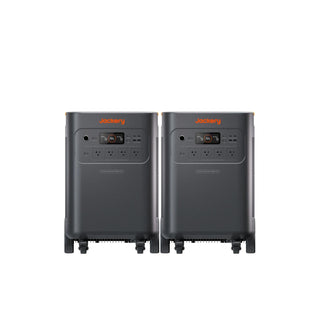
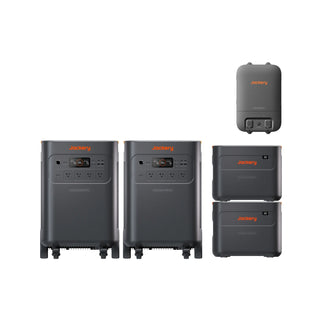
Jackery Solar Generator HomePower 3600 Plus: Houses a 3,584 Wh capacity, capable of running a refrigerator silently for up to 50 hours. The system is expandable to 21.48 kWh to run critical household appliances on stored, untaxed solar energy rather than expensive grid power.
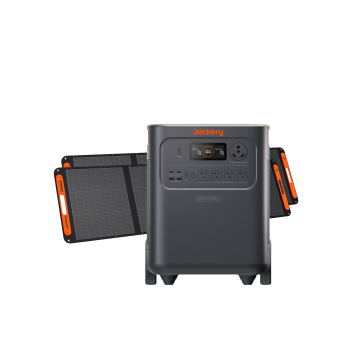
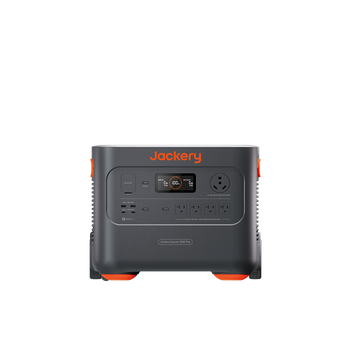
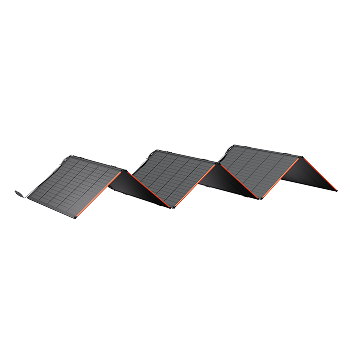
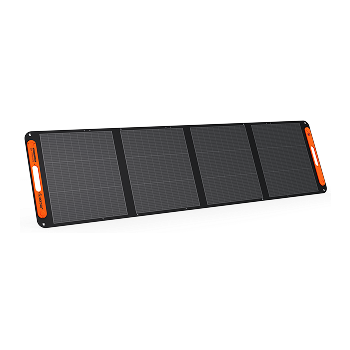
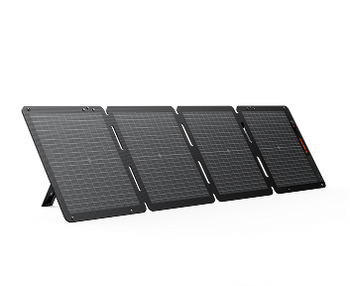
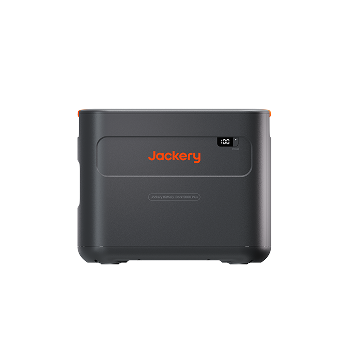
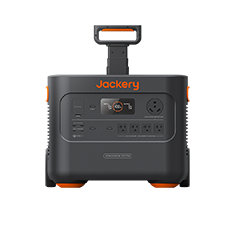
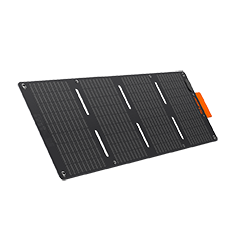
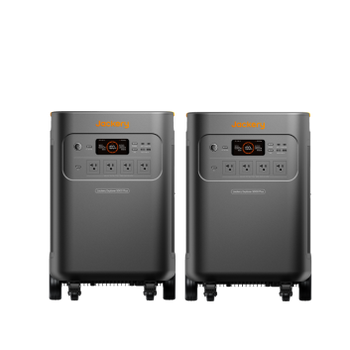
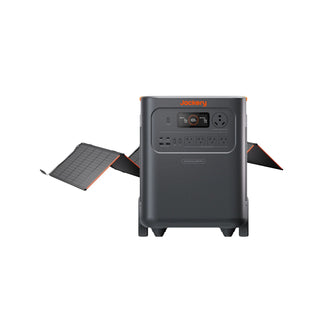
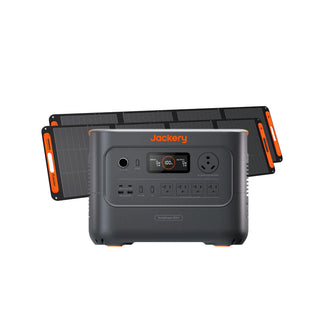
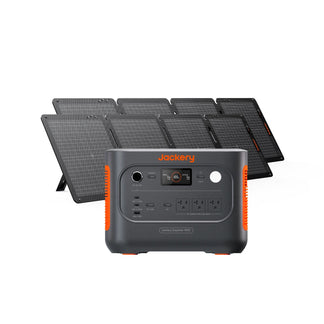
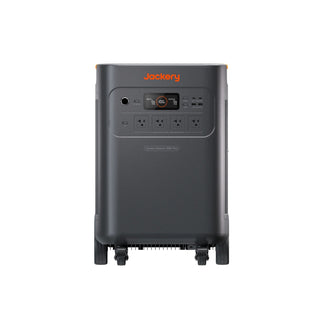
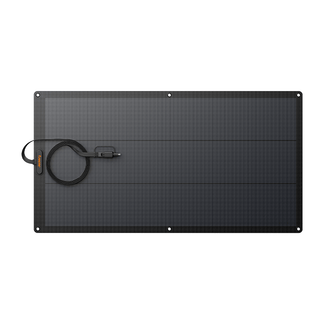
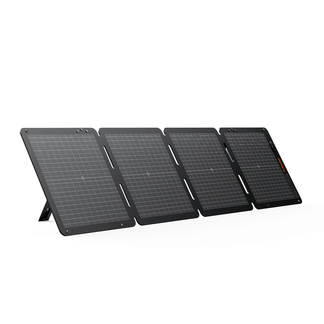
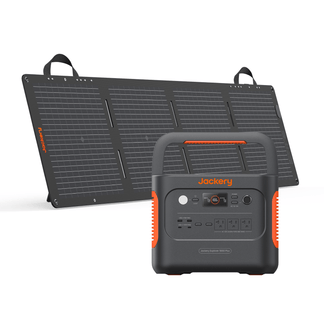
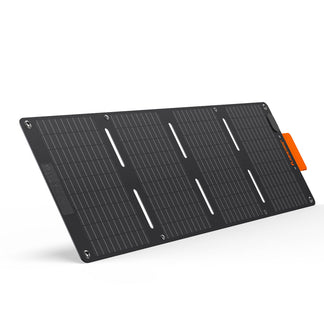
Jackery Solar Generator 5000 Plus: Sized for whole-home backup, delivering a 7,200W continuous output to easily run well pumps, central AC fans, and electric cooktops. Pair the unit with two Jackery SolarSaga 500X Solar Panels to establish a self-contained, 100% off-grid cooling and power loop.
While the 30% federal residential clean energy credit (Section 25D) was terminated for new installations on January 1, 2026, under the One Big Beautiful Bill Act, you can still check our comprehensive solar tax rebate guide to learn about state-level tax incentives, local utility rebates, and how to apply unused credit carryforwards from previous tax years.
Frequently Asked Questions
Who actually pays the carbon tax?
The tax is levied upstream on fossil-fuel producers (such as coal mines and oil refineries), but these companies pass 100% of these added costs downstream to consumers through higher vehicle fuel prices and home utility rates. Your monthly statement reflects the tax, even though the government never sent you a direct invoice.
Why do my monthly bills rise if the tax is revenue-neutral?
While revenue-neutral proposals return collected carbon funds to households via annual tax credits or quarterly dividend checks, you still face the immediate cash-flow sting of higher monthly utility bills long before that rebate check actually arrives, creating a real monthly budget mismatch.
Does a carbon tax lower emissions or just raise utility prices?
It raises the price of carbon-intensive energy to incentivize consumers and industries to switch to cleaner, renewable alternatives. The actual emissions reduction is driven entirely by these behavioral changes—meaning the tax is only effective if clean alternatives are affordable and accessible.
Will a carbon tax increase my home electricity bill?
Yes, unless your local grid is already powered entirely by nuclear, hydro, or renewable solar and wind energy. A $50 per metric ton carbon tax will add approximately 2.2 cents per kWh to electricity generated from natural gas, and about 5.2 cents per kWh to coal-fired power (which is more than double the impact of natural gas).
Can I offset the cost of the tax with a government rebate?
Yes. Many carbon tax designs include per-capita dividends designed to compensate families for the increased cost of energy. Whether this rebate fully covers your personal expense increase depends on your household's energy consumption relative to the average.


