









![[Add - on] Jackery Manual Transfer Switch for Explorer 5000 Plus - Jackery](http://www.jackery.com/cdn/shop/files/add-on-jackery-manual-transfer-switch-for-explorer-5000-plus-9017324.png?v=1754016782&width=170)










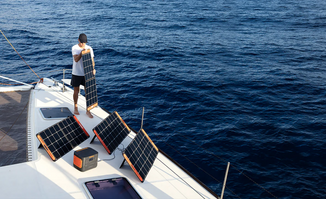


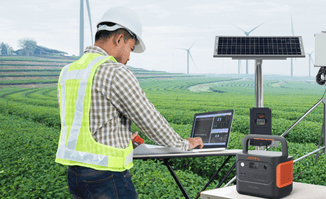



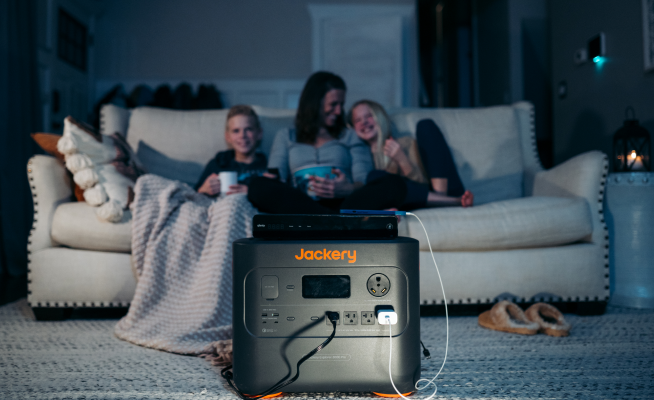

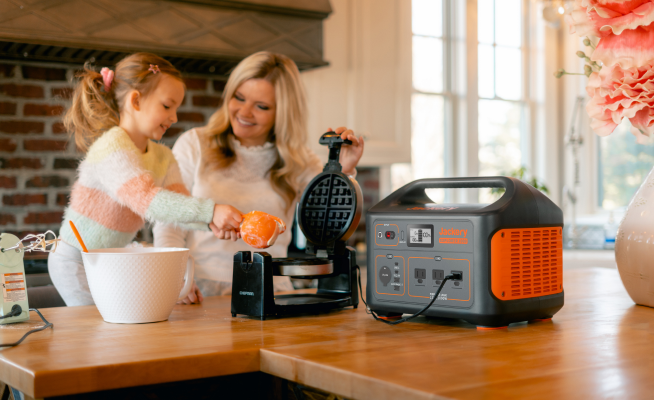
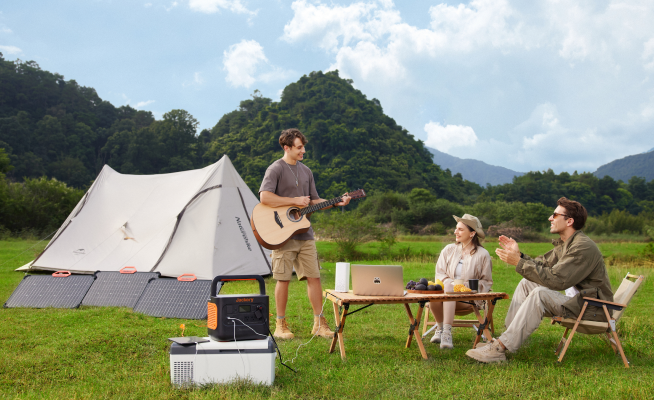
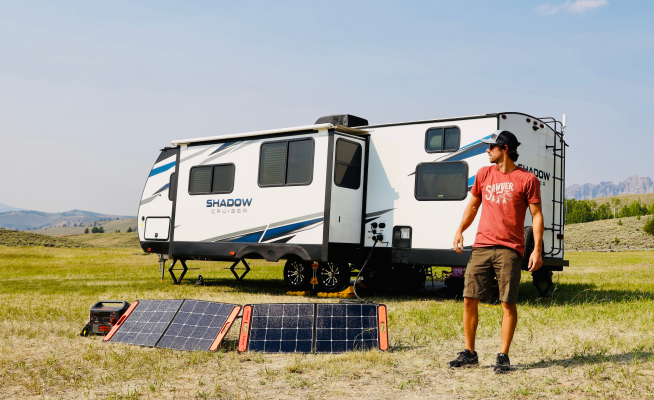

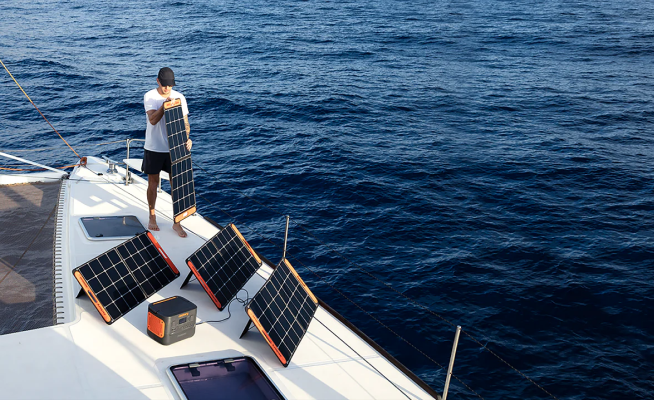
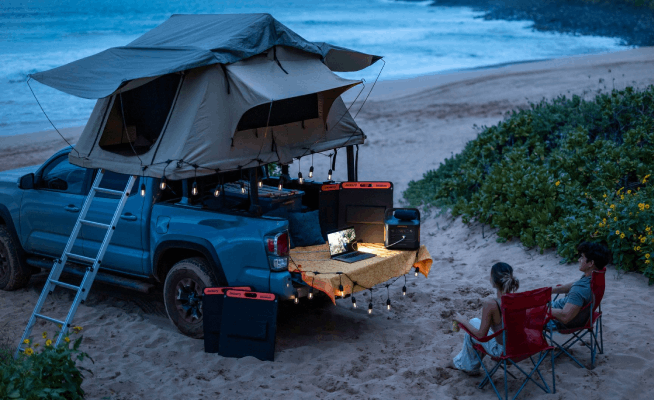

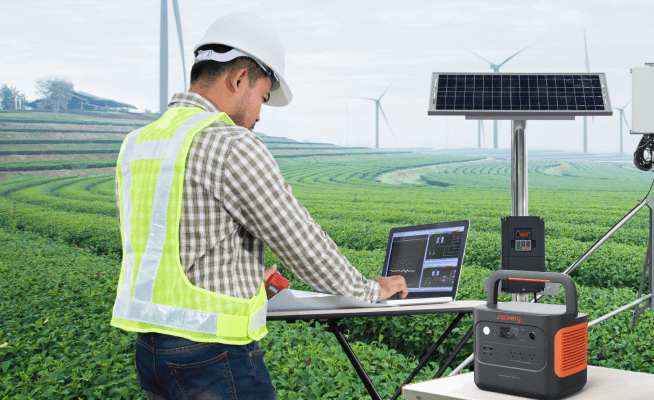
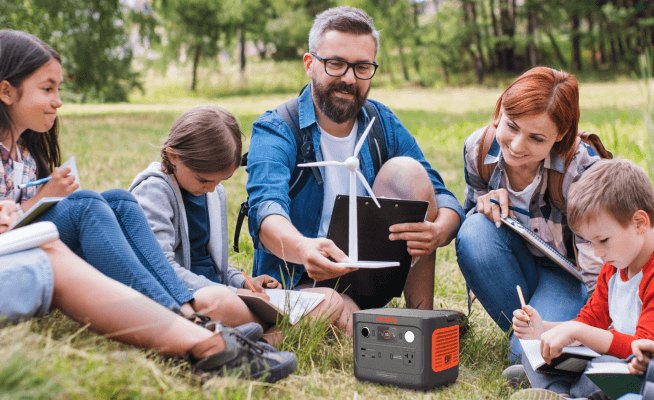







The main difference between AC (alternating current) and DC (direct current) lies in how the electric charge flows. In AC, the current changes direction periodically, while in DC, it flows steadily in one direction. This distinction influences where each type of power is used. For example, AC is common in homes and businesses, and DC is found in batteries, electronics, and solar systems. Understanding these two currents helps explain how electricity powers everything from household appliances to advanced technologies.
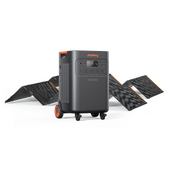
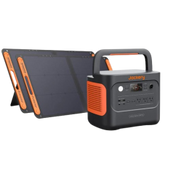
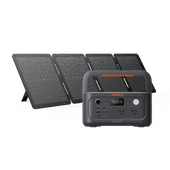
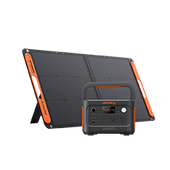
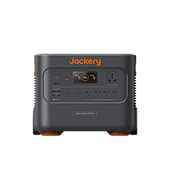
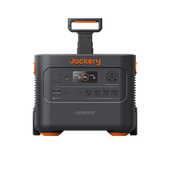
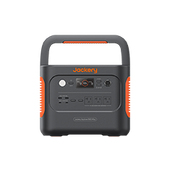
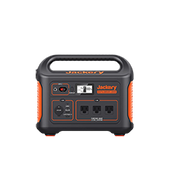
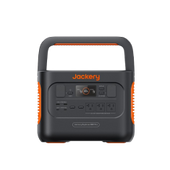
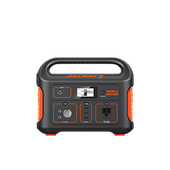
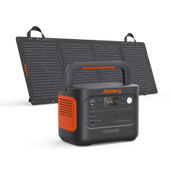
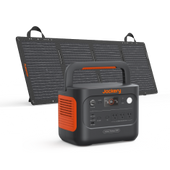
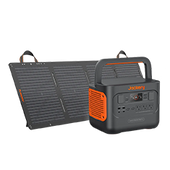
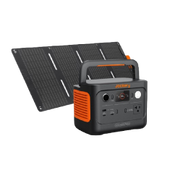
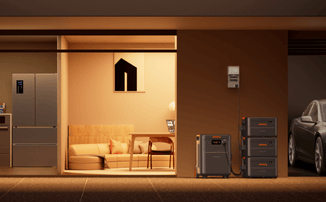
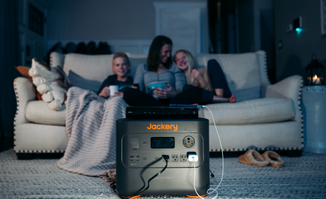
Essential home backup solutions, such as Jackery Solar Generators, feature pure sine wave inverters that convert DC power from solar panels into stable AC electricity. This ensures compatibility with sensitive devices such as laptops, medical equipment, and home appliances. These home battery backups provide reliable power that closely matches the electricity from the grid. By combining the efficiency of DC with the versatility of AC, these solar generators demonstrate how both types of current work together in practical, everyday use.

AI Takeaways
- Alternating current (AC) is electricity where the flow of charge changes direction back and forth, while direct current (DC) flows steadily in one direction.
- AC works by reversing its flow many times per second, measured in hertz (Hz), which makes it efficient for sending power across long distances.
- DC works by keeping a constant flow in one direction, which provides a steady voltage ideal for devices like phones, laptops, and LED lights.
- AC is mainly used for powering homes, offices, and the electrical grid because it travels well over long distances.
- DC is widely used in portable electronics, vehicles, solar panels, and backup power systems where consistent and stable voltage is needed.
- What are the differences between AC and DC.
- Which one is better: AC or DC.
- How to convert AC into DC.
What Is Alternating Current (AC)?
Alternating Current, or AC, is a type of electricity that constantly changes its flow direction. Unlike the steady flow of Direct Current (DC), AC keeps switching back and forth, making the electric charges in wires move in a wiggly path.
How Does AC Work?
AC is made by spinning a coil of wire in a magnetic field, using a generator device. This spinning motion creates AC electricity. It's like a dance where the electric current goes forward and then backward.
|
Pros |
Cons |
|
AC can be easily transformed into different voltage levels |
Conversion to DC may be needed for certain electronic devices |
|
It's ideal for long-distance power transmission |
It's less suitable for batteries, which use DC |
|
AC motors are efficient and widely used in appliances |
AC needs to be converted to DC |
What are the Types of AC Waveform and its Application?
AC waveform varies, but a common type is the sinusoidal waveform, represented as a smooth, continuous curve that alternates between positive and negative values.

Types of AC are:
- Single-phase AC: Used in homes
- Three-phase AC: Used in factories
Most household appliances, such as lamps, televisions, refrigerators, and air conditioners, run on AC power due to their versatility and ability to provide necessary voltage levels for these devices.
What Is Direct Current (DC)?
Direct Current, or DC, is a type of electricity that flows steadily in one direction. Unlike Alternating Current (AC), which changes direction, DC keeps moving in a straight line.
How Does DC Work?
DC is produced using a device called a rectifier, which converts AC into DC. It's like a river that always flows in the same direction, without any back-and-forth.
|
Pros |
Cons |
|
Many devices, like batteries and electronics, use DC power directly |
Transmitting DC over long distances is less efficient than AC |
|
It's more stable for sensitive equipment |
Converting AC to DC can be wasteful |
What are the Types of DC Waveform and its Application?
DC power appears as a straight, horizontal line on a graph, indicating a constant flow in one direction.

DC is commonly used in:
- Batteries for portable devices
- Electric vehicles, like cars and bikes
- Electronic gadgets like smartphones and laptops
- Solar panels and wind turbines often produce DC power
AC VS. DC: What Are The Differences?
The key difference between AC (alternating current) and DC (direct current) is the direction of the electrical flow. AC continuously changes direction, which makes it efficient for long-distance transmission and commonly used in homes, offices, and the power grid. DC flows steadily in one direction and provides consistent voltage, which makes it ideal for batteries, electronics, and solar power systems. In short, AC powers most buildings, while DC powers most devices.
Here's a table summarising the key differences between Alternating Current (AC) and Direct Current (DC):
|
Characteristic |
AC (Alternating Current) |
DC (Direct Current) |
|
Direction of Flow |
Reverses direction regularly |
Flows in one direction |
|
Voltage Levels |
Voltage can vary over time |
Voltage remains constant |
|
Power Generation |
Easily generated by generators |
Generated by batteries, solar panels, etc. |
|
Transmission Efficiency |
Efficient over long distances |
Less efficient over long distances |
|
Waveform |
Sinusoidal (sine wave) |
Constant voltage level |
|
Common Usage |
Household electricity, appliances |
Batteries, electronics, vehicles, etc. |
|
Conversion |
Easy to convert to DC (rectification) |
Requires conversion for AC devices |
These differences define how AC and DC are used in various applications, from powering your home to running your electronic devices and vehicles.
AC VS. DC: Which One Is Important?
AC and DC are both important. The difference between AC and DC is quite clear.
Alternating Current (AC) is crucial for powering our homes and most household appliances. This is because it's efficient for long-distance transmission and can be easily transformed to different voltage levels.
On the other hand, Direct Current (DC) plays a vital role in electronics, batteries, and many portable devices like smartphones and laptops.
Modern technology relies on both AC and DC. When you charge your phone, AC is used for long-distance transmission from the power plant to your home. But your charger converts it to DC for your phone's battery. That's why both play a role together to provide us with electricity.
How to Convert AC into DC?
To change Alternating Current (AC) into Direct Current (DC), you can use devices called rectifiers. These devices let the electric current flow in just one direction, turning AC into DC. This works because of two important laws in electricity.
Ohm's Law, tells us that voltage (V) equals current (I) times resistance (R). In the case of rectifiers, this resistance allows the electric current to move in one direction, making it DC.
Faraday's Law explains how we make AC electricity using things like solar panels. When we want to turn this AC power back into DC, we use something called an inverter. The inverter takes the DC electricity from the solar panels and turns it into AC electricity that we can use in our homes and devices.
In simple terms, rectifiers and inverters help us change electricity from AC to DC and vice versa, making it useful for all our daily needs.
Jackery Solar Generators with Pure Sine Wave Inverters
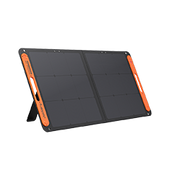
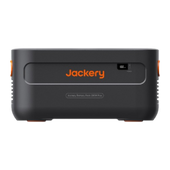
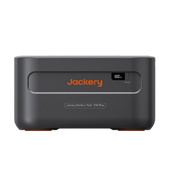
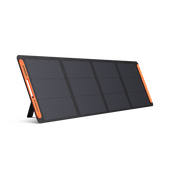
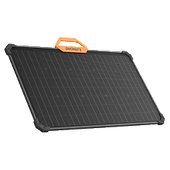
Jackery is a leading brand manufacturing high-quality and efficient solar panels, portable power stations, and solar generators. Jackery Solar Generators use pure sine wave inverters, which simply means the power these home battery backups provide is as smooth and safe as the electricity you get from your wall outlets at home. This makes these essential home backup solutions ideal for running everyday appliances, delicate electronics, and even heavy-duty devices without worrying about surges or damage.
Here are two of the solar generators ideal for home backup:
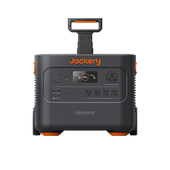
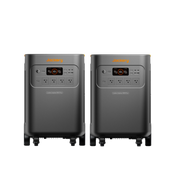
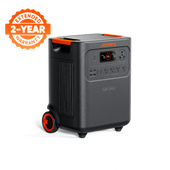
Jackery Solar Generator HomePower 3000
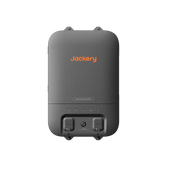
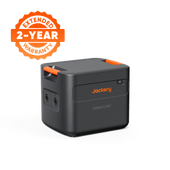
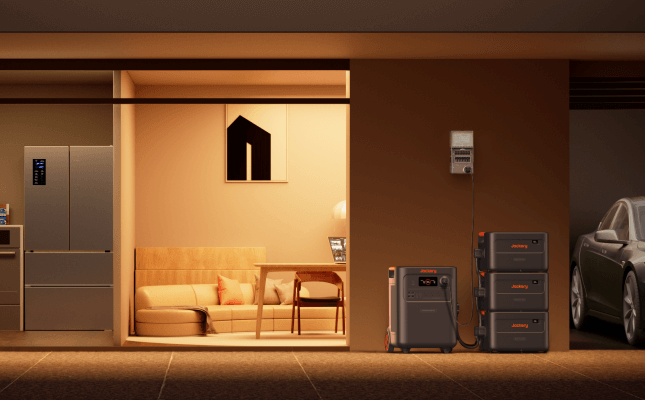
The Jackery Solar Generator HomePower 3000 is an essential home backup solution built to handle most of your daily appliances during an outage or while off the grid. With a massive battery capacity and strong output, it can keep your fridge cold, lights on, and devices charged. Because it delivers clean AC power, even sensitive items like laptops or medical equipment can run without any problem. You can also connect this solar generator to the home's electricity panel via the Jackery Manual Transfer Switch. This means your critical appliances will switch from grid power to backup power in just 20 milliseconds.
Appliances Running Time
- Refrigerator (300W) = 8.1H
- Cooker (300W) = 8.1H
- Air Purifier (200W) = 11.8H
- Microwave (800W) = 3.2H
- AC (1000W) = 2.6H
Who Should Buy This
The Jackery Solar Generator HomePower 3000 is an ideal fit for small to mid-sized households that want a dependable home battery backup during short outages.

Customer Review
I lost power, and since I had the solar generator, I decided to plug it in. WOW, no noise. I plugged in the hookup from my home panel that runs just my refrigerator, freezer, a few lights, recliner, CPAP, and so on. LOVE MY JACKERY.
— Ann Pella.
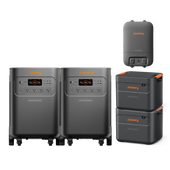
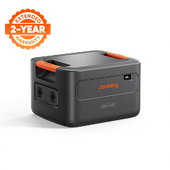
Jackery Solar Generator HomePower 3600 Plus
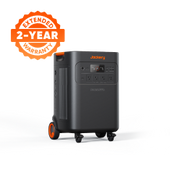
The Jackery Solar Generator HomePower 3600 Plus is an essential home backup solution designed for families or anyone who needs more flexibility. It comes with a higher battery capacity and can even be expanded up to 43kWh for longer runtimes. It is an ideal choice for extended outages or bigger households, and can even run a fridge for up to 14 days. It uses a pure sine wave inverter to keep power steady and reliable, so everything from small gadgets to larger home appliances runs smoothly.
Appliances Running Time
- Refrigerator (300W) = 9.5H
- Cooker (300W) = 9.5H
- Air Purifier (200W) = 13.7H
- Microwave (800W) = 3.7H
- AC (1000W) = 3.0H
Who Should Buy This
The Jackery Solar Generator HomePower 3600 Plus is better suited for larger families or homeowners who want expandable storage for extended blackouts and need power for essential appliances, such as refrigerators.

Customer Review
Very easy to set up, solar charge, great support! Going to buy more batteries!
— Mike Palmer.
Common Questions About AC and DC Power
Below are the answers to frequently asked questions about the difference between AC and DC:
Is a house AC or DC?
A house typically uses AC (Alternating Current) for most of its electrical appliances and lighting.
Where is DC current used?
DC (Direct Current) is commonly used in smaller devices and electronics, such as batteries, smartphones, and portable gadgets.
What size of solar generator do I need for my home?
The size of the solar generator you need for your home depends on several factors, including your power consumption, the number of devices you want to run, and how long you need backup power. If you want to calculate how long Jackery Solar Generator HomePower 3600 Plus can run a fridge (300W), visit the product page and scroll to find the Running Time Calculator/Simulator. Enter the appliance's wattage consumption to calculate an estimated runtime of the appliance. In this example, the Jackery Solar Generator HomePower 3600 Plus can power a fridge (300W) for 9.5 hours. However, the values are estimates and may differ under real conditions.
Final Thoughts
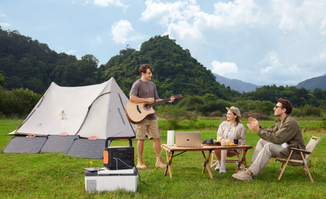
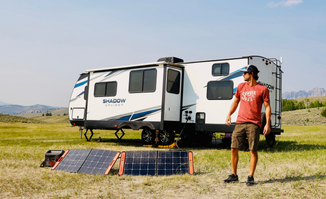
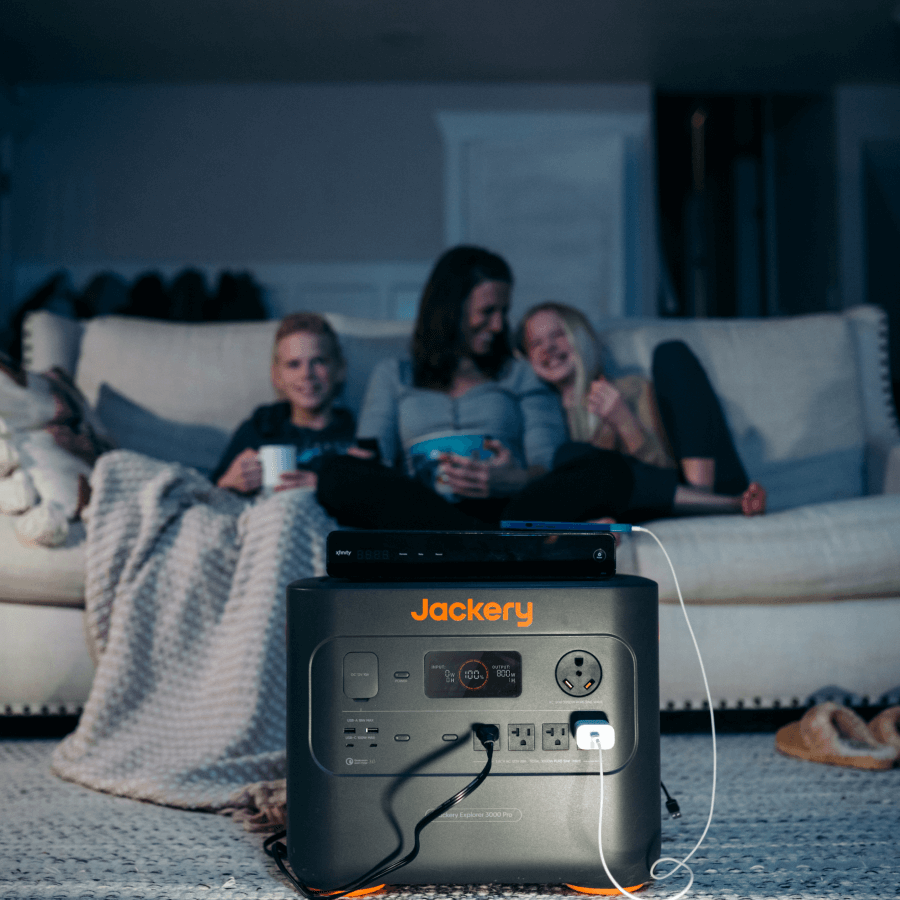
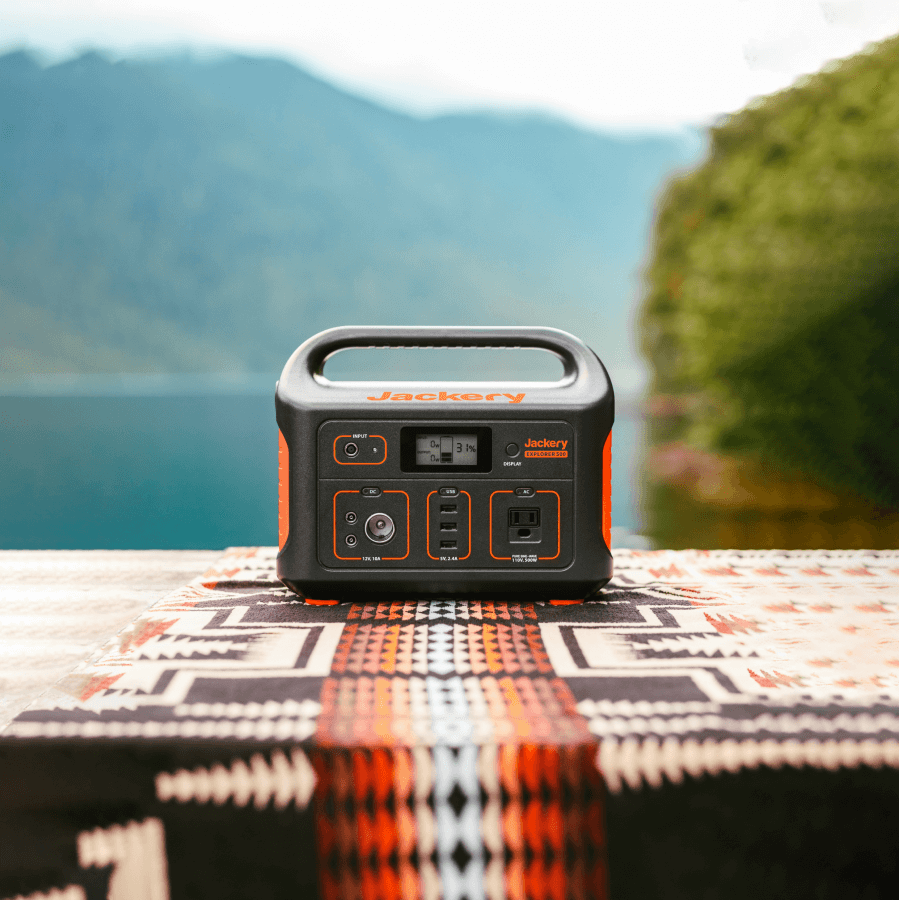
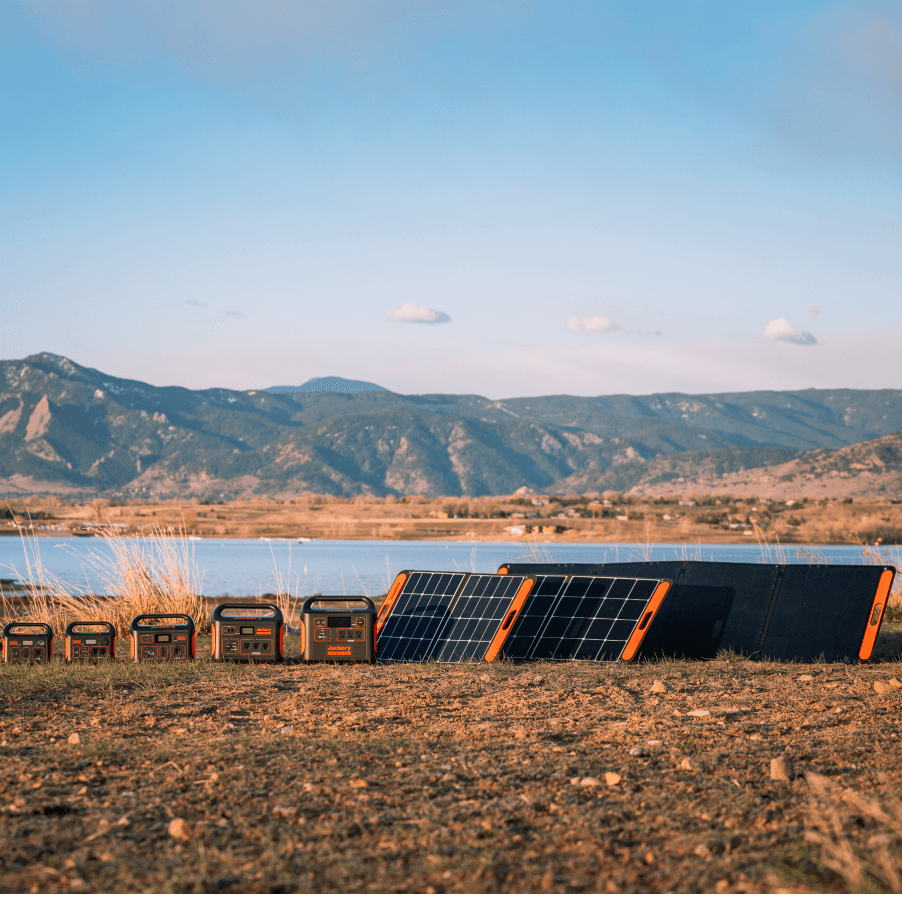
Knowing the difference between AC and DC power is crucial, both for solar generators and everyday living. AC powers our homes, lighting, and appliances, while DC keeps our gadgets charged. Solar generators, like Jackery, excel at efficiently handling both AC and DC power. Jackery Solar Generators bring together the best of both AC and DC power in one reliable system. The solar panels capture DC energy from the sun, which is then stored in the battery, and a built-in pure sine wave inverter converts it into clean AC power for your appliances. This means you can charge everyday devices, run home essentials during an outage, or stay powered on outdoor trips with electricity that’s just as stable as what you get from the grid.




Leave a comment