















No, a Crock Pot generally does not use a large amount of electricity, even though it often runs for six, eight, or more hours at a stretch, because its actual power draw is low compared with higher-powered kitchen appliances. Power (measured in watts) tells you how fast an appliance draws electricity at any given moment. Total energy consumed (measured in kilowatt-hours, or kWh) over the whole cooking session is what actually determines cost, and that's the number that matters here.
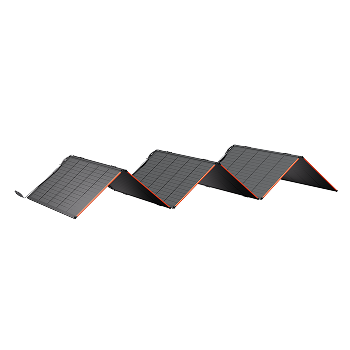
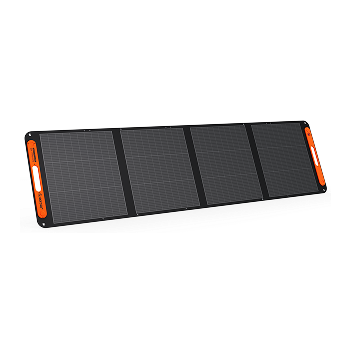
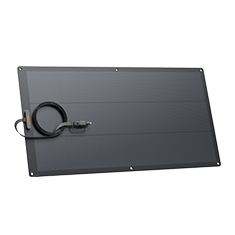
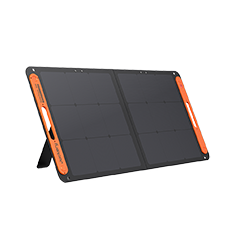
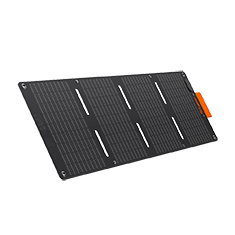
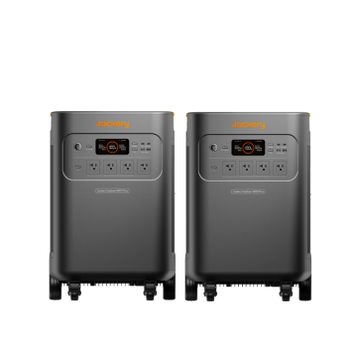
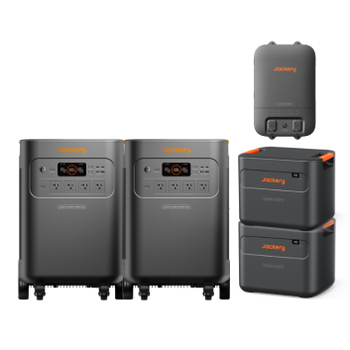
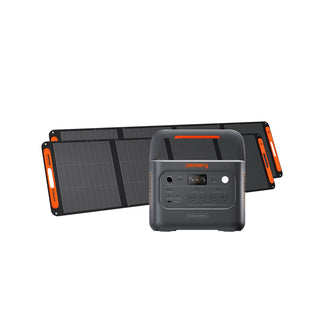
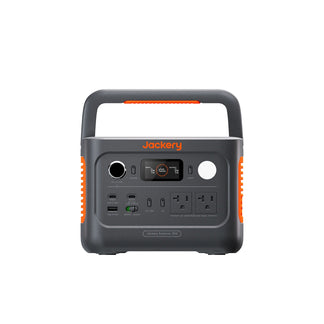
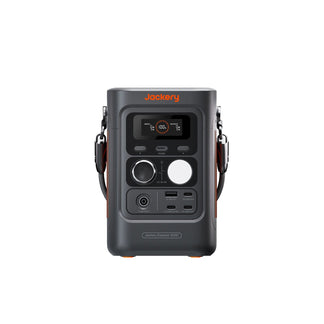
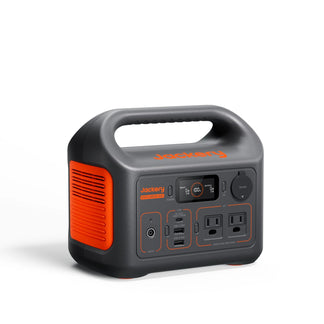
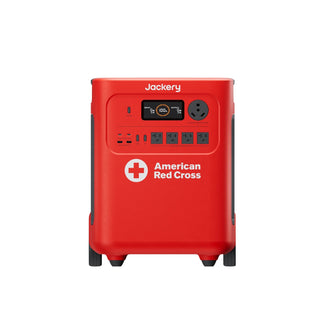
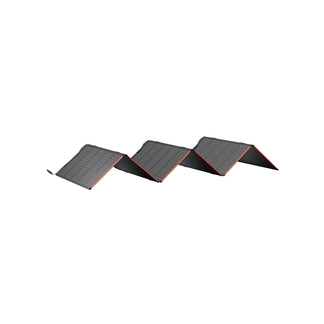
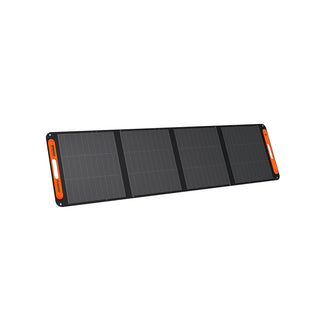
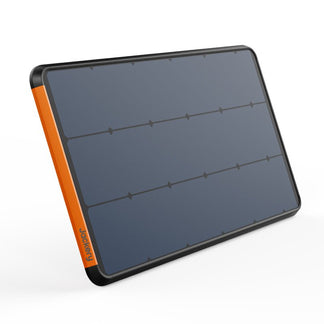
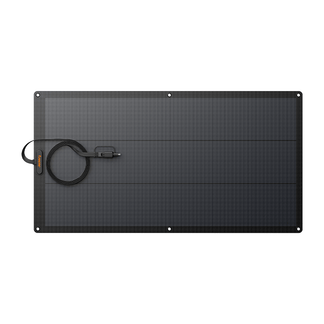
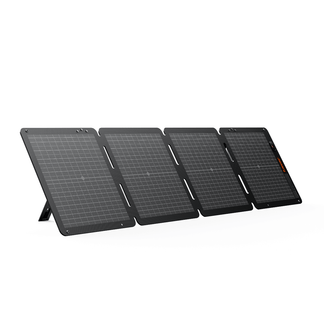
Jackery Solar Generators are solar battery backup solutions that can power appliances like a Crock Pot for long hours. Instead of depending on the electricity grid to power appliances like Crock Pots, these solar generators can convert free sunlight into usable electricity to run the essentials. This article walks through real cost examples in dollars and cents, what a Crock Pot adds to a monthly electricity bill, how it compares to an electric oven, and a few practical ways to keep costs low.
Key Takeaways
- A Crock Pot typically draws only 70–320 watts, far less than an electric oven's 2,000+ watts, even though it runs for hours.
- Crock Pot’s wattage is low, so total energy consumed over a full cooking session usually costs well under fifty cents in most US households.
- Running a Crock Pot daily for a month adds only a small, predictable amount to most electricity bills compared with an oven.
- The High setting of a Crock Pot draws more power than Low, but total cooking time affects overall energy use just as much as the setting.
- An electric oven generally costs several times more per meal to run than a Crock Pot, though exact savings vary by recipe and appliance.
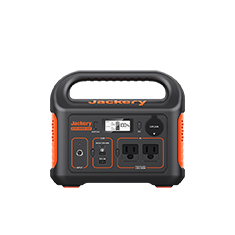
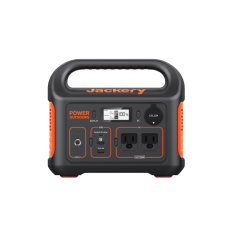
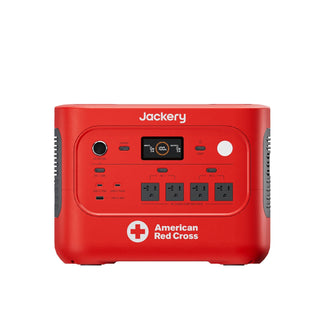
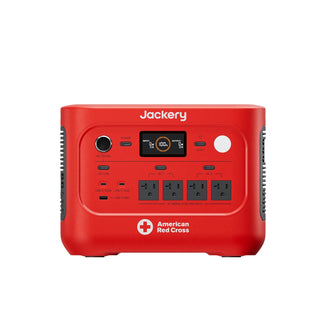
- A portable power station can run a Crock Pot easily since its power draw is modest compared with most other kitchen appliances.
Does a Crock Pot Use a Lot of Electricity?
No. A Crock Pot's power draw, roughly 70 to 320 watts depending on size and setting, is modest compared with an electric oven, which typically runs somewhere in the 2,000 to 5,000-watt range. So even though a Crock Pot might run for six or eight hours while an oven runs for one, the total amount of energy it consumes over that session is usually still fairly small.
Here is a simple example: a Crock Pot averaging 200 watts, runs for 6 hours, and uses 1.2 kWh of electricity. It is a small fraction of what most households use in a single day overall. For the full breakdown of wattage by Crock Pot size and setting, see our dedicated guide, How Many Watts Does a Crock Pot Use?, which covers the estimated power consumption in more depth.
How Much Electricity Does a Crock Pot Use?
The formula for energy consumed:
Electricity used (kWh) = Power (W) × Cooking time (hours) ÷ 1,000
Here is the energy used by a Crock Pot consuming 200W based on cooking time:
|
Cooking Time |
Energy Used (at 200W) |
|
4 hours |
0.8 kWh |
|
6 hours |
1.2 kWh |
|
8 hours |
1.6 kWh |
|
10 hours |
2.0 kWh |
The actual power draw of a Crock Pot cycles with the thermostat rather than staying fixed at 200W for the entire cooking time. The heating element switches on and off to maintain temperature, so real-world consumption may be somewhat lower than a flat wattage-times-hours calculation suggests.
How Much Does It Cost to Run a Crock Pot?
The formula for cost:
Electricity cost = Energy consumed (kWh) × Electricity rate ($/kWh)
Using the EIA's 2026 average US residential electricity rate of roughly $0.18/kWh (this figure is worth checking against the latest available rate at the time you are reading this, since it shifts over time and varies by state):
|
Cooking Time |
Energy Used (At 200W) |
Example Cost (At $0.18/kWh) |
|
4 hours |
0.8 kWh |
$0.14 |
|
6 hours |
1.2 kWh |
$0.22 |
|
8 hours |
1.6 kWh |
$0.29 |
|
10 hours |
2.0 kWh |
$0.36 |
These are examples based on a 200W assumption and a national-average electricity rate. However, the actual cost varies by your location, utility, and your specific Crock Pot's real wattage. Rates in the US currently range from around 13 cents/kWh in some states to well over 40 cents/kWh in others, so your own number could land meaningfully above or below these examples.
How Much Does a Crock Pot Add to Your Electricity Bill?
A standard Crock Pot adds about $0.14 to $0.41 to your electricity bill per meal, depending on the size of the unit and how long you cook your food. As they draw very little power, running a slow cooker all day costs roughly the same as leaving a couple of traditional lightbulbs turned on.
|
Usage Frequency |
Estimated Monthly Energy Use |
Estimated Monthly Cost (At $0.18/kWh) |
|
Once a week (6 hrs) |
~4.8 kWh |
~$0.86 |
|
3x per week (6 hrs) |
~14.4 kWh |
~$2.59 |
|
Daily (6 hrs) |
~36 kWh |
~$6.48 |
Even daily use typically adds only a few dollars a month to a household's electricity bill. That is a genuinely small addition compared with most other kitchen appliances used on a similar schedule.
Can You Run a Crock Pot on a Portable Power Station?
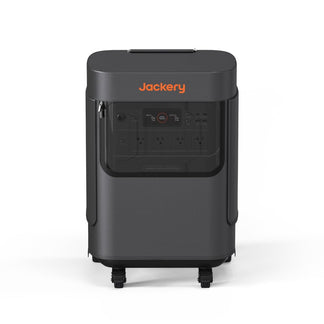
Yes. A portable power station can supply AC power to a Crock Pot as long as its continuous output comfortably exceeds the appliance's running wattage. It is a low bar, given how modest a Crock Pot's power draw is compared with most other kitchen appliances.
For detailed compatibility information, model-specific runtime tables, and guidance on choosing solar generators for Crock Pots, you can see our dedicated guide, Can Jackery Power a Crock Pot? Which Model, How Long Can It Run?.
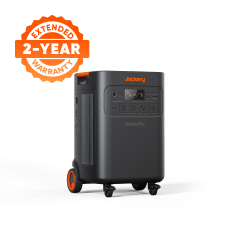
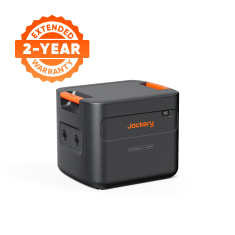
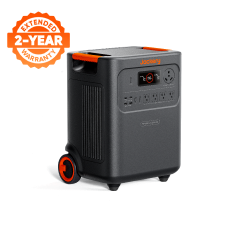
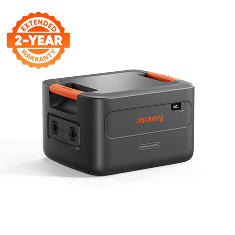
Recommended Jackery Solar Generators to Run a Crock Pot
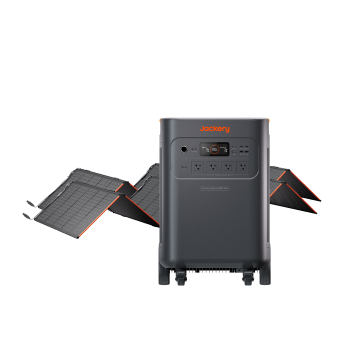
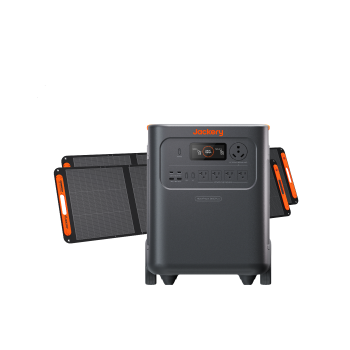
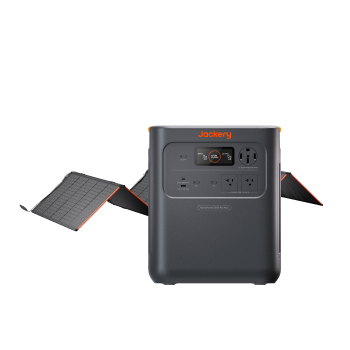
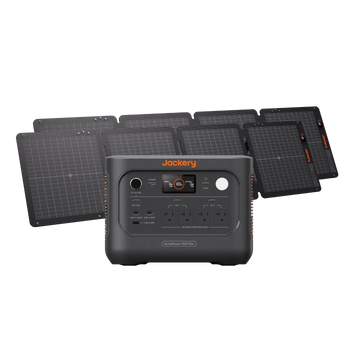
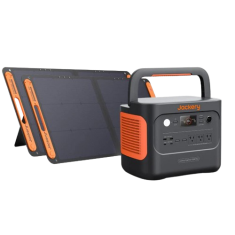
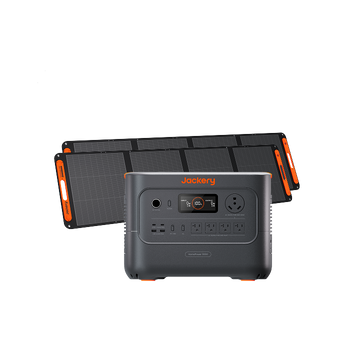
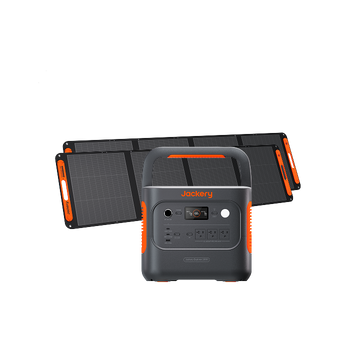
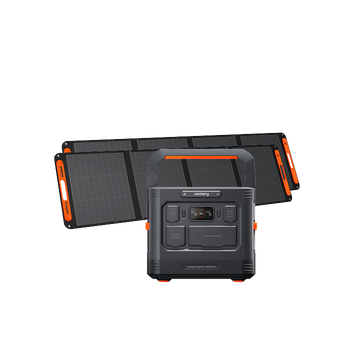
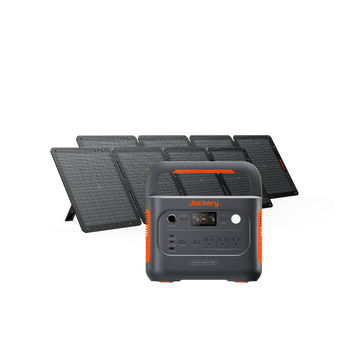
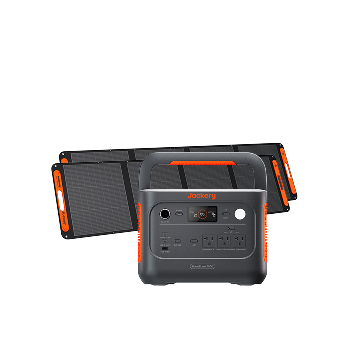
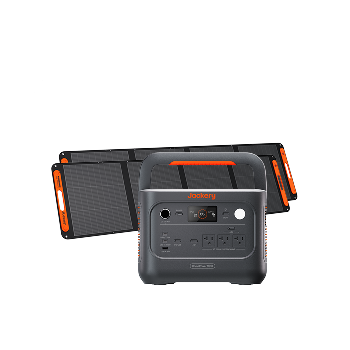
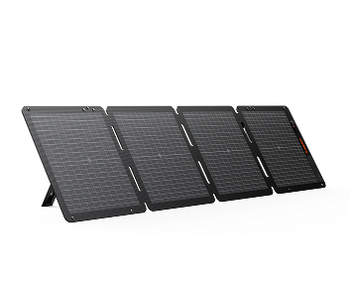
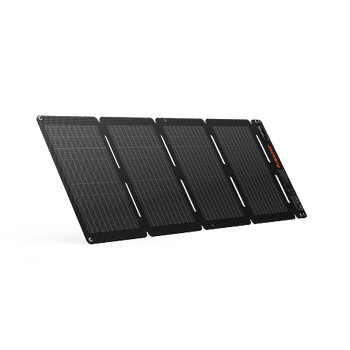
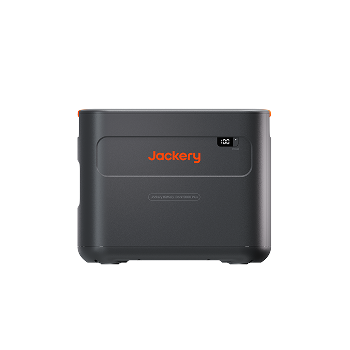
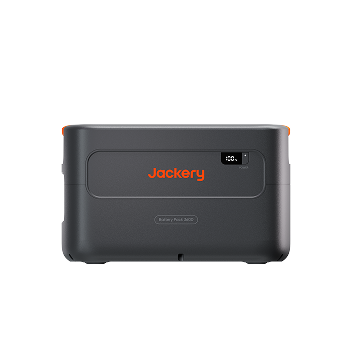
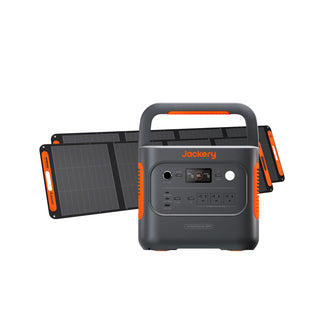
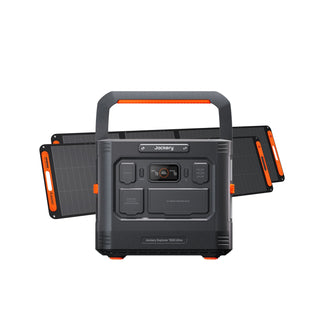
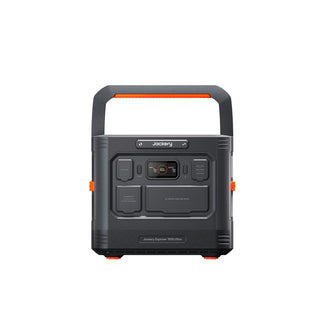
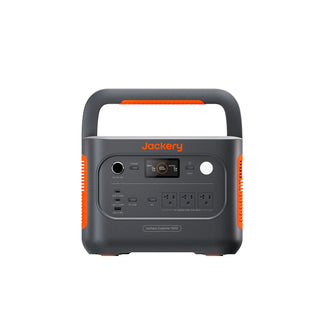
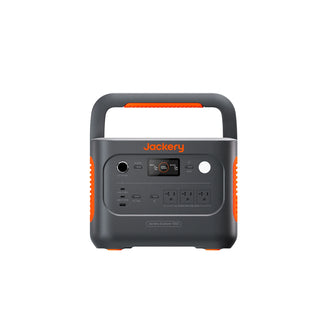
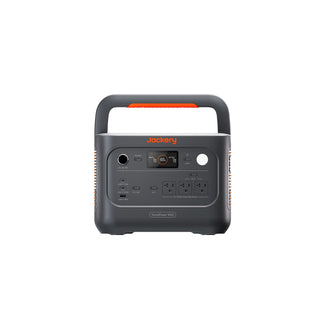
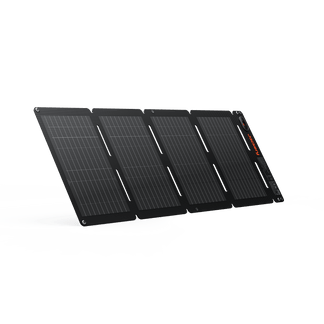
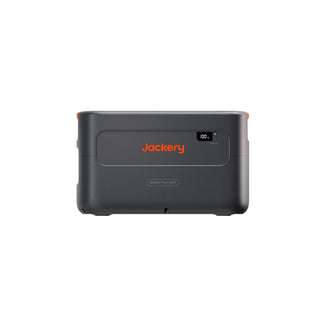
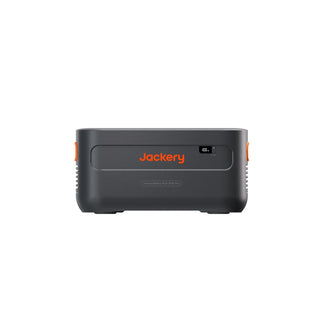
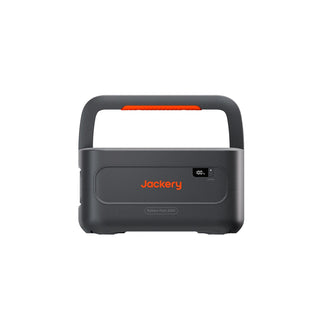
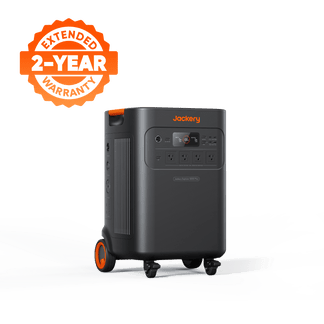
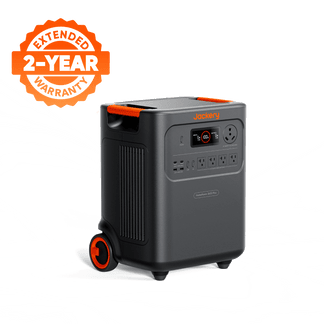
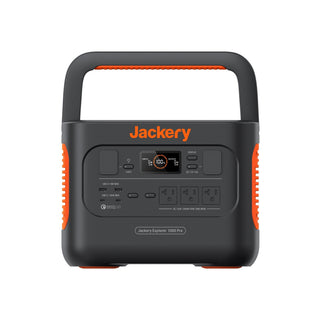
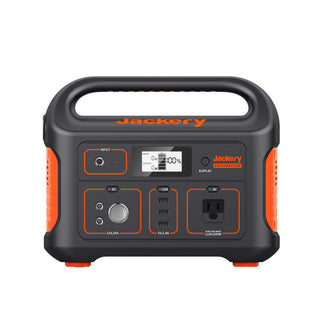
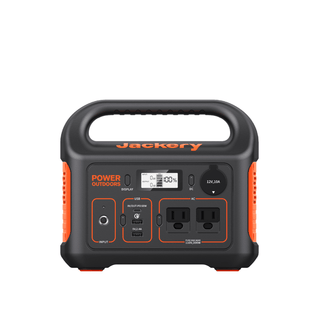
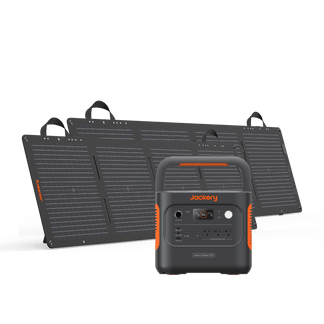
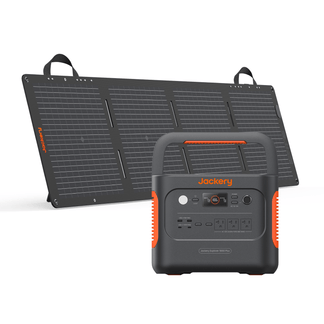
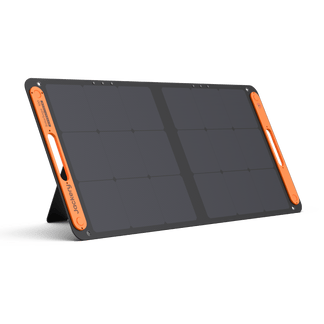
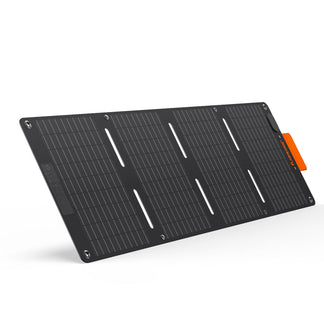
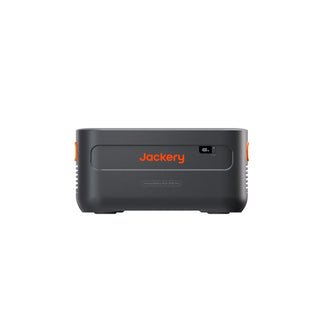
A Crock-Pot's low, steady power draw means almost any portable power station can run one. However, the real question is what else you want that system to power at the same time, and how portable you need it to be. The three Jackery Solar Generators combining power station and solar panels mentioned below range from a compact grab-and-go unit up to a larger portable model with noticeably more capacity, so the right fit depends on your Crock Pot's setting, how long you want to run it, and whether you are also powering a few other small devices alongside it.
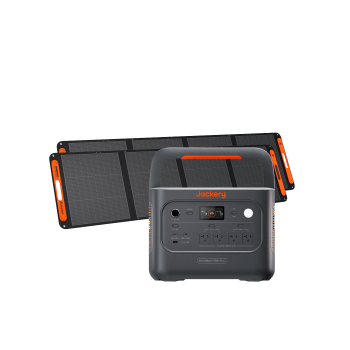
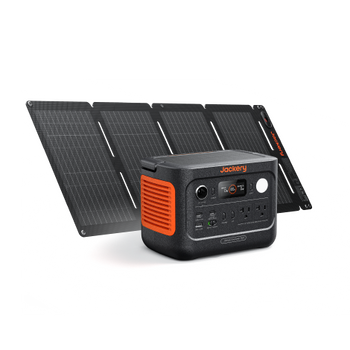
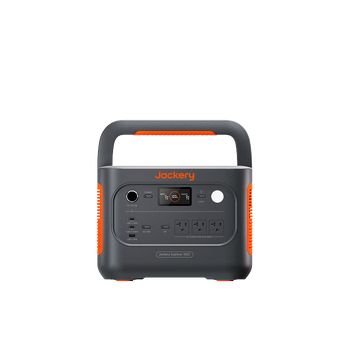
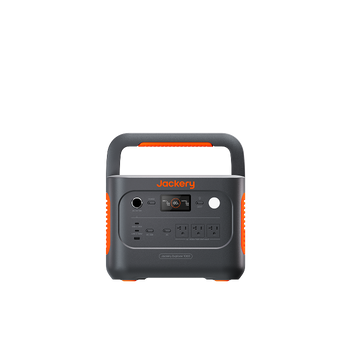
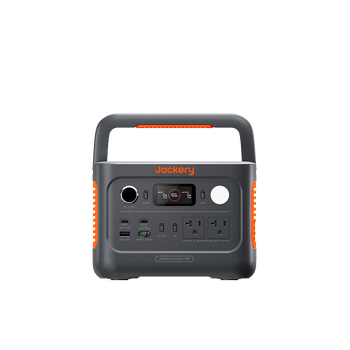
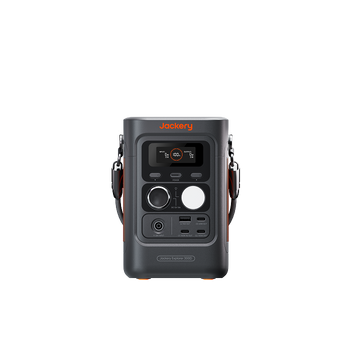
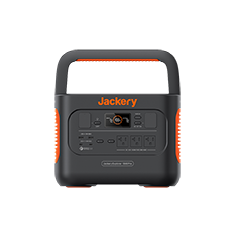
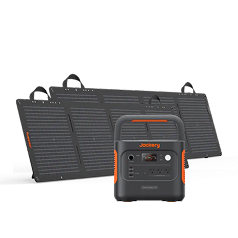
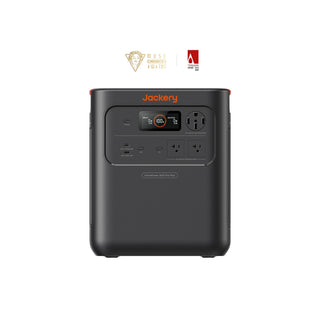
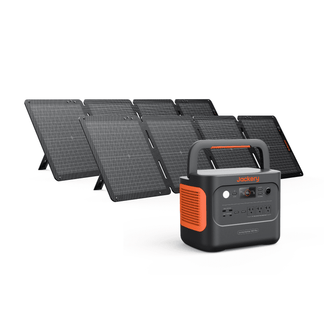
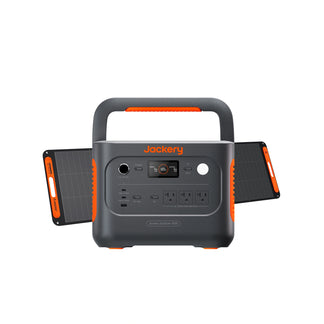
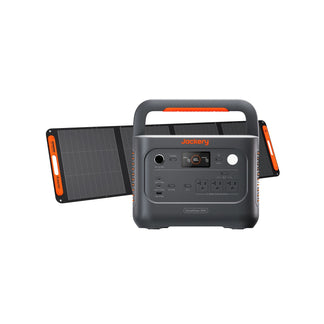
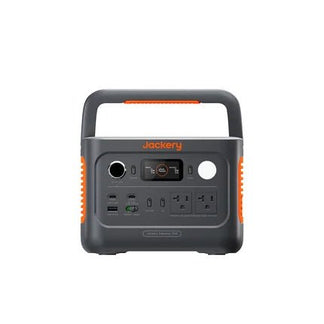
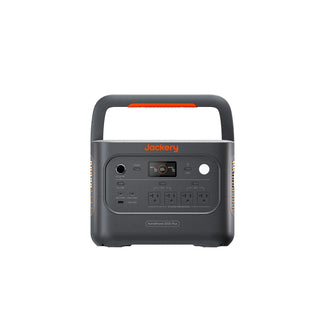
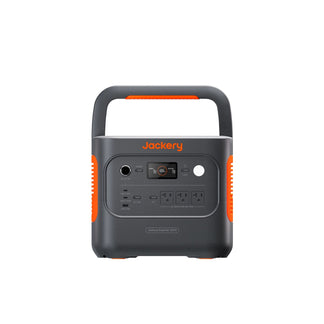
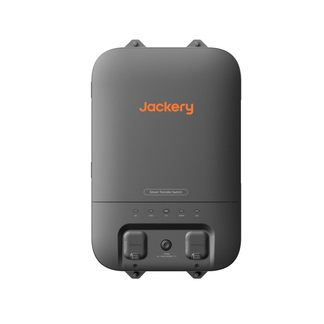
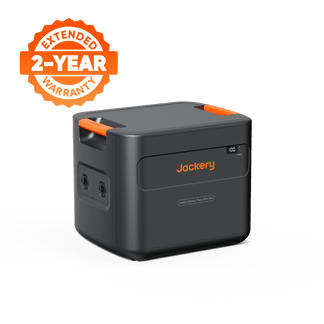
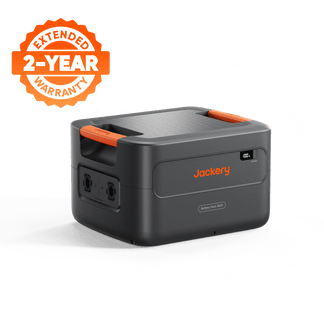
Jackery Solar Generator 600 v2
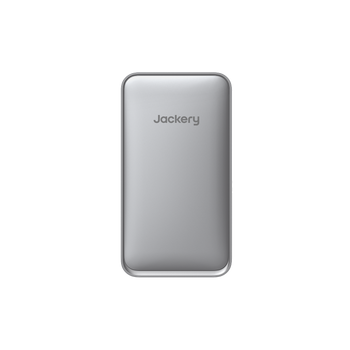
The Jackery Solar Generator 600 v2 is the lightest 600Wh LFP solar generator that is easy to carry and can comfortably cover a Crock Pot on either Low or High with plenty of power to spare, since even the High setting's 250W draw is well under half its rated output. Its sub-0.01-second UPS switchover and compact build make it an easy unit to keep on a counter or in a pantry specifically for small kitchen appliances. It features six output ports, including dual 100W USB-C and dual 500W AC, to run multiple appliances simultaneously during an outage.
Appliance Running Time
- 1.5-quart Crockpot (80W) = 5.8H
- 3-quart Crockpot (150W) = 3.3H
- 5-quart Crockpot (170W) = 2.9H
- 6-quart Crockpot (180W) = 2.8H
- 8-quart Crockpot (320W) = 1.6H
Who Should Buy This
The Jackery Solar Generator 600 v2 is ideal for anyone wanting the lightest, most portable option purely for a Crock Pot and a couple of very small devices. It can power appliances for a single dish's worth of cooking time on a short outage or camping trip.

Customer Review
The Jackery 600 v2 was tested on something small such as a 34 in TV, a router, and a PS4 from a surge protector plugin with minimal game play mostly YouTube just to see power consumption. At just a little bit over 100 volts, the Jackery 600 v2 lasted 6 hours, and charged in 2 1/2 hours. Even at a full drain to 0% with another test also charged in 2 1/2 hours from a wall outlet. Thank you, Jackery, for this little powerhouse.
— Forever G.
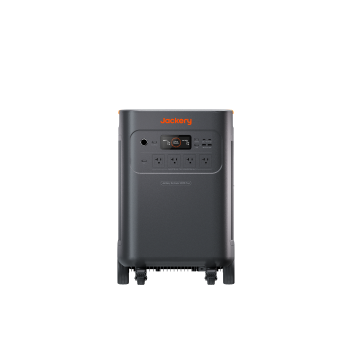
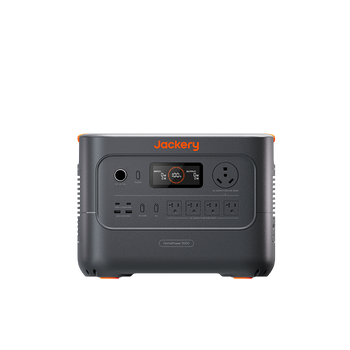
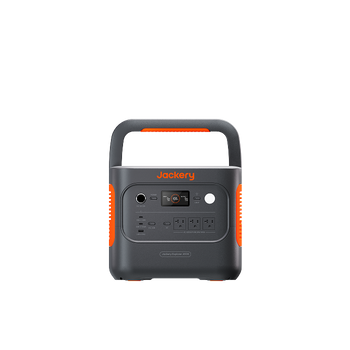
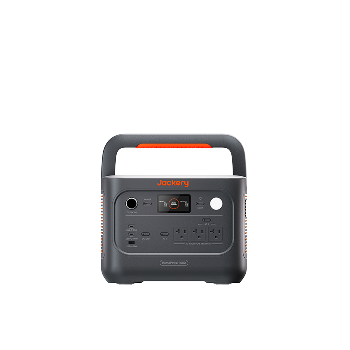
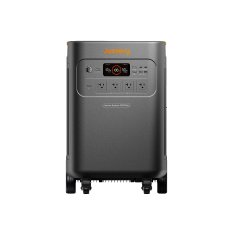
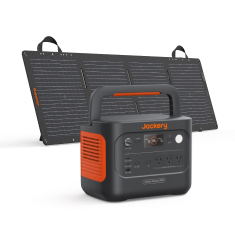
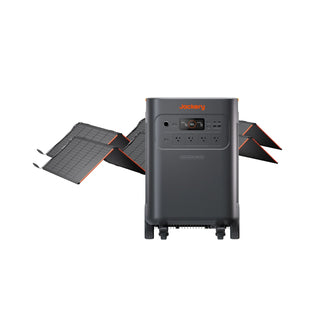
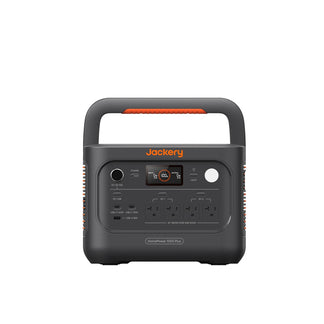
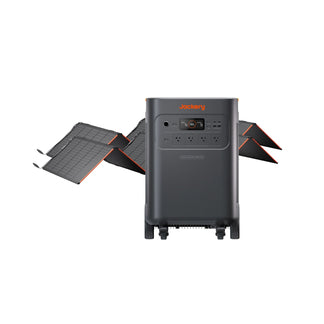
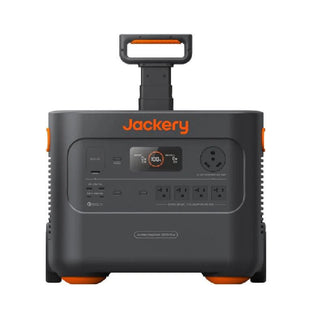
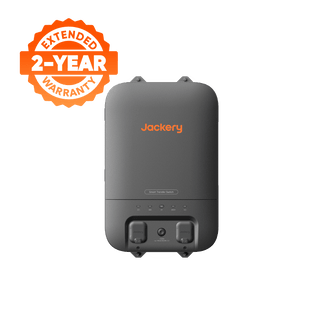
Jackery Solar Generator HomePower 1000 v2
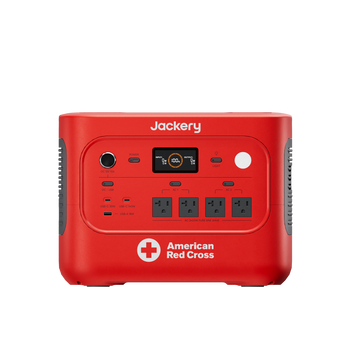
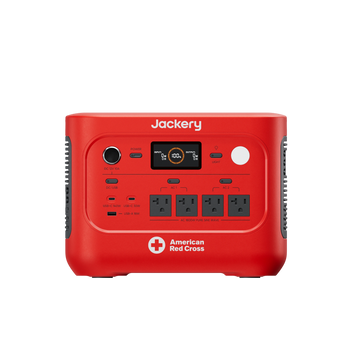
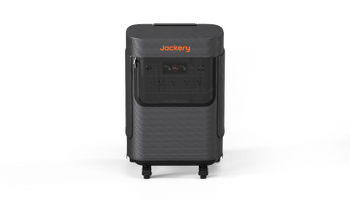
The Jackery Solar Generator HomePower 1000 v2 is a home battery backup solution that gives a Crock Pot far more runtime, which is enough for a full slow-cook session on Low with room left for other kitchen essentials at the same time, like a router or a portion of the refrigerator's daily draw. Its sub-10-millisecond UPS-style switchover and built-in Priority Routing mean that if the battery starts to run low, the system can automatically keep the Crock Pot and whichever device you have prioritized running rather than cutting everything at once.
Appliance Running Time
- 1.5-quart Crockpot (80W) = 9.0H
- 3-quart Crockpot (150W) = 5.0H
- 5-quart Crockpot (170W) = 5.0H
- 6-quart Crockpot (180W) = 4.0H
- 8-quart Crockpot (320W) = 2.0H
Who Should Buy This
The Jackery Solar Generator HomePower 1000 v2 is ideal for households wanting a Crock Pot to run for most of a standard cooking session alongside one or two other small essentials, without needing a large or heavy unit.

Customer Review
We are big fans. We recently had 2 power outages for 6 days each and used our Jackery 3600 Plus but wanted an additional small one for the bedroom. This system is amazing. I have recommended it to my whole neighborhood and many others and they have purchased it.
— Kristine T.
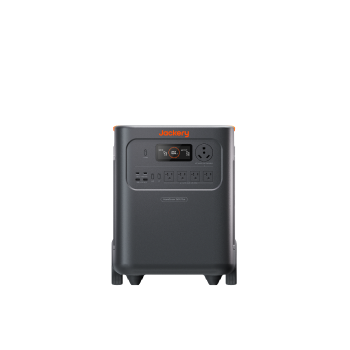
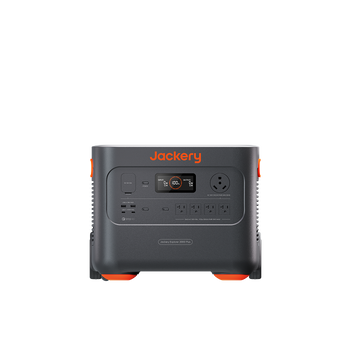
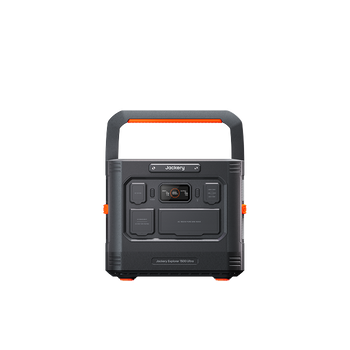
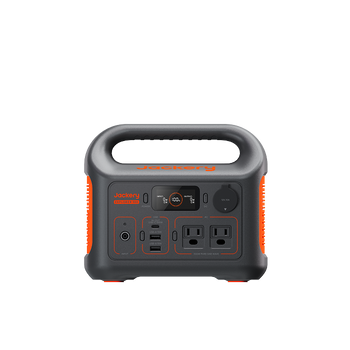
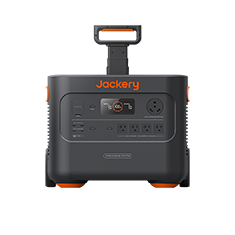
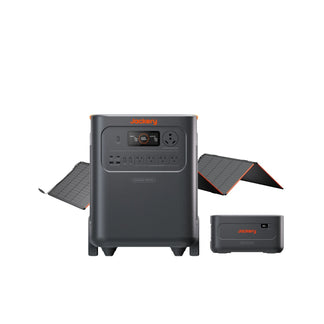
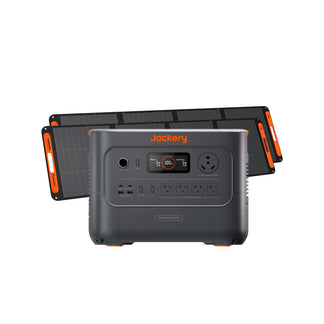
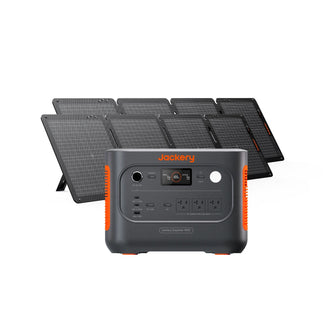
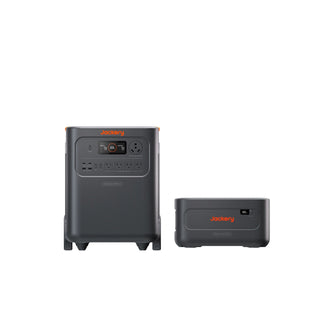
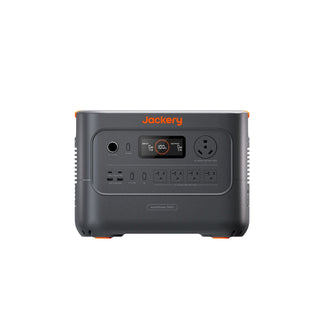
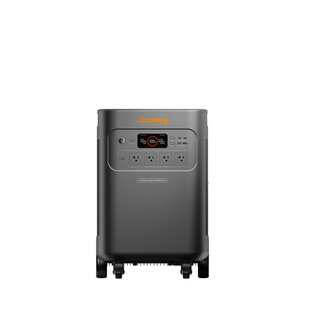
Jackery Solar Generator 1500 v2
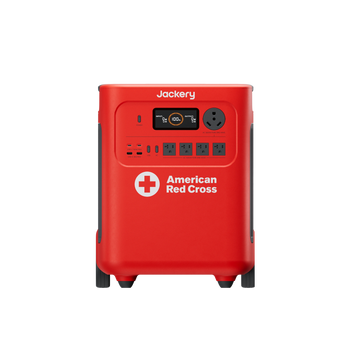
The Jackery Solar Generator 1500 v2 is the largest of the three, giving a Crock Pot on Low well over half a day of runtime on its own, or a comfortable multi-hour cushion on High alongside other devices. Its sub-10-millisecond UPS switchover and 64-minute fast-charge time mean it can be recharged quickly between uses, which matters if you are running it through several cooking sessions in a row during a multi-day outage.
Appliance Running Time
- 1.5-quart Crockpot (80W) = 12.9H
- 3-quart Crockpot (150W) = 7.5H
- 5-quart Crockpot (170W) = 6.7H
- 6-quart Crockpot (180W) = 6.4H
- 8-quart Crockpot (320W) = 3.7H
Who Should Buy This
The Jackery Solar Generator 1500 v2 is ideal for households wanting the most runtime of the three for a Crock Pot plus a small handful of other appliances, or anyone who expects to recharge and reuse the unit across several outage days.

Customer Review
The power went out for 4800 customers in our area. I had to remind my husband that we had a Jackery Explorer 1500 v2. It even has a light on the front. Which I showed him. I explained what it will do. He hooked it up to the fridge, toaster, his phone, and I’m not sure what else. He said he was impressed by everything that the Jackery would run. I said that’s why I bought it.
— Jennifer W.
Is a Crock Pot Cheaper to Run Than an Electric Oven?
Often, yes, a Crock Pot is cheaper to run than an electric oven for a roughly comparable meal. Here is a comparison, with assumptions stated clearly on both sides:
- Electric oven averaging around 2,400W (cycling with its thermostat) for 1 hour: 2.4 kWh × $0.18 = $0.43
- Crock Pot averaging 200W for 6 hours: 1.2 kWh × $0.18 = $0.22
In this example, the Crock Pot comes out to roughly half the oven's cost. But this is one illustrative comparison. Oven wattage, preheating time, thermostat cycling, meal size, and cooking temperature all affect the actual comparison for any given meal. A short, high-temperature oven dish could in some cases cost less than a very long slow-cook session.
Does a Crock Pot Use More Electricity on High Than Low?
Yes, the High setting on a Crock Pot draws more power than Low. However, the total energy use depends on cooking time just as much as the setting itself, so a shorter session on High and a longer session on Low can end up using roughly similar total energy.
What Factors Affect How Much Electricity a Crock Pot Uses?
The biggest factors that affect the power usage of a Crock Pot are the appliance's wattage, how long it runs, and which setting it is on, but several smaller variables shift the total up or down too, which is why two households with the same Crock Pot model can still see somewhat different results. Here are the factors affecting the electricity usage:
- The appliance's power rating (which varies by model)
- Total cooking time
- Low vs. High setting
- Crock Pot size, as larger models generally draw somewhat more power
- How often the lid is opened, since heat loss can extend the time needed to finish cooking
- Ambient kitchen temperature
- The appliance's insulation and design quality
- Your household's electricity rate
- Time-of-use utility pricing, where your utility offers rates that vary by time of day
How Can You Reduce the Electricity a Crock Pot Uses?
Since a Crock Pot already uses relatively little electricity, further reductions come less from dramatic changes and more from avoiding waste. Running a Crock Pot longer than a recipe needs, or using a larger pot than the meal calls for, can impact the total electricity usage. A handful of simple habits can reduce the electricity usage of a Crock Pot:
- Choose the cooking time that actually fits the recipe, rather than defaulting to the longest available setting out of habit.
- Avoid running the appliance longer than a recipe calls for.
- Keep the lid closed as much as possible to retain heat and avoid extending cooking time.
- Match the Crock Pot's size to the meal. For example, choose a smaller pot for a smaller meal, rather than running a large one mostly empty.
- Follow the manufacturer's cooking guidance for your specific model.
- If your utility offers time-of-use pricing, consider cooking during lower-rate hours where that fits your schedule.
FAQs
Does leaving a Crock Pot plugged in when it is not cooking use any electricity?
A Crock Pot that is plugged in but switched off draws little to no standby power in most models, since they typically do not have the always-on electronics (clocks, WiFi, standby displays) that create meaningful phantom load in some other appliances. If your model has a digital timer or display that stays lit while off, it may draw a very small amount continuously, but this is generally negligible compared with its cooking-mode wattage.
Does the size of the Crock Pot change how much it costs to run?
Generally, yes, the size of the Crock Pot, like a 2-quart versus an 8-quart model, changes how much it costs to run to a modest degree. For example, larger Crock Pots tend to have somewhat higher wattage ratings than smaller ones, since they have more volume to heat. That said, the difference in electricity cost between a small and large model is usually still fairly small in absolute dollar terms, since both fall well within the low end of household appliance power draw.
Does cooking a full pot cost more in electricity than cooking a half-full pot?
A fuller pot generally takes at least somewhat more energy to heat than a partially filled one, since there is more food and liquid mass to bring up to temperature, though the difference is usually modest rather than dramatic given how low a Crock Pot's wattage already is. Matching pot size to meal size is more about avoiding an oversized appliance for a small meal than about a large cost difference within one pot.
Does an older Crock Pot use more electricity than a newer model?
No, an older Crock Pot does not necessarily use more electricity than a newer model. Crock Pots are relatively simple thermostatically controlled appliances, and their wattage rating typically does not change dramatically with age unless the heating element or thermostat has started to fail, in which case an appliance can become less efficient or behave unpredictably. If you are concerned about a specific older unit, checking its rated wattage against current models of similar size is a reasonable way to compare.
Does it cost more to run a Crock Pot overnight than during the day?
The electricity cost of a Crock Pot itself is the same regardless of the time of day you run it, since wattage and cooking time don't change based on the clock. The one exception is if your household is on a time-of-use electricity plan with different rates at different hours. Running it during a lower-rate window (which for many utilities includes overnight hours) could genuinely cost less than running it during a peak-rate period.
Does using a Crock Pot in summer add extra cost by making my air conditioner work harder?
It is possible that using a Crock Pot in summer adds extra cost by making your air conditioner work harder, though the effect is usually small given how little heat a Crock Pot actually releases into a kitchen compared with an oven or stovetop. This is more of a secondary, indirect effect than a direct cost of the appliance itself, and it will vary a lot by kitchen size, insulation, and how your AC is set up.
Is a Crock Pot more efficient than an Instant Pot or other electric pressure cooker?
Both are generally efficient compared with an oven, but they solve different problems: a pressure cooker uses higher wattage for a much shorter cooking time, while a Crock Pot uses lower wattage over a much longer time, and the two often land in a broadly similar range of total energy consumed for a comparable dish. Which one uses less energy for a specific recipe depends on the exact cooking times and wattages of the two appliances involved, so it is worth checking your specific models' specs rather than assuming one category is always more efficient than the other.
Conclusion
A Crock Pot is one of the lower-cost appliances to run in a kitchen, and the modest amount it adds to an electricity bill holds true whether it is plugged into a wall outlet or a battery backup system. That is exactly why a Jackery Solar Generator pairs so naturally with slow cooking during a power outage. A Crock Pot's low, steady draw is an easy load for any of these solar generators to handle, leaving capacity to spare for the refrigerator, lighting, or other essentials running at the same time. Whether the goal is simply peace of mind about the electric bill or a real plan for keeping dinner cooking through an outage, understanding the actual cost and power draw involved turns an assumption into a number. And a Jackery Solar Generator turns that number into a system that just works when it is needed.


