







![[Add-on] Jackery SolarSaga 500 X - Jackery](http://www.jackery.com/cdn/shop/files/add-on-jackery-solarsaga-500-x-1493607.webp?v=1786503068&width=324)
![[Add-on] Jackery Battery Pack 5000 Plus - Jackery](http://www.jackery.com/cdn/shop/files/add-on-jackery-battery-pack-5000-plus-6713401.webp?v=1786503068&width=324)






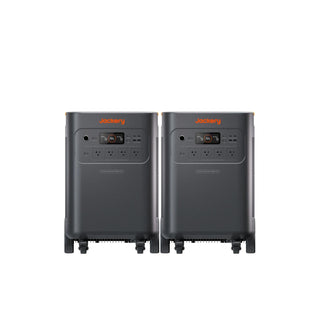
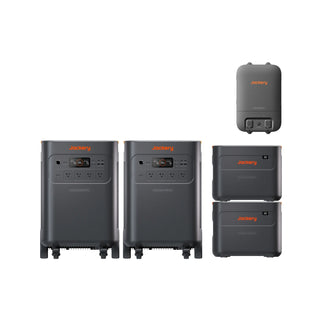
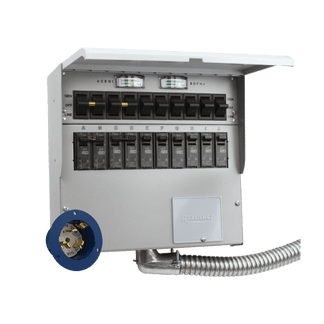


The thought of spending over $35,000 to keep your home's lights on during a blackout is enough to give any homeowner cost shock. Yet, that is exactly the price tag many face when researching traditional whole-home energy storage. Beyond the steep upfront hardware costs, navigating permitting, strict local building codes, and massive 400A electrical panels can quickly turn a simple home upgrade into an expensive engineering nightmare.
The secret to bypassing these costs is to move away from bloated industry packages and design a right-sized, modular home battery bank. By understanding real-world startup surges and conducting a data-driven load analysis, you can build a highly efficient, code-compliant backup system that protects your family without draining your savings.
Understanding Whole-Home Backup vs. Essential Home Backup
When selecting your backup strategy, it is essential to distinguish between whole-home integrated systems and standalone portable power stations:
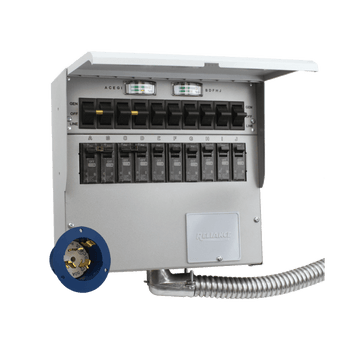
- Whole-Home Backup: Powers hardwired household circuits (such as well pumps, HVAC systems, and water heaters) through a dedicated 200A transfer switch. This requires a professional electrical installation. If you are preparing for this type of system, you must learn how to connect a solar generator to a breaker panel to ensure your setup is safe and code-compliant.
- Essential Home Backup: Designed to run individual devices and appliances directly through on-unit outlets. These systems are typically limited to 30A outputs and require no hardwiring or professional electrical labor.
- The Sizing Gap: While basic critical loads (refrigerator, router, LED lights) require 1,500 to 3,000 Wh of daily power, true whole-home setups require between 10,000 and 30,000 Wh of capacity.
- Surge Headroom: Startup surge power for motor-driven appliances (like refrigerators and well pumps) can easily double their running wattage. Always size your inverter's surge rating at least 20% above your calculated worst-case scenario.
- The Critical-Loads Subpanel: Incorporating a subpanel isolates your most essential circuits from heavy, non-essential loads. This prevents heavy appliances, like a 4-ton air conditioner, from rapidly draining your storage while your refrigerator goes warm.
- Split-Phase Requirement: To run standard North American 240V appliances (well pumps, dryers, electric stoves), your system must support a split-phase inverter that delivers 120/240V dual-voltage output.
Key Components of a Home Battery Bank System
A reliable home battery bank relies on five key hardware components working in harmony:
- The Battery Bank: The core energy storage unit. High-quality solar batteries for home use advanced Lithium Iron Phosphate (LiFePO4) chemistry, which delivers 3,000 to 6,000 full charge cycles, compared to older lead-acid batteries that degrade after just 500 to 1,000 cycles.
- Inverter/Charger: Converts stored DC power into clean AC power. A pure sine wave inverter is mandatory to run sensitive home electronics safely. Always verify both continuous and peak surge ratings before buying.
- Maximum Power Point Tracking (MPPT) Charge Controller: Optimizes incoming solar energy. High-efficiency MPPT controllers achieve up to 98% efficiency compared to cheaper Pulse Width Modulation (PWM) models, which waste up to 20% of your solar harvest as heat.
- NEC-Compliant Heavy-Gauge Wiring: Low-voltage battery interconnects require heavy 2/0 to 4/0 copper wiring, while 100A subpanel feeders require NEC-compliant 2 AWG copper wire to prevent voltage drop and excessive heat buildup.
- BMS and Enclosure: The Battery Management System (BMS) provides vital safety protections against overcharging, over-discharging, and temperature spikes. Additionally, LiFePO4 modules require at least 12 inches of physical clearance for proper heat dissipation.
Permitting Notice: Many local building codes require battery backups to be UL 1973 or UL 9540 certified. Without these verified safety listings, your local inspector will fail the installation outright. Choosing a modular, pre-certified system simplifies the permitting process.
Sizing Your Home Battery Bank: A Data-Driven Approach
Sizing your home battery bank should be based on a precise load analysis using real-world measurements from a home energy monitor, rather than guessing with manufacturer nameplate ratings:
- Daily Baseline Calculation: While the average US home consumes 30 kWh of electricity per day, a targeted emergency backup plan only needs to cover 10 to 20 kWh to keep essential circuits online.
- Appliance Audit: Calculate your baseline by multiplying appliance running watts by hours of use. For example, a refrigerator drawing 150 W over 24 hours consumes 3.6 kWh, while a furnace fan drawing 800 W over 6 hours consumes 4.8 kWh. Sum these values for your total.
- Depth of Discharge (DoD) Impact: LiFePO4 batteries allow a 100% Depth of Discharge, meaning you can safely use every watt-hour of stored power. Lead-acid batteries are limited to a 50% DoD, meaning you must buy twice as much capacity to get the same usable runtime.
- Peak Load Sizing: Sum all potential simultaneous loads. If your well pump draws 4 kW and your microwave pulls 1.5 kW, your inverter must have a minimum continuous output rating of 5.5 kW.
- Autonomy Planning: Multiply your daily essential load by your desired days of independence. For instance, a 15 kWh daily load across 3 days of grid independence requires a 45 kWh battery bank.
If you prefer to assemble your own rack-mount system, a DIY whole house battery backup using 48V rack batteries can save you upfront money, but only if your local building jurisdiction permits non-factory-assembled, non-UL listed hardware.

Battery Chemistry Comparison for Essential Home Systems
The chemical composition of your battery cells dictates their safety, cost, and operating efficiency over a decade of use:
|
Battery Chemistry |
Lifespan (Cycles at 80% DoD) |
Energy Density |
Round-Trip Efficiency |
Installed Cost (per kWh) |
Thermal Runaway Risk |
|
LiFePO4 (Lithium Iron Phosphate) |
5,000+ cycles |
~120 Wh/kg |
95%–98% |
$400–$800 |
Very Low |
|
Lithium-Ion (NMC) |
~1,000 cycles |
~200 Wh/kg |
90%–95% |
$500–$900 |
Moderate |
|
Lead-Acid (AGM / Gel) |
500 cycles |
~40 Wh/kg |
80%–85% |
$150–$300 |
Low (hydrogen hazard) |
While lead-acid options feature the lowest upfront price, their short lifespan and low efficiency mean you will have to replace them far sooner. Over a typical system's lifespan, LiFePO4 averages just $0.10 per cycled kWh, compared to $0.35 per kWh for lead-acid. Additionally, remember that pro labor, permitting fees, and transfer switches add $5,000 to $15,000 to your total cost, regardless of chemistry.
Safety & Professional Installation Requirements
For safety, security, and building code compliance, any permanent home battery bank must meet strict national standards:
- NEC 702.5 Compliance: A licensed electrician must install your automatic or manual transfer switch to connect the battery safely to your main panel, preventing dangerous power backfeeding into the utility grid.
- Arc Fault Protection: GFCI and AFCI breakers are required on all branch circuits connected to the battery backup system to protect your household from potential electrical fires.
- Fire Separation: If your home battery bank exceeds 1 kWh in capacity, the International Residential Code (IRC) requires a minimum 1-hour fire-rated separation (such as a fire-resistant utility room) between the battery and your living spaces.
- Interconnected Smoke Detectors: Install a hardwired, battery-backup smoke detector near the battery storage location, interconnected with the rest of your home's warning system.
Scalable Essential Home Backup Solutions
If you want to avoid the high costs and complex hardwiring of permanent wall-mounted installations, modular power stations provide pre-certified, plug-and-play whole-house backup:
|
Model |
Base Capacity |
Expandable Limit |
Continuous Output |
Surge Rating |
Solar Input (Included) |
Key Safety Highlight |
|
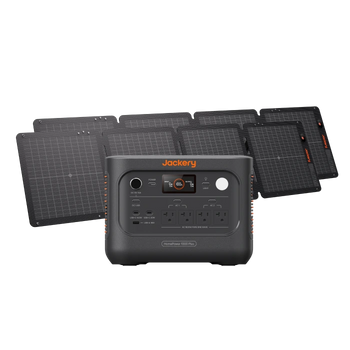
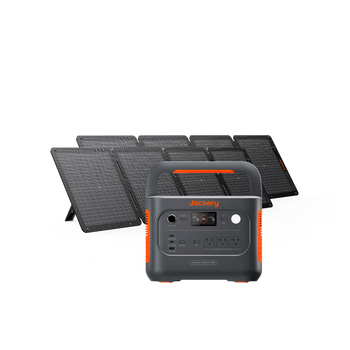
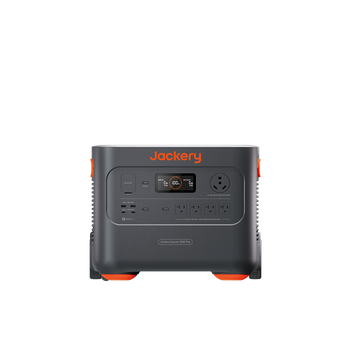
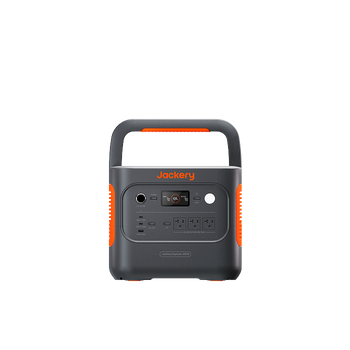
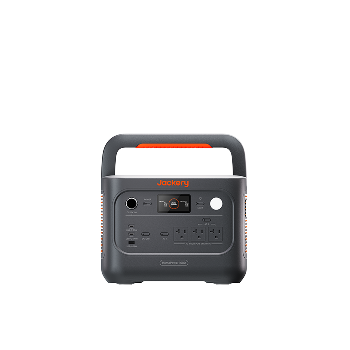
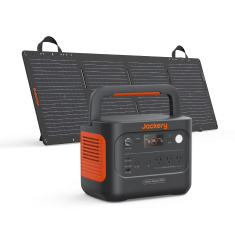
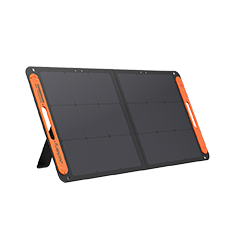
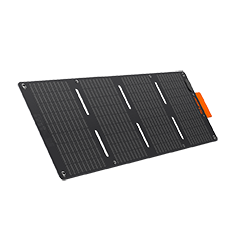
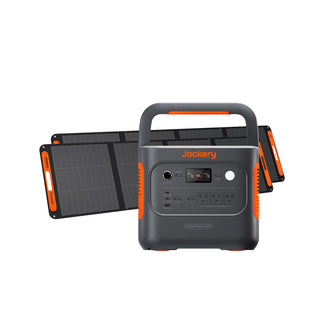
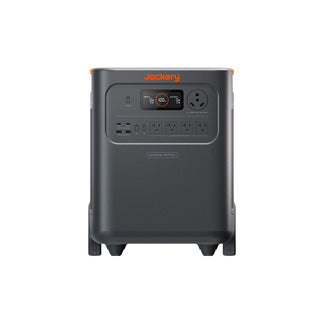
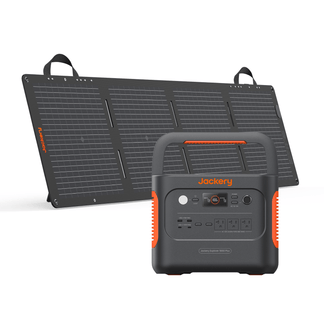
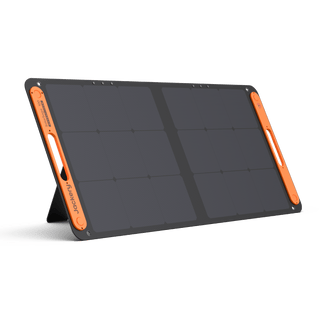
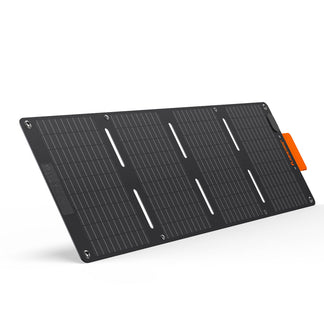
Jackery HomePower 3600 Plus + SolarSaga 500X |
3,584 Wh |
Up to 43 kWh |
3,600 W |
7,200 W |
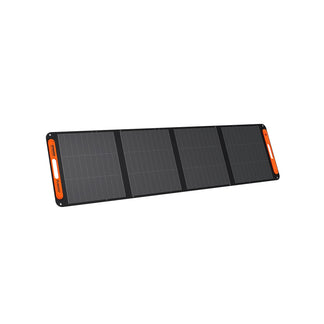
500W SolarSaga Panel |
30dB silent indoor operation; 6,000+ cycle LiFePO4 cells. |
|
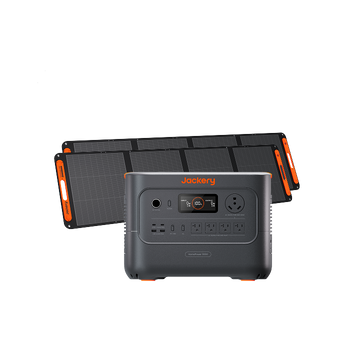
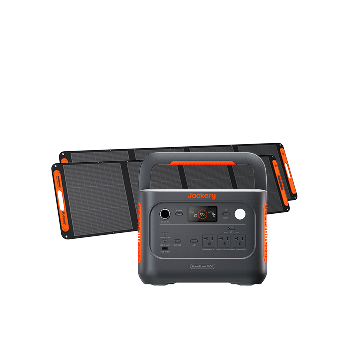
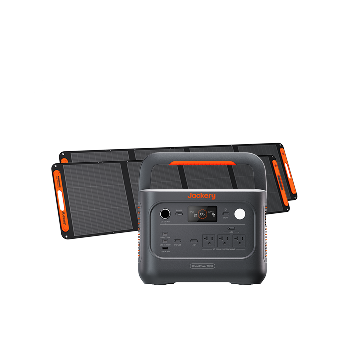
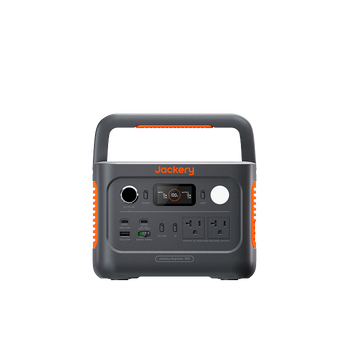
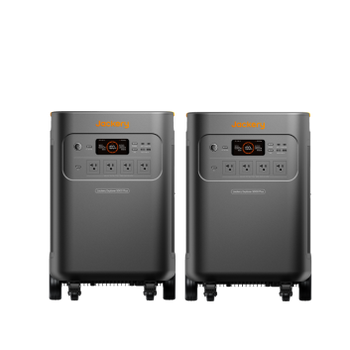
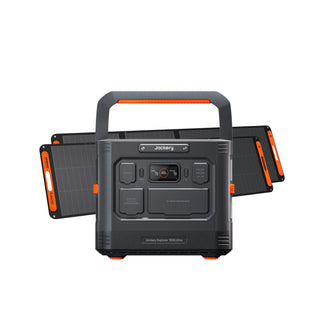
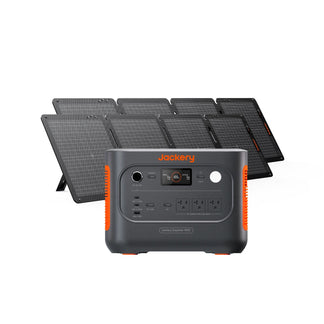
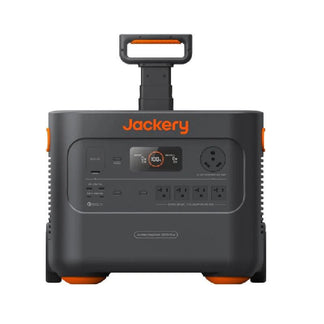
Jackery Solar Generator 5000 Plus |
5,040 Wh |
Up to 60 kWh |
7,200 W |
14,400 W |
1,000W Bifacial (2x500W) |
True 240V split-phase output; compatible with Smart Transfer Switches. |
|
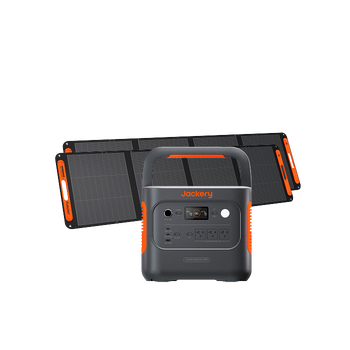
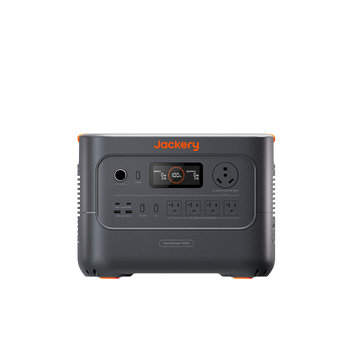
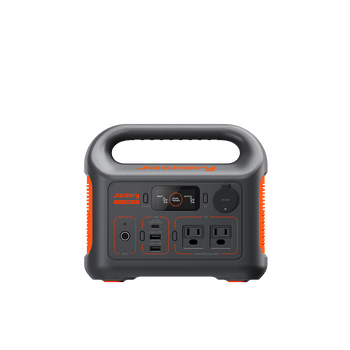
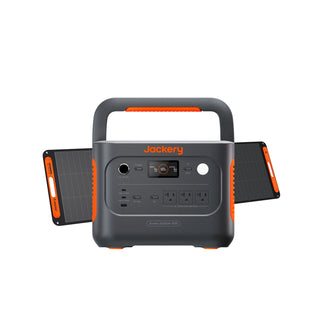
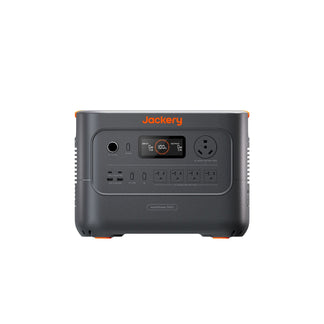
Jackery Explorer 2000 v2 |
2,042 Wh |
N/A |
2,200 W |
4,400 W |
Optional (sold separately) |
1.7-hour AC fast charging; compact 39.5-pound design. |
Product Feature Spotlights:
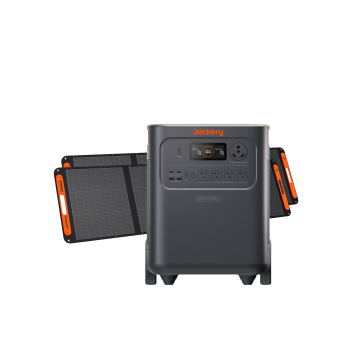
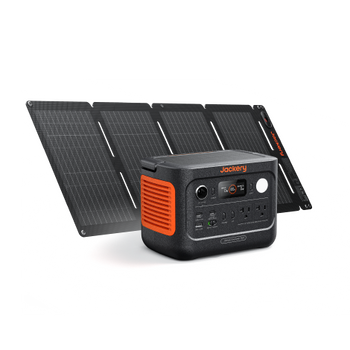
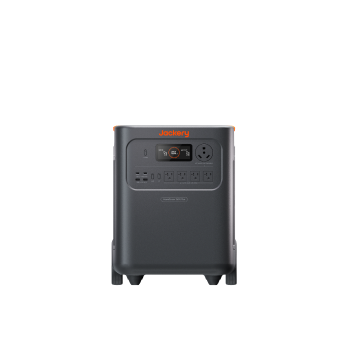
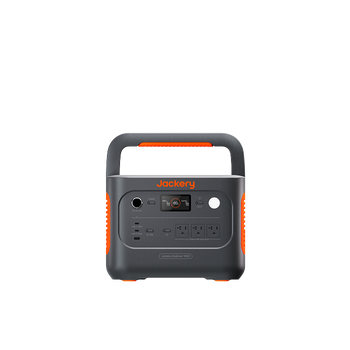
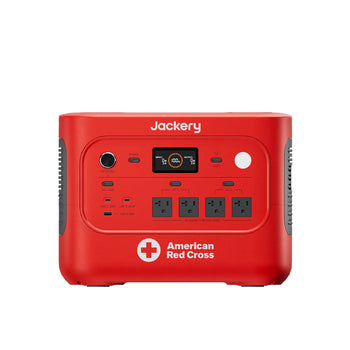
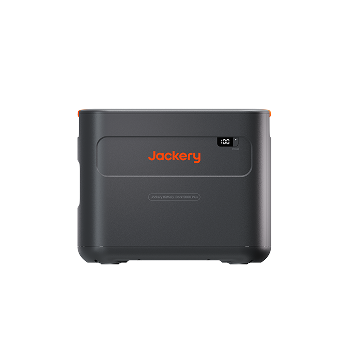
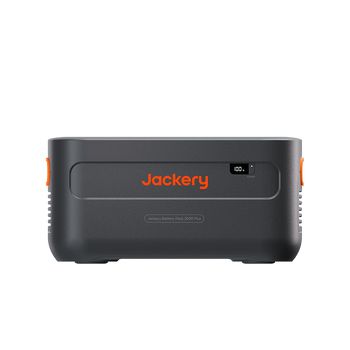
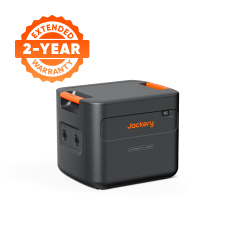
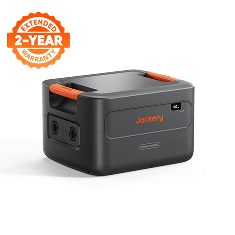
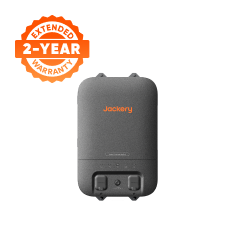
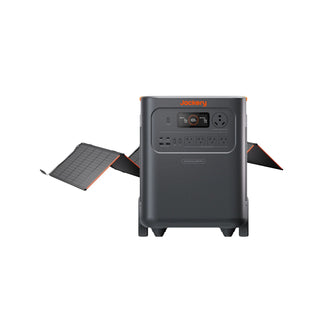
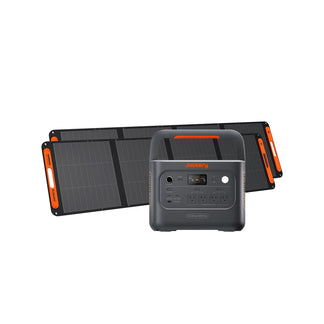
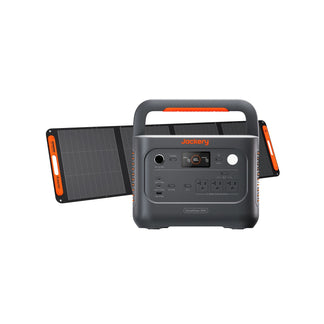
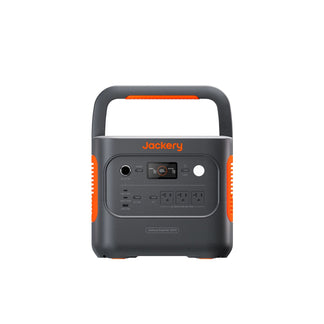
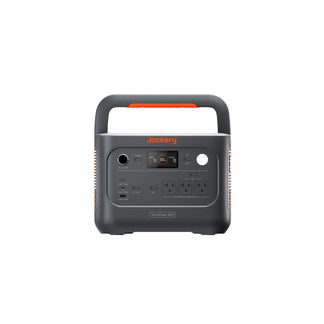
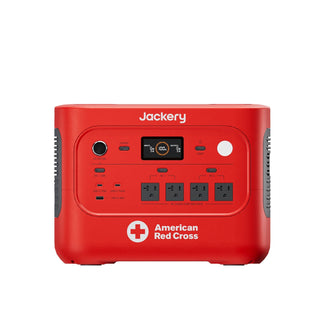
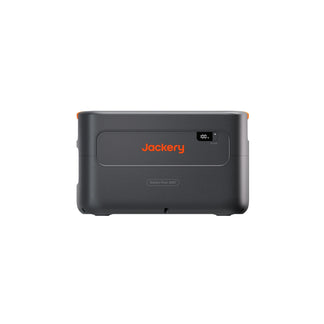
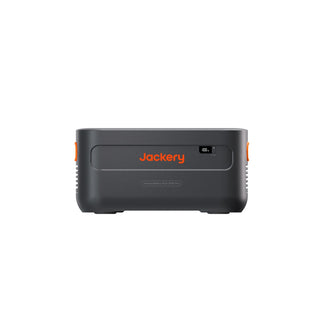
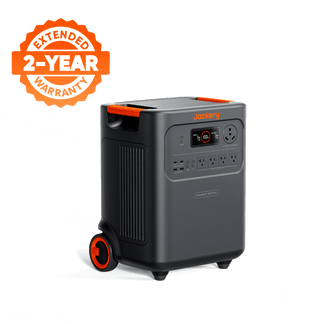
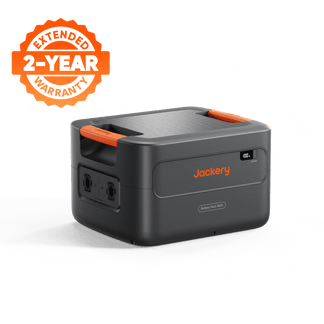
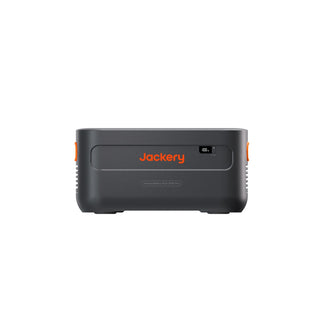
Jackery Solar Generator HomePower 3600 Plus: Packs a 3,584Wh capacity, expandable to 43 kWh with extra battery packs. This system easily runs essential circuits during extended grid failures, delivering 3,600W of continuous power and 7,200W of surge headroom to start air conditioners, refrigerators, and sump pumps simultaneously.
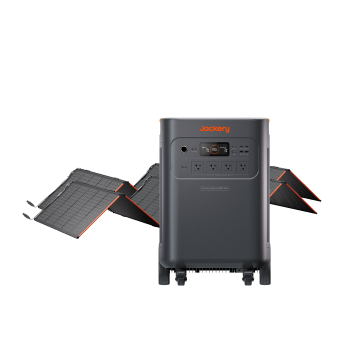
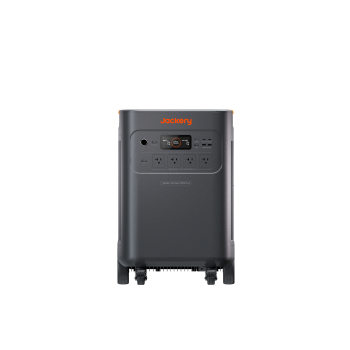
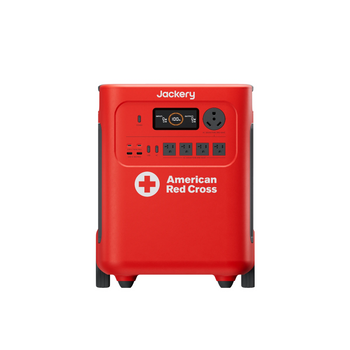
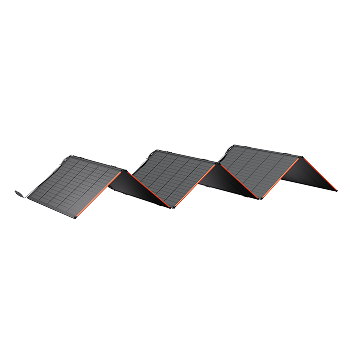
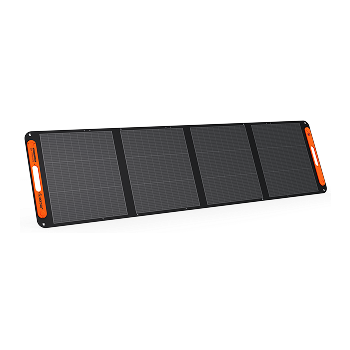
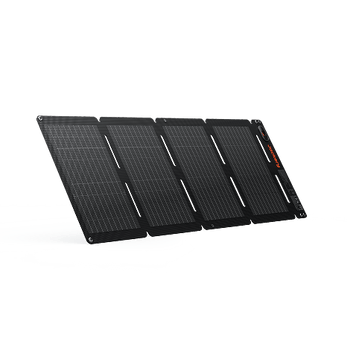
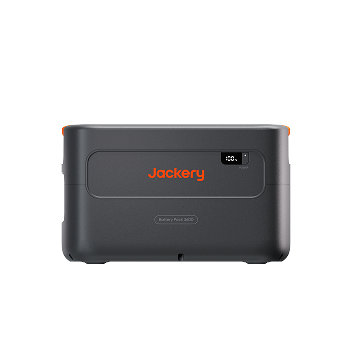
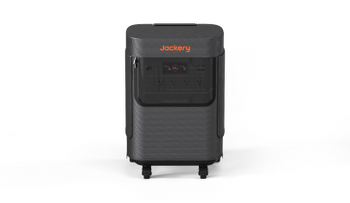
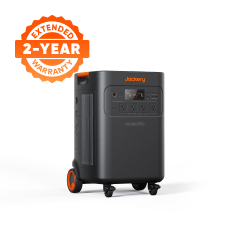
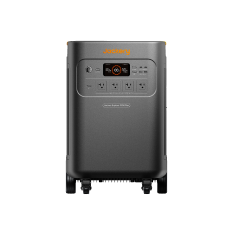
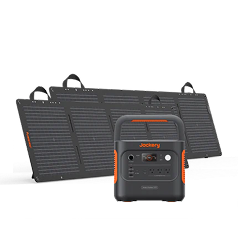
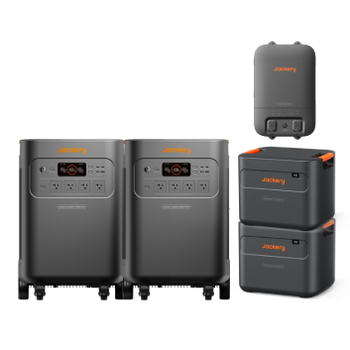
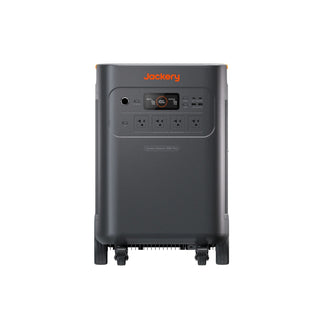
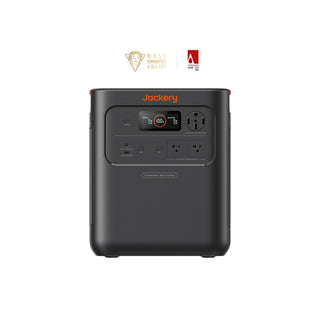
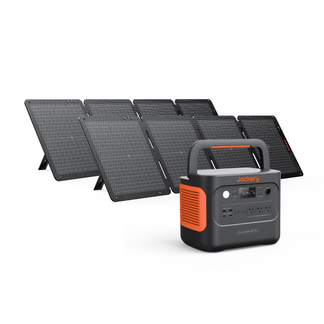
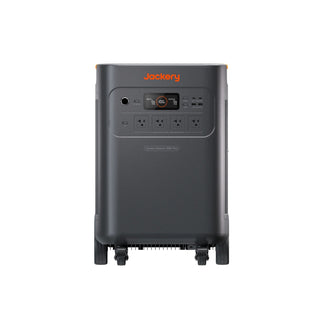
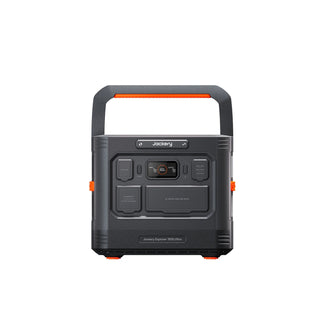
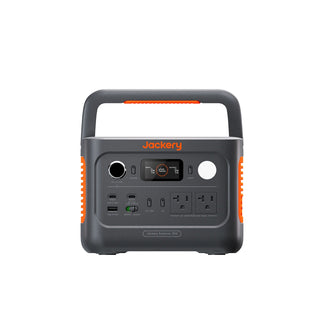
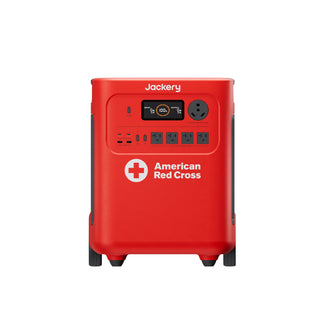
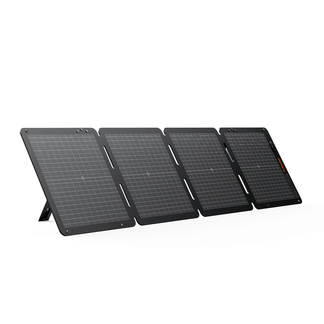
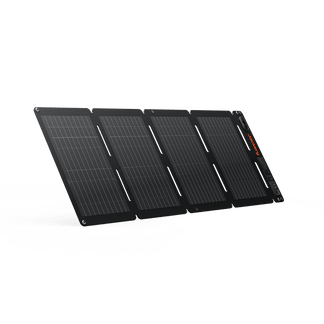
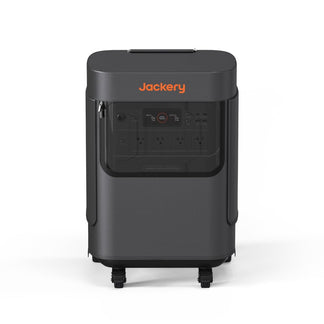
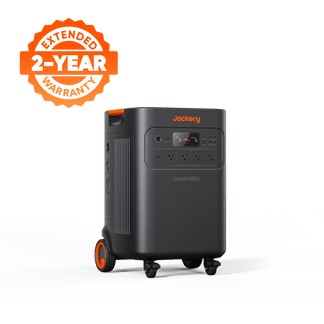
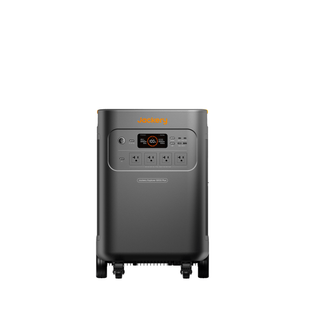
Jackery Solar Generator 5000 Plus: Delivers a 5,040Wh base capacity, expandable up to a massive 60kWh to cover multiple days of heavy household usage. Its 7,200W continuous output and 14,400W surge handle demanding 240V well pumps and central AC units. It includes two 500W bifacial SolarSaga panels and integrates seamlessly with home transfer switches.
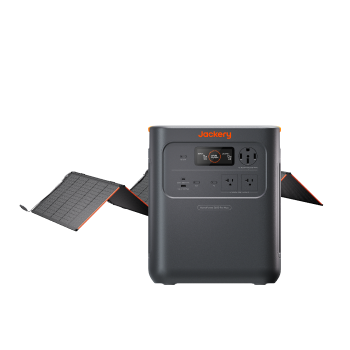
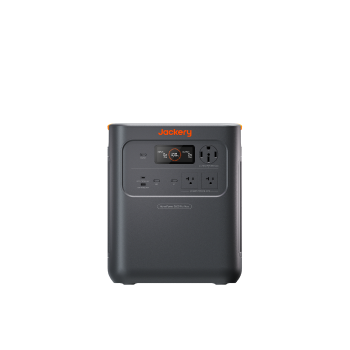
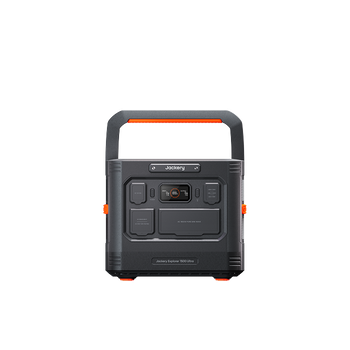
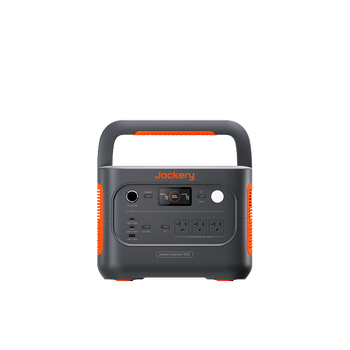
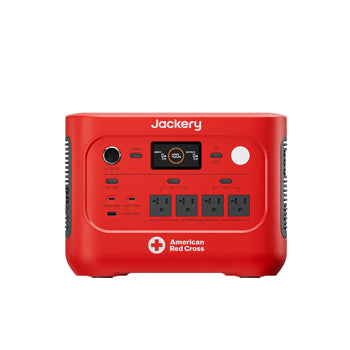
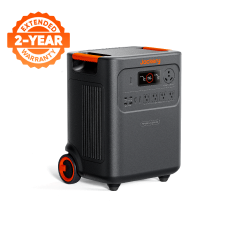
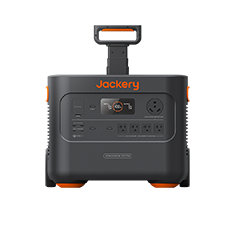
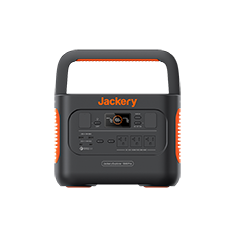
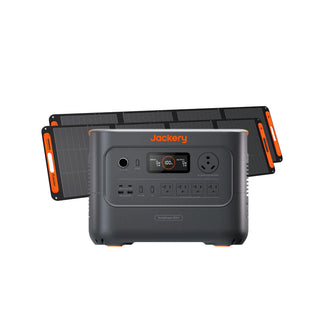
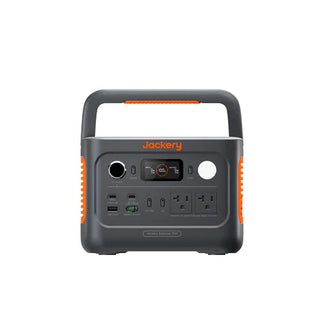
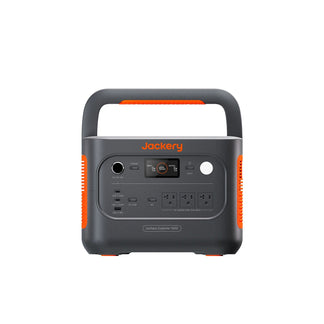
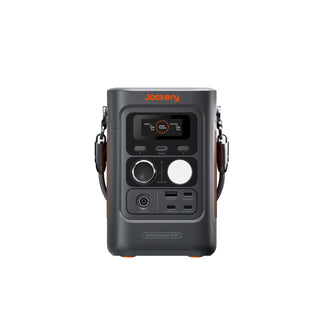
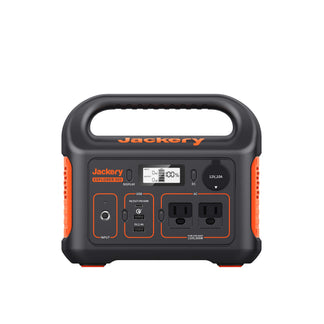
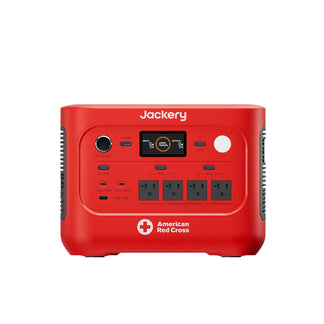
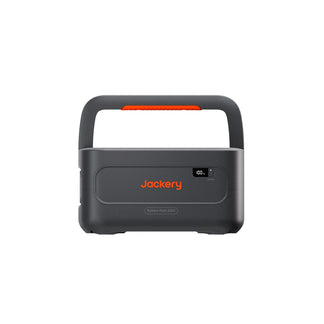
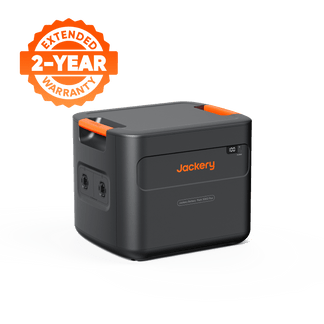
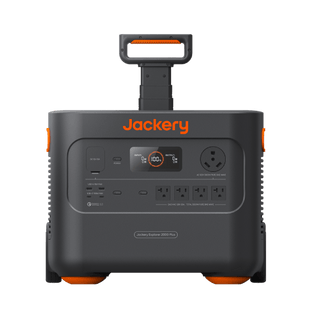
Jackery Explorer 2000 v2: A compact, 2,042Wh plug-and-play solution designed to keep refrigerators, lights, and routers running overnight. Its 2,200W pure sine wave inverter (4,400W surge) can run a microwave or space heater, and the battery recharges from empty in just 1.7 hours.
Installation and Redundancy Considerations
To maximize your modular system's reliability, consider these key operational parameters:
- Transfer Switch Integration: All three Jackery models support subpanel connection, but professional electrical installation is required to integrate the Solar Generator 5000 Plus with your home's breaker panel. To compare alternative systems, read our comprehensive overview of the best generator for home backup power.
- Warranty Protection: All models feature a robust 5-year (3+2) manufacturer warranty, though their stable LiFePO4 cells are engineered to operate far beyond this period.
- System Redundancy: Designing your system with an expandable modular architecture protects your home from under-sizing as your family's power demands or seasons shift.
- Smart Home Integration: If you utilize home automation, verify if your backup system supports MQTT or Home Assistant protocols to allow you to monitor battery state of charge and solar generation remotely.
Frequently Asked Questions from Homeowners
How big of a battery bank do I need for my house?
Sizing must be data-driven. Measure your actual daily kWh usage and your peak simultaneous start-up wattage, and then multiply that daily load by your desired days of off-grid independence. There is no shortcut for real energy monitoring data.
Can one system cover my entire service panel?
Only if the inverter's continuous output capacity matches your service panel's rating (e.g., a full 200A or 400A service). For most typical homes, it is far more cost-effective to use a critical-loads subpanel to back up selected, vital circuits.
Can I use DIY rack batteries instead of branded home batteries?
Yes, but only if your local municipal building department permits the installation of non-factory-assembled, non-UL listed hardware. In most US cities, utilizing factory-certified, UL 1973/9540 listed systems is required to pass electrical inspections.
Do I need solar panels to use a battery bank?
No. Your battery bank can operate as a standalone emergency backup, charging directly from standard utility power when grid rates are low. However, pairing your battery with solar panels allows you to recharge continuously during a prolonged blackout when grid power is unavailable.
Will this handle high-draw loads like a workshop or 400A service?
High-draw workshops require heavy-duty, split-phase inverters with a continuous output exceeding 7 kW. For massive 400A residential services, you will typically need to run multiple parallel inverter units or utilize advanced load-shedding subpanels.
What is the real installed cost versus the parts cost?
While the hardware components may cost between $5,000 and $15,000, you must factor in the expenses of professional electrician labor, local building permits, and a manual or automatic transfer switch, which will add an additional $5,000 to $15,000 to the total project cost.
In Summary: Building a home battery bank that actually performs when the grid goes dark isn't about buying the most expensive hardware on the market. It is about matching real-world electrical loads, complying with local safety codes, and sizing your inverters for startup surge rather than just running wattage. Get your initial load analysis right, and your backup system will keep your family safe and comfortable through any blackout.


