























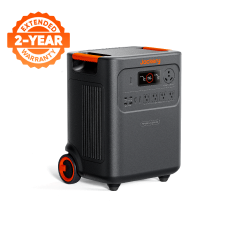
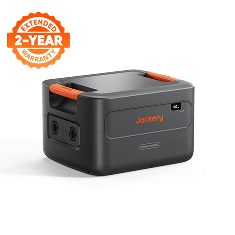

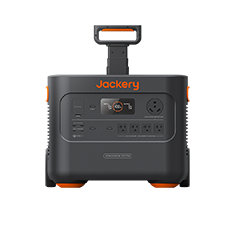






![[Add-on] Jackery SolarSaga 500 X - Jackery](http://www.jackery.com/cdn/shop/files/add-on-jackery-solarsaga-500-x-1493607.webp?v=1786503068&width=324)
![[Add-on] Jackery Battery Pack 5000 Plus - Jackery](http://www.jackery.com/cdn/shop/files/add-on-jackery-battery-pack-5000-plus-6713401.webp?v=1786503068&width=324)




























A computer's amp draw depends heavily on type and whether it has a dedicated graphics card. A standard laptop draws 0.13 to 0.5 amps at 120V. A basic desktop without a dedicated GPU draws 0.5 to 1.25 amps. A gaming desktop or workstation with a dedicated graphics card draws considerably more, typically 2.5 to 7 amps, since the GPU alone can account for more power than the rest of the system combined.
Ask ten people how many amps their computer uses, and you will get ten different answers, and most of them will be guessing based on the wrong number entirely. The wattage printed on a power supply is its maximum rated capacity rather than what the computer actually pulls while you are working. The real amp value depends almost entirely on one component: the graphics card, or the lack of one.
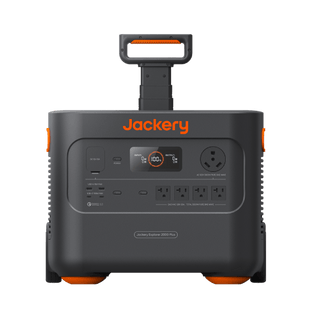
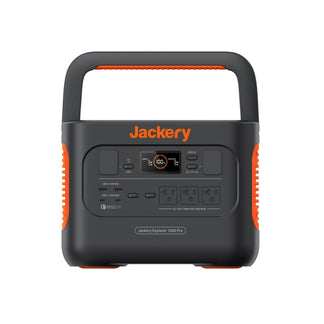
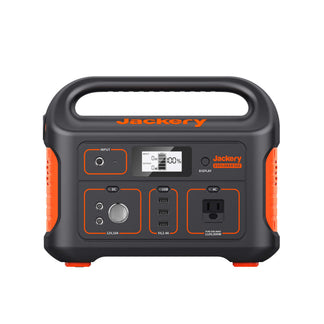
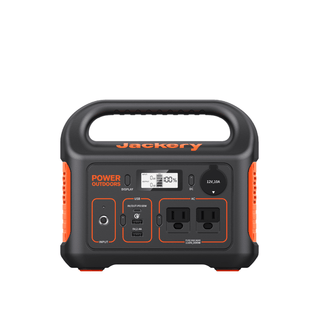
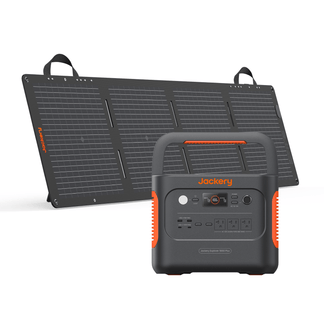
Jackery's compact solar generators are well suited to power a full desk setup with a monitor included so you don’t have to worry about working outdoors or when there is a power outage.
Key Takeaways
- A basic laptop draws 0.13 to 0.5 amps and a standard desktop without a dedicated graphics card draws 0.5 to 1.25 amps.
- A dedicated GPU is the single biggest factor in a computer's power draw. A gaming desktop or workstation with one can draw 2.5 to 7 amps, several times a basic setup.
- Computers don't have a meaningful startup surge like motor-driven appliances. The brief capacitor inrush at power-on lasts milliseconds.
- A power supply's wattage rating (e.g., "750W PSU") is its maximum capacity instead of its actual draw. In fact, most systems use well under that figure during normal work.

How Many Amps Does a Computer Use by Type?
A computer's amp draw depends heavily on its type and workload, ranging from as little as 0.13A for a thin-and-light laptop idling on battery-saver mode to over 7A for a high-end gaming workstation under full load. On a standard 120V outlet, most everyday computers draw well under 2 amps, while gaming desktops and workstations with dedicated GPUs can pull 2.5A to 7A or more during intensive tasks.
The table below breaks down realistic running wattage and amp draw for common computer types, based on typical usage rather than power supply unit (PSU) maximums, which are rated for peak load and rarely reflect day-to-day power draw.
|
Computer Type |
Wattage |
Amp Draw |
|
Thin-and-Light Laptop |
15-60W |
0.13-0.5A |
|
Gaming Laptop (Dedicated GPU) |
100-230W |
0.83-1.92A |
|
Basic Desktop (No Dedicated GPU) |
65-150W |
0.54-1.25A |
|
Mid-Range Gaming Desktop |
300-500W |
2.5-4.17A |
|
High-End Workstation/Gaming PC |
500-850W |
4.17-7.08A |
|
Standard Monitor |
20-60W |
0.17-0.5A |
A CPU handles general processing and typically draws a modest, fairly stable amount of power. A dedicated graphics card, by contrast, can draw anywhere from 75 to 450+ watts on its own during demanding tasks like gaming, video rendering, or 3D work, which is often more than every other component in the system combined.
This is the real reason "desktop" and "gaming desktop" belong in completely different rows on any amp chart. Two computers with identical CPUs, RAM, and storage can differ by 300+ watts purely based on whether one has a dedicated graphics card and the other relies on integrated graphics.
How Many Amps Does a Computer with 80 Plus Certification Draw?
An 80 Plus certified computer draws between 0.7 amps and 7.5 amps from a wall outlet, depending on the system's actual power usage and your local wall voltage (120V). The 80 Plus label guarantees at least 80% efficiency, meaning the system only wastes a fraction of power as heat rather than fixing a rigid amp draw.
80 Plus certification (Bronze, Gold, Platinum, Titanium) rates how efficiently a power supply converts AC power from the wall into the DC power your components actually use. A higher-rated PSU wastes less energy as heat during that conversion.
In practice, a Gold-rated power supply might convert power at roughly 90% efficiency under typical load, compared to 82% for a base-certified unit. This means two computers with identical components can draw noticeably different amounts from the wall purely based on power supply quality.
How Many Amps Does a Computer Draw on Startup?
Computers don't have the kind of motor-driven startup surge you would see in a refrigerator or air conditioner. A power supply does draw a brief inrush of current as its internal capacitors charge, but that spike lasts a few milliseconds. Computers have a 2-3x surge associated with compressor or motor startup.
For practical purposes, a computer's startup draw and running draw are close enough to treat as the same number when sizing a circuit or a backup power station.
How to Calculate Your Computer Amps?
You should check for an Energy Star label or spec sheet first to find the computer draw. Many computers list typical power consumption directly, separate from the power supply's maximum rating.
If you don’t find the amp draw on the spec sheet, you can convert wattage to amps. For example, a computer drawing 350W on a 120V circuit pulls:
350W ÷ 120V = 2.9 amps
Another alternative method to check the amp draw is by using a plug-in power meter for a live reading. This is the only way to see real draw during actual work versus idle time, since the gap between browsing and gaming or rendering can be significant.
Can a Solar Generator Run a Computer and Monitor?
Yes, a solar generator can run your computer and monitor comfortably. Since even a demanding gaming desktop with a dedicated GPU rarely exceeds 850 watts, and a monitor adds only modest additional draw, most Jackery Solar Generators can handle a full desk setup without strain. The real question is not: Can Jackery power a computer. Instead, it is how many hours or how long will a Jackery run a laptop, computer, and tablet from a single charge, which comes down to total battery capacity.
Software engineer Joseph Schentrup approached backup power the way he approaches everything: methodically. After repeated outages disrupted client calls and mid-project coding sessions, he researched wattages and system diagrams before landing on a Jackery Explorer 5000 Plus with a smart transfer switch, wired specifically to keep his garage-turned-office running without interruption. The real test came mid-code: the lights flickered, but his computer never blinked. For an engineer who values open, non-proprietary systems that just work, that seamless continuity mattered as much as the backup itself. Check out more Jackery Stories to see how other remote workers keep their setups running through outages.
Recommended Jackery Solar Generators for Different Computers
Not all computers draw power the same way, and neither do the situations that call for backup power in the first place. A student working remotely during a campus-wide outage has very different needs than a freelancer running a desktop workstation from an off-grid cabin, a gamer setting up a rig at a LAN event with no wall outlet nearby, or a remote worker who simply can't afford downtime when a storm knocks out the grid mid-workday.
Laptops draw relatively little power and can run for days on a single charge, while desktops, gaming PCs, and multi-monitor setups demand far more continuous wattage, which means the right Jackery Solar Generator really depends on what you are plugging in. This makes the solar generators just as useful for digital nomads working from an RV as it is for households that need to keep a home office running through an extended blackout, or hobbyists who don't want a power outage to interrupt a build, render, or gaming session.
Here are some of the best battery backups for computers that fit different computer types and power needs, so your setup stays running no matter where you are working from.
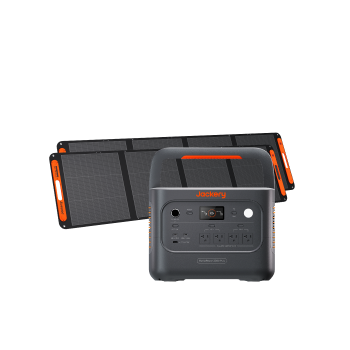
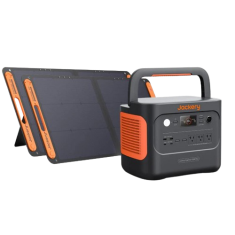
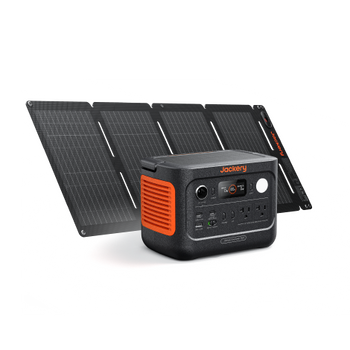
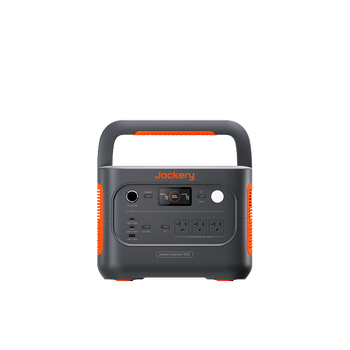
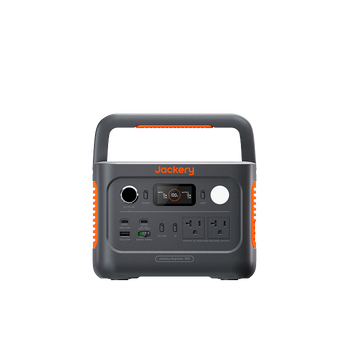
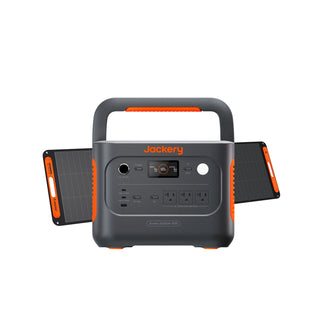
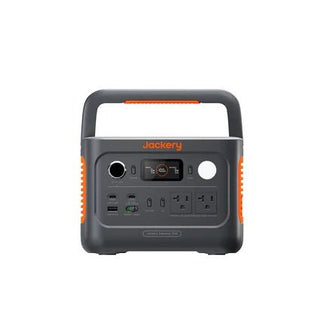
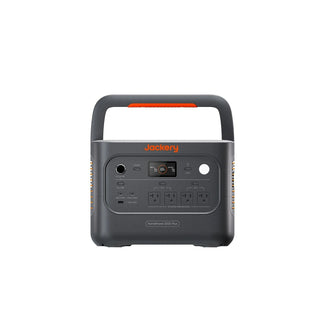
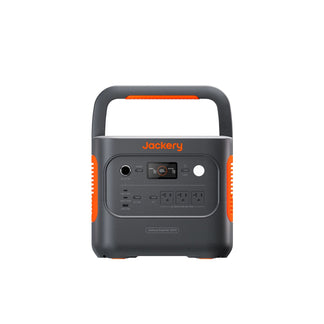
Jackery Solar Generator 600 v2
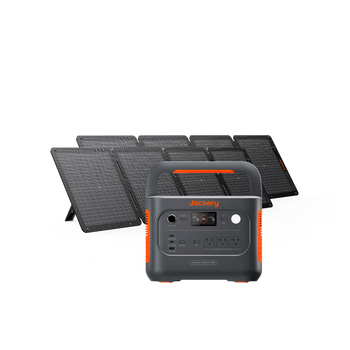
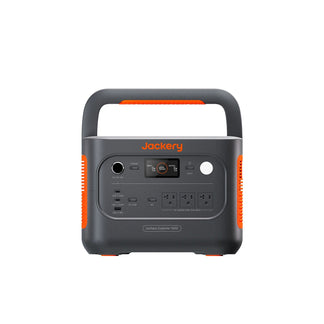
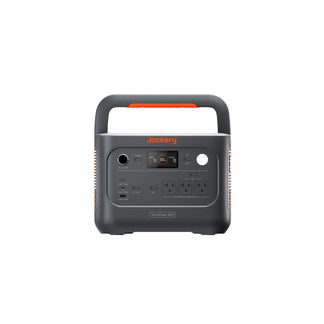
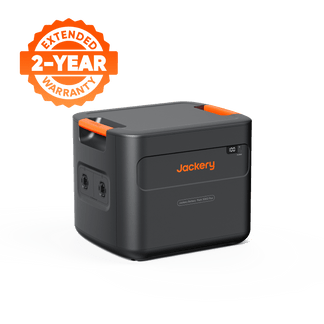
For a single laptop, whether for remote work, school, or travel, the Jackery Solar Generator 600 v2 delivers far more runtime than a typical workday needs. This computer power supply source is light enough to carry outdoors alongside the laptop itself, and its USB-C native design means it can charge many modern laptops directly without a separate charging brick. Whether you are at a coworking day at a location with unreliable outlets or a full day of coursework away from campus, the Jackery Solar Generator 600 v2 is the setup that keeps a single laptop or computer running without a second thought.
Appliances Running Time
- Thin-and-Light Laptop (15W) = 21.0H
- Gaming Laptop (100W) = 4.8H
- Basic Desktop (65W) = 7.0H
- Mid-Range Gaming Desktop (300W) = 1.7H
- High-End Workstation/Gaming PC (500W) = 1.0H
Who Should Buy This
The Jackery Solar Generator 600 v2 is ideal for remote workers, students, and digital nomads running a single laptop or computer who want a lightweight power source that doubles as short-outage backup at home.

Customer Review
The Jackery 600 v2 was tested on something small such as a 34 in TV, a router and a PS4 from a surge protector plugin with minimal game play mostly YouTube just to see power consumption. At just a little bit over 100 volts the Jackery 600 v2 lasted 6 hours, and charged in 2 1/2 hours. Even at a full drain to 0% with another test also charged in 2 1/2 hours from a wall outlet. Thank you Jackery for this little powerhouse.
— Forever G.
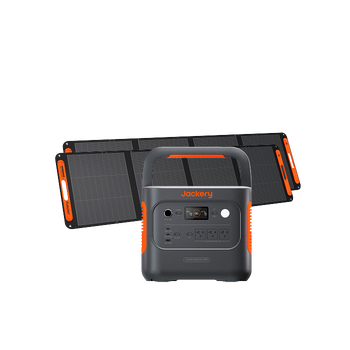
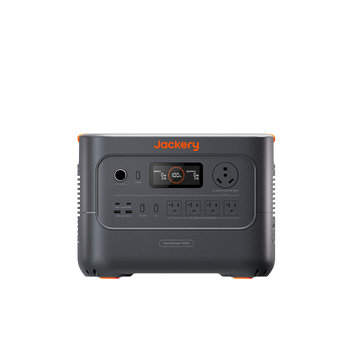
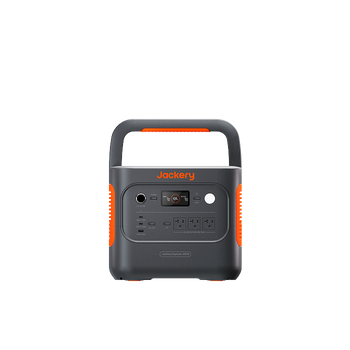
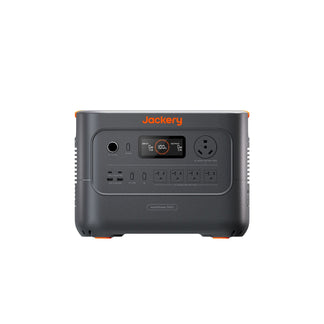
Jackery Solar Generator 1000 v2
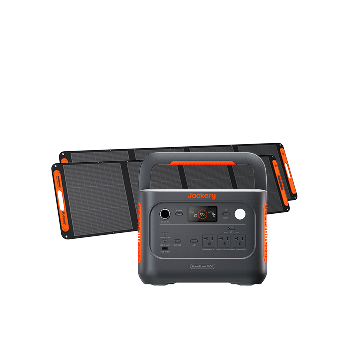
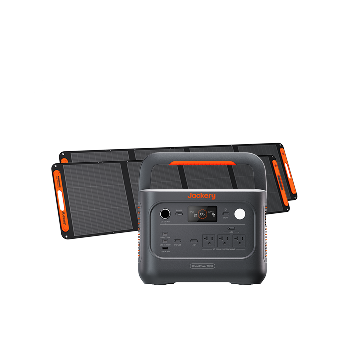
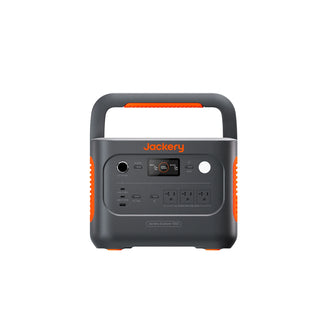
If you have a full home office setup with a desktop, a monitor, and the usual peripherals, the Jackery Solar Generator 1000 v2 provides enough capacity to work through a full day without recharging, or to keep a basic desktop running through a multi-hour outage without interruption. This is the difference between an outage meaning a lost workday and simply relocating your desk setup to battery power without missing a meeting.
Appliances Running Time
- Thin-and-Light Laptop (15W) = 29.2H
- Gaming Laptop (100W) = 7.6H
- Basic Desktop (65W) = 11.0H
- Mid-Range Gaming Desktop (300W) = 2.8H
- High-End Workstation/Gaming PC (500W) = 1.7H
Who Should Buy This
The Jackery Solar Generator 1000 v2 is ideal for anyone running a desktop-and-monitor home office setup who wants a full workday's worth of runtime from a single charge.

Customer Review
The backup power supplies (Jackery 1000 v2) are doing the job well so far. Thankfully we haven’t lost power yet, but I let them power the fridge and freezer for a handful of cycles and they worked. When I disconnected from the grid power the backups maintained power flawlessly.
— Anonymous.
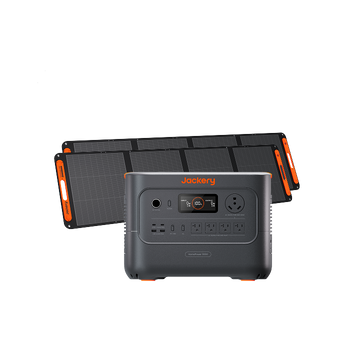
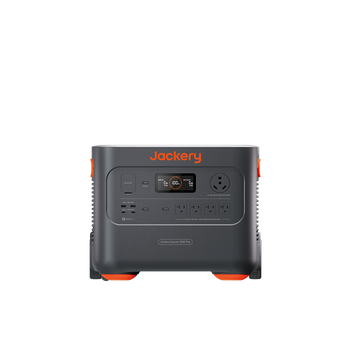
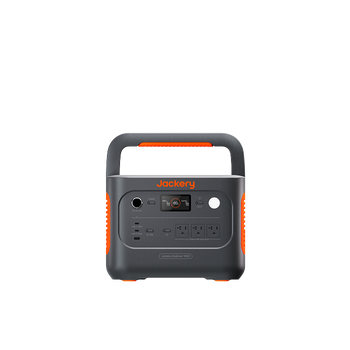
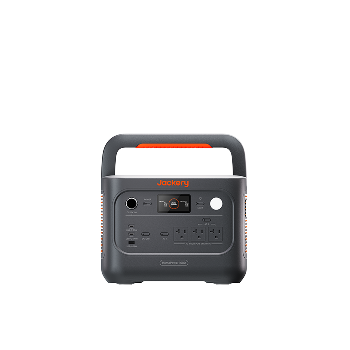
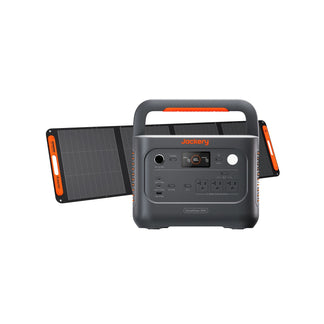
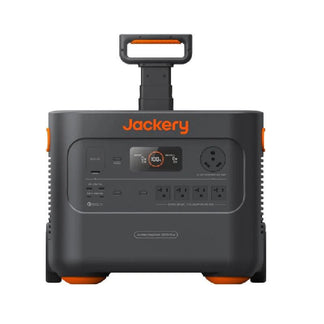
Jackery Solar Generator 1500 v2
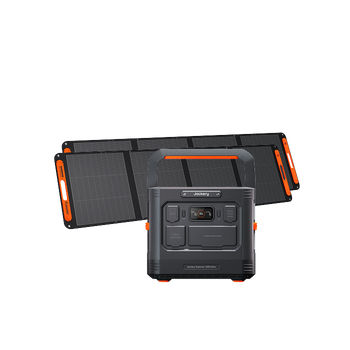
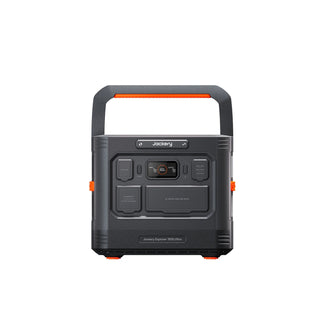
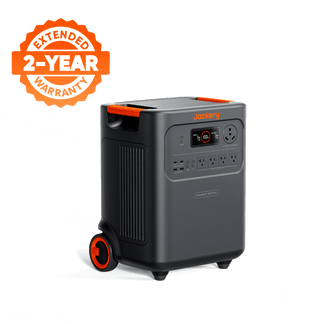
For a gaming desktop or workstation with a dedicated GPU, the higher continuous output and larger capacity of the Jackery Solar Generator 1500 v2 comfortably covers the heavier draw without running close to its limit. It can even run computers during demanding, GPU-intensive sessions. For anyone whose income or hobby depends on a powerful rig for video editing, 3D rendering, or competitive gaming, this is the headroom that keeps a GPU-heavy session from being cut short mid-project.
Appliances Running Time
- Thin-and-Light Laptop (15W) = 38.2H
- Gaming Laptop (100W) = 10.7H
- Basic Desktop (65W) = 15.2H
- Mid-Range Gaming Desktop (300W) = 4.0H
- High-End Workstation/Gaming PC (500W) = 2.4H
Who Should Buy This
The Jackery Solar Generator 1500 v2 is ideal for gamers, video editors, and anyone running a dedicated-GPU system who needs headroom well above a basic office setup's power draw.

Customer Review
The power went out for 4800 customers in our area. I had to remind my husband that we had a Jackery Explorer 1500 v2. It even has a light on the front. He hooked it up to the fridge, toaster, his phone, and I’m not sure what else. He said he was impressed by everything that the Jackery would run.
— Jennifer W.
Should I Use a UPS or a Solar Generator for My Computer?
Both UPS and solar generators solve different problems, and it is worth knowing which one you actually need. A traditional UPS (uninterruptible power supply) is built for very short bridging power, which is enough to save your work and shut down cleanly during a brief outage, typically lasting minutes on battery.
A solar generator solves a different problem entirely. It offers sustained runtime through hours of an outage. For anyone who needs to keep working through an extended outage rather than just avoiding data loss during a brief one, a solar generator is the more complete solution.
One distinction worth remembering: a UPS is primarily about protecting against data loss and hardware damage from a sudden power cut. A solar generator is about continuing to actually use the computer. If your priority is finishing a workday rather than just saving an open document, the solar generator is doing the heavier lifting.
Jackery Solar Generators with built-in UPS support ensure critical devices, such as computers, don’t completely shut down during an instant power cut. With a large battery capacity, these portable solar battery backup solutions can keep the devices running for long hours.
How Much Does It Cost to Run a Computer?
A basic desktop averaging 100 watts running 8 hours a day uses about 0.8 kWh daily, or roughly 292 kWh a year. At a typical US rate of $0.18 per kWh, that is about $52.56 annually. A gaming desktop averaging 400 watts under the same schedule costs closer to $210.24 a year. It is a meaningful gap driven almost entirely by the GPU.
Here is the formula to calculate how much does it cost to run a computer:
Cost = [(Watts * Hours Used Per Day) / 1000] * Electric Rate * Days
How to Reduce Computer's Electricity Use?
If you want to reduce your computer's electricity use, adjust your operating system's power plan to "Balanced" or "Energy Saver" mode, lower your monitor brightness, and set short idle timers for screen-off and sleep states. Additionally, unplug peripherals and use a smart power strip to eliminate standby power draw when the system is off. Here are some ways to reduce the computer’s electricity use:
Enable Sleep Mode: When your computer is sitting idle, enable sleep mode rather than leaving a system fully active when you step away, even briefly.
Cap Frame Rates on Games that Don't Need to Run Uncapped: A GPU rendering 240 frames per second when your monitor only displays 60 draws meaningfully more power for no visible benefit.
Choose an Energy Star-Certified System When Upgrading: These meet efficiency standards that go beyond a typical off-the-shelf build.
Reduce Monitor Brightness: Lower the brightness, especially on larger or high-refresh displays, since backlight power is a real and often overlooked contributor to overall desk power draw.
Unplug Inactive Docking Stations and Peripherals: If you are not actively using any docking stations or peripherals, consider unplugging them. While the change is small, the value can increase across a fully connected desk setup.
Choose a Laptop Over a Desktop When Portability Matters as Much as Performance: Laptops are engineered for battery efficiency in a way most desktops simply aren't, often drawing a fraction of a comparable desktop's power for similar everyday tasks.
FAQs
How many amps does a gaming PC use?
A gaming desktop with a dedicated GPU typically draws 2.5 to 7 amps at 120V, depending on how demanding the graphics card and CPU are.
Does a 750-watt power supply mean my computer uses 750 watts?
No, a 750-watt power supply does not mean your computer uses 750 watts. 750-watt PSU is the power supply's maximum rated capacity rather than the typical draw. Most systems use well under that during normal use, reaching closer to the full rating only during sustained, demanding tasks.
How many amps does a laptop charger use?
Most laptop chargers draw 0.13 to 0.5 amps at 120V, depending on the laptop's wattage, which typically ranges from 15 to 60 watts for non-gaming models.
Can a solar generator run my computer during a power outage?
Yes, a solar generator can easily run a computer during a power outage, depending on how many watts does a computer use and the battery capacity of the generator. Even a demanding gaming desktop with a monitor stays well within the continuous output of a mid-size solar generator.
Is it better to leave my computer on sleep mode or shut it down during short breaks?
For breaks under a few hours, sleep mode's 1-5 watt draw is negligible compared to the convenience of instant wake, and the energy difference versus a full shutdown is too small to matter for typical use.
How many amps does a 1000 watt computer use?
A 1000-watt computer plugged into a standard 120-volt outlet draws about 8.3 amps of pure electrical output, but it will actually pull roughly 9 to 11 amps from the wall socket once you factor in power supply efficiency losses.
How many computers can run on a 20 amp circuit?
A standard 120-volt, 20-amp circuit safely supports 4 to 8 computers. The exact number depends on the 80% continuous load safety rule (16 amps or 1,920 watts max) and whether you are running basic office laptops or heavy gaming desktops.
Conclusion
Computer amp draw comes down almost entirely to one question: does the system have a dedicated GPU? That single factor explains more of the variation between setups than anything else on this page. Depending on the power draw of the computer and other basic devices you are planning to run simultaneously, you can choose the right size of the battery backup solution. For example, if you are running a computer during short outages at home, the Jackery Solar Generator 600 v2 is an ideal solution. On the other hand, the Jackery Solar Generator 1500 v2 is ideal for those who want to run a full work-from-home setup.


