
































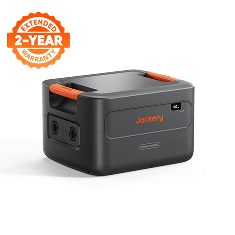

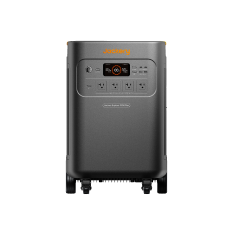
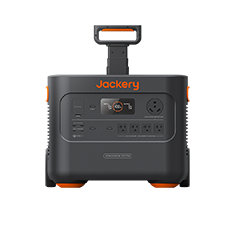
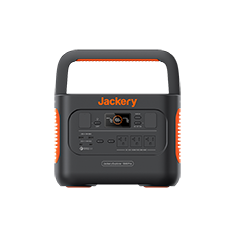
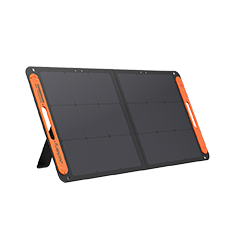





![[Add-on] Jackery SolarSaga 500 X - Jackery](http://www.jackery.com/cdn/shop/files/add-on-jackery-solarsaga-500-x-1493607.webp?v=1786503068&width=324)
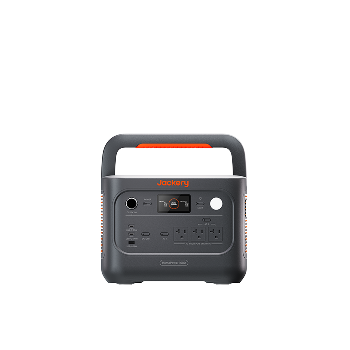
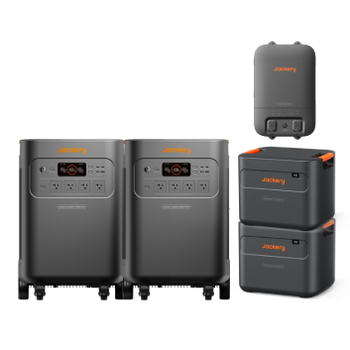
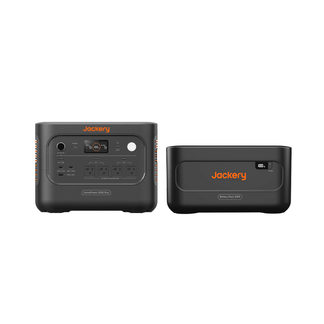
![[Add-on] Jackery Battery Pack 5000 Plus - Jackery](http://www.jackery.com/cdn/shop/files/add-on-jackery-battery-pack-5000-plus-6713401.webp?v=1786503068&width=324)

















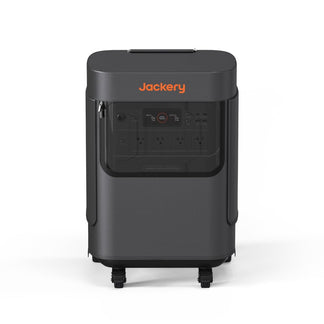





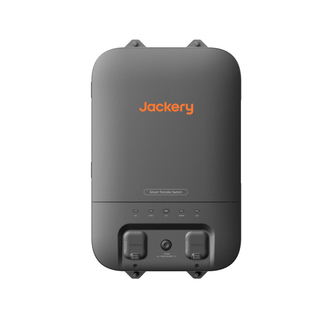













Desktop computers draw between 200 and 500 watts depending on hardware configuration, while laptops typically consume 30 to 150 watts. The exact figure for any individual setup depends on the processor, GPU, storage type, connected peripherals, and current usage mode, which is why the power supply's maximum output rating is not a useful benchmark for actual energy consumption. The PSU shows maximum capacity and not typical draw.
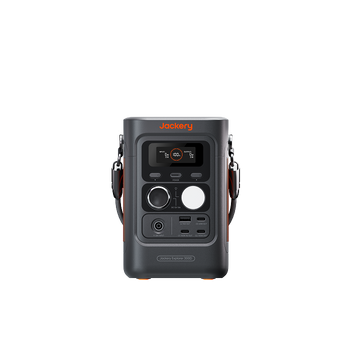
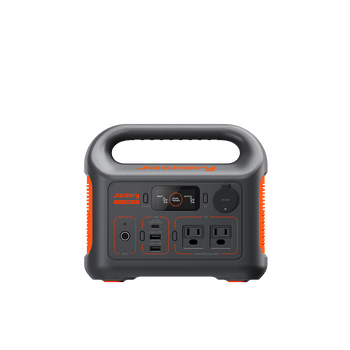
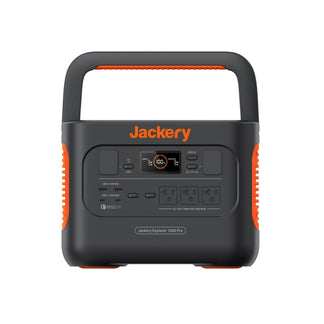
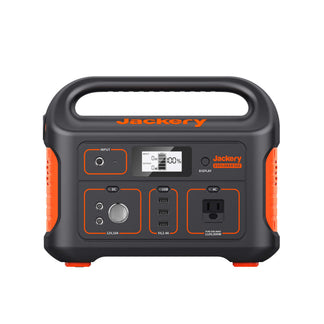
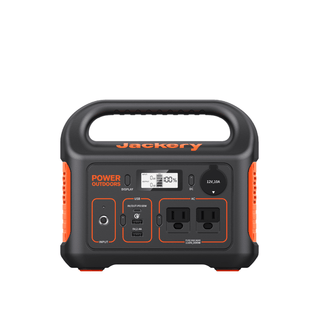
Understanding how many watts a computer uses lets you calculate your monthly electricity cost, and determining which solar generator can realistically run your workstation during an outage or in a location without grid access. The Jackery Solar Generators available in different sizes are purpose-matched to different computer setups, ranging from a lightweight laptop with minimal peripherals to a full desktop workstation with dual monitors and external drives.
Key Takeaways
- A desktop computer with speakers and a printer draws approximately 200 watts during active use. Laptops draw 30 to 100 watts depending on model and task intensity.
- Running a desktop (200W) for 8 hours daily consumes approximately 600 kWh annually. A laptop (30-100W) on the same schedule uses 150 to 300 kWh per year.
- If you want to calculate how long will a Jackery run a laptop, computer, or tablet, you can consider using the Running Time Calculator on the Jackery Buying Guide page or on the specific product pages.
- Desktop computers have a startup surge when first powered on, typically 2 to 3 times the running wattage for a brief moment. Verify your solar generator's surge output exceeds this before use.
- Using a solar generator to power your computer eliminates electricity costs for that usage and provides reliable backup during outages.
How Many Watts Does a Computer Use?
The typical computer draws 200 to 500 watts, but this range covers an enormous variety of hardware. The number varies with every hardware configuration. Measuring real-world consumption with a plug-in watt meter is the most accurate method.
|
Computer |
Wattage |
Estimated Daily Use (8H) |
Daily Energy Draw (Wh) |
|
Microsoft Surface Laptop Go |
39W |
8H |
312Wh |
|
Samsung Galaxy Chromebook 2 |
45W |
8H |
360Wh |
|
Samsung Galaxy Book Go |
45W |
8H |
360Wh |
|
Samsung Chromebook 4+ |
45W |
8H |
360Wh |
|
Dell Inspiron 14″ |
65W |
8H |
520Wh |
|
Dell Inspiron 15 (3000) |
45W |
8H |
360Wh |
|
Dell Inspiron 15 (7000) |
90W |
8H |
720Wh |
|
Dell Inspiron 17″ |
90W |
8H |
720Wh |
|
Dell XPS 15 |
130W |
8H |
1,040Wh |
|
Dell G15 Gaming Laptop |
180W |
8H |
1,440Wh |
|
Asus ROG Zephyrus 15 |
200W |
8H |
1,600Wh |
|
HP Laptops |
45–150W |
8H |
780Wh avg |
|
Acer Laptops |
45–180W |
8H |
900Wh avg |
|
Lenovo Flex 3 |
45W |
8H |
360Wh |
|
Lenovo Chromebook 3 |
45W |
8H |
360Wh |
|
Lenovo IdeaPad 3 |
65W |
8H |
520Wh |
|
Lenovo Yoga |
65W |
8H |
520Wh |
How Many Watts Does a Computer Monitor Use?
Monitor power consumption depends on two primary variables: screen size and panel technology. Typical wattage ranges from 20W for a compact LED monitor to over 100W for a large plasma or CRT display.
|
Monitor Type |
Typical Wattage Range |
Notes |
|
LED (15–24 inch) |
20–40W |
Most energy-efficient technology |
|
LCD (24–32 inch) |
30–60W |
Common for home and office use |
|
LED (32–43 inch) |
40–80W |
Larger displays scale higher |
|
CRT (legacy) |
60–130W |
Older technology; rarely used today |
|
Plasma (legacy) |
80–200W |
Highest power draw; now discontinued |
For a dual-monitor setup using two 27-inch LED displays at 40W each, the combined monitor draw adds 80W to your total system wattage. It is a meaningful addition when sizing a solar generator for a complete workstation.
How to Calculate Your Computer's Electricity Cost
Once you know your computer's wattage, calculating how much does it cost to run a computer is straightforward:
Daily Cost = (Computer Wattage × Daily Use Hours ÷ 1,000) × Electricity Rate ($/kWh)
For a 200W desktop running 8 hours per day at the US average rate of $0.1883/kWh: 200W × 8H ÷ 1,000 × $0.1883 = $0.30 per day, or approximately $108 per year.
The table below shows monthly and annual electricity costs across major US states for a 200W desktop running 8 hours daily:
|
State |
Average Electricity Rate |
Cost Per Month |
Cost Per Year |
|
California |
35.25¢/kWh |
$16.92 |
$203.04 |
|
New York |
29.45¢/kWh |
$14.14 |
$169.63 |
|
Texas |
16.99¢/kWh |
$8.16 |
$97.86 |
|
Massachusetts |
29.45¢/kWh |
$14.14 |
$169.63 |
|
Florida |
15.38¢/kWh |
$7.38 |
$88.59 |
|
Virginia |
17.38¢/kWh |
$8.34 |
$100.11 |
|
New Jersey |
23.53¢/kWh |
$11.28 |
$135.36 |
|
Maryland |
22.07¢/kWh |
$10.59 |
$127.12 |
|
Washington |
14.36¢/kWh |
$6.89 |
$82.71 |
|
US Average |
18.83¢/kWh |
$9.04 |
$108.46 |
Source: U.S. Energy Information Administration (EIA). Actual rates vary by utility provider and rate plan.
For more information, you can check out our guide: How Much Does It Cost to Run a Computer.
What Factors Affect Computer Power Consumption?
Several variables, such as hardware configuration, usage mode, peripheral devices, cooling and fans, etc., determine how many watts a computer draws at any given moment:
Hardware Configuration: The CPU and GPU are the two biggest contributors to power draw. A workstation with a high-core-count processor and a discrete GPU under load draws significantly more than a budget system with integrated graphics doing the same light tasks.
Usage Mode: Computers draw much less in standby or sleep mode than during active use. A desktop consuming 200W at full load may draw only 2–5W on standby. Accounting for the proportion of time spent in each mode gives a more accurate picture of actual daily energy consumption.
Peripheral Devices: Every connected peripheral adds to total system draw. Two monitors, external speakers, a USB hub, an external hard drive, and a printer can collectively add 80–150W to the base computer consumption.
Cooling and Fans: Systems under sustained high load generate more heat, causing fans to spin faster and draw additional power. High-performance gaming systems with multiple case fans and liquid cooling components add measurable wattage beyond the CPU and GPU TDP figures.
Power Supply Efficiency: A lower-quality PSU operating at 70% efficiency wastes more electricity as heat than an 80 PLUS Gold-certified unit operating at 90% efficiency. The same system components draw more from the wall with a less efficient PSU.
How to Find Your Computer's Exact Wattage
There are three practical methods to find the computer’s exact wattage, such as plug-in watt meter, component TDP values, and online PSU calculators:
Method 1: Plug-in Watt Meter: The most accurate approach. Insert a device like a Kill A Watt meter between the wall outlet and your computer's power cable. It measures actual real-time consumption across different usage modes, such as gaming, video editing, idle, and standby, reflecting the operating draw under your actual conditions.
Method 2: Add Component TDP Values: Look up the Thermal Design Power (TDP) of your CPU and GPU on the manufacturer's specification page. Add these together, then add estimated wattage for storage (5–20W per drive), RAM (3–5W per stick), and motherboard (~50W). This gives a reasonable estimate of peak draw and not average draw.
Method 3: Online PSU Calculators: Online PSU calculators allow you to enter your exact component list and estimate realistic power draw at various load levels. Useful for planning purposes and for sizing a backup generator before purchase.
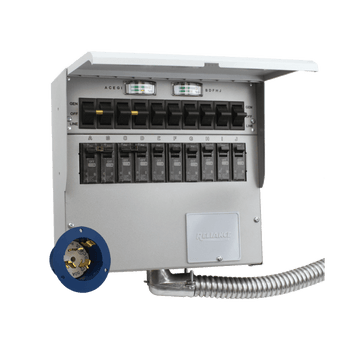
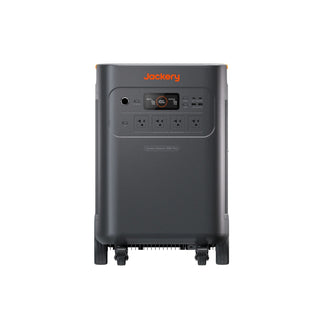
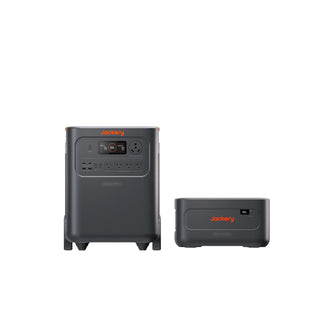
Joseph Schentrup is a software engineer in Florida who thought of power outages the way most Floridians do, as background noise, something you shrug off and work around. Then the flickers started hitting during client calls and mid-compile, and a 2 a.m. outage left his infant twins screaming in a house gone completely dark, and the calculation changed entirely. He researched and invested in the Jackery Explorer 5000 Plus with a professionally installed smart transfer switch. It now covers the circuits that matter most: his garage-turned-office, the kitchen, the kids' rooms, and his wife's workspace. The moment that confirmed the investment was not a hurricane but a routine flicker when the lights flickered, but his computer kept running. Explore more such Jackery Stories to see how people use their battery backup solutions.
Recommended Jackery Solar Generators for Computers
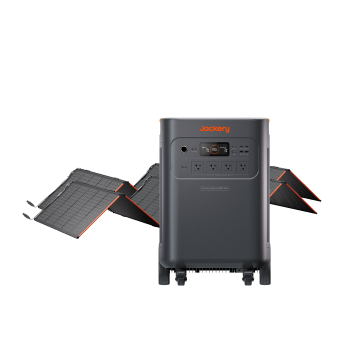
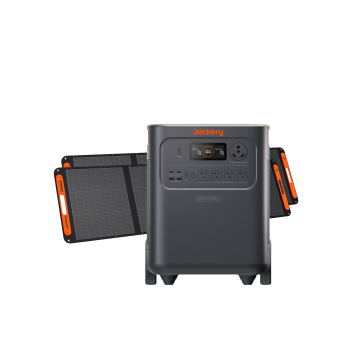
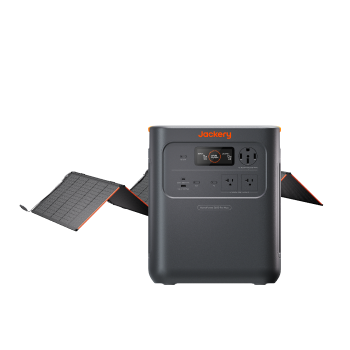
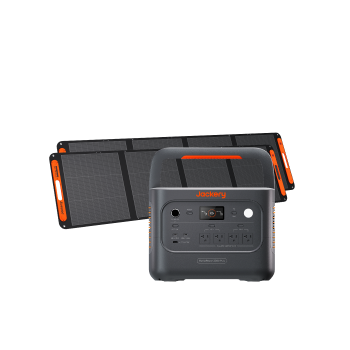
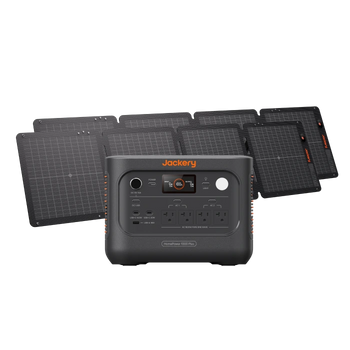
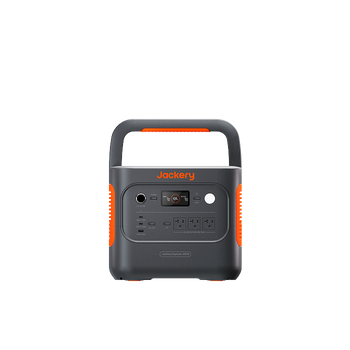
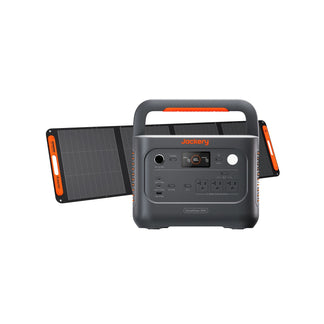
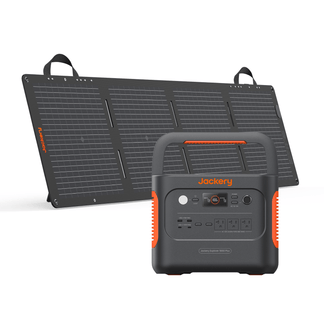
Jackery Solar Generators combine Jackery Portable Power Stations with Jackery SolarSaga Solar Panels to deliver clean, silent, zero-emission power for computers, whether you are working from home during a grid outage, setting up a workstation at a remote location, or running a computer in an RV or van.
All Jackery Solar Generators use pure sine wave inverters, which are important for computer equipment. Modified sine wave power can cause monitors to flicker, introduce fan noise, or cause stability issues with power supplies. Pure sine wave output delivers clean power identical to what comes from a wall outlet.
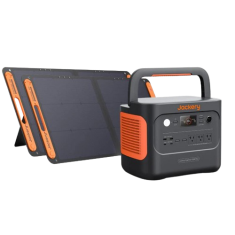
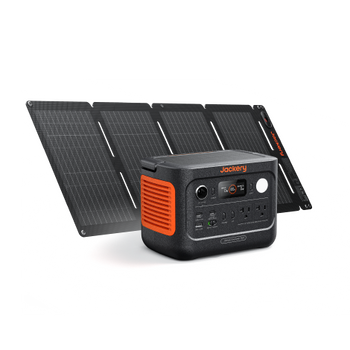
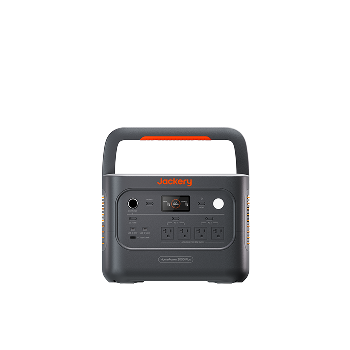
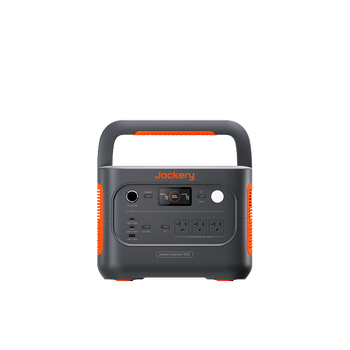
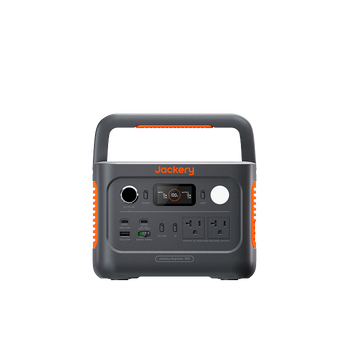
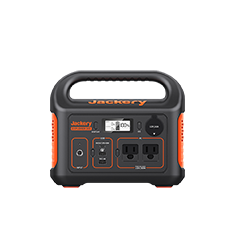
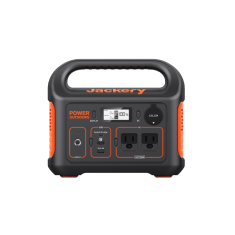
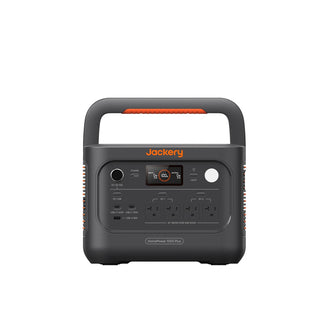
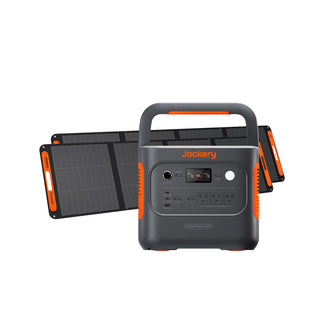
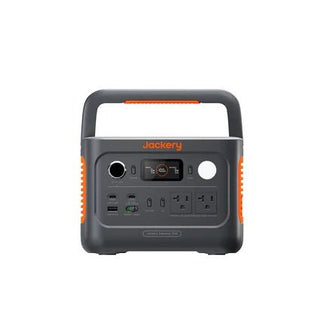
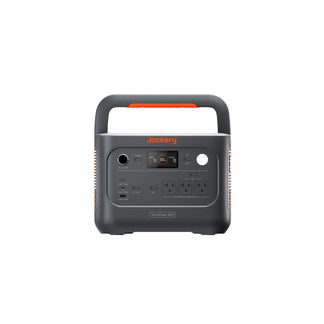
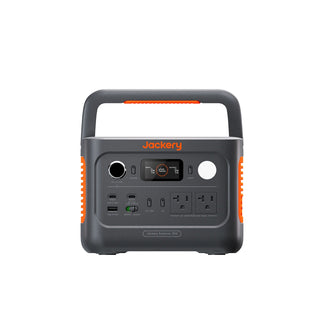
Jackery Solar Generator 600 v2: Recommended for Lightweight Laptops and Single-Device Setups
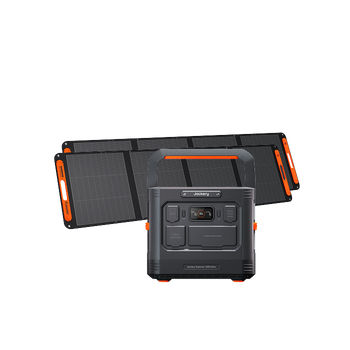
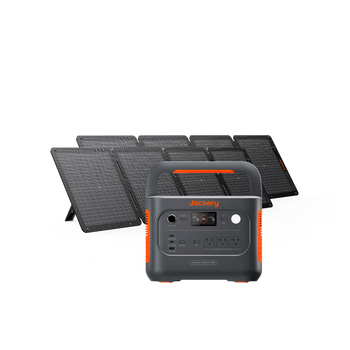
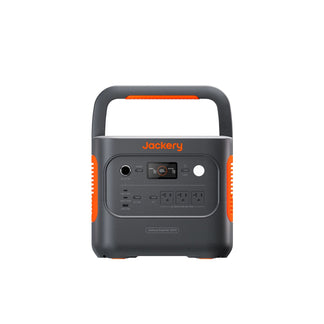
For a freelancer who works from a café, a campsite, or a van and runs a single lightweight laptop (45–65W) alongside a phone charger and a WiFi router, the Jackery Solar Generator 600 v2 provides exactly the capacity and output needed without unnecessary bulk. The 640Wh LFP battery powers a 65W laptop for approximately 7 hours on a single charge, and its instant UPS switching (≤0.01 seconds) makes it a capable home office backup during brief outages. The dual 100W USB-C PD ports fast-charge modern laptops directly. The 1-hour Emergency Rapid Charge mode makes this battery backup for computers practical even with short notice before a power event.
Appliances Running Time
- Standard Laptop (65W) = 7.0H
- Desktop + Monitor (200W) = 2.5H
- Desktop + Dual Monitors (280W) = 1.8H
- Gaming Desktop (400W) = 1.3H
- High-Performance Workstation (500W) = 1.0H
Who Should Buy This
The Jackery Solar Generator 600 v2 is ideal for remote workers, digital nomads, and students who primarily use a thin-and-light laptop (under 65W) and need a lightweight, USB-C-native solar generator that doubles as a home backup unit for short outages.

Customer Review
The jackery 600v2 was tested on something small such as a 34in tv, a router and a PS4 from a surge protector plugin with minimal game play mostly YouTube just to see power consumption. At just a little bit over 100 volts the jackery 600v2 lasted 6 hours, and charged in 2 1/2 hours.
— Forever G.
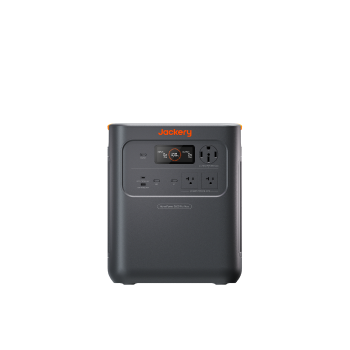
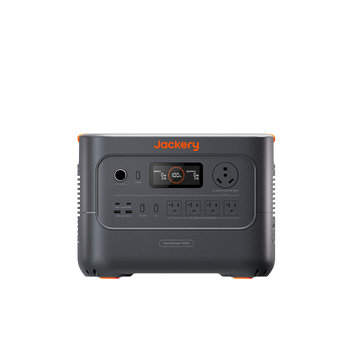
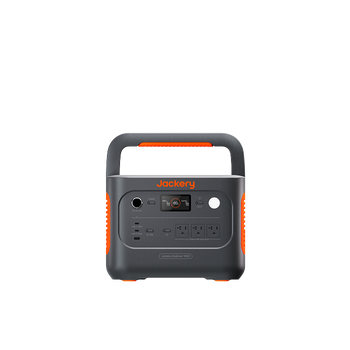
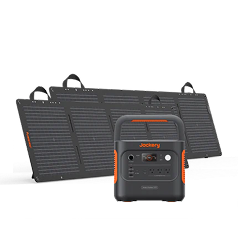
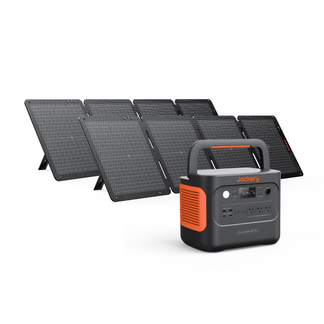
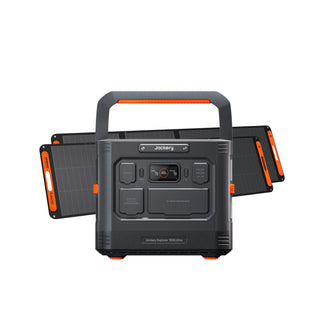
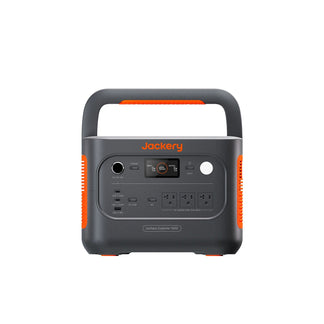
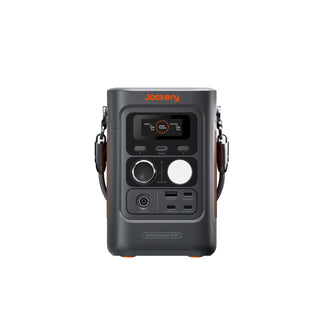
Jackery Solar Generator 1000 v2: Recommended for Full Workday Coverage and Multi-Device Setups
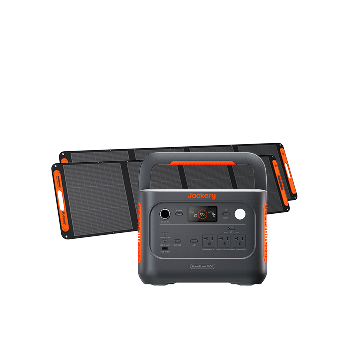
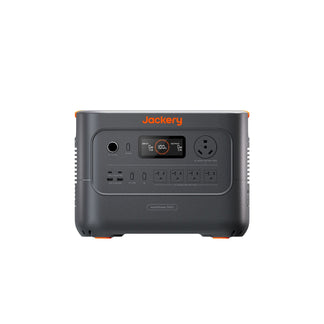
When the workflow runs longer than a standard workday, or the setup includes more than one device, such as a laptop alongside a monitor, an external hard drive, a phone charger, and a router, the Jackery Solar Generator 1000 v2 handles all of it simultaneously without load management. It can easily run a desktop workstation drawing 200W (laptop 65W + monitor 40W + router 12W + miscellaneous 83W) for approximately 4.1 hours, or a lighter laptop-only setup at 65W for close to 11 hours per charge cycle.
Appliances Running Time
- Standard Laptop (65W) = 11.0H
- Desktop + Monitor (200W) = 4.1H
- Desktop + Dual Monitors (280W) = 3.0H
- Gaming Desktop (400W) = 2.1H
- High-Performance Workstation (500W) = 1.7H
Who Should Buy This
The Jackery Solar Generator 1000 v2 is ideal for home office professionals, content creators, and multi-device users who need enough capacity to cover a full workday for a laptop-plus-peripherals setup, or several hours of a desktop workstation, without stopping to recharge mid-session.

Customer Review
Best product ever!! so far so good. Solar panels did their job indeed. Would recommend for anyone that is camping or living in vehicle or RV
— Luis F.J.
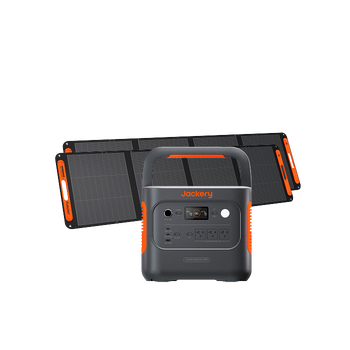
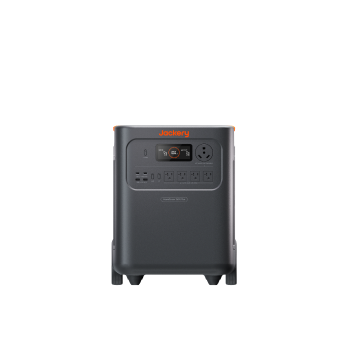
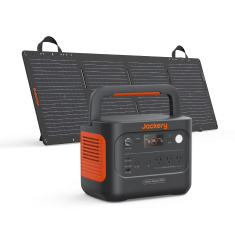
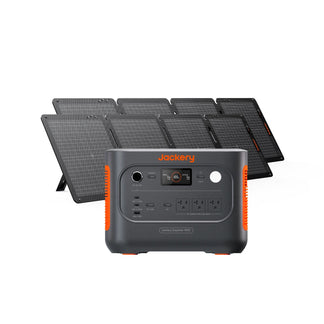
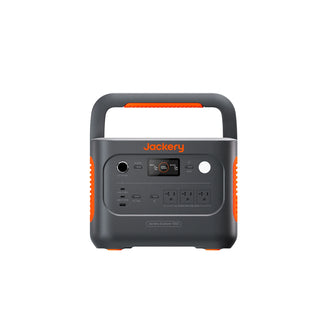
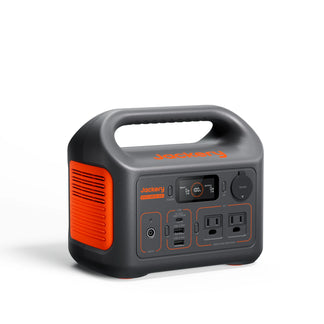
Jackery Solar Generator 1500 v2: Recommended for Desktop Workstations and Mid-Performance Gaming
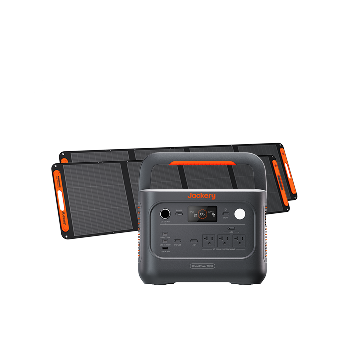
A desktop workstation under production or creative load, including video editing, 3D rendering, CAD, or multi-application development, can draw 250W to 400W when the CPU and GPU are both engaged. The Jackery Solar Generator 1500 v2 provides both the capacity and the output headroom to sustain these workloads without overload events. A rendering workstation drawing 400W runs for approximately 3.0 hours on a full charge, which is enough to complete most processing jobs without interruption. For mid-range gaming setups drawing 200W, the runtime extends to 5.8 hours.
Appliances Running Time
- Standard Laptop (65W) = 15.2H
- Desktop + Monitor (200W) = 5.8H
- Desktop + Dual Monitors (280W) = 4.2H
- Gaming Desktop (400W) = 3.0H
- High-Performance Workstation (500W) = 2.4H
Who Should Buy This
The Jackery Solar Generator 1500 v2 is ideal for video editors, developers with demanding workloads, mid-range gamers, and anyone running a full desktop setup with CPU, GPU, dual monitors, external storage, and peripherals who need more continuous output than a 1kWh unit delivers without restricting what can run simultaneously.

Customer Review
The power went out for 4800 customers in our area. I had to remind my husband that we had a Jackery Explorer 1500 v2. He hooked it up to the fridge, toaster, his phone, and I’m not sure what else. He said he was impressed by everything that the Jackery would run.
— Jennifer W.
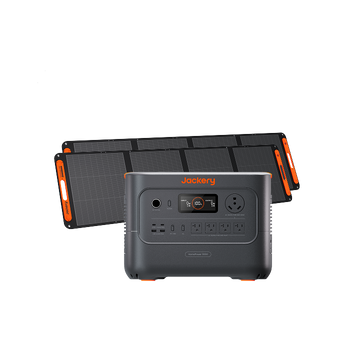
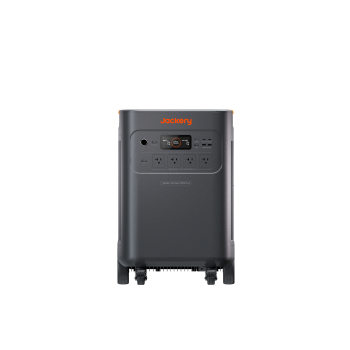
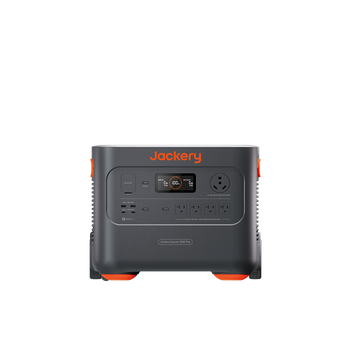
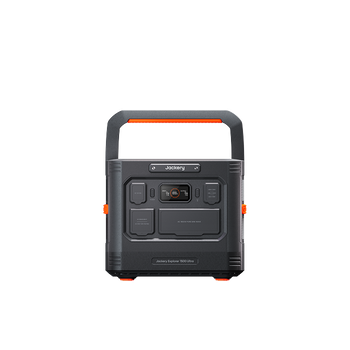
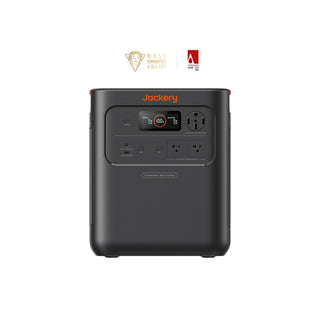
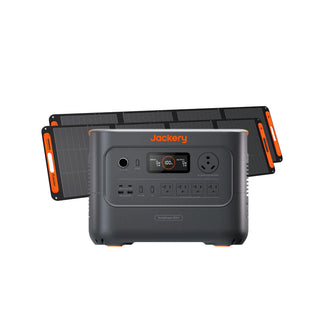
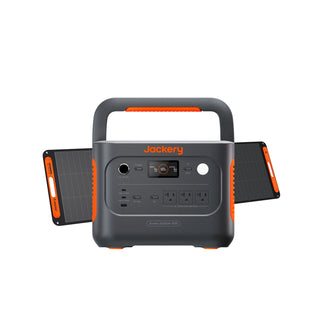
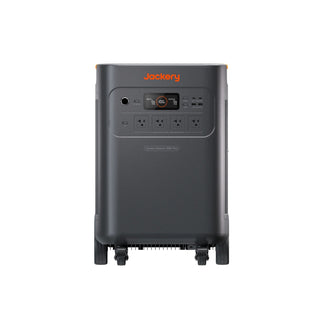
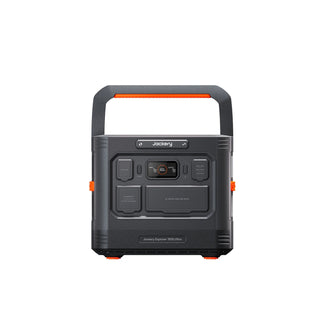
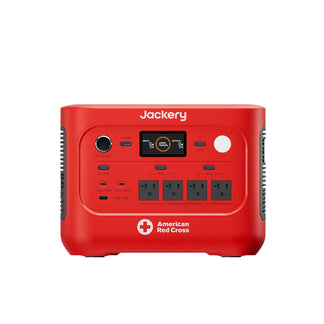
Jackery Solar Generator 2000 v2: Recommended for High-Performance Desktops and Extended Home Office Coverage
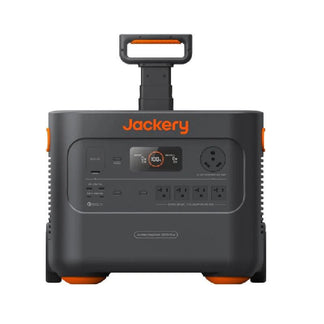
Gaming desktops and high-performance workstations draw 300W to 500W under full load with a combination of a power-hungry CPU, a discrete GPU with a high TDP, multiple NVMe drives, a large monitor, and speakers. The Jackery Solar Generator 2000 v2 comfortably handles this entire load category. It is the world’s lightest and smallest 2kWh LFP solar generator with a foldable handle and compact design for easy movement from one place to another. Aside from powering your computer and office devices, this home battery backup can also run home appliances during short or long-term power outages.
Appliances Running Time
- Standard Laptop (65W) = 20.2H
- Desktop + Monitor (200W) = 7.7H
- Desktop + Dual Monitors (280W) = 5.6H
- Gaming Desktop (400W) = 4.0H
- High-Performance Workstation (500W) = 3.2H
Who Should Buy This
The Jackery Solar Generator 2000 v2 is suited for high-performance desktop users, such as enthusiast gamers, video production professionals, data scientists, and engineers, whose complete system draws 300W or more under load, and who need enough capacity to complete a multi-hour session without the work being interrupted by a depleted battery.

Customer Review
I’m a Jackery fan! I have several of the smaller units, but wanted one that accommodated a higher wattage. This 2000 came in handy when our city had a planned 6 hour electric outage, keeping me from stressing about my garage fridge and freezer units. Performed flawlessly with power to spare!
— Carole S.
How to Size a Solar Generator for Your Computer Setup
Use this three-step process to find the right generator for your specific computer setup:
Step 1: Measure or estimate your total system wattage. Add the wattage of every device you plan to run simultaneously, such as computer, monitor(s), router, speakers, phone charger, and any other peripherals. If you cannot measure directly, use the component TDP method or an online PSU calculator as a starting point, then add 20% as a buffer.
Step 2: Apply the runtime formula. Decide how many hours of runtime you need on a single charge: Required Capacity (Wh) = System Wattage × Hours Needed ÷ 0.85. For example, a 200W system needing 8 hours: 200 × 8 ÷ 0.85 = 1,882Wh minimum capacity needed.
Step 3: Verify the surge output. Desktop computers draw 2 to 3 times their running wattage briefly at startup. Check that the solar generator's surge (peak) output exceeds this startup demand.
FAQ About Computer Wattage
How much electricity does a PC use in 24 hours?
The 24-hour figure depends on how long the PC runs actively versus in standby. For a desktop drawing 80W during 8 hours of active use and 1W for the remaining 16 hours of standby: (80W × 8H) + (1W × 16H) = 640Wh + 16Wh = 656Wh, or approximately 0.656 kWh per day. Over a year: 0.656 × 365 = approximately 239 kWh annually.
How much power does a complete desktop setup consume?
A complete desktop setup, including two monitors, external speakers, a USB hub, and a printer, draws between 250W and 500W during active use, depending on the hardware. Gaming or creative production desktops with high-end GPUs reach the upper end of this range. Budget desktops for web browsing and documents stay much closer to 150W to 200W.
How much electricity does a 500W computer use?
At 8 hours of daily use, a 500W computer uses 500W × 8H = 4,000Wh = 4 kWh per day. Over a year: 4 × 365 = 1,460 kWh annually. At the US average rate of $0.1883/kWh, that is approximately $267 per year in electricity for the computer alone.
Does a computer use electricity when in sleep mode?
Yes, computers use electricity in sleep mode, but only a little. A standard desktop in sleep mode draws approximately 1 to 5 watts, which is less than 1% of its active draw. Hibernate mode reduces this to near zero. Over a full year, the sleep mode electricity cost is negligible compared to active usage.
Should I shut my computer off or leave it in sleep mode to save electricity?
For computers that are idle for more than a few hours, shutting down consumes less total electricity than sleep mode over that period. For short breaks of under an hour, sleep mode is more practical, and the energy savings over shutdown are negligible. Enabling your operating system's automatic sleep timer to activate after 10 to 15 minutes of inactivity is a simple way to reduce energy use without any manual effort.
Conclusion
The wattage a computer uses spans a wide range, from a 30W ultrabook to a 500W high-performance desktop with a full peripheral suite, and the right solar generator for your setup depends on matching that actual draw to sufficient capacity and output. The Jackery Solar Generator 600 v2 is the ideal fit for lightweight laptop users who prioritize portability and USB-C charging. The Jackery Solar Generator 1000 v2 extends that to full workday coverage for multi-device setups. The Jackery Solar Generator 1500 v2 handles mid-performance desktops and creative workstations that push past what a 1kWh unit can sustain. And the Jackery Solar Generator 2000 v2 provides the capacity and output headroom for high-performance gaming and production systems that draw 300W to 500W under real load.


![How Many Watts Does a Laptop Use: MacBook, Dell, Asus and More [With Data Table]](http://www.jackery.com/cdn/shop/files/how-many-watts-does-a-laptop-use-macbook-dell-asus-and-more-with-data-table-9282157.jpg?v=1786014598&width=90)

