


























![[Add-on] Jackery SolarSaga 500 X - Jackery](http://www.jackery.com/cdn/shop/files/add-on-jackery-solarsaga-500-x-1493607.webp?v=1786503068&width=324)
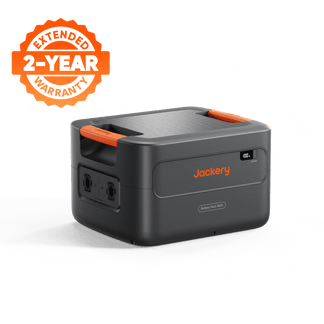
![[Add-on] Jackery Battery Pack 5000 Plus - Jackery](http://www.jackery.com/cdn/shop/files/add-on-jackery-battery-pack-5000-plus-6713401.webp?v=1786503068&width=324)


























![How Many Watts Does a Laptop Use: MacBook, Dell, Asus and More [With Data Table] - Jackery](http://www.jackery.com/cdn/shop/articles/how-many-watts-does-a-laptop-use-macbook-dell-asus-and-more-with-data-table-9282157.jpg?v=1785258439&width=800)
Most laptops use between 30 and 70 watts during typical tasks, with 65 watts as the most common average across major brands. Gaming laptops draw significantly more, anywhere from 100 to 350 watts, depending on the GPU load and performance settings. Knowing how many watts a laptop uses matters for two practical reasons: it helps you estimate your monthly electricity cost, and it tells you how long a portable solar generator can keep you working when the grid goes down or when you need to power up off-grid.
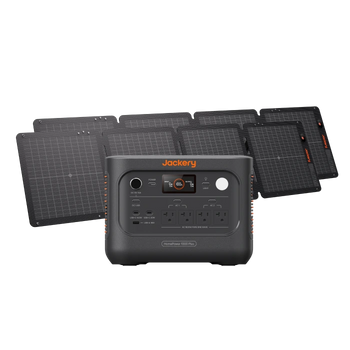
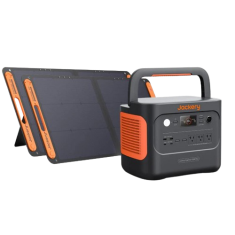
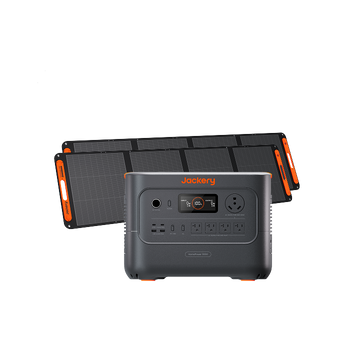
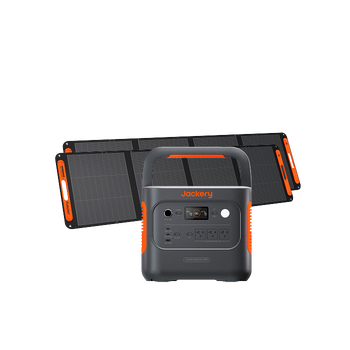
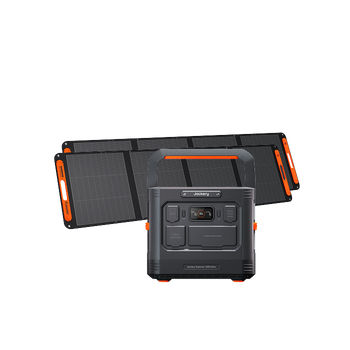
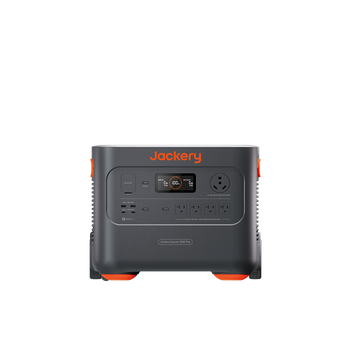
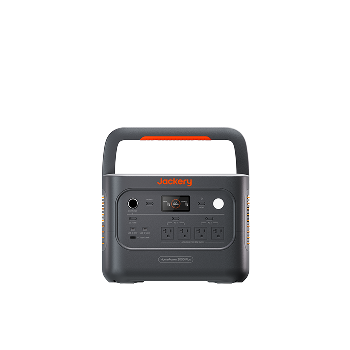
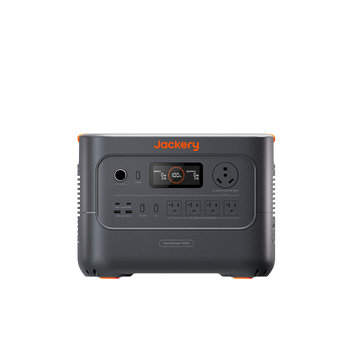
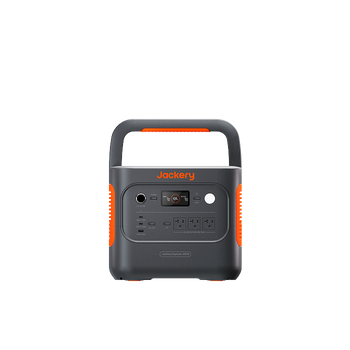
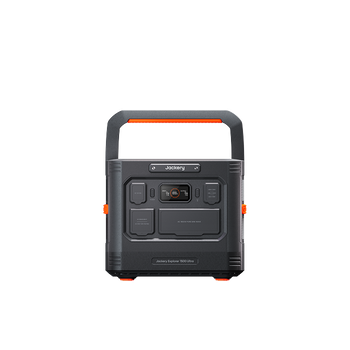
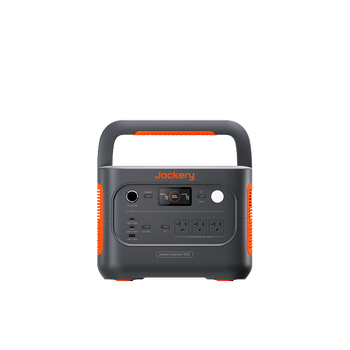
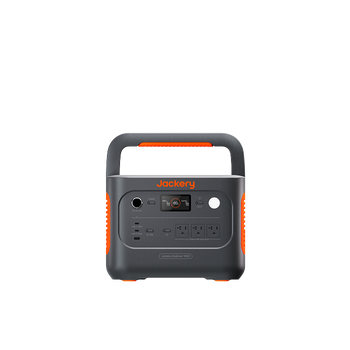
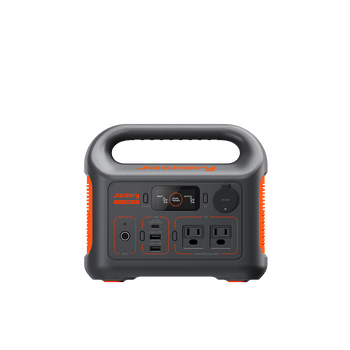
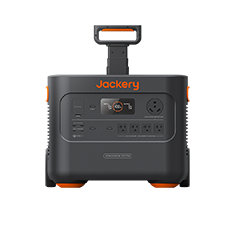
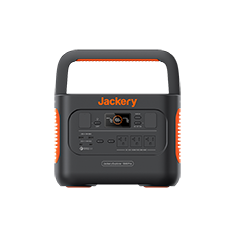
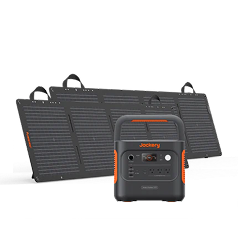
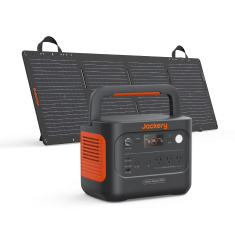
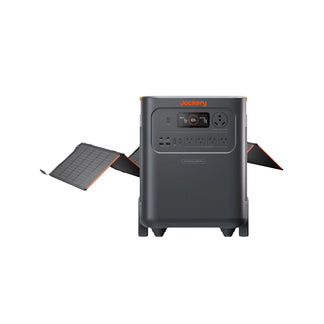
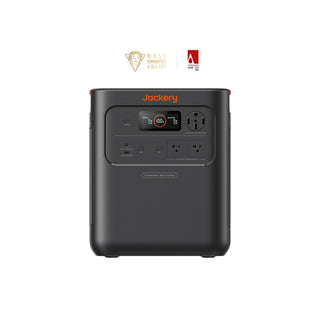
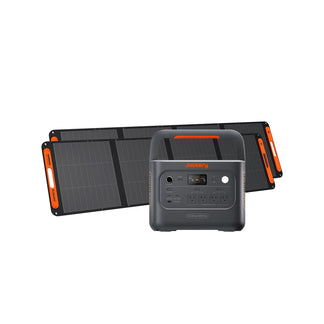
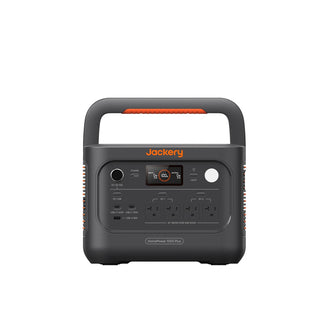
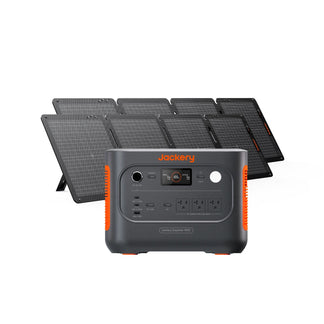
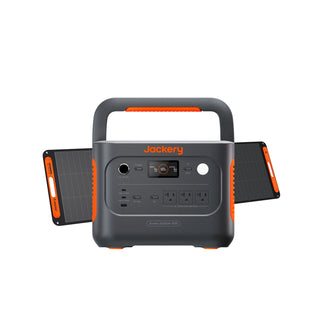
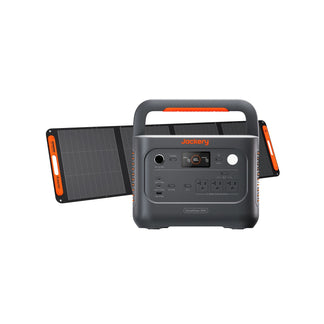
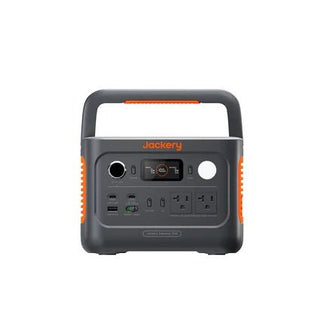
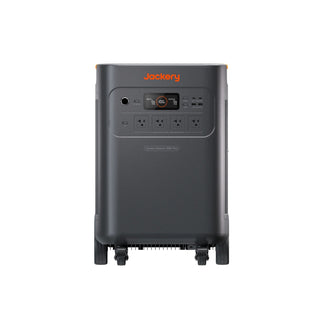
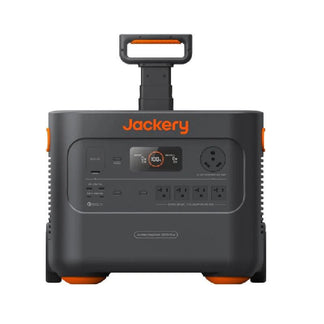
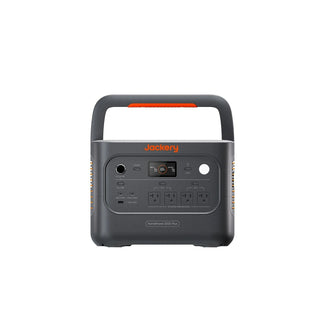
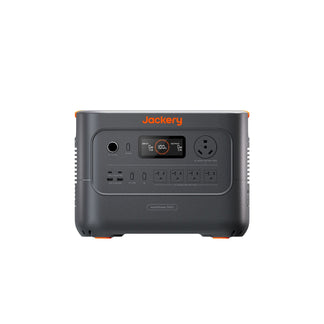
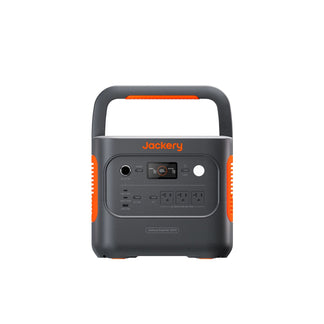
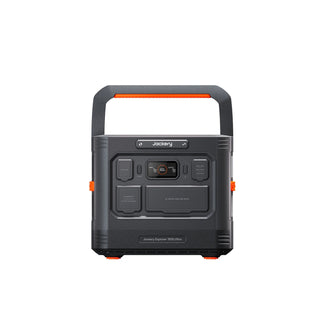
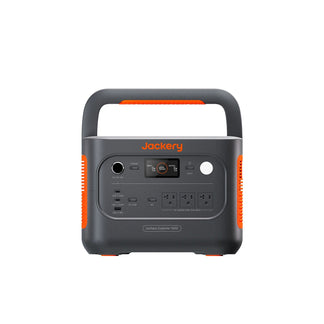
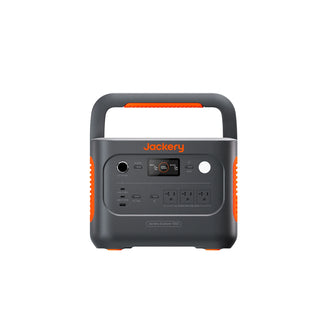
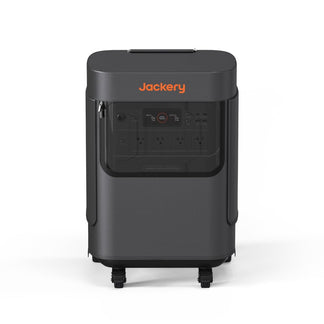
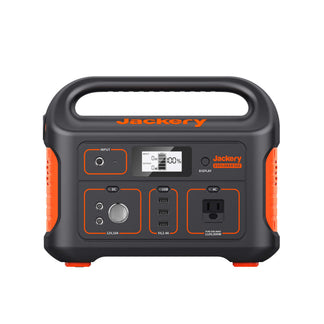
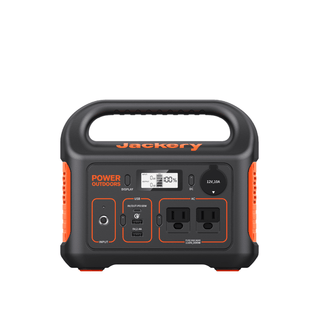
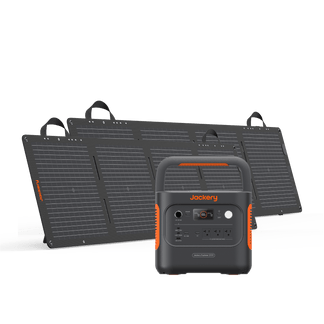
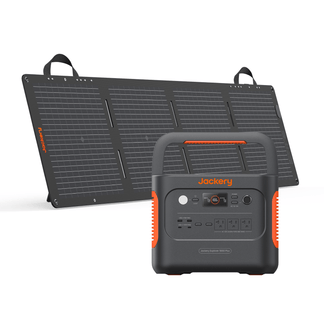
Jackery Solar Generators are reliable, quiet, zero-emission solar battery backup solutions for powering laptops at home during an outage, at a campsite, in a van, or in any location where wall outlets are unavailable. The compact solar generators can not only power your essential appliances but can also be transported anywhere you go. With the help of a foldable handle and compact design, these battery backups are easier to carry to outdoor locations.
Key Takeaways
- A standard laptop draws 30 to 70 watts during everyday tasks like browsing, documents, and video calls.
- Gaming laptops consume significantly more, typically 100W to 350W under full load.
- Running a 50W laptop for 8 hours per day consumes approximately 144 kWh per year and costs roughly $27.11 annually at the US average electricity rate of 18.83 cents per kWh.
- To calculate how long will a Jackery run a laptop, computer, or tablet, you can use the Running Time Calculator available on the Jackery Buying Guide page. Simply choose the Jackery product from the dropdown, add the appliance’s wattage, and click Enter to get an estimated runtime.
- Laptops have no startup surge and their wattage at startup equals their running wattage, so any solar generator rated above your laptop's wattage can charge it without surge concerns.
How Many Watts Does a Laptop Use?
An average laptop draws between 30 and 200 watts in one hour, depending on the model, usage mode, and hardware configuration. The answer to how many watts a laptop uses varies considerably across brands and sizes. For example, a MacBook Air running on Apple Silicon is among the most efficient laptops available, drawing as little as 30 watts, while a large gaming laptop under full GPU load can exceed 300 watts.
Laptop Watts Consumption by Model
|
Laptop |
Wattage |
Estimated Daily Use (8H) |
Daily Energy Draw (Wh) |
|
MacBook Air |
30W |
8H |
240Wh |
|
MacBook Pro 13″ |
61W |
8H |
488Wh |
|
MacBook Pro 14″ |
67W |
8H |
536Wh |
|
MacBook Pro 16″ |
96W or 140W |
8H |
768Wh or 1,120Wh |
|
Dell Inspiron 14 |
65W |
8H |
520Wh |
|
Dell Inspiron 17 |
90W |
8H |
720Wh |
|
Dell G15 Gaming Laptop |
180W |
8H |
1,440Wh |
|
Lenovo IdeaPad 3 |
65W |
8H |
520Wh |
|
Lenovo Yoga |
65W |
8H |
520Wh |
|
Asus ROG Zephyrus 15 |
200W |
8H |
1,600Wh |
|
Asus Chromebook Flip C302CA |
45W |
8H |
360Wh |
|
Microsoft Surface Laptop Go |
39W |
8H |
312Wh |
Laptop Power Consumption by Usage Mode
Wattage fluctuates significantly based on what the laptop is doing. Idle browsing draws far less than a rendering task or a GPU-intensive game.
|
Mode |
Daily Wh |
Monthly Wh |
Yearly Wh |
|
Off mode |
4.88Wh |
148.4Wh |
1,780.4Wh |
|
Sleep mode |
0.23Wh |
7.1Wh |
85.2Wh |
|
Active mode (incl. high performance + idle) |
50.34Wh |
1,531.1Wh |
18,373.2Wh |
|
Total |
55.45Wh |
1,686.6Wh |
20,238.8Wh |
How Many Watts Does a Gaming Laptop Use?
Gaming laptops draw considerably more power than standard ultrabooks. The GPU is the primary driver. A mid-range GPU at full load alone can consume 80W to 200W, and when combined with the CPU, display, fans, and storage, total system draw can reach 300W to 350W. Key variables include:
- Graphics card TGP (Total Graphics Power) setting
- Display refresh rate (60Hz vs. 165Hz vs. 240Hz)
- CPU performance mode (balanced vs. turbo)
- Screen brightness level
At idle or light tasks, gaming laptops often draw 30W to 50W, which is closer to standard laptops. Only under sustained GPU load do they push into the 200W+ territory.
How Many Watts Does a Laptop Use Per Month and Per Year?
Generally, a laptop uses 30-70 watts of electricity and can consume more than 100 watts. If it is a gaming laptop, it might consume anywhere between 300W and 500W.
Based on 8 hours of daily use, here is how annual energy consumption scales across different laptop wattages:
|
Laptop Wattage |
Hours Run Per Year |
Monthly kWh |
Annual kWh |
|
30W |
2,920H |
7.3 kWh |
87.6 kWh |
|
40W |
2,920H |
9.7 kWh |
116.8 kWh |
|
50W |
2,920H |
12.2 kWh |
146.0 kWh |
|
60W |
2,920H |
14.6 kWh |
175.2 kWh |
|
70W |
2,920H |
17.0 kWh |
204.4 kWh |
What Factors Affect Laptop Wattage?
Several hardware and usage factors, such as screen size and resolution, screen brightness, graphics card, CPU performance mode, and battery age and condition, directly influence how many watts a laptop draws at any given moment:
Screen Size and Resolution: Larger displays with higher resolutions draw more power from the backlight and GPU. A 17-inch gaming display with a 240Hz refresh rate consumes meaningfully more than a 13-inch IPS panel at 60Hz.
Screen Brightness: Display brightness is one of the highest-impact settings for battery and electricity draw. Running at 100% brightness versus 50% can increase power consumption by 10–20% on larger panels.
Graphics Card: The dedicated GPU is the single largest driver of wattage variation in laptops. Basic tasks bypass the GPU entirely and use the integrated graphics at very low wattage. Demanding tasks engage the dedicated GPU and spike total consumption by 50–200W depending on the card's TGP.
CPU Performance Mode: Modern laptops allow users to set a performance mode: efficiency, balanced, or performance. In efficiency mode, the processor operates at reduced clock speeds and voltage, drawing far less power. In performance or turbo mode, it draws peak wattage to maximize computing speed.
Battery Age and Condition: As a laptop battery ages, it becomes less efficient at holding and delivering charge. Older batteries may cause the charger to draw more watts to compensate, increasing the wall-outlet energy consumption per hour of use even if the laptop's actual processing load has not changed.
How Much Does It Cost to Power a Laptop?
Laptop running costs vary by state based on local electricity rates. The table below shows monthly and annual costs for a 50W laptop running 8 hours per day, based on real EIA rate data:
|
State |
Average Electricity Rate |
Cost Per Month |
Cost Per Year |
|
California |
35.25¢/kWh |
$4.23 |
$50.76 |
|
New York |
29.45¢/kWh |
$3.53 |
$42.41 |
|
Texas |
16.99¢/kWh |
$2.04 |
$24.47 |
|
Massachusetts |
29.45¢/kWh |
$3.53 |
$42.41 |
|
Florida |
15.38¢/kWh |
$1.85 |
$22.15 |
|
Virginia |
17.38¢/kWh |
$2.09 |
$25.03 |
|
New Jersey |
23.53¢/kWh |
$2.82 |
$33.84 |
|
Maryland |
22.07¢/kWh |
$2.65 |
$31.78 |
|
Washington |
14.36¢/kWh |
$1.72 |
$20.68 |
|
US Average |
18.83¢/kWh |
$2.26 |
$27.12 |
Source: U.S. Energy Information Administration (EIA)
The following table breaks down costs by laptop type, showing cost per hour and average monthly running cost:
|
Type |
Average Watts |
Cost Per Hour |
Average Cost Per Month |
|
Macbook (13 inches) |
61 W |
$0.01 |
$0.34 |
|
Macbook (15 inches) |
87 W |
$0.02 |
$0.49 |
|
Other Laptops (15.6 inches) |
60 W |
$0.01 |
$0.34 |
|
Other Laptops (17 inches) |
90 W |
$0.02 |
$0.51 |
|
Gaming Laptops |
180 W |
$0.03 |
$1.02 |
If you want to choose the cost-effective way to power your laptop and even other appliances, a solar generator might be your ideal bet. It's an eco-friendly solution that utilizes the free sun's energy to generate electricity and keep gear powered up. Here are a few benefits of choosing solar generators for powering appliances.
- Solar generators are very easy to use and do not emit noise while operating.
- Since they use electricity to work, they are very economical in the long run.
- They do not have any moving parts and do not need high maintenance.
- You don't need any fossil fuels to use the solar generator.
For Tifa Lynn, a cybersecurity specialist in Florida, backup power is a professional requirement. After a gasoline generator failed to keep pace with a multi-day blackout following a major hurricane, and gas stations ran dry from panic-buying, she turned to Jackery Solar Generators. Now, storms that once triggered anxiety barely register: her modem, laptops, computers, AC units, and secure access channels stay running through outages that end long before her batteries do. Explore more such Jackery Stories to see how people use their home battery backup systems.
Recommended Jackery Solar Generators for Laptops
Jackery Solar Generators pair portable power stations with solar panels to collect, store, and deliver clean electricity to your laptop at a campsite, in a van, at a remote job site, or riding out a home power outage. The solar panels collect sunlight and convert it into DC electricity, which is stored in the power station's LFP battery.
The built-in pure sine wave inverter then converts it to AC electricity for charging via the laptop's AC adapter, or directly via the USB-C PD ports for compatible devices. Laptops are resistive loads with no startup surge, so a solar generator only needs to meet or exceed the laptop's running wattage, making even compact solar generators excellent laptop companions. Here are some of the best battery backups for computers and laptops:
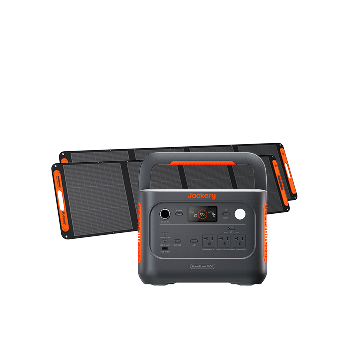
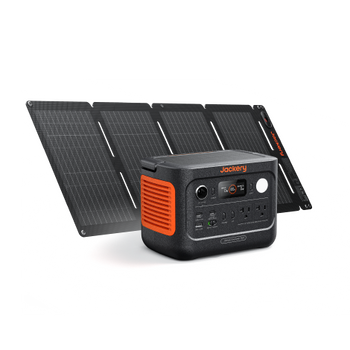
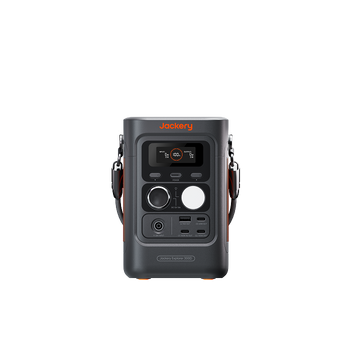
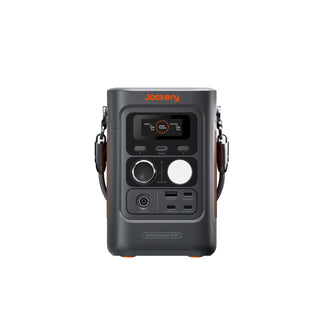
Jackery Solar Generator 300 v2
For solo travelers, ultralight hikers, digital nomads, and anyone who needs a clean, quiet power source for a laptop without carrying anything heavy, the Jackery Solar Generator 300 v2 is one of the most compact and packable solar generators. A 30W MacBook Air charges for approximately 5.9 hours on a single cycle. The dual 100W USB-C PD ports charge USB-C laptops directly and at full speed without needing an AC brick. The 1-hour Rapid Flash Charge refills the unit from near-flat before a long outdoor session or pre-storm preparation.
Appliances Running Time
- Chromebooks (30W) = 5.9H
- Standard Laptop (50W) = 3.9H
- Performance Laptop (70W) = 3.0H
- Gaming Laptop (150W) = 1.5H
- Computer (200W) = 1.1H
Who Should Buy This
The Jackery Solar Generator 300 v2 is a compact solar generator ideal for students, freelancers, and solo travelers who need to power a thin-and-light laptop (30–65W) for a full day away from an outlet, and want the lightest, most packable solar generator.

Customer Review
Exactly what I needed to use in my home office where I do not have enough outlets. Plenty of reliable and steady power for my laptop. Lightweight and the solar panel is a great bonus.
— Linda D.M.
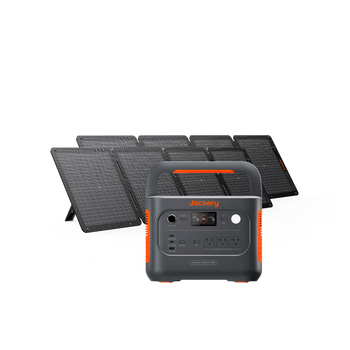
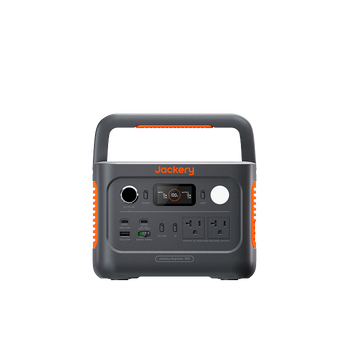
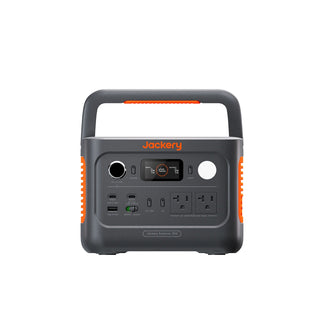
Jackery Solar Generator 600 v2
When a single laptop isn't the only device that needs power, and the workflow includes a monitor, a phone, a camera battery charger, and maybe a desk fan alongside the laptop, the Jackery Solar Generator 600 v2 provides the capacity and output ports to run them all simultaneously. It can handle a laptop (65W), an external monitor (30W), phone charging (20W), and a portable fan (40W) simultaneously at a combined 155W. The 1-hour Emergency Rapid Charge mode means even a short morning window is enough to recharge it before a day of remote work.
Appliances Running Time
- Chromebooks (30W) = 13.1H
- Standard Laptop (50W) = 8.7H
- Performance Laptop (70W) = 6.6H
- Gaming Laptop (150W) = 3.3H
- Computer (200W) = 2.5H
Who Should Buy This
The Jackery Solar Generator 600 v2 is suitable for remote workers, content creators, and multi-device users who need to run a laptop alongside a monitor, camera, or other gear for an extended session.

Customer Review
The Jackery 600 v2 was tested on something small such as a 34in TV, a router and a PS4 from a surge protector plugin with minimal game play mostly YouTube just to see power consumption. At just a little bit over 100 volts the jackery 600v2 lasted 6 hours, and charged in 2 1/2 hours.
— Forever G.
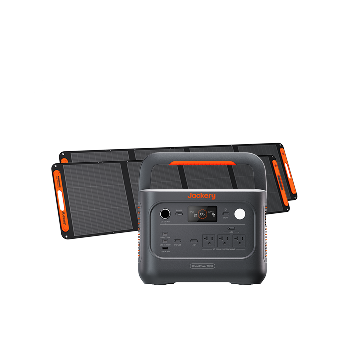
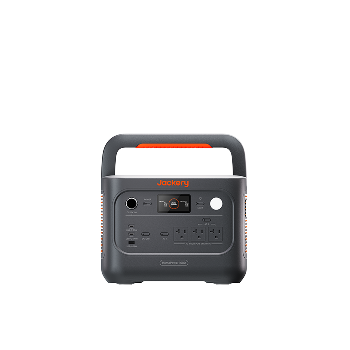
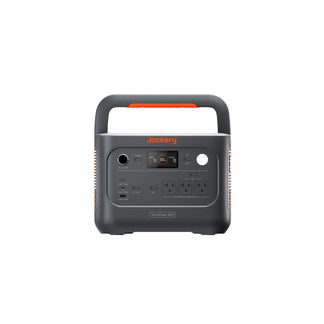
Jackery Solar Generator 1000 v2
The Jackery Solar Generator 1000 v2 is the right choice when the laptop is just one part of a larger setup and when a power outage needs to be covered for more than half a day, when a workstation includes a monitor, a NAS device, or multiple screens, or when a camping setup needs to run the laptop through the night and still have charge left for the morning. It runs a full home office setup, including a laptop (65W), a monitor (30W), a router (12W), and a phone charger (20W). The 1-hour Emergency Super Charge mode, dual 100W USB-C PD ports, and 400W maximum solar input make it a versatile laptop power station.
Appliances Running Time
- Chromebooks (30W) = 19.5H
- Standard Laptop (50W) = 13.5H
- Performance Laptop (70W) = 10.3H
- Gaming Laptop (150W) = 5.3H
- Computer (200W) = 4.1H
Who Should Buy This
The Jackery Solar Generator 1000 v2 is ideal for power users, home office professionals, and anyone who needs multi-appliance laptop coverage for 6–10+ hours, whether during a home outage, on a multi-day RV trip, or at a remote work setup without grid access.

Customer Review
Worked perfect for powering my Starlink and phones and watches.
— Jeff M.
How to Reduce Laptop Power Consumption
Reducing how much electricity a laptop draws not only lowers your electricity bill but also extends how long any solar generator can power it, directly increasing your off-grid or outage runtime.
Enable Power Saving Mode: Most laptops include a balanced or efficiency mode that reduces CPU and GPU clock speeds during light tasks, cutting power draw by 20–40% without meaningfully impacting productivity for browsing, email, or document work.
Lower Screen Brightness: The display is one of the heaviest power consumers in a laptop. Dropping brightness from 100% to 50% can reduce power draw by 10–20% on large displays, extending solar generator runtime at no cost.
Set Sleep Mode to Activate Sooner: Default sleep timers often wait 15–30 minutes of inactivity before sleeping. Reducing this to 2–5 minutes ensures the laptop enters its lowest-draw state quickly during breaks.
Close Unused Background Applications: Applications running in the background, including browser tabs, sync services, and system utilities, consume CPU cycles and draw measurable power. Closing unused processes before long off-grid sessions maximizes runtime from your solar generator.
Pair with a Solar Generator: Even with all efficiency measures applied, hours of laptop use will always consume electricity. Jackery Solar Generators provide clean, portable, zero-emission power that extends working sessions indefinitely when paired with solar panels for daytime recharging.
Laptop Wattage FAQs
How much electricity does a laptop use per hour?
A standard laptop draws 30 to 70 watts in active use, meaning it consumes 0.03 to 0.07 kWh per hour. In high-performance mode, draw can reach 65W or above. In sleep mode, it drops to under 1W. At the US average rate of $0.1883/kWh, a 65W laptop running for one hour costs approximately $0.011.
How many watts does a laptop use in 8 hours?
At an average of 50W over 8 hours of active use, a laptop consumes approximately 400Wh (0.4 kWh) per day. A 65W laptop at the same usage draws approximately 520Wh. Gaming laptops at 180W consume approximately 1,440Wh over the same 8-hour period.
Does leaving a laptop plugged in use a lot of electricity?
Modern laptops are designed to stop drawing significant power once fully charged. When plugged in at 100%, the charger still draws a small trickle of electricity to compensate for self-discharge (typically 2–5W), but does not repeatedly charge and discharge the battery. The total added cost of leaving a laptop plugged in 24/7 is minimal. For more information, you can check it out: Is It Okay To Leave a Laptop Plugged In All The Time.
How do I find my laptop's exact wattage?
Three reliable methods: check the nameplate on your AC adapter (input wattage listed), look up the model's TDP (Thermal Design Power) specification in the manufacturer's documentation, or use a plug-in watt meter between the wall outlet and your laptop charger for a real-time measurement under your actual usage conditions.
Can a solar generator charge a laptop while the solar panels are simultaneously recharging it?
Yes. All Jackery Solar Generators support pass-through charging, meaning you can power connected devices while simultaneously recharging from solar panels or a wall outlet. In bright sunlight with a 100W+ solar panel, the solar input may exceed the laptop's draw, which means the battery level can hold steady or even increase while the laptop is in use.
Conclusion
A laptop's wattage, anywhere from 30W for a thin-and-light MacBook Air to 350W for a high-end gaming machine at full load, directly determines how much it costs to run each month and how long a portable solar generator can keep it charged. For most everyday workflows, the answer is between 50W and 70W, which even a compact 288Wh solar generator can sustain for a full working session.
The Jackery Solar Generator 300 v2 is the most portable option for single-laptop use through a day trip or light outage. The Jackery Solar Generator 600 v2 adds enough capacity and output for a multi-device remote work setup with hours to spare. And the Jackery Solar Generator 1000 v2 covers demanding users, gaming laptops, and whole-workday coverage with room for the rest of the home office setup running alongside. Pair any of them with Jackery SolarSaga Solar Panels, and your laptop stays charged indefinitely wherever the sun shines.


