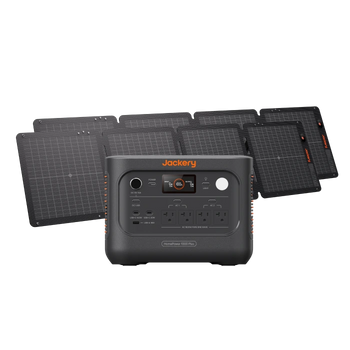
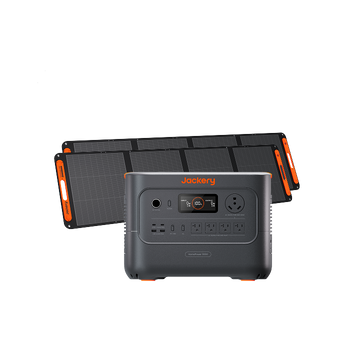
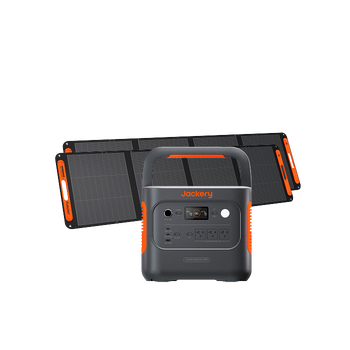
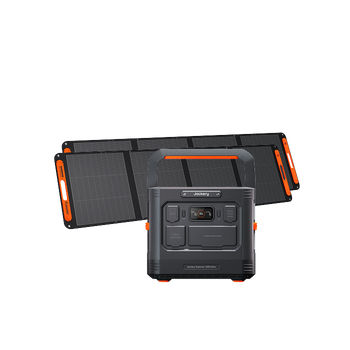


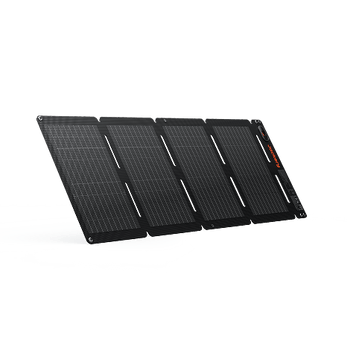
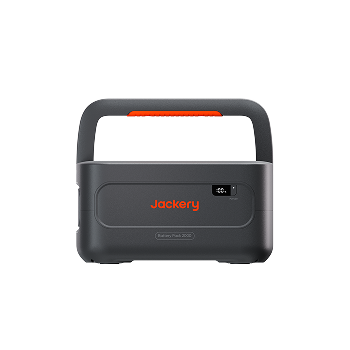
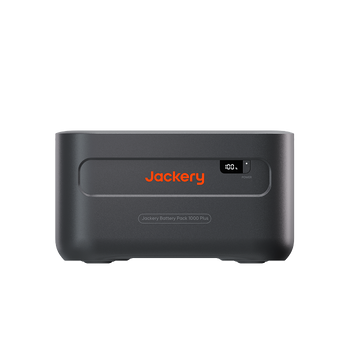

























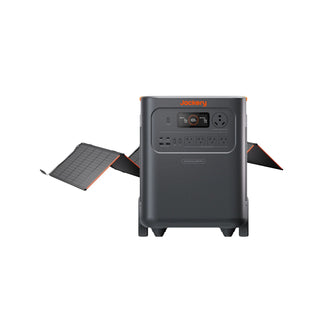
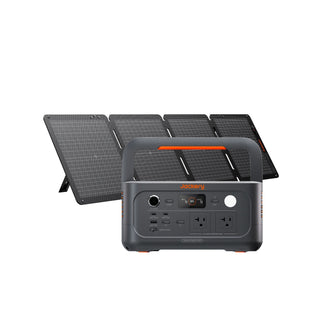
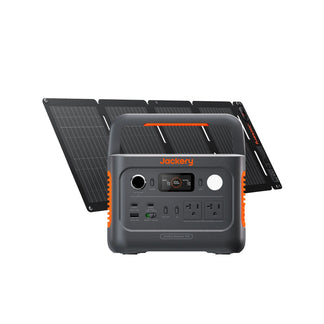

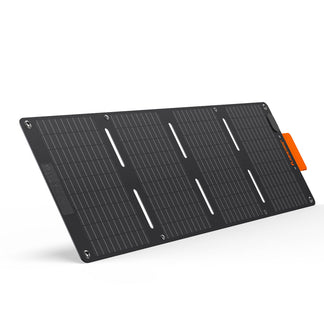
![[Add-on] Jackery SolarSaga 500 X - Jackery](http://www.jackery.com/cdn/shop/files/add-on-jackery-solarsaga-500-x-1493607.webp?v=1786503068&width=324)
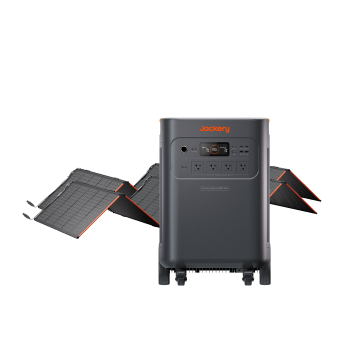
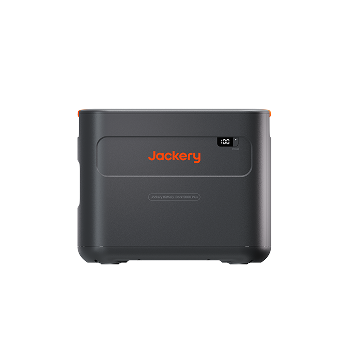
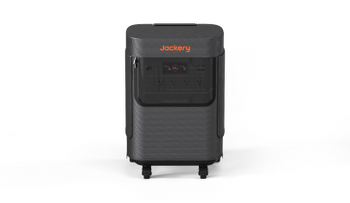
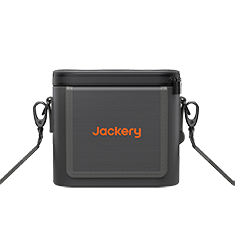
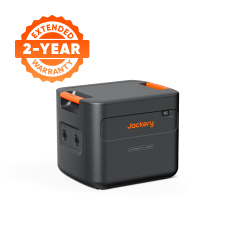
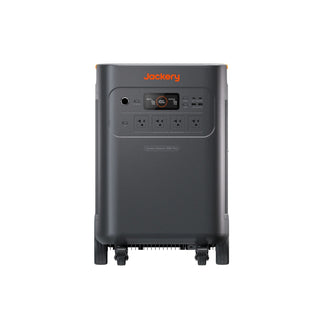
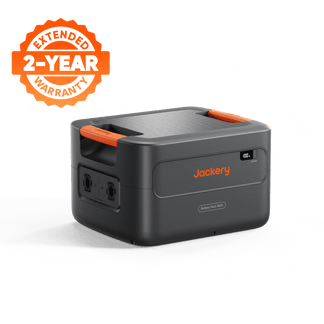
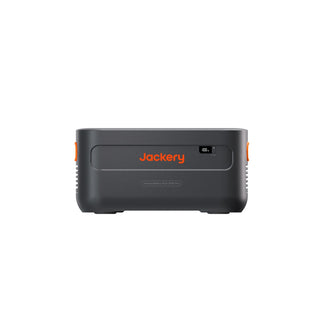
![[Add-on] Jackery Battery Pack 5000 Plus - Jackery](http://www.jackery.com/cdn/shop/files/add-on-jackery-battery-pack-5000-plus-6713401.webp?v=1786503068&width=324)















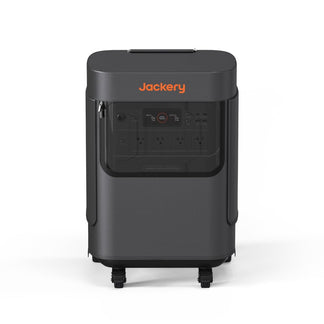


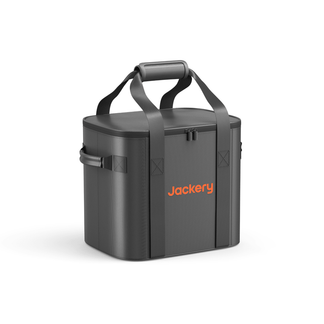
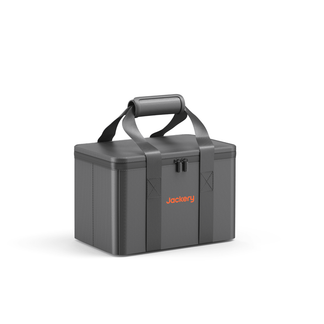

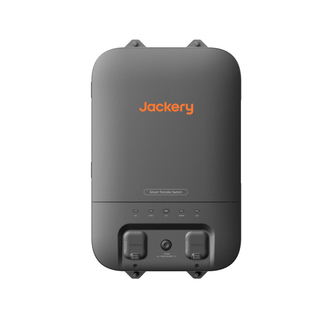




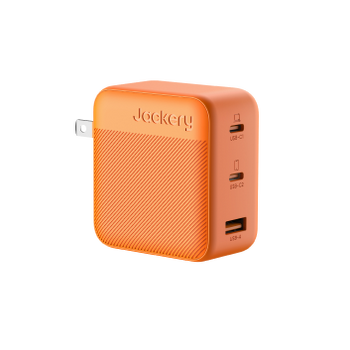
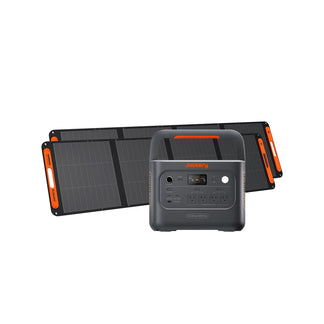
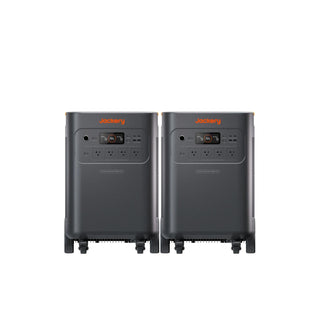
![[Add - on] SolarSaga 200W - Jackery](http://www.jackery.com/cdn/shop/files/add-on-solarsaga-200w-4834329.png?v=1754016915&width=324)



Based on the current US average electricity rate of 18.34 cents per kWh, a standard 300W refrigerator running the equivalent of 8 hours a day costs about $0.44 daily, $13.20 monthly, and $158.46 a year to operate.
A refrigerator is the one appliance in your home that never really gets a day off. Unlike a washing machine or a microwave, it is plugged in and working around the clock, cycling its compressor on and off to hold a steady temperature. That nonstop operation is exactly why it quietly becomes one of the biggest line items on your electricity bill, even though nobody ever thinks to turn it off.
Since a fridge draws power every single day of the year, even a modest reduction in its running cost adds up fast. That's where a solar generator comes in. Jackery Solar Generators can power a refrigerator directly from stored or solar-charged energy, which means part (or all) of that daily draw comes off your utility meter instead of onto it. They also double as a safety net: if the grid goes down during a storm or a heat-wave blackout, a Jackery Solar Generator keeps the compressor running so the food inside doesn't spoil before the lights come back on.
Key Takeaways
- A typical household refrigerator draws between 300W and 800W, while mini-fridges use only 50W to 100W and commercial units can pull 1,500W to 2,000W.
- At the current US average rate of 18.34¢/kWh, a standard fridge costs roughly $13 to $22 a month depending on its wattage, though your actual bill depends heavily on where you live.
- A refrigerator made before 2001 can use nearly double the electricity of a new Energy Star-certified model, making it one of the easiest appliances to save on by replacing.
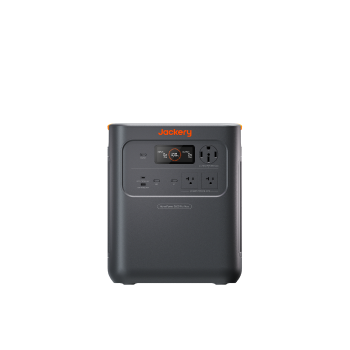
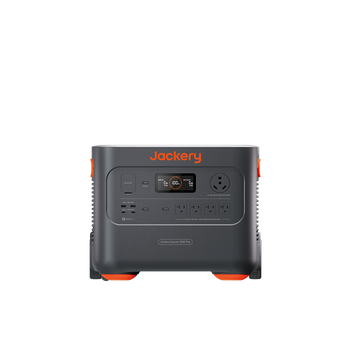
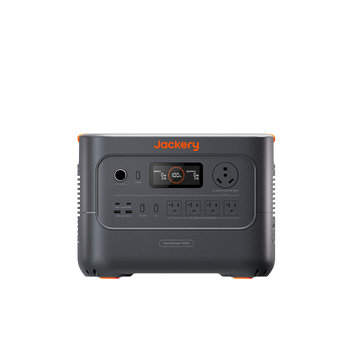
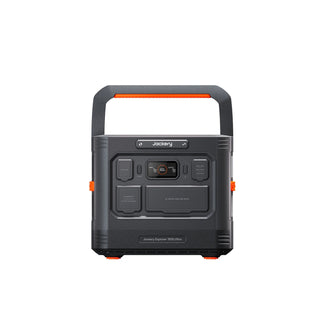
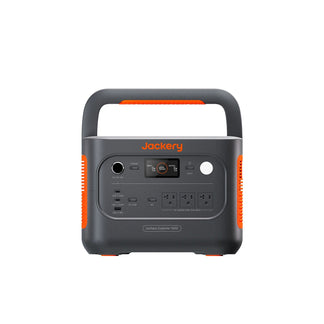
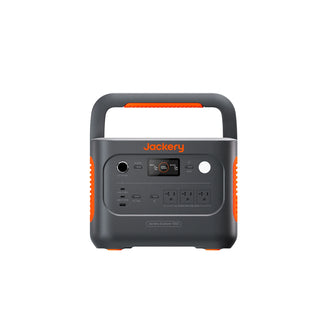
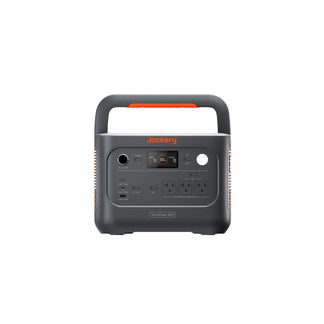
- Jackery's FridgeGuard, Solar Generator 2000 v2, and Solar Generator 5000 Plus can keep a refrigerator running during outages or offset part of its daily electricity cost.
How Many Watts Does a Refrigerator Use?
Refrigerator wattage varies quite a bit depending on size, age, and configuration, but most residential units fall somewhere between 300W and 800W of running power at around 120V and 3 to 6 amps. That said, "running wattage" isn't the same as "constant wattage." A fridge cycles its compressor on and off throughout the day rather than pulling power nonstop, which is why its real daily draw is lower than its rated wattage might suggest. You can look up the exact draw for your model in our guide on how many watts a refrigerator uses.
Here is a general breakdown by refrigerator type:
|
Refrigerator Type |
Typical Running Wattage |
|
Mini/Compact Fridge |
50W – 100W |
|
Single-Door (Top-Freezer) |
100W – 250W |
|
Double-Door / French-Door |
300W – 500W |
|
Side-by-Side |
400W – 600W |
|
Commercial/Restaurant-Grade |
1,500W – 2,000W |
Keep in mind that the nameplate wattage printed on the back of the unit is usually a maximum figure. A fridge that is well-sealed, is not overstuffed, and is not sitting next to an oven or a sunny window will generally run closer to the lower end of its range.
How Much Does It Cost to Run a Refrigerator?
To figure out what your refrigerator is actually costing you, you need three numbers: its wattage, how many hours a day it effectively runs, and your local electricity rate per kWh. Multiply the wattage by the hours of use, divide by 1,000 to convert to kilowatt-hours, then multiply by your rate.
For example, a 300W refrigerator running the equivalent of 8 hours a day uses 2.4 kWh daily. At the national average rate of 18.34 cents per kWh, that comes out to $0.44 a day, which adds up to $13.20 a month and $158.46 a year.
Larger or older units cost proportionally more. Here's what the math looks like across common refrigerator wattages, using the national average rate:
|
Wattage |
Fridge Type |
Daily Cost |
Monthly Cost |
Yearly Cost |
|
150W |
Mini/Compact Fridge |
$0.22 |
$6.60 |
$79.23 |
|
300W |
Double-Door / French-Door |
$0.44 |
$13.20 |
$158.46 |
|
500W |
Standard Refrigerator |
$0.73 |
$22.01 |
$264.10 |
|
800W |
Large Side-by-Side |
$1.17 |
$35.21 |
$422.46 |
So, how much does it cost to run a small refrigerator? Or, how much does it cost to run a mini refrigerator? In order to calculate the exact cost of running a refrigerator, simply multiply the wattage consumption of the appliance by the number of hours you use it and the electricity rate per kWh in your area.
Daily, Monthly, and Yearly Costs to Run a Refrigerator by State
Electricity rates vary widely across the country, so the same refrigerator can cost twice as much to run in one state as it does in another. Using the same 300W and 8-hours-a-day baseline, here's how the numbers shift depending on where you live:
|
State |
Rate (¢/kWh) |
Daily Cost |
Monthly Cost |
Yearly Cost |
|
New Jersey |
24.95 |
$0.60 |
$17.96 |
$215.57 |
|
New York |
29.49 |
$0.71 |
$21.23 |
$254.79 |
|
Illinois |
19.89 |
$0.48 |
$14.32 |
$171.85 |
|
Ohio |
19.19 |
$0.46 |
$13.82 |
$165.80 |
|
North Dakota |
14.12 |
$0.34 |
$10.17 |
$122.00 |
|
South Dakota |
15.36 |
$0.37 |
$11.06 |
$132.71 |
|
Florida |
15.10 |
$0.36 |
$10.87 |
$130.46 |
|
Georgia |
16.36 |
$0.39 |
$11.78 |
$141.35 |
|
North Carolina |
14.74 |
$0.35 |
$10.61 |
$127.35 |
|
South Carolina |
15.55 |
$0.37 |
$11.20 |
$134.35 |
|
Texas |
15.94 |
$0.38 |
$11.48 |
$137.72 |
|
Colorado |
17.13 |
$0.41 |
$12.33 |
$148.00 |
|
Idaho |
14.37 |
$0.34 |
$10.35 |
$124.16 |
|
Alaska |
28.21 |
$0.68 |
$20.31 |
$243.73 |
|
Hawaii |
52.72 |
$1.27 |
$37.96 |
$455.50 |
|
US Average |
18.34 |
$0.44 |
$13.20 |
$158.46 |
Source: Electric Power Monthly, U.S. Energy Information Administration (EIA)
Note: These figures assume a 300W refrigerator running the equivalent of 8 hours a day. Rates change periodically, so use the EIA link above for the most current figures for your state.
Hawaii stands out for a reason: most of the state's electricity still comes from imported fuel, which keeps rates well above the mainland average. New York, New Jersey, and Alaska follow similar patterns for their own regional reasons, while states with abundant natural gas, hydro, or renewable capacity, with Idaho and North Dakota among them, tend to sit near the bottom of the list.
Old vs. New Refrigerator: How Much More Does an Older Fridge Cost to Run?
If your refrigerator has been running since before you can remember, it's probably costing you more than the numbers above suggest. The Department of Energy's efficiency standards for refrigerators have tightened several times since the early 1990s, with a significant round of changes taking effect in 2001.
According to the DOE, Energy Star-certified refrigerators today use at least 15% less energy than non-certified models, and around 40% less than typical models sold in 2001. Fridges from before that era can draw close to double what a comparable new unit uses.
Put in dollar terms: a refrigerator built in the 1970s or 80s could easily consume 1,400 to 1,800 kWh a year, while a similarly sized new Energy Star model typically lands somewhere between 300 and 500 kWh a year. At the national average rate, that gap alone can mean a difference of $200 or more in annual electricity costs, just from age.
If your fridge predates 2001, hums louder than it used to, or has frost buildup that won't quit, it's worth checking the EnergyGuide label on a newer model to see exactly how much you would save by switching.
Tips to Reduce Refrigerator Running Costs
A few adjustments, most of which take less than a minute, can meaningfully lower what your refrigerator costs to run over a year. Here is how to reduce refrigerator power consumption with solar and other methods:
Set the Right Temperature: The Department of Energy recommends keeping the fresh food compartment between 37°F (2.77°C) and 40°F (4.4°C) and the freezer at 0°F (-17.78°C). Setting it colder than necessary forces the compressor to work harder without any real benefit.
Give It Room to Breathe: Leave a few inches of clearance behind and above the fridge so heat generated by the compressor can dissipate. A unit that's pressed flush against a wall or cabinet has to run longer to shed that heat.
Keep the Coils Clean: Dust and pet hair on the condenser coils force the compressor to work harder to hit the same temperature. Vacuuming them out twice a year is a five-minute job that pays for itself.
Check the Door Seals: Run a dollar bill through the closed door. If it slides out easily, the gasket has lost its grip and cold air is leaking out. Replacing a worn seal is far cheaper than the electricity it wastes over a year.
Don't Let It Sit Empty or Overstuffed: A fridge that's roughly two-thirds full holds its temperature more efficiently than one that's nearly empty or crammed to the point that air can't circulate.
Skip the Second Fridge (Or Retire It): That old refrigerator running quietly in the garage is often the least efficient appliance in the house. If it's mostly holding a few drinks and some leftovers, an insulated cooler or a smaller mini-fridge will do the job for a fraction of the cost.
Invest in a Solar Generator: A refrigerator runs for the entire day and can heavily impact your electricity bills. Jackery Solar Generators can power refrigerators and other household appliances like ACs, lights, etc. They are essential home backup solutions that can reduce the reliance on the utility grid and lower the electricity bills.
How to Save on Your Electricity Bills With Jackery Solar Generators
Cutting your refrigerator's energy footprint is one part of the equation. Making sure it never goes without power in the first place is the other. Jackery builds two kinds of solutions for that: purpose-built off-grid refrigerator backup and larger solar generators that can cover the fridge along with the rest of your essentials. Here's how three of them stack up.
Jackery FridgeGuard
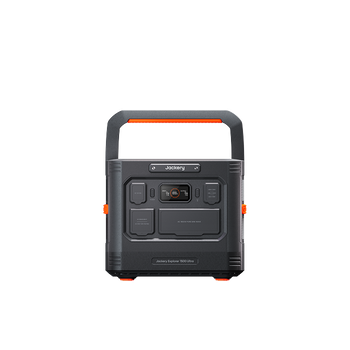
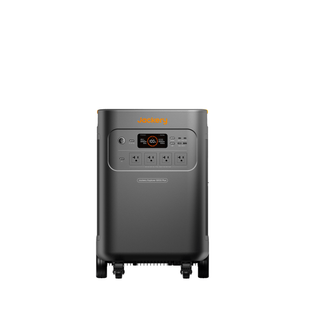
The Jackery FridgeGuard can keep a refrigerator running the instant the power cuts out, without anyone needing to flip a switch. It is a slim, 2.6-inch-thick unit that sits behind or beside the fridge and plugs in between the appliance and the wall outlet. It has a 1,024Wh LiFePO4 battery paired with 800W of continuous output and a 1,600W compressor-ready surge rating, which is enough headroom to absorb the power spike a refrigerator's compressor pulls the moment it kicks on. When the grid drops, a 10ms UPS transfer switches the fridge to battery power automatically, fast enough that most people never notice the interruption.
Appliances Running Time
- Mini Fridge (75W) = 9.3H
- Single Door (120W) = 6.2H
- Double Door (300W) = 2.7H
- Standard Refrigerator (500W) = 1.6H
- Side-by-Side Refrigerator (600W) = 1.4H
Who Should Buy This
The Jackery FridgeGuard is an ideal power station for anyone whose main worry is the refrigerator during a power outage, without wanting to install or store a larger system. It fits well in apartments, condos, and smaller kitchens where space near an outlet is limited, and it's a smart standalone option for households that just want dedicated, no-installation protection for the one appliance they can't afford to lose.

Customer Review
Excelente
— Jose D.
Jackery Solar Generator 2000 v2
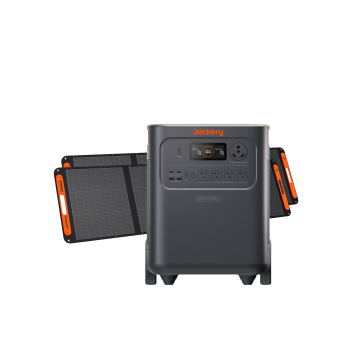
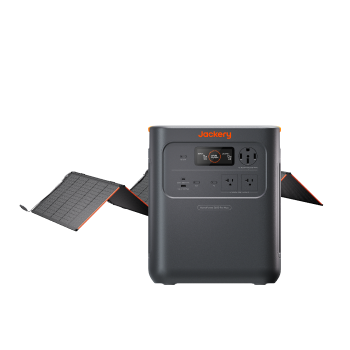
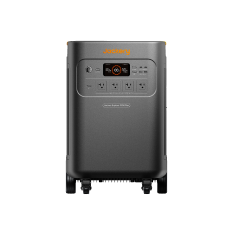
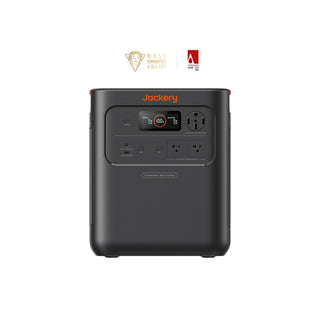
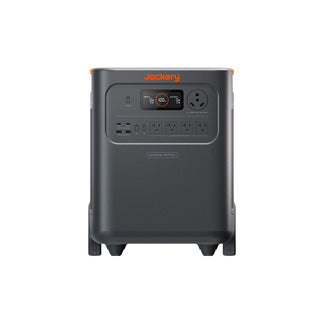
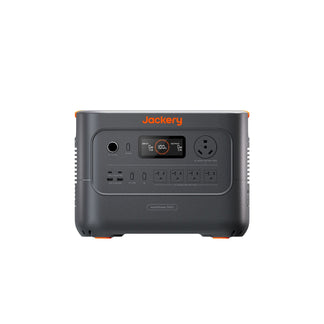
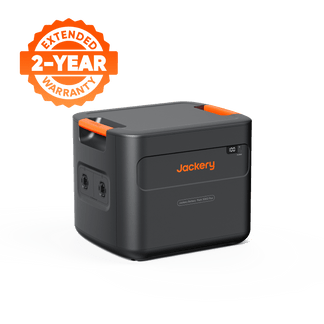
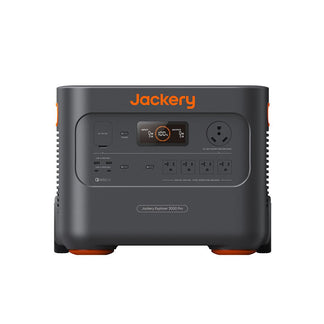
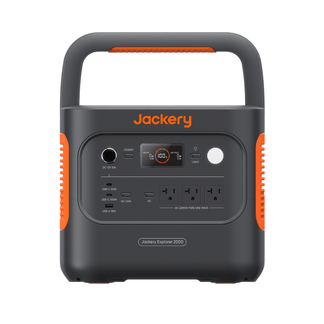
The Jackery Solar Generator 2000 v2 is a broader home-backup solution with enough capacity to cover it alongside a handful of other essentials. It packs a 2,042Wh LiFePO4 battery that recharges from 0-80% in as little as 1.3 hours on wall power, and it can pull power from the sun through compatible solar panels for longer outages or off-grid stretches. If you are running a 300W double-door refrigerator on grid electricity for 8 hours a day at the national average rate, that is about $13.20 a month and $158.46 a year. This home battery backup solution can offset these costs, especially when it is recharged with solar during the day.
Appliances Running Time
- Mini Fridge (75W) = 18.0H
- Single Door (120W) = 12.1H
- Double Door (300W) = 5.3H
- Standard Refrigerator (500W) = 3.2H
- Side-by-Side Refrigerator (600W) = 2.7H
- Commercial Refrigerator (1500W) = 1.1H
Who Should Buy This
The Jackery Solar Generator 2000 v2 is a better fit for households that want more than single-appliance protection. It has enough capacity to run the fridge plus a few lights, a modem, or a fan during an outage. It also suits RV owners and off-grid cabin setups where a standard refrigerator needs to run alongside other essentials for a full day or more.

Customer Review
As a nearly 70-year-old woman, I can move this battery easily from room to room. It will run my Harman P68 pellet stove, which heats my entire house, for 20 hours. It will run my large refrigerator/freezer for the same. With my solar panels operating, I can keep my heat, refrigeration, and freezer running indefinitely by rotating the battery among them.
— Wendy S.
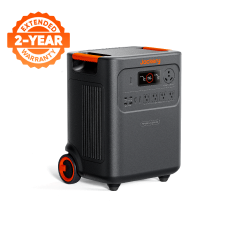
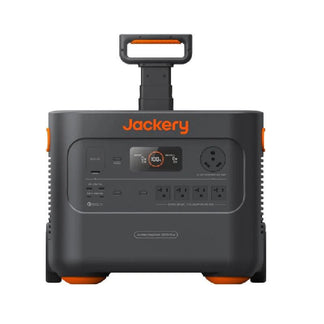
Jackery Solar Generator 5000 Plus
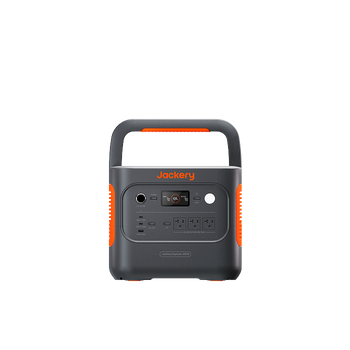
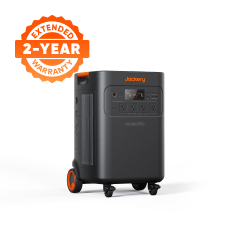
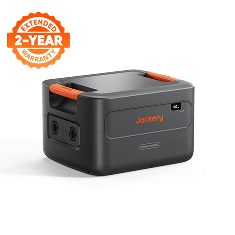
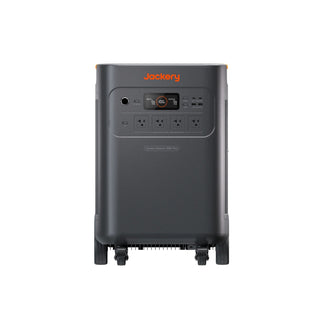
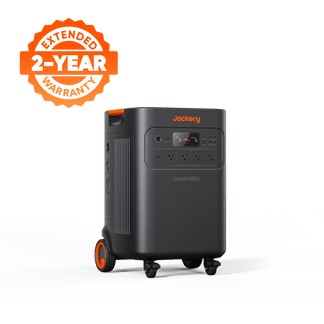
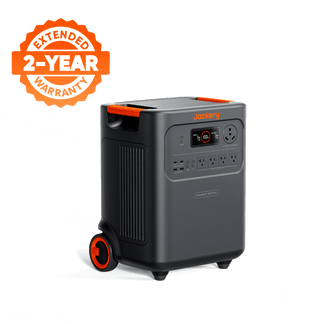
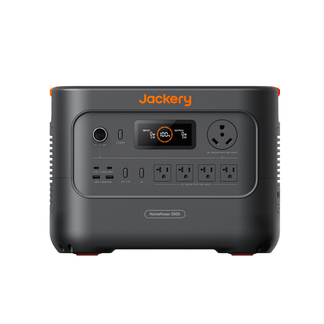
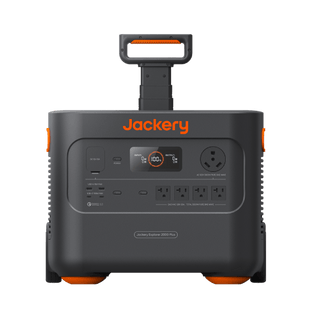
For households that want their refrigerator covered without giving it a second thought, even during multi-day outages, the Jackery Solar Generator 5000 Plus is built for that scale. It carries a 5,040Wh capacity, enough to run a refrigerator continuously alongside larger loads like a window AC, a well pump, or power tools, and it is expandable with additional battery packs if your household needs even more runtime. If you are running a 600W side-by-side refrigerator on grid power for 8 hours a day, that is roughly $26.41 a month and $316.92 a year at the national average rate. It is a cost the Jackery Solar Generator 5000 Plus can offset while doubling as protection for the rest of your critical circuits.
Appliances Running Time
- Mini Fridge (75W) = 34.3H
- Single Door (120W) = 25.2H
- Double Door (300W) = 12.2H
- Standard Refrigerator (500W) = 7.8H
- Side-by-Side Refrigerator (600W) = 6.6H
- Commercial Refrigerator (1500W) = 2.8H
Who Should Buy This
The Jackery Solar Generator 5000 Plus is ideal for larger households, homes with a side-by-side or commercial-grade refrigerator, or anyone in a region prone to extended outages who wants a single system that covers the fridge and most of the rest of the house without rationing power between them.

Customer Review
I received the Explorer 5000 Plus solar generator to use to run my home if the power goes out. It works great and will run my whole home if the power goes out.
— Dennis Carlson.
How Much Does It Cost to Run a Refrigerator FAQs
How much does it cost to run a refrigerator in a garage?
A garage refrigerator typically draws between 150W and 800W, depending on its size and age. A 500W garage fridge running 8 hours a day at the national average rate of 18.34 cents per kWh costs about $0.73 daily, $22.01 monthly, and $264.10 a year. Garages also tend to run hotter or colder than the rest of the house depending on the season, which can push actual costs above these baseline numbers.
How much does it cost to run a commercial refrigerator?
Commercial refrigerators draw 1,500W to 2,000W depending on their size and use. At 1,500W running 8 hours a day and the national average rate, that works out to roughly $2.20 a day, $66.02 a month, and $792.24 a year. However, many commercial units run closer to 24 hours a day, which would push the cost significantly higher.
Does a full fridge cost less to run than an empty one?
Generally, yes, a full fridge costs less to run than an empty one. A reasonably full fridge holds its cold temperature more efficiently because the food and drinks inside act as thermal mass, absorbing cold and releasing less warm air when the door opens. An overstuffed fridge with blocked vents, however, can have the opposite effect by restricting airflow.
Why is my refrigerator using more electricity than it should?
A few common culprits behind higher electricity consumption are dirty condenser coils, a worn door seal, a thermostat set colder than necessary, or a fridge placed too close to a heat source like an oven or direct sunlight. Any of these forces the compressor to run longer than it needs to.
Can a solar generator power a refrigerator during an outage?
Yes, a solar generator can power a refrigerator during an outage. Jackery Solar Generators like the Jackery FridgeGuard, Jackery Solar Generator 2000 v2, and Jackery Solar Generator 5000 Plus are all rated to handle a residential refrigerator's running wattage and startup surge, and they can keep it powered continuously through outages that last anywhere from several hours to several days, depending on the unit's capacity.
Conclusion
A refrigerator's running cost rarely shows up as a single, obvious line on your electricity bill, but it is one of the few appliances working every hour of every day, which is exactly what makes it worth paying attention to. Between choosing an efficient model, keeping up with a handful of maintenance habits, and knowing your local rate per kWh, most households have real room to bring that cost down. And for the moments when the grid itself is the problem, a Jackery Solar Generator can keep the compressor running and the food inside safe, whether that is for a few hours during a storm or several days during a longer outage.


![How Many Watts Does a Refrigerator Use? [and Mini-Fridge, Freezer]](http://www.jackery.com/cdn/shop/files/how-many-watts-does-a-refrigerator-use-and-mini-fridge-freezer-8759355.jpg?v=1786014816&width=90)
![3 Best Solar Generators for Refrigerators and Freezers [2026]](http://www.jackery.com/cdn/shop/files/3-best-solar-generators-for-refrigerators-and-freezers-2026-5361514.jpg?v=1786013999&width=90)


