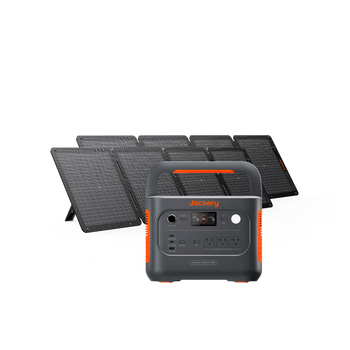
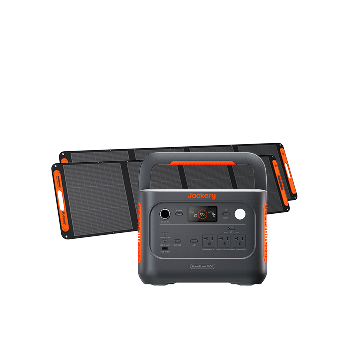
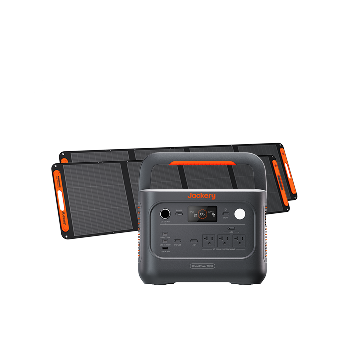



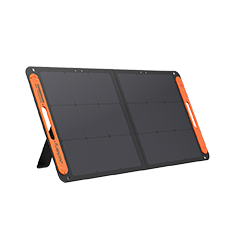
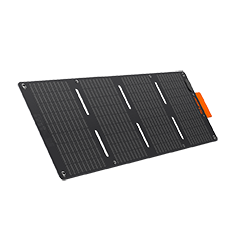


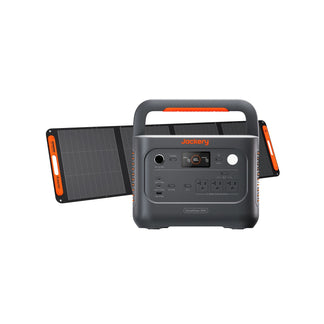
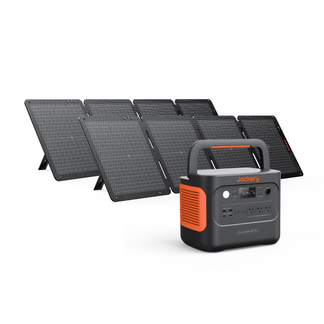
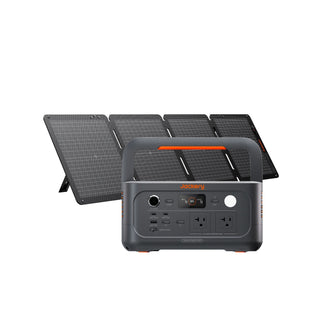
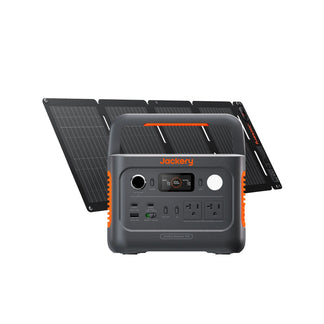

![[Add-on] Jackery SolarSaga 500 X - Jackery](http://www.jackery.com/cdn/shop/files/add-on-jackery-solarsaga-500-x-1493607.webp?v=1786503068&width=324)
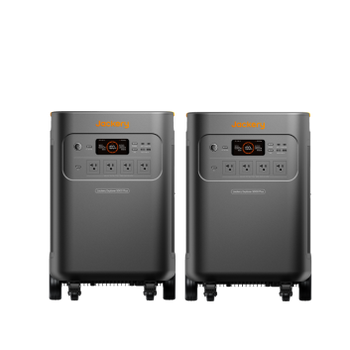
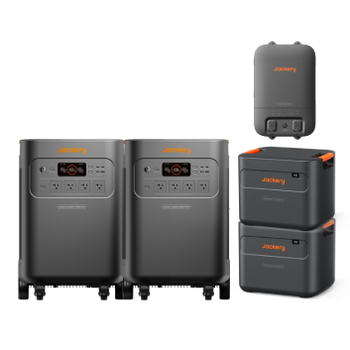
![[Add-on] Jackery Battery Pack 5000 Plus - Jackery](http://www.jackery.com/cdn/shop/files/add-on-jackery-battery-pack-5000-plus-6713401.webp?v=1786503068&width=324)


![[Add - on] SolarSaga 200W - Jackery](http://www.jackery.com/cdn/shop/files/add-on-solarsaga-200w-4834329.png?v=1754016915&width=324)
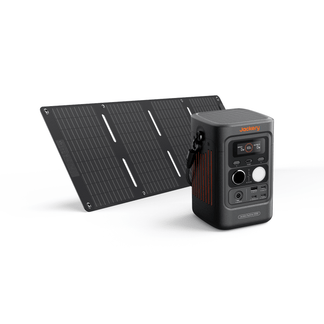


Solar panels are rated under ideal laboratory conditions, direct overhead sunlight at 77°F (25°C), zero shade, and zero atmospheric interference. In the real world, none of those conditions is permanent. Your panel is angled slightly wrong. A tree casts a shadow across one corner for two hours in the afternoon. The panel surface is running at 120°F (48.8°C) on a summer afternoon. You are running two panels in series when parallel would serve you better.
Each of these factors quietly reduces the energy your panel delivers to your power station, and together they can reduce real-world output by 20% to 50% compared to the rated specification. Understanding what causes those losses and how to correct them is the difference between a solar charging setup that recharges your power station in three hours and one that takes six.
This guide covers every practical tip for maximizing solar charging efficiency, from panel angle and shade avoidance to temperature management and series vs. parallel wiring, and recommends the Jackery SolarSaga Solar Panels best suited for home backup and outdoor use.
Key Takeaways
- Solar panel efficiency refers to how well sunlight is converted into usable electricity. Most monocrystalline panels operate between 22% and 25% under ideal conditions, but real-world losses from angle, shade, and temperature can reduce actual output by 20% to 50%.
- Panel angle is one of the most controllable efficiency factors. Tilting your panel to match your latitude (approximately 15° to 35° in most US locations) can recover 10% to 25% of output compared to lying flat.
- Even partial shading across a small area of a solar panel can reduce total output by 30% to 70%, depending on the panel's cell architecture. Eliminating shade is the highest-impact single action for most outdoor setups.
- Temperature affects panel output significantly. For every 1°C rise above 25°C (77°F), output typically drops by 0.3% to 0.5%. On a hot summer day, a panel surface at 60°C (140°F) may be operating at 85% to 90% of its rated output.
- Series wiring increases voltage and suits longer cable runs or shaded conditions. Parallel wiring maintains voltage and maximizes amperage for optimal MPPT performance with most Jackery Portable Power Stations.
What is Solar Panel Efficiency?
Solar panel efficiency is the percentage of incoming sunlight that a panel successfully converts into usable electrical energy. It varies between 15% and 25% for consumer-grade panels, depending on the cell technology:
- Thin-film Panels (8%–13% efficiency): The least efficient panels are used in specialty applications.
- Polycrystalline Panels (15%–18%): The older technology is less expensive but has a larger footprint.
- Monocrystalline PERC Panels (21%–23%): The most common high-efficiency option used in most portable solar panels.
- IBC (Interdigitated Back Contact) Cells (23%–25%+): The highest efficiency available, built with premium cell technology and minimal front-surface shading losses.
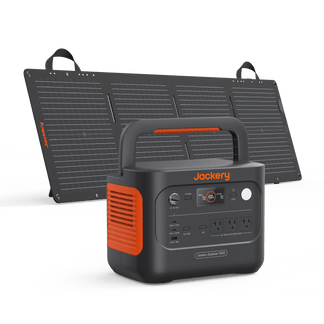
Jackery SolarSaga Solar Panels span both PERC and IBC cell technologies, with efficiency ratings between 23% and 25%. When paired with compatible Jackery Portable Power Stations, they convert the maximum available sunlight into stored battery energy for home backup or outdoor use.
Efficiency formula:
Efficiency (%) = [Power Output (kW) ÷ Panel Surface Area (m²)] × 100
Note: Solar panel efficiency can vary under real-world conditions depending on temperature, shade, angle, and weather.
If you want to know more about solar panel efficiency, you can check out our guide: How Efficient Are Solar Panels.
Data: Real-World Efficiency Under Different Conditions
The table below illustrates how different conditions affect the actual output of a 100W solar panel rated at 23% efficiency under Standard Test Conditions (STC):
|
Condition |
Estimated Output (100W Panel) |
Efficiency Impact |
Notes |
|
Ideal STC (77°F / 25°C, direct sun, optimal angle) |
100W |
Baseline (100%) |
Lab conditions only |
|
Optimal angle, clear sky, 77°F |
90–95W |
-5% to -10% |
Real outdoor clear-day benchmark |
|
Flat on ground at solar noon (summer) |
75–85W |
-15% to -25% |
Panel not tilted to sun angle |
|
Overcast / light cloud |
30–60W |
-40% to -70% |
Diffuse light; bifacial panels perform better |
|
25% panel surface shaded |
30–50W |
-50% to -70% |
Series-wired cells; highly disproportionate loss |
|
Ambient 95°F (35°C), panel surface ~140°F (60°C) |
82–88W |
-12% to -18% |
Temperature coefficient effect |
|
Dirty panel surface (light dust) |
85–95W |
-5% to -15% |
Recoverable with cleaning |
|
Bifacial panel with bright ground reflection |
100–110W |
+0% to +10% |
Rear-side energy capture adds 5–15% in some setups |
Note: These are estimated ranges based on general solar panel performance data. Actual output varies by panel model, location, and conditions.
Tips to Maximize Solar Charging Efficiency
If you want to maximize your solar charging efficiency, clean solar panels regularly to avoid dust and bird droppings, ensure 6-10 inches of airflow beneath the panels to prevent overheating, and orient them facing south with a tilt equal to your latitude. Maximize usage by scheduling heavy appliances during peak daylight hours.
Tip 1: Optimize Panel Angle for Your Location
The single most effective adjustment you can make to a portable solar panel is to tilt it to face the sun directly, rather than lying flat or leaning at an arbitrary angle.
The Basic Rule: tilt your panel at an angle approximately equal to your latitude. In most US locations, that is between 25° and 40° from horizontal. A panel tilted at 30° toward the south in a location at 35° latitude will receive significantly more solar radiation throughout the day than the same panel lying flat.
Seasonal Adjustment: In summer, when the sun is higher in the sky, reduce the tilt angle slightly (latitude minus 15°). In winter, increase the tilt (latitude plus 15°). Adjusting by season can recover 5% to 10% of annual output compared to a fixed average angle.
|
Panel Tilt Angle |
Relative Annual Output |
Notes |
|
0° (flat on ground) |
~78% |
Significant loss; no tilt toward sun |
|
15° |
~92% |
Better; common portable setup angle |
|
25°–30° (optimal for mid-latitude US) |
~100% |
Baseline optimal for average year |
|
45° |
~97% |
Slightly below optimal; better for winter |
|
90° (vertical, wall-mounted) |
~70% |
Major loss; useful only for specific installations |
Most foldable Jackery SolarSaga Solar Panels include adjustable kickstands that allow you to set a meaningful tilt angle in seconds. The Jackery SolarSaga 100 Air specifically includes an integrated aluminum stand with 10mm stake holes for stable ground mounting in high winds, while the flexible Jackery SolarSaga 100 Light can attach to curved surfaces like RV roofs, with a fixed tilt built into the installation angle.
Tip 2: Eliminate All Shade From the Panel Surface
Shading is the most disproportionately damaging efficiency factor in solar charging, and the most important one to address before any other optimization. Most solar panels wire their cells in series strings. When even a small area of one string is shaded, current through the entire string is limited to the output of the weakest (most shaded) cell. The result is that shading 10% to 20% of a panel's surface can reduce total panel output by 50% to 80%, and in some cases, it can reduce the effective output to 0%.
|
Percentage of Panel Surface Shaded |
Estimated Output Reduction |
Notes |
|
0% |
0% loss |
Baseline; no shading |
|
5% (1 cell in shadow) |
-20% to -40% |
Highly disproportionate; series-cell effect |
|
10% |
-30% to -60% |
Significant loss; often worse than it appears |
|
25% |
-50% to -80% |
Severe; most of the panel's output compromised |
|
50%+ |
-70% to -90% |
Near-total output loss in most configurations |
Practical actions:
- Before positioning solar panels, assess the sun's movement from your location throughout the day and identify any objects that will cast shadows across the panel surface during peak solar hours (typically 9am to 3pm).
- Move solar panels away from trees, awnings, walls, and adjacent equipment. Even a thin shadow line from a rope, cable, or antenna can cause meaningful losses.
Tip 3: Manage Panel Temperature to Preserve Output
Heat is unavoidable when solar panels are in direct sunlight, but the amount of heat they accumulate is partly manageable. A panel lying flat on dark asphalt in 95°F (35°C) ambient heat will reach higher surface temperatures than the same panel elevated off the ground with airflow beneath it.
Temperature Coefficient: Most monocrystalline solar panels (including Jackery SolarSaga Solar Panels) lose approximately 0.3% to 0.5% of output for every 1°C rise above 25°C (77°F). The table below shows the impact across common outdoor temperature scenarios:
|
Ambient Temperature |
Estimated Panel Surface Temp |
Output Reduction vs. Rated |
Notes |
|
77°F (25°C) |
~77°F (25°C) |
0% (baseline) |
STC test conditions |
|
86°F (30°C) |
~104°F (40°C) |
-4.5% to -7.5% |
Typical mild summer day |
|
95°F (35°C) |
~122°F (50°C) |
-9% to -15% |
Hot summer afternoon |
|
104°F (40°C) |
~140°F (60°C) |
-13.5% to -22.5% |
Peak summer heat |
|
113°F (45°C) |
~158°F (70°C) |
-18% to -30% |
Extreme heat event |
Practical actions to manage temperature:
- Elevate the panel slightly off the ground or surface to allow airflow beneath. Even a small gap significantly reduces heat buildup.
- Position panels where natural airflow is available, and avoid enclosing them against walls or other panels without an air gap.
- In extreme heat, schedule charging for early morning (cooler temperatures + strong sunlight) rather than peak afternoon hours.
- For home backup setups where panels are mounted on a balcony or rooftop, ensure the mounting brackets provide at least a few centimeters of air clearance beneath the panel.
Tip 4: Optimize Your Series vs. Parallel Configuration
When using multiple solar panels to charge a single portable power station, how those panels are wired together (in series or in parallel) meaningfully affects charging speed and efficiency.
Series wiring (positive terminal of one panel to negative terminal of the next) adds voltages together while keeping the current the same. A series string of two 100W panels at 20V each produces 40V combined.
Parallel wiring (positive to positive, negative to negative) keeps the voltage the same while adding currents together. Two 100W panels at 5A each in parallel produce 10A combined at 20V.
|
Configuration |
Combined Voltage |
Combined Current |
Power Delivered |
Best For |
|
Series (2× 100W, 20V, 5A each) |
~40V |
~5A |
Up to 200W |
Long cable runs and same sunlight conditions |
|
Parallel (2× 100W, 20V, 5A each) |
~20V |
~10A |
Up to 200W |
Most Jackery setups and shading resilience |
|
One panel shaded (series) |
~40V |
~2.5A (limited by shaded panel) |
~100W loss |
Severe penalty from series shading |
|
One panel shaded (parallel) |
~20V |
~7.5A (unshaded panel contributes full current) |
~50W loss |
Much better resilience to partial shade |
Tip 5: Clean Solar Panels Regularly
Dust, bird droppings, pollen, and debris on the panel surface block incoming light before it reaches the cells, and the output loss is cumulative. A light coating of dust across the panel surface can reduce output by 5% to 15%. Localized debris (bird droppings, tree sap) can cause effects similar to partial shading, with disproportionately large local output losses.
You can use a soft cloth to remove loose dust and dirt from the panel surface, then a lightly damp cloth to remove any remaining residue. Any adhesive material (such as bird droppings or sap) should be cleaned off as soon as possible to prevent surface staining. Do not use abrasive materials, solvents, or high-pressure water.
To learn more about the right cleaning ways, you can check out our comprehensive guide to clean solar panels.
Tip 6: Use a Battery Backup to Store Solar Energy for Later
Solar panels are entirely dependent on sunlight. They produce no electricity after dark or when cloud cover completely blocks the sun. For home backup users, this creates a meaningful risk: if your power station is not fully charged before an outage begins at night, or if a cloudy multi-day event reduces solar input, your backup coverage is compromised.
The most reliable strategy is to pair your solar panels with a sufficiently sized Jackery Portable Power Station that can store energy generated during peak solar hours (typically 9am to 3pm) for use overnight or on low-light days. For home backup purposes, aim for a power station capacity that can cover your essential appliance load for at least 12 to 24 hours independently.
For guidance on pairing solar panels with Jackery power stations, you can check the Jackery Solar Panels complete guide.
Best Jackery SolarSaga Solar Panels for Home and Outdoor Use
Jackery SolarSaga Solar Panels use high-efficiency monocrystalline silicon solar cells with bifacial designs across most models, capturing sunlight from both front and rear surfaces for improved energy generation. Here is the full range of currently available solar panels from Jackery and their key efficiency characteristics:
Jackery SolarSaga 40 Air
The Jackery SolarSaga 40 Air is the most compact and lightweight solar panel, weighing just 1.98 lbs and folding to book size. Its 23% bifacial efficiency uses dual-sided PERC cells to capture sunlight from both the front and rear surfaces, making it more effective in low-angle and diffuse-light conditions than a standard monofacial panel of the same wattage. The four-corner mounting system with carabiners allows it to be strapped to a backpack, hung from a tent, attached to a tree, or secured to a vehicle. The dual USB-C and USB-A output ports let it charge phones, cameras, and small gear directly without a power station.
Who Should Buy This
The Jackery SolarSaga 40 Air is ideal for hikers, backpackers, and day-trippers who need the lightest possible solar charging option. It is suited for direct device charging on the go and as a supplemental recharge source for smaller Jackery Portable Power Stations.

Jackery SolarSaga 100 Air
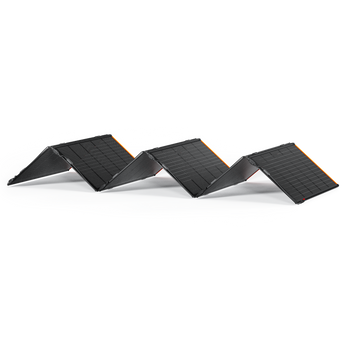
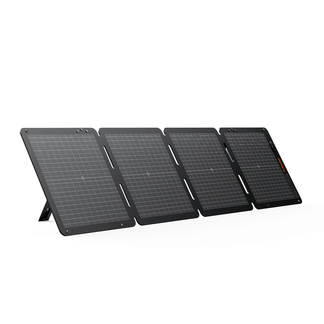
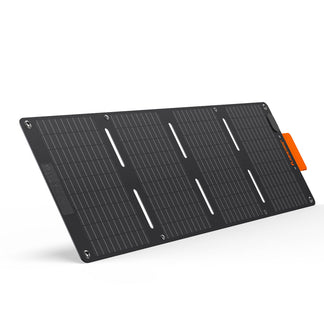
The Jackery SolarSaga 100 Air is the most travel-friendly solar panel, making it 27% lighter than standard 100W panels. Its W-fold design compacts into a slim package that fits in a car trunk or travel bag, and its integrated aluminum stand with 10mm stake holes sets up stably in under 60 seconds even in high winds. It uses dual-sided PERC cells for 23% bifacial efficiency, capturing rear-side reflected and diffuse light in addition to front-side direct sunlight.
Who Should Buy This
The Jackery SolarSaga 100 Air is ideal for campers, van lifers, road-trippers, and outdoor workers who need a capable 100W panel that packs lighter and smaller than any standard rigid alternative.

Jackery SolarSaga 100 Light
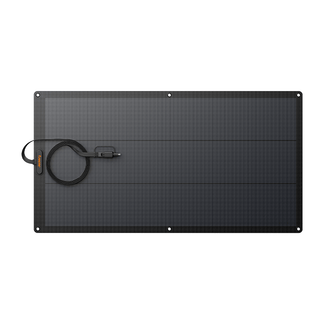
The Jackery SolarSaga 100 Light uses IBC (Interdigitated Back Contact) cells to deliver 25% bifacial conversion efficiency. Weighing just 4.52 lbs (56% lighter than rigid panels) and bendable up to 221°, it is designed to conform to curved surfaces, including RV roofs, van rooftops, balcony railings, and marine decks. Installation requires no tools and takes less than 5 minutes. The built-in 3m flat cable connects directly to a compatible Jackery Portable Power Station without additional adapters.
Who Should Buy This
The Jackery SolarSaga 100 Light is ideal for RV owners, van lifers, balcony home battery backup systems, and anyone who needs to mount a solar panel on a curved or irregular surface.

Jackery SolarSaga 100 Prime
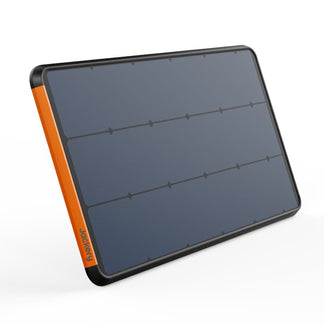
The Jackery SolarSaga 100 Prime features a flexible design that makes setup and portability easy, making it ideal for outdoor enthusiasts, emergency home backup, and everyday users. It features an unshaded front design that ensures optimal sunlight absorption and converts more solar energy into usable power. The patented arc design of the Jackery SolarSaga 100 Prime not only enhances its aesthetic appeal but also redefines safety standards.
Who Should Buy This
The Jackery SolarSaga 100 Prime is ideal for RV owners and van lifers who want permanently installed solar panels on the rooftop of their vehicle for maximum solar energy absorption and electricity generation.

Jackery SolarSaga 200W Solar Panel
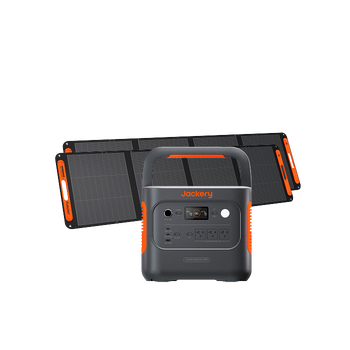
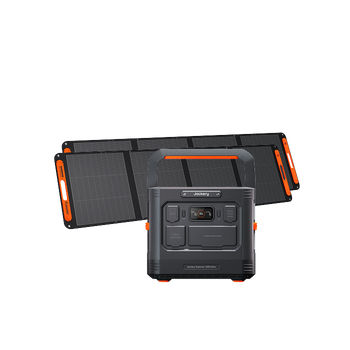
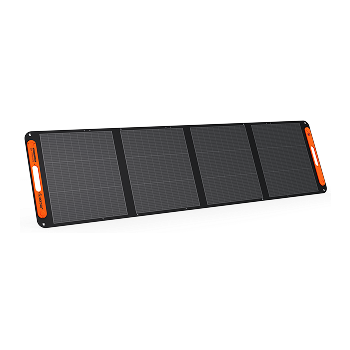
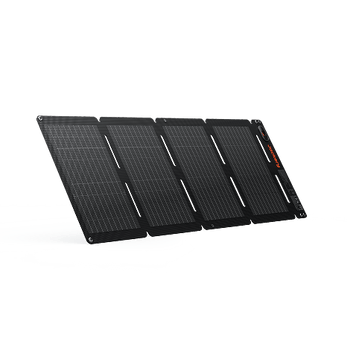
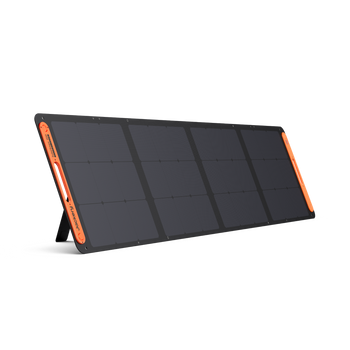
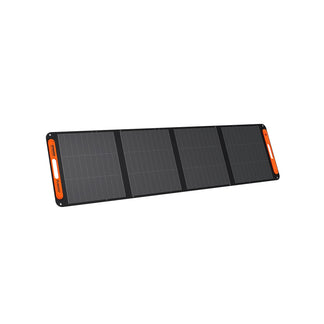
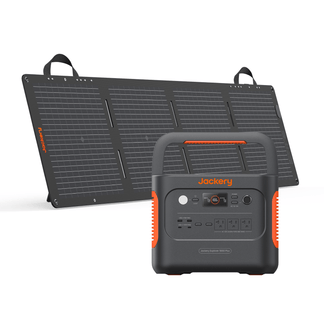
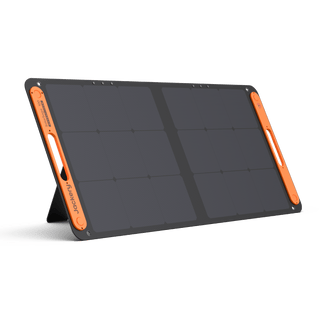
The Jackery SolarSaga 200W Solar Panel is a foldable panel with a solar conversion efficiency of 24.3%. The bifacial design ensures the solar panel converts maximum sunlight into electricity, charging the compatible power stations from Jackery faster. It is portable, so you can carry the solar panel anywhere to charge the compatible Jackery Portable Power Station and build a home battery backup for long-term outages or extended outdoor trips.
Who Should Buy This
The Jackery SolarSaga 200W Solar Panel is ideal for those who want fast solar recharging of mid-to-large capacity Jackery Portable Power Stations, or who want to combine two solar panels for a 400W solar input setup.

Customer Review
I have only used them once so far. In the good AZ sun, it did a great job charging. I do not care for the elastic kickstands. It is difficult to place the kickstand without it bouncing back.
— Cheryl R.
Jackery SolarSaga 500 X Solar Panel
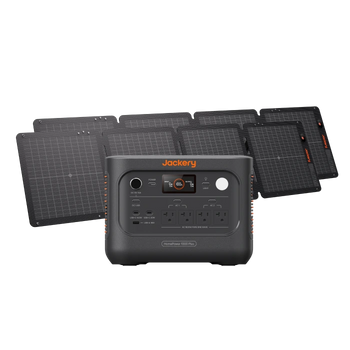
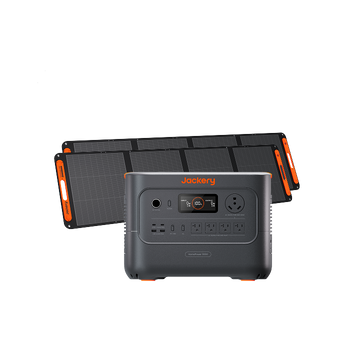
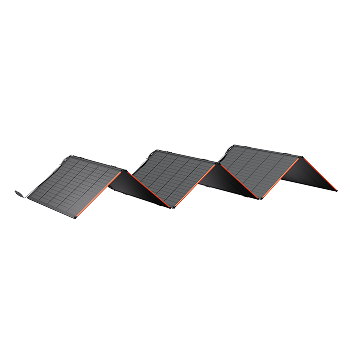
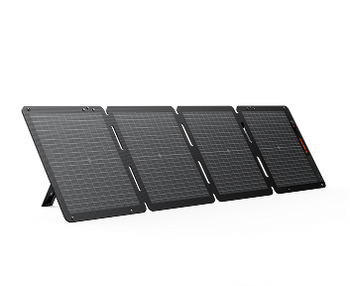
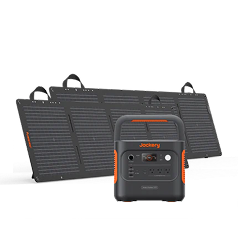
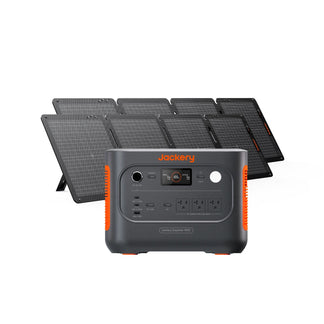
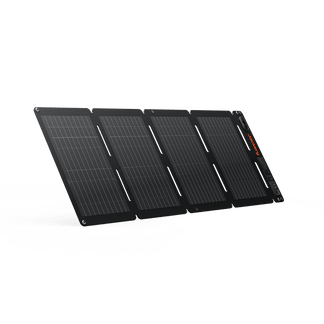
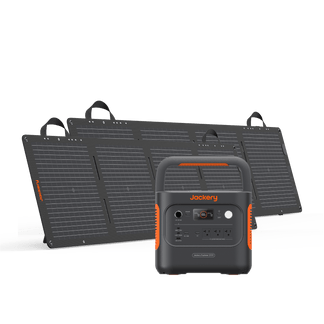
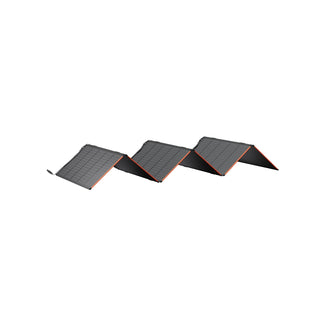
The Jackery SolarSaga 500 X combines six SolarSaga 85 solar sub-panels, each of which can also be used individually. It has an efficiency of approximately 25% and a 500W output to recharge large Jackery Portable Power Stations faster. This dual-sided solar panel can be paired with the Jackery Explorer 5000 Plus for an essential home backup solution capable of powering essential home circuits during outages.
Who Should Buy This
The Jackery SolarSaga 500 X is ideal for essential home solar backup setups and users who need the fastest possible recharge times for high-capacity Jackery Portable Power Stations like the Jackery Explorer 5000 Plus.

Customer Review
Fantastic modular system, you can take it apart and use it on the other units. I am throwing away all my old Reno G panels.
— Robert G.V.d.H.
FAQs About Solar Panel Efficiency
How do you measure the efficiency of a solar panel?
Solar panel efficiency is calculated by dividing the panel's power output (in kilowatts) by its total surface area (in square meters) and multiplying by 100. Efficiency = [Power Output (kW) ÷ Panel Surface Area (m²)] × 100. This is measured under Standard Test Conditions (STC): 1,000 W/m² irradiance, 25°C cell temperature, and AM 1.5 spectrum.
What does 25% solar panel efficiency mean?
A 25% efficiency rating means that, under ideal test conditions, the panel converts 25% of the sunlight striking its surface into usable electrical energy. The remaining 75% is reflected, converted to heat, or otherwise lost in the conversion process.
How efficient are solar panels in winter?
Solar panels can operate efficiently in cold weather as long as there is enough sunlight. In fact, lower temperatures improve voltage output compared to hot conditions. The main limitation in winter is reduced daylight hours and a lower sun angle. Adjusting the panel tilt to a steeper angle in winter (latitude + 15°) compensates for the lower sun position and can recover meaningful output during shorter winter days.
What is the best angle for solar panels?
For most US locations, a tilt angle approximately equal to the local latitude, roughly 25° to 40° from horizontal and facing south, provides the best annual output. In summer, reduce the angle slightly. In winter, increase the angle. Most Jackery SolarSaga Solar Panels include adjustable kickstands for on-the-fly angle adjustment.
Should I wire my solar panels in series or parallel?
For most Jackery Portable Power Station setups, parallel wiring is recommended when the combined voltage of series-wired panels approaches or exceeds the power station's maximum solar input voltage, or when one of the solar panels is likely to be partially shaded. Series wiring is suitable when panels operate under identical conditions, and the series voltage remains within the power station's acceptable input range. Always check the specific power station's maximum solar input voltage specification before combining panels.
Conclusion
Maximizing solar charging efficiency is about using the solar panel you have correctly. Tilting it toward the sun, keeping it out of shadows, allowing airflow beneath it, and wiring multiple panels appropriately for your setup are all changes that can be made without spending any additional money, and together they can recover 20% to 40% of the output you might otherwise be losing. Jackery SolarSaga Solar Panels are designed to deliver their rated efficiency across a wide range of real-world conditions. When paired with compatible Jackery Portable Power Stations and used with the tips in this guide, they deliver the fastest, most reliable solar charging available for home backup and outdoor adventures.


