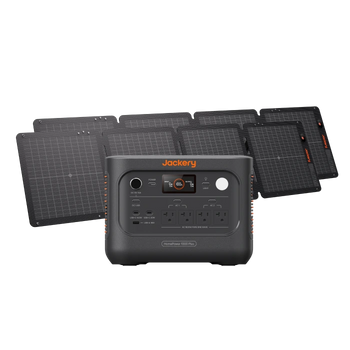
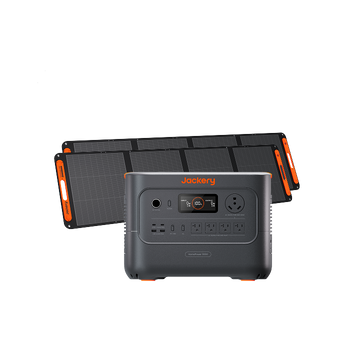
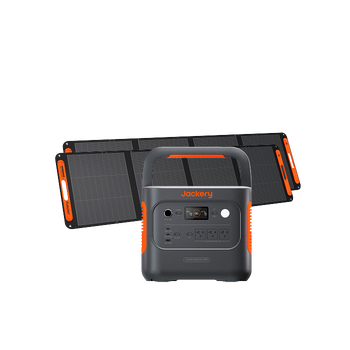
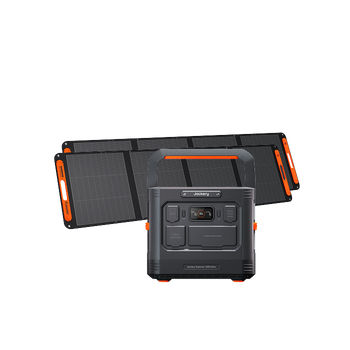
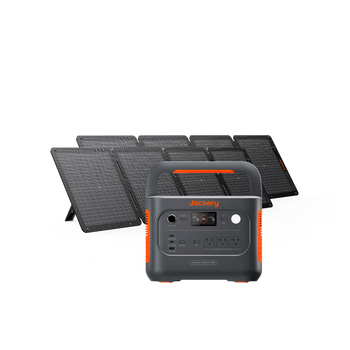

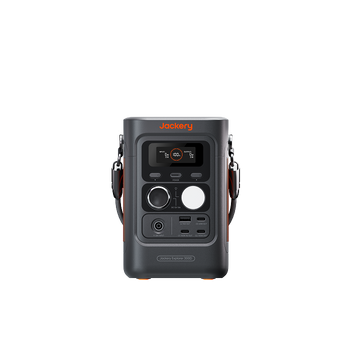
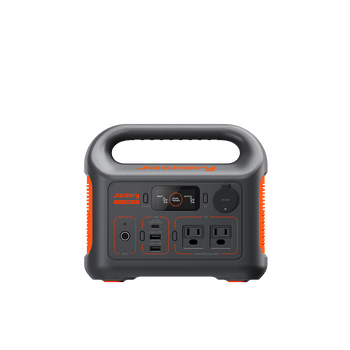



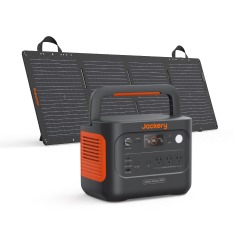
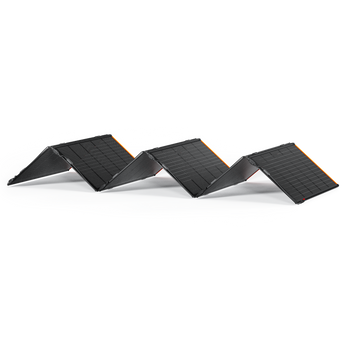


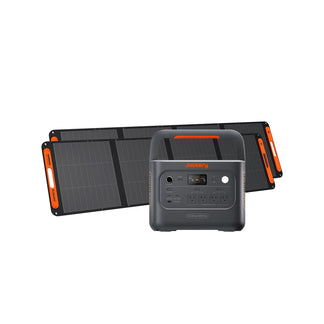
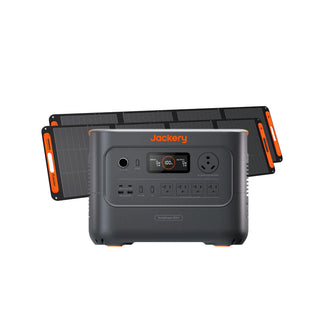
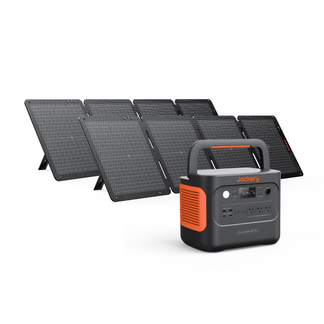

![[Add-on] Jackery SolarSaga 500 X - Jackery](http://www.jackery.com/cdn/shop/files/add-on-jackery-solarsaga-500-x-1493607.webp?v=1786503068&width=324)
![[Add-on] Jackery Battery Pack 5000 Plus - Jackery](http://www.jackery.com/cdn/shop/files/add-on-jackery-battery-pack-5000-plus-6713401.webp?v=1786503068&width=324)
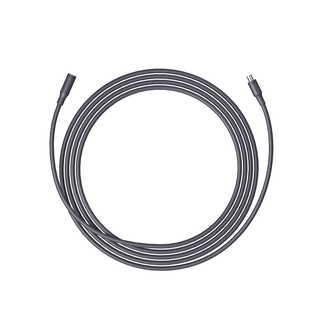
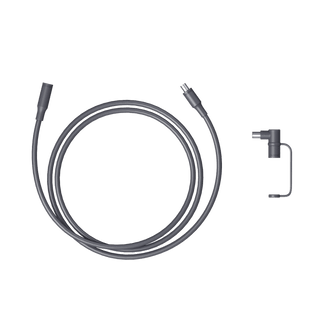
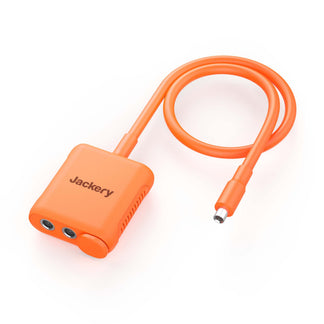
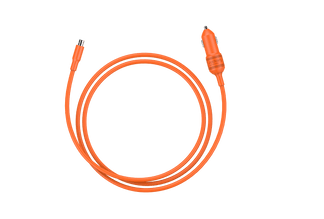






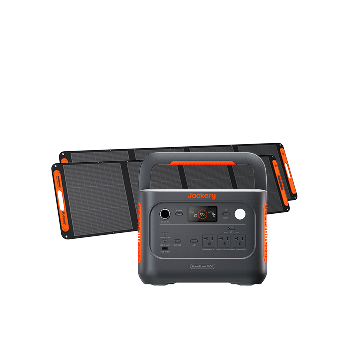
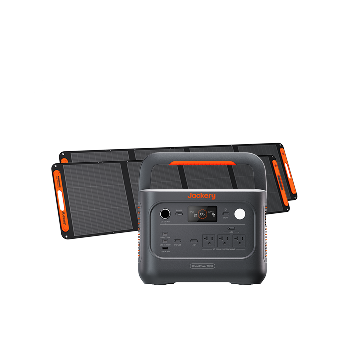
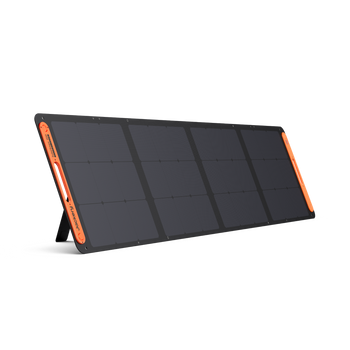
![[Add - on] SolarSaga 200W - Jackery](http://www.jackery.com/cdn/shop/files/add-on-solarsaga-200w-4834329.png?v=1754016915&width=324)


Most power outages do not give you a warning. One moment, your evening is running normally, and the next, the house goes dark, the refrigerator falls silent, and the mental math starts: how long before the food is at risk? How long before the medication in the mini fridge hits the danger zone? For families with infants, it is even more immediate. A baby formula warmer without power is not an inconvenience, it is a crisis.
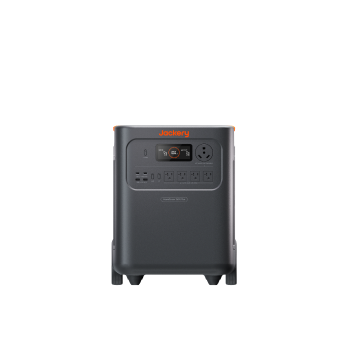
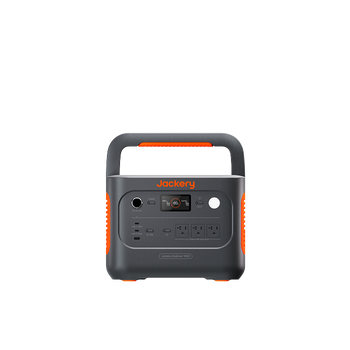
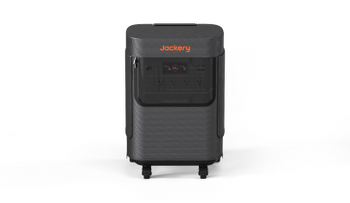
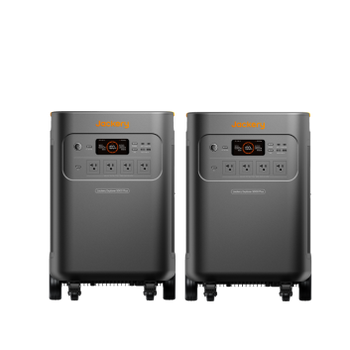
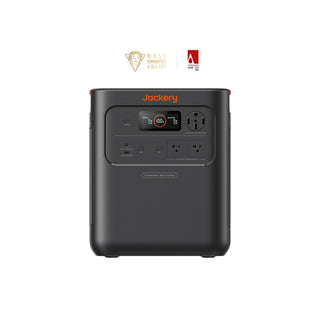
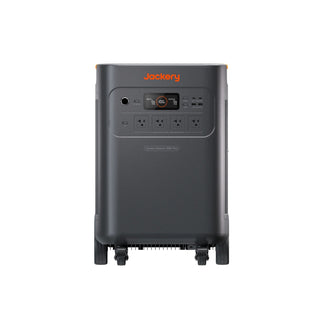
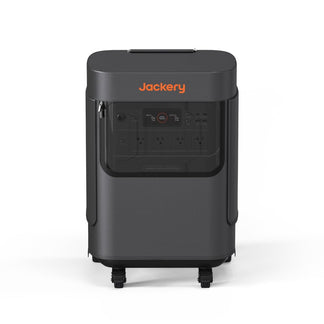
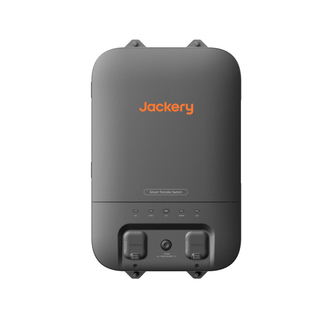
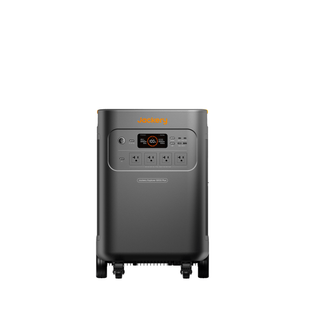
The Jackery FridgeGuard was built specifically around these moments. It is not a whole-home generator or a portable power station you pull out of storage when a storm warning pops up. It is a 1,024Wh, 800W device that sits permanently beside your most important appliances, stays fully charged on wall power during normal operation, and switches to battery backup in under 10 milliseconds when the grid fails.
What makes Jackery FridgeGuard different from a standard power station is FridgeSafe Technology. It is a suite of operating modes built around how refrigerators actually behave during and after an outage. This guide covers how to use the Jackery FridgeGuard across three practical settings: the home, the home office, and outdoors.
Key Takeaways
- The Jackery FridgeGuard is a plug and play home appliance backup system. Connect it once, and it automatically switches to battery in under 10ms whenever the grid drops, with zero setup required during an outage.
- FridgeSafe Technology, including Bypass Mode, Surge Protection, Compressor-Ready Power, and Delay Start Mode, makes the Jackery FridgeGuard the most fridge-optimized backup solution in Jackery's lineup.
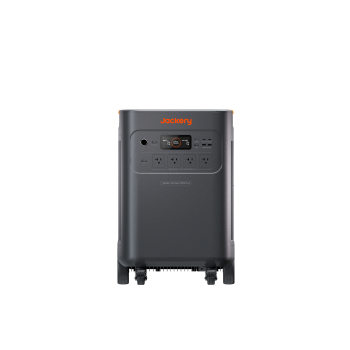
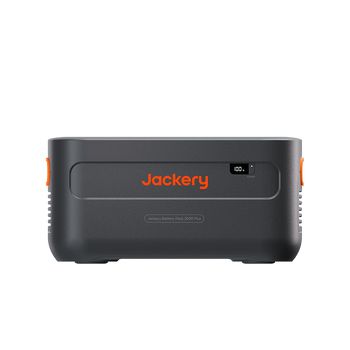
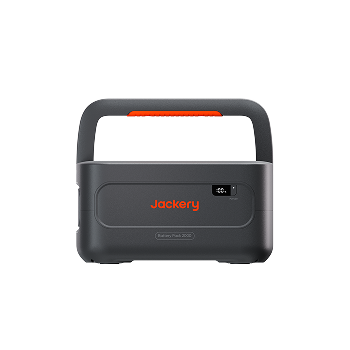
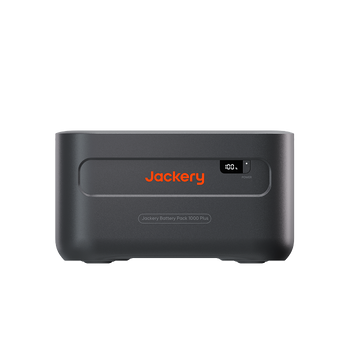
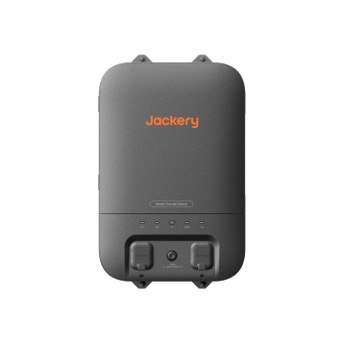
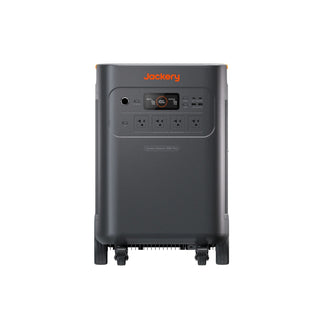
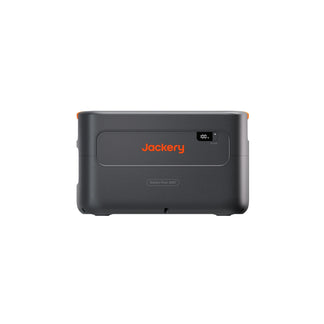
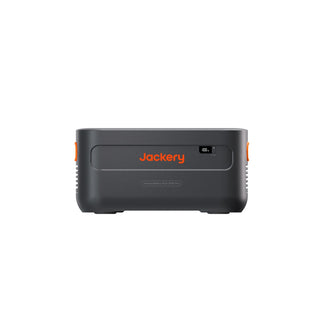
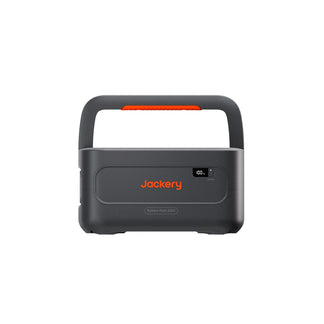
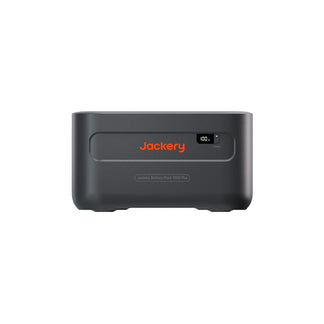
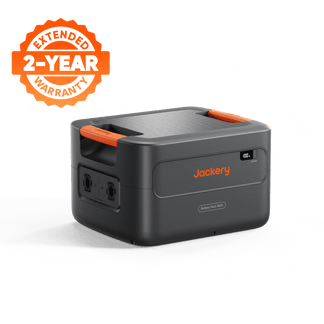
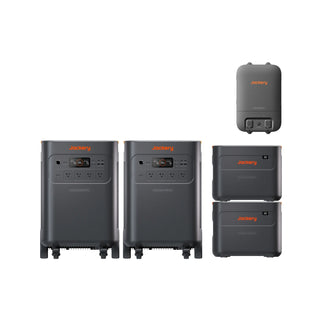
- Adding the Jackery FridgeGuard Battery Pack doubles the total capacity to 2048Wh, extending runtime across every room and every appliance during outages that stretch overnight or beyond.
- TOU Mode via the Jackery app lets you schedule off-peak recharging to reduce your monthly electricity bill, making the Jackery FridgeGuard a protection device and a cost-saving tool in one.
- The Jackery FridgeGuard supports AC, Solar, and Car Charging, and operates at under 40dB with Zero VOCs. It is safe and quiet enough for any room in the home, from the kitchen to the bedroom.
What is the Jackery FridgeGuard & What's Included in the Bundle?
The Jackery FridgeGuard is a plug-and-play home backup device designed for permanent placement beside the appliances that cannot afford to lose power. Unlike a portable power station that sits in a closet until an outage happens, the Jackery FridgeGuard stays plugged into the wall outlet. During normal grid operation, it runs in Bypass Mode. It powers your connected appliances directly from the wall while keeping its LFP battery fully charged in the background, preserving battery longevity across a rated lifespan of 16 years or 6,000 cycles.
When the grid fails, three features define how Jackery FridgeGuard responds:
UPS Instant Backup Mode: The transition from grid to battery happens in under 10 milliseconds. For a refrigerator compressor, that is fast enough that no interruption is registered. For a laptop or router, it is fast enough that no data is lost and no restart is triggered.
Delay Start Mode: Rather than immediately demanding a restart the moment power cuts, Delay Start gives the compressor a short buffer to allow refrigerant pressure to equalize before restarting. This is exactly the kind of restart protection that most generic backup devices skip, which causes compressor stress and shortens fridge lifespan. As a secondary benefit, Delay Start also extends available backup runtime by smoothing out the initial power spike.
1,600W Peak Output: Most refrigerators draw two to three times their running wattage in the first second of startup. Jackery FridgeGuard's 1,600W peak output is built for that one second. It handles the surge cleanly, then settles back to the appliance's running wattage.
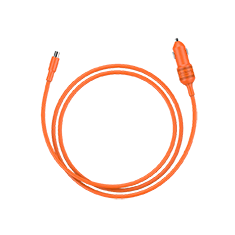
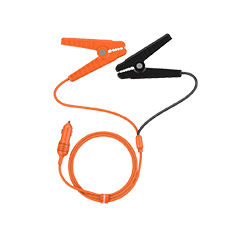
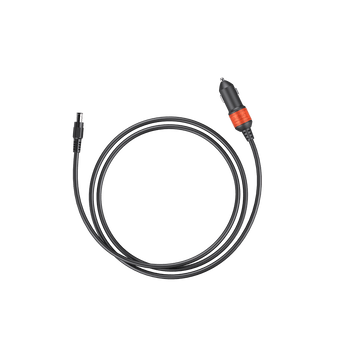
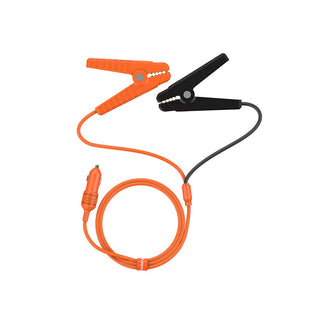
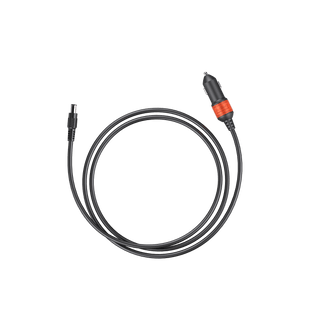
Beyond fridge-specific protection, the Jackery FridgeGuard includes surge protection against voltage spikes and unstable grid conditions, real-time monitoring via the Jackery app, Time-of-Use scheduling for off-peak charging, and expandability up to 2,048Wh with a compatible battery pack. It recharges via an AC wall outlet, a solar panel, or a car charger for flexibility.
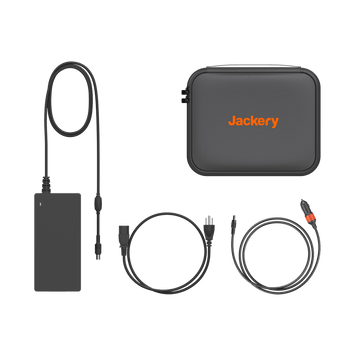
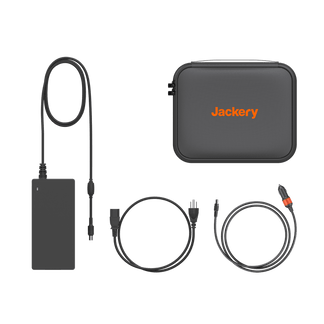
Here is what’s in the box Jackery FridgeGuard:
- 1* Jackery FridgeGuard
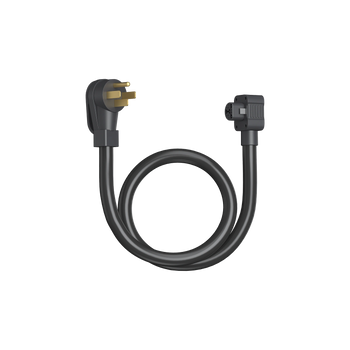
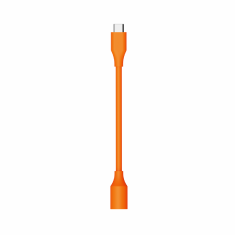
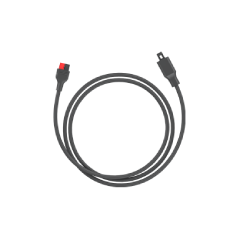
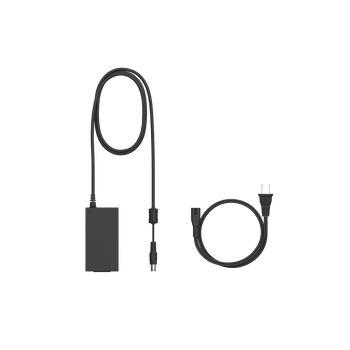
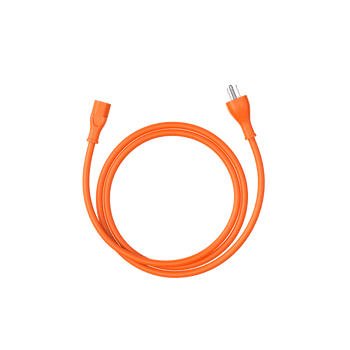
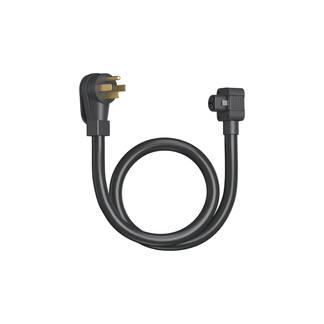
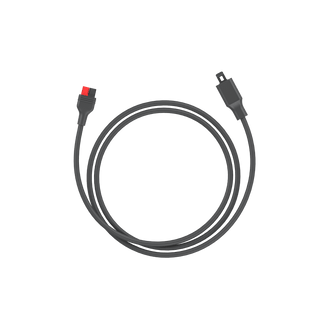
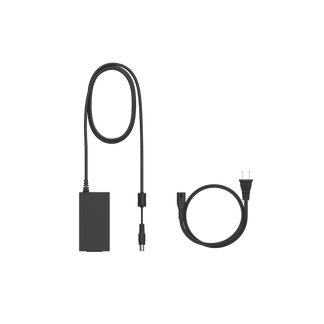
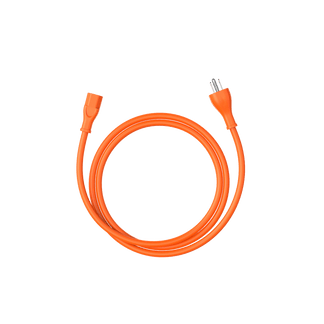
- 1* AC Charging Cable
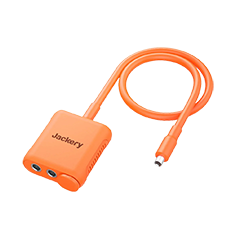
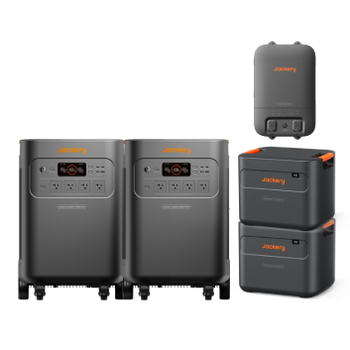
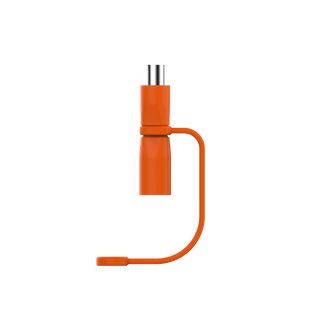
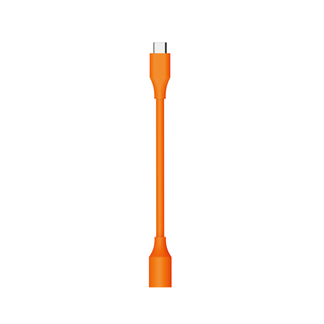
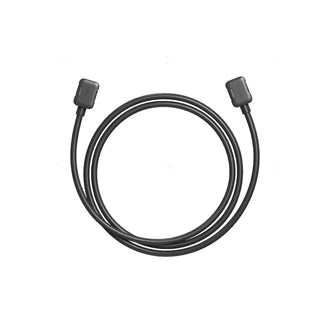
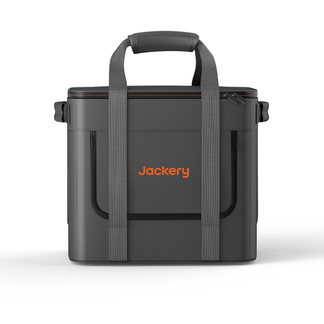
If you need more power, you can also invest in another bundle that includes the Jackery FridgeGuard + Battery Pack + Mounting Bracket. The bundle includes:
- 1* Jackery FridgeGuard
- 1* AC Charging Cable
- 1* Battery Pack
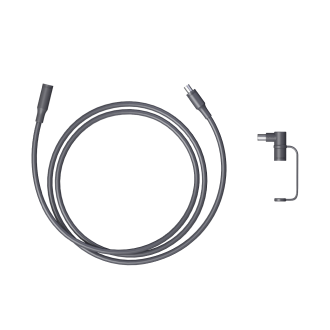
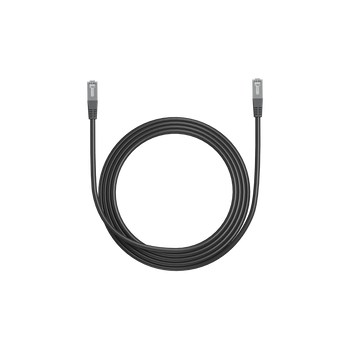
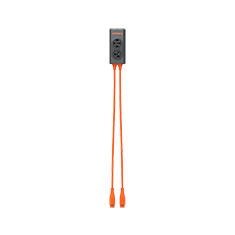
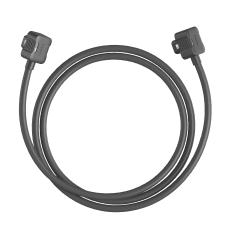
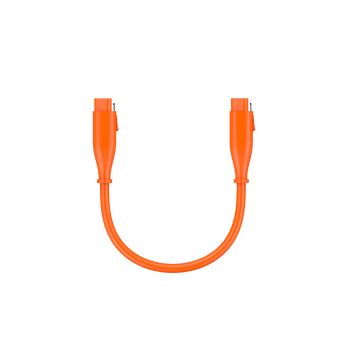
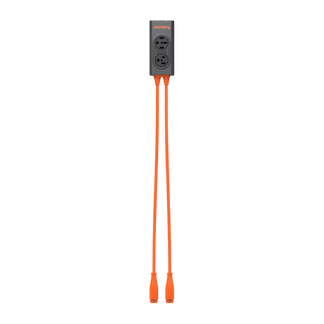
- 1* Expansion Cable
- 1* Mounting Bracket

Let’s now check out the technical specifications of the Jackery FridgeGuard:
|
Jackery FridgeGuard |
|
|
Capacity |
1024Wh |
|
Output |
800W Max, 1600W Surge Peak |
|
Battery Type |
LiFePO4 |
|
Lifespan |
6000 cycles to 70%+ capacity |
|
Weight |
About 23 lbs/10.4 kg |
|
Jackery SolarSaga 500 X Solar Panel |
|
|
Recharging Time |
AC Fast Charging (Wall Outlet): Supported Solar Charging (500W Max): Supported Car Charging: Supported |
|
Expandability |
Yes (Up to 2048Wh) |
|
Warranty |
3 + 2 Years |
How to Use Jackery FridgeGuard for Home?
Jackery FridgeGuard is built with technology that powers and protects the specific appliances that cause the most stress during an outage. A refrigerator going dark. A living room that goes completely silent. A baby who cannot be settled without a working nightlight or formula warmer. Jackery FridgeGuard does not try to run the whole house. Instead, this essential home backup solution keeps the things that matter running, room by room, automatically.
Kitchen
The kitchen is the scenario FridgeGuard was designed for first. A standard household refrigerator draws between 100W and 200W during steady operation, which is well within FridgeGuard's 800W rated output. However, the challenge has never been the running wattage. It is the startup surge. A refrigerator compressor restarting after a power cut can demand two to three times its running wattage in the first second. That is the moment generic backup devices fail.
Jackery FridgeGuard's 1,600W peak output handles that startup cleanly, and the Delay Start mode gives the compressor a buffer period before asking it to restart at all, reducing mechanical stress and extending the backup cycle. For families with infants or anyone storing temperature-sensitive medication, a second appliance (a mini fridge or a formula warmer) can run alongside the main refrigerator without pushing this home battery backup anywhere near its output ceiling.
A 150W refrigerator and a 100W medication mini fridge together draw 250W, leaving 550W of headroom for anything else that needs to stay on.
Appliances Running Time:
- Refrigerator (150W) = 5.1H
- Mini Fridge (100W) = 7.3H
- Electric Kettle (400W) = 2.0H
- Coffee Maker (800W) = 1.0H
- Microwave (700W) = 1.2H
Living Room
For a family sitting through an evening outage, the living room matters. Keeping the television on, maintaining some lighting, and running a fan during a summer blackout are the difference between a manageable situation and a miserable one.
Jackery FridgeGuard handles a typical living room load, such as a television, a gaming console or sound system, LED lighting, and a fan with significant capacity to spare. A 100W TV, 50W sound system, 20W LED strips, and a 30W fan together draw just 200W, which Jackery FridgeGuard sustains for approximately 3.9 hours.
The compact, 2.6-inch slim design means Jackery FridgeGuard moves between rooms without the effort of carrying a heavy power station. Plug it in beside the TV in the living room during a long evening outage, and it handles the room's essentials the same way it handles the fridge in the kitchen.

Appliances Running Time:
- TV (100W) = 7.3H
- Gaming Console (150W) = 5.1H
- LED Strip Lights (20W) = 24.0H
- Sound System (50W) = 1.6H
- Fan (30W) = 18.7H
Bedroom
An overnight outage creates a different set of challenges than a daytime one. You are asleep. You cannot monitor things, adjust anything, or notice the battery level dropping. The automatic nature of Jackery FridgeGuard's UPS switching is most valuable precisely here. It detects the outage and switches to battery in under 10 milliseconds without any human action required.
For parents of infants, a formula warmer at 150W and a nightlight at 10W together draw 160W and run for 4.8 hours simultaneously. Phone charging, a portable fan, and a small nightlight together draw well under 60W. It is a load Jackery FridgeGuard sustains through a full night and into the following morning without strain.
Appliances Running Time:
- Bedside Lamp (10W) = 33.6H
- Phone Charger (20W) = 24.0H
- Portable Fan (30W) = 18.7H
- Baby Formula Warmer (150W) = 5.1H
How to Use Jackery FridgeGuard for Home Office?
A power outage during a workday drops an active meeting, interrupts a deadline, and in some cases corrupts unsaved work. The Jackery FridgeGuard's sub-10ms UPS switching closes that gap entirely. The transition from grid to battery is faster than any device on the desk can detect, which means the laptop stays on, the router stays connected, and the monitor does not flicker. From a practical standpoint, nothing happens. You keep working.
A typical home office setup, including a laptop, a monitor, a WiFi router, and a desk lamp, draws somewhere between 110W and 130W in combined load. At that wattage, Jackery FridgeGuard's 1,024Wh capacity covers more than six hours of continuous use. A standalone WiFi router at 10W can run for over 33 hours. If a printer needs to run during the outage at 100W, it can do so for over seven hours without compromising the other devices on the circuit.

The slim 2.6-inch profile means Jackery FridgeGuard fits behind a monitor or beside a desk without taking up meaningful workspace. And because it stays in Bypass Mode during normal grid operation, it requires no maintenance. It is simply always there, always charged, always ready to take over the moment the grid fails.
The Jackery app adds another layer of control for the home office user: real-time monitoring shows what each connected device is drawing and how much runtime remains, so you can make informed decisions about whether to wrap up a meeting or keep going through a longer outage.
Appliances Running Time:
- Laptop (60W) = 11.2H
- Desktop Monitor (40W) = 15.3H
- WiFi Router (10W) = 33.6H
- Desk Lamp (20W) = 24.0H
- Printer (100W) = 7.3H
How to Use Jackery FridgeGuard Outdoors?
Jackery FridgeGuard has a compact, slim design, 800W output, and three recharging methods: AC, solar, and car, which makes it just as practical in an outdoor setting as beside the kitchen refrigerator. For backyard gatherings, it can power string lights, a portable fridge for drinks, an outdoor speaker, and laptop charging without running an extension cord to a generator or draining a car battery.
For outdoor cooking, the Jackery FridgeGuard’s peak output handles the startup surge of a small electric grill, though sustained high-draw cooking appliances will reduce the available runtime quickly. The practical approach is to use Jackery FridgeGuard for lower-draw ambient loads, such as lighting, speakers, device charging, and run heavier appliances in short, intermittent sessions.
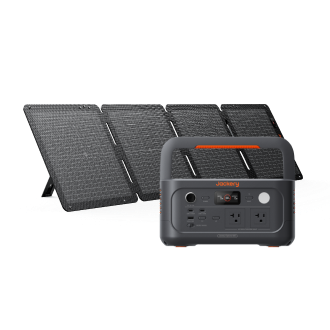
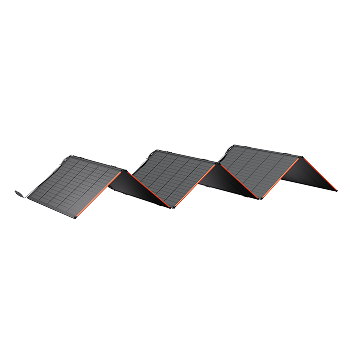
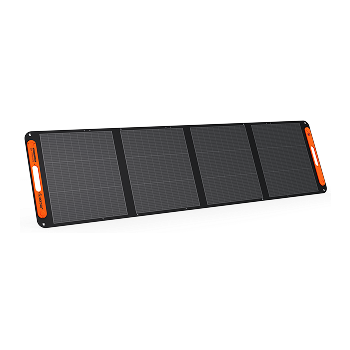
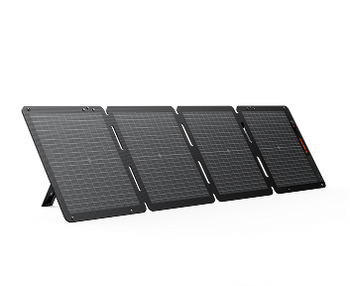
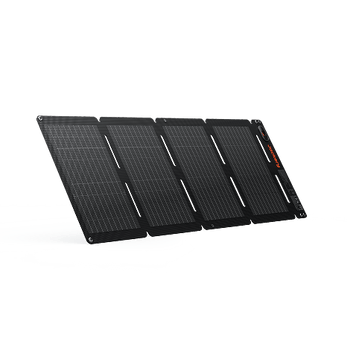
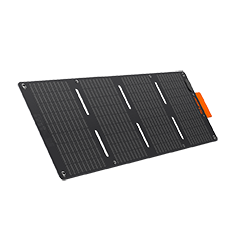
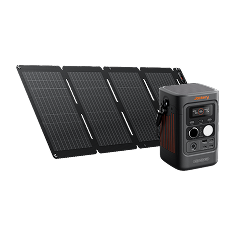
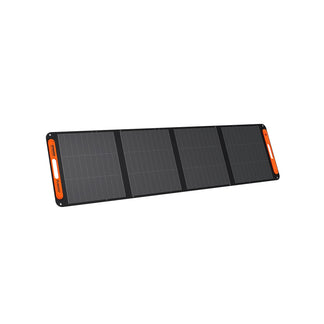
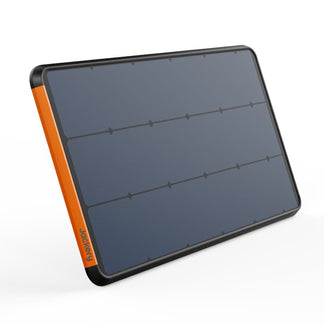
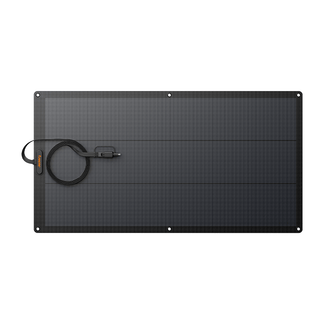
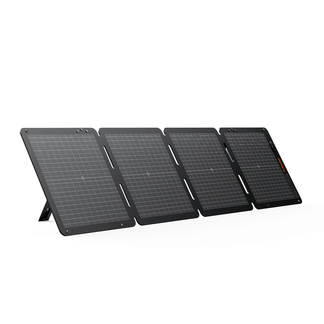
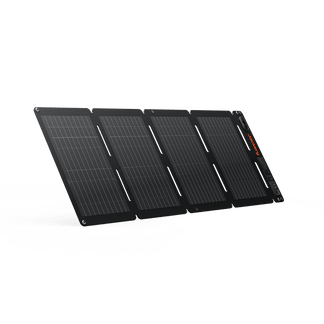
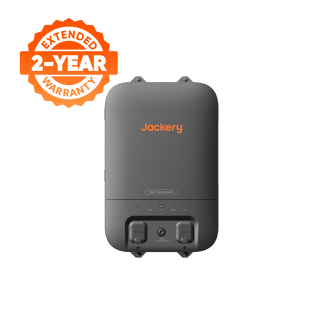
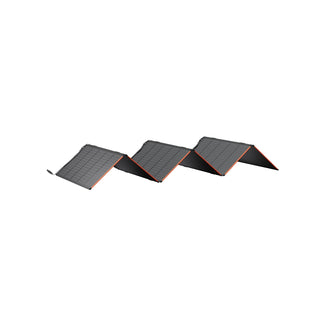
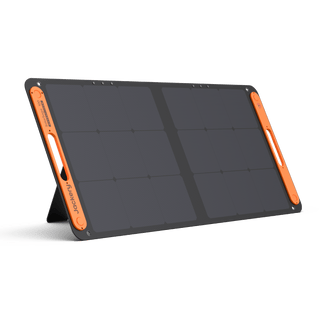
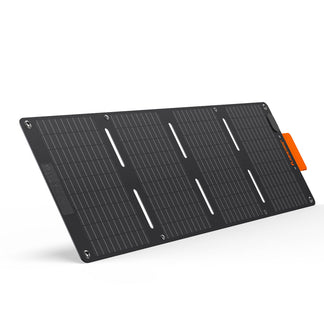
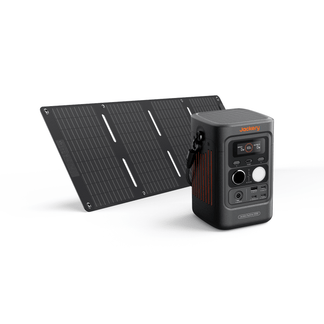
Solar charging makes outdoor use genuinely independent for daytime events or extended outdoor stays. Connect a compatible Jackery SolarSaga 500 X Solar Panel, position it in direct sun, and the Jackery FridgeGuard recharges while you are using it. For camping, the car charging option means a long drive to the campsite, where you can recharge the battery before you arrive.

Appliances Running Time:
- Portable Fridge (60W) = 11.2H
- String Lights (30W) = 18.7H
- Electric Grill (800W) = 1.0H
- Outdoor Speaker (20W) = 24.0H
- Laptop (60W) = 11.2H
Can You Expand the Jackery FridgeGuard's Capacity?
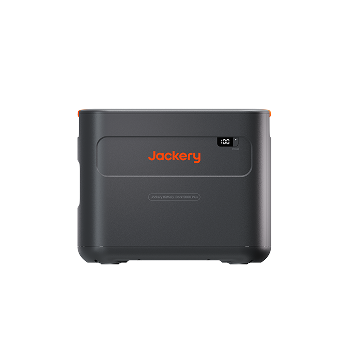
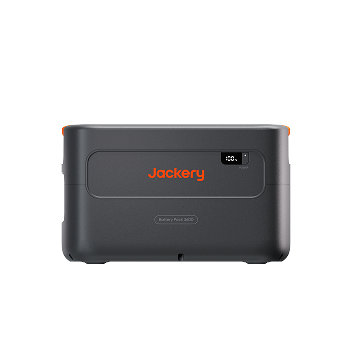
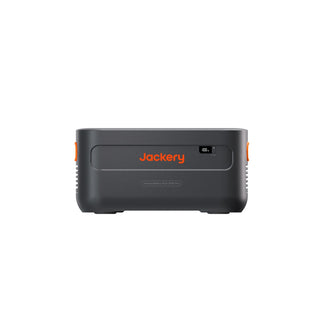
Yes. Jackery FridgeGuard supports capacity expansion up to 2,048Wh by adding a compatible battery pack, using stackable or side-by-side placement. When you expand the capacity up to 2,048Wh, it doubles every appliance's runtime figure.
A refrigerator at 100W runs for over 14.6 hours. For households in hurricane zones, wildfire-prone regions, or anywhere that regularly sees multi-day grid outages, the expanded capacity means the Jackery FridgeGuard sustains the same protection twice as long before needing a recharge.
Solar recharging during daylight hours extends that further. A partial solar recharge each day significantly offsets overnight draw, creating a sustainable recharge loop that can carry protection across multiple outage days without a wall outlet.
How Much Can You Save on Electricity with the Jackery FridgeGuard?
The Jackery FridgeGuard has a Smart App Control that includes a TOU (Time of Use) Mode that makes it a quiet contributor to reducing your household electricity costs over time. TOU Mode allows you to schedule the Jackery FridgeGuard's recharging around your utility's off-peak pricing windows, typically overnight or in the early morning hours when grid electricity is at its cheapest.
When you store that lower-cost energy in the FridgeGuard's LFP battery and deploy it to run connected appliances during peak-rate hours in the morning and evening, you shift a meaningful portion of your household energy consumption away from the most expensive periods of the grid day.
Consider a household that uses the FridgeGuard to run a standard refrigerator (150W), LED kitchen or living room lights (30W), and a WiFi router (10W) during peak hours after off-peak or solar charging. That combined daily load offset of approximately 0.95kWh (roughly 28–30kWh per month) translates to the following estimated savings across key US states:
|
State |
Electric Rate Per kWh |
Estimated Monthly Savings (~28kWh Offset) |
Estimated Annual Savings |
|
Florida |
~15.36¢ |
~$4.30 |
~$51.60 |
|
Texas |
~15.23¢ |
~$4.26 |
~$51.12 |
|
Colorado |
~16.16¢ |
~$4.52 |
~$54.24 |
|
Illinois |
~18.33¢ |
~$5.13 |
~$61.56 |
|
New York |
~26.53¢ |
~$7.43 |
~$89.16 |
|
California |
~33.52¢ |
~$9.39 |
~$112.68 |
|
Connecticut |
~27.24¢ |
~$7.63 |
~$91.56 |
|
Hawaii |
~40.96¢ |
~$11.47 |
~$137.64 |
In high-rate states like California, Hawaii, and Connecticut, consistent TOU Mode use can deliver over $90 to $135 in annual savings by shifting when the Jackery FridgeGuard recharges. And because the FridgeGuard's LFP battery is rated for 6000+ cycles and a 16-year projected lifespan, those savings accumulate over a very long time without any battery replacement cost factored in.
For households that also pair the Jackery FridgeGuard with a compatible Jackery SolarSaga 500 X Solar Panel via the DC input (500W Max), daytime solar charging further reduces dependence on grid power. It lowers both peak-hour electricity consumption and overall monthly utility costs beyond what TOU Mode alone can achieve.
Note: Electric rate estimates are based on publicly available EIA data. Actual savings vary based on household usage patterns, local utility rate structures, solar availability, and daily charging habits.
Conclusion
The Jackery FridgeGuard solves a specific problem that most home backup systems either overengineer or underpower. It offers automatic, room-level protection for the appliances and devices that cannot wait for you to notice the power is out. Its permanent-placement design and Bypass Mode mean it is always charged and always ready, with no maintenance required on your part.
The Jackery FridgeGuard’s sub-10ms UPS switching, 1,600W peak output, and compressor-aware Delay Start mode make it purpose-built for the way a refrigerator actually behaves during an outage. And its compact 2.6-inch form factor means it moves between a kitchen, a home office, a living room, a bedroom, and an outdoor setting without requiring a dedicated device for each location.
Whether you are protecting groceries during a summer storm, staying online during a workday outage, or running string lights at a backyard cookout, the Jackery FridgeGuard does the same thing in every scenario: stays ready, switches automatically, and keeps the things that matter running.


