

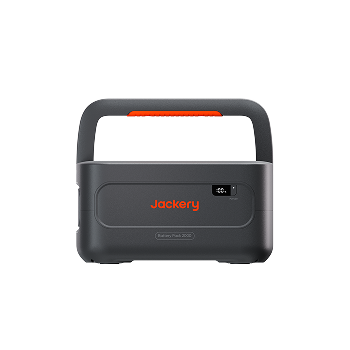






![[Add-on] Jackery Battery Pack 5000 Plus - Jackery](http://www.jackery.com/cdn/shop/files/add-on-jackery-battery-pack-5000-plus-6713401.webp?v=1786503068&width=324)
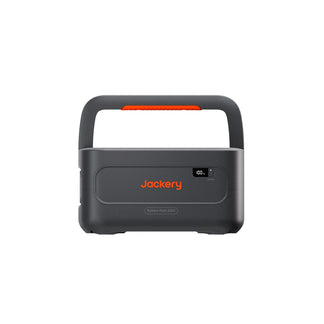




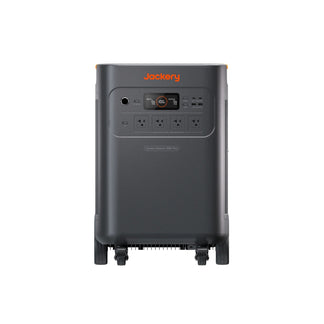
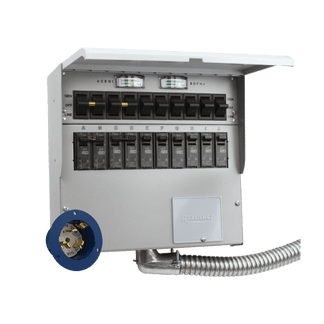


When the lights go out, you need a reliable home backup power plan. And the two most common home backup options, a portable power station vs. a standby generator, could not be more different.
- A standby generator is installed in your yard, wired into your electrical panel, and costs tens of thousands of dollars.
- A portable power station sits in your garage, charges from your wall outlet or solar panels, and plugs into whatever needs power most.
While both standby generators and portable power stations work, one is almost certainly the better fit for your situation, and for most homeowners, the answer is clearer than you might expect. For the majority of households dealing with occasional to moderate power outages, a portable power station offers significantly lower total cost, zero emissions, no installation, and far more flexibility.
A standby generator is suited in very specific scenarios, such as high-load, whole-home dependency in areas with frequent, multi-day outages. This guide breaks down exactly how standby generators and portable power stations compare across cost, noise, emissions, ease of use, and long-term value, so you can make a confident, informed decision.
Takeaways
- Portable power stations cost far less upfront and have near-zero ongoing expenses compared to standby generators.
- A standby generator requires professional installation, a transfer switch, and annual maintenance, which adds $4,000–$13,000+ before you run it once.
- For outages lasting less than 24 hours, a high-quality portable power station can cover essential loads without fuel, noise, or emissions.
- Standby generators make sense for homes with whole-home load requirements or frequent multi-day outages in rural areas.
- Jackery offers scalable and essential home backup from a single overnight charge to multi-day home coverage.
How Do Portable Power Stations and Standby Generators Differ for Home Backup?
Portable power stations store electricity in rechargeable batteries for quiet, indoor-friendly, plug-and-play use. Standby generators are permanently installed outside, run automatically on natural gas or propane, and can power an entire house during prolonged outages.
Before comparing them head-to-head, it helps to understand what each device is actually doing when the power goes out. While they solve the same problem of keeping your home running during an outage, they do it in fundamentally different ways.
How Does a Standby Generator Power a Home During an Outage?
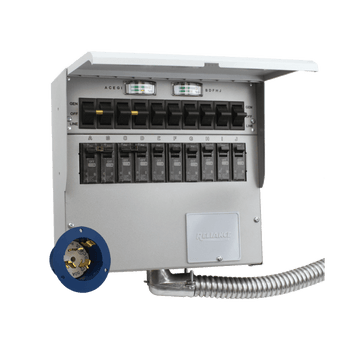
A standby generator is permanently installed on a concrete pad outside your home and connected directly to your home's electrical system through a transfer switch. It runs on natural gas or propane and continuously monitors your utility supply. When it detects a power outage, it starts automatically (usually within 20–30 seconds), and your home's lights and appliances come back on with minimal disruption.
As the best standby generator connects to your entire electrical panel (or a dedicated critical loads panel), it can power large appliances, including central air conditioning, electric water heaters, sump pumps, and hardwired medical equipment. This whole-home capability is the standby generator's single biggest advantage.
The tradeoffs, however, are significant. Installation requires a licensed electrician, a permit, a transfer switch, and often a gas line extension. The generator itself runs noisily at 65–75 dB (equivalent to a running lawnmower), produces carbon monoxide exhaust that requires outdoor placement, and needs annual servicing, including oil changes, spark plug replacements, and load testing.
How Does a Portable Power Station Power a Home During an Outage?
A portable power station is a large rechargeable battery unit with a built-in inverter that converts stored DC power into AC power, which is the same kind your wall outlets deliver. Modern home backup stations range from 1,000Wh to 5,000Wh or more, with continuous AC output ratings from 1,000W up to 3,600W–5,000W on premium models.
During an outage, you plug your essential appliances, such as refrigerator, lights, WiFi router, phone chargers, and more, directly into the station's AC outlets. Larger home battery backup solutions can be connected to your home's critical loads panel via a transfer switch for a cleaner, essential home backup solution experience, but even without that, most families can cover their real-world outage needs with nothing more than a few extension cords.
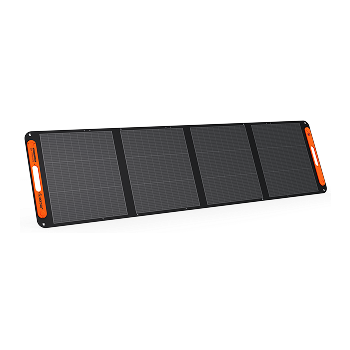
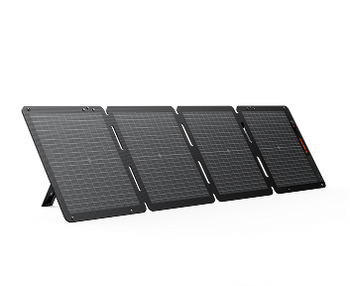
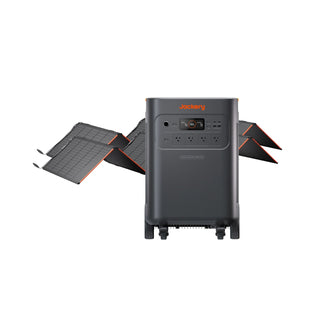
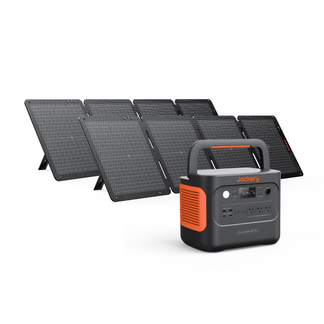
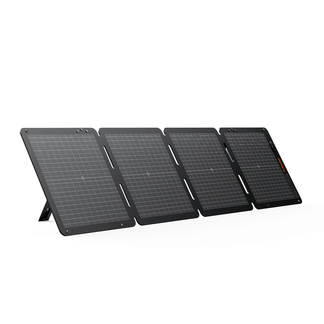
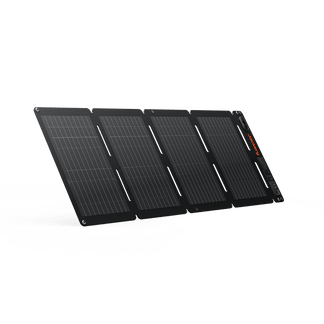
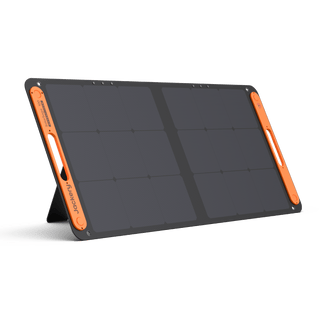
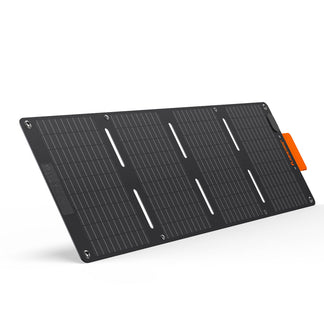
The recharge options have expanded significantly. Most modern portable power stations accept AC wall charging, 12V car charging, and solar panel input simultaneously. A portable power station paired with quality solar panels can recharge between daylight hours, even during an extended outage, eliminating the 'limited runtime' concern that once made battery systems less competitive.
How Do Portable Power Stations and Standby Generators Compare?
Across nine out of ten dimensions, the portable power station wins. The only category where a standby generator holds a clear edge is raw output capacity. In other words, the standby generator wins due to its ability to run an entire home’s electrical load simultaneously and continuously. On every other measure that affects real-world usability, such as cost, noise, emissions, installation, maintenance, and flexibility, the portable power station vs. standby generator comparison tilts heavily toward the power station. Here is the full breakdown:
|
Dimension |
Portable Power Station |
Standby Generator |
Edge |
|
Purchase Cost |
$500 - $5,000 (no installation) |
$3,000 - $20,000 (unit only, before install) |
Portable Power Station |
|
Installation Cost |
$0 (Plug and play) |
$2,000 - $8,000 (electrician, transfer switch, and permit) |
Portable Power Station |
|
Maintenance Cost |
$0 |
$200 - $500/year (oil changes, spark plug, and service) |
Portable Power Station |
|
Fuel Cost |
$0 |
$30 - $100 per day running (propane or gasoline) |
Portable Power Station |
|
Noise Level |
~30dB (almost same as that of a quiet library) |
~65 - 75dB (almost same as that of a lawnmower) |
Portable Power Station |
|
Emissions |
No |
Emits carbon monoxide |
Portable Power Station |
|
Portability |
Fully portable |
Fixed installation |
Portable Power Station |
|
Max Output |
1,000 - 5,000W (Some units can be expanded) |
5,000 - 22,000W continuous |
Standby Generator |
|
Activation |
Manual or UPS mode |
Automatic |
Tie / Situational |
|
10-Year Total Cost |
~$500 - $5,000 (unit cost and minimal ongoing) |
~$8,000 - $40,000 (unit cost, installation, maintenance, and fuel) |
Portable Power Station |
What Does a Portable Power Station vs. Standby Generator Cost Over 10 Years?
The true cost of a standby generator only becomes clear when you add up installation, annual maintenance, fuel, and permitting across a realistic ownership period.
The following table shows a realistic 10-year total cost of ownership comparison for a mid-range power station versus a mid-range standby generator:
|
Cost Category |
Portable Power Station |
Standby Generator |
|
Unit Purchase |
$500 - $5,000 |
$3,000 - $20,000 |
|
Installation |
$0 |
$2,000 - $8,000 |
|
Annual Maintenance (*10 years) |
$0 - $100 |
$2,000 - $5,000 |
|
Fuel (average 12 hours/year * 10 years) |
$0 |
$600 - $2,400 |
|
Permit + inspection |
$0 |
$200 - $1,500 |
|
10 Year Total |
~$500 - $5,100 |
~$7,800 - $36,900 |
Over 10 years, the average standby generator costs five to seven times more than a comparable portable power station, and that calculation assumes you only run it about 12 hours per year. Homeowners in outage-prone areas who run the generator more frequently will see the fuel and maintenance gap widen considerably. Meanwhile, a power station paired with solar panels has ongoing fuel costs of exactly zero.
When a Standby Generator Has Better Total Cost of Ownership Compared to Portable Generator?
There are some genuine scenarios where a standby generator's total cost of ownership becomes more competitive. Two situations stand out.
Scenario 1: Very Large Home With Whole-Home Load Requirement
A large home with multiple HVAC zones, electric water heating, and heavy appliance loads may have peak power demands of 15,000–22,000 watts or more. If your household genuinely needs whole-home coverage, including central air conditioning running simultaneously with a dryer and electric oven, a standby generator is the solution that meets that requirement. In this scenario, the higher cost reflects a capability gap and not mere preference.
Scenario 2: Rural Homeowner With Existing Propane Supply and Multi-Day Outage History
For a rural homeowner who already maintains a 500-gallon propane tank for heating, adding a propane-fueled standby generator has a lower marginal fuel infrastructure cost. If this homeowner also experiences two to four multi-day outages per year, as is common in some rural areas with aging grid infrastructure, the continuous runtime advantage of a fuel-burning generator becomes meaningful. Solar recharge during overcast multi-day storm outages is less reliable, and a power station's finite capacity becomes a real limitation.
The honest bottom line: these two scenarios describe a real but narrow slice of homeowners. The majority of suburban and semi-rural households experience occasional outages of a few hours to overnight. For the majority, the 10-year cost case for a power station is overwhelming, and the flexibility advantage is genuine.
Which One is Actually Right for Your Home: Portable Power Station vs. Standby Generator?
The portable power station vs. standby generator decision ultimately comes down to four questions: How often and how long do you lose power? What loads do you genuinely need to run? What is your total budget, including installation? And how do you want to use the system when there is no outage? You can use the table below to match your situation to the right choice:
|
Your Situation |
Power Station Wins When |
Standby Generator Wins When |
|
Outage Duration |
Outages typically last 4 - 24 hours |
Outages regularly lasts over 48 hours |
|
Home Size / Load |
Essential load coverage is sufficient |
Whole home including central air conditioning units |
|
Budget Sensitivity |
Total investment under $5000 is preferred |
Large upfront investment is acceptable |
|
Noise / Neighborhood |
HOA, quiet neighborhood, apartment building |
Rural property with no noise restrictions |
|
Usage Flexibility |
Want camping, RV, and home backup use |
Home only |
|
Medical Dependency |
Insulin fridge, and standard devices |
Home ventilator and dialysis requiring full power |
|
Environmental Policy |
Zero emissions and solar paired preferred |
Emission tradeoff acceptable for reliability |
If most of the left column describes your household, a portable power station will almost certainly serve you better at a fraction of the cost, with no installation delay, and with the flexibility to use it for camping trips, outdoor events, and emergency preparedness beyond the home. If the right column describes your household, particularly whole-home load requirements or frequent extended rural outages, a standby generator deserves serious consideration.
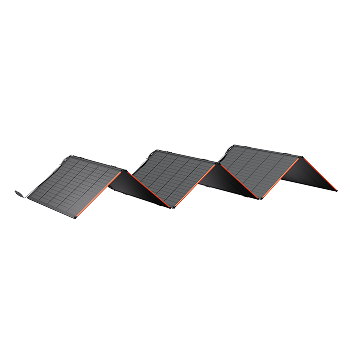
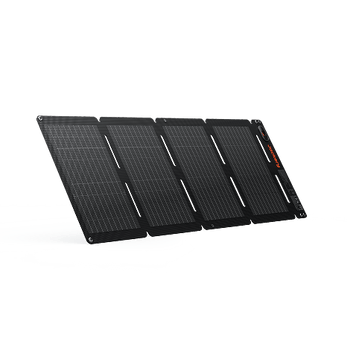
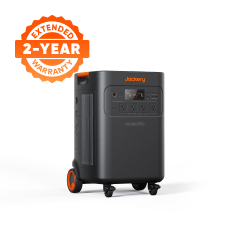
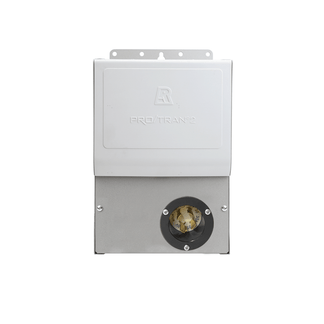
Kyle Miller is a district chief for Tarpon Springs Fire Rescue in Palm Harbor, Florida, where 24-hour shifts mean he's often away when hurricanes make landfall. During Hurricane Irma, his family went seven days without power, losing everything in the fridge and freezer while he was stuck at the station. When his grandparents wanted to help after Hurricane Milton, Kyle researched whole-home generators and fuel-based systems before landing on a Jackery setup: the Jackery Explorer 5000 Plus paired with SolarSaga 500 X Solar Panels and the Smart Transfer Switch. With the Jackery setup, he can now make food, keep food cold, warm it up as needed. Read more such Jackery Stories to see how people use home and outdoor battery backup solutions in real-life.
How Does Jackery Represent the Best of What a Home Backup Power Station Can Be?
Jackery's essential home backup series is designed around a specific home backup scenario, with large battery capacity, high-wattage AC output, multiple recharge paths, and a build quality designed for years of standby use. Here is how to match the right Jackery Solar Generator to your home's needs:
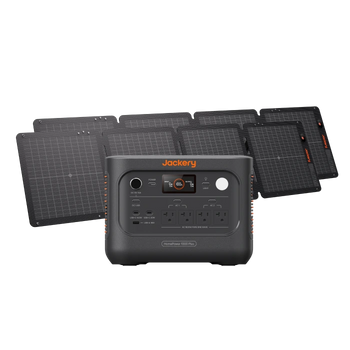
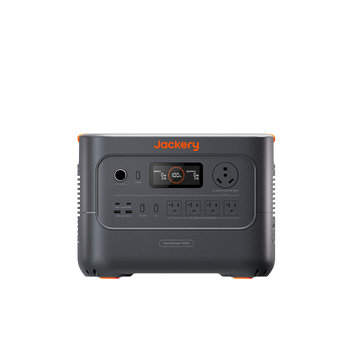
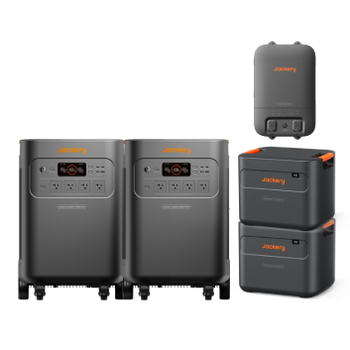
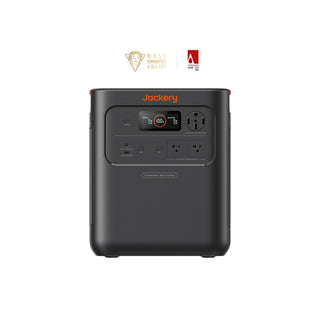
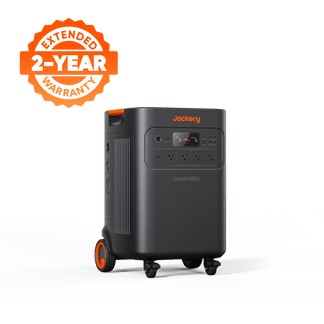
Jackery HomePower 3000: Essential Overnight Backup
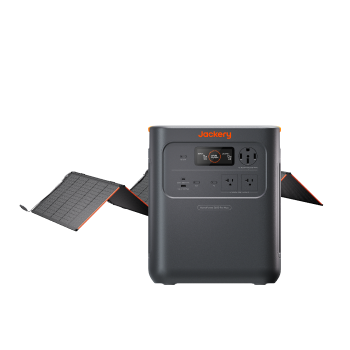
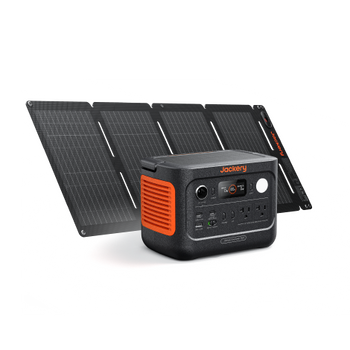
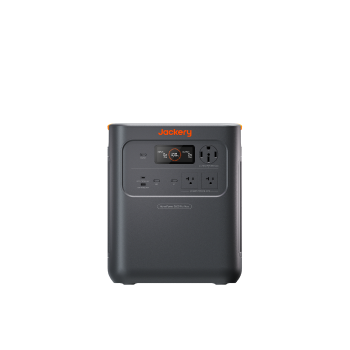
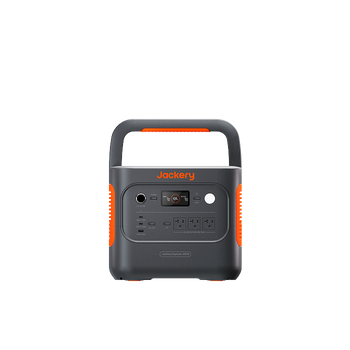
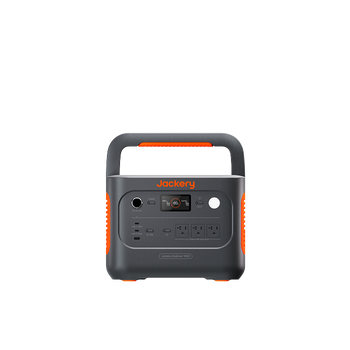
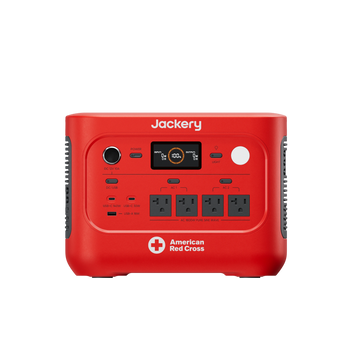
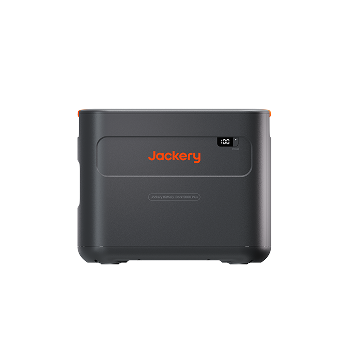
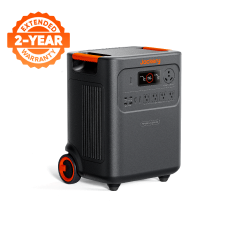
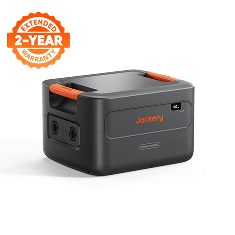
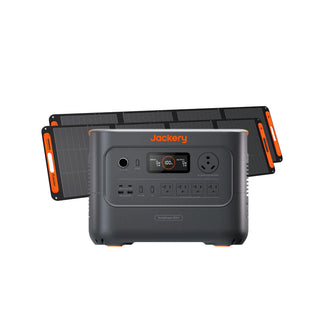
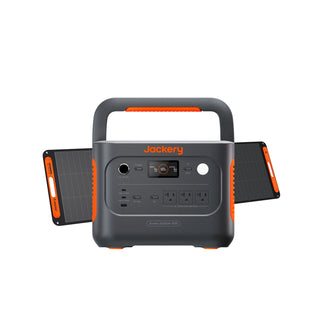
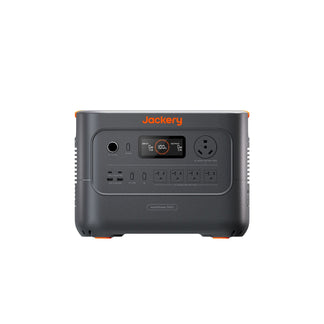
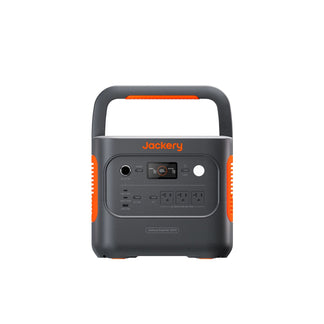
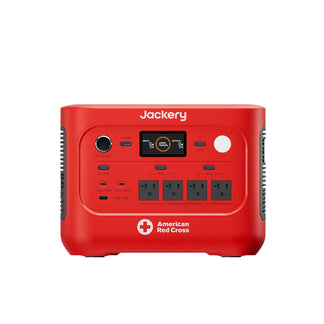
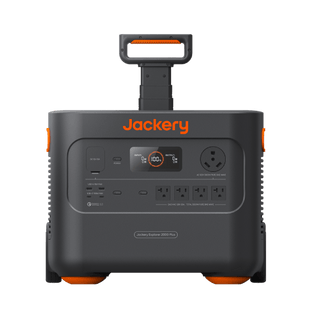
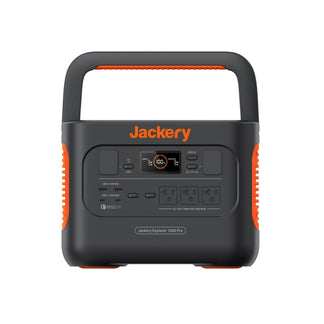
The Jackery HomePower 3000 is the right starting point for most households facing occasional overnight outages. It can power the appliances that matter most, such as a mid-size refrigerator, lighting, WiFi router, phone, and laptop charging, and for a full night or longer. It has an ergonomic design with dual-sided handles for easy transportation around the home or even outdoors.
Appliances Running Time
- Refrigerator (300W) = 8.1H
- WiFi (30W) = 50.2H
- Portable Fan (150W) = 15.2H
- AC (1000W) = 2.6H
Who Should Buy This
The Jackery HomePower 3000 is the ideal choice for families who want genuine peace of mind during a single-night outage without the complexity or cost of a generator installation.

Customer Review
I purchased the 3000, and it can run my refrigerator for 24+ hours. With the 500W Solar Panel, I can recharge quickly.
— Tracie.
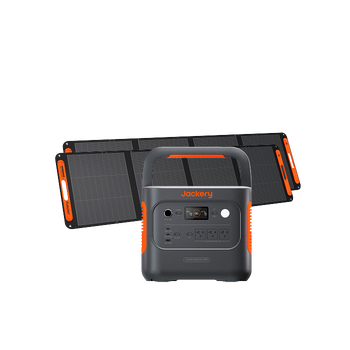
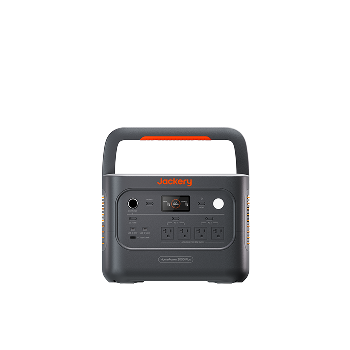
Jackery HomePower 3600 Plus: 24-Hour Family Coverage With Refrigerator
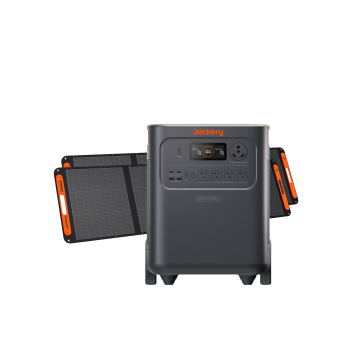
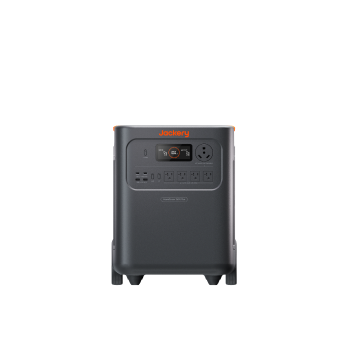
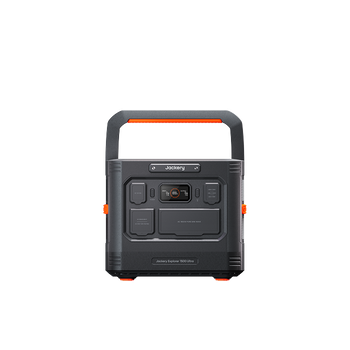
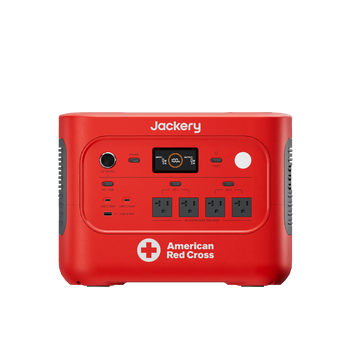
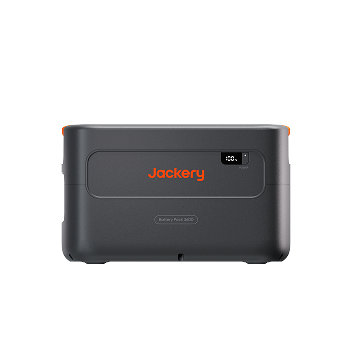
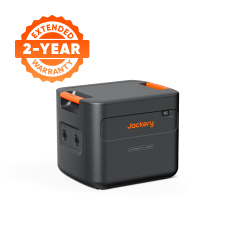
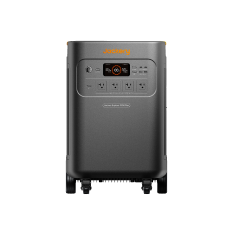
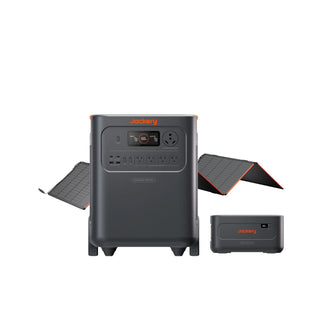
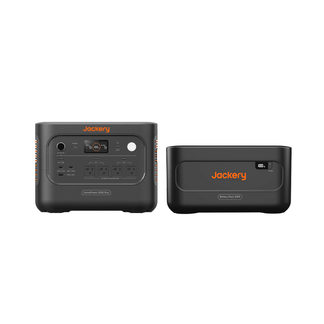
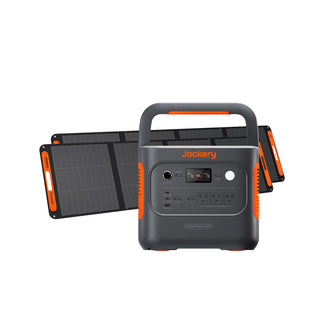
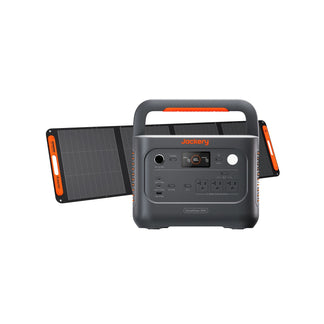
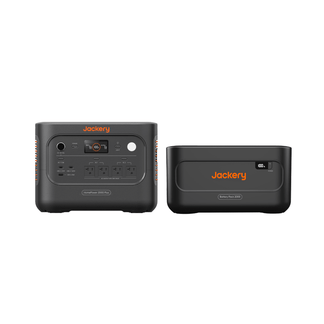
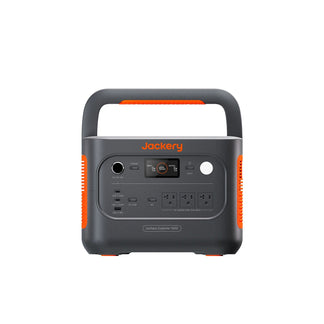
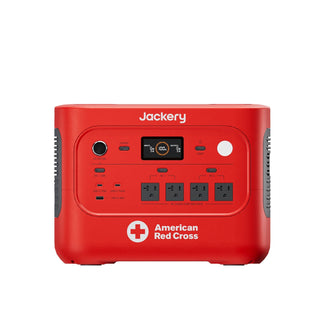
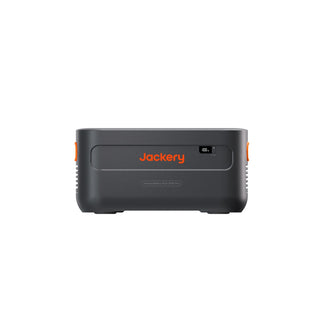
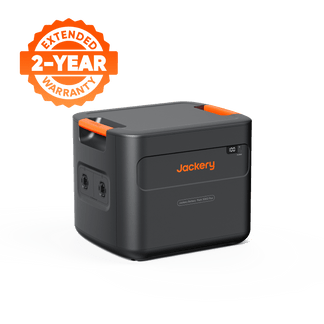
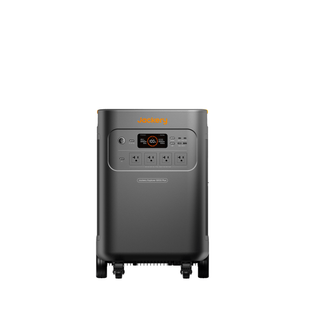
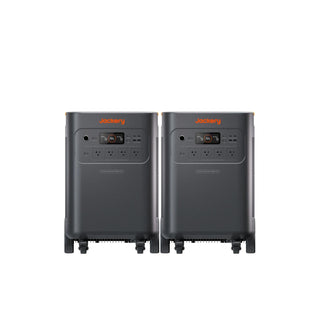
The Jackery HomePower 3600 Plus comes with expandable battery capability and a high continuous output rating, making it the most versatile option in the Jackery lineup for full-family home backup. It can easily run a full-size refrigerator-freezer continuously, a chest freezer to protect a deep freeze, and keep medical devices and entertainment running without power rationing. The expandable architecture is particularly compelling: additional battery units can be added to the base unit as your needs grow to extend the overall capacity.
Appliances Running Time
- Refrigerator (300W) = 9.5H
- WiFi (30W) = 58.6H
- Portable Fan (150W) = 17.7H
- AC (1000W) = 3.0H
Who Should Buy This
For families who want a scalable system that starts at one day of coverage and can be expanded toward multi-day capability, the Jackery HomePower 3600 Plus is the right solution.

Customer Review
I simply love this product!! Simple to put together and get charging. It had come with a 26 charge in the battery, and it did take a full day to charge it to 90%. We had put our refrigerator on the battery, and it lasted 12 hours and still had 56% left in the battery.
— Marc M.
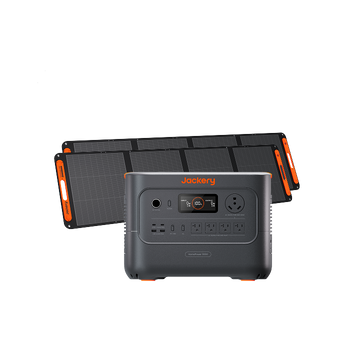
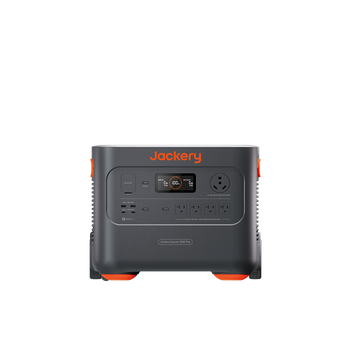
Jackery Explorer 5000 Plus: Multi-Day Home Essentials
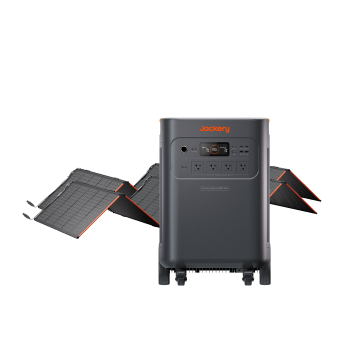
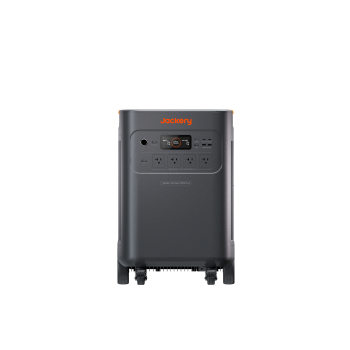
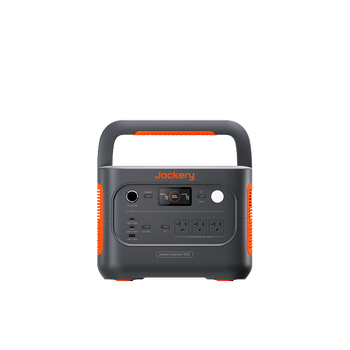
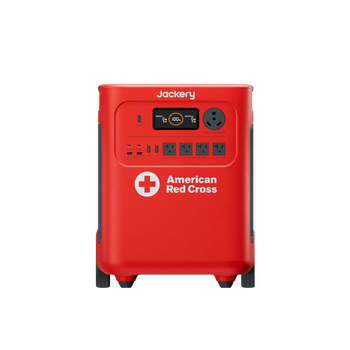
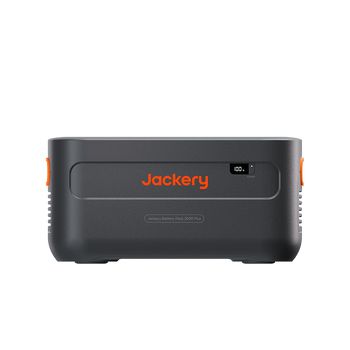
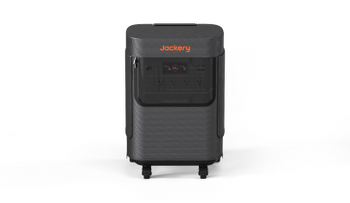
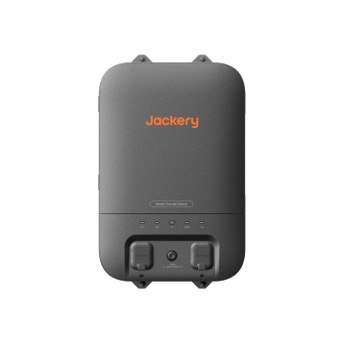
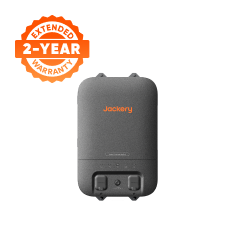
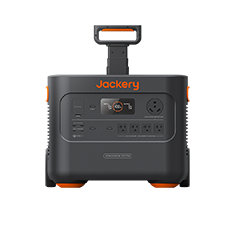
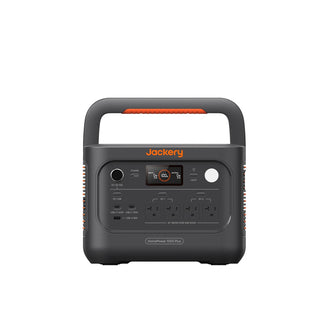
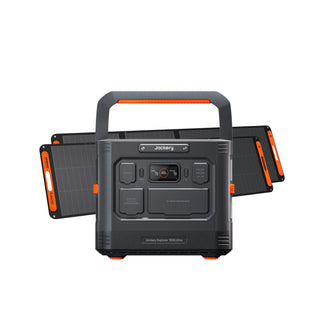
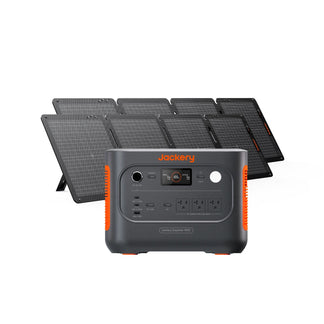
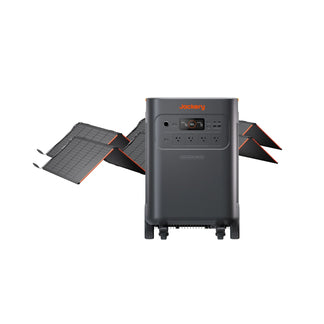
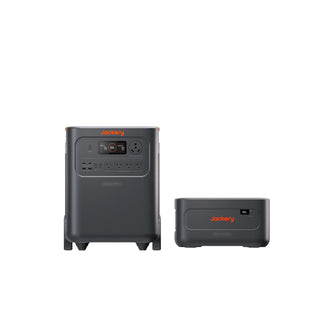
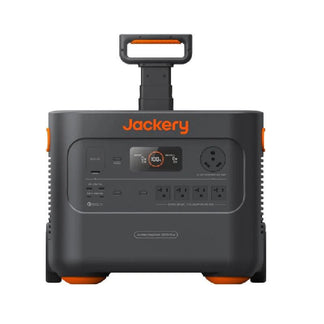
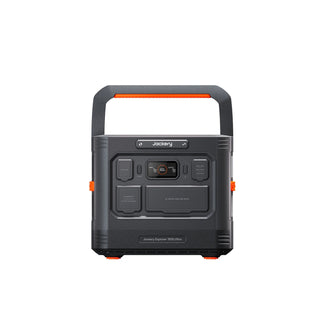
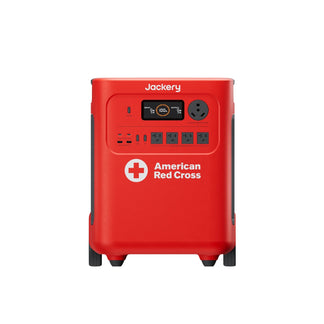
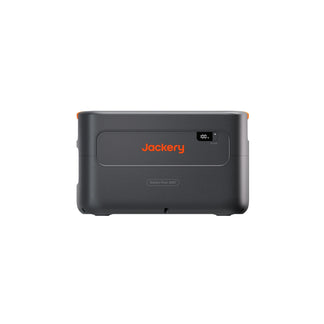
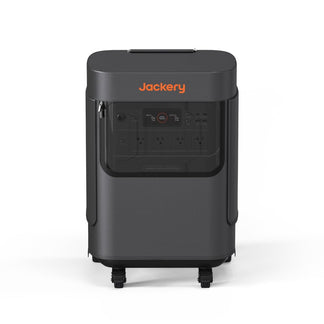
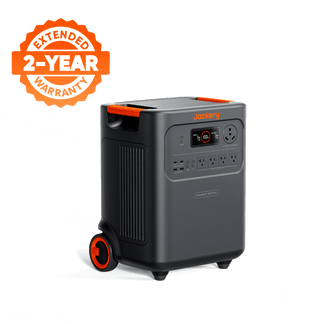
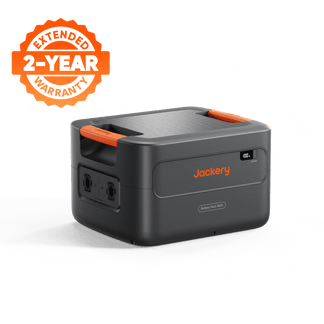
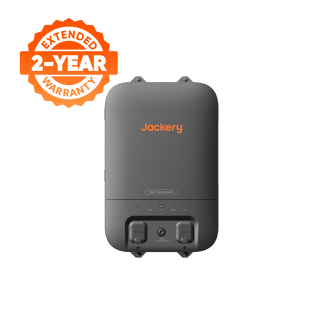
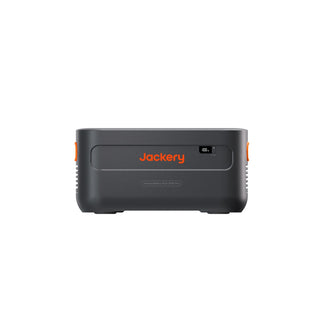
For households that experience multi-day outages or simply want the most capable battery backup available, the Jackery Explorer 5000 Plus features a large battery capacity with the ability to expand over time with the help of additional battery packs. It can run a refrigerator, freezer, lighting, charging loads, and a window air conditioning unit simultaneously and sustain those loads for 24 hours or longer, depending on actual consumption. When paired with a solar array, it can recharge daily from sunlight and becomes a genuinely indefinite backup solution in most climates.
Appliances Running Time
- Refrigerator (300W) = 12.2H
- WiFi (30W) = 53.5H
- Portable Fan (150W) = 21.4H
- AC (1000W) = 4.1H
Who Should Buy This
The Jackery Explorer 5000 Plus is an ideal option for homeowners who want the backup capability closest to a standby generator without the installation cost, the noise, or the fuel dependency.

Customer Review
This is my third Jackery. And so far, I’m very impressed with it, just as I was with my 250 and 1000-watt. The 5000 is going to be put to work running my small woodworking shop and powering our houseboat while out at anchor.
— Chad S.
FAQs
Which is better, a portable power station or a generator?
For most homeowners, a portable power station is the better choice. It costs significantly less over a 10-year ownership period, requires zero installation, produces no emissions, and operates silently. A standby generator is only genuinely better in scenarios where continuous whole-home load requirements or frequent multi-day rural outages exceed what a home battery backup solution can practically sustain. The portable power station vs. standby generator question almost always resolves in favor of the power station for the typical suburban household.
Can a power station run a house?
A modern, high-capacity power station can run a house's essential loads, including refrigerator, lighting, WiFi, device charging, and small appliances, without issue. Essential home backup solutions like the Jackery Explorer 5000 Plus can also sustain a window AC unit and additional loads simultaneously. Where a power station reaches its limits is running very high-wattage fixed appliances like central air conditioning, electric water heaters, and electric dryers at the same time, continuously.
What are the disadvantages of a standby generator?
Standby generators carry significant disadvantages that are easy to underestimate before purchase. The unit itself costs $3,000–$20,000, and installation adds another $2,000–$8,000 in labor, permits, transfer switch equipment, and potential gas line work. Annual maintenance, including oil changes, spark plug replacement, exercise cycles, and professional servicing, adds $200–$500 per year, whether you use the generator or not. When running, a standby generator produces 65–75 dB of continuous noise and carbon monoxide exhaust, requiring outdoor clearance.
How long can a power station run a refrigerator?
The runtime depends on the power station's capacity and the refrigerator's wattage. A typical full-size refrigerator draws 100–200W of average power (including compressor cycling). You can use the Running Time Calculator available on the Jackery Buying Guide page to calculate how long a Jackery can run a refrigerator. Simply choose the Jackery product and enter the refrigerator’s power consumption to get an estimated runtime.
Conclusion
The portable power station vs. standby generator comparison has a clear winner for most households: the portable power station. It costs less to buy, nothing to install, next to nothing to maintain, and zero to refuel when paired with solar panels. It is silent, emissions-free, and useful in dozens of situations beyond the home.
A standby generator is built for a specific need. When that need is a large home that requires whole-home continuous coverage during extended rural outages, it earns its price. But for the vast majority of homeowners, paying five to seven times more for a noisier, more complex, less flexible system that needs annual servicing is difficult to justify.
If you are ready to invest in genuine home backup power, Jackery's product lineup offers a scalable starting point for every household scenario, from a single night of essential coverage to multi-day essential home resilience. Pick the power station that matches your home's realistic needs, pair it with solar panels for indefinite recharging capability, and you will have a backup power solution that outperforms a standby generator in categories that matter in real life.


