



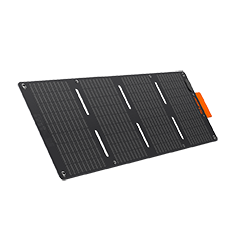
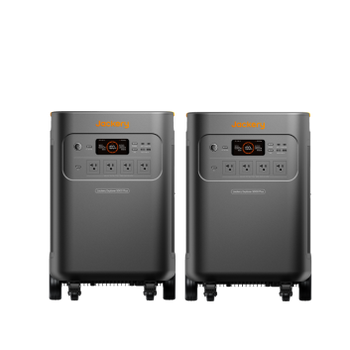


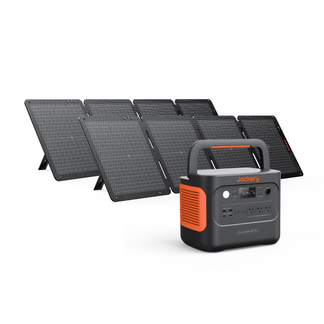
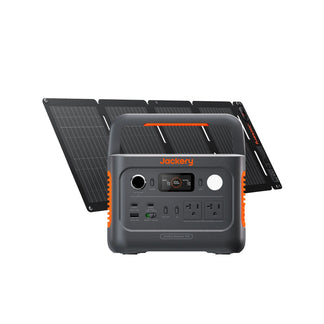

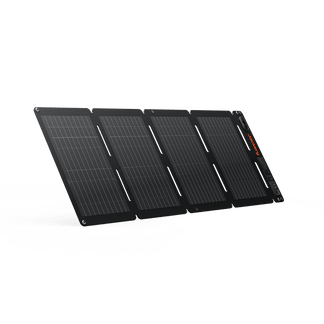
![[Add-on] Jackery SolarSaga 500 X - Jackery](http://www.jackery.com/cdn/shop/files/add-on-jackery-solarsaga-500-x-1493607.webp?v=1786503068&width=324)
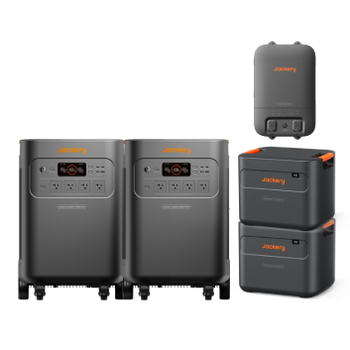
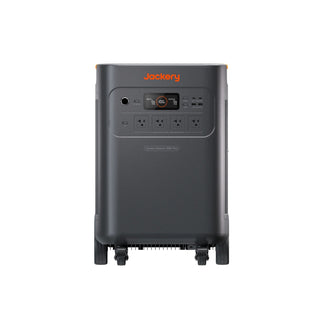
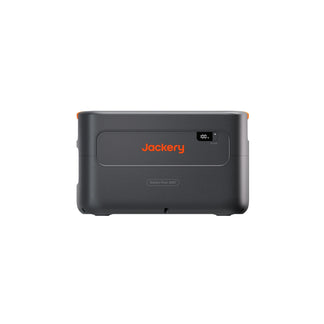
![[Add-on] Jackery Battery Pack 5000 Plus - Jackery](http://www.jackery.com/cdn/shop/files/add-on-jackery-battery-pack-5000-plus-6713401.webp?v=1786503068&width=324)







You’re on a road trip, and your laptop is about to die. You pull out a power inverter and plug it into your car's cigarette lighter, and connect your laptop. Instead of a steady charge, you hear a faint buzzing from the charger, and your laptop's trackpad acts erratically.
This scenario highlights common frustrations with traditional power inverters for cars. Many users worry, "Will this kill my car battery?" or "Is it safe for my expensive laptop?" These concerns are valid, as many basic car inverters can drain batteries, fail to power devices correctly, or even damage sensitive electronics.
Understanding Car Power Inverters
What is a Car Power Inverter?
A power inverter's core function is to convert your car's 12-volt (12V) direct current (DC) power into 110-volt (110V) or 120V alternating current (AC) power. This is the same type of power that comes from a standard wall outlet in your home, allowing you to run household devices in your vehicle. It essentially bridges the gap between your car's power system and everyday gadgets.
Car power inverters are essential for:
- Road trips
- Camping
- Remote work
- Emergencies
How Do Car Power Inverters Work?
The internal circuitry of an inverter "flips" the polarity of the DC current to mimic AC waveforms. This process utilizes high-frequency PWM switching power supply technology. The main components include an inverter bridge, a filter circuit, and a control circuit.
What Are the Different Waveform Types?
The quality of AC power an inverter produces is determined by its waveform.
- Modified Sine Wave Inverters: These produce a blocky, stepped approximation of a pure AC signal. They are more affordable and suitable for basic devices like chargers, fans, and simple tools. However, they may cause buzzing or inefficient operation with sensitive electronics.
- Pure Sine Wave Inverters: These produce a cleaner, more stable electrical wave, identical to household power. They are essential for sensitive electronics like laptops, and TVs. While more expensive, they provide optimal performance and device longevity.
What Is the Core Limitation of Car Inverters?
The most significant drawback is that a car inverter relies entirely on your car's battery and alternator. It has no power source of its own. This direct dependency creates a constant risk of draining your car's starter battery, potentially leaving you stranded.
Choosing the Right Car Power Inverter
Choosing the right inverter requires careful calculation and understanding of its limitations.
How Do You Determine Your Power Needs (Wattage)?
First, calculate the total wattage of all devices you plan to use simultaneously. This information is usually found on the device's power label or adapter. For example, a laptop might use 80W, a phone charger 20W, and a camera battery charger 15W, for a total of 115W.
It is crucial to add a 10-20% safety buffer to your total continuous wattage. In this case, 115W + 23W (20%) = 138W. You would need an inverter rated for at least 150W of continuous power.
Continuous vs. Peak Wattage
-
Continuous Wattage: This is the steady power an inverter can supply for an extended period. It must be higher than the combined wattage of your devices.
-
Peak/Surge Wattage: This is a short, powerful burst of energy needed to start devices with motors, such as blenders, pumps, or refrigerators. Many inverters fail because their surge power rating is too low to handle this initial startup load.
Examples of Device Wattages
|
Device |
Typical Wattage (W) |
Notes |
|---|---|---|
|
Smartphone charger |
5-10 |
/ |
|
Laptop |
50-100 |
/ |
|
Portable fan |
20-50 |
/ |
|
Small LED TV (up to 32") |
30-60 |
/ |
|
Mini-fridge |
50-150 (running) |
300-500W (startup) |
|
Microwave |
600-1500 |
High startup/continuous draw |
|
Coffee maker |
800-1500 |
High continuous draw |
|
Hair dryer |
1000-1800 |
High continuous draw |
A 400W inverter can typically power laptops, smartphones, LED TVs, desk fans, gaming consoles, and Wi-Fi routers. However, it cannot power high-draw appliances like microwaves, refrigerators, toasters, coffee makers, hair dryers, or air conditioners due to their high startup surges or continuous draw.
How Do You Ensure Input Voltage Compatibility?
Most cars use a 12V DC system. Some larger vehicles, such as RVs or trucks, may use 24V DC. Ensure the inverter's input voltage matches your vehicle's system.
What Key Features Should You Look For?
When selecting an inverter, consider these important features:
- Outlets and Charging Ports: Look for standard AC outlets, as well as USB-A and USB-C ports for direct device charging.
- Safety Certifications: Prioritize UL or ETL certifications for assurance in the US market.
- Low-Voltage Cutoff (LVC): This feature automatically shuts off the inverter to prevent draining your car battery.
- Overload Protection: Prevents damage to the inverter and connected devices from excessive power draw.
- Over-Temperature Shutdown: Protects against overheating.
- Short Circuit Protection: Safeguards against electrical shorts.
- Audible Alarms/Indicators: These provide warnings for low battery, overload, or overheating.
- Physical Dimensions: Consider the inverter's size and where it will be placed in your vehicle.
- Brand Reputation and Reviews: Research for reliability and customer satisfaction.
How Can You Prevent Battery Drain and Ensure Safe Use?
- Keep Engine Running: Always run your car's engine when using high-wattage devices to prevent battery drain.
- Monitor Battery Levels: Use a voltage meter or the inverter's low-voltage alarm.
- Low-Voltage Disconnect (LVD): Utilize this feature to automatically shut off the inverter before critical battery drain.
- Avoid Leaving Inverter Plugged In: Disconnect when the car engine is off to prevent battery damage.
- Consider Secondary Batteries: For frequent, high-power use, a secondary deep-cycle battery or portable power station is recommended.
- Proper Ventilation: Ensure the inverter has adequate airflow to prevent overheating.
- Avoid Wet Conditions: Never use an inverter in damp or wet environments.
- Fuses: Understand how to replace both the inverter's internal fuse and the vehicle's 12-volt cigarette lighter fuse if they blow.
How Do Watts, Amps, and Battery Life Relate?
The primary danger of car inverters is draining your car's starter battery. Running an inverter without the engine on, even for a short time, can deplete the battery enough that you cannot start your car. This is especially true for starter batteries, which are designed to deliver a large burst of power to start the engine, not to provide sustained power over time.
Repeatedly deep-discharging your car battery in this way will also significantly shorten its overall lifespan, leading to premature and costly replacement.
The conversion from DC to AC power is not 100% efficient; some energy is always lost as heat. Most inverters are 85-95% efficient. This inefficiency means the inverter draws more power from your car battery than it delivers to your devices, causing the battery to drain even faster.
What Is an Alternative to Car Inverters?
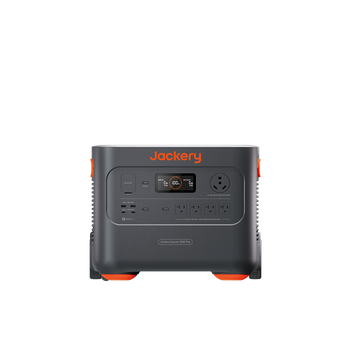
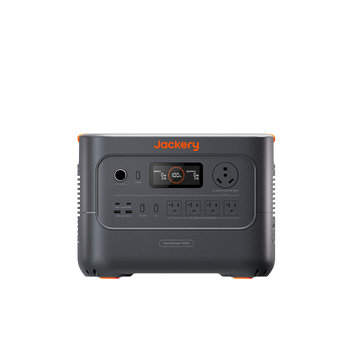
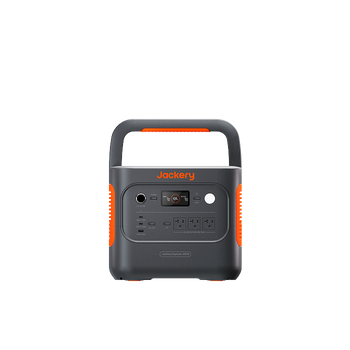
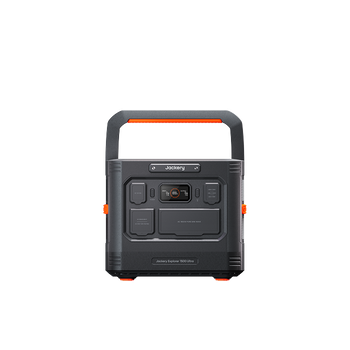
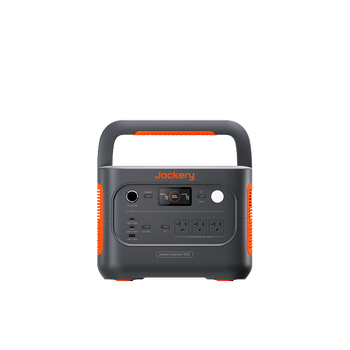
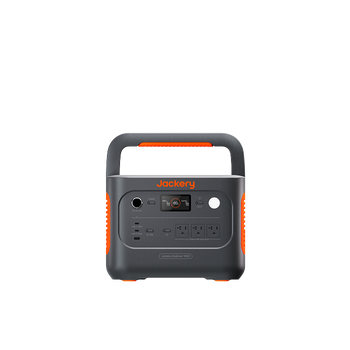
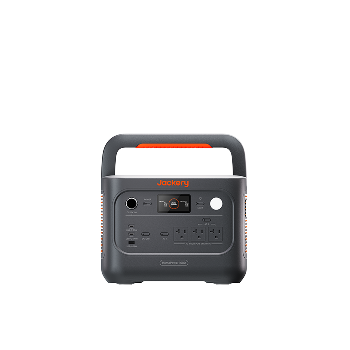
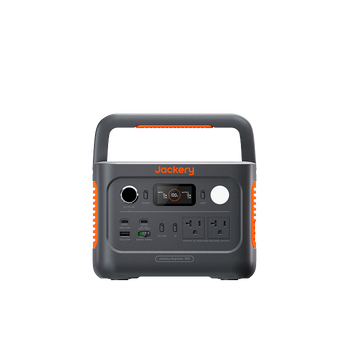
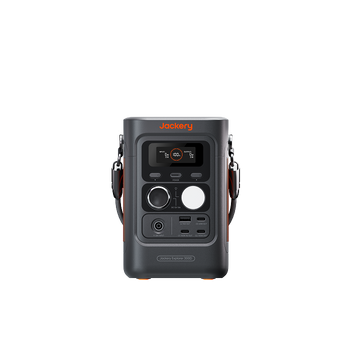
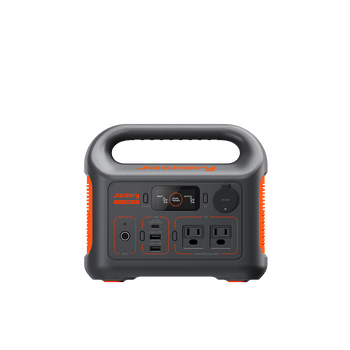
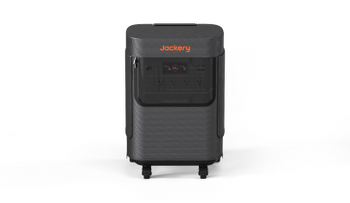
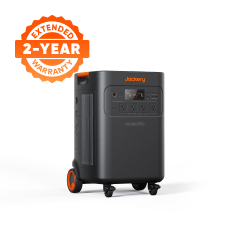
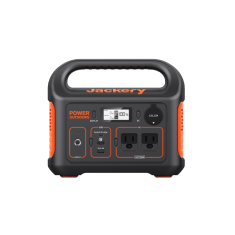
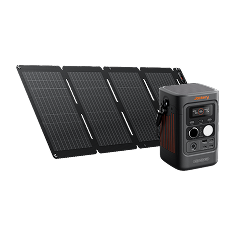
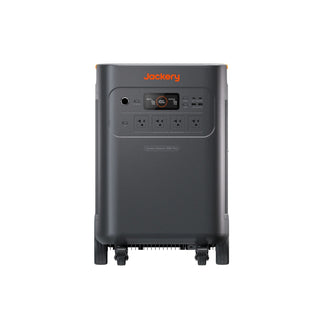
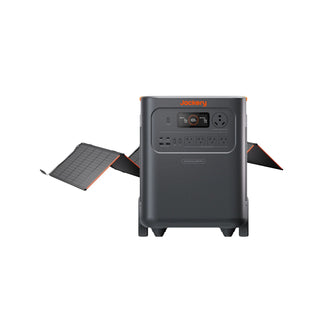
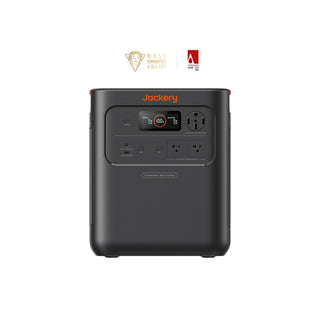
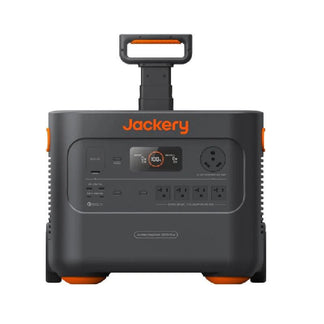
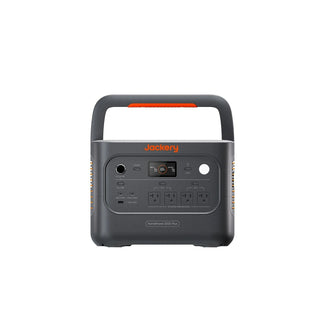
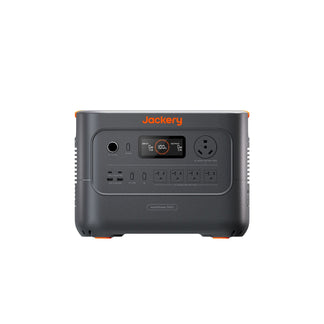
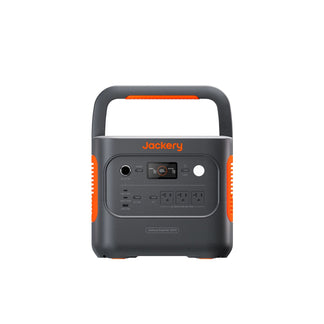
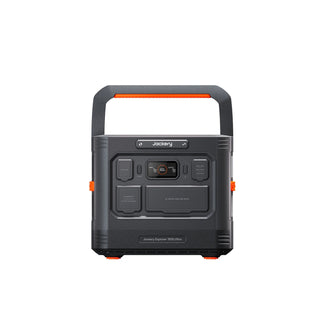
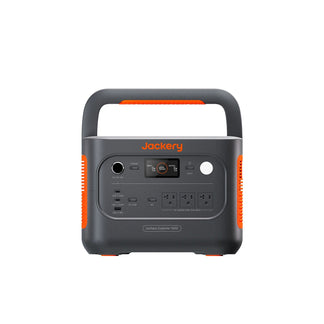
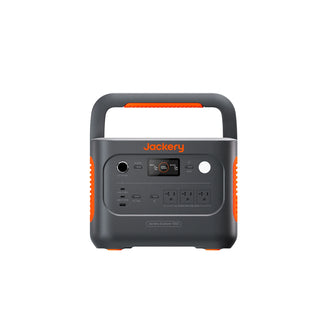
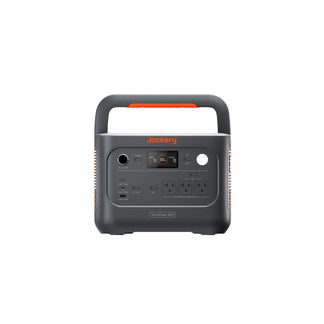
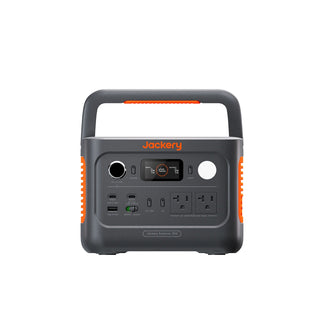
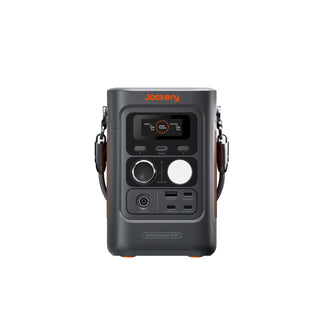
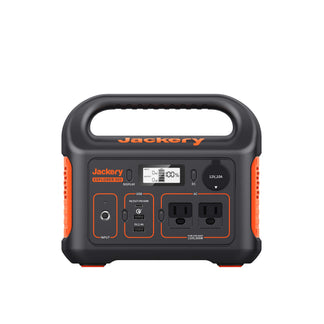
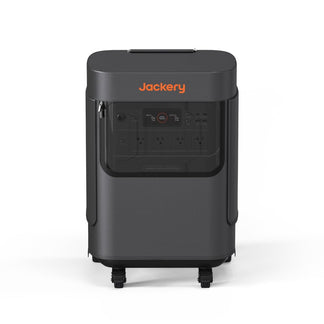
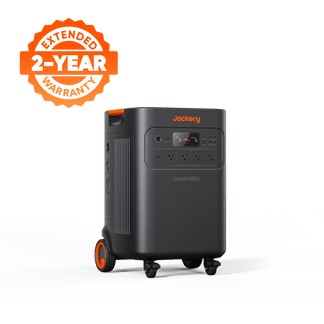
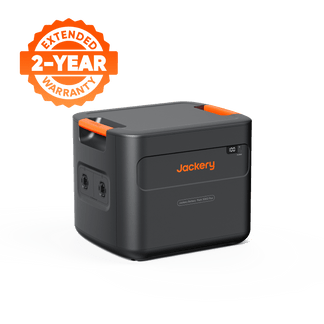
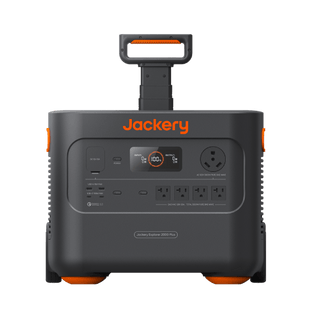
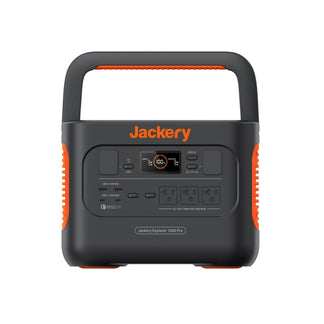
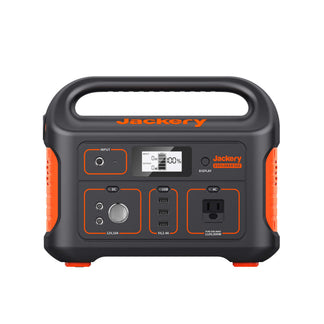
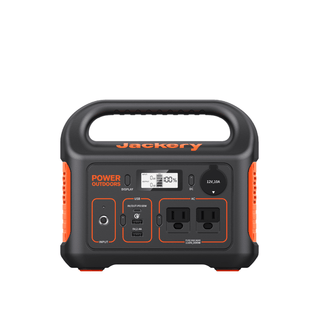
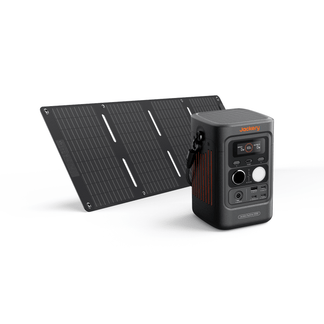
A portable power station is a self-contained, all-in-one power solution. It integrates a high-capacity battery, a pure sine wave inverter, and multiple output ports (AC, USB-A, USB-C) into a single, compact unit. This design directly solves the core problems associated with traditional power inverters for cars.
Key Benefits of a Portable Power Station
- Protects Your Car Battery: A power station uses its own internal battery, completely isolating your car's starter battery. You can use it with the engine off for hours without any risk of being stranded.
- Simple and Safe: There is no complex wiring or installation required. It is a true plug-and-play solution, eliminating the risks of improper connections and fire hazards.
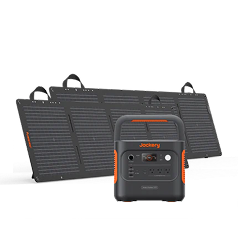
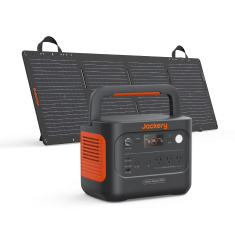
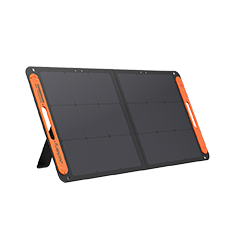
- Versatile Charging: You can recharge a portable power station from your car's 12V outlet, a standard wall outlet at home, or sustainable solar panels for true off-grid freedom.
- Clear Runtime Display: An integrated LCD screen shows you the exact battery percentage and remaining runtime, so you are never left guessing how much power you have left.
You can learn more about charging your appliances via RV generators by browsing this page.
Can You Recharge Jackery Products with Your Car?
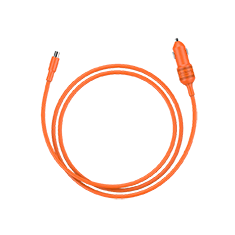
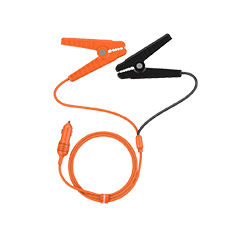
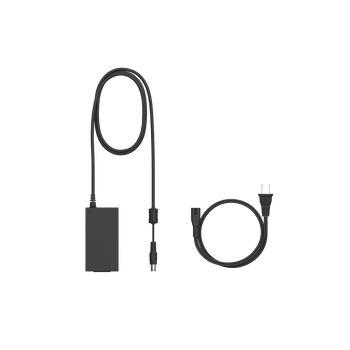
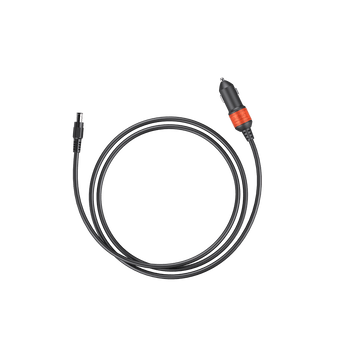
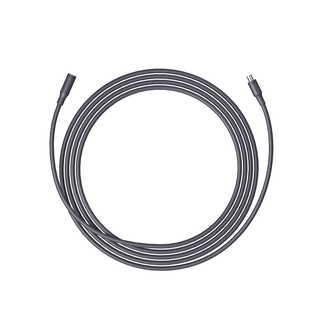
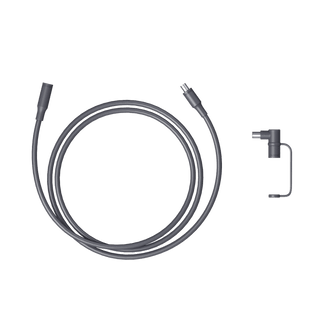
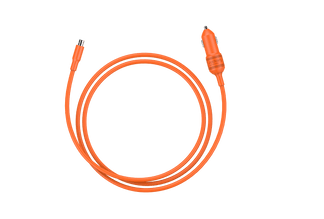
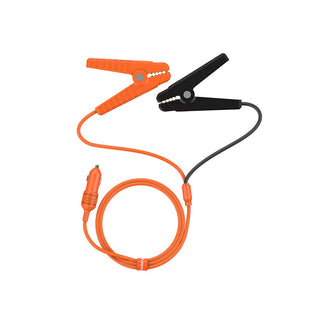
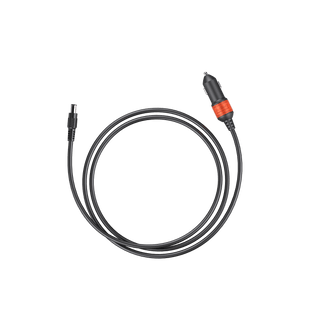
While car inverters are great for powering devices from your car, you can also use your car's 12V outlet to recharge your Jackery Portable Power Stations. This allows you to extend the runtime of your Jackery products, ensuring continuous power for all your adventures. Simply connect your Jackery Portable Power Station to your car's 12V cigarette lighter outlet using the appropriate car charger cable. This method is ideal for keeping your Jackery charged while driving between campsites or during long journeys.
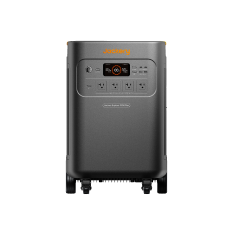
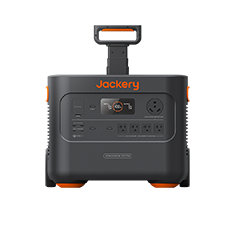
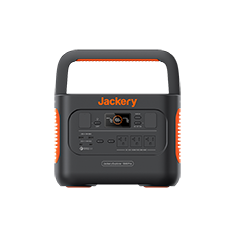
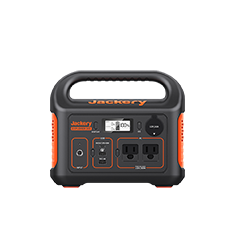
Which Jackery Products Are Recommended for Car Power?
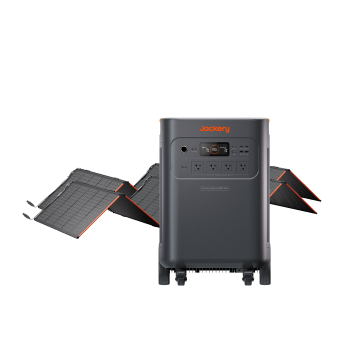
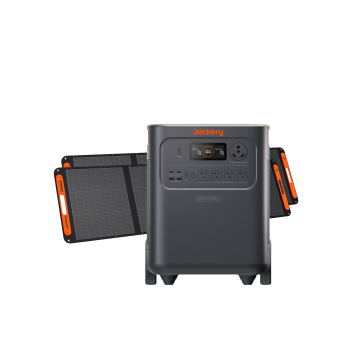
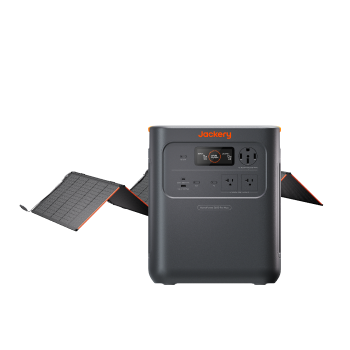
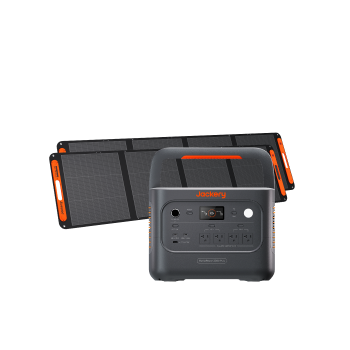
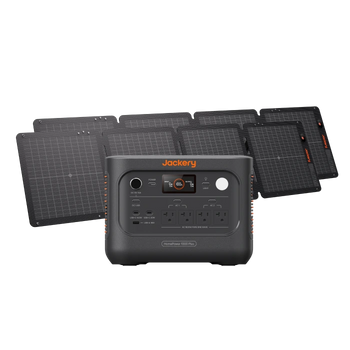
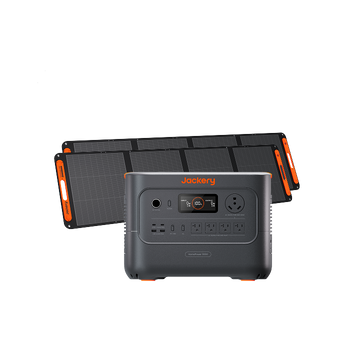
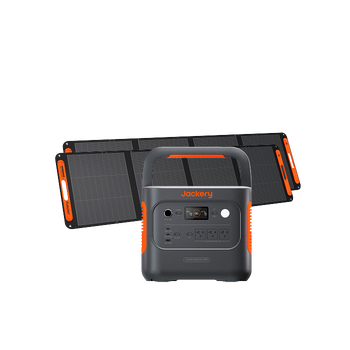
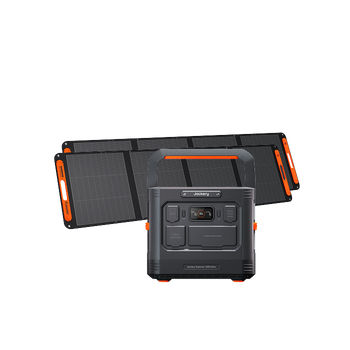
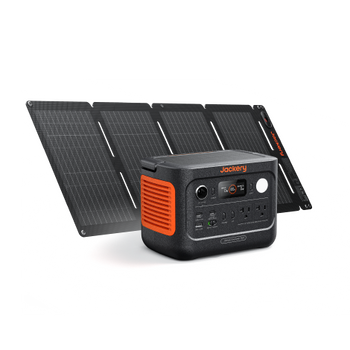
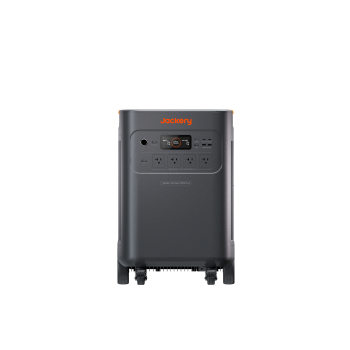
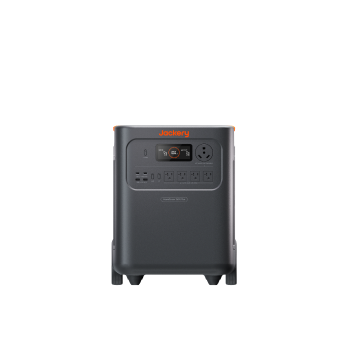
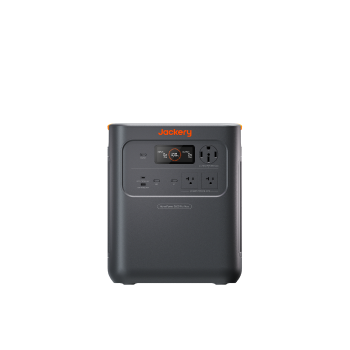
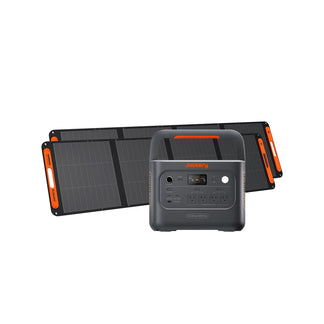
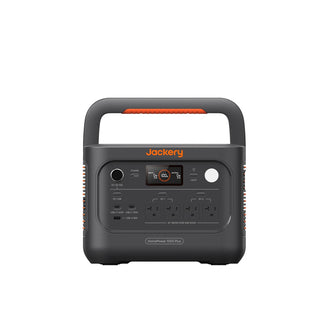
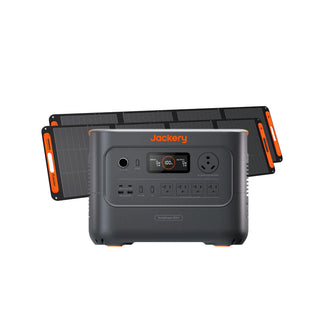
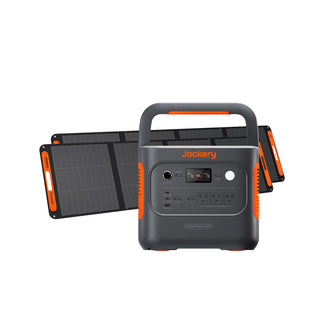
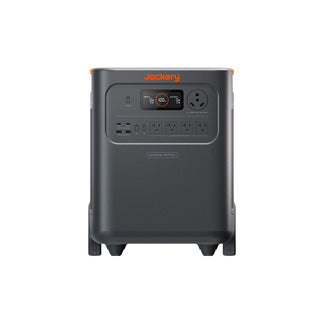
Jackery offers a range of portable power stations designed for different scenarios, providing a safer and more reliable car AC alternative.
Recommended Jackery Power Stations for Vehicle-Related Use
|
Use Case / Scenario |
Recommended Model |
Key Specifications & Features |
Performance Examples |
|---|---|---|---|
|
Light Mobile Use |
• Capacity: 288Wh |
• Charge a smartphone (29W) 13 times. |
|
|
Camping & Overlanding |
• Capacity: 640Wh |
• Run a mini-fridge (100W) for 4.8 hours. |
|
|
Demanding Jobsites or Home Backup |
• Capacity: 3072Wh |
• Run an electric saw (900W) for 3 hours. |

Quick Decision Guide: Inverter vs. Jackery Power Station
|
Use a traditional car inverter if... |
Choose a Jackery Portable Power Station if... |
|---|---|
|
You only need to power a single, low-wattage device (<150W). |
You need to power multiple or sensitive electronics like laptops. |
|
You only need power for a short time while the engine is running. |
You need power when the engine is off without risking your car battery. |
|
You are comfortable with direct-to-battery wiring for higher loads. |
You value safety, convenience, and plug-and-play portability. |
|
Your budget is extremely limited for a very basic power need. |
You want the flexibility of recharging with solar panels off-grid. |
Frequently Asked Questions
Can I use a traditional car inverter to jump-start my car if its battery dies?
No, a car inverter is designed to output AC power from a DC source. It cannot provide the high-amperage DC current needed to jump-start a vehicle.
How can I estimate the actual runtime of a portable power station for my specific devices before purchasing?
Divide the power station's watt-hour (Wh) capacity by the total continuous wattage of your devices. This calculation gives you an approximate runtime in hours.
Are there any specific maintenance tips for maximizing the lifespan of a portable power station's battery?
To maximize battery longevity, avoid storing the unit at extreme temperatures and try to keep the battery level between 20% and 80% for daily use.
Besides the car and wall outlet, what other methods can be used to recharge a portable power station while on the go?
The most versatile method is using solar panels, which allow for continuous recharging in off-grid locations. Some models may also support other DC power sources.
If I already own a traditional car inverter, are there any accessories or workarounds to make it safer or more efficient without buying a whole new power station?
You could add a low-voltage cutoff switch to prevent it from completely draining your battery. For higher loads, using a separate deep-cycle battery is safer than using your car's starter battery, though this adds complexity.


