





















































![[Add-on] Jackery Battery Pack 5000 Plus - Jackery](http://www.jackery.com/cdn/shop/files/add-on-jackery-battery-pack-5000-plus-6713401.webp?v=1786503068&width=324)










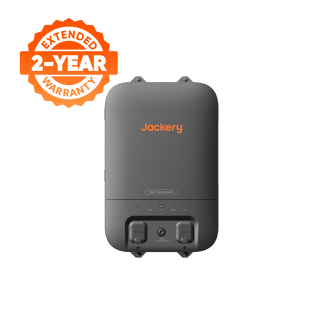
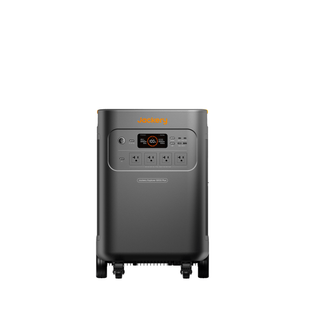
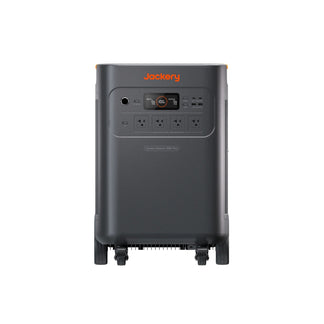


Across the country, stadium parking lots are going quiet. Traditional gasoline generators—once the roaring, exhaust-spewing staples of pre-game tailgates—are rapidly being banned due to noise complaints, fire hazards, and toxic carbon monoxide risks. In their place, a silent revolution is taking over.
Advanced, portable lithium battery generators are quickly becoming the new gold standard for game-day power. Operating as virtually silent, emission-free power hubs, these systems allow you to run your televisions, portable refrigerators, and electric griddles safely right next to your seating area with zero permits, zero fuel, and zero neighbor complaints.
If you want to keep your pre-game traditions alive without being "that person" drowning out conversation three parking spots away, switching to clean battery power is the ultimate upgrade.
Why are Stadiums Banning Gas Generators in Tailgate Lots?
Stadium bans on gas generators are accelerating in both professional and collegiate lots. Venues now explicitly prohibit combustion engines in tailgate areas for several pressing reasons:
- Fumes and Health Risks: Hot, toxic exhaust fumes can drift directly into neighboring setups, creating severe respiratory hazards and ruinous smells.
- Constant Noise Pollution: A gas generator runs at a loud 60 to 75 decibels, making it nearly impossible to hold conversations or hear the pregame broadcast.
- Fire Safety: Storing raw gasoline cans in hot vehicles or pouring fuel near active grills represents an extreme safety risk.
- Venue Permitting: Gas units frequently require special safety passes, venue approval, or isolation in designated far-off zones, whereas clean lithium battery generators are treated like standard electronic gear.
- Social Friction: Tailgating is inherently a community event. Running a loud motor for four hours makes you the center of attention for the wrong reasons.
Because venue-specific lot rules can shift, always verify your stadium's official parking and tailgating policies on their website before game day to prevent any surprises at the gate.
How Do You Calculate Your Tailgate Power Needs?
A standard 4-hour pregame session typically consumes 1.8 to 2.0 kWh of usable energy. To size your system correctly, map out your loads by separating them into two categories:
- Continuous "Always-On" Loads: This includes devices that run constantly, such as a 55-inch LED TV (70W), a compact portable cooler (averaging 50W), phone chargers (15W), and LED string lights (20W). Running these continuously draws around 155W of power, consuming about 620 Wh over 4 hours.
- Short "Cooking Burst" Loads: This includes high-draw appliances used for brief intervals, such as an electric griddle (1,500W used for 20 minutes = 500 Wh) or a blender (100 Wh).
- Total Sizing Target: Adding your baseline continuous loads and cooking bursts lands you around 1.3 to 1.5 kWh. Sizing your station with a 20% safety margin ensures your system handles temperature drops or extended pregame hours easily, making 1.8 to 2.0 kWh the ideal capacity target.
To avoid runtime anxiety, we recommend setting up your full rig in your driveway for a trial run before heading to the stadium. If you have questions about running high-draw appliances or are looking for the best setup tips, read our comprehensive football tailgate planning guide.
What Key Specs Should You Look For in a Tailgate Power Station?
When shopping for portable tailgate generators, look past the simple "capacity" label and verify these critical technical specifications:
- Continuous Output Rating: This must exceed your highest combined steady-state draw. While standard electronics sip power, plugging in a 1,500W griddle requires an inverter rated to handle that high load continuously without tripping its internal breakers.
- Surge Wattage Margin: Mini-fridges, blenders, and pumps have motors that require a brief, high-current surge of power just to start spinning. Ensure your station's peak surge rating has 200W to 500W of headroom above your continuous load.
- Pure Sine Wave Inverter: Standard sensitive electronics (TVs, laptops, streaming sticks) will flicker, hum, or suffer permanent internal damage if run on choppy, simulated sine wave power. Pure sine wave output is non-negotiable.
- Advanced Battery Chemistry: Ensure your station utilizes modern LiFePO4 battery technology. LiFePO4 cells are highly stable in hot outdoor parking lots, require zero maintenance, and deliver over 3,000 full charge cycles before degrading to 80% capacity.
- Portability and Weight: High-capacity units can easily weigh between 40 and 60 pounds. If you are loading and unloading your vehicle solo, choose a model with sturdy, built-in handles or wheels.
What Ports and Recharge Options Do You Need?
A versatile tailgate power station should offer a wide variety of output ports and rapid recharge inputs to keep your pre-game running smoothly:
- Multiple 120V AC Outlets: Having at least two or three standard AC outlets allows you to keep your high-draw cooking appliances on separate circuits, preventing overloads.
- High-Speed USB-C PD Ports: Ensure the unit has at least one 100W USB-C Power Delivery port to fast-charge laptops, tablets, and smartphones directly without requiring bulky wall adapters.
- 12V DC Car Socket: This allows you to run high-efficiency, camping-style portable fridges directly on 12V power, which is far more efficient than converting power through the 120V AC inverter.
- Rapid AC Recharging: Premium stations can recharge from empty to 100% in under 2 hours from a standard wall outlet, allowing you to top off your battery the morning of the match.
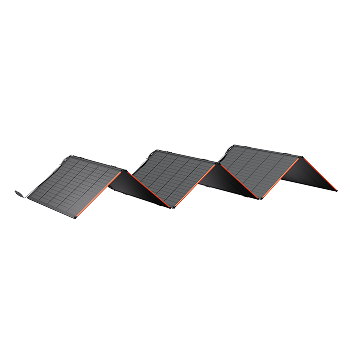
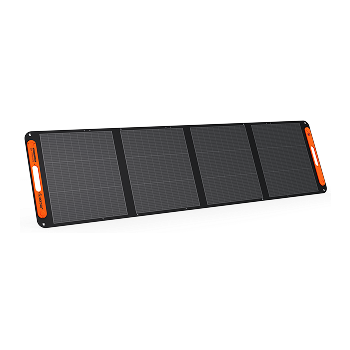
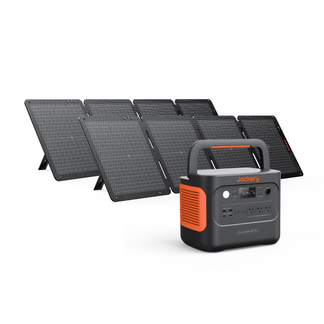
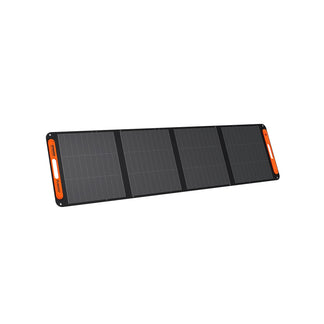
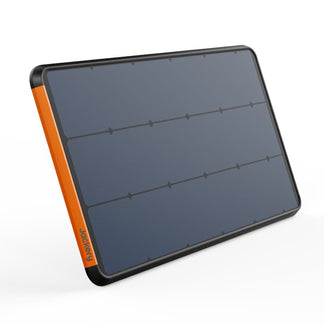
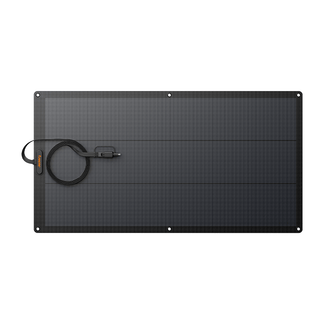
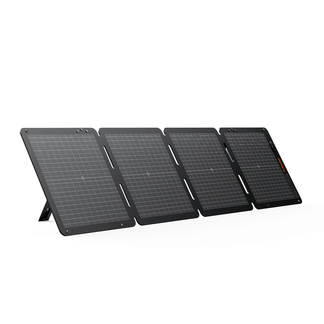
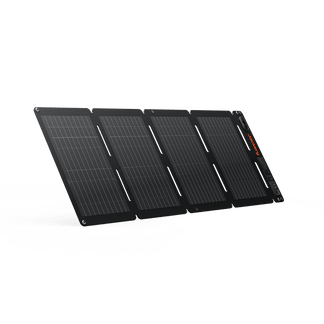
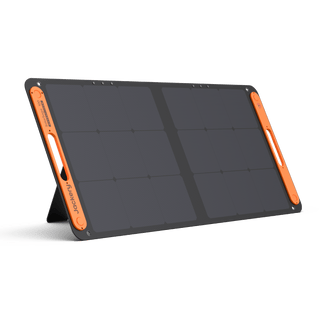
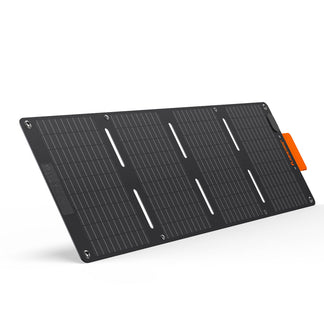
- Solar Compatibility: For multi-day tournaments or weekend events, look for solar compatibility. While real-world solar panels typically yield 70% to 80% of their rated wattage due to atmospheric conditions, they serve as excellent range-extenders to offset your TV and music power draw.
How Do You Set Up Your Power Safely in the Parking Lot?
To prevent electrical faults or accidental trips in a busy, active parking lot, follow these basic safety setup guidelines:
- Elevated and Dry Placement: Keep the power station off the damp grass or asphalt. Place the unit on a folding table, truck bed, or sturdy storage bin to keep it safe from rain runoff or spilled drinks.
- Keep Cords Organized: Run your extension cords underneath table legs to prevent trip hazards, and use masking tape to label each plug (e.g., "TV" or "Griddle") to avoid accidentally unplugging the wrong device.
- Use Outdoor-Rated Cords: Ensure all extension cords are rated for outdoor use (such as SJTW cords) to handle heat and physical wear. Keep your system out of direct sunlight to prevent thermal protection cutoffs, and consult our guide on essential tailgate accessories to finish out your kit.

Which Lithium Battery Generators are Best For Your Tailgate?
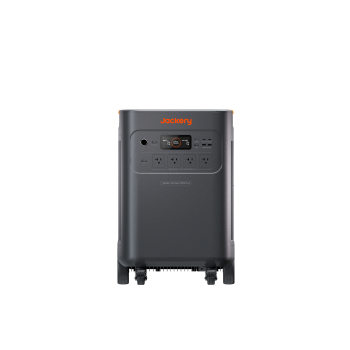
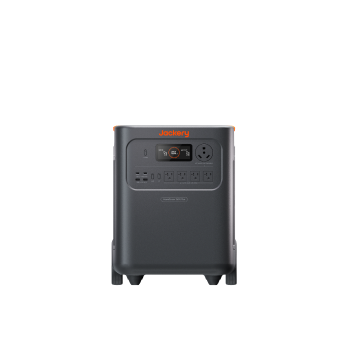
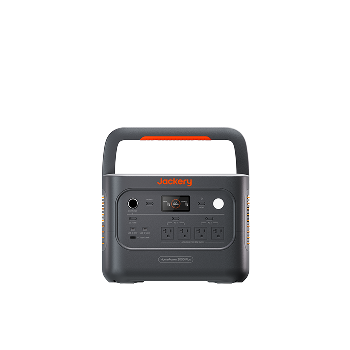
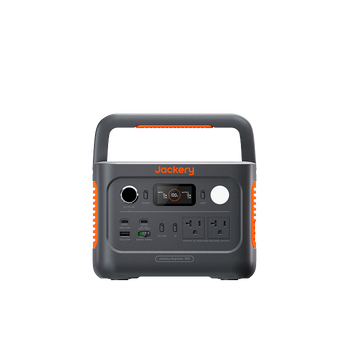
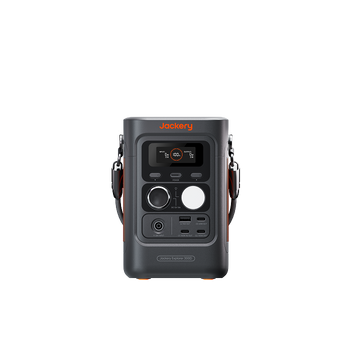
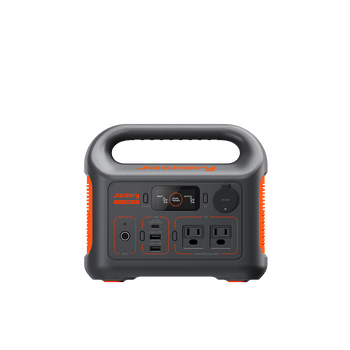
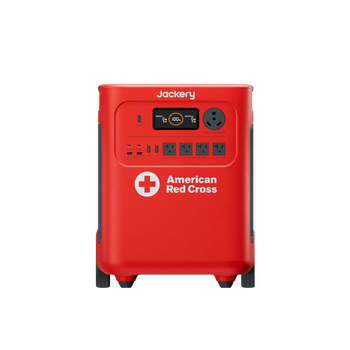
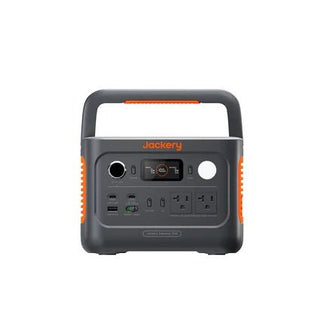
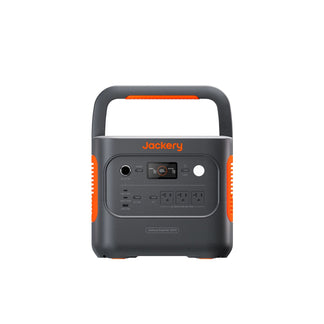
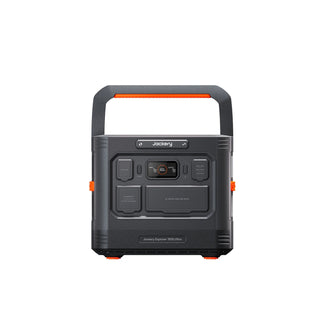
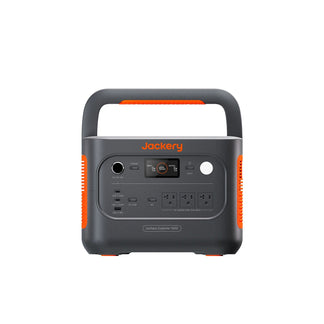
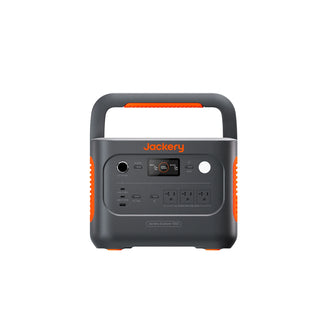
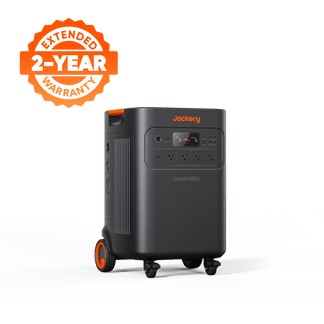
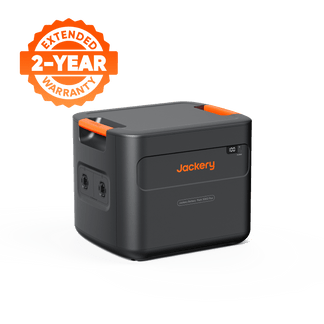
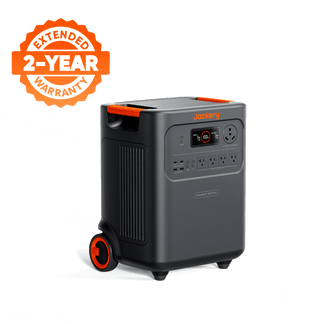
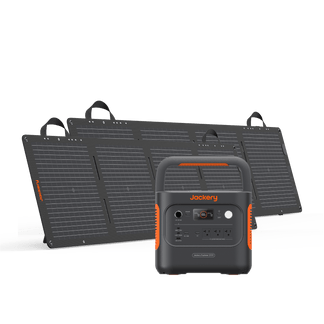
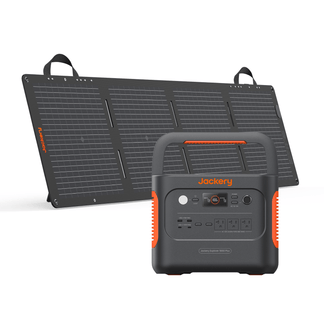
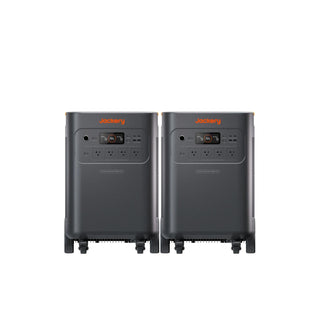
Two premium power systems from Jackery cover the vast majority of tailgating and pre-game scenarios with simple, reliable, and silent operation:
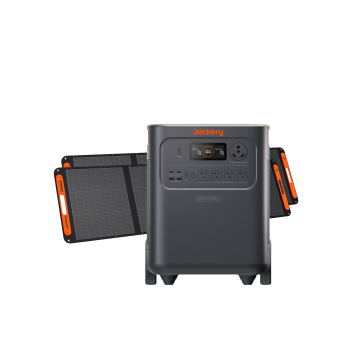
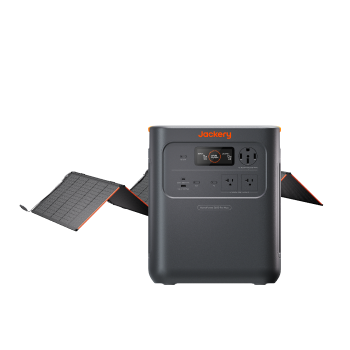
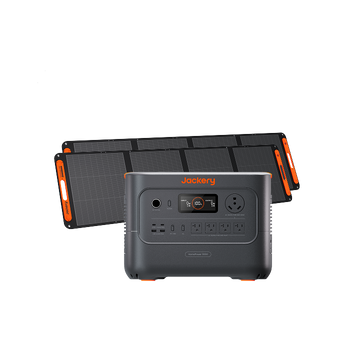
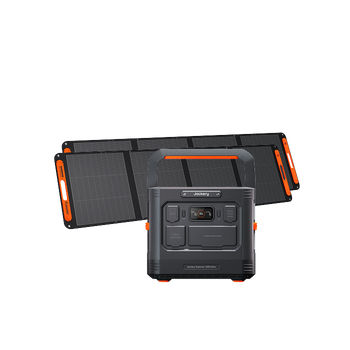
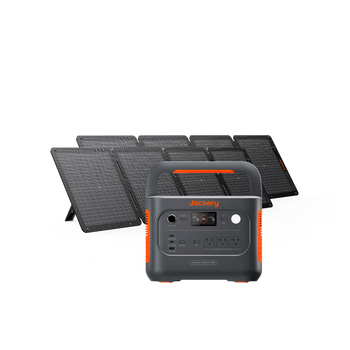
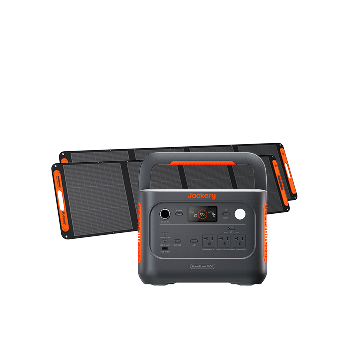
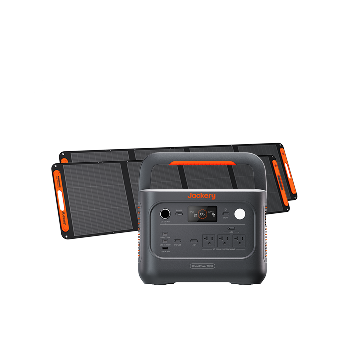
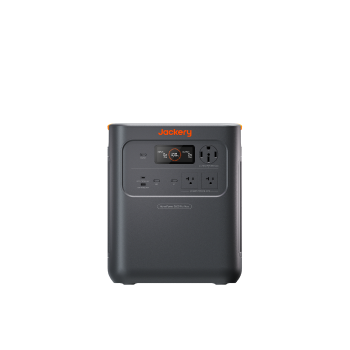
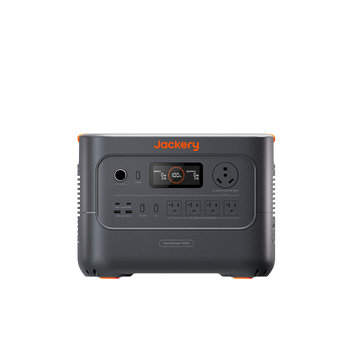
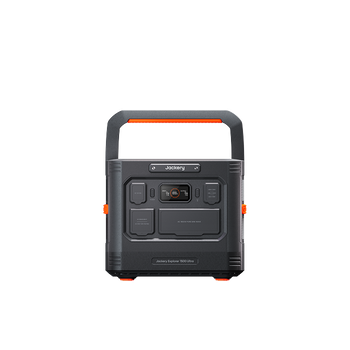
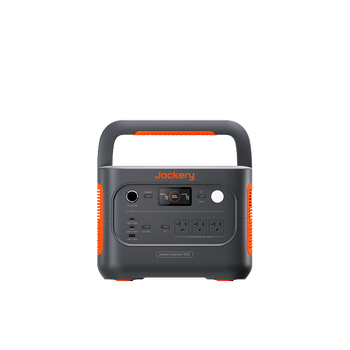
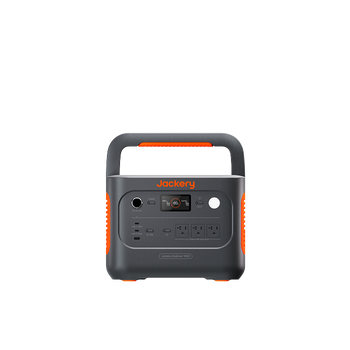
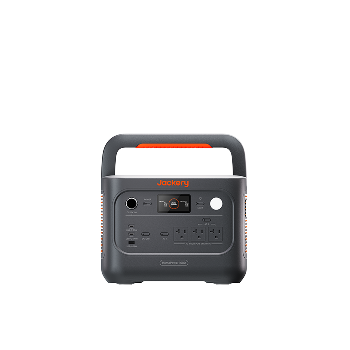
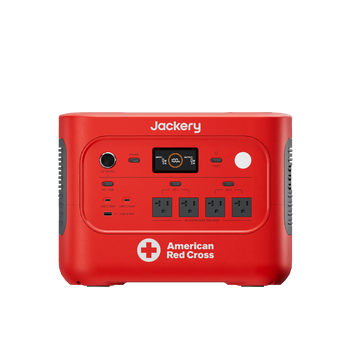
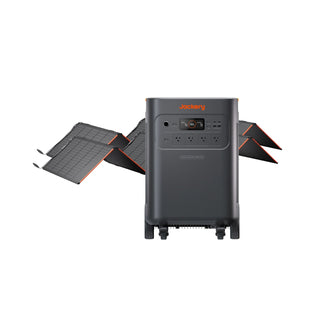
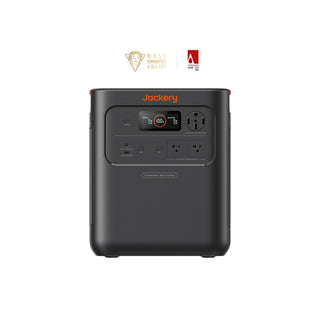
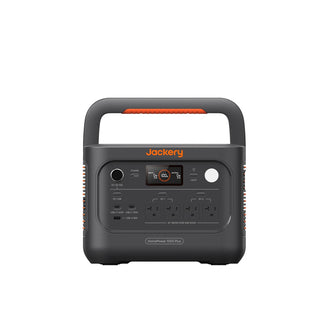
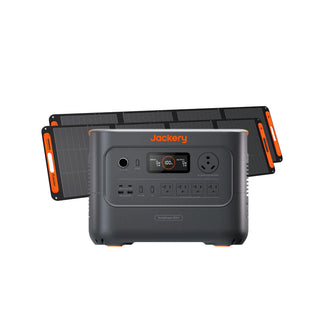
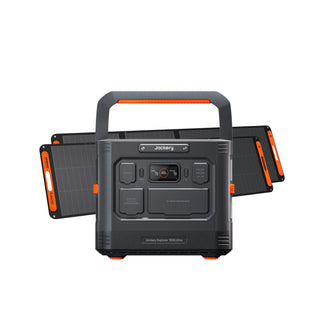
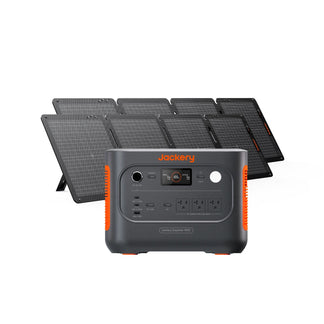
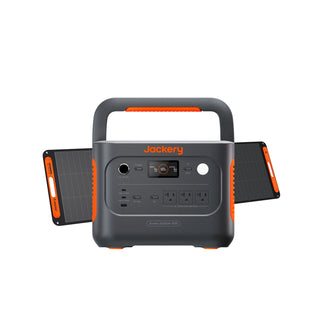
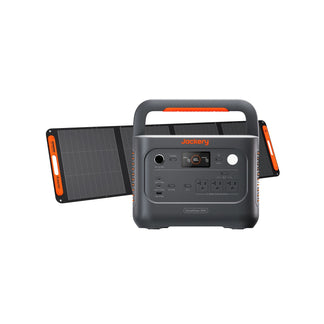
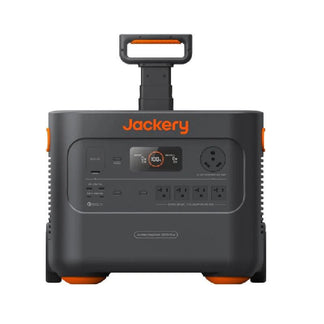
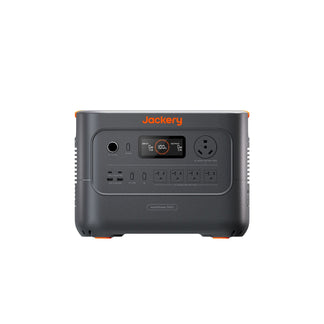
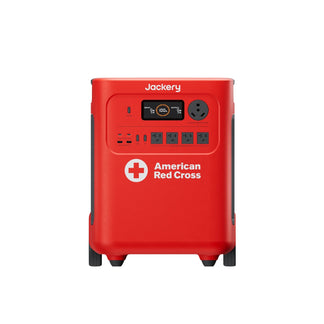
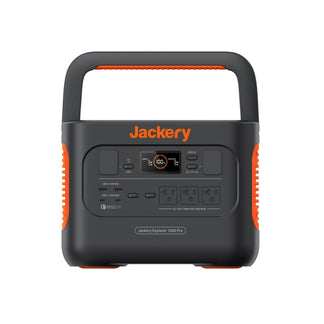
Jackery Solar Generator 2000 v2
The perfect, compact solution designed for standard tailgates and single-circuit setups.
- Robust Capacity: Packs a 2,042Wh capacity to run your TV, portable cooler, and phone chargers comfortably for a 4 to 6-hour pre-game session.
- Whisper-Quiet Operation: The cooling fan runs virtually silently, ensuring your neighbors hear nothing but the music.
- Highly Portable: Weighs around 39.5 lbs or 17.9 kg, sliding easily into a car trunk alongside chairs, coolers, and canopies.
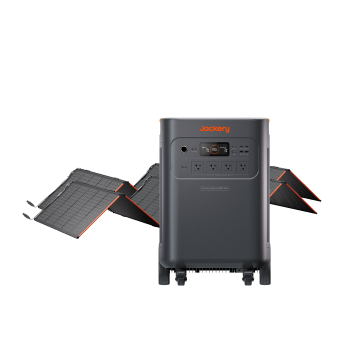
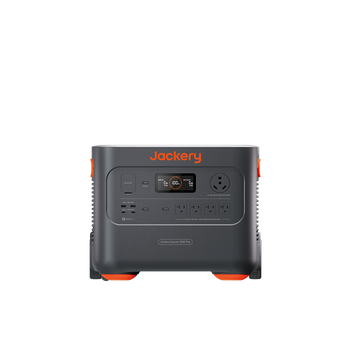
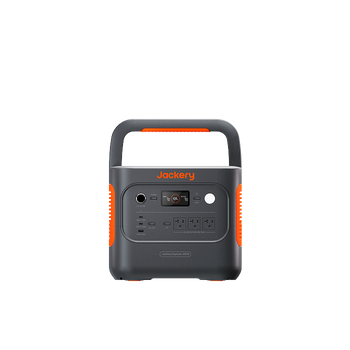
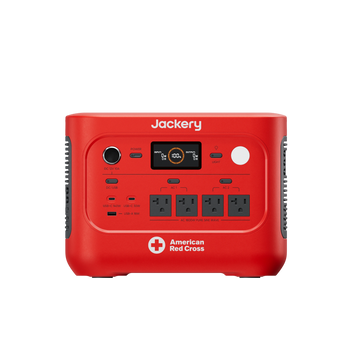
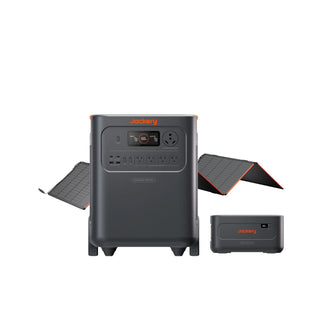
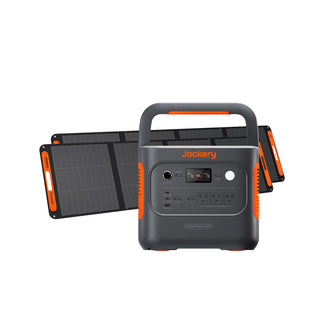
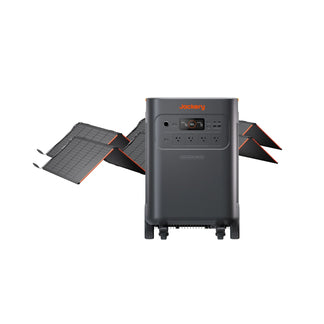
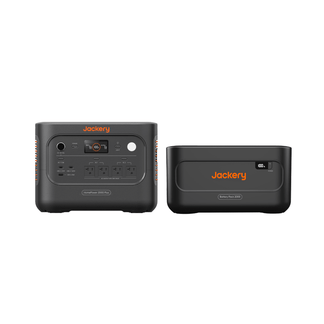
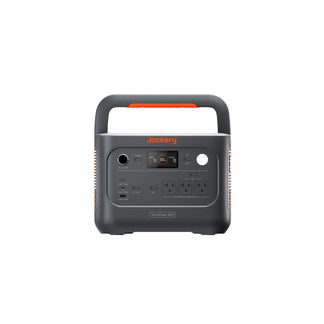
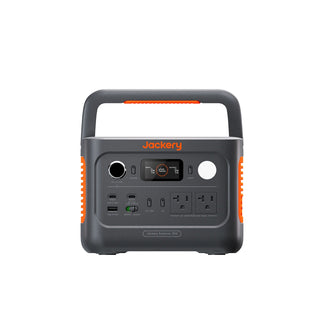
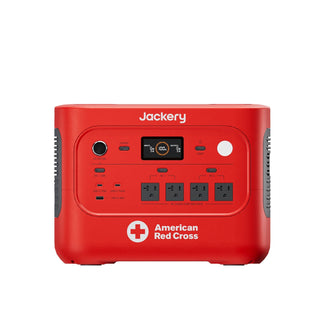
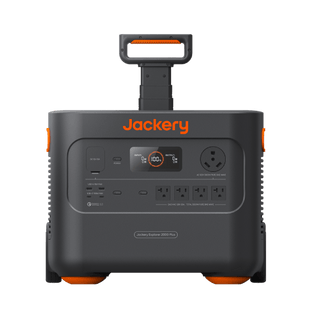
Jackery Solar Generator 2000 Plus
The high-output, expandable power station engineered for large groups and complete outdoor kitchens.
- Massive Output: Delivers 3,000W of continuous power and 6,000W of surge capacity, easily running high-draw induction cooktops and large electric grills.
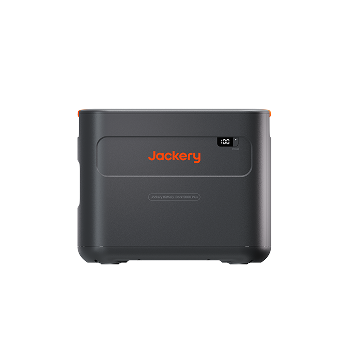
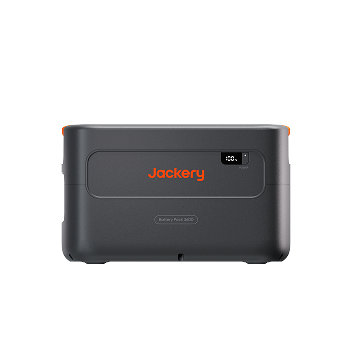
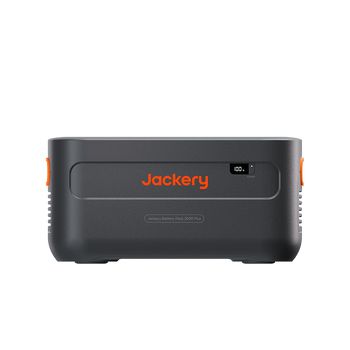
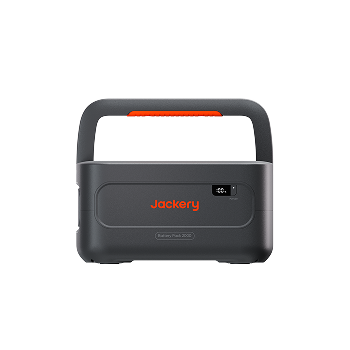
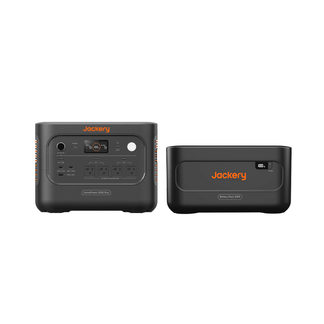
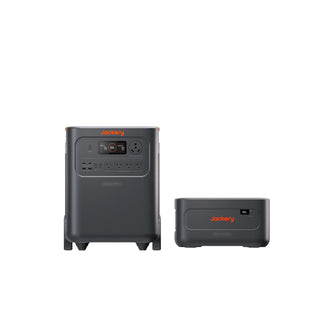
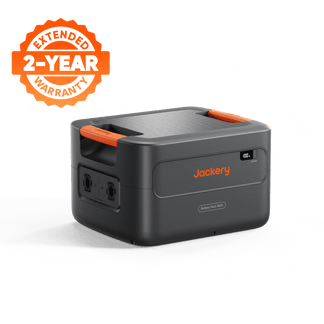
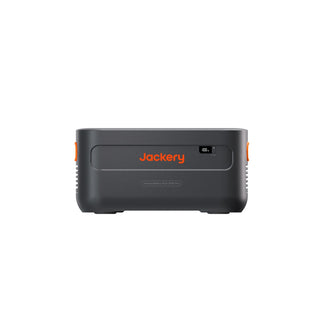
- Modular Expandability: Supports adding plug-and-play battery expansion packs to scale your capacity up to an incredible 24 kWh.
- Smart App Monitoring: Connects directly to your smartphone, allowing you to check battery levels, toggle outlets, and monitor runtime without leaving your lawn chair.
Jackery Tailgate Sizing Matrix
|
Specification |
Jackery Solar Generator 2000 v2 |
Jackery Solar Generator 2000 Plus |
|
Battery Capacity |
2,042 Wh |
2,042.8 Wh (expandable up to 24 kWh) |
|
Continuous AC Output |
2,200 W (4,400 Surge) |
3,000 W (6,000 W surge) |
|
Battery Chemistry |
LiFePO4 (4,000+ cycles to 70%) |
LiFePO4 (4,000+ cycles to 70%) |
|
Smart App Monitoring |
Yes (Bluetooth/Wi-Fi) |
Yes (Bluetooth/Wi-Fi) |
|
AC Wall Recharge Time |
1.7 hours |
2.0 hours |
Frequently Asked Questions
Can I run a 700W electric grill on a lithium battery generator?
Yes. Provided your battery station's continuous output rating exceeds 700W and its total watt-hour capacity covers your planned cooking window (plus a 20% safety margin), you can safely run electric grills and griddles off-grid.
How long will a 2,000Wh power station run a 55-inch TV and a mini-fridge?
A standard 2,042Wh power station can run a modern LED TV and a compact portable fridge for approximately 6 to 8 hours, depending on screen brightness, ambient outdoor temperatures, and how often the fridge door is opened.
Do stadiums allow lithium battery generators in their parking lots?
It depends, and strict guidelines apply. While quieter and safer than gas-powered engines, standard lithium-ion battery generators are not unconditionally permitted. Due to strict FIFA World Cup security protocols and thermal runaway risks, stadiums often enforce strict watt-hour (Wh) capacity limits on external batteries entering the secure parking perimeter. Always check your specific venue's "Prohibited Items" list, as large capacity power stations may be confiscated at the vehicle security gates.
Can I recharge a lithium generator from my car while tailgating?
Yes, but charging via a standard 12V car socket is slow, typically capped at 100W to 150W. For fast top-offs, it is best to recharge using a wall outlet at home or connect portable solar panels during the event.
How loud is a battery station compared to a gas generator?
Battery stations operate near-silently at 10 to 40 dB (comparable to a laptop fan), whereas traditional gas generators run at a loud 60 to 75 dB, which violates municipal noise ordinances and stadium regulations.
Can I use solar panels to keep my station topped up during the tailgate?
Yes. Connecting a portable solar panel is an excellent way to extend your runtime by trickling power back into the battery. However, treat solar as a "range extender" rather than a rapid, primary recharge method during the event itself.
Can I fly with a lithium battery generator to a far-away tailgate?
No. FAA and TSA regulations strictly prohibit passenger aircraft from carrying lithium batteries exceeding 100Wh in both carry-on and checked luggage. If you are traveling by air, you will need to ship your battery station ahead via ground transport.


