




![[Add - on] Jackery Manual Transfer Switch for Explorer 5000 Plus - Jackery](http://www.jackery.com/cdn/shop/files/add-on-jackery-manual-transfer-switch-for-explorer-5000-plus-9017324.png?v=1754016782&width=350)



![[Add - on] Jackery Manual Transfer Switch for Explorer 5000 Plus - Jackery](http://www.jackery.com/cdn/shop/files/add-on-jackery-manual-transfer-switch-for-explorer-5000-plus-9017324.png?v=1754016782&width=324)


Living off the grid in a cozy cabin involves understanding the required solar power for the cabin. You need to create a list of the appliances that require power and determine whether you plan to use your cabin for weekend getaways or seasonal stays. But the best part is that you don't need to install a full-scale system right away. With a small setup, you can get the essentials running now and expand gradually as your energy needs grow.
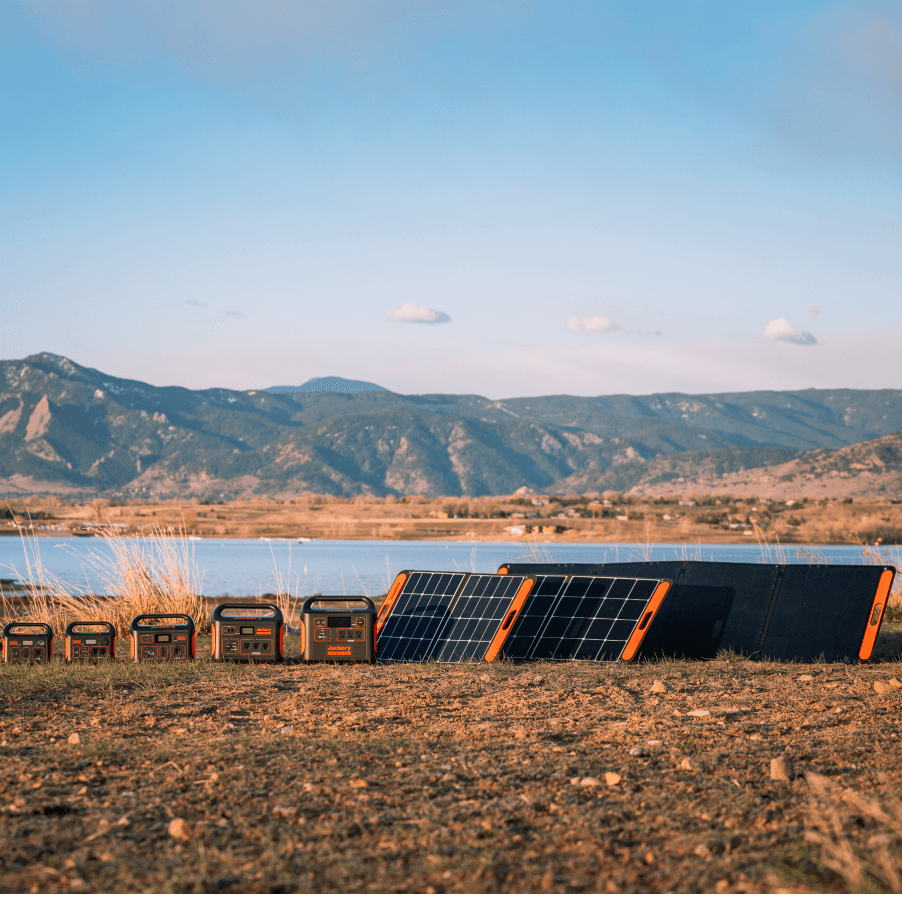
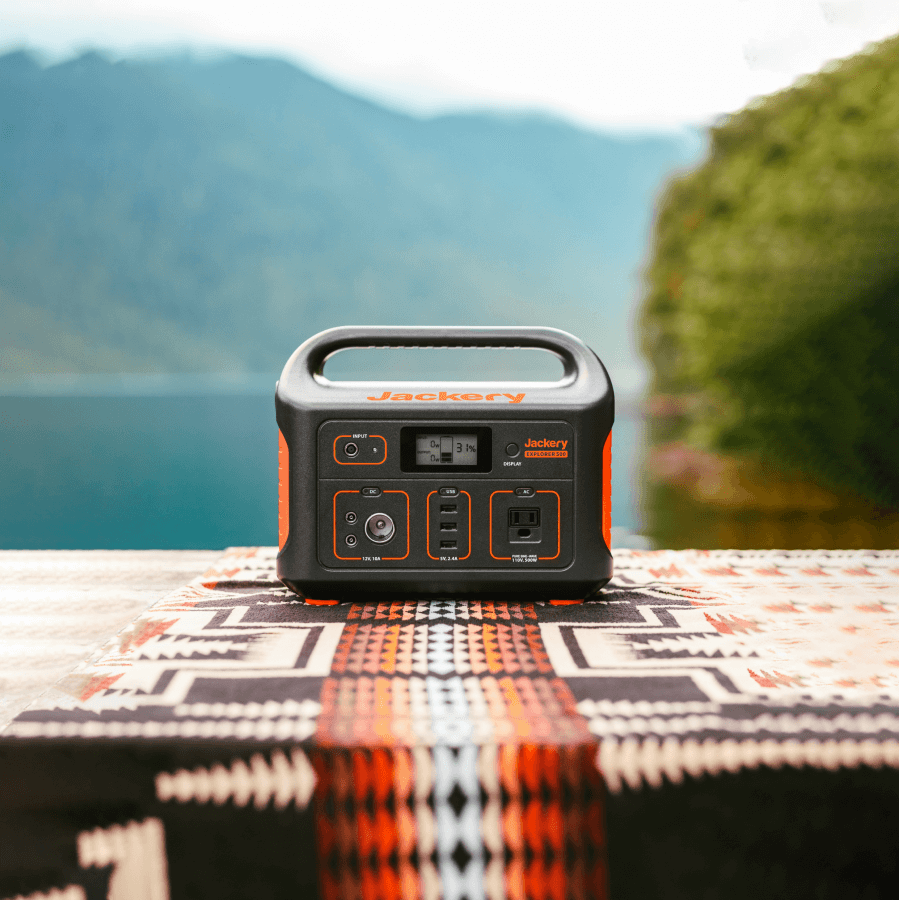
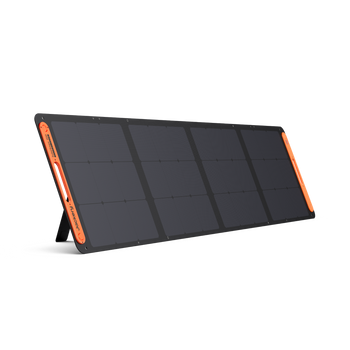
Jackery Solar Generators are portable power solutions for off-grid adventures, especially for those wanting a simple plug-and-play solution for basic lighting, charging devices, and small appliances. Some solar-powered generators can be expanded with add-on battery packs as power requirements increase. Check how to evaluate your energy needs, what equipment you'll need, and how to get started with solar power for your cabin.
Key Takeaways
- Setting up solar power for cabin living can be a practical and cost-effective way to enjoy electricity in remote locations without relying on the grid.
- You can start powering a small cabin for under $1,000 with a basic solar setup and expand later as needed.
- Seasonal usage significantly impacts the amount of solar power you'll need, as winter months require a substantial amount of electricity to heat the space.
- A minimal solar power system for the cabin can cover lighting, device charging, fans, and other essentials.
- Jackery Solar Generators are portable, solar-powered generators that can power essential cabin appliances, including lights, phones, fans, WiFi routers, and even air conditioners.
Evaluating Remote Cabin's Power Requirements
When determining the required solar power for cabins, you need to calculate the amount of electricity needed. The easiest way to do so is by listing the cabin appliances you plan to run and how many hours each will be used per day. Here's a table revealing the common cabin appliances and their average runtime:
|
Cabin Appliances |
Wattage |
Daily Use |
Total Wh |
|
Blender |
600W |
1H |
600Wh |
|
Coffee Machine |
1000W |
1H |
1000Wh |
|
Dishwasher |
1200W |
1H |
1200Wh |
|
Refrigerator |
400W |
8H |
3200Wh |
|
Water Heater |
4500W |
1H |
4500Wh |
|
Window AC |
900W |
4H |
3600Wh |
|
Electric Blanket |
200W |
4H |
800Wh |
|
Hair Dryer |
1500W |
0.5H |
750Wh |
|
Humidifier |
200W |
4H |
800Wh |
|
Vacuum |
1000W |
1H |
1000Wh |
Seasonal Power Needs (Summer vs Winter Cabin Usage)
Your cabin or off-grid cottage power requirements change according to the season. For example, you'll need fans, lights, and coolers in summer. Some solar panels with a small battery backup would be enough to power cabin appliances during weekends. On the other hand, you'll need more power for electric blankets, heaters, and lights in winter. Since you'll get fewer peak sun hours in colder months, it's essential to consider investing in multiple solar panels with a battery backup.
Components of a DIY Solar Power System for Cabins
Many off-grid homeowners begin with a basic solar power for cabin kit, which usually includes solar panels, a battery, a charge controller, and an inverter. If you're considering building DIY solar power for cabins, it's essential to understand the key components. Let's explain them briefly:
- Solar Panels: The PV panels collect sunlight and convert it into direct current.
- Inverter: The inverter converts DC power into usable AC electricity, which can power cabin appliances.
- Charge Controller: It regulates the electricity flow from the PV panels to the battery, preventing overcharging and damage.
- Battery Backup: The battery backup system stores the excess electricity generated by the panels to power the cabin appliances.
How Much Solar Power is Needed for a Cabin
The total number of solar panels and the size of the battery backup required for a cabin depend on the appliances used. A small cabin with minimal appliances, such as lights and a radio, requires a solar power setup that generates a few hundred watts. On the other hand, a more comfortable cabin with essential appliances requires a 2000-watt to 4000-watt generator.
Here's a step-by-step guide to calculating the solar power for cabins:
Step 1: Calculate the Energy Needs
List the cabin appliances you plan to use and determine the wattage of each. Multiply the wattage of each cabin appliance by its daily usage time and then sum up the results to get the daily consumption.
Step 2: Determine Solar System Size
The amount of peak sun hours you receive affects the required solar system size. If the cabin needs 2 kWh per day and the daily peak sun hours are 5, you can calculate the solar power for cabins using the formula:
Solar Power Size = Total Cabin Daily Power Consumption ÷ Daily Peak Sun Hours = 2kWh ÷ 5H = 0.4kW or 400W
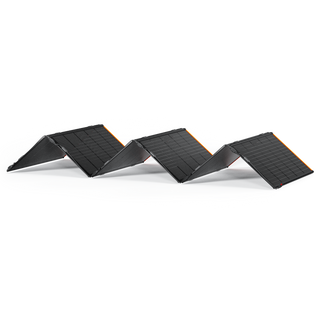
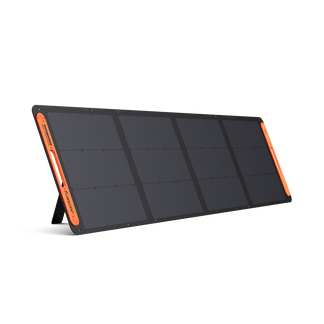
If each solar panel is rated at 200W, you'll need around two solar panels.
Step 3: Factor in the Battery Storage
Solar panels work only when there is sunshine, so you will need to invest in a battery backup or power station to store energy for nighttime or cloudy days. The battery capacity should be sufficient to store energy for a few days, depending on the cabin's energy needs. With the right setup, solar power for a cabin can support essentials like lighting, refrigeration, and device charging year-round.
Start Cabin Solar Power Under $1000
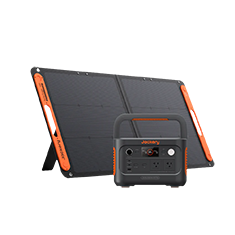
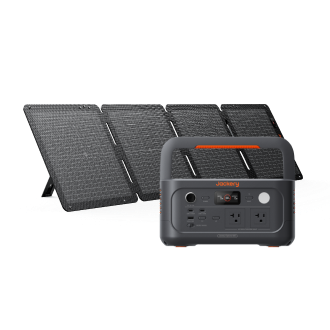
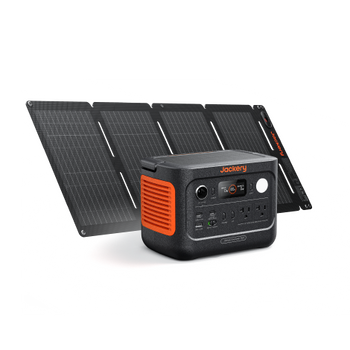
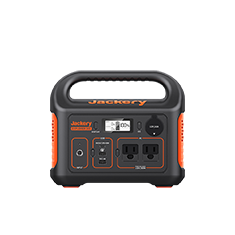
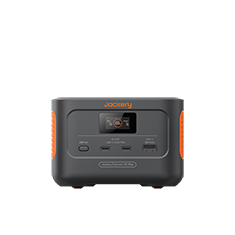
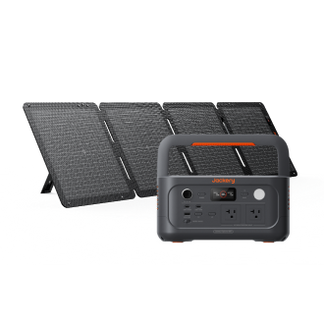
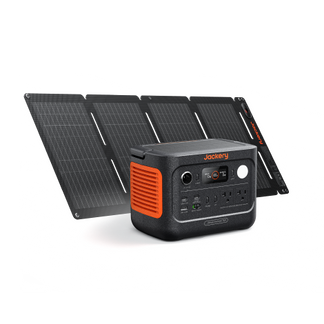
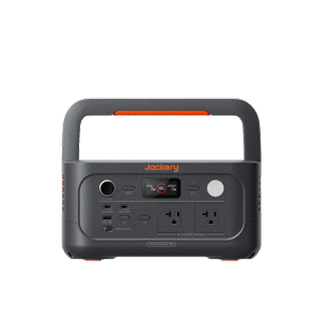
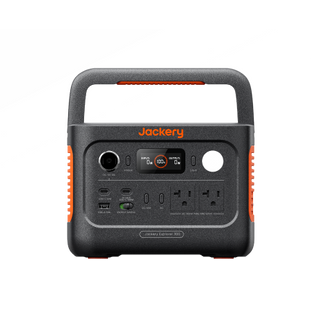
A small solar power setup for the cabin can help you power essential appliances, such as lights, phones, fans, routers, and mini-fridges. You can combine a few solar panels and a small battery backup of around 300Wh - 500Wh to keep small cabin appliances powered.
However, you must match the battery capacity of the solar generator with the cabin's power consumption to ensure you are not buying an undersized solar generator. Even if you are starting small, look for solar-powered generators that can be expanded later with add-on battery packs.
When to Upgrade Solar Power for a Cabin
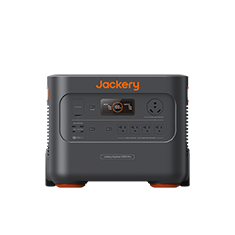
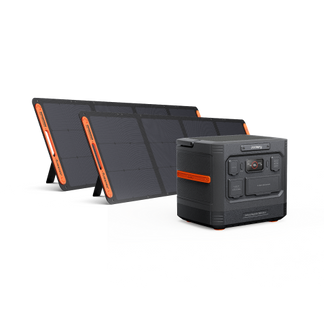
If you are adding additional appliances, such as TVs, refrigerators, coffee makers, heaters, or air conditioners, to your cabin, you'll need to upgrade the solar power setup. For example, the Jackery Solar Generator 2000 Plus is a reliable home battery backup solution that can power most cabin appliances, such as TVs, phones, laptops, lights, and even refrigerators.
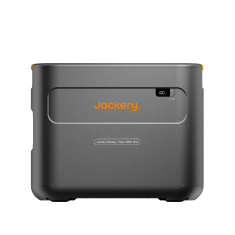
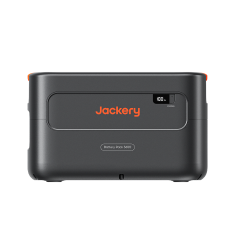
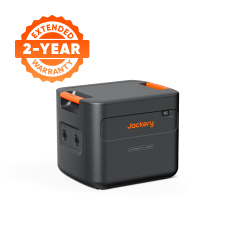
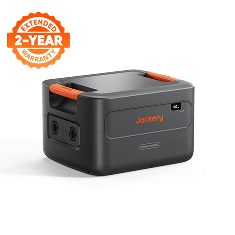
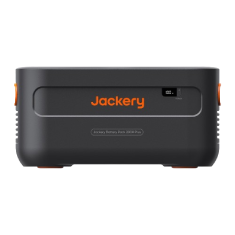
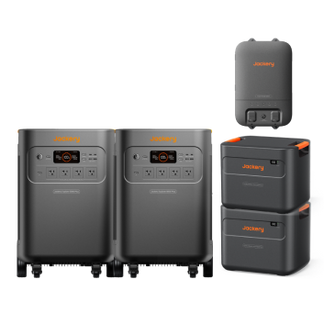
If you want to upgrade the solar power systems according to the off-grid cabin plans, all you need to do is buy the add-on Jackery Battery Pack 2000 Plus to extend the capacity from 2 kWh to 24 kWh. Choosing a scalable DIY solar power system for a cabin allows you to start small and expand as your energy needs grow.
Best Jackery Solar Generators for Cabins
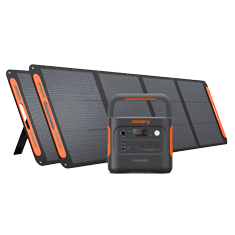
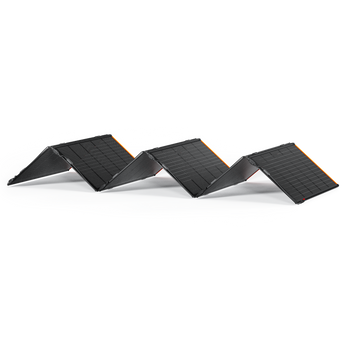
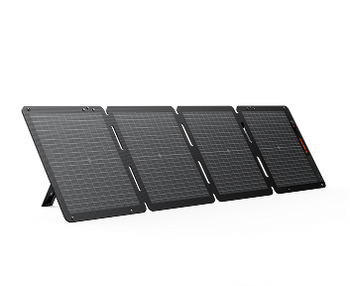
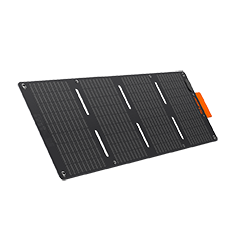
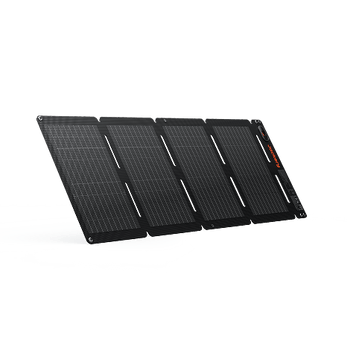
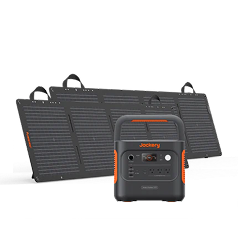
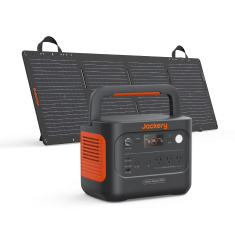
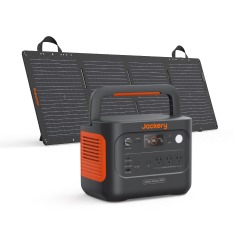
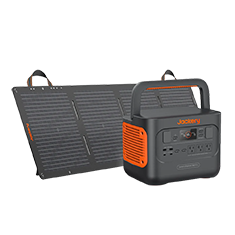
Solar generators combine battery backups with one or more solar panels to produce electricity for the cabin appliances. Instead of relying on a utility grid, solar-powered generators use clean solar power and don't emit any noise or fumes. Jackery is a global leader in manufacturing solar panels, power stations, and solar generators. Jackery Solar Generators feature a compact design and powerful capacity to power essential cabin appliances for hours. Here are two of the best solar-powered generators for cabins:
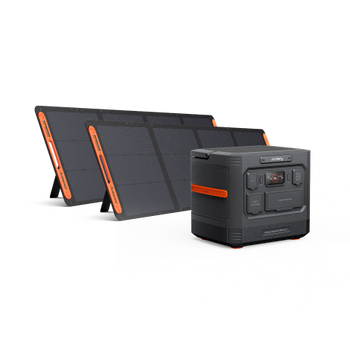
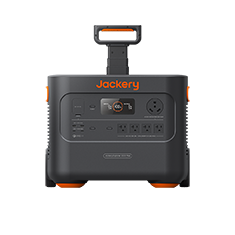
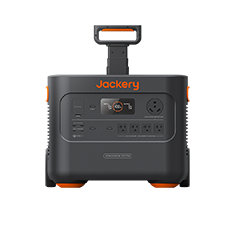
Jackery Solar Generator 2000 Plus
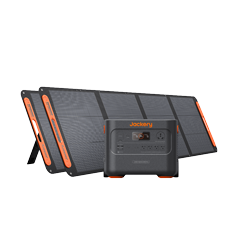
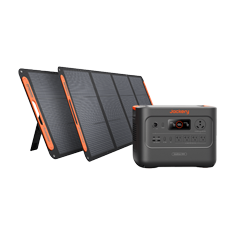
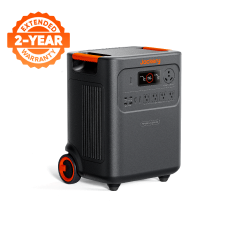
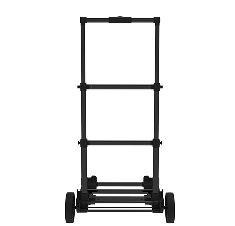
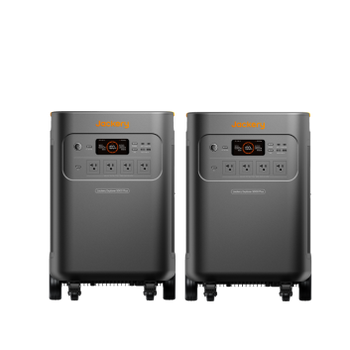
The Jackery Solar Generator 2000 Plus is a reliable solar battery backup with panels that can provide power to essential cabin appliances. It's built with a foldable handle, double wheels, and a pull rod to ensure easy transportation wherever you go. It's also expandable with the help of add-on battery packs from 2 kWh to 24 kWh, so you can start small and expand the solar power for the cabin later.
Appliances Running Time
- Refrigerator (400W) = 4.0H
- Electric Kettle (600W) = 2.7H
- Water Pump (300W) = 5.3H
- Induction Cooktop (1500W) = 1.1H
- Portable Heater/AC (1500W) = 1.1H

Customer Review
"This is the second generator we have bought, and we love it. This one is in our cabin. It's easy to use, and it's nice that it is totally silent. I will recommend this to everyone." — Karon Owen.
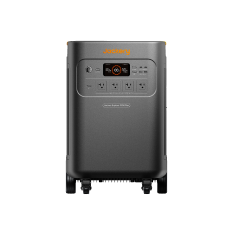
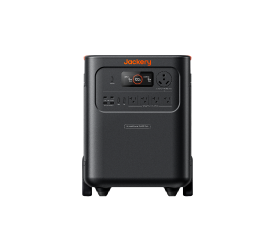
Jackery Solar Generator 5000 Plus
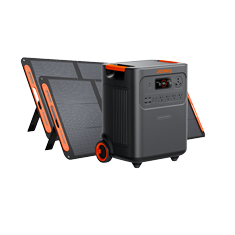
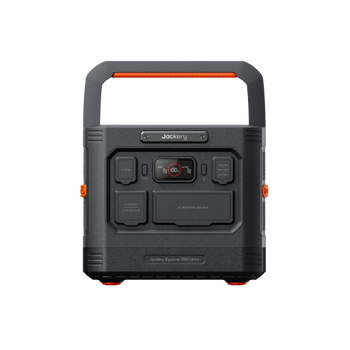
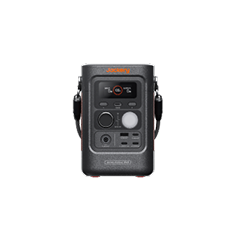
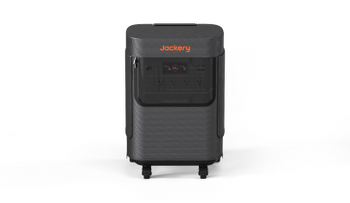
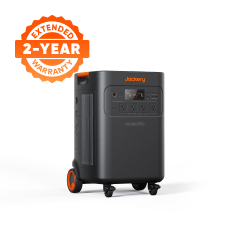
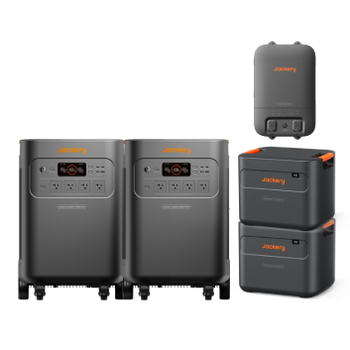
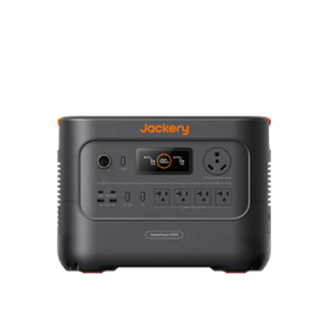
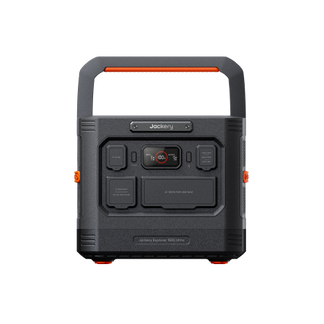
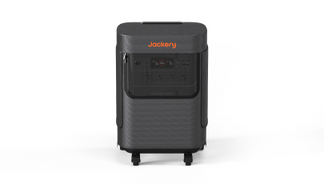
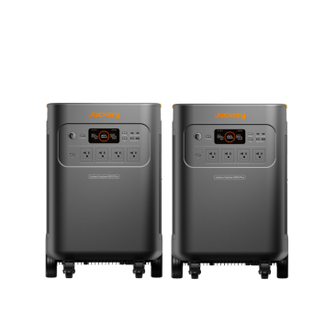
The Jackery Solar Generator 5000 Plus is an essential home backup solution that can also serve as a reliable power solution for off-grid cabins. The modular design, featuring a pull rod and double wheels, ensures you can easily drag the solar generator anywhere you go. It operates by emitting less than 30 dB of noise, which is almost as quiet as a library. With the help of add-on battery packs, you can expand the battery capacity up to 60 kWh.
Appliances Running Time
- Refrigerator (400W) = 9.5H
- Electric Kettle (600W) = 6.6H
- Water Pump (300W) = 12.2H
- Induction Cooktop (1500W) = 2.8H
- Portable Heater/AC (1500W) = 2.8H

Customer Review
"This is awesome. I am able to power my entire house for up to 15 hours. Great for power outages." — Ivan.
FAQs
How big of a solar system do I need for my cabin?
The size of the solar generator needed for a cabin depends on the cabin's energy usage and the amount of sunlight available. A small cabin with essential appliances would need a 1000-watt to 2000-watt generator, whereas a larger cabin with higher power needs may require a 4000-watt to 5000-watt generator.
What will a 1000-watt solar panel run?
A 1000-watt solar panel and a battery backup can run various appliances as long as the combined wattage does not exceed 1000 watts.
How much does a 3kW solar system cost?
A 3kW solar system costs around $7,200 - $10,800 before any tax credits. However, the exact cost of a 3kW solar system can vary depending on location, equipment, and installation costs.
What is the initial setup cost for solar equipment for a small cabin?
The average solar panel system for a small cabin typically costs between $3,000 and $20,000, depending on the size and equipment. Investing in solar power for cabin remote setups not only reduces long-term electricity costs but also increases energy independence.
What permission is needed for solar panel installation?
If you want to install a rooftop solar panel system, the local governments require a homeowner's solar installer or contractor to obtain a permit for the rooftop solar panels. This is especially important if you want to interconnect to the grid and start producing electricity.
Conclusion
Understanding your cabin's energy needs and planning seasonally, you can build a reliable solar power system for the cabin that fits your lifestyle and grows with you. Begin with a basic setup that powers essentials like lights, fans, and small appliances, and then you can scale up when you need more power. Jackery Solar Generators make it easier by combining solar panels and battery storage into one portable, easy-to-use bundle. You can power essential cabin appliances for extended periods and even expand the capacity of the expandable solar generators as needed.