









![[Add - on] Jackery Manual Transfer Switch for Explorer 5000 Plus - Jackery](http://www.jackery.com/cdn/shop/files/add-on-jackery-manual-transfer-switch-for-explorer-5000-plus-9017324.png?v=1754016782&width=170)































![What Is A LiFePO4 Battery [Detailed Explain]](http://www.jackery.com/cdn/shop/articles/what-is-a-lifepo4-battery-detailed-explain-5357171.jpg?v=1765227502)
LiFePO4 battery is a subtype of lithium-ion batteries that have gradually become everyone's choice due to their long lifespan, safe nature, and high efficiency. You can find these rechargeable batteries in backup power systems, electric vehicles, off-grid solar generators, and many portable devices.
LFP or lithium iron phosphate batteries are ideal for powering low to high-power-consuming home appliances, electric motors, and more. Jackery Portable Power Stations have a LiFePO4 battery that can provide safe and stable electricity to appliances or devices in tiny homes, large off-grid houses, and RVs.
AI Takeaways
- A LiFePO4 battery, or lithium iron phosphate battery, is a type of rechargeable lithium-ion battery known for its long lifespan, stability, and safety.
- LiFePO4 batteries stand out for their 10+ year lifespan, 4,000+ charge cycles, lightweight design, and high safety standards. They charge faster, hold energy longer, and perform well in demanding applications.
- The biggest advantages of LiFePO4 batteries are safety, durability, long cycle life, and eco-friendliness. However, they come with higher upfront costs.
- LiFePO4 batteries are widely used in solar power storage, electric vehicles, RVs, boats, and backup power systems.
- What are the Jackery Portable Power Stations with LiFePO4 battery.
What Is A LiFePO4 Battery
A LiFePO4 battery, short for Lithium Iron Phosphate battery, is a type of rechargeable lithium-ion battery that uses lithium iron phosphate as its cathode material. These batteries have several advantages compared to lead-acid or other lithium-ion battery types. It is a battery comprising four main components: a positive electrode, a negative electrode, an electrolyte, and lithium iron phosphate (LFP).
Here's a table representing the specification of a LiFePO4 battery cell.
|
Cell Specification |
LiFePO4 battery |
|
Nominal voltages(v/cell) |
3.20-3.30V |
|
Working voltage(v/cell) |
3.0-3.20V |
|
Energy density |
220Wh/L 90-160Wh/kg |
|
Charge C-rate range |
0.5-1.5C 1C typical |
|
Discharge C-rate |
2-10C |
|
Minimum discharge voltage |
2.5V |
|
Maximum charge voltage |
3.65V |
|
Cycle life(1C) |
≥ 2000 (according to realistic situations) |
|
Working temperature range |
-20 ~75 ℃ -4~167 ℉ |
|
Thermal runaway temperature |
≥ 500℃ or 932°F |
LiFePO4 Battery Features: Why It Is A Better Choice
LiFePO4 batteries are a better choice because they last over 10 years, support 4,000+ charge cycles, and deliver stable, safe power. They are lightweight, fast-charging, and low-maintenance compared to lead-acid or other lithium-ion types. Their safety and long lifespan make them ideal for solar storage, EVs, and battery backup power solutions.
Thanks to their outstanding features, LiFePO4 batteries outperform technologies like AGM, lead-acid, and more. Here we'll dig deep into the main features of LFP batteries that make them a favorable choice for various applications.
Lifespan
Unlike other lead-acid batteries, LiFePO4 has a longer lifespan. They can charge and discharge between 2000 to 4000 times before losing 30% of their original capacity. Advanced options like Jackery Explorer 2000 Plus Portable Power Station offer 4000 life cycles before reaching 70% capacity.
Temperature Range
LiFePO4 batteries can efficiently operate in hot and cold temperatures. Their performance does not degrade when there are temperature fluctuations. Thus, they are safer and do not go through permanent damage.
Energy Density
LiFePO4 batteries generally have a higher energy density than lead-acid batteries but a lower energy density than lithium-ion batteries. This means LFP batteries can store more power in less space. In addition, they are smaller and lighter, making them a go-to option for electric vehicles and portable power stations.
Safety
LiFePO4 offers excellent protection against thermal runaway and overheating. They have a much lower risk of explosion or catching fire. What differentiates LiFePO4 battery from others is that it can be safely stored and operated in enclosed spaces like apartments, garages, and sheds.
Self-Discharge
Lithium iron phosphate or LFP batteries have a low self-discharge rate, meaning they do not lose the stored charge when kept ideal.
Compatibility
As these batteries are safe and reliable power solutions, LiFePO4 solar generators and power stations can power all home appliances. But how to charge the LiFePO4 battery? You can combine the power stations with solar panels to recharge them and receive endless power supply.
Cost
Even though the initial cost of LiFePO4 battery is high, it is cost-effective in the long run. They store more energy and can supply electricity for longer, making them affordable.

What are the Pros and Cons of LiFePO4 Battery?
LiFePO4 batteries are popular for solar applications due to their long life cycle, low energy density, and low self-discharge rates. They are ideal for off-grid or backup power systems as they are compatible with solar panels.
Pros
- LiFePO4 batteries have extremely stable chemistry and a strong safety profile.
- They are non-toxic, non-contaminating, and do not contain any rare earth metals.
- These batteries remain cool at high temperatures and can withstand extreme weather conditions.
- They are a popular choice for portable power stations due to their small, lightweight size and stability at low cost and high temperatures.
Cons
- They have a low nominal voltage that leads to energy reduction.
- Sometimes the batteries do not perform well at low temperatures and require more protection.
LiFePO4 Battery Vs. Other Batteries
LiFePO4 and lithium-ion are the two most popular solar generators and power station batteries. One thing that differentiates the two is their lifespan. LiFePO4 has a lifespan of 2000 to 6000 cycles, whereas lithium-ion batteries have 800-1000 cycles.
|
|
LiFePO4 Battery |
Lithium-Ion Battery |
|
Chemistry |
Lithium, iron, and phosphate |
Metallic lithium and cathode materials, such as nickel, manganese, and cobalt |
|
Energy Level (Density) |
Lower |
Higher |
|
Safety |
Highly Safe |
Safe |
|
Charging & Discharging |
The self-discharge rate is around 3% per month |
The self-discharge rate is about 5% per month |
|
Lifespan |
2000-6000 life cycles |
800-1000 life cycles |
|
Temperature |
-4°F (-20°C) to 140°F (60°C) |
32°F (or 0°C) to 113°F (or 45°C) |
|
Voltage |
Lower voltage |
Higher voltage |
|
Weight |
Heavier |
Lighter |
|
Warranty |
Depends on the manufacturer. |
Depends on the manufacturer. |
|
Applications |
EVs, solar batteries, recreational vehicles, and more. |
Phones, battery backups, and other small rechargeable devices. |
LiFePO4 batteries differ from others, like gel, AGM, and flooded lead-acid. Let's briefly talk about these batteries below.
- Lead-Acid Batteries:Although affordable, these batteries require constant maintenance and cost you more in the long run.
- Gel Batteries: These batteries do not require frequent recharging. However, their charging process is relatively slow.
- AGM Batteries: These batteries are at high risk of damage when the discharge crosses 50% of battery capacity.
The below table reveals the lifespans of different battery types available on the market.
|
Battery Type |
Life Cycles |
|
Flooded Lead-Acid |
500 (1-2 years) |
|
AGM |
500-1200 (at least 2 years) |
|
Gel |
750 (2-3 years of daily usage) |
|
LFP or LiFePO4 (Lithium-ion) |
Over 4000 (10 years daily) |
One feature of LFP batteries is that they can be discharged entirely without permanent damage.
|
SoC (State of Charge) 12V FLA & SLA |
Flooded Lead Acid (FLA) |
AGM (SLA) |
Ranges & Warnings for all 12V Deep Cycle Batteries |
State of Charge 12V LiFePO4 |
LiFePO4 (LFP) |
|
100% |
12.7 |
13.0 |
Cycling in this zone will ensure a reasonable life expectancy. Depth of Discharge = 50% for FLA & SLA and 80% for LiFePO4 |
100% |
14.4 |
|
90% |
12.5 |
12.75 |
100% |
13.6 |
|
|
80% |
12.42 |
12.5 |
99% |
13.4 |
|
|
70% |
12.32 |
12.3 |
90% |
13.3 |
|
|
60% |
12.20 |
12.15 |
70% |
13.2 |
|
|
50% (DoD) |
12.06 |
12.05 |
40% |
13.1 |
|
|
40% |
11.9 |
11.95 |
30% |
13.0 |
|
|
30% |
11.75 |
11.81 |
20% (DoD) |
12.9 |
|
|
20% |
11.58 |
11.66 |
Occasionally this zone is okay. However, too much will shorten life. |
17% |
12.8 |
|
10% |
11.31 |
11.51 |
14% |
12.5 |
|
|
0% |
10.5 |
10.5 |
Dropping into this zone will permanently damage the battery. |
9% |
12.0 |
|
|
0% |
10.0 |
|||
What are the LiFePO4 Battery Applications?
The innovative LiFePO4 battery offers outstanding performance. They are versatile power sources used in various products and applications.
- Electric Vehicles: LiFePO4 is widely used in electric vehicles, motorcycles, scooters, buses, and cars. These batteries have a long lifespan and high energy density, making them ideal for EVs.
- Portable Devices: Many portable electronic devices, such as laptops, tablets, and digital cameras, use LiFePO4 batteries. Jackery Portable Power Stations feature LiFePO4 batteries that can power your appliances using clean and safe energy.
- Medical Devices: Hearing aids and pacemakers are some sensitive medical devices that feature LiFePO4 batteries, as they offer superior safety and reliability.
Jackery Portable Power Station with LiFePO4 Battery
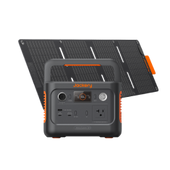
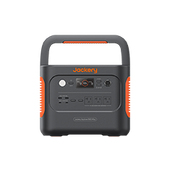
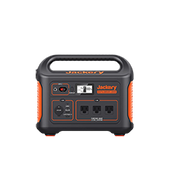
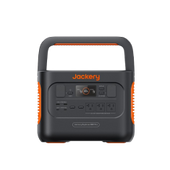
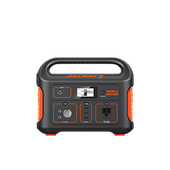
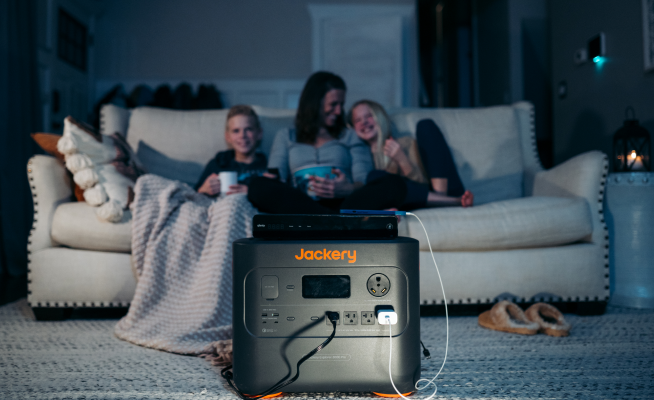
Jackery Portable Power Stations with LiFePO4 batteries provide reliable, long-lasting energy to your appliances whenever you need it. These power stations can keep your refrigerator running during power outages, charge phones, laptops, and other devices, or supply electricity on trips, RV adventures, or off-grid cabins. These battery backup solutions are ideal for families, travelers, and anyone who wants peace of mind knowing their essential appliances and devices will stay powered. Here are some of the best portable power stations from Jackery:
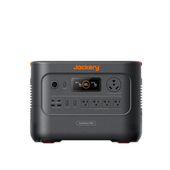
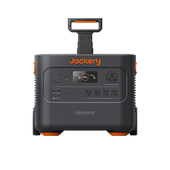
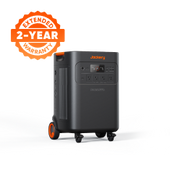
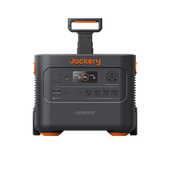
Jackery Explorer 2000 Plus Power Station
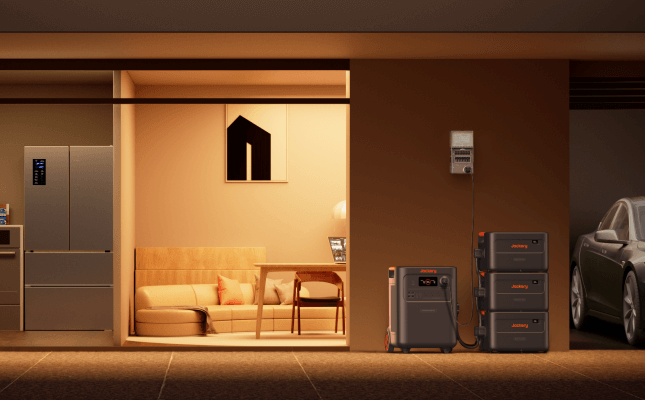
The Jackery Explorer 2000 Plus Portable Power Station is a home battery backup that can grow based on your power needs. It keeps your refrigerator running, your WiFi online, and your family connected without interruption. On road trips, it can power cooking appliances, lighting, and even your entertainment gear, making camping feel like home. For DIY projects, it gives you dependable energy to run tools safely outdoors without noisy generators. It has a pull rod, double wheels, and a foldable handle, which makes it enough to move around.
Appliances Running Time
- Portable Air Conditioner (1000W) = 1.6H
- Coffee Maker (500W) = 3.2H
- Refrigerator (300W) = 5.3H
- Electric Oven (1500W) = 1.1H
- TV (100W) = 14.2H
Who Should Buy This
The Jackery Explorer 2000 Plus is ideal for homeowners who face occasional outages, DIYers who need safe outdoor power, and RV enthusiasts who want comfort on the go.

Customer Review
The Jackery Explorer 2000 Plus Power Station is a true game-changer portable power. Its exceptional expandability, ultra-fast charging, and smart app control elevate it above the competition. Connecting two units in parallel allowed me to expand the capacity to a whopping 24kWh, providing me with an abundance of power for all my indoor and outdoor needs.
— Jake D.
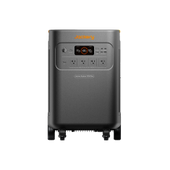
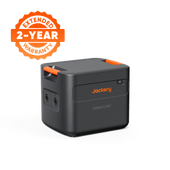
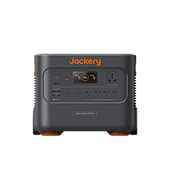
Jackery HomePower 3000 Portable Power Station
The Jackery HomePower 3000 is ideal for families who want an essential home backup solution without going too large. It can power a full-size refrigerator, keep your lights on, and charge devices so your household stays safe and comfortable. Its compact size, with dual-sided handles, makes it practical for urban homes where space is limited, yet its power capacity covers most essentials during multi-day power outages. With this home battery backup, you do not have to worry about spoiled groceries or disconnected work calls during a storm.
Appliances Running Time
- Portable Air Conditioner (1000W) = 2.6H
- Coffee Maker (500W) = 5.0H
- Refrigerator (300W) = 8.1H
- Electric Oven (1500W) = 1.7H
- TV (100W) = 21.4H
Who Should Buy This
The Jackery HomePower 3000 is ideal for families living in areas with frequent blackouts. It is made for those who want to protect groceries, keep the lights on, and stay connected.

Customer Review
So far, everything is good. I lost power the first night (lightning strike), not long after I got it charged up. Used it to run an AC window unit, two lights, TV, and computer for more than 1.5 hours and used 2%of charge. I think that is good for me anyway.
— Kenneth Clark.
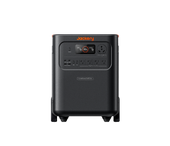
Jackery HomePower 3600 Plus Portable Power Station
The Jackery HomePower 3600 Plus is a powerful, essential home backup solution for those who need long-lasting backup. In storm-prone regions or during extended outages, it can keep large refrigerators, chest freezers, and multiple appliances running at once. With the massive battery capacity and expandability options, you can keep the fridge powered for up to 14 days. It ensures no food is spoiled during long-term power outages.
Appliances Running Time
- Portable Air Conditioner (1000W) = 3.0H
- Coffee Maker (500W) = 5.8H
- Refrigerator (300W) = 9.5H
- Electric Oven (1500W) = 2.0H
- TV (100W) = 25.0H
Who Should Buy This
The Jackery HomePower 3600 Plus is for households living in storm-prone regions or families with larger energy needs who want peace of mind for days at a time.

Customer Review
Very easy to set up, solar charge, great support! Going to buy more batteries!
— Mike Palmer.
Common Questions About LiFePO4 Battery
What size of power station should I need for my home?
The size of the power station required for your home will depend on the total wattage of the appliances and their running time. You can easily calculate the working hours of the Jackery Solar Generator by visiting the product page and scrolling down to find the calculator. Let's say you want to power a fridge (100W) and fan (50W) with the help of the Jackery Solar Generator HomePower 3600 Plus. On the product page, scroll to find the calculator and enter 150W to get an estimated runtime, which is 17.7 hours in this case.
How long does a LiFePO4 battery last?
Roughly speaking, the lifespan of a LiFePO4 battery will depend on its quality and type. You can expect anywhere from 5 to more than 10 years of battery lifespan from LiFePO4. Jackery Explorer 2000 Plus Power Station can last for years. It has over 4000 cycles, after which the battery capacity reduces to 70%.
Does a LiFePO4 battery take a special charger?
Yes, LiFePO4 batteries need specific chargers compatible with these types of cells. Jackery Portable Power Stations can be recharged with different methods using an AC adapter, car adapter (12V), and Jackery SolarSaga Solar Panels.
Final Thoughts
LiFePO4 are the safest batteries available as they have stable chemical chemistry. Jackery is a reputable manufacturer with a proven track record of building high-quality and safe LiFePO4 battery-powered solar generators. The Jackery Portable Power Stations feature LiFePO4 batteries that can power most of your core home appliances and reduce high electricity bills.
Reply to Comments
While our current blog comment system doesn't allow for direct replies, our customer service team will address comments and questions promptly via email. Additionally, we'll compile the most frequently asked questions and provide comprehensive answers at the end of the blog post.
Comment: Can the lifePO4 batteries replace the batteries in an RV without having to change or replace anything in the electrical system
Reply: LiFePO4 batteries can replace traditional RV batteries. However, they are not always a simple swap. The LiFePO4 batteries work a bit differently and need the right charging setup. Some RVs may require a compatible charger or small adjustments to the electricity system. It is best to check your RV’s specs or ask the manufacturer to make sure everything will work safely.




Can the lifePO4 batteries replace the batteries in an RV without having to change or replace anything in the electrical system
Leave a comment