















![[Add - on] Jackery Manual Transfer Switch for Explorer 5000 Plus - Jackery](http://www.jackery.com/cdn/shop/files/add-on-jackery-manual-transfer-switch-for-explorer-5000-plus-9017324.png?v=1754016782&width=170)








































































Brief Answer: The average residential monthly electric bill in Ohio was $138.76 as of May 2025, with an average energy rate of 17.11 ¢/kWh. However, this is an average, and actual bills can vary based on household size, electricity consumption, and specific utility rates.
Whether you reside in the tranquil suburbs or the bustling city of Cleveland, you'll need to understand the average electric bill in Ohio. Electricity is one of the major costs of living, and there are many factors that influence the current electricity rates in Ohio. Typically, the average monthly electricity bill in Ohio is around $138.76 per month, as of May 2025.
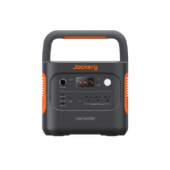
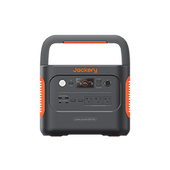
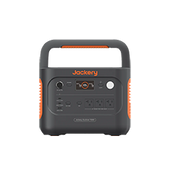
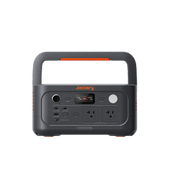
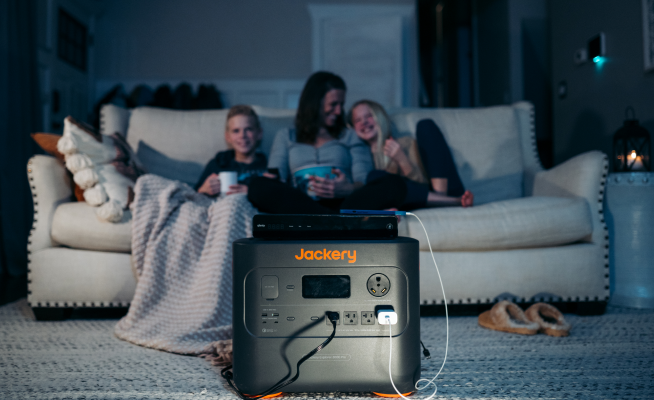
If you want to reduce your electricity bills or go completely off-grid with solar energy, you may consider investing in Jackery Solar Generators. These home battery backup solutions can power most indoor appliances, like refrigerators, air conditioners, CPAP, microwaves, etc., for long hours. Thus, they help reduce your dependence on the utility grid and lower your electricity bills in Ohio.
Takeaways
- As of May 2025, the average monthly electric bill for Ohio residents is approximately $138.76, which reflects usage of around 811 kWh at an average rate of 17.11 ¢/kWh.
- Compared to Ohio, the United States has a higher electric rate of 17.47 ¢/kWh and a monthly electricity bill of $157.05.
- The electric rate in Ohio may vary depending on the electricity provider you choose and the plan.
- Increased electric rates and seasonal demand for heating and cooling are responsible for high electric bills in Ohio.
- How to lower the electric bill in Ohio.
What Is The Average Electric Bill in Ohio?
The average electric bill in Ohio is approximately $138.76 per month. As per the May 2025 data released by EIA, the average electricity price in Ohio is nearly 17.11 cents per kWh, with an average electricity consumption of 811 kWh per month. Ohio has the 18th highest average electricity rate compared to other US states. While the monthly electricity bill will vary depending on the appliances used, the average bill in Ohio is lower than the nationwide average.
|
Cost of Electricity |
Ohio |
|
Average Electric Bill |
$138.76 per month |
|
Residential price per kWh |
17.11 cents per kWh |
|
Commercial price per kWh |
11.12 cents per kWh |
|
Industrial price per kWh |
7.62 cents per kWh |
Source: Electric Power Monthly - U.S. Energy Information Administration (EIA)
Here are the different types of electric bills in Ohio and their average values:
- The average residential electric rate in Ohio is 17.11 cents per kWh.
- Ohio's commercial electricity rate is lower than the residential rate and equals 11.12 cents per kWh.
- The industrial electricity rate in Ohio is 7.62 cents per kWh, much lower than residential and commercial rates.
Source: State Energy Profile Data
Here are the 10 states with higher electricity rates than Ohio:
- Hawaii
- Connecticut
- Maine
- Massachusetts
- New Hampshire
- Rhode Island
- Vermont
- Pennsylvania
- New Jersey
- New York
Here are the 10 states with lower electricity rates than Ohio:
- Utah
- Iowa
- Kansas
- Minnesota
- Missouri
- Nebraska
- North Dakota
- South Dakota
- Florida
- Georgia
Source: Electric Power Monthly - U.S. Energy Information Administration (EIA)

What Are The Electricity Rates in Ohio?
In Ohio, residential electricity rates are currently around 17.11 cents per kWh as of May 2025, but rates can vary significantly by provider and plan due to deregulation. Ohio is currently served by many major utilities. Here are the top 4:
- American Electric Power (AEP):It primarily serves Central and Eastern parts of Ohio, including Columbus.
- FirstEnergy:The three main utility providers — Ohio Edison, Illuminating Company, and Toledo Edison — serve major parts of Northern Ohio, including Cleveland.
- Duke Energy Ohio:It majorly operates in the Southwest part of Ohio, including Cincinnati.
- AES Ohio Or Dayton Power & Light: It covers the major parts of Western Ohio.
It might be tempting to choose the plan that offers the lowest overall electricity bills. However, that might not always be a good idea. Here are a few factors to consider when choosing an energy plan to get the lowest rates and affordable bills.
How Much Energy You Use
Many residential energy providers in Ohio use tiered rates for fair charging. The price per kWh will depend on the total monthly consumption. If the household consumes below-average or above-average, the plans with tiered rates will typically charge more. For example, you'll likely pay more if your household draws an average of 500 kWh or 1500 kWh (lower or higher than the average 811 kWh).
When You Use the Most Electricity
The next thing you need to consider is the time of energy consumption because many utility companies in Ohio use a TOU arrangement. This means the per-kWh price is lower in off-peak hours, such as early morning, and higher in on-peak hours. However, the TOU plan might not be beneficial if you use most of the electricity during peak hours.
Length of Contract
Lastly, you need to consider the contract length when choosing the electricity plan. Ohio's fixed-rate plans have a contract for anywhere from 3 to 36 months. If you select a short-term contract, companies will charge higher per kWh. If you don't want to pay more, the extended contracts would be a more affordable option.
What Are The Electricity Providers in Ohio?
Electricity to Ohio is supplied by a mix of different electric companies depending on the specific region of Ohio, with major providers including American Electric Power (AEP), Duke Energy, The Illuminating Company, Energy Harbor, and Ohio Edison. There are different electricity plans offered in Ohio:
Fixed-Rate Plans: It offers a single per kWh rate guaranteed for the length of the contract. While your electricity bills will still fluctuate based on consumption, you'll never be stuck with unexpectedly high bills due to rising costs.
Variable-Rate Plans: The electricity rate per kWh of energy varies depending on the supply and demand. This means the rate will be higher when the electricity demand is high or during a crisis.
No Deposit/Prepaid Plans: Some utility companies in Ohio waive the deposit entirely if you have good credit. If you prefer not to put down any deposit and choose a credit check, no-deposit or prepaid plans might work great.
Renewable Energy Plans: These plans generate electricity from renewable sources, including wind energy, solar, and hydroelectricity. This allows you to reduce your carbon emissions and choose clean electricity.
Business Energy Plans: As the name suggests, business energy plans are designed for companies instead of households. They have a lower per-kWh rate and are less common.
With 80+ REPs in Ohio, it can be complex to choose the best electricity provider. Here are a few factors to keep in mind:
Picking Electricity Provider as New Ohio Resident
If you are moving to Ohio from another state, you can check the different benefits offered by the electricity companies. For example, they might provide introductory energy prices that typically go up after about a year, waive deposits or sign-up fees, and provide incentives.
But before you check the additional benefits, it is essential to look for the cost per kWh, the plan type (fixed or variable), and the contract term. In order to reduce electricity bills, it's recommended that you choose a fixed electricity rate plan with a year-long contract first.
Picking a New Electricity Provider in Ohio
If you already live in Ohio and are looking to switch electric providers, your priorities might be different from those of a new resident. Your first step is to scan the available providers in Ohio for a better deal. Once you've found a rate with a low electricity bill, consider the type of electric plan and the contract term.
Why Is The Electric Bill So High in Ohio?
High electric bills in Ohio in 2025 are likely due to a combination of factors, including increased utility rates, extreme temperatures, aging home systems, and changes in energy usage habits.
In particular, the electricity bills are rising because of high demand in Ohio and increasing fuel costs used to charge power plants. However, the electricity prices in Ohio depend on the energy provider and some other factors. Here are some factors that can lead to high bills in Ohio:
Fuel Cost
The cost of electricity varies depending on the source of generation. The price of natural gas is quite lower than that of nuclear and coal in Ohio. Since some electricity providers still rely on nuclear and coal sources, this increases the cost of electricity production.
Different Pricing Structure
Ohio follows a different pricing structure known as spinning reserve, which charges homeowners a higher price based on reserve availability. This structure is used to compensate for a shortfall in electricity supply and protect utility companies from potential losses. While the pricing structure works in favor of utility companies, customers have to pay a higher price to cover the reserve costs.
Cost of Transmission Lines
Transmission line costs are higher in Ohio than in other states. The cost of building and maintaining transmission lines is passed on to customers as high electricity bills.
Energy Usage
The rate of energy usage by customers is also taken into account when understanding the electricity bills. Residents using more electricity are charged higher rates than those who use less. For this reason, customers should pay attention to their energy usage and ensure they use the least amount possible to keep their electric bills as low as possible.
How to Lower Your Electric Bill in Ohio?
In order to lower your electric bill in Ohio, switch to LED lighting, use energy-efficient appliances, unplug electronics when not in use, adjust your thermostat, improve home insulation by sealing air leaks, perform routine maintenance on your HVAC system, and run your washer and dishwasher on full loads. There's no doubt that the average electricity bill in Ohio is higher compared to some other states. Fortunately, there are many ways to lower the electricity bills in Ohio.
Lower Electricity Usages
Electricity bills contribute to one of the biggest portions of the monthly expenses. For example, the shared spaces and common areas of the households should have interconnected electrical systems to lower the electricity consumption.
Use Power Efficient Appliances
The household appliances you choose affect your overall electricity bills. Consider choosing Energy Star appliances, as they are designed to consume less power. For example, choose a refrigerator with an automatic defrost mode, as it uses less power. Similarly, front-loading washing machines draw less electricity and water than top-loading models.
Use Solar Generators
Solar energy is one of the renewable and cost-effective ways to reduce electricity bills. It provides clean energy and helps lower electricity bills in Ohio. Jackery Solar Generators work by converting solar energy into electricity that can be utilized to power a variety of household appliances, like refrigerators, ACs, washing machines, dishwashers, etc.
Heating and Cooling Adjustments
You will need to adjust the HVAC system throughout the season. The thermostat on the AC should be set according to the season. You can also change the thermostat settings depending on how much time you spend out or at work compared to the time spent in the apartment.
Jackery Solar Generators to Lower Electric Bills in Ohio
Electric bills in Ohio have been steadily rising over the past few years. According to the EIA report, the electric rates in Ohio increased from 16.64 cents to 17.11 cents per kWh during the May 2024-2025 period. Many Ohio households are looking for ways to cut costs without sacrificing comfort. Solar generators make this possible by turning free sunlight into usable electricity for your home.
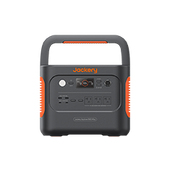
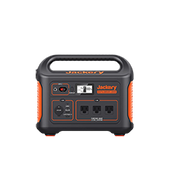
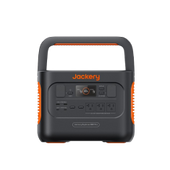
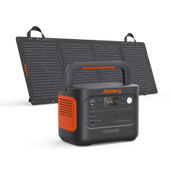
Jackery is one of the leading solar brands, manufacturing portable solar generators, solar panels, and power stations. The Jackery Solar Generators combine a portable Jackery Power Station with foldable Jackery SolarSaga Solar Panels.
When the sun's rays fall on the monocrystalline silicon solar cells of the Jackery SolarSaga Solar Panels, they are converted to DC electricity. The pure sine wave inverter of the Jackery Portable Power Station converts the DC to AC electricity to power indoor or outdoor appliances.
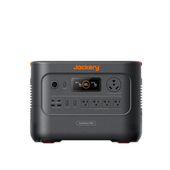
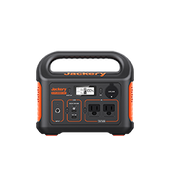
Jackery Solar Generator 2000 Plus
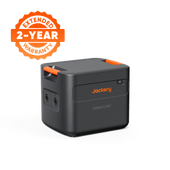
The Jackery Solar Generator 2000 Plus features a safe and stable LiFePO4 battery with a capacity of 2042.8 Wh. It also supports 99% of home appliances and can keep them powered for long hours. If you want more power, the Jackery Explorer 2000 Plus Portable Power Station can be expanded from 2 kWh to 24 kWh with the additional Jackery Battery Pack 2000 Plus.
Appliances Working Hours
- Refrigerator (300W) = 5.3H
- TV (150W) = 10.0H
- Water Heater (1500W) = 1.1H
- Microwave (1000W) = 1.6H
- Furnace (1500W) = 1.1H
Who Should Buy This
If you live in Ohio and want a simple, portable way to cut down monthly electric costs, the Jackery Solar Generator 2000 Plus is a reliable option.

Customer Review
Very good quality, the battery lasts a very long time. Very easy to move around with the built-in tires. Love the upgradeability. The best solar generator I have ever had.
— Marc.
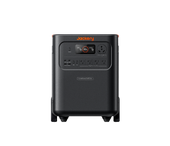
Jackery Solar Generator HomePower 3000
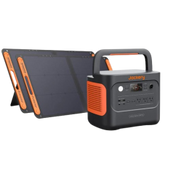
The Jackery Solar Generator HomePower 3000 is built for families who want more than just occasional backup. It stores enough energy to run several key appliances together, making it a reliable choice when rates spike or during a sudden outage. It’s also quick to recharge, so you don’t have to wait long before it’s ready to serve again. It's the world's lightest and smallest 3kWh LFP product that can easily be moved anywhere you go.
Appliances Working Hours
- Refrigerator (300W) = 8.1H
- TV (150W) = 15.2H
- Water Heater (1500W) = 1.7H
- Microwave (1000W) = 2.6H
- Furnace (1500W) = 1.7H
Who Should Buy This
The Jackery Solar Generator HomePower 3000 is ideal for Ohio homeowners who want to keep their fridge, heating system, or other essentials running smoothly while lowering grid dependence.

Customer Review
I'm very impressed with my new HomePower 3000 Solar Generator....it's been doing everything I've put on it load-wise and more!!
— David Mantei.
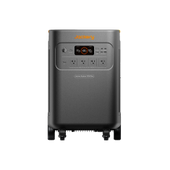
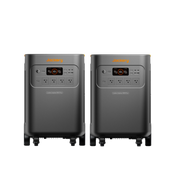
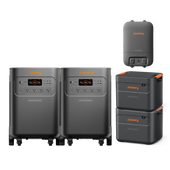
Jackery Solar Generator HomePower 3600 Plus
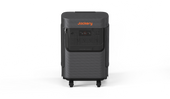
Ohio’s bills increase fast because heating, cooling, and refrigerators run almost all year, and the Jackery Solar Generator HomePower 3600 Plus gives you a way to take some of that load off the meter. When paired with solar panels, it can store enough energy to run essential household appliances. With expansion batteries, it can keep a refrigerator going for nearly two weeks without touching grid power. The pull-out handle and wheels make it easy to roll it between rooms or closer to a charging spot, so using it daily becomes easy.
Appliances Working Hours
- Refrigerator (300W) = 9.5H
- TV (150W) = 17.7H
- Water Heater (1500W) = 2.0H
- Microwave (1000W) = 3.0H
- Furnace (1500W) = 2.0H
Who Should Buy This
If you live in Ohio and want a simple way to shift part of your regular appliance use off the grid, the Jackery Solar Generator HomePower 3600 Plus makes it easier to do so consistently.

Customer Review
I connected my garage refrigerator to the generator to see how long it would power it. I left it connected for 24 hours and found that the refrigerator, under normal usage, consumed less than 50% of the generator’s storage. Plus, it was easy to set up and use.
— Anonymous
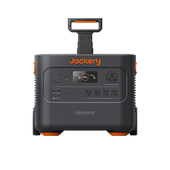
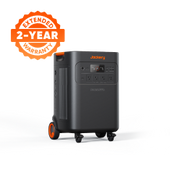
Jackery Solar Generator 5000 Plus
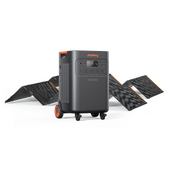
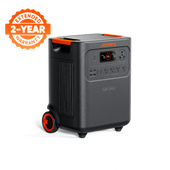
The Jackery Solar Generator 5000 Plus is the essential home backup solution for Ohio homeowners looking to reduce their monthly electricity bills. With a much larger storage capacity and dual voltage (120V and 240V) compatibility, it can keep multiple appliances powered during blackouts and significantly reduce reliance on the grid when paired with solar panels. It is designed for households that want long-term savings and security, especially in areas with unpredictable weather.
Appliances Working Hours
- Refrigerator (300W) = 12.2H
- TV (150W) = 21.4H
- Water Heater (1500W) = 2.8H
- Microwave (1000W) = 4.1H
- Furnace (1500W) = 2.8H
Who Should Buy This
If you want to power several appliances at once, reduce electricity bills in a meaningful way, and stay comfortable even in extended outages, the Jackery Solar Generator 5000 Plus is an ideal option.

Customer Review
This is my second unit from Jackery. Love them. I bought the 5000 Plus as a backup for the coming storm season here in Houston. Mainly to run the refrigerator.
— David Tanaka.
Average Electric Bill in Ohio FAQs
What size of solar generator do I need for my apartment in Ohio?
The size of the solar generator needed for Ohio apartments will depend on the number of appliances in the apartment and the hours you want to use them. Here is an example where we will calculate the working hours of the Jackery Solar Generators.
Suppose you are powering a refrigerator (300W), coffee maker (1000W), and LED lights (50W) simultaneously with the Jackery Solar Generator 5000 Plus. On the product page, scroll down to view the calculator and enter the total wattage of the appliances powered simultaneously.
In this case, the Jackery Solar Generator 5000 Plus can run appliances (1350W) for 3.1 hours.
How much is a typical electric bill so high in Ohio?
On average, Ohio residents spend around $138.76 per month on electricity bills, which totals $1,665.12 per year. This is based on the electric rate of 17.11 cents per kWh and usage of 811 kWh.
Why is my electric bill so high in Ohio?
Electricity prices in Ohio depend on various factors, such as energy cost, pricing structure, transmission lines, and energy usage rate.
What is the cheapest electricity provider in Ohio?
Even though there is no single cheapest electricity provider in Ohio, as rates change frequently, Dynegy Energy Services has an affordable electric rate of 6.48 cents per kWh.
How much is the average gas bill in Ohio?
The average gas bill in Ohio is $72 - $148 per month. According to the EIA data, the price of natural gas delivered to residential consumers in Ohio is around 22.27 dollars per thousand cubic feet. However, the amount you pay for natural gas will depend on the time of year.
Final Thoughts
The average electricity bill in Ohio varies depending on the season, the apartment's energy efficiency, and the utility provider you choose. If you want to save money on electricity bills, consider investing in solar generators that work on free solar energy. Jackery Solar Generators, for example, are reliable and efficient battery backups that power most home appliances for long hours to reduce the monthly electricity bills in Ohio.







Leave a comment