















![[Add - on] Jackery Manual Transfer Switch for Explorer 5000 Plus - Jackery](http://www.jackery.com/cdn/shop/files/add-on-jackery-manual-transfer-switch-for-explorer-5000-plus-9017324.png?v=1754016782&width=170)


































































![What Is The Average Electric Bill in Virginia [2025 Updated]](http://www.jackery.com/cdn/shop/articles/what-is-the-average-electric-bill-in-virginia-2025-updated-7093318.jpg?v=1765393734)
Brief Answer: The average monthly electricity bill in Virginia for a residential customer is $153.02 as of May 2025. The average electricity rate in Virginia is 15.41 cents per kWh, which is less than the national average rate of 17.47 cents per kWh.
The average electric bill in Virginia is $153.02. As of May 2025, the residential electric rate in Virginia stands at 15.41 ¢/kWh. With an average monthly consumption of 993 kWh, the state currently ranks 38th compared to the national average of 17.47 ¢/kWh. Virginia has multiple electricity providers, and each has its own monthly rates. Given the rise in monthly expenses for residents and businesses, people in Virginia are always on the lookout for ways to reduce their monthly bills.
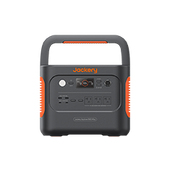
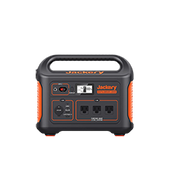
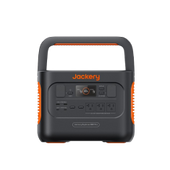
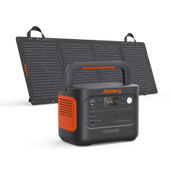
Appalachian Power's RPS adjustment would result in a $4.36, or 2.5%, increase for a residential customer using 1,000 kilowatt-hours (kWh). If you are someone affected by the sudden spike in your electricity bills and are looking for ways to reduce the bill, then you can check out Jackery Solar Generators. These solar generators are portable, compact, and come with a high-capacity battery that can power most of your household and outdoor appliances.
Takeaways
- As of May 2025, the average residential electricity rate in Virginia stands at 15.41 cents per kilowatt-hour, which is lower than the national average (~17.47 ¢/kWh).
- In May 2025, Virginia's average residential electricity bill was approximately $153.02 per month, based on an average usage of 993 kWh.
- Residential electricity rates in Virginia rose from 14.95 ¢/kWh in May 2024 to 15.41 ¢/kWh in May 2025, representing a steady increase over the past year.
- How much does it cost to live in Virginia.
- How to lower your electric bill in Virginia.
What Is The Average Electric Bill in Virginia?
With an average monthly consumption of 993 kWh and a residential electricity rate of 15.41 ¢/kWh, the monthly electric bill in Virginia comes to around $153.02. The average electric bill in VN is influenced by the state's residential electricity rates, which are decided by different electricity providers, and typical monthly consumption, which varies according to the city and everyday usage.
According to the EIA, the national average electricity rate is 17.47 ¢/kWh, and the average monthly consumption is 899 kWh. With these rates and monthly consumption, the national average electric bill is about $157.05 per month. Despite having a lower electricity rate, Virginia's higher consumption leads to a slightly higher average bill compared to the national average.
Energy Sources in Virginia
Virginia's electricity generation portfolio is diverse but significantly dependent on natural gas and nuclear power. As of February 2025, Virginia's natural gas consumption is approximately eight times more than the state's production. The electric power sector is Virginia's largest natural gas consumer, which accounts for 59% of the state's deliveries in 2023.
Nuclear power is Virginia's largest source of primary energy production. Coal and petroleum contribute minimally to state-wise net electricity generation, reflecting a significant shift towards cleaner energy sources.
Electric Bill In Virginia (1990 - 2024)
Over the years, the average electric bill in Virginia has seen significant changes due to fluctuations in electricity rates and consumption patterns. In the early 1990s, the average residential electricity rate was around 7.5 ¢/kWh. But by the early 2000s, the rates had gradually increased to around 8.5 ¢/kWh, with the average monthly bill rising to about $85 with an average household consumption of about 900 kWh per month.
As per EIA, from 2003 to 2013, Virginia's residential electricity rates saw a steady increase. In 2003, the rate was 7.76 ¢/kWh, gradually rising to 7.99 cents in 2004 and 8.16 cents in 2005. By 2006, it reached 8.49 cents, and 8.74 cents in 2007. The average electricity rate in VA continued to rise and hit 9.62 ¢/kWh in 2008 and 10.61 ¢/kWh in 2009. The rate saw a little dip in 2010 when it fell to 10.45 ¢/kWh, but it again spiked in 2011 when it touched 10.64 ¢/kWh. By 2012, the rate was 11.08 ¢/kWh, slightly decreasing to 10.98 ¢/kWh in 2013. By 2020, the average rate had increased to about 13 ¢/kWh.
The change in electricity rate over the last two decades is illustrated in the following graph:

What Are The Electric Rates in Virginia?
The electric rate, sometimes referred to as the electric tariff, is the price consumers pay for electricity per kilowatt-hour (kWh). This rate can vary on multiple factors, like the type of customer (residential, commercial, or industrial), the time of year, and the source of the electricity. As per the ongoing market trends, utility companies and regulatory bodies determine the electric rate of any state. These rates generally include the costs related to generating, transmitting, and distributing electricity.
What are the Different City Rates in Virginia?
Virginia spans over 42,000 square miles and has an estimated population of 8.6 million. Given the large area and customer base, different cities have different electricity rates, for instance:
Virginia Beach: The average residential electricity rate in Virginia Beach, VA, is 15.41 ¢/kWh.
Charlottesville: The average residential electricity rate in Charlottesville, Virginia, is 14.71 cents per kWh. This rate is slightly lower than the national average.
Richmond: Richmond, VA, has a slightly lower electricity bill than Virginia Beach. Residents here get the electricity at the rate of 14.71 ¢/kWh.
Alexandria: Alexandria also falls in the range of Richmond, where the residents typically pay about 15.41 ¢/kWh.
Here is a detailed table explaining the change in the electricity rates in Virginia and other states:
|
State |
Average Electric Rate (May 2025) |
Average Electric Rate (May 2024) |
|
Virginia |
15.41 ¢/kWh |
14.95 ¢/kWh |
|
Hawaii |
41.03 ¢/kWh |
44.14 ¢/kWh |
|
California |
35.03 ¢/kWh |
34.36 ¢/kWh |
|
Illinois |
18.62 ¢/kWh |
16.59 ¢/kWh |
|
New York |
26.67 ¢/kWh |
23.60 ¢/kWh |
|
Pennsylvania |
19.31 ¢/kWh |
18.58 ¢/kWh |
Source: EIA
As of May 2025 data available from EIA, the residential electricity rate in Virginia is 15.41 ¢/kWh, with commercial rates at 9.19 ¢/kWh and industrial rates at 9.03 ¢/kWh. These rates compare favorably to the nationwide averages, where residential rates are 17.47 ¢/kWh, commercial rates are 12.96 ¢/kWh, and industrial rates are 8.30 ¢/kWh.
According to the official data, Virginia's residential rates are lower than the national average, while its industrial rates are slightly higher. This variation highlights this state's competitive electricity pricing for residential and commercial consumers. However, the industrial sector could be improved to align more closely with the nationwide average.
What are the Factors Affecting Electricity Rates in Virginia?
Electricity rates in Virginia are influenced by several key factors, including the cost of fuel, electricity demand, weather conditions, and the type of customer (residential, commercial, industrial). Let's briefly explain the common factors affecting the electricity rates in the state:
Use of Natural Gas and Nuclear Power
Virginia relies heavily on natural gas and nuclear power, which tend to be less cost-effective than other sources of electricity, like coal or petroleum.
Infrastructure and Maintenance Costs
Another factor that influences the electricity rates depends on infrastructure and maintenance costs, which are associated with the transmission and distribution network.
Regulatory Policies
Virginia has different energy initiatives that also play a crucial role in determining the average electricity rates. For instance, Virginia's net metering law enables customers of investor-owned and cooperative electric utilities to install solar systems to generate their own electricity.
What Are The Electric Plans in Virginia?
In Virginia, residents and businesses have access to various electric plans. Each plan by different service providers is designed to meet diverse needs and preferences. The primary types of electric plans are fixed-rate, variable-rate, prepaid, and green energy plans.
Fixed-Rate Plans
As the name states, the fixed-rate plans are the ones in which the electricity rate remains constant irrespective of the market trend. For instance, if you have signed a contract with a service provider that is offering electricity at a rate of 14.72 ¢/kWh and there is a sudden spike in the market rates, then you don't have to worry as you will still be paying the pre-discussed amount. However, this becomes problematic when there is a dip in the market rates and you are still under the yearly contract with the provider.
Variable-Rate Plans
With variable-rate plans, the electricity rate can change monthly based on market conditions. So, in some months, you might pay at the rate of 14.72 ¢/kWh, but in other months, you might pay higher or lower, depending on the market's conditions. These plans are ideal for those whose energy consumption increases during periods of low power demands.
Prepaid Plans
Prepaid plans are special plans that allow customers in Virginia to pay for electricity in advance. These plans are specially designed for those who wish to manage their electricity expenses more closely. Most electricity providers send SMS or app notifications when the customer's balance is low. This way, they can either recharge their account or manage their usage accordingly.
Choosing the Best Electricity Plan in Virginia
Finding the best electric plan in Virginia involves a few key steps that ensure that you select the one that best fits your monthly allocated budget and overall energy needs that would charge and power all of your required appliances. Some of the common tips that you need to consider while choosing the electricity plan in Virginia are:
Analyze Energy Usage
Gather all of your appliances and note down their wattage. Now calculate for how long you are going to use all of these appliances. This way, you will get your average monthly consumption. Once you have gathered this information, check out the rates and understand which plan matches your usage pattern.
Compare Plans
You can evaluate different electricity plans based on your usage and behavior. For instance, if you have a limited number of appliances, you can choose fixed-rate plans. However, if the number of residents changes in your place and you are unsure of the number of appliances one is going to use, you can check out variable-rate plans. You can go ahead with green energy plans if you want more sustainable choices.
Consider Contract Length
Discuss it with your family and finalize if you need a short-term or a long-term contract with your electricity suppliers. Some companies offer different rates based on the duration of the contract. While long-term contracts often provide lower rates, you will be bound to use their services even if you find a better alternative.
How Much Does It Cost to Live in Virginia?
The estimated cost to live in Virginia is approximately $2,500 - $3,500 per month for a single person and around $6,000 - $7,000 per month for a family of four. However, these charges can vary significantly based on the city and an individual's lifestyle. Additionally, the different utilities and their usage also influence the overall cost of living. For instance:
Electricity
With an average monthly consumption of 993 kWh and a residential electric rate of 15.41 ¢/kWh, the electricity bill in VA is $153.02. The bill varies depending on the city, number of appliances, and usage behavior.
Water
Water services vary per the gallon that a family of one or four uses monthly. Typically, water has a service charge of $15.50 per month in Virginia. Residents have to pay $4.95 per 100 cu. ft. for water used.
Natural Gas
Unlike Minnesota, which has extreme weather conditions, Virginia's seasonal extremes vary from average lows of 25°F or 4°C in January to average highs of 86°F or 30 °C in July. During the winter, most people use excess natural gas for cooking and heating, which adds roughly $103.07 to their monthly cost.
Broadband Internet
Broadband internet is comparatively cheaper in Virginia. On average, one pays $25 for a decent broadband speed. However, if you go ahead with a bundled cable TV package and a high-speed broadband Internet connection, then this utility cost would increase.
Garbage Removal
In Virginia, garbage removal or disposable services cost $57 per month. However, if you have a large family and your monthly trash volume exceeds, you might need to pay an extra amount.
Food
The grocery bill depends on the city and lifestyle. For instance, according to user experience, one has to pay $150 a week for groceries, $20 a meal for fast food, and roughly $30 - $50 if one dines out at a restaurant. That said, a single person's monthly charges range from $300 - $400.
Healthcare
Healthcare costs in Virginia vary according to the provider. However, health insurance costs approximately $450 for an individual, not including out-of-pocket medical expenses.
Here is a detailed breakdown of monthly utility expenses in Virginia:
|
Utility |
Average Cost |
|
Electricity |
$153.02 |
|
Water |
$15.50 |
|
Natural Gas |
$103.07 |
|
Broadband Internet |
$25 |
|
Garbage Removal |
$57 |
|
Food |
$300 |
|
Healthcare |
$450 |
As you can notice, VA's average monthly utility cost is slightly in the upper range. If you wish to reduce the cost, then you can adhere to the following tips:
Public Transport: Always prefer taking public transport over your own vehicle. The monthly bus charges are comparatively lower than the fuel expense.
Home Dining: Instead of going out to expensive restaurants, you can habitually eat at home.
Use Induction: Instead of natural gas, you can make your food using an induction cooker and cooktop. You can plug the induction cooktop into the Jackery Solar Generator to even cut down your electricity charges.
How to Lower My Electric Bill in Virginia?
If you wish to lower your average electric bill in VA, you must first estimate your monthly electricity usage.
The estimation starts by reviewing your past electricity bills and the overall consumption in kilowatt-hours. You can also use an electricity usage monitor to measure the power consumption of certain heavy-wattage appliances, like air conditioners, refrigerators, electric grills, etc. Now calculate the daily usage of these appliances by multiplying the device's wattage by the number of hours you minted to use them daily.
For instance, a 100-watt light bulb that is used for 5 hours a day would consume 0.5 kWh daily. Similarly, a 500-watt refrigerator continuously running throughout the day would consume 12 kWh.
Tips For Estimating Electricity Usage
Here are a couple of tips that would help you estimate the electricity usage:
Check Appliance Labels: Understanding the appliances and their wattage is one of the easiest ways to understand their consumption. You can check out their respective labels to learn about their wattage. Later, you can multiply the said wattage by the number of hours you intend to use them.
Use Online Calculators: Several websites offer estimates of electricity usage. You can also check marketplaces to learn about appliances you might buy soon.
Smart Meters: You can install smart meters at your place. These meters are designed to provide the real-time energy usage of all of your connected appliances. You can also learn about high-consumption appliances.
Tips for Lowering Electric Bills
There are several easy-to-use methods that can help you lower your monthly average electric bill in VA. You can lower the bill using energy-efficient appliances, optimizing your energy use, and even considering renewable energy options.
Energy Efficient Appliances
You can always replace your old appliances with ENERGY STAR-rated models. For example, if your household still has an old refrigerator that uses about 600W and runs for 8 hours daily, it would consume 4.8kWh. But if you replace it with an ENERGY STAR-rated model, it can reduce the consumption by up to 20%.
Switch to LED Lighting
If you are still using incandescent bulbs, try replacing them with LED bulbs. They consume less electricity than incandescent ones.
Solar Power
You can even install solar panels at your home to reduce your dependency on power supplies. Solar power systems offset a portion of your electricity consumption. With net metering, you can even receive credit for the excess power generated, which helps lower your bills. Solar panel installation costs around $15000 to $23000, and if you are looking for more economical ways, you can check out Jackery Solar Generators.
There are several benefits of going ahead with solar power, like:
- Solar panels reduce your electricity bills by generating your own power. Over the long term, you can save thousands of dollars.
- Unlike fuel-generated energy, solar is a clean and renewable source that reduces carbon footprint.
- By generating your own electricity, you become less reliant on the grid.
Jackery Solar Generators for Lowering Your Electric Bills
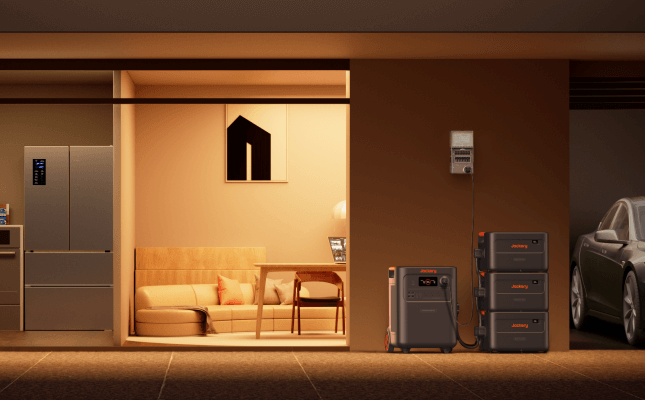
Rising electricity costs in Virginia, paired with unpredictable weather and power interruptions, have left many households searching for practical ways to cut monthly bills without compromising comfort. High summer cooling demands and winter heating needs can push usage into expensive peak-rate hours, while outages force reliance on costly backup solutions. Jackery is a leading manufacturer of solar generators, portable power stations, and solar panels. Jackery Solar Generators offer a clean way to power your home appliances and reduce dependence on the grid. You can not only lower your electric bill but also enjoy reliable power during outages.
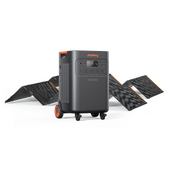
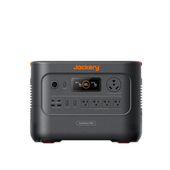
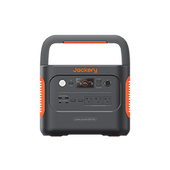
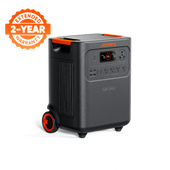
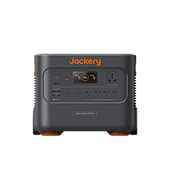
Jackery Solar Generator 5000 Plus
The Jackery Solar Generator 5000 Plus is the most powerful essential home backup solution that can be expanded up to 60 kWh for multi-day backup. The features, such as compatibility with the Smart Transfer Switch, a UPS with 0 ms switchover, and app-based monitoring, enable you to strategically charge the power station during off-peak hours and use it during expensive peak periods to maximize bill savings. It also supports dual voltage, ensuring you can power appliances that operate at both 120V and 240V.
Appliances Running Time
- Refrigerator (250W) = 14.3H
- TV (150W) = 21.4H
- Microwave (800W) = 5.0H
- Heater/AC (1000W) = 4.1H
- Coffee Maker (800W) = 5.0H
Who Should Buy This
The Jackery Solar Generator 5000 Plus is ideal for homeowners wanting essential home backup and cost-saving flexibility, especially those interested in peak-shaving and off-peak charging strategies.

Customer Review
I recently purchased a Jakery 5000 plus with an extra battery and a manual transfer switch. They all work well. I am currently peak shaving higher summer electric rates and am comforted that I will have power in an outage.
— James Anglewicz.
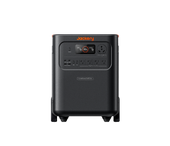
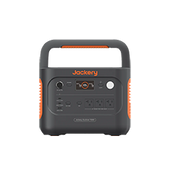
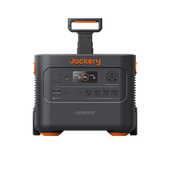
Jackery Solar Generator HomePower 3600 Plus
Virginia’s electricity costs tend to spike when the weather flips between cold winters and humid stretches, and that constant back-and-forth keeps appliances running longer than expected. The Jackery Solar Generator HomePower 3600 Plus is an essential home backup solution that lets you power core household appliances from stored energy instead of the grid. With the expansion batteries, it has enough capacity to keep a fridge going for nearly two weeks, which frees up room to run other essentials on the same stored supply. It also handles heavier household loads without issues, and the pull-out handle with wheels makes it easy to set up wherever it fits best in your routine.
Appliances Running Time
- Refrigerator (250W) = 11.2H
- TV (150W) = 17.7H
- Microwave (800W) = 3.7H
- Heater/AC (1000W) = 3.0H
- Coffee Maker (800W) = 3.7H
Who Should Buy This
The Jackery Solar Generator HomePower 3600 Plus is the world's lightest and smallest 3.6kWh LFP solar generator, capable of running most household appliances and expandable as your power needs grow.

Customer Review
I have 2 3600 plus with the big plug to join together I used 1 to see how long it will run my 20 year old side by side refrigerator and my 5 month old 7 cubic freezer and my spider lamp with 6 lights total watts old refrigerator 145 watts freezer 100 lites 70 charged 85 percent ran 3 days few hours to jackary 3600 will run me for a week.
— Lamont C.
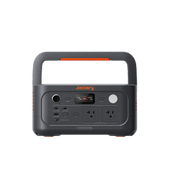
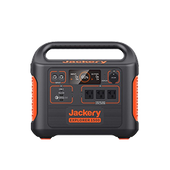
Jackery Solar Generator HomePower 3000
The Jackery Solar Generator HomePower 3000 is an easy home battery backup solution that can power most household appliances for hours. It is the lightest and smallest 3kWh LFP solar generator that can easily be moved anywhere around the home to power appliances. The efficient battery ensures long-term reliability, while its efficient design, such as ZeroDrain™, preserves 95% of stored power over a year.
Appliances Running Time
- Refrigerator (250W) = 9.6H
- TV (150W) = 15.2H
- Microwave (800W) = 3.2H
- Heater/AC (1000W) = 2.6H
- Coffee Maker (800W) = 3.2H
Who Should Buy This
The Jackery Solar Generator HomePower 3000 is ideal for families or individuals who need dependable backup for home essentials (fridges, routers, lighting) and want a powerful yet portable system.

Customer Review
Great home power system. We are using it as an all-in-one inverter/battery/solar system. For the price, it's unbeatable and high quality and performance in each aspect!
— Bryan.
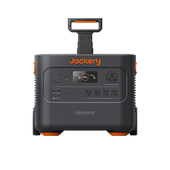
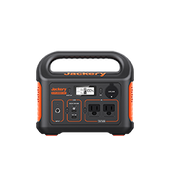
Jackery Solar Generator 2000 Plus
If your primary aim is to reduce your average electric bill in VA while not compromising on your everyday electric usage, you should check out Jackery Solar Generator 2000 Plus. This portable unit is ideal for off-grid living, RVing, and powering your house during extended blackouts. It is built to support daily essentials such as refrigerators, lights, and heaters during power outages or grid interruptions, reducing reliance on grid electricity and thereby helping to lower monthly electric bills.
Appliances Working Hours
- Refrigerator (250W) = 6.2H
- TV (150W) = 10.0H
- Microwave (800W) = 2.0H
- Heater/AC (1000W) = 1.6H
- Coffee Maker (800W) = 2.0H
Who Should Buy This
The Jackery Solar Generator 2000 Plus is an ideal choice for those who want to lower their electric expenses by powering essential daily loads off-grid or during peak-rate hours.

Customer Review
"Very good quality, battery last a very long time. Very easy to move around with the built-in tires. Love the upgradeability. The best solar generator I have ever had." -- Marc.
Virginia Average Electric Bill FAQs
What size of solar generator do I need for my house in Virginia?
The size of solar generator you will require in Virginia depends on your daily usage and appliances' wattages. If you only wish to power small appliances, you can go ahead with small solar generators, but if you aim to charge multiple high-wattage appliances, we recommend checking out large solar generators.
For instance, if you are using a Jackery Solar Generator 5000 Plus and wish to power your air conditioner (1000W) and LED (10W), then the total working hours can be calculated using the Running Time Calculator. On the product page, simply scroll to find the calculator and enter the total appliance wattage (1010W) to get an estimated runtime. In this case, the Jackery Solar Generator 5000 Plus will power these appliances for 4.0 hours.
How much are utilities per month in Virginia?
Typically, the average monthly cost of utilities in Virginia varies, but a reasonable estimate for a household is around $400-$500 per month. This estimate includes electricity, heating, cooling, water, and garbage disposal services. However, these costs can vary depending on the household size and appliance efficiency.
What state has the highest electric bill?
With an average electricity rate of 41.03 ¢/kWh, Hawaii has the highest electric bill, approximately $206.38. Even though one-third of Hawaii's total electricity was generated from renewables in 2024, residents always see a hike in their monthly average electric bills due to its remote location and reliance on imported fuel.
Is Virginia an expensive state to live in?
No, Virginia is not an expensive state to live in when compared to states like Northern Virginia or Washington D.C., which tend to be more expensive due to higher housing and utility costs.
Why is my electric bill so high all of a sudden in 2025?
There can be several reasons behind a sudden increase in your electricity bills, like a change in the electricity rates in 2025 or a change in usage patterns due to extremely hot weather.
Reduce Electric Bill in VA With Solar Energy
The average electric bill in VA is $153.02 and may cross $200 if your monthly electricity consumption increases. With residential rates at 15.41 ¢/kWh, people in Virginia are always looking for ways to reduce their bills. While Virginia offers a moderately expensive living environment, leveraging state incentives for renewable energy can reduce your monthly charges. If you want an economical and reliable energy source, check out Jackery Solar Generators. The sturdy and compact design and powerful battery ensures that you can power your household and outdoor appliances on the go.





Leave a comment