























![[Add - on] Jackery Manual Transfer Switch for Explorer 5000 Plus - Jackery](http://www.jackery.com/cdn/shop/files/add-on-jackery-manual-transfer-switch-for-explorer-5000-plus-9017324.png?v=1754016782&width=350)











![[Add - on] Jackery Manual Transfer Switch for Explorer 5000 Plus - Jackery](http://www.jackery.com/cdn/shop/files/add-on-jackery-manual-transfer-switch-for-explorer-5000-plus-9017324.png?v=1754016782&width=324)


Switching to solar offers attractive long-term savings, but the financial landscape has shifted significantly. With the expiration of the Residential Homeowner Credit (Section 25D) on December 31, 2025, the 30% federal discount is no longer available for new installations. However, a robust framework of state and local solar incentives still exists to reduce costs. Navigating the remaining tax credits, rebates, and net metering policies is now more critical than ever to ensure a healthy ROI in 2026.
Common Questions for Beginners
Do DIY installations qualify for incentives?
In 2026, federal credits for DIY equipment have expired. However, some state-level rebates may still apply to equipment costs, provided the system passes local inspections and permits.
Does financing affect eligibility for state rebates?
Yes. Eligibility often relies on ownership. If you pay cash or use a solar loan, you usually claim the state rebates and SRECs. Under a lease or PPA, the third-party owner typically claims these incentives, though they may pass savings to you via lower monthly payments.
What is Net Metering?
This billing mechanism credits you for excess energy sent to the grid. With the loss of the federal tax credit, securing a favorable net metering rate (ideally 1:1 retail value) is now the most important factor for your financial return.
Is the federal tax credit still available?
For new installations starting January 1, 2026, the residential credit is unavailable. However, if your system was fully installed and placed in service on or before December 31, 2025, you can still claim the credit on the tax return you file this year (early 2026).
Federal Solar Incentives: The Post-2025 Landscape
For years, the federal tax credit was the foundation of solar savings. Now that Section 25D has expired, homeowners must understand the new baseline.
Did You Miss the Deadline? The crucial definition for the IRS is placed in service.
- Installed by Dec 31, 2025: You are eligible for the 30% credit. You must file IRS Form 5695 with your 2025 tax return (filed in 2026).
- Installed after Jan 1, 2026: You cannot claim the Section 25D federal credit.
Is There Any Federal Help Left?
While the residential credit is gone, certain rural business grants (like USDA REAP) remain active for agricultural producers and rural small businesses. For the average suburban homeowner, however, the focus must shift entirely to state and utility programs.
State and Local Solar Incentives: The New Primary Savings
With the federal program closed, state and local policies now determine the economic viability of solar in your area. These incentives take the form of cash rebates, performance payments, or property tax exclusions and are now the primary way to lower upfront costs.
Where Can You Find State Solar Rebates?
The availability of state-level incentives fluctuates based on budget caps. Without the federal safety net, these programs are in higher demand. A program active today may be fully subscribed quickly.
Using DSIRE
The Database of State Incentives for Renewables & Efficiency (DSIRE) is the authoritative source for finding policies in your zip code. You should now filter specifically for State Rebates and Tax Exemptions.
Local Verification
Always cross-reference DSIRE data with your state energy office and local utility website. Some utilities offer upfront rebates in exchange for control over your thermostat or battery during peak hours.
How Do Net Metering and Export Credits Affect ROI?
Without the 30% federal cushion, the value of the electricity your panels generate is the primary driver of your payback period.
Regional Guide to 2026 Incentives
Without federal help, the economic viability of solar leans heavily on local support. Below is a breakdown of key states filling the gap with massive financial programs and guides.
West Coast
- California: While the federal credit is gone, the focus here is strictly on NEM 3.0 (Net Billing) and SGIP rebates. The state incentivizes battery storage heavily because standalone solar is less valuable without a battery to store energy for evening use. Residents should check guide to California Solar Incentives for specific NEM 3.0 details.
- Oregon: Those in the Pacific Northwest should look at Oregon Solar Incentives for state rebate availability that operates independently of federal law.
Northeast
- New York: Residents can utilize the NY-Sun program and a 25% State Tax Credit (capped at $5,000). This state-level credit is a critical substitute for the lost federal incentive. Learn more at NYSERDA.
- Massachusetts: The SMART Program pays homeowners a monthly incentive for every kWh produced. In 2026, systems paired with batteries receive adders (bonus payments), making this one of the best ROI markets in the US. Learn more at Mass.gov.
Southeast
- South Carolina: The state offers a 25% Solar Energy Tax Credit that rivals the old federal one. Unused credits can be carried forward for 10 years, offering long-term tax relief. Learn more at SC Dept of Revenue.
- Florida: Homeowners should review Florida Solar Incentives regarding property tax exemptions, which prevent your property taxes from increasing despite the added home value from solar.
Midwest
-
Illinois: Midwesterners can check the guide to Illinois Solar Incentives for info on the Adjustable Block Program, which provides lump-sum payments for SRECs (Solar Renewable Energy Credits) generated by your system.
Retail Net Metering vs. Net Billing
Under traditional Retail Net Metering (1:1), every kWh you send to the grid cancels out a kWh you buy. This is the most favorable scenario. However, many states use Net Billing. Under this model, exported energy is credited at a low wholesale rate, while imported energy is charged at the full retail rate.
Impact on ROI in 2026
If you are in a Net Billing state, solar is only financially viable if you can consume the energy you produce rather than selling it. This makes battery storage not just an add-on, but a financial necessity to avoid buying expensive grid power.
Battery Storage: Maximizing Independence and Value
Energy storage has shifted from a luxury to a necessity for ROI in a post-tax-credit world.
Are Batteries Eligible for Incentives?
The federal credit for standalone batteries expired with the solar credit. However, many states (like California, Massachusetts, and Maryland) have specific energy storage rebates to encourage resilience. Check for Virtual Power Plant (VPP) programs where utilities pay you to access your battery during emergencies.
Which Storage Solutions Are Best? Portable or semi-permanent systems offer flexibility. Since you are paying full price, choosing a system that you can take with you if you move ensures you don't lose your investment.
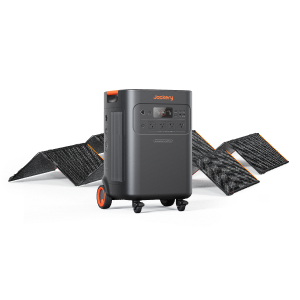
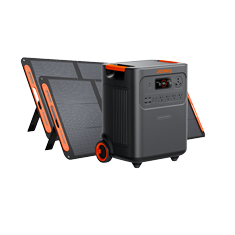
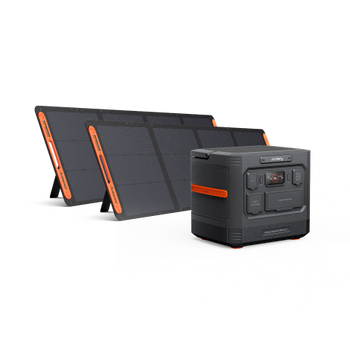
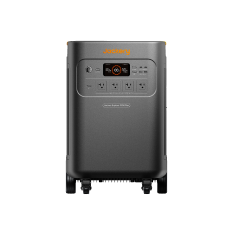
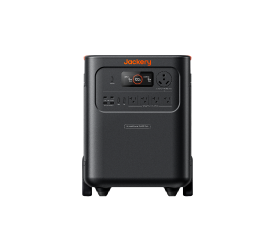
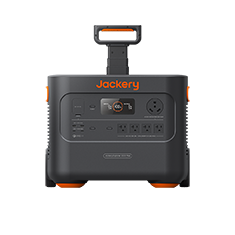
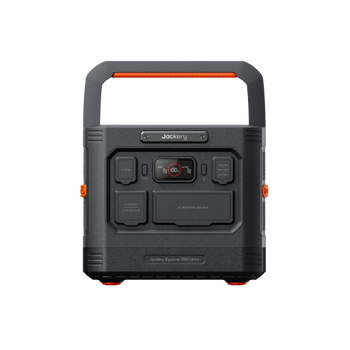
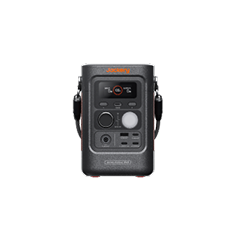
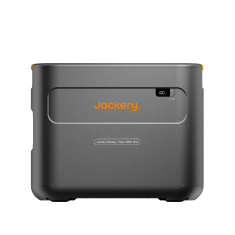
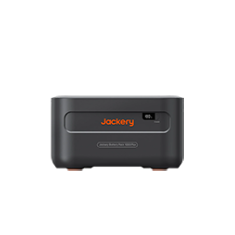
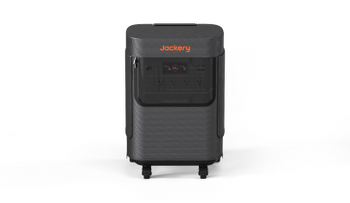
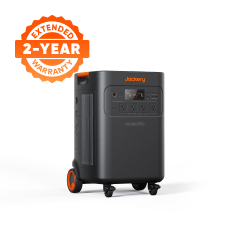
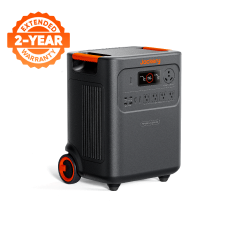
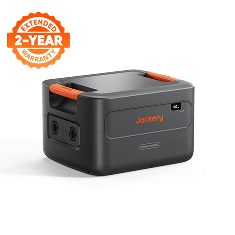
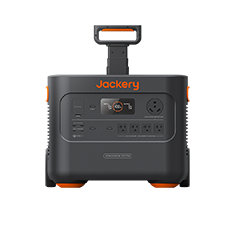
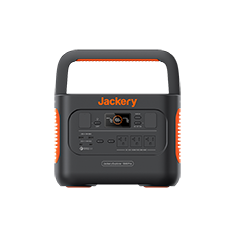
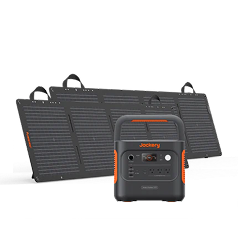
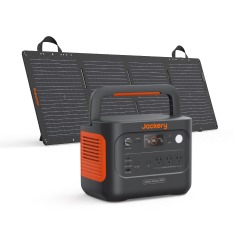
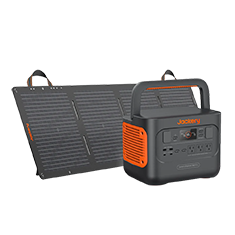
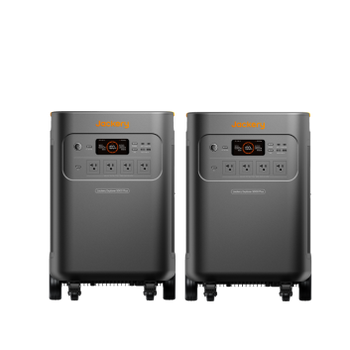
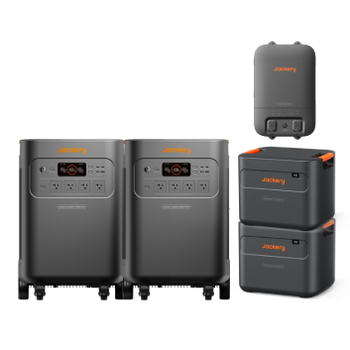
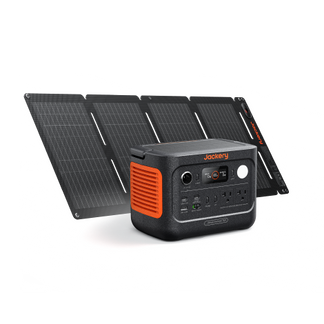
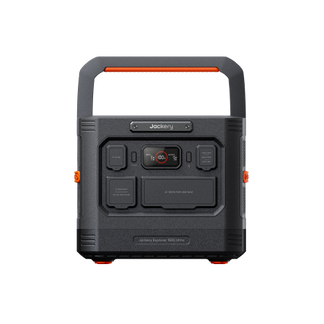
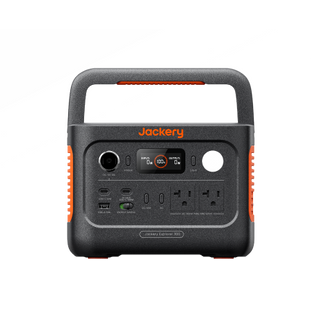
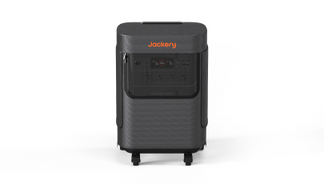
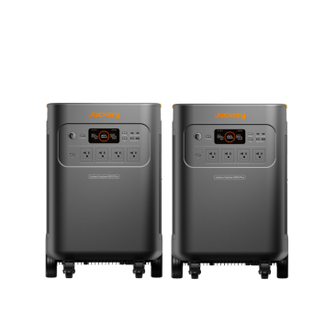
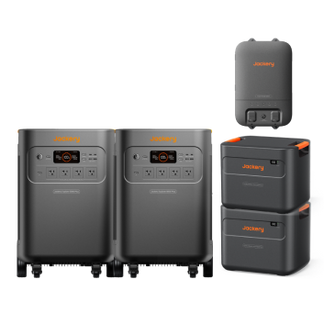
Jackery Solar Generator 5000 Plus
Capacity: The unit is expandable from 5kWh up to 60kWh.
Battery Type: LiFePO4 chemistry provides 4,000 charge cycles.
Output: Dual voltage 120V/240V support powers heavy-duty appliances.
UPS Feature: Switchover time of 0ms ensures uninterrupted power.
Use Case: Ideally suited for 2026 homeowners who want to engage in time-of-use arbitrage—charging the battery with solar during the day and running the home off the battery during expensive evening hours.

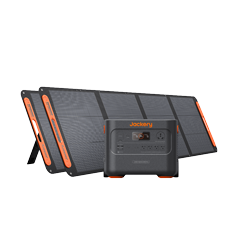
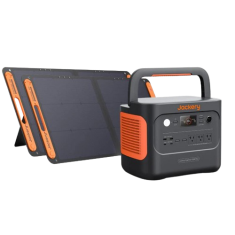
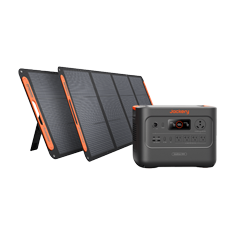
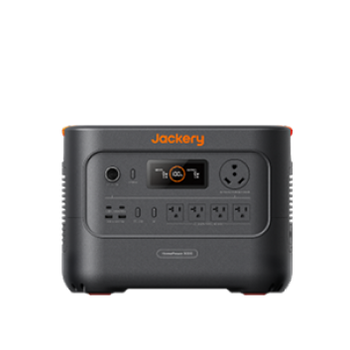
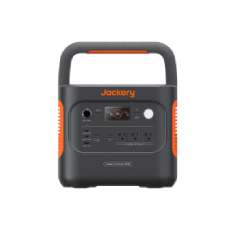
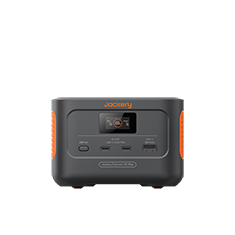
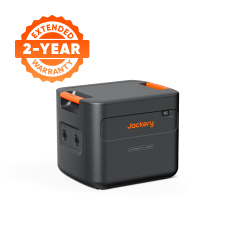
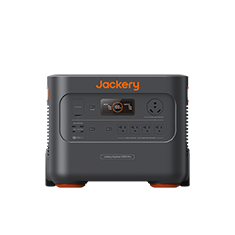
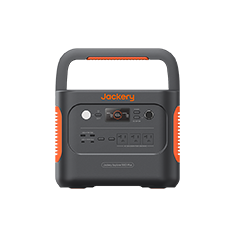
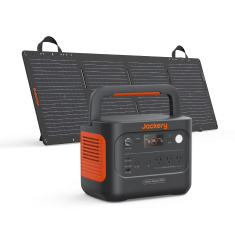
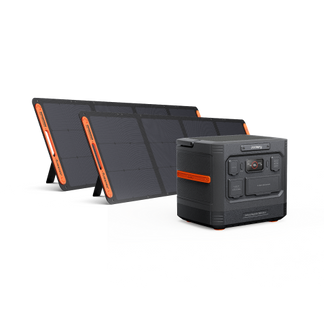
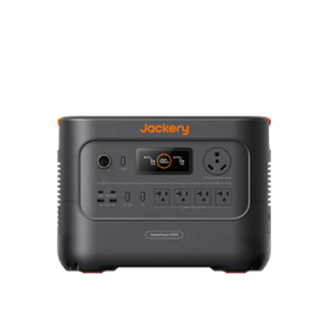
Jackery Solar Generator HomePower 3600 Plus
Output: 3600W (Surge Peak 7200W)
Protection: UPS 0.01s (10ms) seamless power backup
Key Feature: 3584Wh LiFePO4 Capacity (Expandable to 21kWh)
Use Case: The Jackery Solar Generator HomePower 3600 Plus features a durable LiFePO4 battery with a 10-year lifespan. It serves as a hedge against rising utility rates and grid instability without requiring permanent, non-transferable installation.
Strategic Planning: Stacking and Financing
Maximizing your return now involves stacking state incentives and choosing the right financing vehicle to avoid high interest rates.
How Does Financing Impact Eligibility?
With interest rates remaining a factor, how you pay is critical.
|
Financing Method |
Eligibility for State Incentives |
Pros |
Cons |
|---|---|---|---|
|
Cash Purchase |
Yes |
Highest long-term ROI; no interest payments. |
High upfront cost without federal relief. |
|
Solar Loan |
Yes |
Ownership benefits; spread costs over time. |
Interest rates increase total cost significantly. |
|
Lease / PPA |
Varies |
Low upfront cost; Installer may utilize commercial credits. |
Lower lifetime savings; you do not own the system. |
Real-World Use Cases
To visualize how solar incentives work in 2026, consider these updated examples.
- Residential (High Sun Market): An Arizona homeowner installs an 8kW system. While they cannot claim the federal ITC, they utilize a $1,000 state credit and grandfathered net metering. By avoiding a 5% annual utility rate hike, they achieve a 9-year payback period purely through electricity savings.
- Rural Farm Business: A Georgia poultry farm combines a USDA REAP grant (which is still active for businesses) with MACRS depreciation. Even without the residential credit, the business incentives cover over 50% of the system cost.
- Resilience Focus: Facing power shutoffs, a California family purchases a Jackery Solar Generator 5000 Plus. They apply for a local Self-Generation Incentive Program (SGIP) rebate (if applicable) and use the battery to avoid peak-hour billing, lowering their monthly bill by 40%.
Future Outlook and Conclusion
Is the Solar Tax Credit Gone Forever?
As of January 2026, the residential Section 25D credit has expired. Unless Congress passes new legislation to reinstate it, homeowners should not expect it to return. The sunset of the industry subsidies has arrived.
However, the cost of solar equipment continues to fall, and the cost of grid electricity continues to rise. This widening gap means solar often makes sense even without the tax break.
Frequently Asked Questions
How do I find a reputable solar installer in 2026?
Prioritize installers who are transparent about the expiration of the federal credit. Avoid anyone claiming you can still get the government 30% unless they are referring to a very specific business grant.
Can I claim the ITC if I installed in 2025 but didn't file yet?
Yes. If your system was placed in service in 2025, you claim the credit when you file your taxes in early 2026.
Are there incentives for community solar projects?
Yes. Community solar is often regulated at the state level. Subscribers receive bill credits which can lower electricity costs without requiring any upfront equipment purchase.
Will solar prices drop now that the credit is gone?
Historically, equipment prices often soften when subsidies are removed to maintain demand. You may find installers offering more competitive pricing or financing deals to compensate for the loss of the tax credit.
Is solar still a good investment without the tax credit?
Yes, for many. As grid electricity prices rise (inflation), the cost of doing nothing increases. Locking in your energy cost with solar—even at full price—is often cheaper than renting power from the utility for the next 25 years.