










![[Add - on] Jackery Manual Transfer Switch for Explorer 5000 Plus - Jackery](http://www.jackery.com/cdn/shop/files/add-on-jackery-manual-transfer-switch-for-explorer-5000-plus-9017324.png?v=1754016782&width=170)








































![Why Is My Electric Bill So High [2025 Updated]](http://www.jackery.com/cdn/shop/articles/why-is-my-electric-bill-so-high-2025-updated-8445208.jpg?v=1765393739)
Brief Answer: Your high electric bill in the USA could be due to the rising electricity rates, seasonal weather changes like heat waves, inefficient appliances, or poor home insulation.
As residents and commercial buildings become more dependent on technology and comfort, the demand for electricity grows. The sudden spikes cause financial stress and make most people wonder why their electric bills are so high. The higher demand for electricity and the use of certain high-power appliances can lead to higher consumption, resulting in higher electricity bills.
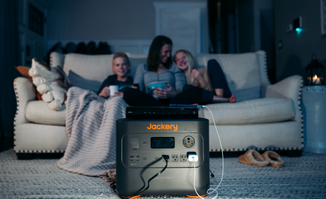
If you are also someone who often compares their monthly electric bill with their neighbors and wonders why your electric bill is so high? Then, understanding the various factors contributing to these costs is essential. Understanding electricity bills is one thing, but the important aspect is how to reduce the same, and for this, you can always refer to Jackery Solar Generators, which can power core household appliances, reducing your on-grid dependency.
Takeaways
- According to the EIA report, the electricity bills could increase in summer 2025. USA residents can expect an average monthly bill of $178, which shows a slight increase from last summer's average of $173.
- The electric rate in the USA has increased from 16.41 cents per kWh in May 2024 to 17.47 cents per kWh in May 2025, indicating an increase in the bills.
- Common factors affecting the average electricity bills in the USA are seasonal weather, inefficient appliances, etc.
- Why are your electricity bills high in summer and winter.
- How to reduce your electricity bills.
Why Is My Electric Bill So High?
Seasonal changes and extreme weather conditions are among the top reasons behind the sudden hike in electricity bills. Additionally, the use of certain kinds of appliances also affects electric bills. Here are a few common reasons that might explain the sudden spike in your electricity bills:
Usage of Older Appliances
Most reports confirm that older appliances tend to consume more electricity than the newer, energy-efficient models. For instance, a typical double-door refrigerator could use up to 1400 kWh annually, while a modern Energy Star label one might use 400 - 500 kWh. Let's assume you live in Oklahoma, where the current electricity rate is 12.94 ¢/kWh, so you'll have to pay around $181.16 annually to run a refrigerator consuming 1400 kWh. In contrast, a modern, energy-efficient refrigerator would only add between $47.32 - $59.15 to your annual bill, representing a substantial savings on your electric bills.
Inefficient Use of Appliances
If you are using your household appliances inefficiently, remember that it may also be the reason behind your high electricity bills. The most common inefficient use is using a dryer for every load of laundry, which can use around 3 kWh. So, instead of running a half-empty appliance multiple times, you should always use it when it is full to save energy.
High Electric Rates
There are different electricity rates in different states in the United States. These rates vary by region and can fluctuate based on demand, fuel costs, and regulatory changes. For instance, the electric rates in Maryland are 19.04 ¢/kWh, but 26.67 ¢/kWh in New York. These electricity rates directly influence the average monthly electricity bill.
Rise in Monthly Consumption
The growing number of electronic devices in homes contributes to higher electricity consumption. Most people these days have a home office where they use lights, air conditioners, laptops, televisions, printers, and other such devices. Additionally, the use of certain gadgets, like gaming consoles (200W) and high-end laptops (120W), also add to your bill over time.
Poor Insulation
Most homes with poor insulation have seen a gradual increase in their electricity bills. These homes require more energy to maintain comfortable temperatures. For instance, inadequate insulation in walls, attics, or around windows and doors would directly influence your HVAC systems, as they will need to work harder to compensate for heat loss or gain. Such increased workload can directly raise electricity usage.
Seasonal Changes & Extreme Weather
Seasonal changes and extreme weather conditions are the major causes of rising electricity bills. Most large households use multiple heating systems during the winter to maintain heat. Similarly, the use of the central air conditioning system also increases during the summer. Such air conditioning units can use up to 3500 watts, which would drive up the bill if they are running constantly.
Usage During On-Peak Hour
Another significant reason for the rise in electricity bills is usage during on-peak hours. Most electricity providers charge higher rates during on-peak hours, which increases monthly bills. For instance, using high-energy appliances like dishwashers, dryers, or even air conditioners between 4 PM and 9 PM will cost significantly more than using them during off-peak hours.
Phantom Load
Several household appliances consume power even when they are put on standby mode. This load is generally referred to as a phantom load and can add a little to your monthly bills. Some of the most prominent devices that consume electricity when they are turned off but still plugged in are phone chargers, gaming consoles, music systems, printers, coffee makers, and even microwave ovens.

Why Is My Electric Bill So High in Summer?
According to an EIA report, the USA residents are expected to spend around $178 per month during summer 2025. This is higher than 2023's summer average of $173 and 2022's summer average of $164. While the usage is expected to be around 1,032 kWh, the rise in the electric rate is causing an increase in the monthly electricity bills.
Increased Air Conditioning Use
Air conditioners are essential for maintaining a comfortable indoor temperature during the hot summer months. However, these appliances are also considered the most energy-intensive, consuming between 2000 and 3500 watts per hour. During the summers, most households run the air conditioner continuously, which can significantly increase their electricity consumption and, consequently, their monthly electricity bill.
Extended Daylight Hours
Longer days mean more sunlight, which can heat up homes and require more energy to cool down. The extended daylight hours can further lead to increased use of lighting and other electronic devices. For example, a typical LED light bulb uses about 10 watts, but multiple bulbs running for longer periods can add up to your consumption and bill.
Inefficient Cooling Practices
Large households often see a pattern where there is a rise in inefficient use of cooling appliances. For example, setting the thermostat too low (each degree below 78°F (25.5°C) can increase cooling costs by 8-10%), not using the ceiling fan to circulate air, or not maintaining the air conditioning systems can further lead to excessive energy use.
Additionally, there are certain appliances and their daily usage that further add to your electric bill, like:
- Air Conditioner:Most central air conditioning units consume between 2000 to 3500 watts per hour, significantly increasing the bill.
- Refrigerators:Refrigerators are operational year-round. However, they often work harder during the summer to maintain a cool temperature, using around 150 - 800 watts.
- Fans:Ceiling fans and portable fans are less energy-intensive than air conditioners, but they also increase energy use.
- Pool Pumps:If your household has a pool, then pool pumps can be a significant energy drain, as they tend to use around 1,000 watts when they are operational.
- Clothes Dryer:People often use clothes dryers to clean beach towels and swimwear for summer activities, like beach picnics. The clothes dryers consume about 3000 watts per load, which is yet another culprit behind the rise in electricity bills.
Tips To Reduce Electricity Bill in Summer
If you aim to reduce your electricity bills during the summer, you will need to make certain changes in your lifestyle and appliance usage. Here are some handy tips that would significantly reduce your electricity bills:
- Use Programmable Thermostats:You can buy a $100 programmable or smart thermostat and set it to a higher temperature when you are not at home. This way, you can manage cooling efficiently and save energy and money.
- Utilize Fans Wisely:You can use air conditioners for a few hours and then subtly switch to ceiling fans and portable fans, which can help circulate cool air. This will reduce the usage of central air conditioners.
- Block Out the Sun:You can always use blinds, curtains, or even window films to block direct sunlight. Direct sunlight can heat up your home and make your air conditioner work harder.
- Maintain Your Air Conditioner:Cleaning your filter or periodically replacing it will ensure the system is running efficiently.
- Use Energy-Efficient Lighting:Replace your old incandescent bulbs with Energy Star-labeled LED bulbs. These modern LED bulbs use less energy and produce less heat.
- Limit Use of Heat-Generating Appliances:Avoid using ovens and stoves during the hottest part of the day. Instead, use microwaves, slow cookers, or outdoor grills.
Why Is My Electric Bill So High in Winter?
Similar to summer, winter often brings a spike in electricity bills due to several reasons. This is the time of the year when one needs to extensively use electric furnaces or space heaters to keep one's residence warm. Here are a few primary reasons for higher electricity bills in winter:
Increased Heating Needs
During winter, heating systems tend to significantly increase monthly consumption. Different heating systems are used depending on the house size. For instance, electric furnaces can consume around 10,000 to 50,000 watts in a factory, whereas a space heater will use between 1,500 and 1,800 watts in a two-bedroom apartment. These appliances are often run continuously to maintain comfortable indoor temperatures, which increases daily consumption.
Longer Hours of Darkness
During winter, shorter days and longer nights are often observed. During this phase, households use more lighting, increasing electricity consumption. For instance, if you still use standard incandescent bulbs that use about 60 watts, then you will see a rise in electricity bills over time.
Use of Electric Blankets
If you live in a place where extreme cold is common and there is a limited supply of heating systems, you must be inclined to use electric blankets. While these items provide localized warmth, they also add to the overall energy consumption.
Additionally, there are several other notable appliances that use the most electricity during the winter, like:
- Electric Furnaces:Most electric furnaces consume between 10,000 to 15,000 watts, which makes them one of the most significant contributors to high electricity bills during the winter.
- Space Heaters:A typical space heater uses around 1500 watts, and its frequent use can consume substantial electricity.
- Heat Pumps:Several heat pumps are on the market, and they are useful during extreme cold conditions. These large heat pumps use between 3,000 and 15,000 watts.
- Electric Ovens:During the winter holiday, most households use electric ovens for baking and cooking. These electric ovens consume 2,000 to 5,000 watts when operational, directly contributing to higher energy consumption.
- Electric Water Heaters:Electric water heaters are also used more during the winter for bathing and washing. These heaters use about 4500 watts, which also impacts the electricity bill.
Tips To Reduce Electricity Bill in Winter
If you are facing issues with the electricity bill during the winter and are looking for effective ways to manage it, then you can check out the following easy tips:
- Maintain Heating System:Regular HVAC system maintenance ensures it operates efficiently when needed. You can periodically replace filters and even contact professionals for a check-up.
- Utilize Natural Heat:If possible, open the curtains during the day to let sunlight naturally heat your home. Avoid this if there is a sudden hailstorm or heavy winds.
- Use Solar Energy:Instead of your on-grid power supply, you can start using solar generators to power your household appliances.
- Seal Air Leaks:As winter approaches, check for drafts around windows and doors. To improve overall insulation, seal any leaks with weatherstrippings or caulk.
- Use Energy-Efficient Lighting:This goes beyond winter or summer, but you should replace your old appliances with energy-efficient ones, as they use less energy and last longer.
How to Reduce Your Electric Bill?
To reduce your electric bill, you can implement behavioral changes, such as turning off lights and unplugging devices, improving home insulation and weather sealing, switching to energy-efficient appliances and LED lighting, and adjusting your thermostat and water heater settings.
No one likes to pay extra charges on their monthly electricity bills. If you are also looking for easy and effective ways to reduce it, then you will need to address various causes behind high energy consumption, as we discussed here. Some of the effective solutions and tips to reduce the electric bill are:
Upgrade to Energy-Efficient Appliances
As mentioned earlier, older appliances tend to consume more energy than energy-efficient models. If your budget allows, consider upgrading to Energy Star-rated appliances, which use less electricity. You can start with one appliance and then upgrade the entire household to see a substantial result.
Optimize Appliance Usage
Use appliances more efficiently to save energy. Do not run high-energy-consuming appliances all the time or when they are not fully needed. For instance, you can run dishwashers and washing machines only with full loads. Additionally, you should use kitchen appliances like microwave ovens and induction stoves during cooler parts of the day to reduce the cooling load on your air conditioner.
Utilize Off-Peak Hours
As per your lifestyle and daily routine, try to take advantage of lower electricity rates during off-peak hours. Most utility providers offer a lower electricity rate during off-peak hours. You can contact them via their website or customer support to make enquiries about the same. Once you have gathered the information, try running high-energy appliances like dishwashers, washing machines, and dryers during these times to reduce costs.
Install a Solar Power System
Solar power can drastically reduce your reliance on grid electricity, which directly leads to lower monthly bills. As per your house's structure and available land area, you can either go ahead with a roof or ground-mounted solar system. With solar power systems, you can see a significant reduction in your monthly electric bill. Additionally, the federal government has several incentive and rebate programs for installing solar panels, making it a cost-effective option.
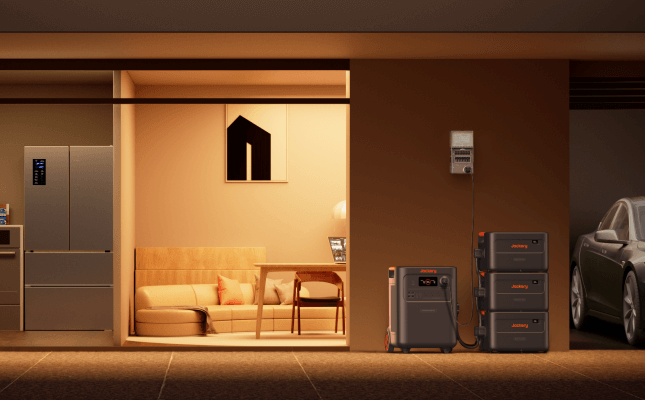
The typical cost of installing solar systems comes roughly around $ 15,000 - $ 23,000 in the United States. If you want to reduce your electric bills but cannot spend a lump sum on solar panel installation, you can check out Jackery Solar Generators. These essential home battery backup solutions can power your core household appliances, such as refrigerators, water heaters, space heaters, TVs, microwaves, etc, and help reduce your electricity bills.
Jackery Solar Generators for Saving Electric Bills
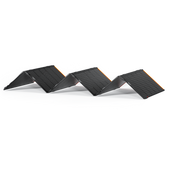
With electricity prices climbing in 2025, many families are searching for ways to cut costs without sacrificing comfort. One of the most effective approaches is to reduce dependence on the grid by using renewable energy. Jackery is an award-winning international manufacturer of solar generators, solar panels, and portable power stations. Jackery Solar Generators allow households to capture power from the sun and store it for when it is needed most, such as during high-rate peak hours or unexpected outages.
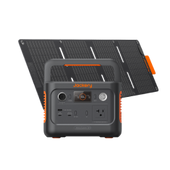
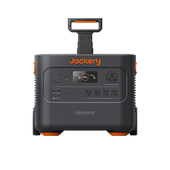
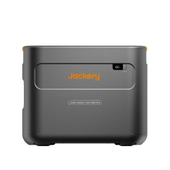
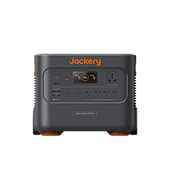
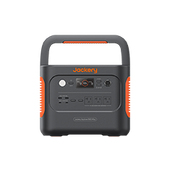
Jackery Solar Generator 2000 Plus
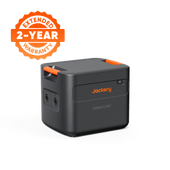
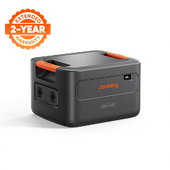
If you are someone who wants to start small but wishes to expand the battery capacity as the need grows, the Jackery Solar Generator 2000 Plus is a reliable choice. It is strong enough to power kitchen basics, home lighting, and daily electronics, helping offset the electricity costs that add up the fastest. Its portable design also makes it handy for weekend getaways, so savings extend beyond just the home. In addition, you can expand the capacity from 2kWh to 24kWh with the help of add-on battery packs.
Appliance Working Hours
- Fridge (300W): 5.3H
- Heater (1500W): 1.1H
- Microwave (800W): 2.0H
- Water Heater (1000W): 1.6H
- Air Conditioner (1500W): 1.1H
Who Should Buy This
The Jackery Solar Generator 2000 Plus is ideal for anyone looking to ease their monthly electricity bills steadily while enjoying a versatile power source for both indoor and outdoor use.

Customer Review
I went off-grid with it, and we love it. We live in a camper and power up everything for at least 2 days without charging but using everything, so I'm very happy that we got it.
-- Marcin Powichrowski.
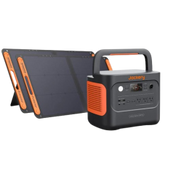
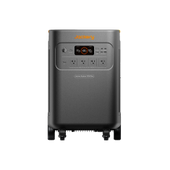
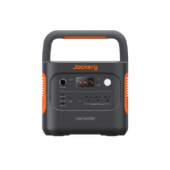
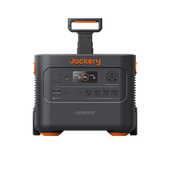
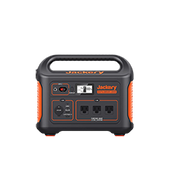
Jackery Solar Generator HomePower 3000
The Jackery Solar Generator HomePower 3000 is designed for families that use more electricity every day. It can comfortably support several appliances at once, like a home office setup, AC, or laundry, making it easier to manage high energy needs without leaning too heavily on the grid. With solar recharging, it works quietly in the background, helping reduce costs month after month. It is the world's lightest and smallest 3kWh LFP product that ensures easy movement anywhere you go.
Appliance Working Hours
- Fridge (300W): 8.1H
- Heater (1500W): 1.7H
- Microwave (800W): 3.2H
- Water Heater (1000W): 2.6H
- Air Conditioner (1500W): 1.7H
Who Should Buy This
The Jackery Solar Generator HomePower 3000 is best for households with kids, remote workers, or larger homes where multiple devices run at the same time. If your electric bill feels unmanageable because of heavy daily usage, the Jackery Solar Generator HomePower 3000 offers dependable relief.

Customer Review
Great home power system. We are using it as an all-in-one inverter/battery/solar system. For the price, it's unbeatable and high quality and performance in each aspect!
— Bryan.
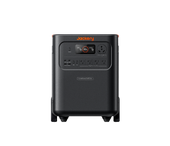
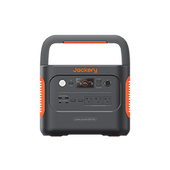
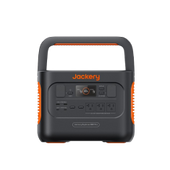
Jackery Solar Generator HomePower 3600 Plus
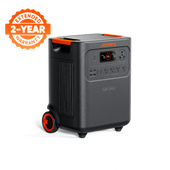
Cutting electricity costs comes down to taking big and everyday loads off the grid. The Jackery Solar Generator HomePower 3600 Plus is an advanced, essential home backup solution built for that kind of routine work. Its expandable battery capacity gives you enough stored energy to run major appliances, such as a fridge, lights, air conditioners, etc., for long hours. When expanded with the help of add-on battery packs, it can run a fridge for up to 14 days. The pull-out handle and sturdy wheel base make it easy to move between charging spots or different rooms, so you can integrate it into daily use.
Appliance Working Hours
- Fridge (300W): 9.5H
- Heater (1500W): 2.0H
- Microwave (800W): 3.7H
- Water Heater (1000W): 3.0H
- Air Conditioner (1500W): 2.0H
Who Should Buy This
If you are looking to lower monthly power expenses by running essential appliances on stored solar energy instead of the utility grid, the Jackery Solar Generator HomePower 3600 Plus is a reliable home battery backup solution.

Customer Review
This turned out to be a timely purchase. We immediately charged it to 100%. Very easy to set up. A week after this unit arrived, we had several power failures. We were able to run lights and a small space heater overnight with outside temps below freezing and high winds. We were quite happy with the purchase and recommended Jackery to a neighbor.
— Anonymous.
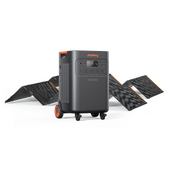
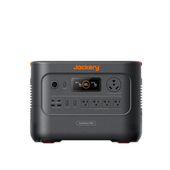
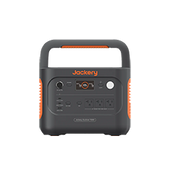
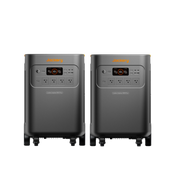
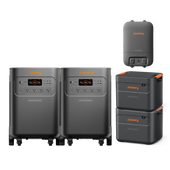
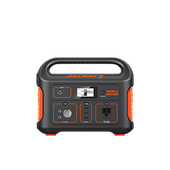
Jackery Solar Generator 5000 Plus
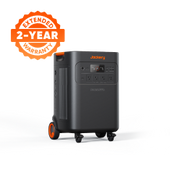
The Jackery Solar Generator 5000 Plus is built for families who want major savings on electricity bills. With the ability to back up nearly all core household appliances with massive battery capacity and dual voltage support (120V and 240V), it reduces reliance on grid electricity to the point where bills can drop significantly. It is an essential home backup solution that can keep lights, refrigerators, and even bigger appliances running when needed.
Appliance Working Hours
- Fridge (300W): 12.2H
- Heater (1500W): 2.8H
- Microwave (800W): 5.0H
- Water Heater (1000W): 4.1H
- Air Conditioner (1500W): 2.8H
Who Should Buy This
The Jackery Solar Generator 5000 Plus is the right choice for homeowners who want to take control of their rising bills and protect their households from frequent outages.

Customer Review
I recently purchased a Jakery 5000 Plus with an extra battery and a manual transfer switch. They all work well. I am currently peak shaving higher summer electric rates and am comforted that I will have power in an outage.
— James Anglewicz.
What Time of Year or Day Is Electricity The Cheapest?
Electricity is typically cheapest during the time when demand is low, such as late at night and early in the morning, and during the spring and fall seasons when there is less need for heating or cooling. However, the specific off-peak hours and seasonal variations depend on your location, your electricity plan (like a Time-of-Use plan), and local grid demand.
Electricity rates can vary significantly depending on the time of year and the time of day due to changes in demand and supply. Most electricity providers often have a separate rate card for different months and times of use. If you are aiming to reduce your monthly electricity charges without sacrificing comfort, it is recommended that you understand these patterns and later optimize your electricity usage.
Cheapest Time of Year
The cost of electricity typically fluctuates with the seasons due to varying demand. Generally, the cheapest time of year for electricity is during the spring and fall. This particular time of the year experiences milder temperatures, which results in lower demand for HVAC systems. Utility providers often reduce their rates during the summer and winter as customers use limited energy.
For instance, temperatures are more moderate during spring and fall, leading to less air conditioning and heating system usage. At the same time, most regions also experience lower overall electricity consumption during this period. All in all, these factors directly contribute to reduced electricity rates.
Cheapest Time of Day
In most of the cities in the United States, the cost of electricity varies throughout the day. The cost time-of-use depends on the demand patterns. For instance, electricity is generally cheapest during the night or early mornings when the overall demands are the lowest.
Late Night Usage: Late night starts at 11 PM, lasts until 7 AM, and is considered the ideal off-peak hour. During this period, electricity demand is typically low as most people are asleep and fewer appliances are used.
Early Morning Usage: Similar to late night, the early morning hours (typically from 5 AM to 7 AM) also see a lower electricity demand as this is the time before most people wake up and start using their household appliances, like induction cookers or electric water heaters.
If you live in a state where the electricity is decentralized by the government, then you can also take advantage of the time-of-use plans that charge different rates depending on the time of day. If you can shift your usage to these off-peak periods, you can significantly reduce your electricity costs.
Does Unplugging Appliances Save Electricity?
Yes, unplugging appliances can save electricity and improve the lifespan of sensitive electronics. This practice helps eliminate phantom loads, which leads to reduced consumption and charges.
There are several reasons why unplugging appliances would save electricity, like:
Phantom Loads
According to the Lawrence Berkeley National Laboratory, standby power or phantom load can account for 5 - 10% of household electricity use. This standby power consumption is comparatively small for individual devices but can surely add up significantly over time.
Cumulative Effect
Small amounts of electricity used by individual devices can collectively contribute to a higher electricity bill. For instance, a single charger might not affect your electricity bill, but when there are 10 such charges plugged into an active power supply, they can draw power that can add up to a substantial amount of wasted energy.
If you use power strips or unplug standby devices, your monthly charges can be significantly reduced.
Common Questions About High Electricity Bills
What size of solar generator do I need for my home?
The easiest way to determine the ideal size of solar generator for your home is by considering the number of appliances you intend to use. This way, you can account for the total wattage and then make a suitable decision. The size of a solar generator also depends on the time period you plan to use it to charge or power your appliances.
Let's consider a scenario where you are using the Jackery Solar Generator 5000 Plus to power your air conditioner (1000W), refrigerator (300W), and CPAP machine (60W) at the same time. Then, the working hours that you will get can be calculated with the Running Time Calculator found on the product page.
Visit the product page and scroll down until you find the calculator. Enter the total wattage of all the appliances you plan to power simultaneously to get the estimated working hours. In this case, the Jackery Solar Generator 5000 Plus will power the appliances (1360W) for 3.0 hours.
What runs your electric bill up the most?
The most significant contributors to high electric bills are typically the HVAC systems. Appliance usage also varies according to the season and weather conditions. For instance, we use electric furnaces and space heaters more often during the winter, while air conditioners, refrigerators, and portable fans daily use increase during the summer.
What would cause a sudden spike in electricity usage?
A sudden spike in electricity usage can be caused by several reasons, including malfunctioning appliances, seasonal changes, and lifestyle changes. Additionally, adding new high-energy devices or appliances can also contribute to a sudden increase.
What would cause my electric usage to double?
There can be different reasons that would double your electric usage. For instance, increased use of heating or cooling systems during extreme weather conditions and major lifestyle changes can also lead to higher usage.
How do I know if I'm using too much electricity?
If your electricity bill has recently doubled or increased than usual, then it is a sign that you are consuming too much electricity. You may compare your usage to similar households so you can have a proper insight into consumption and charges. You can also use energy-tracking devices that can help you identify high consumption patterns.
Reduce High Electric Bill With Jackery
Wondering why my electric bill is so high and not getting the right response can surely be frustrating. However, as you have seen in this guide, several factors directly influence your monthly electric bill. From high consumption to lifestyle, there are several areas where you can make changes to reduce your electricity bills.
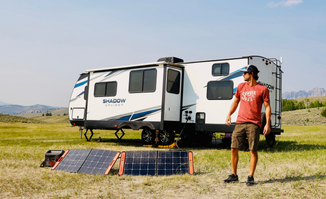
One such way is to start using Jackery Solar Generators, which can power small to heavy-load appliances. The compact and ergonomic designs of these portable generators also make them ideal for camping and RV living, and they can be used as a secondary power unit during extended power cuts.





Leave a comment