

















Texas is big enough that "where should I camp?" really depends on who you are. A family with young kids wants clean bathhouses and a place to swim. A first-time camper wants a park that's easy to book and easy to reach. Backpackers want solitude, and RVers want hookups and room to park. This guide walks through 10 of the best places to camp in Texas, from Panhandle canyons and Hill Country rivers to Gulf beaches and East Texas bayous, with who each one suits, when to go, how to book, and what to watch out for.
Quick Answer
The top State Parks for camping in Texas are Palo Duro Canyon, Colorado Bend, Dinosaur Valley, Garner, and Caddo Lake. If you are looking for campsites in natural areas in Texas, Big Bend National Park, Enchanted Rock State Park, Padre Island National Seashore, Big Thicket National Preserve, and Krause Springs are some of the best options.
Key Takeaways
- Fall (October to November) and spring (March to May) are the best seasons to camp in most of Texas, while summer suits river and spring-fed spots. Book popular state parks as soon as reservations open, up to five months ahead.
- The top State Parks for camping in Texas are Palo Duro Canyon, Colorado Bend, Dinosaur Valley, Garner, and Caddo Lake.
- If you are looking for campsites in natural areas in Texas, Big Bend National Park, Enchanted Rock State Park, Padre Island National Seashore, Big Thicket National Preserve, and Krause Springs are some of the best options.
- It is best to prepare for the trip and bring campsite essentials like clothes & footwear, kitchen utensils, hygiene necessities, food storage, sleeping bags, a tent, a flashlight, and a portable power generator for electricity backups.
- Always look out for your kids, keep your distance from the local wildlife, make sure your camping neighbors are not disturbed by your activities, and follow the 2-2-2 rule.
What is the best month to go camping in Texas?
Fall (October and November) and spring (March to May) are the two best camping seasons in most of Texas. Fall brings warm days, crisp nights, and lower humidity, which makes it ideal for hiking. Spring is mild too, and native wildflowers like bluebonnets usually peak in April, but popular parks fill quickly around spring break and insects are more active.
If you are fond of the Chihuahuan Desert in Texas, you can visit from December to February to avoid the extreme daytime heat, but you have to prepare for very chilly nights.
Summer is best spent near water. River and spring-fed spots like Garner State Park and Krause Springs stay popular from May to September because you can cool off in the water, but expect crowds and heat. On the Gulf Coast, avoid the peak of hurricane season in late summer and early fall.
Which Texas Camping Spot Is Right for You?
Different campers need different things, so use this quick guide to narrow down the list before you read the details below.
- Families with young kids: Garner State Park and Dinosaur Valley State Park have bathhouses with showers, easy trails, and water to play in.
- First-time campers: Palo Duro Canyon and Caddo Lake offer sites with water and electricity, plus cabins if you would rather not sleep in a tent.
- RV travelers: Garner's Shady Meadows loop and Caddo Lake's Woodpecker Hollow have full hookups, and Rio Grande Village RV Park is the only full-hookup option inside Big Bend.
- Backpackers and experienced campers: Big Bend's backcountry, Big Thicket's free permit camping, and Colorado Bend's hike-in sites offer the most solitude.
- Couples and friend groups: Enchanted Rock for sunset summit hikes, or Krause Springs for a laid-back swimming weekend near Austin.
- Winter visitors: Big Bend and Padre Island are at their most comfortable from November through March, when summer heat is long gone.
How to Book a Campsite in Texas and What It Costs
Most Texas state parks take reservations through the Texas State Parks reservation system, online or by phone at (512) 389-8900, up to five months in advance. Popular parks like Garner, Palo Duro Canyon, and Enchanted Rock often sell out on weekends and holidays, so book the day your dates open. You pay a nightly campsite fee plus a daily entrance fee for each adult, and a Texas State Parks Pass covers entrance fees for a full year if you camp often.
National park sites work differently. Big Bend requires reservations on Recreation.gov for every campground, with no first-come, first-served sites, while Padre Island’s campgrounds are first-come, first-served with no reservations at all. Big Thicket has no campgrounds, only free backcountry permits from the visitor center. Krause Springs is privately owned, books RV sites online through RoverPass, and keeps tent camping first-come, first-served. Fees and rules change, so confirm on the official site before you go. You’ll find each destination’s current fees, site types, facilities, and booking rules in its section below.
What are the Top 5 State Parks in Texas for Camping?
The top 5 state parks in Texas for RV and tent camping are Palo Duro Canyon, Garner, Colorado Bend, Dinosaur Valley, and Caddo Lake, offering unique geology, wildlife, and outdoor recreation.
Palo Duro Canyon State Park

Location: 11450 Park Road 5, Canyon, TX 79015
Phone: (806) 488-2227
Website: Palo Duro Canyon
When to visit: October–November and March–May
Driving down Park Road 5 into Palo Duro feels like the ground has opened up beneath you. This is the second-largest canyon in the US, and its red, orange, and white rock layers glow at sunrise and sunset. If you want big views without the crowds and long drives of a national park, start here.
Most campers stay on the canyon floor. The Hackberry, Sagebrush, and Juniper areas have sites with water and 30/50-amp electricity, and restrooms with showers are within walking distance. Tent campers can book the drive-up primitive sites in the Fortress Cliff area, and backpackers can hike to backcountry sites for a quieter night. If you would rather not pitch a tent, the park also rents cabins on the canyon rim and Cow Camp cabins on the canyon floor.
- Best for: families and first-time campers who want hookups and showers, RVers (canyon floor sites fit big rigs, but the road down is steep), and hikers heading for the Lighthouse Trail.
- Getting there: about 30 minutes south of Amarillo via I-27 and TX-217.
- Booking and costs: $8 entry per adult, campsites from $12 to $26 a night, and cabins from $60. Here is the full breakdown from Texas Parks and Wildlife:
- Entrance fee: $8 per adult (13+); kids 12 and under get in free
- Nightly rates: $26 for water-and-electric sites, $16 for tent sites with water, $12 for hike-in primitive sites, $60 for Cow Camp cabins, and $125 to $150 for rim cabins
- Site types: 97 water-and-electric sites in the Juniper, Mesquite, Sagebrush, and Hackberry loops; 18 drive-up tent-only sites at Fortress Cliff; a hike-in backpacking area; cabins on the rim and canyon floor; and group camps
- Facilities: Restrooms with showers near the electric loops. At Fortress Cliff, water is in the area (not at each site) and the nearest showers are 1/2 to 2 miles away. The backpacking area has no drinking water.
- RV access: Water and 30/50-amp electric hookups (20/30-amp in Hackberry). Some Mesquite, Sagebrush, and Hackberry sites fit RVs up to 60 feet. No sewer hookups are listed, and Fortress Cliff is tent only.
- Reservations: Book up to 5 months ahead online or at (512) 389-8900. The park often fills, so reserve a day pass too. Backpacking permits are first-come, first-served at the park.
- Watch out for the risks here, from the most common to the rare but serious:
- Common risks: Heat and rattlesnakes. The canyon floor bakes in summer (July averages about 92°F, and trails can close in extreme heat), and the Lighthouse Trail has very little shade. Hike early, carry plenty of water, travel with a partner, and watch where you step and put your hands on rocky trails.
- Seasonal risks: Flash floods, mostly during spring and summer thunderstorms. Park Road 5 crosses the creek at low-water crossings on the way down, so never drive or walk into moving water, and expect trails and backpack sites to close after heavy rain.
- Less common but serious: Getting caught out on a long trail by heat exhaustion or a sudden storm, far from your car. Turn back at the first sign of dizziness or building clouds, and check trail status with the park before a long hike.
Colorado Bend State Park

(Image Source: Pixabay)
Location: 1201 Colorado Park Road, Bend, TX 76824
Phone: 325-628-3240
Website: Colorado Bend State Park
When to visit: March–May and October–November
Colorado Bend is for campers who don't need much more than a flat spot, a river, and a good trail. It sits along the Colorado River about two hours northwest of Austin, and its headline sight is Gorman Falls, a tall, mossy, spring-fed waterfall at the end of a rocky hike. Spicewood Springs Trail adds clear swimming holes and small cascades along the way.
There are no hookups here. You can choose drive-up sites, walk-in tent sites near the river, or hike-in primitive sites, and potable water is available in the main camping areas. Facilities are basic, so this park suits people who are comfortable with simple, back-to-nature camping.
- Best for: tent campers, couples, and adventurous families who like hiking, swimming holes, fishing, and mountain biking. It is not a good fit for large RVs.
- Getting there: roughly two hours from Austin via US-183 and FM 580, with the final stretch on county roads. Many GPS apps route you incorrectly, so follow the park's directions.
- Booking and costs: $5 entry per adult and $10 to $15 a night for basic, no-hookup campsites. Here is the full breakdown from Texas Parks and Wildlife:
- Entrance fee: $5 per adult (13+); kids 12 and under get in free
- Nightly rates: $15 for drive-up primitive sites, $13 for riverside walk-in tent sites, $10 for hike-in backcountry sites, and $35 to $75 for group camps
- Site types: 15 drive-up sites about 75 to 100 yards from the river; 28 tent-only walk-in sites on the riverbank (you carry your gear about 50 yards); two hike-in backcountry areas. There are no cabins.
- Facilities: No hookups anywhere. Drinking water is near the drive-up and walk-in sites (not at each site), restrooms are near the walk-in area, and there is an open-air rinse-off shower near the campground. The backcountry areas have no water or toilets.
- RV access: Only self-contained RVs up to 20 feet, and only at the drive-up sites. The park has no RV dump station.
- Reservations: Book up to 5 months ahead online or at (512) 389-8900. The park often fills, so reserve day passes too. Cave tours need their own reservation.
- Watch out for the risks here, from the most common to the rare but serious:
- Common risks: Rough, rocky ground. The Gorman Falls hike is about 3 miles round trip over loose rock, and the wet travertine around the falls is slippery, so wear sturdy shoes and keep off the falls themselves. Watch for snakes and fire ants around campsites.
- Seasonal risks: Heavy rain, most often in spring and fall. TPWD warns that the entrance road can flood during heavy rains, which can stop you getting in or out, so check the forecast and the park’s alerts before you drive in.
- Less common but serious: A fast rise on the Colorado River while you are camped at the riverbank walk-in sites. If the water starts rising or turns muddy, move people and gear to higher ground right away.
Dinosaur Valley State Park

Location: 1629 Park Rd 59, Glen Rose, Texas
Phone: 254-897-4588
Website: Dinosaur Valley State Park
When to visit: October–November and March–May
If you are camping with kids, Dinosaur Valley is hard to beat. Real dinosaur tracks, more than 100 million years old, are preserved in the limestone bed of the Paluxy River, and kids can stand right next to them when the water is low. The life-size dinosaur models near the entrance usually win over young campers before you have even unpacked.
The main campground has sites with water and electricity, and for a quieter night you can walk or hike into the primitive sites in the South Primitive Area. Trails wind along the river and up onto the bluffs, and the Paluxy doubles as a wading and swimming spot in warm weather.
- Best for: families with young children, first-time campers, and anyone who wants a short drive from Dallas–Fort Worth.
- Getting there: about an hour southwest of Fort Worth, just outside Glen Rose.
- Booking and costs: $8 entry per adult and $16 to $26 a night for campsites. Here is the full breakdown from Texas Parks and Wildlife:
- Entrance fee: $8 per adult (13+); kids 12 and under get in free
- Nightly rates: $26 for water-and-electric sites, $18 for walk-in primitive sites, $16 for hike-in primitive sites, and $40 to $60 for group camps
- Site types: 36 water-and-electric sites; 8 walk-in primitive sites in the South Primitive Area (a 1/3 to 1/2 mile walk); 7 hike-in sites 1 to 2.5 miles away across the river. There are no cabins.
- Facilities: The electric sites have water and 30-amp hookups at the site. The primitive sites have no water, restrooms, showers, or picnic tables; the nearest drinking water is 1/3 to 1/2 mile away (hike-in campers can fill up at the trailhead).
- RV access: Trailers up to 35 feet, because of winding roads and trees. Water and electric hookups only; no sewer hookups are listed.
- Reservations: Book up to 5 months ahead online or at (512) 389-8900. The park often fills. To reach the hike-in sites you have to wade the Paluxy River, so call the park at (254) 897-4588 to check river levels first.
- Watch out for the risks here, from the most common to the rare but serious:
- Common risks: Slippery rock. The dinosaur tracks are in the riverbed, and wet, algae-covered limestone is very slick, so wear water shoes and hold younger kids’ hands. Read the park’s swimming safety tips before using the Blue Hole.
- Seasonal risks: Rain raises the Paluxy River. After storms, trails can close, the tracks disappear under water, and the hike-in sites can be cut off. Call the park for river and track conditions before you go, especially in spring.
- Less common but serious: Being across the river when it rises quickly. If you are camped at a hike-in site, leave before storms arrive and never try to wade fast or rising water.
Garner State Park

Location: 234 RR 1050, Concan, TX 78838
Phone: 830-232-6132
Website: Garner State Park
When to visit: May–September for river swimming; October–November for quieter weekends
Garner is the classic Texas summer camping trip. Families come back year after year to float the clear, cold Frio River under cypress trees, hike up Old Baldy for wide Hill Country views, and dance under the stars at the park's summer jukebox dances, a tradition that goes back generations.
It is also one of the biggest campgrounds in the Texas state park system. You can choose tent sites with water, sites with water and electricity, 12 full-hookup pull-through RV sites in the Shady Meadows loop, screened shelters, or cabins. Restrooms with showers are spread across the camping areas, which makes Garner comfortable for beginners.
- Best for: families with kids, groups of friends, and first-time campers who want plenty to do and modern facilities.
- Getting there: about 90 minutes west of San Antonio, near Concan.
- Booking and costs: $8 entry per adult, $15 to $35 a night for campsites, $30 to $35 for screened shelters, and $130 to $150 for cabins. Here is the full breakdown from Texas Parks and Wildlife:
- Entrance fee: $8 per adult (13+); kids 12 and under get in free
- Nightly rates: $35 for full-hookup sites, $22 to $26 for water-and-electric sites, $15 to $20 for water-only sites, $30 to $35 for screened shelters, and $130 to $150 for cabins
- Site types: 12 full-hookup pull-through sites in Shady Meadows (no tents); 211 water-and-electric sites across Old and New Garner; 124 water-only sites; 37 screened shelters; 17 cabins; and a group camp
- Facilities: Restrooms with showers are near the New Garner electric loops and in Shady Meadows. Generators are allowed in some areas but not during quiet hours (10 p.m. to 6 a.m.).
- RV access: Full hookups (water, sewer, and 20/30/50-amp electric) only at the 12 Shady Meadows sites. Water-only areas allow pop-ups, trailers, and motor homes up to 20 feet; site lengths vary elsewhere. The Live Oak and Persimmon Hill areas close in January and February.
- Reservations: Book up to 5 months ahead online or at (512) 389-8900, and as early as you can for summer. The park closes to day visitors when it is full (as early as 10 a.m. on summer weekends and holidays), but campers with reservations can still get in.
- Watch out for the risks here, from the most common to the rare but serious:
- Common risks: A busy, slippery river. Rocks in the Frio are slick and summer weekends are packed, so wear water shoes, watch kids closely, and read the park’s swimming safety tips. Feral hogs roam the park, so never leave food out.
- Seasonal risks: Summer heat (July averages about 97°F). Swim or float in the morning, rest in the shade at midday, and drink more water than you think you need. Climb Old Baldy early, before the rock heats up.
- Less common but serious: Flash floods. Hill Country rivers can rise fast after heavy rain upstream, even when it is clear where you are. Get out of the water at the first sign of rising or muddy water, and know the way from your campsite to higher ground.
Caddo Lake State Park

Location: 245 Park Rd 2, Karnack, Texas
Phone: 903-679-3351
Website: Caddo Lake State Park
When to visit: October–November and March–April
Caddo Lake feels nothing like the rest of Texas. Bald cypress trees draped in Spanish moss rise straight out of the water, and the bayous form a maze you can paddle for hours. It is a slow, peaceful trip near the Louisiana border, best enjoyed from a canoe at sunrise.
The park has 46 campsites, from water-only tent sites to eight full-hookup RV sites in Woodpecker Hollow, plus screened shelters and historic cabins built by the Civilian Conservation Corps in the 1930s. There is a fishing pier and boat ramp, and you do not need a fishing license to fish from shore inside the park.
- Best for: couples, anglers, paddlers, and families who would rather book a cabin than pitch a tent.
- Getting there: about two and a half hours east of Dallas, near the small towns of Karnack and Uncertain.
- Booking and costs: $4 entry per adult, $10 to $25 a night for campsites and screened shelters, and $40 to $115 for cabins. Here is the full breakdown from Texas Parks and Wildlife:
- Entrance fee: $4 per adult (13+); kids 12 and under get in free
- Nightly rates: $25 for full-hookup sites, $20 for water-and-electric sites, $10 for water-only tent sites, $25 for screened shelters, and $40 to $115 for cabins
- Site types: 8 full-hookup sites in Woodpecker Hollow (no tents); 18 water-and-electric sites in Armadillo Run and Squirrel Haven; 20 water-only sites in Mill Pond; 7 screened shelters; and 10 cabins, one of them without a bathroom
- Facilities: Restrooms with accessible showers are near the camping areas. Full-hookup sites have 50-amp power, electric sites have 30-amp, and screened shelters have 20/30-amp outlets. Tents go on 15 x 15-foot tent pads.
- RV access: Full hookups (water, sewer, 50-amp) only at the 8 Woodpecker Hollow sites; the 18 electric sites also take RVs. Motor homes and trailers are not allowed in the Mill Pond area.
- Reservations: Book up to 5 months ahead online or at (512) 389-8900. Cabins and screened shelters are limited, so book those first if you want a roof over your head.
- Watch out for the risks here, from the most common to the rare but serious:
- Common risks: Mosquitoes and humidity, especially from late spring through early fall. Bring repellent and long sleeves for the evenings, or book a screened shelter if bugs bother you.
- Seasonal risks: Alligators. TPWD notes they sun in or beside the water during the day and are more active at dusk, so keep your distance, keep pets leashed and away from the water’s edge, never feed them, and read TPWD’s alligator safety tips before you go.
- Less common but serious: Getting lost on the water. The bayous and cypress sloughs look alike, so stay on the marked paddling trails, carry a map and a phone in a dry bag, and be off the water before dark or an approaching storm.
Which Part of Texas Has the Best Nature for Camping? Top 5 Choices
Central, East, and West Texas are widely considered the three best regions for camping. The natural places here offer contrasting landscapes depending on whether you prefer rolling green hills, swimming holes, or dramatic mountain deserts.
Big Bend National Park

Location: Big Bend National Park, TX 79834
Phone: 432-477-2251
Website: Big Bend National Park
When to visit: November–April
Big Bend is remote, quiet, and enormous. Desert, mountains, and the Rio Grande all sit inside one park, along with some of the darkest night skies in the country. Expect long drives and patchy cell service, and in return you get a trip that feels like a real escape.
The National Park Service runs three campgrounds: Chisos Basin, high in the mountains at about 5,400 feet; Rio Grande Village, the largest, on the river; and Cottonwood, near Castolon on the west side. Rio Grande Village RV Park, run by a concessioner, is the only place in the park with full hookups. Backcountry and primitive roadside sites are available with a permit if you want to get farther away.
- Best for: experienced campers, hikers, stargazers, and RVers who are comfortable with dry camping and long distances between services.
- Getting there: several hours from the nearest major airports in Midland and El Paso. Gas stations are few and far apart, so fill up before you enter the park.
- Booking and costs: $30 per vehicle for a 7-day pass, then $16 a night at the developed campgrounds or $10 a night for a backcountry permit. Here is the full breakdown from the National Park Service:
- Entrance fee: $30 per private vehicle, valid for 7 days
-
Nightly rates:
 8 with a Senior or Access pass); $10 per night for a backcountry use permit (backpacking and primitive roadside sites)
- Site types: Three developed campgrounds, group sites, primitive roadside sites, backcountry backpacking sites, and the Chisos Mountains Lodge. Dispersed camping and boondocking are not allowed.
- Facilities: The developed campgrounds have drinking water and restrooms. Showers and laundry are at the Rio Grande Village Store. Backcountry sites have no water. Wood and ground fires are banned park-wide; charcoal is allowed only in grills.
- RV access: The road into the Chisos Basin is narrow and winding, so trailers over 20 feet and RVs over 24 feet are not recommended there. Full hookups are only at the concession-run Rio Grande Village RV Park. Two construction projects in the Chisos Basin are expected to disrupt access for about two years from spring 2026.
- Reservations: Reservations are required at every campground, with no first-come, first-served sites; book on Recreation.gov. Popular backcountry sites can be booked up to 180 days ahead online, and walk-in permits are issued up to 24 hours ahead at the Panther Junction and Chisos Basin visitor centers.
- Watch out for the risks here, from the most common to the rare but serious:
- Common risks: Heat and dehydration, even in winter, with daily temperature swings of 30°F or more. Carry at least a gallon of water per person per day (springs are unreliable), hike early, and be off the trail before the afternoon heat. Cell service is limited or missing in much of the park.
- Seasonal risks: Summer thunderstorms can cause flash floods many miles away, so stay out of narrow canyons and dry washes when storms are around, and stay low and off ridges if there is lightning. Venomous snakes, scorpions, and centipedes are active in the warmer months, so check your shoes and bedding and use a flashlight at night.
- Less common but serious: Black bears and mountain lions, mostly around the Chisos Mountains. Store food, coolers, and toiletries in your car or the bear lockers and keep kids close. If a lion approaches, don’t run: stand tall, shout, and back away slowly. The Rio Grande has strong undercurrents and deep holes, so the NPS does not recommend swimming in it.
Enchanted Rock State Natural Area

Location: 16710 Ranch Rd 965, Fredericksburg, Texas
Phone: 830-685-3636
Website: Enchanted Rock State Natural Area
When to visit: October–April (start summit hikes early in the day)
Enchanted Rock is a giant pink granite dome rising about 425 feet above the Hill Country north of Fredericksburg. Hiking the Summit Trail for sunset, then falling asleep at the base under a sky full of stars, is one of the most memorable short camping trips in Central Texas.
Camping here is tent-only. There are 35 walk-in sites with water, 25 to 100 yards from the parking area, plus primitive backpacking sites farther out along the trails. RVs, pop-up campers, and car camping are not allowed, which keeps the campground quiet and close to nature.
- Best for: couples, friend groups, and beginner backpackers who want a short hike-in experience with a big payoff.
- Getting there: about 30 minutes north of Fredericksburg, and roughly two hours from Austin or San Antonio.
- Booking and costs: $8 entry per adult and $14 to $20 a night for tent sites. Here is the full breakdown from Texas Parks and Wildlife:
- Entrance fee: $8 per adult (13+); kids 12 and under get in free. Day passes can be reserved up to 30 days ahead, and the park closes to visitors without a reservation when it is full.
- Nightly rates: $20 for walk-in tent sites with water and $14 for hike-in primitive sites, plus $6 a night for each vehicle beyond two per site
- Site types: 35 walk-in tent sites; 20 hike-in primitive sites at Moss Lake (8) and Walnut Springs (12), a 1 to 3 mile hike over rugged terrain. There are no cabins.
- Facilities: Restrooms with showers are near the walk-in sites, and some sites have shade shelters while others don’t. The primitive areas have composting toilets, allow only stoves (no ash-producing fires), and don’t allow hammocks.
- RV access: None. All campsites are tent only, so RVers will need to stay outside the park.
- Reservations: Book up to 5 months ahead online or at (512) 389-8900, and early for weekends and holidays. Campers under 17 who are not with a sponsored group need a signed consent form for the primitive sites.
- Watch out for the risks here, from the most common to the rare but serious:
- Common risks: Heat on bare granite. The dome has almost no shade and reflects the sun, and TPWD advises drinking about a quart of water per hour of activity. Start summit hikes early in the morning.
- Seasonal risks: Storms. Wet granite is very slippery, and the open dome is a dangerous place to be during a thunderstorm. Stay off the summit when storms are forecast or you hear thunder, and wait until the rock dries before climbing.
- Less common but serious: Getting lost or hurt off-trail. Phones and GPS may not connect, and all trails except the Loop Trail close at sunset. Tell someone your plans, stay on marked trails, and know your limits on steep sections.
Padre Island National Seashore

Location: 20420 Park Rd 22, Corpus Christi, TX 78418
Phone: (361) 949-8068
Website: Padre Island National Seashore
When to visit: November–May (outside peak hurricane season)
If falling asleep to the sound of waves is your idea of camping, head to Padre Island National Seashore. It protects the longest remaining undeveloped stretch of barrier island in the world, with miles of dunes, grasslands, and Gulf beach just south of Corpus Christi. Mornings here are for beachcombing, birding, and, in season, watching sea turtle hatchling releases.
Malaquite Campground sits behind the dunes, a short walk from the beach, and takes both tents and RVs. Bird Island Basin, on the calmer Laguna Madre side, is popular with windsurfers and kayakers. For a wilder night, you can camp right on South Beach, but driving more than a few miles down the sand calls for a four-wheel-drive vehicle.
- Best for: beach lovers, families with water-loving kids, anglers, and birders.
- Getting there: about 40 minutes from downtown Corpus Christi via Park Road 22.
- Booking and costs: $25 per vehicle for a 7-day pass, then $8 to $14 a night at the two campgrounds, and beach camping is free with your pass. Here is the full breakdown from the National Park Service:
- Entrance fee: $25 per vehicle, valid for 7 days, or $45 for an annual pass
- Nightly rates: $14 at Malaquite Campground and $8 at Bird Island Basin (half price with a Senior or Access pass); primitive camping on North and South Beach is included in your entrance pass
- Site types: Malaquite Campground on the Gulf side, a short walk from the beach, with picnic tables under shelters; Bird Island Basin on the calm Laguna Madre side, popular with tents and RVs; and primitive beach camping. Camping is not allowed on Malaquite Beach itself.
- Facilities: No electric or water hookups anywhere in the park. An RV dump station and fresh-water fill station sit at the Malaquite Campground entrance. There is no firewood, gas, or fishing-license sales in the park (the nearest are about 13 miles north), and cell service is very limited.
- RV access: RVs can use both campgrounds but must be self-contained. Four-wheel drive is recommended for beach driving, and large two-wheel-drive RVs are not recommended on the beach.
- Reservations: No reservations. All camping is first-come, first-served, and you register and pay at the self-service kiosk. You can stay up to 14 nights in a row and 28 nights a year.
- Watch out for the risks here, from the most common to the rare but serious:
- Common risks: Rip currents and stinging sea life. There are no lifeguards, so never swim alone and check the warning flags. Portuguese man-of-war and jellyfish wash up on the sand, so watch where you step; rinse any sting with seawater first.
- Seasonal risks: High tides and storms. The NPS advises against camping or driving on the beach during higher tides, since tides of 1.5 feet or more can reach the dunes, so check NOAA tide predictions. Hurricane season runs from June through November, and beach camping can close temporarily for coastal flooding.
- Less common but serious: Getting stuck in soft sand far down South Beach. The park does not tow private vehicles and a private tow can cost hundreds to thousands of dollars, so carry a shovel, traction boards, and a tow strap. Rattlesnakes live in the dunes and grasslands, so stay on trails there.
Big Thicket National Preserve

Location: FM 420, Kountze, TX 77625
Phone: 409-951-6700
Website: Big Thicket National Preserve
When to visit: March–May (wildflowers and migrating birds)
Big Thicket shows a side of Texas most visitors never see: dense pine forest, cypress sloughs, and slow, tea-colored creeks in the Piney Woods north of Beaumont. It is known for its remarkable mix of plant and animal life, from longleaf pines to carnivorous pitcher plants, and it is a favorite with paddlers.
There are no developed campgrounds. Instead, you can camp in much of the backcountry, including sandbars along the Neches River and spots near trails like the Turkey Creek Trail, with a free permit from the visitor center in Kountze. Car camping at trailheads and roadside pullouts is not allowed, so plan to carry your gear in on foot or by canoe.
- Best for: experienced campers, backpackers, and canoe or kayak campers looking for solitude.
- Getting there: about 30 minutes north of Beaumont, or roughly 90 minutes from Houston.
- Booking and costs: there is no entrance fee and camping is free, but you need a backcountry permit. Here is the full breakdown from the National Park Service:
- Entrance fee: None
- Nightly rates: Free, with a free backcountry permit from the visitor center
- Site types: There are no campgrounds. Camping is backcountry only, reached on foot or by paddling, including on sandbars along some waterways. You camp at least 500 feet from roads, trails, structures, and the boundary, and at least 100 feet from water.
- Facilities: None at campsites. Bring all your water and gear, bury human waste 6 to 8 inches deep at least 50 feet from trails and water, and pack out all trash. Campfires are allowed using only dead and down wood from the preserve.
- RV access: No RV or vehicle camping in the preserve, including at trailheads and pullouts. RVers usually stay at nearby campgrounds and visit for the day.
- Reservations: No reservations; pick up your permit at the visitor center. Groups are limited to 8 people, and you can stay up to 14 nights in a row and 28 nights a year.
- Watch out for the risks here, from the most common to the rare but serious:
- Common risks: Mosquitoes, ticks, and chiggers in the warm, humid months. Wear long sleeves and permethrin-treated clothing, use repellent, and check for ticks every day. Venomous snakes, including copperheads and cottonmouths, live in the forest and along creeks, so watch where you step.
- Seasonal risks: Hunting season. From October 1 to February 28, camping is not allowed in hunting areas (except on Neches River sandbars), so check which units are open when you get your permit and wear bright colors on the trail. Heavy rain can also flood low trails and raise rivers fast, which matters if you are camped on a sandbar.
- Less common but serious: Getting lost. The dense forest looks the same in every direction and there are few landmarks, so carry a map and compass or offline GPS, and make sure your permit and someone at home have your route.
Krause Springs

Location: 424 County Road 404, Spicewood, TX 78669
Phone: (830) 693-4181
Website: Krause Springs Swimming Holes and Campgrounds
When to visit: Mid-February - Mid-November
Krause Springs is a family-run swimming hole and campground on 115 acres in Spicewood, about 30 miles west of Austin. Spring water feeds a natural pool shaded by old cypress trees, complete with a rope swing and a small waterfall, and there is a quiet butterfly garden to wander between swims. On a hot afternoon, it is hard to find a better place to cool off in the Hill Country.
Tent camping is first-come, first-served on shaded grassy areas, while the 24 RV sites with water and electric hookups take reservations by phone. Facilities are simple and the atmosphere is laid back, especially on weekdays.
- Best for: friend groups, couples, and families with older kids who mainly want to swim and relax. Pets are not allowed.
- Getting there: about 45 minutes west of Austin via TX-71.
- Booking and costs: overnight guests pay $17 per adult and $10 per child a night, plus $17 for an RV site. Here is the full breakdown from Krause Springs:
- Entrance fee: Day visits are $11 for adults (12+), $6 for kids 4 to 11, and free for kids under 4
- Nightly rates: Overnight guests pay $17 per adult and $10 per child aged 4 to 11 per night (under 4 free), and RV sites cost an extra $17 a night
- Site types: 24 RV sites with water and electric hookups, tent camping, and several designated primitive camping areas. Tent campers who want power can book RV sites 1 to 6.
- Facilities: Bathrooms and showers for all guests. No pets, glass, generators, or drones, and quiet hours run from 10 p.m. to 8 a.m.
- RV access: Water and 20/30/50-amp electric at the 24 RV sites. Sewer hookups are not mentioned, so ask before you book.
- Reservations: RV sites are booked online through RoverPass. Tent camping is first-come, first-served. Krause Springs is privately owned and open daily from 9 a.m. to 8 p.m.
- Watch out for the risks here, from the most common to the rare but serious:
- Common risks: Slippery rocks and moss around the pools and waterfall. Wear water shoes, keep a close eye on kids, and check the depth before jumping in.
- Seasonal risks: Summer crowds and heat. Weekends from late spring to early fall get very busy, so arrive early, bring shade and plenty of water, and leave the glass at home since it will be confiscated.
- Less common but serious: Flash flooding after heavy Hill Country rain. Get out of the water when storms are near, and move away from the creek and low ground if the water starts rising or turns muddy.
What are 10 Essentials to Camp in Texas?
Exploring nature is a beautiful way to unwind and spend quality time just with yourself, loved ones, or friends. When camping in Texas, here are the 10 essential items you should always pack to be prepared to stay for days:
- Campsite Essentials (tent, sleeping bag, table & chair, flashlight, firewood)
- Portable power generator
- Camp Kitchen utensils (cooking grill, stove, knife, cutting board, coffee maker, canned food)
- Clothes & Footwear (waterproof jacket, hiking pants, boots, gloves)
- Hygiene necessities (hand sanitizer, toothbrush, shower kit, sun cream, towel)
- First Aid Kit (personal medication, bandages, finger splints, eye drops)
- Tools and Repair Kit (sturdy multi-tool or folding knife, heavy-duty duct tape, and extra tent cord or stakes)
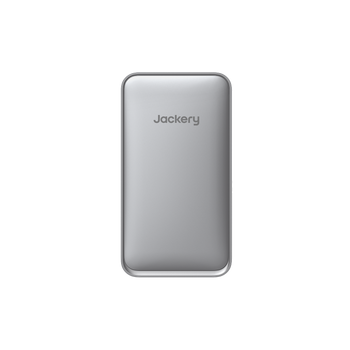
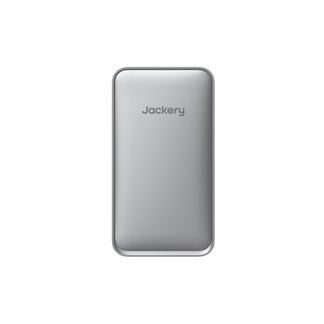
- Navigation Tools (a physical topographic map, a reliable compass, a fully charged smartphone with an offline GPS app, and a power bank)
- Insect repellent to ward off mosquitoes, ticks, and chiggers (DEET or Picaridin sprays work best)
- Cooler and Food Storage (packed with ice or ice packs, plus sealed containers to protect food from wildlife)
Check out this camping must-haves guide for more information.
Jackery Solar Generators: A Must-Have While You Camp in Texas
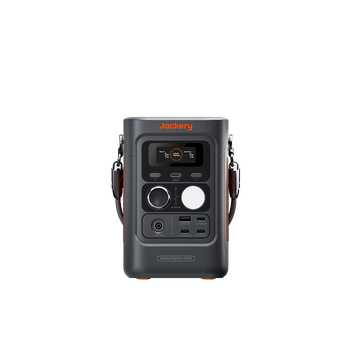
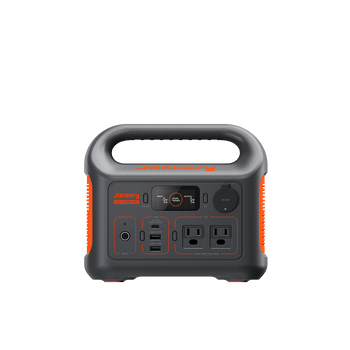
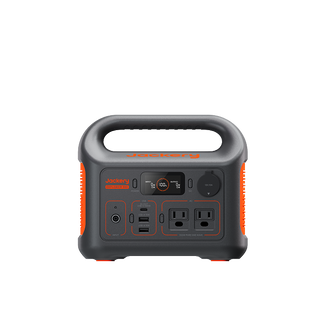
When going camping, one item is essential to bring: a portable solar generator. Even if there is no nearby grid, it is a terrific method to ensure you have power wherever you need it. This is also a good idea to ensure your emergency bag has plenty of extra batteries and a way to recharge them.
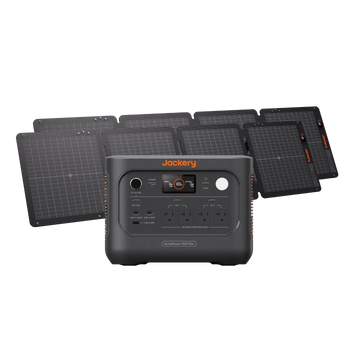
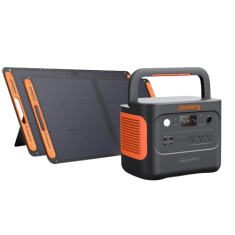
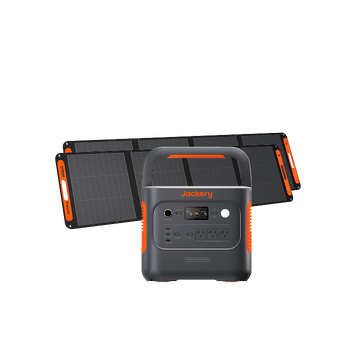
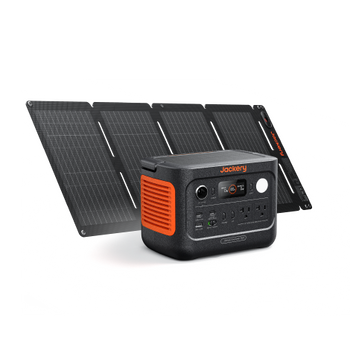
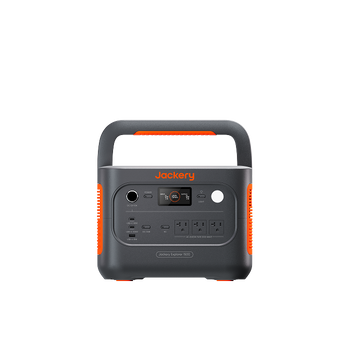
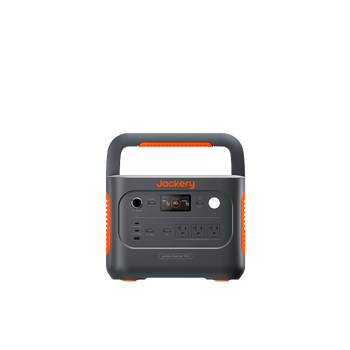
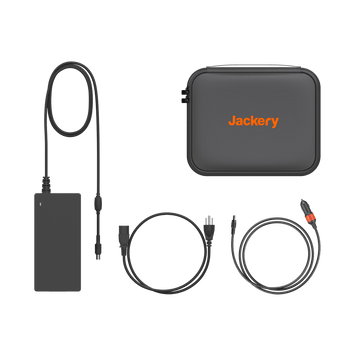
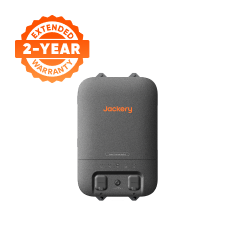
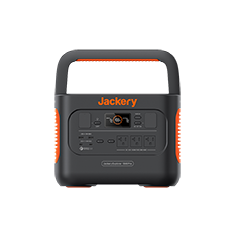
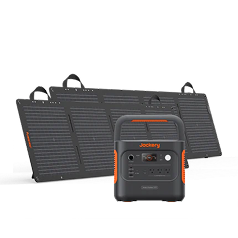
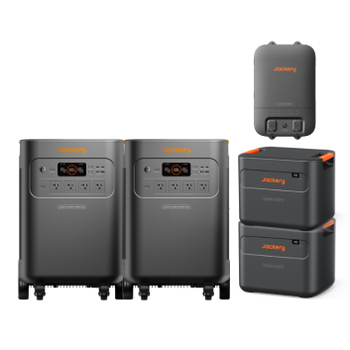
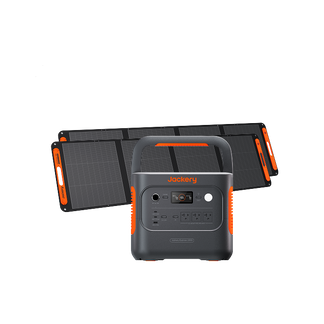
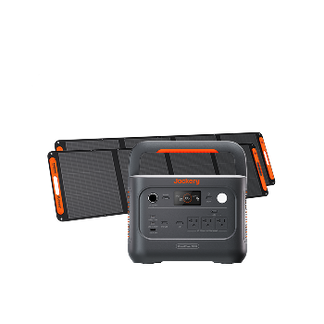
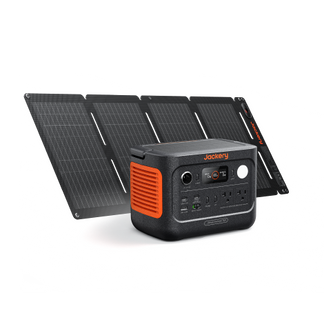
The Jackery Solar Generator combines Jackery Solar Panels with a Portable Power Station to turn sunlight into power.
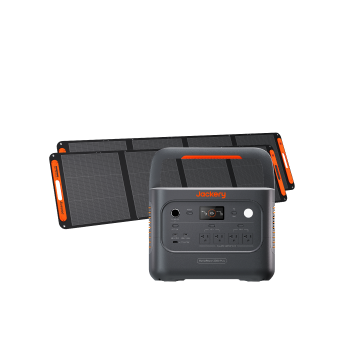
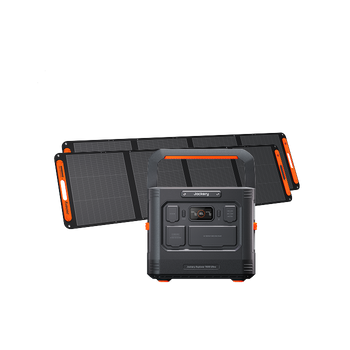
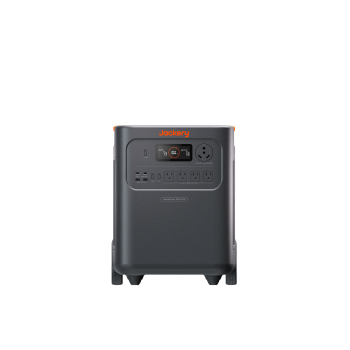
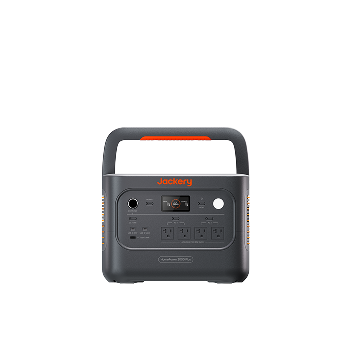
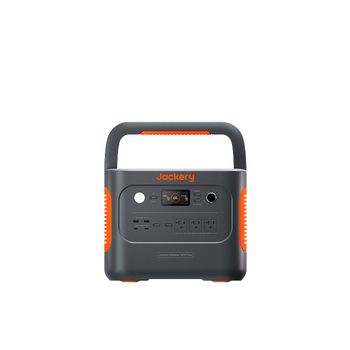
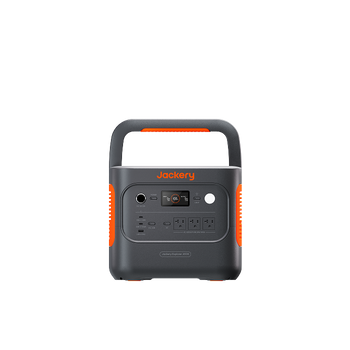
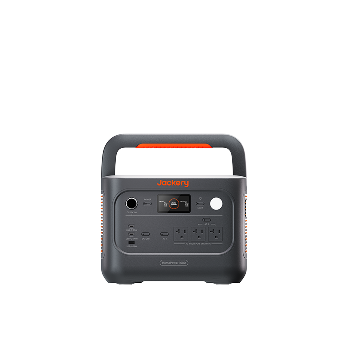
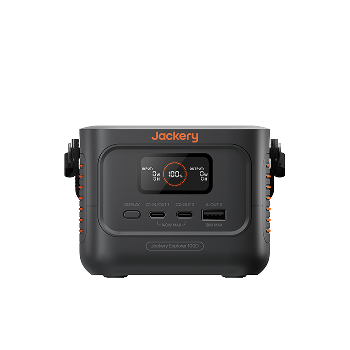
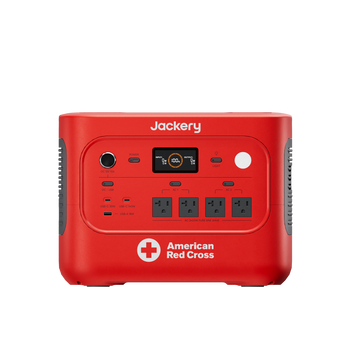
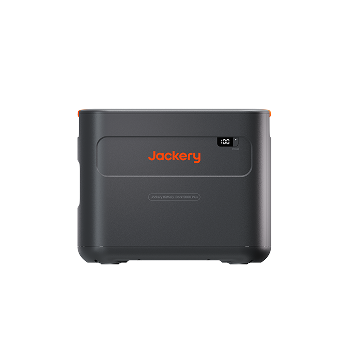
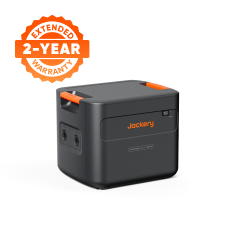
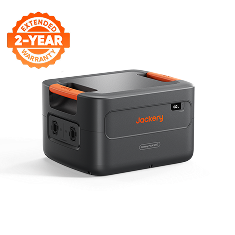
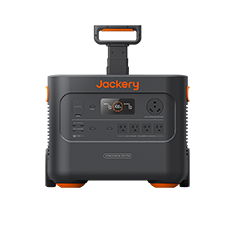
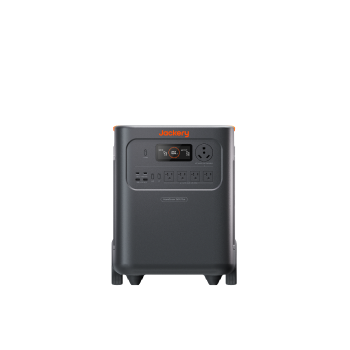
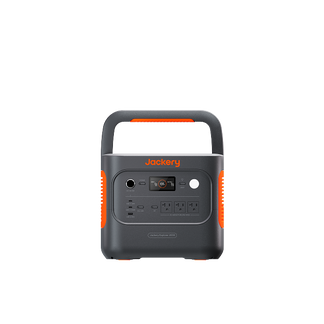
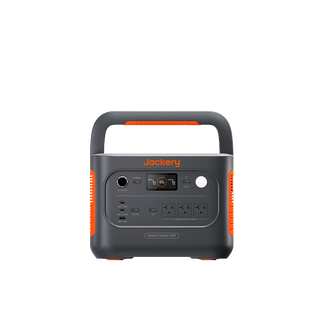
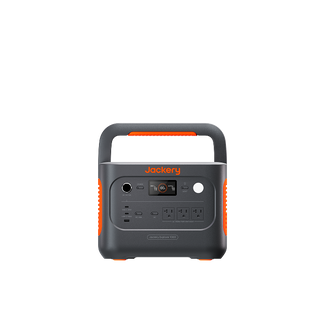
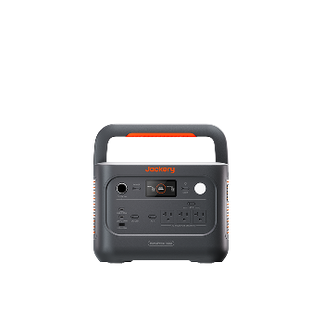
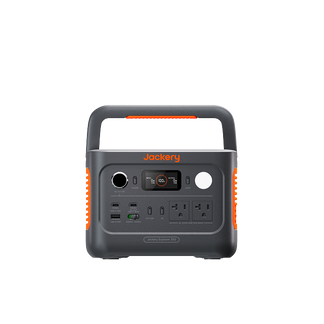
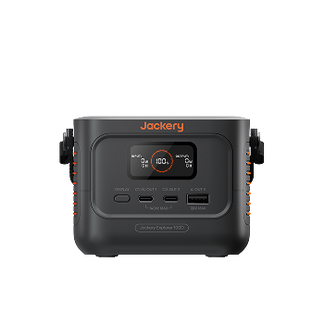
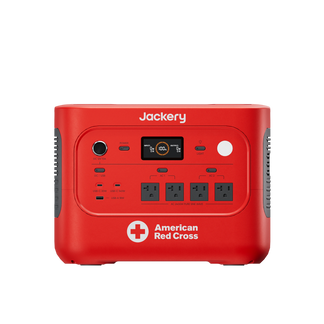
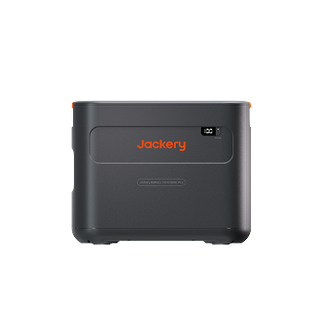
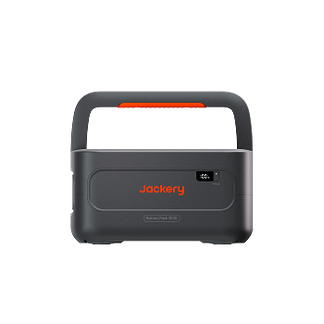
Jackery HomePower 1000 Plus v2
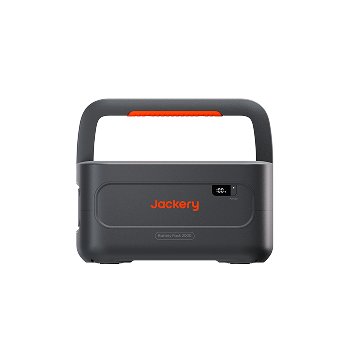
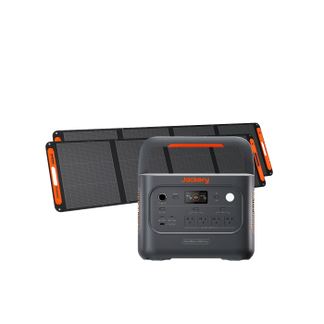
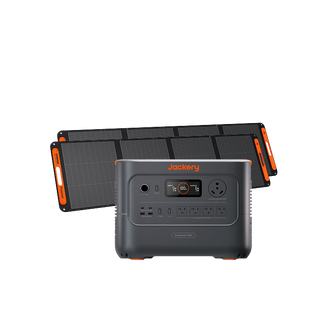
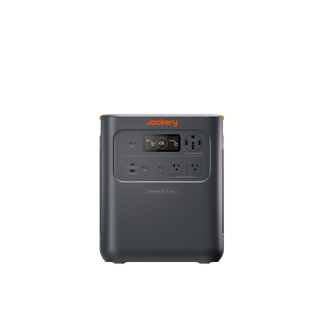
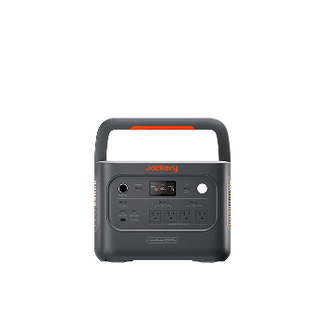
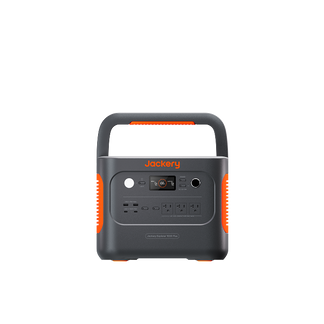
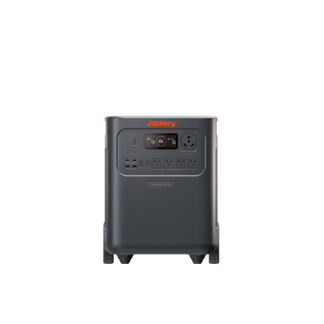
The Jackery HomePower 1000 Plus v2 suits weekend campers who want reliable power without the noise and fumes of a gas generator. It stores 1,024Wh in long-lasting LiFePO4 cells and runs quietly, so it will not bother your neighbors in a state park loop where generators are restricted during quiet hours.
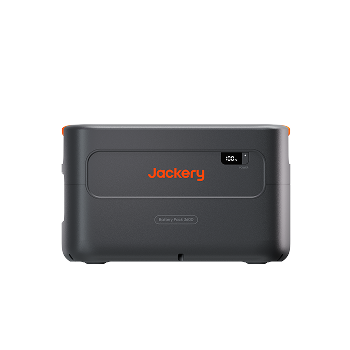
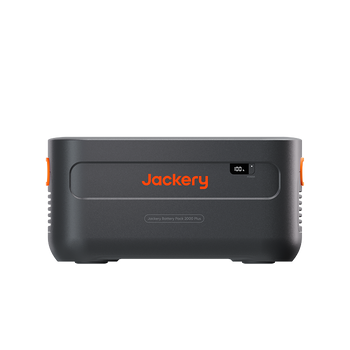
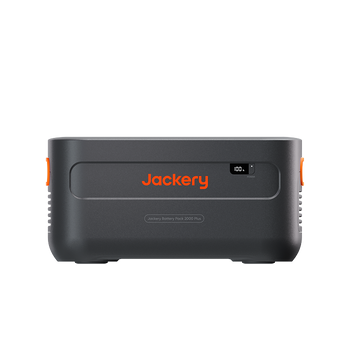
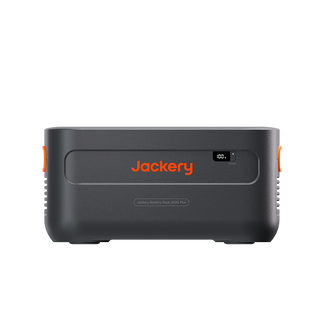
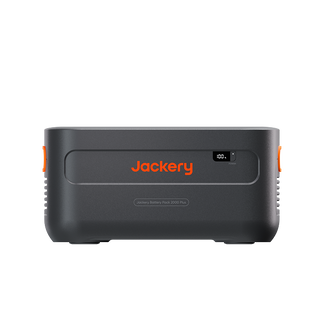
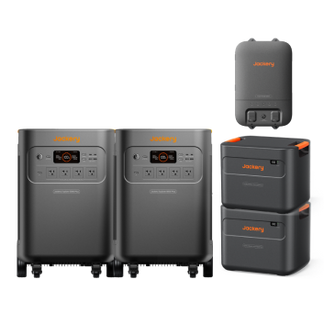
With 1,800W of rated output (3,600W peak) across four AC outlets, it can run a coffee maker, an electric cooler, a portable fan, camp lights, and phone or camera chargers. Planning a longer trip? You can add Battery Pack 2000 Plus v2 units to expand the system up to about 11kWh.
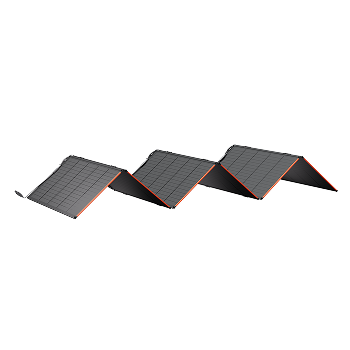
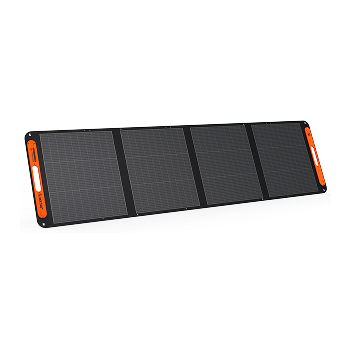
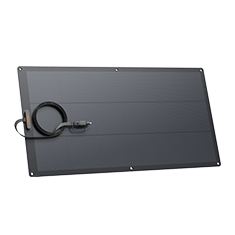
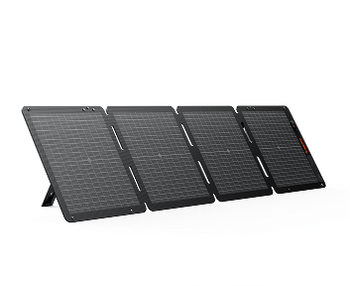
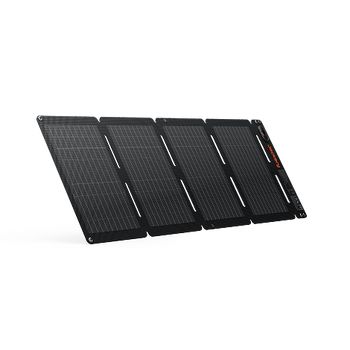
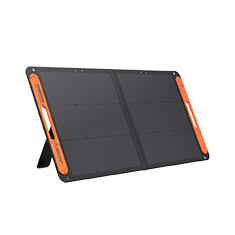
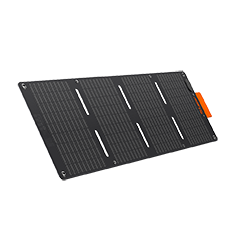
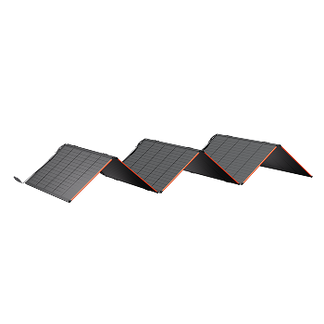
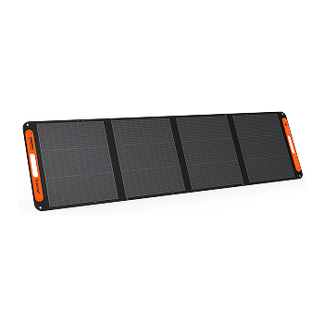
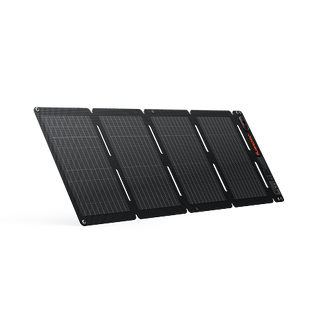
Bundled with a SolarSaga 200W solar panel as a solar generator, it can top up from Texas sunshine during the day, which is especially handy at primitive and walk-in sites like those at Colorado Bend or Enchanted Rock, where there are no electric hookups.

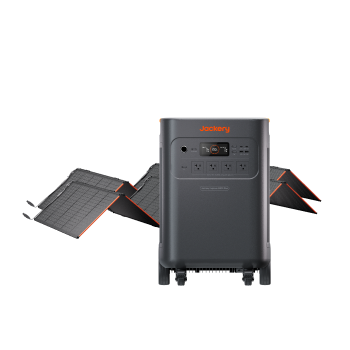
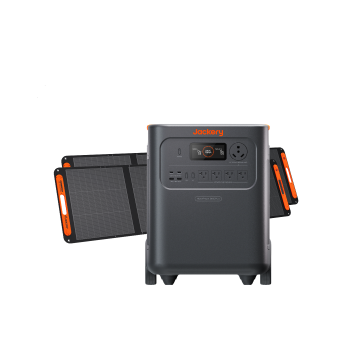
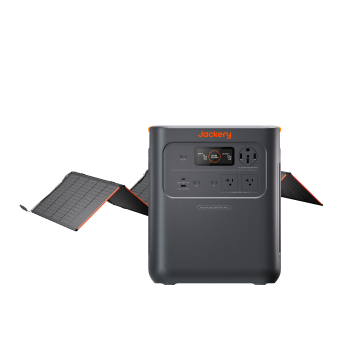
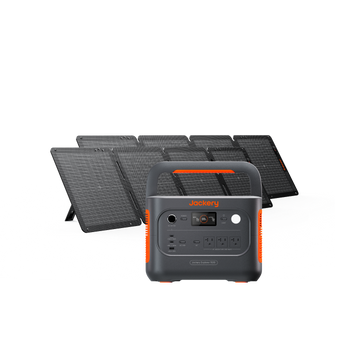
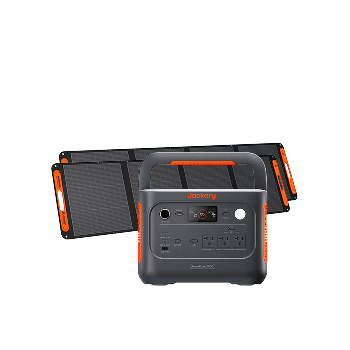
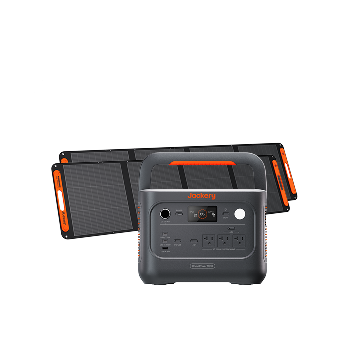
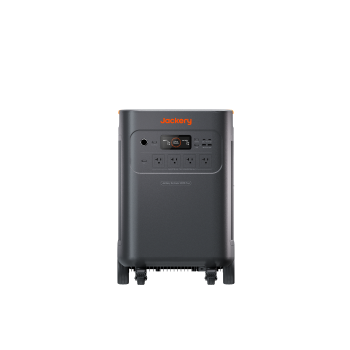
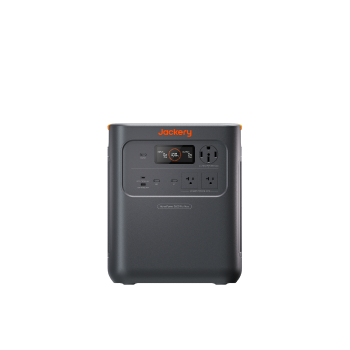
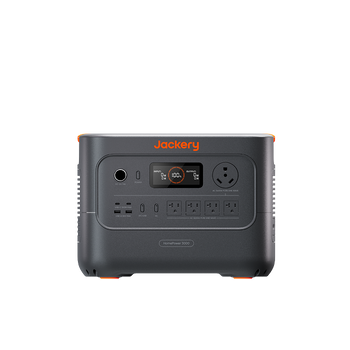
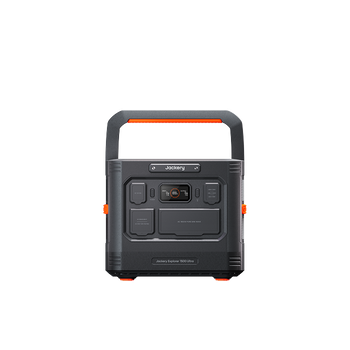
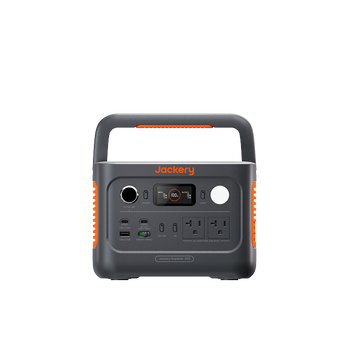
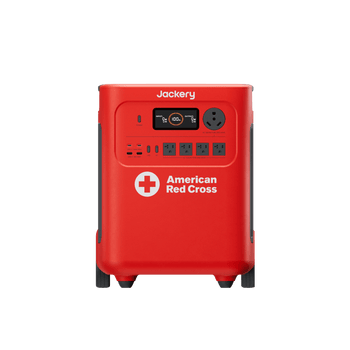
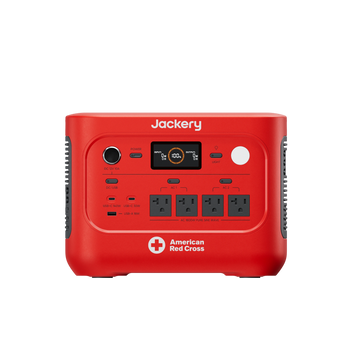
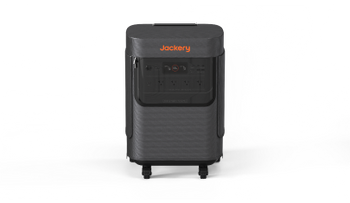
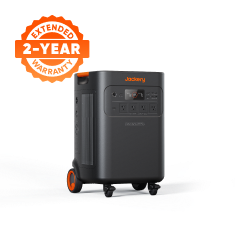
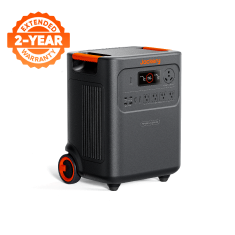
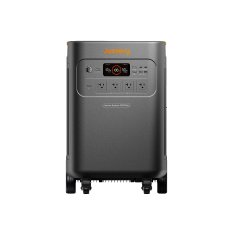
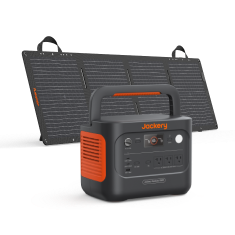
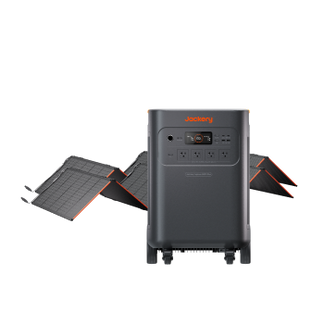
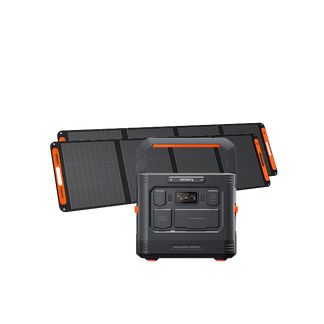
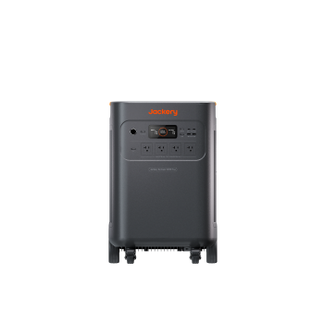
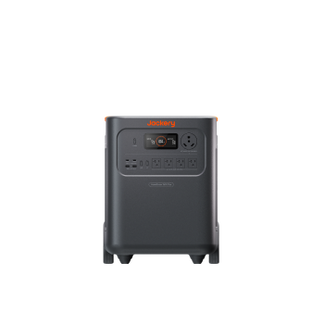
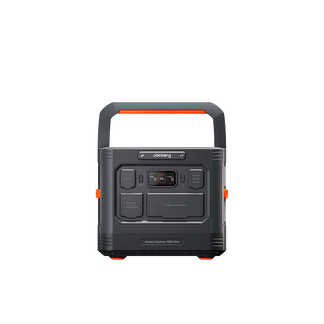
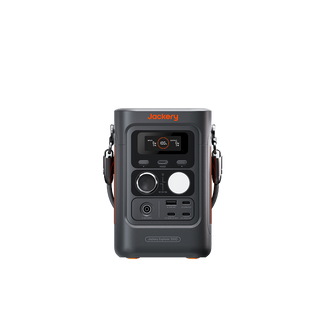
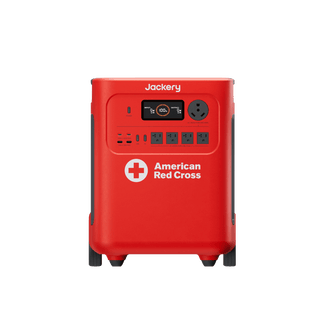
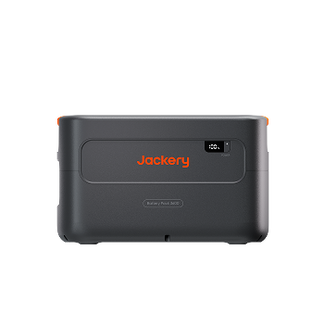
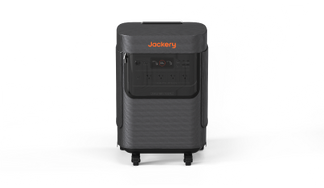
Jackery HomePower 2000 Plus v2
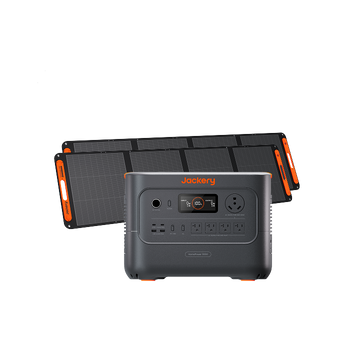
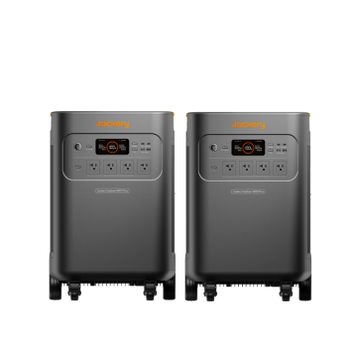
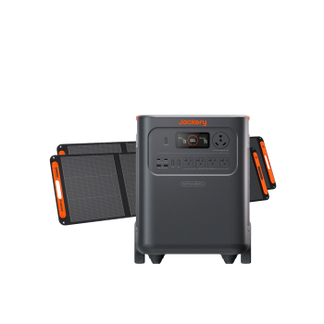
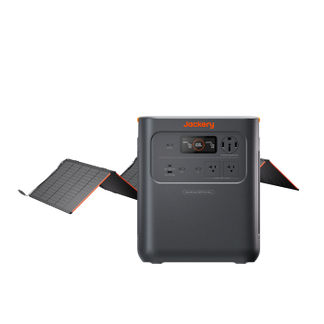
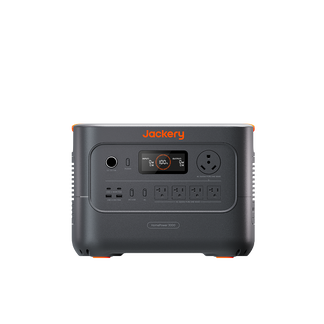
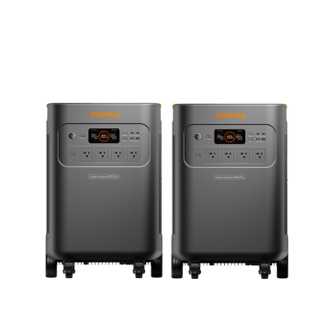
For RV campers or families on longer stays, the Jackery HomePower 2000 Plus v2 steps up to 2,048Wh of capacity and 2,400W of continuous output (4,800W surge). At about 41 lbs, it is 21 lbs lighter than its predecessor, so moving it between the truck and the campsite is manageable for most people.
You can expand it up to 12kWh with Battery Pack 2000 Plus v2 units, which helps when you are dry camping for several days somewhere remote like Big Bend. It recharges from a wall outlet, solar panels, or your vehicle, and pairs well with two SolarSaga 200W panels for off-grid charging.
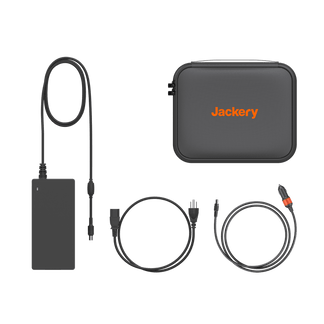
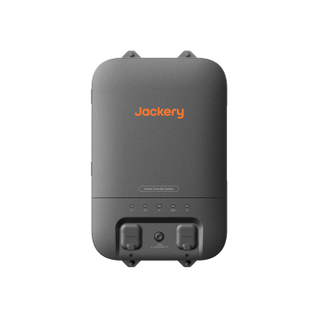
HP 2000 Plus v2 features a solid and long-lasting LiFePO4 battery and a self-developed BMS that provides additional protection. Furthermore, the power station is designed to withstand high temperatures by utilizing ChargeShield technology, which ensures optimal and reliable cell performance, even in demanding circumstances.

Best Tips on Camping in Texas: What to Look Out For and Rules to Follow
Camping in any Texas State Park or natural reserve should be an enjoyable experience, but things can go south in a hurry. Therefore, you, as an adventurer, must follow some rules and practices to avoid any inconveniences or accidents.
- Keep an eye on the kids! Your children's security is your responsibility. Make sure you are aware of where and what they are doing.
- You are a guest in the habitat of local wildlife. Keep your distance from animals because, despite having a cute appearance, they are dangerous and can spread disease quickly. Also, be mindful of your surroundings. Plants with thorns or stingers may be present.
- Be cautious of fire. Always make sure your campfire is extinguished before breaking camp, and never leave it unattended. Be sure you know how to use axes, knives, and saws before using them.
- Consider the other campers. Reduce the volume of your noise, especially at night. Keep the area tidy. Take out your trash, and look for any objects you might have left behind.
- Check for burn bans before lighting a fire. Many Texas counties issue burn bans in dry, windy weather, and some parks prohibit wood and charcoal fires entirely. Ask at check-in and use a camp stove if fires are not allowed.
- Take flash floods seriously. Canyons, low-water crossings, and riverside sites can flood quickly after heavy rain, even when it is not raining where you are. Never drive through flooded roads, and move to higher ground when storms are forecast.
- Watch for snakes, fire ants, and other wildlife. Rattlesnakes, copperheads, and cottonmouths live across much of Texas, fire ant mounds are common in grassy areas, Caddo Lake has alligators, and Big Bend has black bears. Wear closed shoes, use a flashlight after dark, and store food securely.
- Plan for the heat. From late spring to early fall, temperatures in much of Texas can top 100°F. Camp near water or in the shade, drink more water than you think you need, and save strenuous hikes for early morning.
With these precautions, you may want to follow the golden camping rules. The 2-2-2 rule is a popular guideline for RV travel and road trips rather than a state-specific law in Texas.
- Drive a maximum of 200 miles per day (roughly 3 to 4 hours on the road) to reduce driver fatigue and lower fuel costs.
- Arrive at the site by 2:00 PM to ensure plenty of daylight for checking in, maneuvering, and setting up camp safely.
- Stay at least 2 nights at each location to enjoy a genuine rest day without having to pack up, hitch, and move every morning.
FAQs of Camping in Texas
Which is the most beautiful state park in Texas?
Palo Duro Canyon State Park is one of the most beautiful campgrounds in Texas. This massive 28,000-acre red-rock canyon in the Panhandle features 800-foot cliffs and iconic formations like Lighthouse Rock.
What are some of the prettiest places to camp in Texas?
Colorado Bend State Park, Big Thicket National Reserve, Padre Island National Seashore, Enchanted Rock State Natural Area, and Garner State Park are some of the prettiest places to camp in Texas, where you can do many activities like swimming, hiking, and more.
What is the best RV resort in Texas?
There is no single consensus choice for the best RV resort in Texas, as top-rated destinations vary by region, scenery, and whether you prefer the coast, the Hill Country, or family-friendly water parks. Some of the best ones are El Campo Lost Lagoon, Gulf Waters Beach Front RV Resort, and Horseshoe Ridge RV Resort, which offers spacious full hookups, an on-site cafe, a swimming pool, private tiki palapas, fiber WiFi, and valley views.
What is the most visited park in Texas?
Garner State Park is the most visited state park in Texas. It welcomed 455,606 visitors in 2025 who enjoyed swimming, camping, and an extensive greenbelt trail network.
Where in Texas can I camp for free?
95% of Texas is private property. You can camp for free, but this depends on your preference: beach boondocking (perfect for both tents and RVs) and municipal city parks (heavily catered to RVs with free hookups). Some options are Magnolia Beach City Park, Padre Island National Seashore, Bolivar Flats Dispersed Camping, Ray and Donna West Free RV Park, and Hereford City RV Park.
Final Say
Texas is a melting pot of different tastes and a popular destination for campers and vacationers. When you are here, there is something to do every day. The best part about visiting State Parks and natural areas here is that almost all of them have excellent camping and accommodation options.
Along with other camping tips, one key point is using a portable power generator to charge all your devices outdoors. For this, the Jackery Solar Generator is an obvious choice for campers, RVs, or as a backup power source in case your electricity goes out.


