

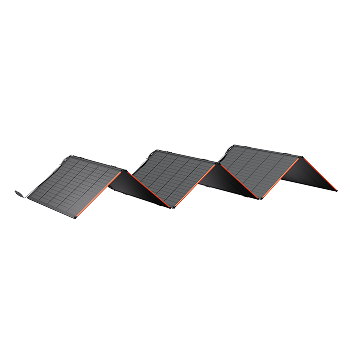
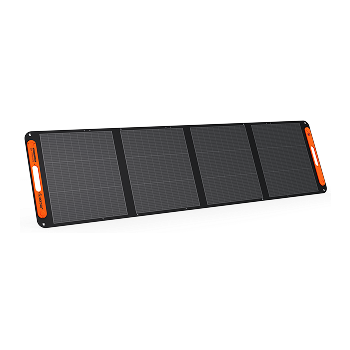




















































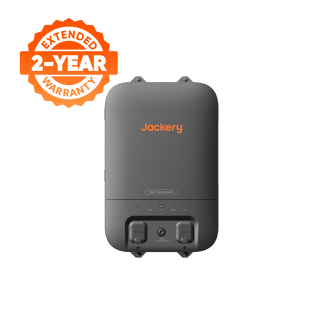
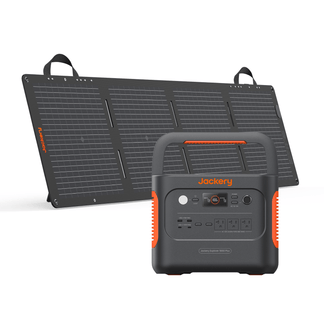
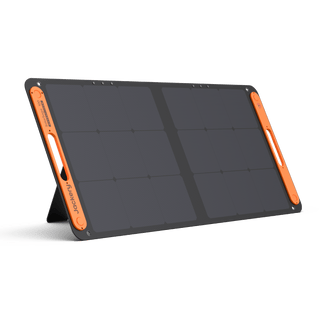
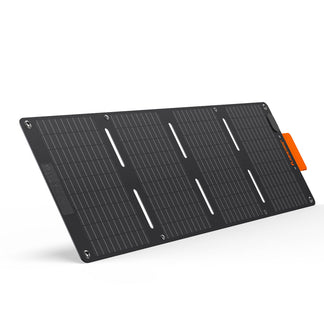
![[Add-on] Jackery SolarSaga 500 X - Jackery](http://www.jackery.com/cdn/shop/files/add-on-jackery-solarsaga-500-x-1493607.webp?v=1786503068&width=324)
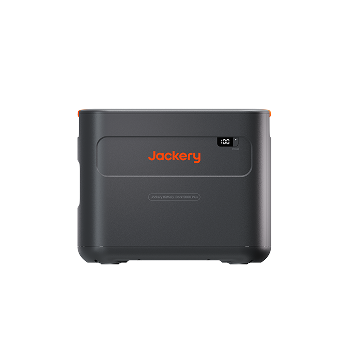
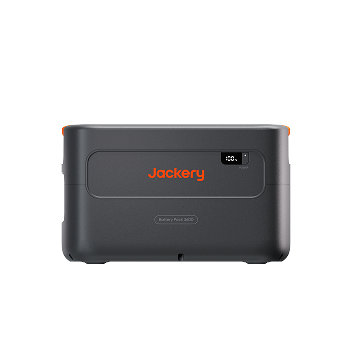
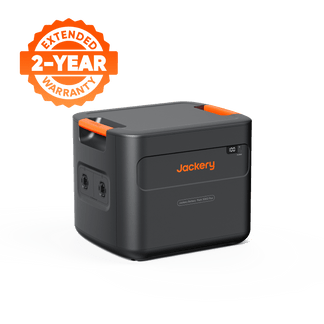
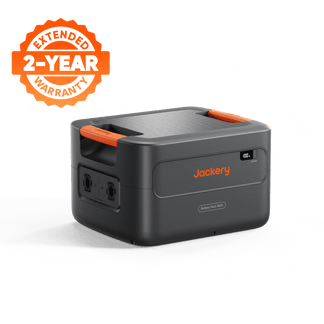
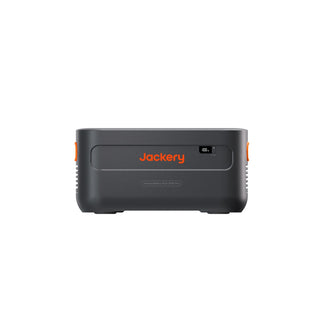
![[Add-on] Jackery Battery Pack 5000 Plus - Jackery](http://www.jackery.com/cdn/shop/files/add-on-jackery-battery-pack-5000-plus-6713401.webp?v=1786503068&width=324)










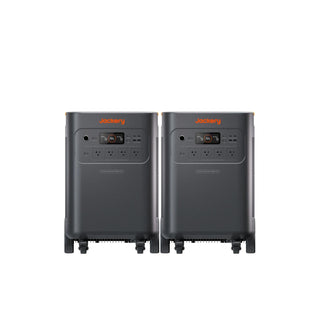
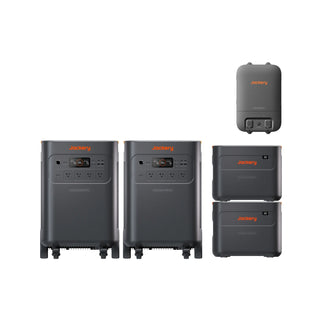
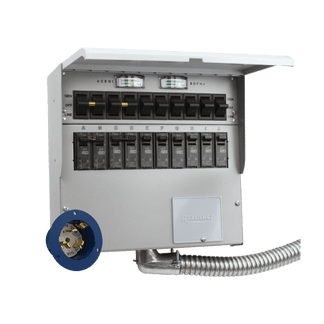


A window air conditioner's power draw scales directly with the unit's cooling capacity. A small window unit sized for a bedroom might pull around 500 watts, while a large unit cooling a bigger living space can climb past 1,440 watts. Anything in between depends on the BTU rating stamped on the unit and how efficiently it converts that rating into cooled air.
Knowing that number matters for two practical reasons. First, it's the only way to accurately predict what running an AC all summer will actually add to a power bill. Second, it's the number that determines whether a portable power station or backup generator can handle the load at all, which becomes critical the moment a heat wave coincides with a grid outage.
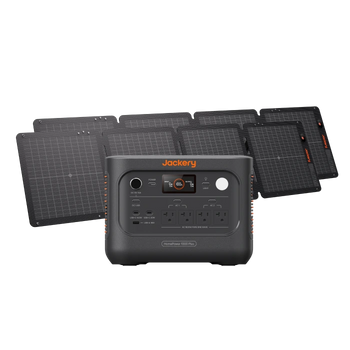
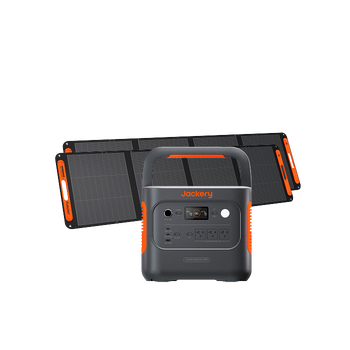
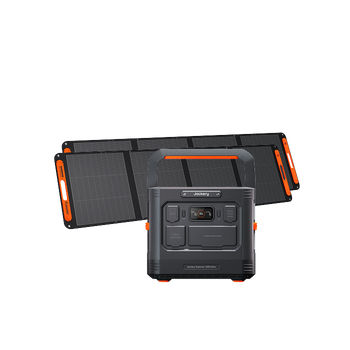
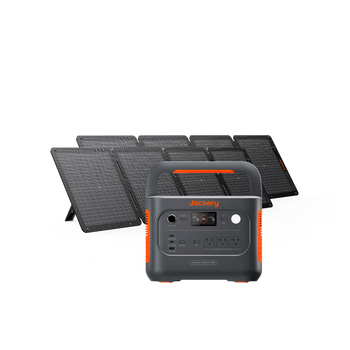
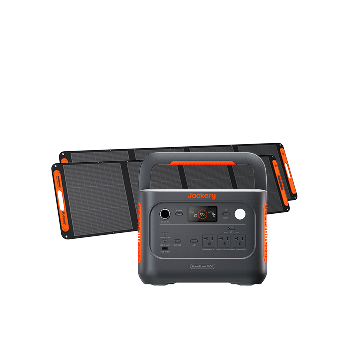
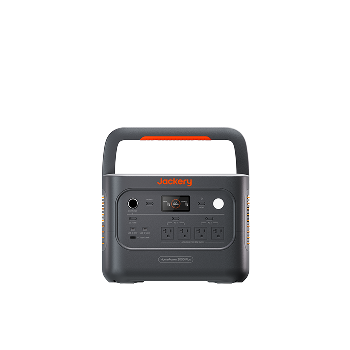
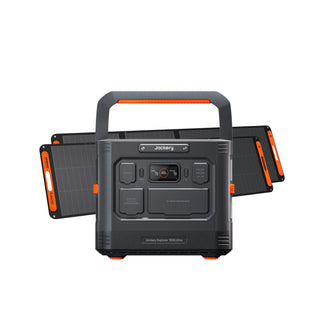
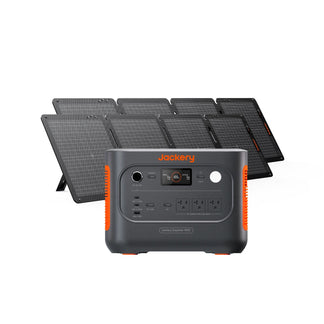
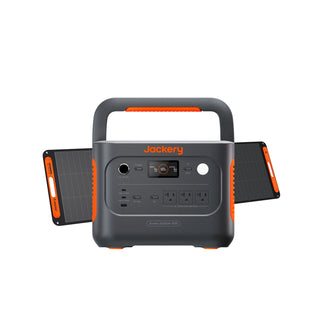
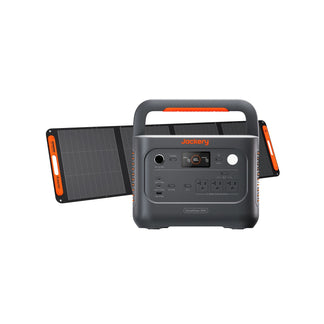
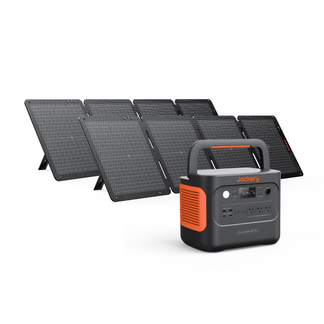
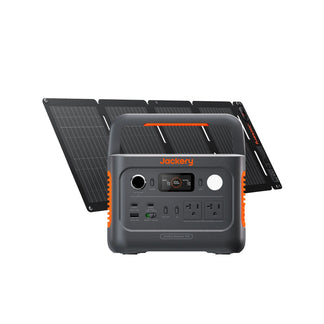
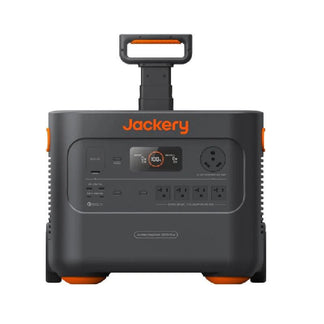
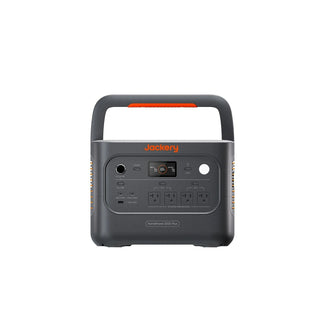
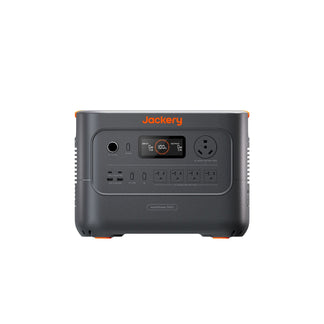
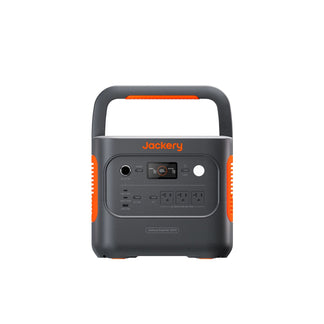
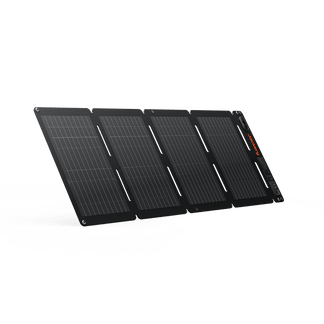
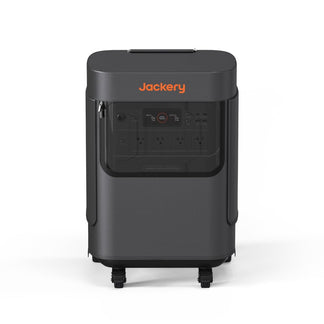
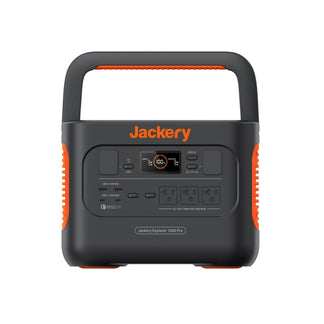
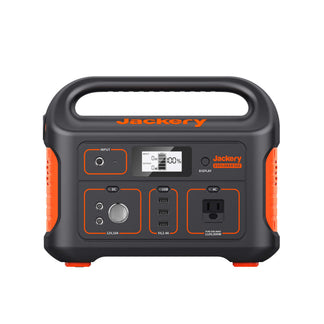
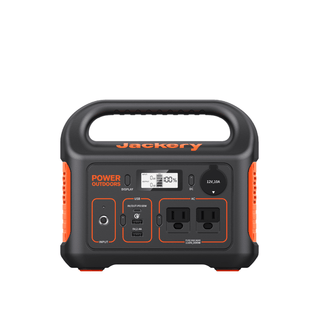
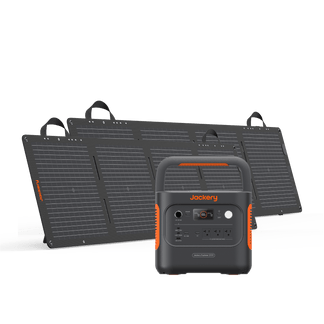
Jackery Solar Generators are reliable home battery backup solutions that can power essential appliances, such as window ACs, refrigerators, fans, etc. These solar generators can reduce the dependency on the grid and keep appliances powered during outdoor adventures.
Key Takeaways
- Window AC wattage depends primarily on BTU rating and Energy Efficiency Ratio (EER).
- A small window AC (5,000-6,000 BTU) draws about 500-600W. A mid-size AC unit (10,000-12,000 BTU) draws 900-1,200W, whereas a large unit (14,000-18,000 BTU) draws 1,400-1,800W.
- Running an average window AC for 8 hours a day typically adds somewhere between $15 and $45 to a monthly electricity bill, depending on unit size and local rates.
- Startup surge for ACs can briefly spike to 2-3 times the running wattage, which matters when sizing any backup power source.
- A properly sized Jackery Solar Generator can keep a window AC running for anywhere from long hours to days on a single charge, depending on the model's capacity.
Understanding BTU, EER, Watts, and Watt-Hours for Window ACs
Air conditioner spec sheets mix cooling terminology with electrical terminology, and the two aren't interchangeable without a conversion step. Here's what each term actually measures.
BTU (British Thermal Unit): It measures cooling output rather than electricity use. Specifically, it's the amount of heat required to raise one pound of water by one degree Fahrenheit. And for air conditioners, the BTU/hour rating describes how much heat the unit can remove from a room every hour.
EER (Energy Efficiency Ratio): It measures how much cooling output a unit delivers per watt of electricity consumed. A higher EER means the same cooling performance for less power. Most modern window units fall in the 8-15 EER range, and from January 2023, newer models are rated under the updated EER2 standard, which uses slightly stricter test conditions.
Watts: It measures the actual rate of electricity consumption. It is the number that determines both the electric bill and whether a power source can run the unit at all.
Watt-hours (Wh): It measures stored energy rather than a rate of draw, which is the spec used to size any battery or power station capacity.
Converting BTU to Watts
BTU to watt conversion is done through a formula. BTU/hour to Watts can be calculated by multiplying the BTU/hr by 0.293.
1 BTU/hour = 0.293 Watts
Note: This BTU/hour to watts conversion formula is constant and is not affected by any external factors. However, one thing to keep in mind is that the wattage calculated by the formula represents the cooling output in watts, not the actual power consumption.
If you know the BTU/hour of the AC, you can calculate the actual power consumption by taking into account the AC’s EER or SEER efficiency rating. According to the US Department of Energy, the formula is:
Watts (Consumed) = BTU/hour ➗EER
Example:
How many watts are in 24,000 BTU/hour with an EER rating of 10?
Watts (Consumed) = BTU/hour ➗EER = 24,000 BTU/hour ➗10 = 2,400 watts
Let's take another example where we will convert 8000 BTU/hour to watts:
Watts (Consumed) = BTU/hour ➗EER = 8,000 BTU/hour ➗10 = 800 watts
How Many Watts Does a Window AC Use by Size?
A window air conditioner's power draw scales directly with its cooling capacity, typically falling between 400 and 2,500 watts. Small window units (5,000 BTU) generally pull around 400 to 1,200 watts, while mid-size units (8,000-10,000 BTU) draw between 800 and 1,500 watts. For large units cooling significant living spaces (12,000-24,000 BTU), electricity consumption can climb from 1,400 to over 2,500 watts.
|
BTU/Hour Rating |
Estimated Watts (EER 10) |
Typical Room Size |
Daily Use (8 hrs) in Watt-Hours |
|
5,000 |
500W |
Up to 150 sq ft |
4,000Wh |
|
6,000 |
600W |
150-250 sq ft |
4,800Wh |
|
8,000 |
800W |
250-350 sq ft |
6,400Wh |
|
10,000 |
1,000W |
350-450 sq ft |
8,000Wh |
|
12,000 |
1,200W |
450-550 sq ft |
9,600Wh |
|
14,000 |
1,400W |
550-700 sq ft |
11,200Wh |
|
18,000 |
1,800W |
700-1,000 sq ft |
14,400Wh |
Most modern residential units fall somewhere between an EER of 8 and 12. A higher number in that range means the AC unit is squeezing more cooling out of the same wattage. The table above uses an EER of 10 as a representative middle ground.
What a Window AC Actually Costs to Run
Using a national average residential rate of roughly 18.83 cents per kWh, here's what different unit sizes cost to run for a typical 8-hour daily stretch during summer.
|
Unit Size |
Daily Cost |
Monthly Cost (30 days) |
Cost per Cooling Season (~4 months) |
|
Small (600W) |
$0.90 |
$27.00 |
$108.00 |
|
Medium (1,000W) |
$1.50 |
$45.00 |
$180.00 |
|
Large (1,800W) |
$2.71 |
$81.30 |
$325.20 |
The actual cost to run an air conditioner varies with local electricity rates, thermostat setting, insulation quality, and how often the compressor cycles on and off rather than running continuously. A well-insulated room with a properly sized unit will spend meaningfully less time at full compressor draw than an undersized unit straining to cool an oversized space.
For more information, you can check out our detailed guide: How Much Does It Cost to Run a Window AC.
What Size Generator or Power Station Do You Need?
Sizing backup power for a window AC comes down to two separate numbers: the unit's running wattage and its startup surge. Compressor-driven appliances like air conditioners need a brief jolt of extra power to get the motor spinning, typically 2 to 3 times the running wattage for a fraction of a second, before settling into steady draw.
As a rough guide:
- A 500-700W generator or power station with adequate surge headroom can run a small window AC.
- A 1,000-1,500W AC unit comfortably covers small to mid-size window ACs.
- A 2,000W+ unit is recommended for large window ACs or for running an AC alongside other appliances simultaneously.
Traditional gas generators can do this job, but they come with fuel costs, exhaust fumes, and regular maintenance. A solar generator sidesteps all three: no fuel to store or replace, no emissions, and recharging comes from the sun or a standard wall outlet instead of a gas station run. The tradeoff is a higher upfront cost, offset over time by having effectively free electricity once the panels are paid off.
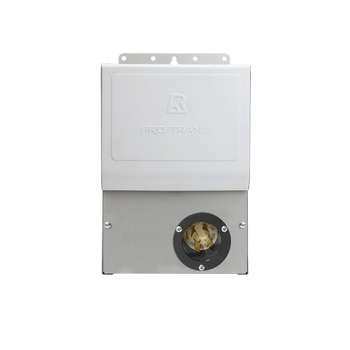
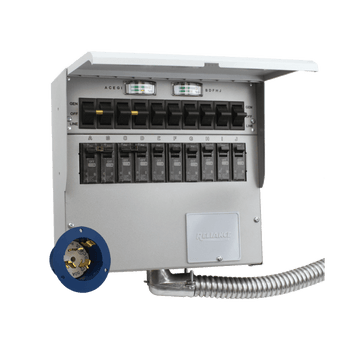
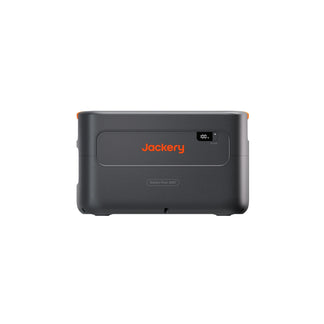
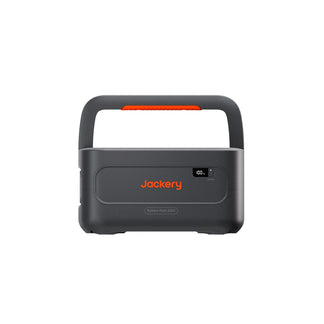
For Andrew Evans, a 60-year-old retired Canadian Army veteran who spent nearly three decades preparing for conditions most people never face, air conditioning is one of the essential comforts he's building toward as he expands his home power system. Andrew started with a Jackery Solar Generator 1000 v2 for RV camping, then scaled up to a Jackery Solar Generator 5000 Plus with an additional battery pack, with plans for a manual transfer switch that would let the system support core home essentials, including the furnace and air conditioning, alongside the fridge and freezer. Explore more such Jackery Stories to see how people use their solar battery backups at home or outdoors.
What Affects How Much Power a Window AC Actually Draws
The power a window air conditioner draws depends primarily on cooling capacity (BTU rating), thermostat settings, and outdoor temperature.
Thermostat Setting: An AC unit working to hit 65°F (18.33°C) on a 95°F (35°C) day runs its compressor far more continuously than one set to a more modest 74°F (23.33°C), directly increasing average draw over the course of a day.
Room Size vs. Unit Capacity: An undersized AC straining to cool a room larger than its rated capacity will run near-constantly, while a correctly sized or slightly oversized unit cycles on and off, lowering average consumption.
Outdoor Temperature: Compressors work harder as the temperature differential between outside air and the target indoor temperature grows, which is why the same AC draws noticeably more on a 100°F (37.77°C) day than on a 78°F (25.55°C) one.
Age and Maintenance: A unit with a dirty filter, low refrigerant, or worn components has to work harder to deliver the same cooling, pushing draw above its rated wattage over time.
Fan Speed and Mode: Running on a lower fan speed or in "eco" mode reduces draw somewhat, though the compressor accounts for the bulk of total wattage.
How to Lower Window AC Power Consumption
To lower the window AC power consumption, set your thermostat closer to the outdoor temperature, clean the air filters every two weeks, and run a ceiling fan alongside the unit. Here's how to reduce air conditioner power consumption:
- Set the thermostat a few degrees higher than the instinct suggests. Each degree closer to outdoor temperature meaningfully reduces compressor runtime.
- Use a programmable timer to avoid cooling an empty room during work hours or overnight when a lower setting will do.
- Seal gaps around the AC unit's install frame, since cool air leaking out (or hot air leaking in) forces the compressor to work harder to compensate.
- Clean or replace the air filter regularly, since a clogged filter restricts airflow and makes the AC unit run less efficiently.
- Pair the AC with a fan to circulate cooled air more evenly, allowing a slightly higher thermostat setting without a comfort tradeoff.
- Close blinds or curtains during peak sun hours to reduce the heat load the AC has to fight in the first place.
For more information, you can check out our guide: Can solar generator run a portable air conditioner.
Recommended Jackery Solar Generators for Window Air Conditioners
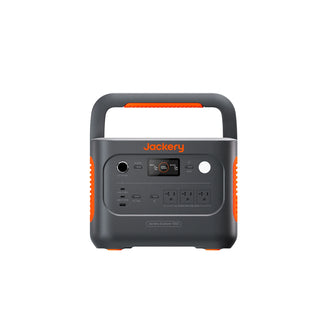
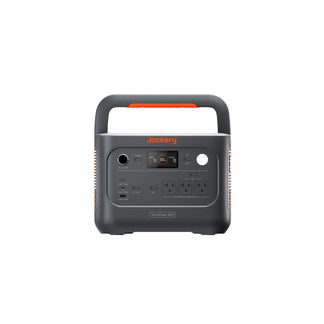
Jackery is a leading manufacturer of solar generators, solar panels, and portable power stations. The solar generators pair power stations and solar panels, so you can easily run household or outdoor appliances. The essential home backup solutions from Jackery feature large battery capacities to run heavy-duty appliances, such as air conditioners.
Portable AC units tend to draw slightly more power than a window unit of the same BTU rating, since venting hot exhaust air through a hose introduces some efficiency loss that a window unit's direct outdoor-facing design avoids. When a heat wave hits during a power outage, a portable power station can bridge the gap until the grid comes back or serve as an ongoing off-grid cooling solution for an RV, cabin, or workshop.
The three solar generators for ACs below scale from apartment-sized backup to essential home capability.
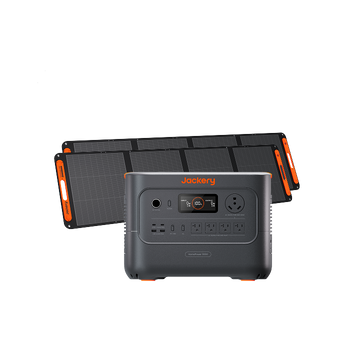
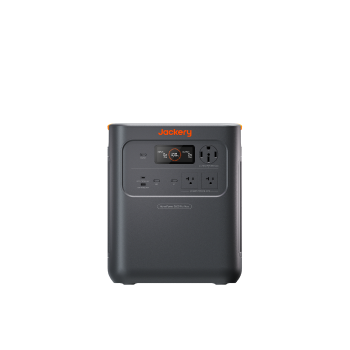
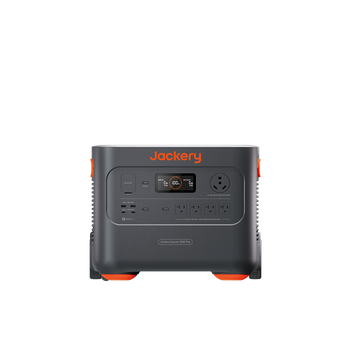
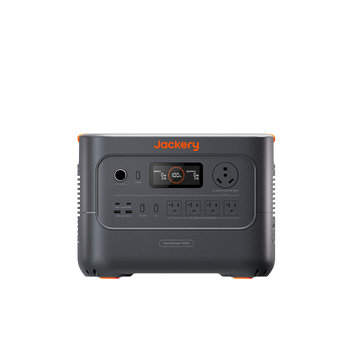
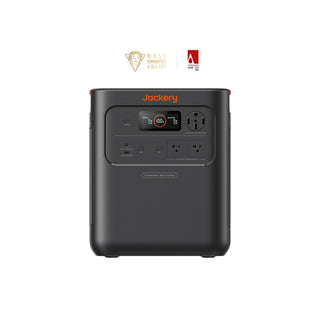
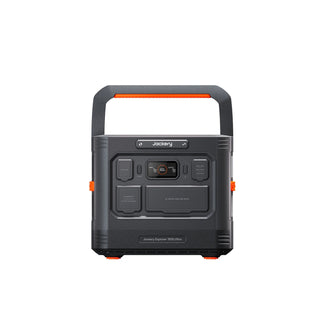
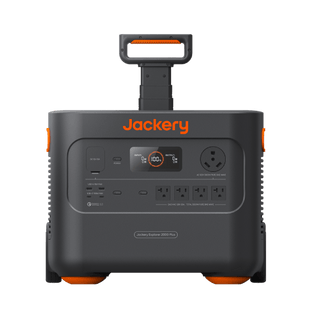
Jackery Solar Generator 2000 Plus
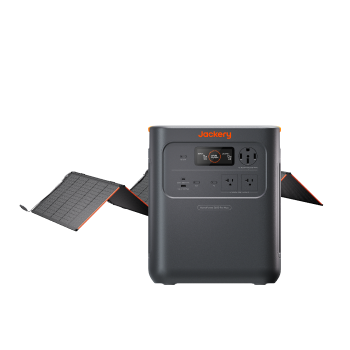
Summer power outages are especially rough when your AC shuts off with them, and this is where the Jackery Solar Generator 2000 Plus earns its value. It has enough capacity to run a small to mid-size window or portable AC unit for several hours, keeping at least one room cool and livable during a blackout. That makes it a smart choice for apartment dwellers, renters, or anyone who just needs to keep a bedroom or living room comfortable overnight. When this home battery backup is paired with solar panels, you can keep recharging it day after day, even if the outage drags on.
Appliances Running Time
- Small Window AC (600W) = 2.7H
- Large Window AC (1600W) = 1.0H
- Portable AC Unit (1000W) = 1.6H
- Swamp/Evaporative Cooler (300W) = 5.3H
- Portable Fan (100W) = 14.2H
Who Should Buy This
The Jackery Solar Generator 2000 Plus is ideal for homeowners who want a base unit for one room's AC now, with the option to expand capacity as needs grow.

Customer Review
We have frequent power outages which have been stressful and uncomfortable. With the Jackery solar generator providing energy during these outages, there is no worry about food spoiling in the refrigerator. We can run portable swamp coolers to beat the heat outside, as well as having some lights on or heat up some food, or water for coffee or tea.
— Jane T.
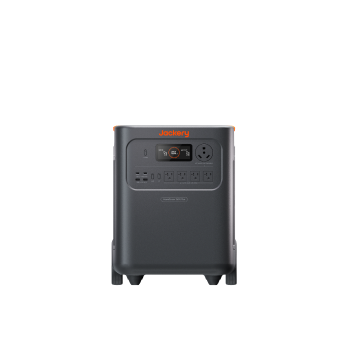
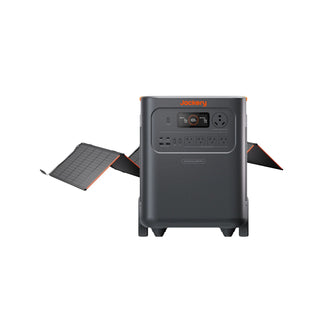
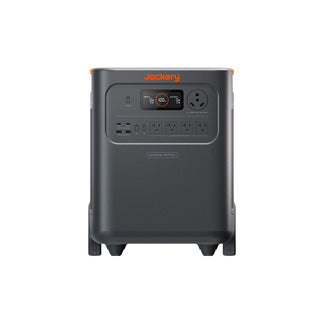
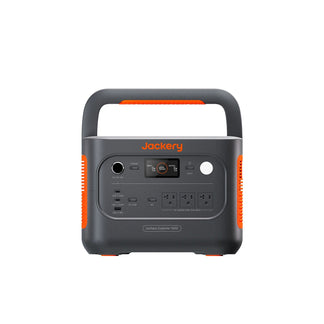
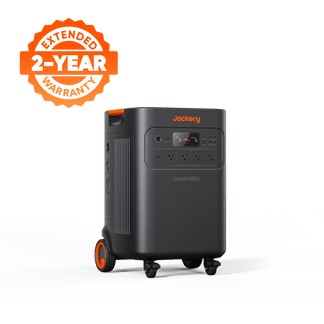
Jackery Solar Generator HomePower 3600 Plus
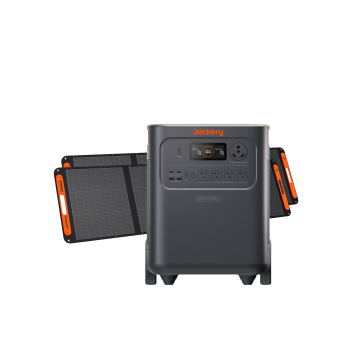
If you are a household that relies on central or multiple AC units to get through summer heat waves, the Jackery Solar Generator HomePower 3600 Plus offers a meaningful step up in cooling capacity. It can support a mid-size central air conditioner or run several room units simultaneously, alongside your fridge and other essentials, during extended outages. That makes it a strong fit for homeowners in hurricane- or storm-prone regions where power loss and high heat often hit together.
Appliances Running Time
- Small Window AC (600W) = 4.9H
- Large Window AC (1600W) = 1.9H
- Portable AC Unit (1000W) = 3.0H
- Swamp/Evaporative Cooler (300W) = 9.5H
- Portable Fan (100W) = 25.0H
Who Should Buy This
The Jackery Solar Generator HomePower 3600 Plus is ideal for households in hot climates that want to run a large window or through-wall AC continuously during multi-day outages.

Customer Review
Due to fire dangers the power company uses an auto shut off system. When its very hot and a problem is detected the power goes out. NO COOLING. The 3600 plus solved this problem so now I enjoy a fan, lighting and a good book during an outage. Very Nice!!
— Jeffrey L.
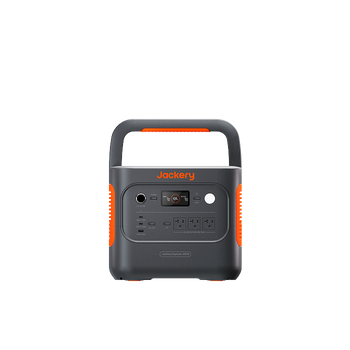
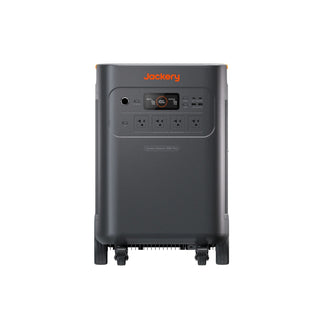
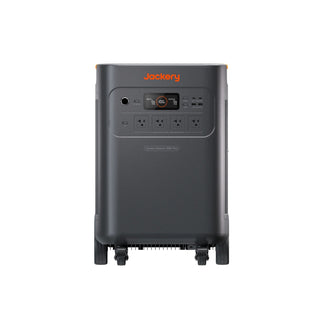
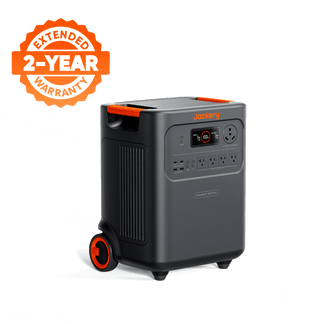
Jackery Solar Generator 5000 Plus
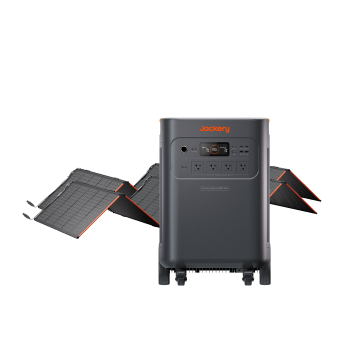
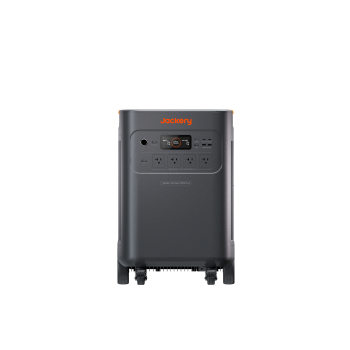
When the goal is keeping a full central AC system running through a multi-day outage, the Jackery Solar Generators 5000 Plus is built for that job. Its high output and large capacity make it capable of powering home air conditioning alongside other major appliances, so families don't have to choose between staying cool and keeping the fridge running. It's especially valuable in regions prone to hurricanes, wildfires, or grid instability, where extended summer outages put health and comfort at risk.
Appliances Running Time
- Small Window AC (600W) = 6.6H
- Large Window AC (1600W) = 2.6H
- Portable AC Unit (1000W) = 4.1H
- Swamp/Evaporative Cooler (300W) = 12.2H
- Portable Fan (100W) = 28.6H
Who Should Buy This
The Jackery Solar Generator 5000 Plus is suitable for households that want to run a large AC unit, a refrigerator, and other essentials together during extended summer outages.

Customer Review
We bought the jackery 5000 to use as a backup for our home power and in our travel trailer when camping off grid at dog shows. It has far exceeded our expectations, running our 8,000 BTU AC unit allowing us to camp worry free on hot days, and will also allow us to camp in colder weather and run our small electric heat system in the trailer.
— Kimberly I.
Frequently Asked Questions
Will a 2,000-watt generator run a window air conditioner?
Yes, a 2,000-watt generator comfortably handles small to large window AC units, as long as it also has enough surge capacity to cover the compressor's brief startup spike, typically 2-3 times the running wattage.
Can a 1,000-watt generator run a window AC?
A 1,000-watt generator can reliably run a small to mid-size window AC in the 500-700W range. Anything larger risks exceeding the generator's surge capacity at startup.
How many watts does a small window AC use?
A small window AC (5,000-6,000 BTU) typically draws 500-600 watts during normal operation, translating to roughly 4,000-4,800 watt-hours over an 8-hour day.
Does a window AC use more power on the highest cooling setting?
Yes. Running a compressor continuously at maximum cooling draws more power on average than cycling on and off at a moderate thermostat setting, since the compressor is responsible for most of the unit's total wattage.
Is it cheaper to run a window AC or a portable power station charged by solar?
Once a solar generator and panels are paid for, running an AC from stored solar energy has effectively no marginal electricity cost, compared to a monthly grid bill that scales with unit size and usage hours. The upfront investment is the main tradeoff to weigh against long-term savings.
Do window AC units use more electricity than central air conditioning?
Window units are often more efficient for cooling a single room, while central air is designed to cool an entire home at once and typically draws far more total wattage to do so.
Does a window AC use power even when it's turned off but plugged in?
Most units draw a small amount of standby power, typically under 5W, to keep the display, remote sensor, or timer functions active. It's minor compared to running wattage, but worth factoring in for units left plugged in year-round.
Can running a window AC on a power station damage it?
No, running a window AC on a power station does not damage it, as long as the power station's continuous output exceeds the AC's running wattage and it can absorb the compressor's startup surge.
Conclusion
Most window AC units land somewhere between 500W for a small bedroom unit and 1,800W for a large one. That number is the key to two practical decisions: estimating what a summer of cooling will add to an electricity bill, and sizing a backup power source that can actually handle both the running wattage and the compressor's startup surge. For anyone looking to keep an AC running through outages or off-grid, matching capacity to actual need avoids both underpowering the setup and overspending on capacity that never gets used. The Jackery Solar Generators are ideal solar battery backup solutions for powering appliances during multi-day heat waves and outages.


