









![[Add - on] Jackery Manual Transfer Switch for Explorer 5000 Plus - Jackery](http://www.jackery.com/cdn/shop/files/add-on-jackery-manual-transfer-switch-for-explorer-5000-plus-9017324.png?v=1754016782&width=170)
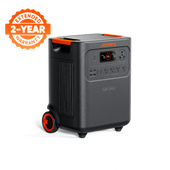
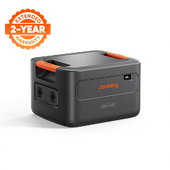
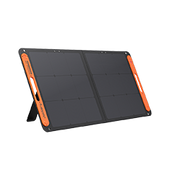
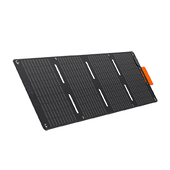
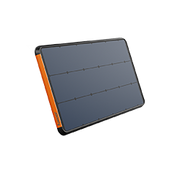
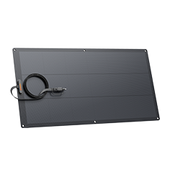
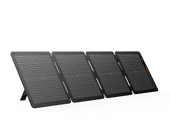




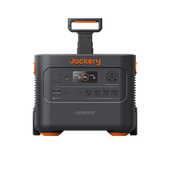
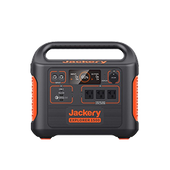
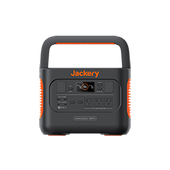
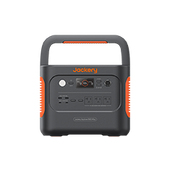
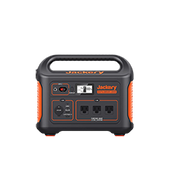
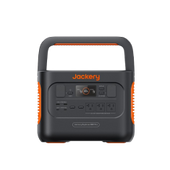
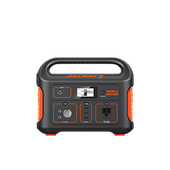

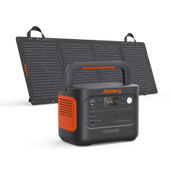
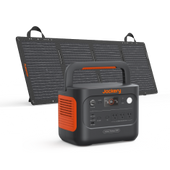
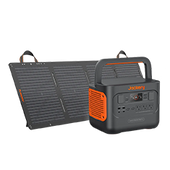

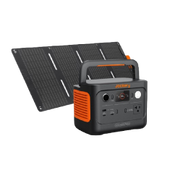
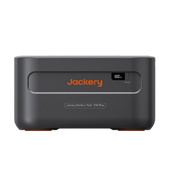
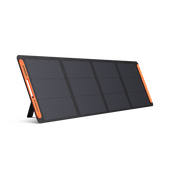
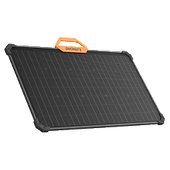


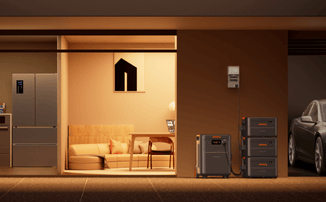
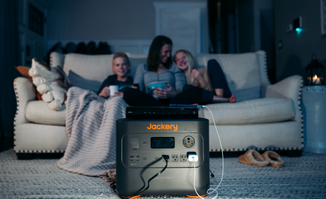
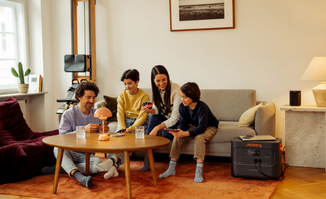
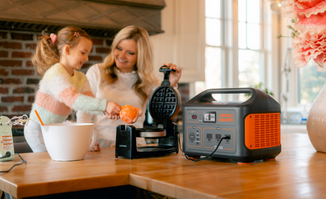
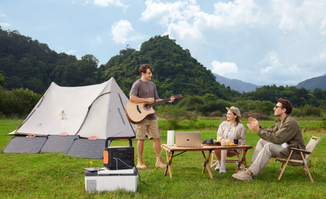
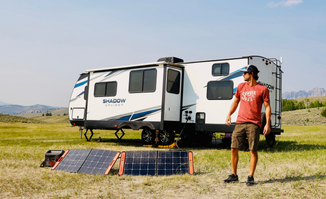

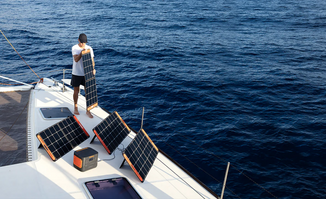
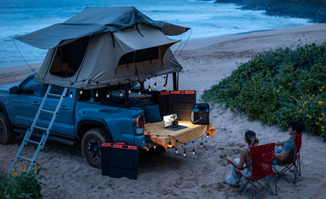
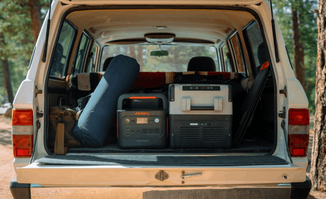

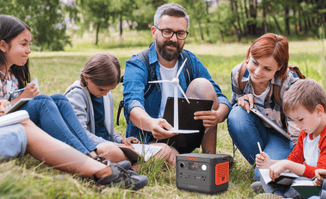
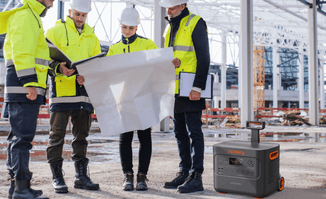

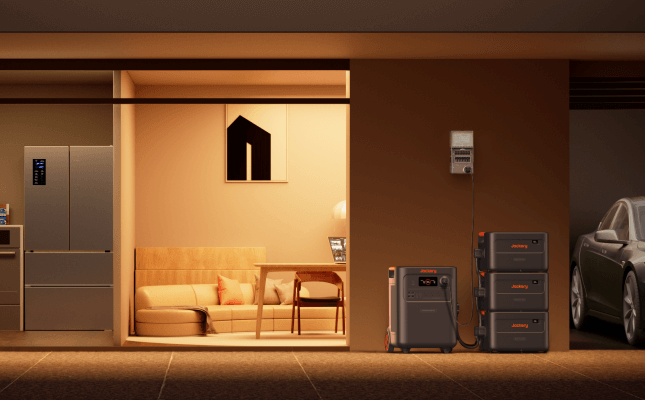
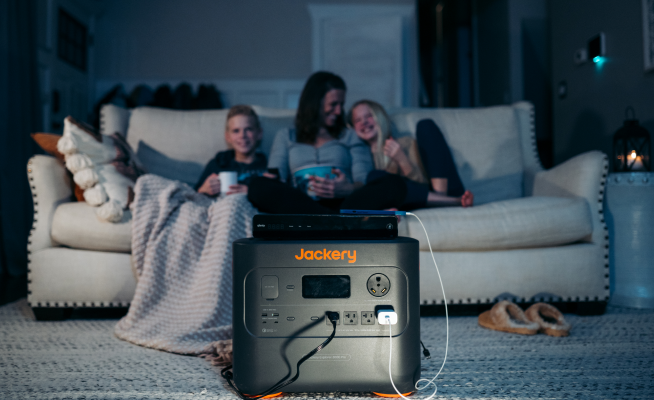
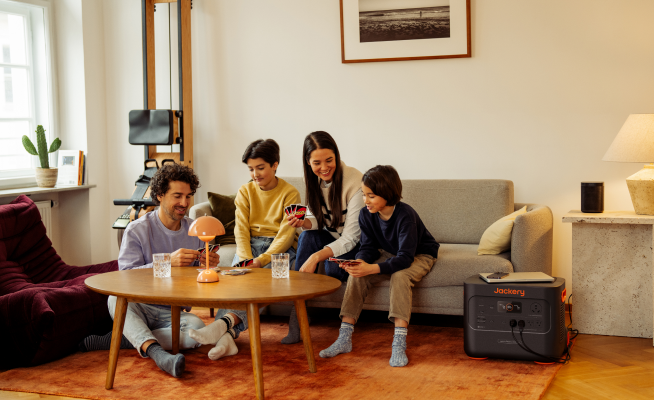
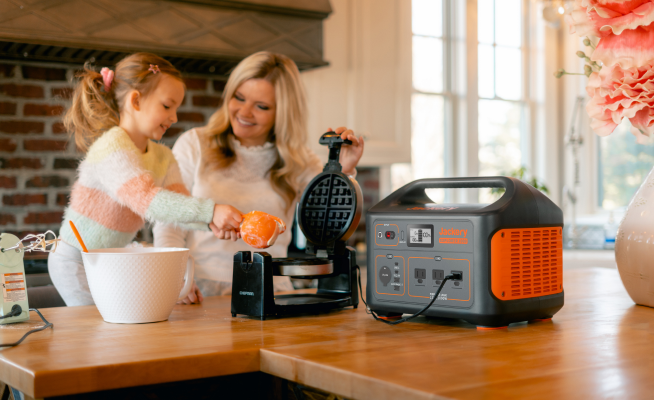
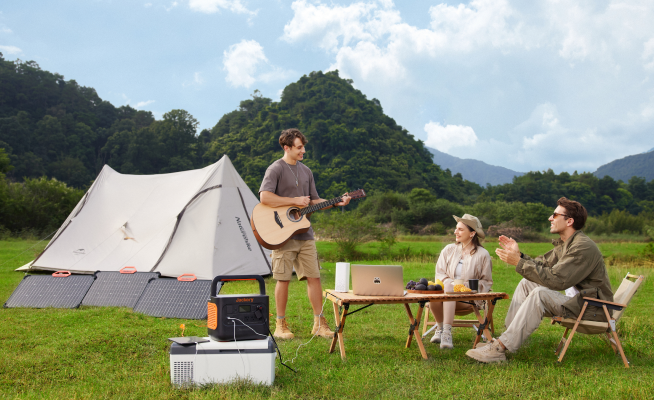
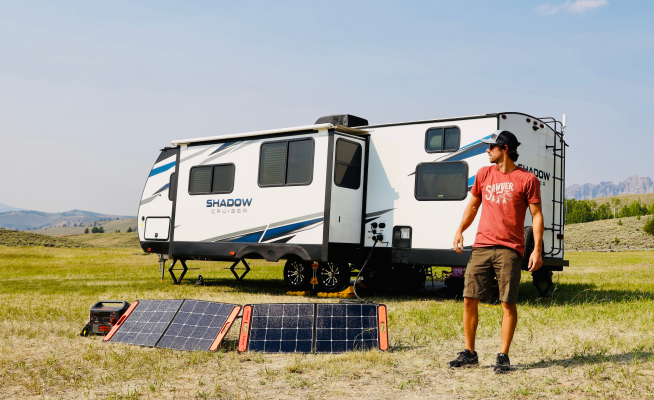

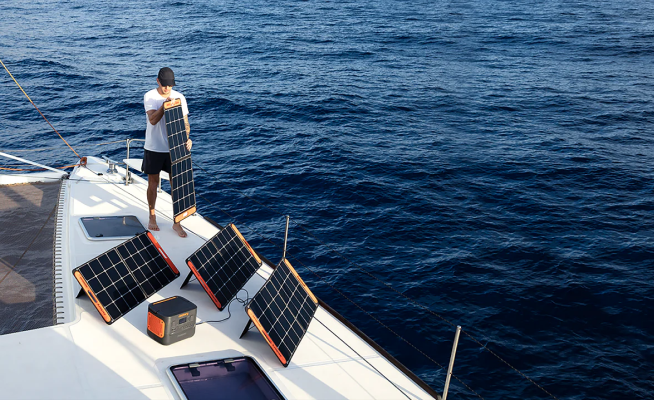
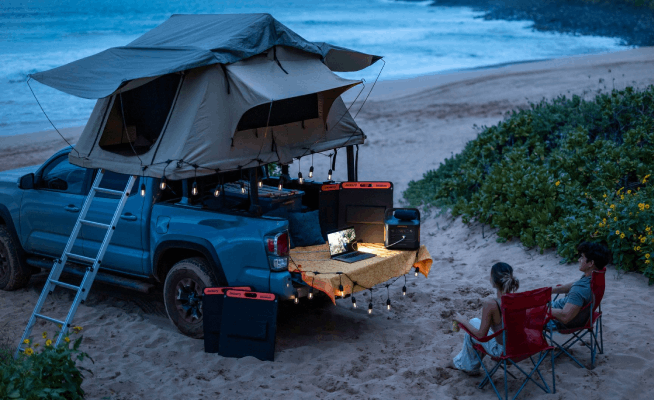
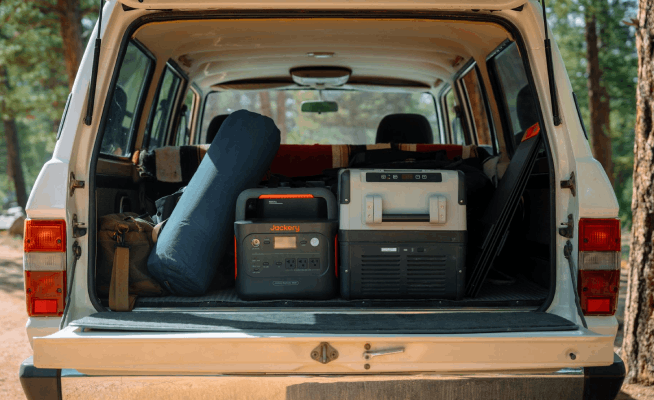
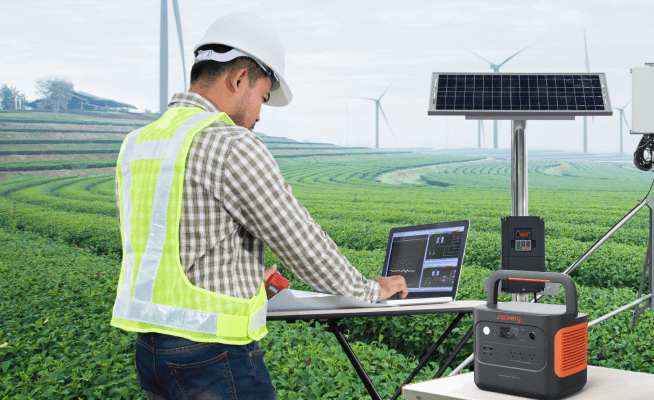
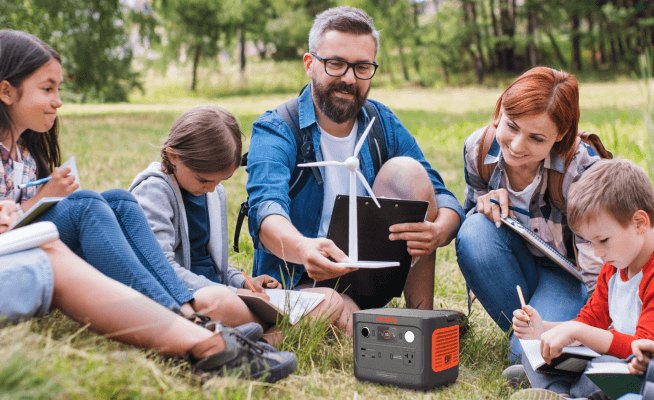
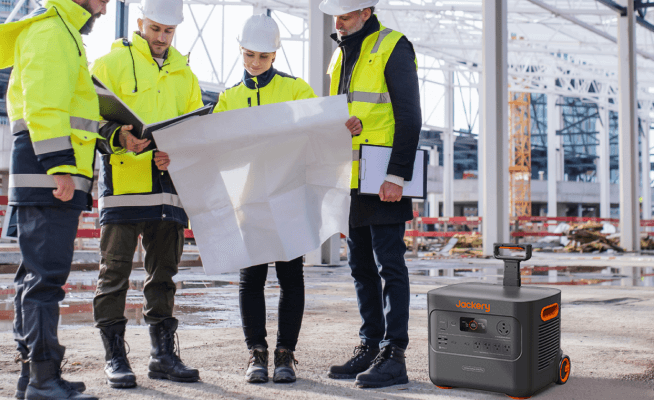






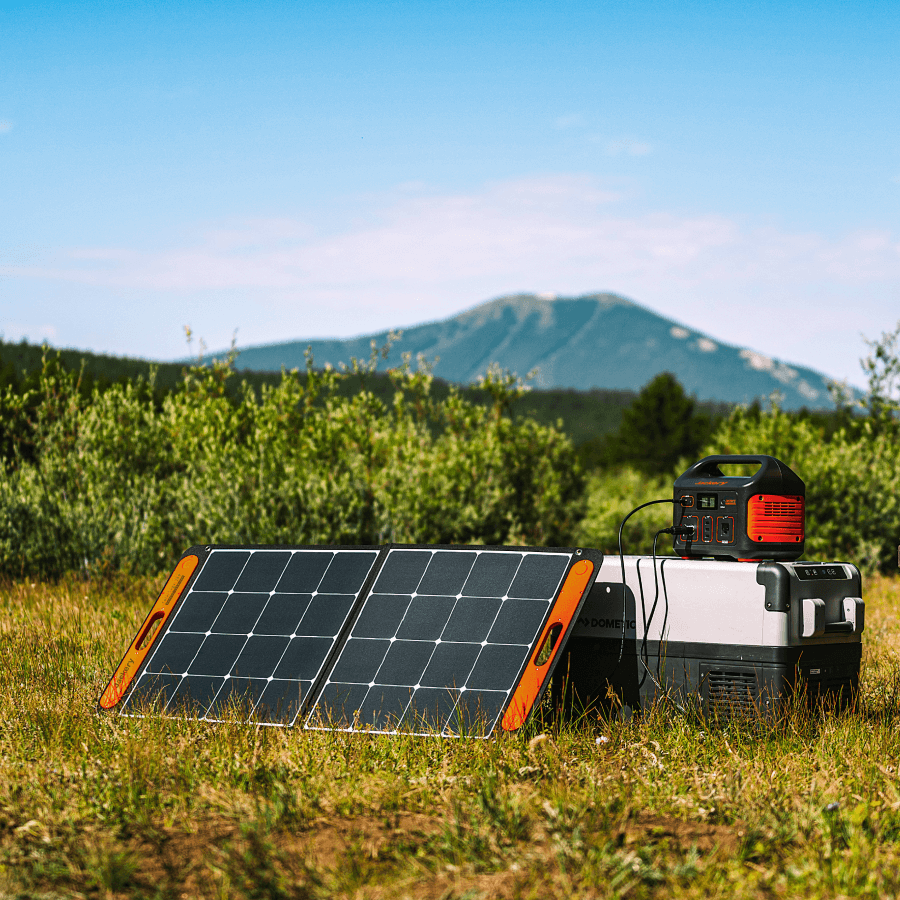
Yes, the short answer is that solar generators can run a portable air conditioner. If a power outage happens in your area or the electricity grid fails to supply the electricity, you can run the portable air conditioner with the solar generator. The solar-powered portable air conditioner can also be carried to outdoor locations so you can stay cool and calm during adventures.
But how does a portable air conditioner work? Well, they cool the space similar to installed AC units but are recharged using solar generators. Jackery offers a reliable range of solar generators for powering small and large appliances, including portable air conditioners. They combine solar panels and power stations to use the free sun's energy and produce electricity.
AI Takeaways
- A portable air conditioner is a movable cooling unit designed to cool single rooms or small spaces without permanent installation.
- A portable air conditioner draws in warm air, cools it with a refrigerant system, and vents the hot air outside through an exhaust hose while blowing cool air back into the room.
- Most portable ACs use between 500W and 1500W, depending on their BTU size and efficiency, with smaller personal units using as little as 200W.
- A solar generator can run a portable AC if its output capacity exceeds the AC’s wattage, making it a clean, quiet, and off-grid solution for cooling.
- How to power a portable air conditioner.
What Is a Portable Air Conditioner?
A portable air conditioner, also called a stand-up air conditioner, is a type of AC that can be easily moved from one place to another. You can set up these self-contained devices anywhere in any space or beside a window. It has wheels that make placement and movement easier and more convenient.
Pros
- A portable AC is relatively easy to install and does not require any complex installation.
- These air conditioning units have wheels and are lightweight in nature.
- They have a relatively low upfront cost and are ideal for small rooms.
Cons
- You'll need to extract water from the portable aircon for proper functioning.
- They are less energy-efficient and tend to generate some heat during the whole process.
- Portable ACs are relatively noisy compared to their alternatives.
How Does A Portable Air Conditioner Work?
Portable air conditioning units pull the hot air from the room and cool it using the motor to circulate throughout the room. These units typically have three components:
- Refrigerant (to cool the air).
- Compressor (to compress the refrigerant).
- Fan (to circulate the air).

The portable air conditioner has a fan that draws the hot and moist air from an indoor room. The condenser coils inside the units cool down the hot air and extract moisture from the humid air by condensing water vapors.
Once the hot air is transferred to the refrigerant, the energy causes it to heat up and turn into a high-pressure gas that moves through the AC system.
The collected moisture is either removed through a self-evaporative system that vents the water vapor or collected into an internal tank that must be emptied. The portable AC uses an exhaust hose to remove the heat generated within these components.
Single Hose vs. Dual-Hose Portable ACs
Mainly, there are two types of portable room ACs — single-hose and dual-hose — that differ in working. Let's explain them briefly.
Single Hose: These portable aircones typically have a single exhaust vent, which makes them cheaper, easier to install, and more popular. The unit pulls the air to cool it down, and the single hose exhausts the generated moisture/heat.
Since the hose only pulls the room's air and does not replace it, this mechanism creates negative pressure. The air from door gaps and windows comes in to fill the missing air. This leads to the air conditioner working hard to cool the room.
Dual-Hose: Unlike single hoses, the dual hose AC has two separate hoses, which makes them slightly expensive. They have higher efficiency, as dual hoses can draw in fresh air from outside and move out indoor air faster.
How Many Watts Does A Portable AC Use?
Generally, a portable AC consumes anywhere from 750 to 1500 watts. However, there are small, less efficient portable air conditioners that use as low as 340 watts. The exact wattage consumption of the portable or window AC uses will fluctuate based on size, energy efficiency, and BTU rating. But how many watts does a portable AC use? The more powerful the AC unit is, the higher the wattage consumption.
BTUs are typically used to represent the cooling power of air conditioning (AC) systems and the heating power of fuel.
In mathematical terms, the watts and BTU are related as follows:
1 BTU = 0.293 watts
There are three groups of portable ACs:
- Low-powered evaporative coolers (less than 100W)
- Truly portable camping air conditioners (around 250W)
- Large portable ACs (around 1500W)
- Window AC unit (around 500 - 1500W)
- Central AC unit (around 3000W)
How to Power A Portable Air Conditioner?
There are four ways to power an air conditioner: a power station, power bank, fuel generator, and solar generator. All these charging solutions come with their pros and cons, making it tricky to select the best charging solution.
Portable Power Station: These battery backups can charge your portable air conditioner for long hours. You can use the charging solution to power other appliances, like refrigerators, CPAP machines, etc. However, they require some form of recharging mode.
Power Bank: Power bank chargers are compact, affordable, and valuable to charge small coolers or ACs. However, they are less ideal for larger ACs or other appliances. In addition, you'll need to figure out a way to charge the power bank for the air conditioner.
Fuel Generator: Unlike batteries, fuel or gas generators require some form of energy to work. They emit carbon monoxide, which makes them less ideal for small rooms or spaces. If you use a fuel generator to charge AC, you'll have to keep them in separate rooms.
Solar Generator: Solar generators for AC are portable and affordable solutions ideal for indoor and outdoor purposes. You can not only power air conditioning units but also other home appliances. Unlike fuel generators, they do not emit any fumes or carbon monoxide. The solar panels collect and convert the sun's energy to electricity, which can be safely stored in the battery backup.
|
Types |
Pros |
Cons |
|
Portable Power Station |
They are eco-friendly and do not emit any gases. Many portable power stations have multiple output ports to charge appliances. |
Power output will depend on the battery capacity. |
|
Power Bank |
Power banks are ideal for outdoor adventures. They do not emit any fumes. |
You need to recharge the power bank by buying additional equipment. |
|
Fuel Generator |
They have a low upfront cost. |
Fuel generators emit carbon monoxide or a toxic gas. They are less ideal for small spaces. |
|
Solar Generator |
Solar generators are a clean, renewable energy source. You can use these generators for outdoor and indoor activities. |
High upfront costs. |
Can A Solar Generator Power A Portable AC?
Yes, a solar generator can power a portable AC. While small generators can safely power appliances like portable AC for some hours, you won't be able to plug in multiple high-power-consuming electrical devices. If you want to plug in more devices, using a small generator might lead to overloading and damage.
As a general rule of thumb, an 8000 BTU air conditioner needs less than a 1500W solar generator. Likewise, you'll need a larger solar generator for 16000 BTU air conditioners. Here's a table of minimum-size generators you'll need for different portable AC sizes.
|
Air Conditioner size |
Generator size |
|
8,000 BTU |
>1500W |
|
10,000 BTU |
>2000W |
|
12,000 BTU |
>2500W |
|
14,000 BTU |
>3000W |
|
16,000 BTU |
>3500W |
Note: The above table provides only an estimation. If you want to choose the right size of generator for the portable AC, you will need to know the exact wattage consumption of the AC and how many hours you want to run it.
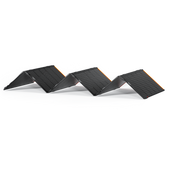
Jackery can power an RV AC or household air conditioner. It offers a wide range of portable solar generators and portable power stations to run appliances during power outages, blackouts, and outdoor adventures. These generators combine solar panels and power stations to power most of your core indoor or outdoor appliances. Here's how Jackery Solar Generators work in the form of a diagram.

Here are the popular solar generators for air conditioners.
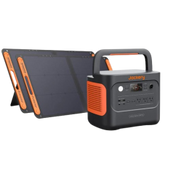
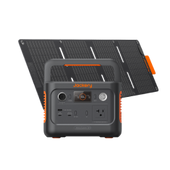
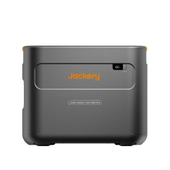
Jackery Solar Generator 2000 v2
If you want a portable solar generator that can power ACs in your RV or during car camping, you may go ahead with the Jackery Solar Generator 2000 v2. It's one of the lightest and smallest 2kWh solar generators that can power most of the household or outdoor appliances, including ACs, fans, and other cooling essentials. Its compact design and foldable handle ensure you can move the solar generator anywhere you like.
Appliances Running Time
- Small Personal Portable AC (300W) = 5.3H
- Compact Portable AC (900W) = 1.7H
- Mid-Size Portable AC (1200W) = 1.4H
- Large Portable AC (1500W) = 1.0H
- Dual-Hose High-Efficiency Portable AC (2000W) = 48 min
Who Should Buy This
The Jackery Solar Generator 2000 v2 is ideal for outdoor enthusiasts who need reliable power for camping, tailgating, or road trips. Its portable design makes it ideal for powering air conditioners, coolers, fans, and other appliances on the go.

Customer Review
Excellent device. Have not had to use it in a power loss scenario yet. But in testing it ran a window AC all day and recharge surprisingly fast. It makes us feel much more secure for the next power outage.
— Randy Garrett.
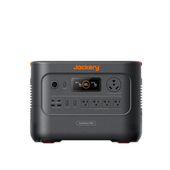
Jackery Solar Generator 2000 Plus
The Jackery Solar Generator 2000 Plus is an expandable solar-powered generator that can run almost all household or outdoor appliances, such as air conditioners and portable fans. It is compatible with the Jackery Battery Pack 2000 Plus, which extends the battery capacity from 2kWh to 24kWh, allowing you to power household appliances for longer during long-term power outages and blackouts.
Appliances Running Time
- Small Personal Portable AC (300W) = 5.3H
- Compact Portable AC (900W) = 1.8H
- Mid-Size Portable AC (1200W) = 1.4H
- Large Portable AC (1500W) = 1.1H
- Dual-Hose High-Efficiency Portable AC (2000W) = 48 min
Who Should Buy This
The Jackery Solar Generator 2000 Plus is suited for homeowners looking for expandable home battery backup power. You can start small and scale up to 12kWh or 24kWh to cover extended outages with peace of mind.

Customer Review
I have had my 2000 Plus for 3 months and am so pleased with how long it keeps my refrigerator running when power is out that I have ordered 1 battery pack to see how much more running time it gives me. With my multiple 1000v2s I am confident we are fully prepared.
— Ilene Wagner.
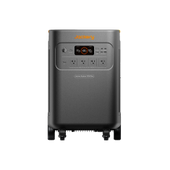
Jackery Solar Generator HomePower 3000
The Jackery Solar Generator HomePower 3000 is another essential home backup solution. It can power essentials like portable air conditioners, refrigerators, medical devices, and kitchen appliances during outages. Thanks to ZeroDrain™ technology, it holds a charge for extended standby, so it’s ready when you need it. Its compact design with dual-sided handles ensures you can easily move it between rooms or even outdoors.
Appliances Running Time
- Small Personal Portable AC (300W) = 8.1H
- Compact Portable AC (900W) = 2.8H
- Mid-Size Portable AC (1200W) = 2.1H
- Large Portable AC (1500W) = 1.7H
- Dual-Hose High-Efficiency Portable AC (2000W) = 1.3H
Who Should Buy This
The Jackery Solar Generator HomePower 3000 is designed for families who want an essential home backup with the flexibility to support outdoor events, RVs, or work needs.

Customer Review
So far have only used it for a few days to make sure a mini-fridge works for our grandson to take to college. We bought the 3000 in the event of a storm power outage that would prevent us from running our portable generator.
— Michael Brooks.
Jackery Solar Generator HomePower 3600 Plus
The Jackery Solar Generator HomePower 3600 Plus has enough battery capacity to handle demanding loads, such as residential air conditioners, without strain. Its expandable capacity gives you the headroom to keep essential appliances running for long hours, and when expanded, it can keep a refrigerator operating for up to two weeks. The built-in pull rod and dual-wheel setup make it easy to move around the house, so you are not stuck with a bulky battery backup in one corner when you need cooling support elsewhere.
Appliances Running Time
- Small Personal Portable AC (300W) = 9.5H
- Compact Portable AC (900W) = 3.3H
- Mid-Size Portable AC (1200W) = 2.5H
- Large Portable AC (1500W) = 2.0H
- Dual-Hose High-Efficiency Portable AC (2000W) = 1.5H
Who Should Buy This
If you rely on an air conditioner during outages or want a backup that can comfortably run heavy appliances without disruption, the Jackery Solar Generator HomePower 3600 Plus is an ideal choice.

Customer Review
I've only tested the 3600 thus far & I'm very satisfied with the quality of the unit & the guys absolutely love the portability design. I purchased the E500 for camping this past summer & it handled my needs well for a month of camping. I'm confident the 3600 will handle my household needs. I will get another for the terrace level. Highly Recommended!
— Cynthia E.
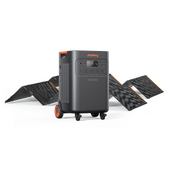
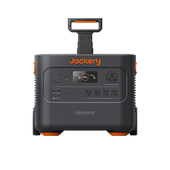
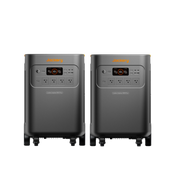
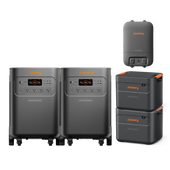
Jackery Solar Generator 5000 Plus
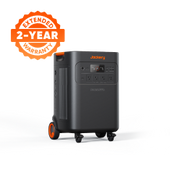
The Jackery Solar Generator 5000 Plus is a powerful, essential home backup solution that can keep household appliances, including ACs, running during long-term and unexpected power outages. It can be connected to the home's electricity system and offers 0ms UPS support to switch from on-grid power to battery backup instantly. With the additional Jackery Battery Pack 5000 Plus, you can also expand the battery capacity from 5kWh to 60kWh.
Appliances Running Time
- Small Personal Portable AC (300W) = 12.2H
- Compact Portable AC (900W) = 4.5H
- Mid-Size Portable AC (1200W) = 3.4H
- Large Portable AC (1500W) = 2.8H
- Dual-Hose High-Efficiency Portable AC (2000W) = 2.1H
Who Should Buy This
The Jackery Solar Generator 5000 Plus is for homeowners seeking essential home backup. With both 120V and 240V support, it runs everyday essentials and heavy-duty appliances without interruption.

Customer Review
Exactly what we needed to power our home. Especially nice to have a 240-volt option to run the well pump. Also nice to be able to "accessorize" as finances allow.
— Richard Wamsley.
Just like Franki Kalogianis, who used the Jackery Solar Generator 5000 Plus during hurricane outages in Florida, you can stay cool even when the power goes out. While neighbors struggled with stifling heat and noisy gas generators, Franki’s system powered her AC, fridge, and lights automatically. The solar-powered, silent generator gave her peace of mind and uninterrupted comfort through prolonged outages. Check out her Jackery story to see how the solar generator has become a dependable source during outages.
How to Choose A Solar Generator for Portable AC?
Not all portable AC chargers are created equal. They may vary depending on capacity, power output, and other factors. That's why choosing a solar generator for portable AC depends on capacity, output wattage, output ports, recharge time, and weight.
Battery Capacity: The battery backup capacity will depend on the power required to charge the AC. It's always better to have an extra window of battery capacity that will supply uninterrupted electricity to appliances like air conditioning units.
Output Ports: The number of output ports defines how many appliances you can charge simultaneously. Jackery Explorer Portable Power Stations have multiple output ports to charge various electrical devices at the same time.
Recharge Time: When choosing a portable power station for your household AC, you must ensure it has a shorter recharge time. In this case, investing in a solar generator with a pass-through charging facility ensures the AC remains functional even when the power station is being charged.
Weight: Lastly, you should consider the dimensions or total weight of the AC charger. While the size and weight will depend on the capacity, it is ideal to look for a solar generator with wheels for maximum portability.
While selecting the battery backup for AC, you'll need to ensure it can quickly meet your power requirements and is safe.
Final Thoughts
Now that we have discussed how does a portable air conditioner works and how to charge AC, it's time to choose the ideal charging solution. Using a solar generator to charge an air conditioner is not only possible but also highly beneficial and cost-effective in the long run.
With Jackery, you'll find various power options that will fit your budget and your charging requirements. For example, Jackery Solar Generator 2000 v2 can power portable ACs during camping, while Jackery Solar Generator 5000 Plus might be an ideal choice for large air conditioning units that you would need during outages.
Reply to Comments
While our current blog comment system doesn't allow for direct replies, our customer service team will address comments and questions promptly via email. Additionally, we'll compile the most frequently asked questions and provide comprehensive answers at the end of the blog post.
Comment: What size generator can support a mobile air conditioner
Reply: A mobile or portable air conditioner usually needs 500 to 1500 watts, depending on the size (measured in BTU). You can also find the AC’s running wattage on the user manual or the appliance, and also its starting wattage (which can be 2–3 times higher when the compressor kicks in). Generally, the Jackery Solar Generator 2000 Plus or Jackery Solar Generator HomePower 3000 can power most portable ACs. If you want extra room for other devices (like lights, fans, or a fridge), you can consider our larger model, like the Jackery Solar Generator 5000 Plus.




What size generator can support a mobile air conditioner
Leave a comment