
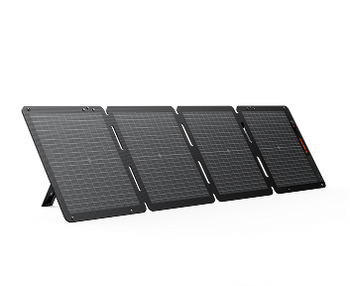
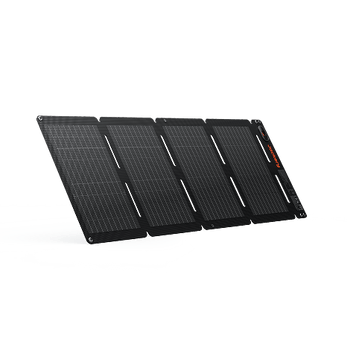


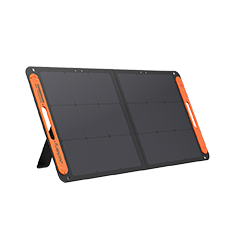



![[Add-on] Jackery SolarSaga 500 X - Jackery](http://www.jackery.com/cdn/shop/files/add-on-jackery-solarsaga-500-x-1493607.webp?v=1786503068&width=324)
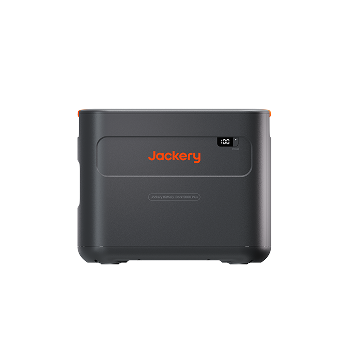
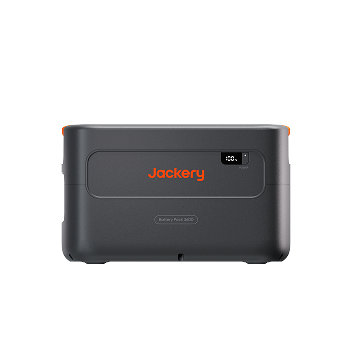
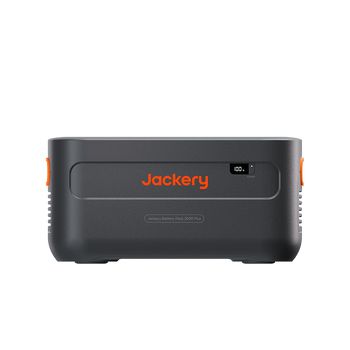
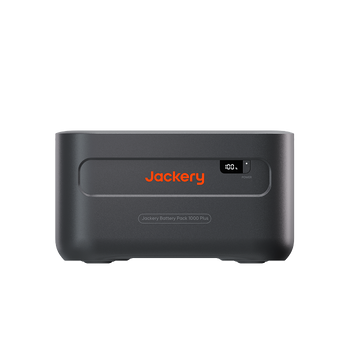
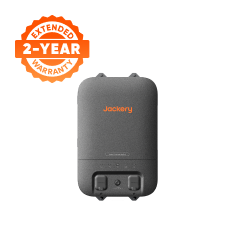
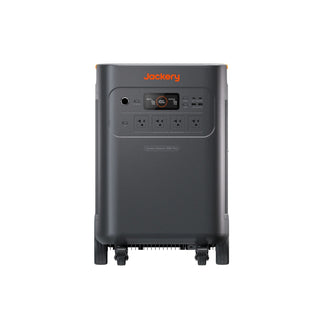
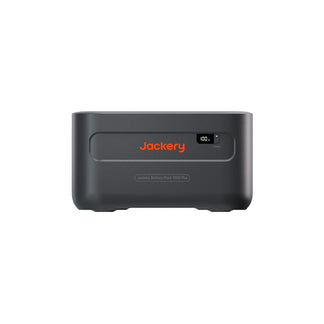
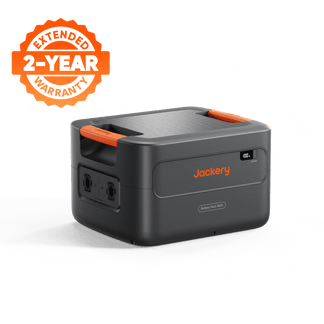
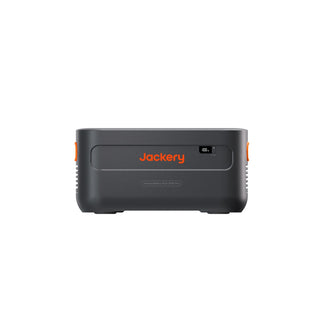
![[Add-on] Jackery Battery Pack 5000 Plus - Jackery](http://www.jackery.com/cdn/shop/files/add-on-jackery-battery-pack-5000-plus-6713401.webp?v=1786503068&width=324)


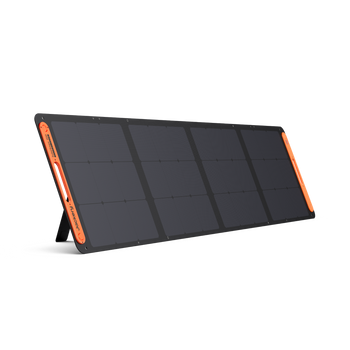
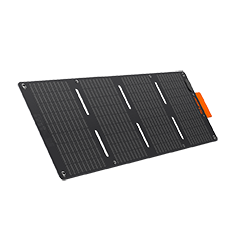
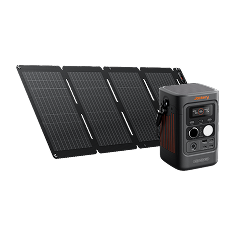
![[Add - on] SolarSaga 200W - Jackery](http://www.jackery.com/cdn/shop/files/add-on-solarsaga-200w-4834329.png?v=1754016915&width=324)
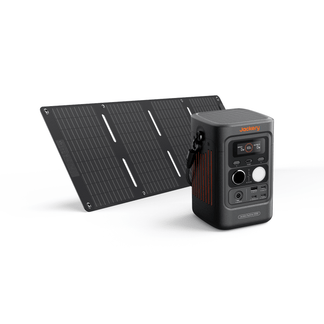


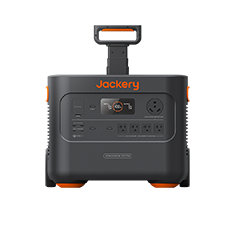
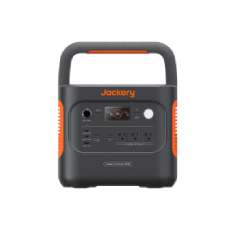
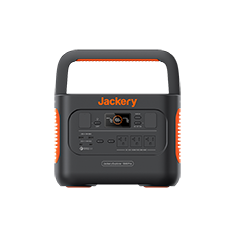
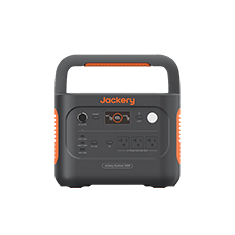
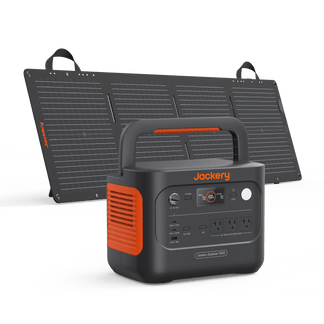
Buying a portable power station and buying solar panels are one decision. Most buying guides treat them separately, which is exactly how people end up with a generator that can't recharge fast enough off-grid, or solar panels that overwhelm a battery that was never built to use them. A power station's usefulness depends on how quickly it recharges, and a solar panel's usefulness depends entirely on what it's connected to, so getting the pairing right matters as much as choosing either component on its own.
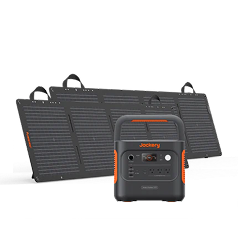
The most common mistake is buying the power station first and treating the solar panel as an afterthought accessory. In reality, a power station's maximum solar input and a panel's rated wattage determine whether the portable solar power solution actually works the way you expect once you are away from a wall outlet. Jackery Solar Generator bundles combine portable power stations with compatible solar panels at discounted rates, especially during major sales events like Prime Day.
Key Takeaways
- A power station's value is capped by how well it can recharge, and a solar panel's value is capped by what it's feeding into. Hence, the two should be chosen together.
- Prioritize battery capacity, continuous and surge output, battery chemistry, and maximum solar input, in that order, when choosing a power station.
- Every power station has a maximum solar input rating. Pairing solar panels above that ceiling wastes money, and pairing well below it limits how fast the system can recharge off-grid.
- Real-world solar charging typically delivers 70–85% of a panel's rated wattage, so it's worth sizing slightly above your calculated need rather than exactly at it.
What Should You Actually Look for When Buying a Portable Power Station?
The most important specs to check when buying a portable power station are battery capacity, continuous and surge output, battery chemistry, and maximum solar input. Capacity determines how much energy you can store, and output determines what you can actually run. Chemistry determines how long the unit lasts, and solar input determines how it recharges off-grid.
Battery Capacity (Wh): This is the single most important spec, since it determines how much energy the power station can store and use before needing to recharge. A bigger number means longer runtime, but it also means more weight and a higher price, so it's worth matching capacity to your actual needs rather than buying the largest available unit.
Continuous and Surge Output (W): Output determines what you can actually plug in and run. A high-capacity battery is of little use if the inverter can't handle a motor-driven appliance's startup draw, so check both the continuous wattage rating and the surge rating before assuming a unit can run a specific device.
Battery Chemistry and Cycle Life: LiFePO4 (LFP) batteries typically handle 3,000 to 5,000 charge cycles, translating to roughly 8 to 10 years of regular use, compared to 500 to 1,000 cycles for older lithium-ion chemistry. This is the difference between a power station that lasts a decade and one that needs replacing in two years.
Solar Input Capability: How many watts of solar the power station can actually accept is the bridge to the panel-matching conversation covered in the next section. It's typically listed separately from the AC charging spec, so it's worth checking specifically rather than assuming a high output rating implies a high solar input.
Recharge Flexibility: More charging input methods, AC wall, solar, and car or generator charging, mean more reliable recharging in real-world conditions, particularly useful when solar isn't an option due to weather or location.
Port Variety: A useful mix includes AC outlets, USB-A, USB-C with PD fast charging for laptops, and a 12V car port. Matching port variety to what you'll actually plug in avoids needing extra adapters later.
Portability vs. Capacity: Weight and size scale with battery capacity, so it's worth being honest about whether you need a power station you can carry one-handed or one that's going to live in a fixed spot, like a garage or utility room.
How Do You Choose the Right Solar Panel for Your Portable Power Station?
The right solar panel for a portable power station is one whose wattage gets you as close as possible to the unit's maximum solar input rating, without exceeding it. That single number, usually listed as “solar input” or “DC input” in the spec sheet, is the ceiling for how much solar power the unit can actually use, regardless of how many panels are connected.
How Do You Know What Solar Panel Wattage Your Power Station Can Actually Use?
Every power station has a maximum solar input rating, and that number is a hard ceiling. Exceeding it with additional panels doesn't speed up charging beyond what the unit is built to accept. This spec is typically listed in the product manual or spec sheet as “Solar Input” or “DC Input,” separate from the AC charging spec. The matching principle is straightforward: choose a panel, or a combination of panels, that gets you as close to your unit's maximum solar input as your budget and portability needs allow, without going over it.
As a worked example, a power station rated for 200W of solar input pairs perfectly with one 200W panel. Adding a second 200W panel in that case won't speed up recharging at all, since the unit simply can't accept more than its rated input.
- Under-pairing, using a panel below the unit's maximum input, isn't a problem in itself. The power station still works but recharges more slowly, which is fine for occasional use but limiting for anyone relying on solar full-time.
- Over-pairing doesn't cause damage either, since the power station caps input at its maximum rating, but it does mean spending money on solar capacity the unit can never actually use. This is the single most common mistake buyers make when assembling a system piece by piece instead of buying a matched bundle.
What is Charging Efficiency, and Why Does it Affect Which Panel You Should Buy?
Charging efficiency refers to the gap between a solar panel's rated wattage and what it actually delivers in real-world conditions, typically 70 to 85% of the rated number, even on a clear day. Several factors reduce that figure further: cloud cover, the panel's angle relative to the sun, ambient temperature, dust or debris on the panel surface, and partial shading. A 200W panel rated under ideal lab conditions might realistically deliver 140 to 170W on a clear day at a good angle, so buyers should size their solar input expectations around that real-world range.
Built-in MPPT (Maximum Power Point Tracking) controllers, standard in most quality power stations, including Jackery's lineup, help maximize real-world efficiency by continuously adjusting to draw the optimal power point from the panel. It's worth confirming a unit has MPPT charging rather than a basic PWM controller, since the difference shows up directly in recharge speed. Hence, when sizing a panel setup, lean slightly above your calculated need rather than landing exactly at it, since real-world conditions rarely hit the ideal numbers a panel is rated for.
Should You Buy Foldable, Rigid, or Flexible Solar Panels for Your Power Station?
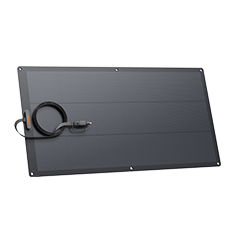
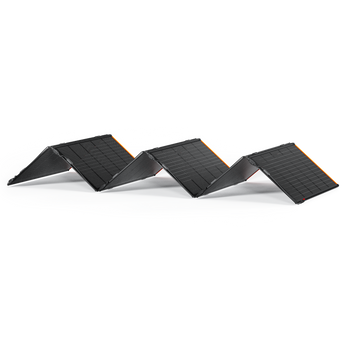
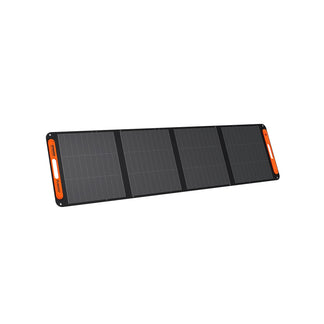
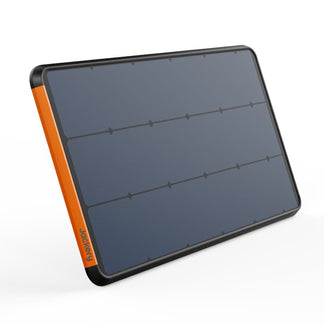
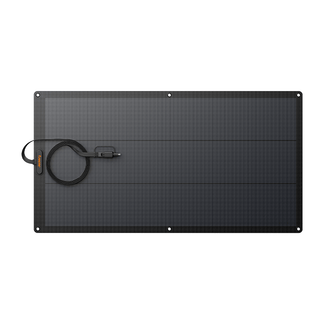
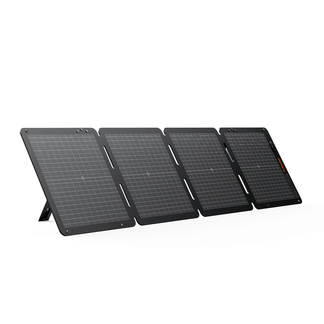
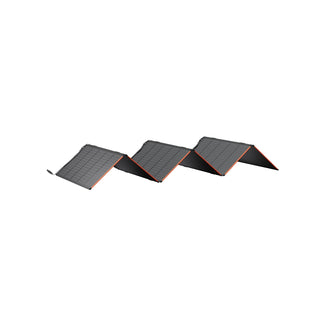
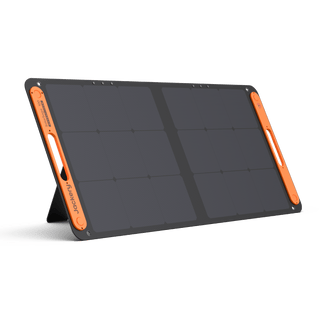
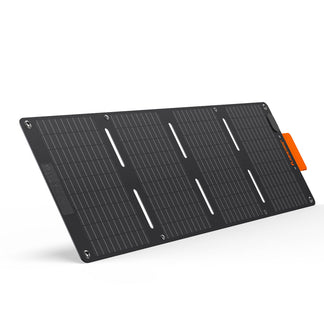
Foldable solar panels are a popular choice among most portable power station buyers, since they are lightweight, packable, and typically include built-in kickstands for quick setup at a campsite or during a home outage. Rigid and flexible panels serve narrower use cases.
|
Panel Type |
Best For |
Trade-Off |
|
Foldable |
Camping, RV use, home backup that isn't permanently mounted |
The right default for most buyers; lightweight and packable |
|
Rigid |
Fixed installations, like cabin roofs or permanent off-grid setups |
More durable long-term, but not practical to move around |
|
Flexible |
Curved surfaces like van conversions or boat decks |
Lightest option, but generally lower efficiency and shorter lifespan |
Is It Better to Buy a Power Station and Solar Panel as a Bundle?
Yes, buying a power station and solar panel as a bundle is usually both cheaper and more reliable than buying each piece separately. Bundle discounts commonly run 10 to 20% below the combined cost of purchasing the same components individually, and a bundled panel is guaranteed to match the power station's solar input specs correctly.
- Bundle buying is especially smart during major sales events, including Prime Day, Black Friday, Memorial Day, and Labor Day, when bundle discounts tend to represent the deepest dollar-amount savings in the entire solar generator category. Brands generally use bundle pricing to move higher-margin combined units, which works in the buyer's favor.
- Buying components separately can still make sense in specific cases, such as already owning a compatible panel from a previous purchase, or needing a panel type the standard bundle doesn't include, like a flexible panel for a van build. But for most first-time buyers, the bundle is a financially smarter and technically safer default choice.
Kyle Miller spends his career running into emergencies as a district chief for Tarpon Springs Fire Rescue, working 24-hour shifts that can stretch into days during a major incident, but it was a different kind of emergency that pushed him toward backup power: Hurricane Irma, which left his Palm Harbor, Florida home without electricity for seven days and cost his family everything in the fridge and freezer.
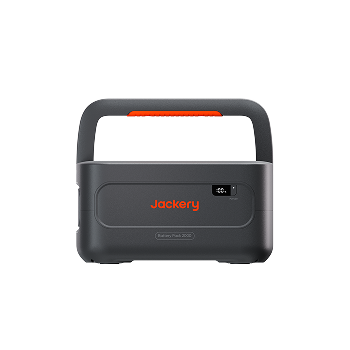
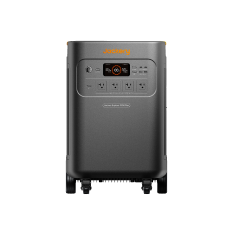
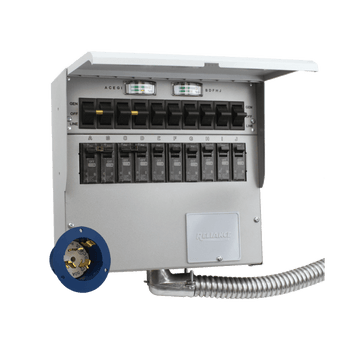
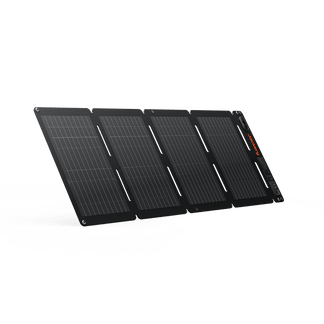
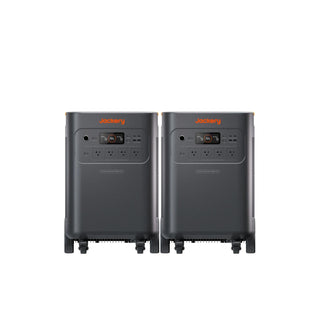
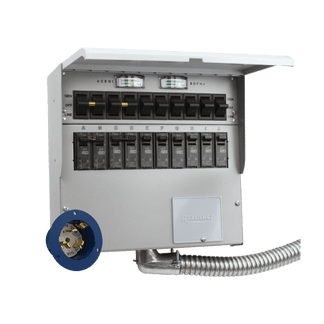
After a gift from his grandparents following another storm, Hurricane Milton, Kyle invested in the Jackery Explorer 5000 Plus, paired with SolarSaga 500X Solar Panels and a Smart Transfer Switch. He's since tested the system to run the refrigerator, a bedroom fan, and a microwave for 18 to 24 hours, with solar panels helping extend that runtime through daylight hours. Explore more Jackery Stories to see how other families are preparing for storm season.
Recommended Jackery Solar Generator Bundles for Home Backup
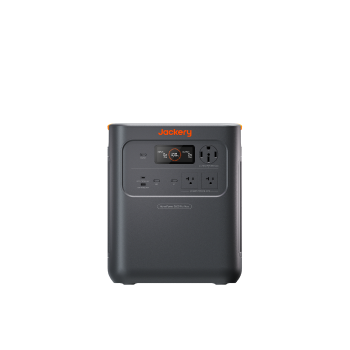
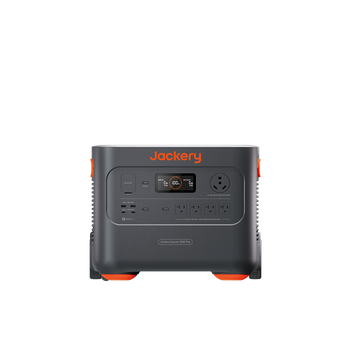
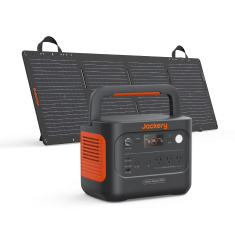
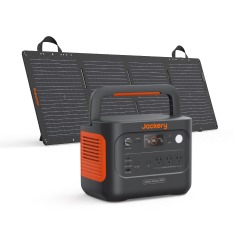
Jackery offers each of its home battery backup solar generators as a pre-configured bundle, pairing the power station with a matched set of solar panels so the solar input ceiling and panel wattage are already correctly sized for each other. Bundle pricing is also typically lower than buying the power station and panels separately, particularly during major sales events like Prime Day.
|
Power Station |
Capacity |
Max Solar Input |
Recommended Panel Pairing |
|
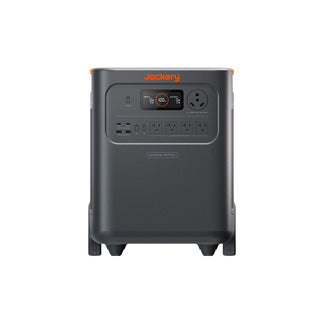
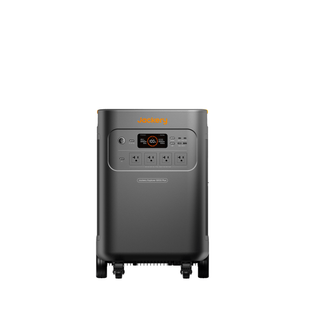
Jackery HomePower 3000 |
3,072Wh |
1,000W |
2x SolarSaga 200W Solar Panels (included standard) covers about 400W of the 1,000W ceiling. Faster recharge requires additional panels. |
|
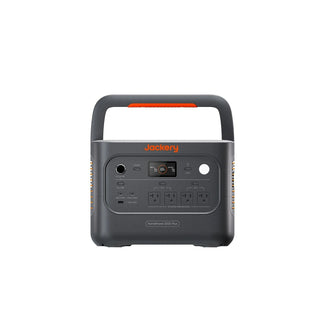
Jackery HomePower 3600 Plus |
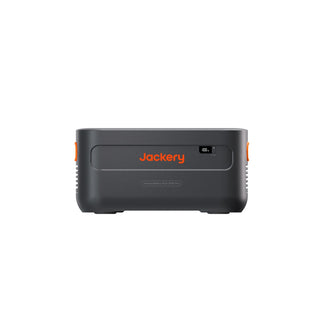
3,584Wh (expandable to 43kWh) |
1,000W |
1x SolarSaga 500X Solar Panels included for light use. Serious off-grid reliance benefits from 4-6 panels to approach the full 1,000W input. |
|
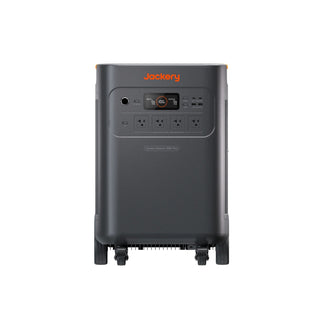
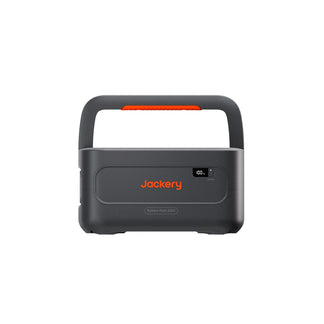
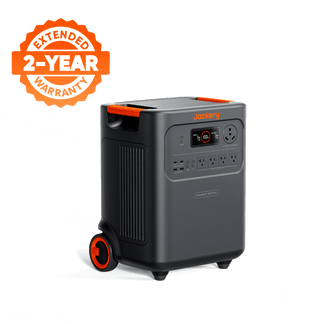
Jackery Explorer 5000 Plus |
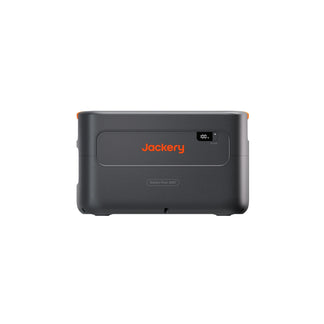
5,040Wh (expandable to 60kWh) |
1,200W |
2x SolarSaga 500X Solar Panels, sized specifically to take advantage of this unit's much higher solar input ceiling. |
The three bundles below show how that pairing logic plays out differently depending on a unit's solar input ceiling.
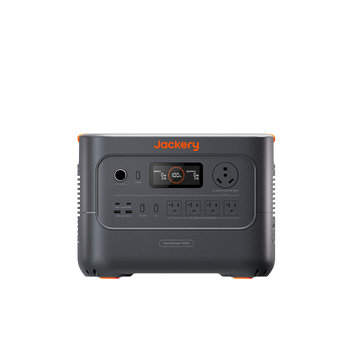
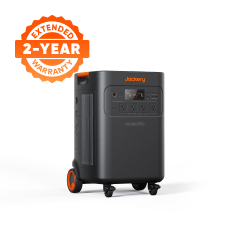
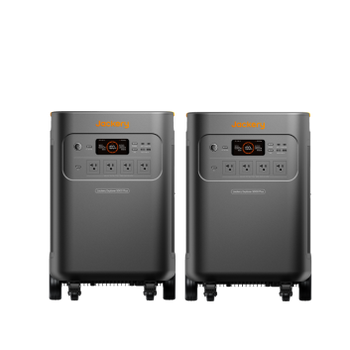
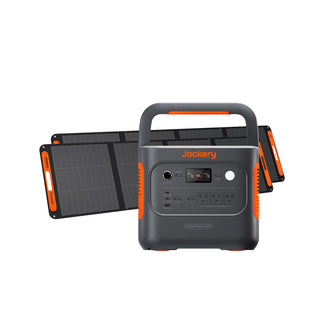
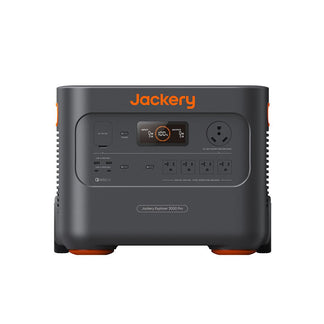
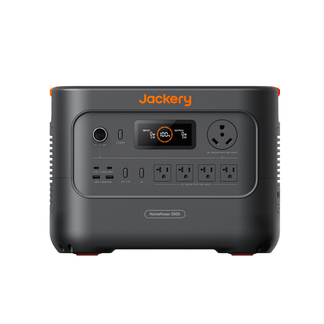
Jackery Solar Generator HomePower 3000
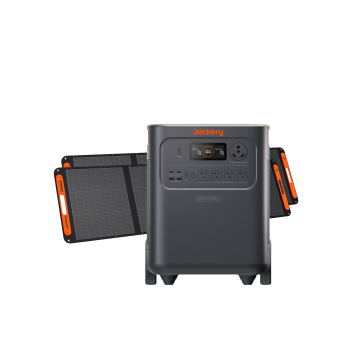
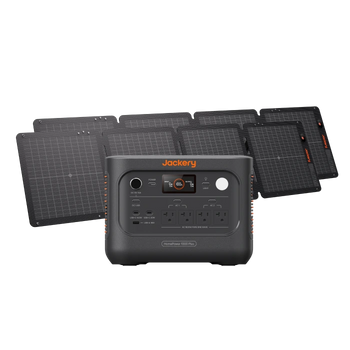
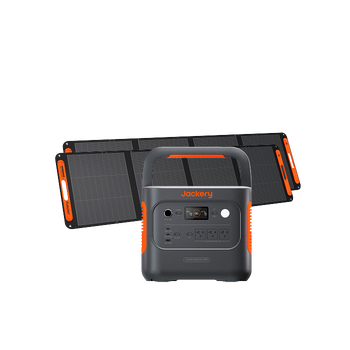
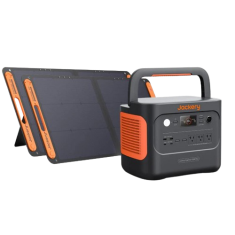
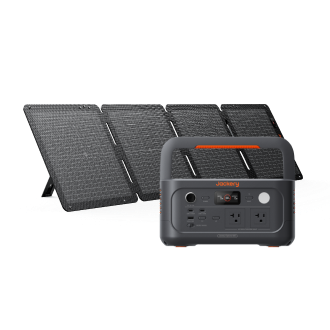
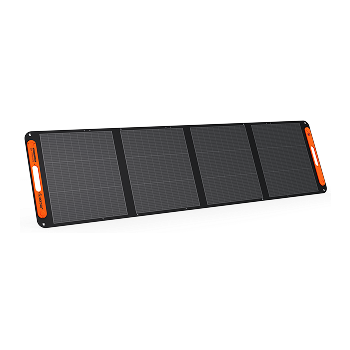
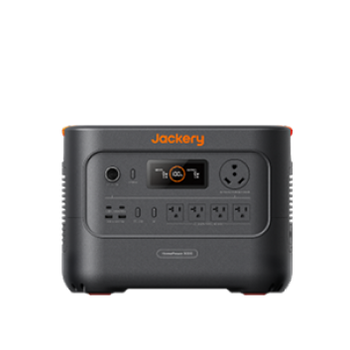
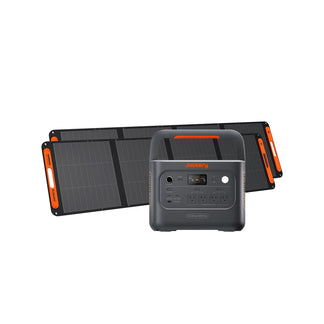
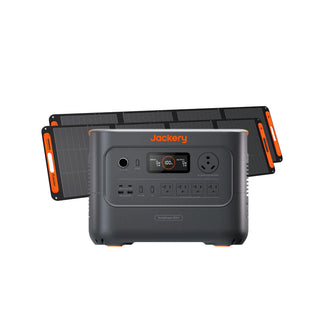
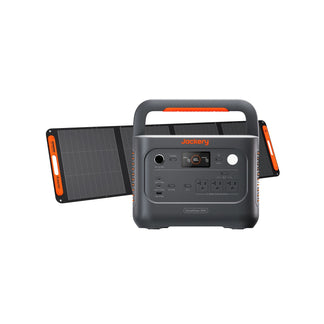
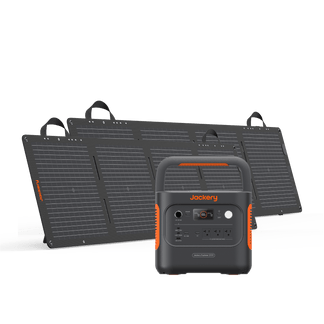
The Jackery Solar Generator HomePower 3000 has a 1,000W maximum solar input, and its bundle includes two Jackery SolarSaga 200W Solar Panels, covering 400W of that ceiling. That's enough for steady, reliable recharging, but it leaves 600W of input capacity unused, which matters if you are deciding whether to stop at the included panels or add more. It delivers enough capacity to start and run a refrigerator alongside lighting, WiFi, and a few small appliances.
Appliances Running Time
- Refrigerator (300W) = 8.1H
- Security Camera (100W) = 21.4H
- TV (100W) = 21.4H
- Portable AC (1000W) = 2.6H
- Coffer Maker (1000W) = 2.6H
Who Should Buy This
The Jackery Solar Generator HomePower 3000 is ideal for households that want dependable backup for the essentials and don't anticipate needing to expand capacity later. It is a strong fit for apartments, smaller homes, or anyone who prefers a single self-contained unit over a modular system.

Customer Review
I purchased the 3000, and it can run my refrigerator for 24+ hours. With the 500W Solar Panel, I can recharge quickly.
— Tracie.
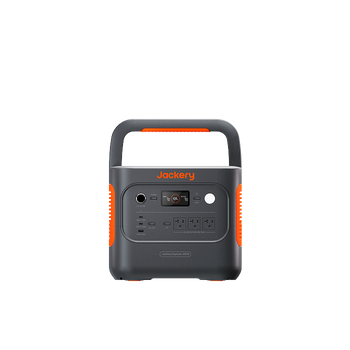
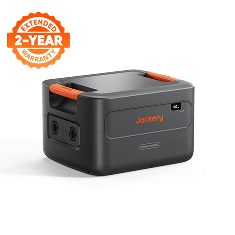
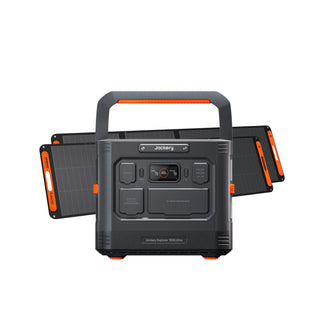
Jackery Solar Generator HomePower 3600 Plus
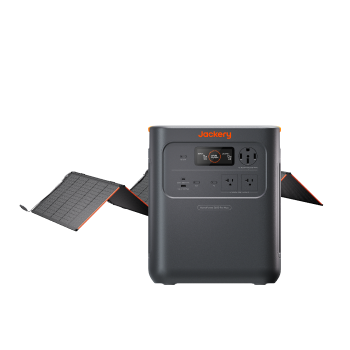
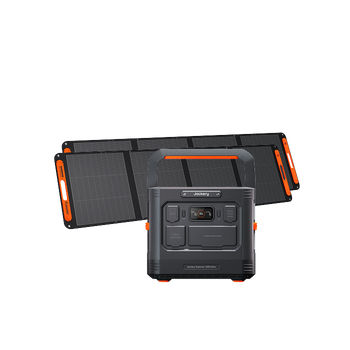
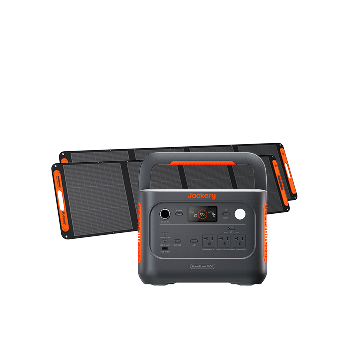
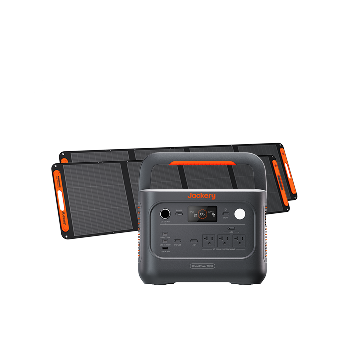
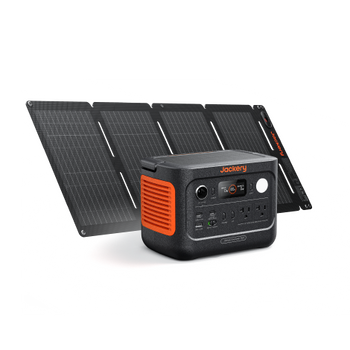
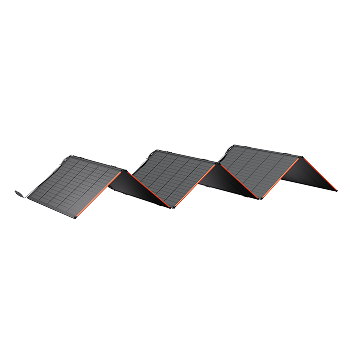
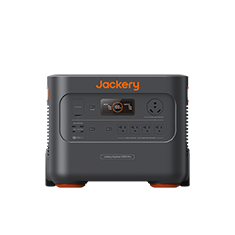
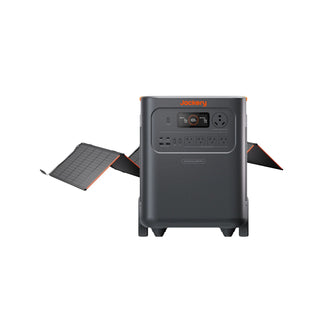
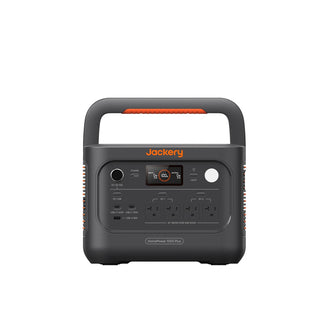
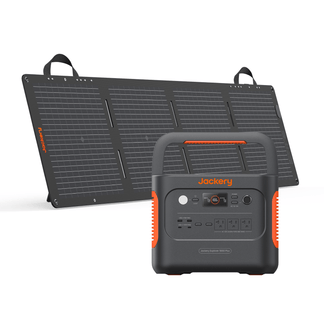
The Jackery Solar Generator HomePower 3600 Plus shares the exact same 1,000W solar input ceiling as the Jackery Solar Generator HomePower 3000, even though its battery capacity is larger and expandable up to 43kWh. Its bundle includes one Jackery SolarSaga 500 X Solar Panel as a starting point, but because the battery itself can grow well beyond its base capacity, you can add more panels to approach the full 1,000W.
Appliances Running Time
- Refrigerator (300W) = 9.5H
- Security Camera (100W) = 25.0H
- TV (100W) = 25.0H
- Portable AC (1000W) = 3.0H
- Coffer Maker (1000W) = 3.0H
Who Should Buy This
The Jackery Solar Generator HomePower 3600 Plus is ideal for buyers planning to expand their battery capacity over time and run essential household appliances for long hours.

Customer Review
This little powerhouse is amazing. I highly recommend it. I bought this to protect my business equipment during power outages. It will literally keep my entire house on for days if needed. It saved me 2x in the last 3 weeks since delivery.
— K.G.
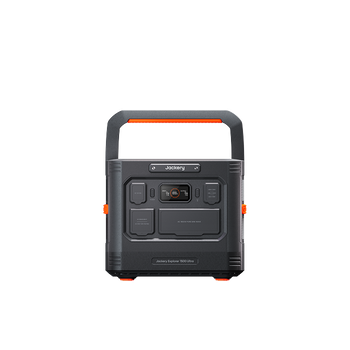
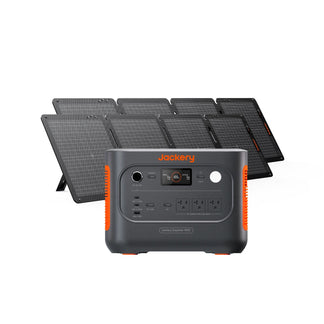
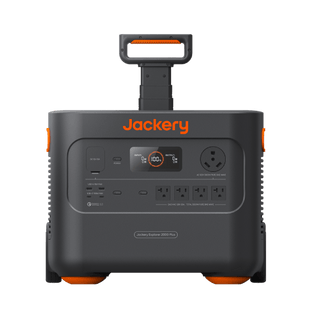
Jackery Solar Generator 5000 Plus
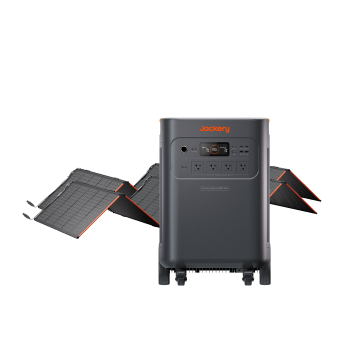
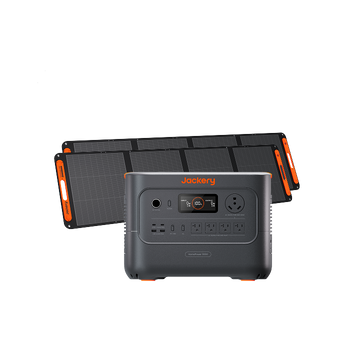
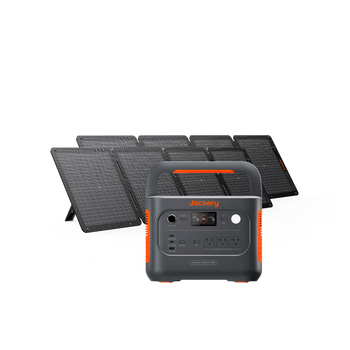
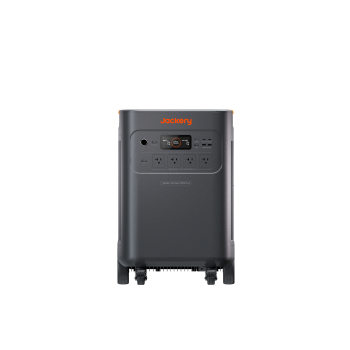
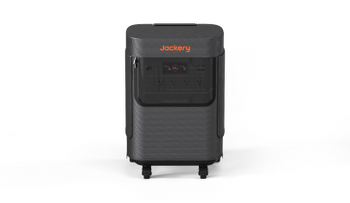
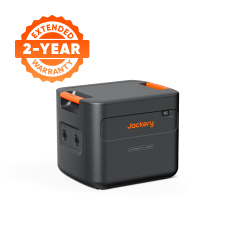
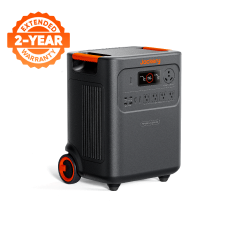
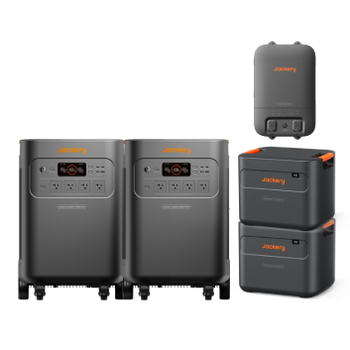
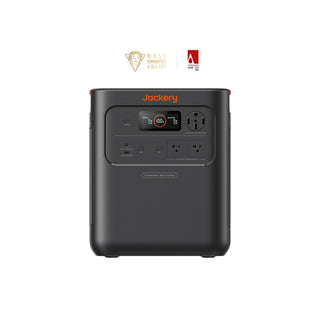
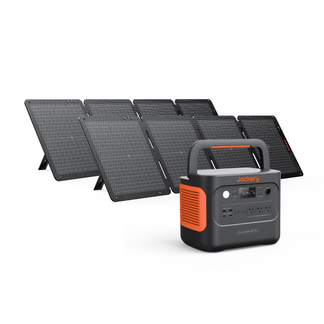
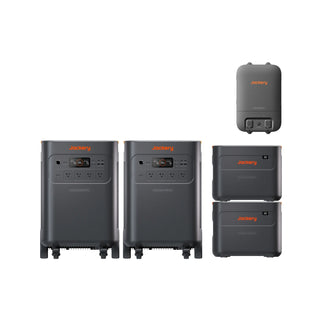
The Jackery Solar Generator 5000 Plus bundle includes a power station with the two Jackery SolarSaga 500X Solar Panels. It features a large battery capacity and supports both 120V and 240V appliances, making it capable of running large appliances like a well pump, dryer, or central air conditioner alongside everyday essentials. It is expandable up to 60kWh, meaning you can add more battery packs or additional solar panels as your power needs grow.
Appliances Running Time
- Refrigerator (300W) = 12.2H
- Security Camera (100W) = 28.6H
- TV (100W) = 28.6H
- Portable AC (1000W) = 4.1H
- Coffer Maker (1000W) = 4.1H
Who Should Buy This
The Jackery Solar Generator 5000 Plus is ideal for larger households, homes in storm-prone or wildfire-prone regions, or anyone planning essential home backup rather than coverage for essential circuits alone. It's the right starting point for buyers who want one system capable of scaling to multi-day outages.

Customer Review
I live in the mountains in a forest-urban ecotone. We have been having many power outages due to heavy snows, fires, failing infrastructure, high winds, etc. I needed a simple solution to power a small number of electrical devices during an outage, including my well pump. The 5000 plus fit the bill well. Easy to set up, easy to use, portable, with lots of reserve power. Well done!
— Anonymous.
If you want to learn more about which Jackery Solar Panels to buy and its charging time, you can refer to our Jackery Solar Panels complete guide.
FAQs
What should I look for when buying a portable power station?
Prioritize battery capacity, continuous and surge output, battery chemistry, and maximum solar input, in that order. Capacity determines how long the power station can run your devices, output determines what you can plug in, chemistry determines how long the battery lasts, and solar input determines how well the system recharges off-grid.
How do I know what size solar panel I need for my power station?
Check your power station's maximum solar input rating, listed as “Solar Input” or “DC Input” in the spec sheet, then choose a panel or combination of panels that gets as close to that number as possible without exceeding it. Going over the rating doesn't damage the unit, but it does mean paying for solar capacity the system can never use.
Can I use any solar panel with my power station?
Most power stations accept a range of compatible solar panels, but the panel's voltage and connector type must match the unit's input specifications, and the total wattage must stay at or below the unit's maximum solar input rating. Using a manufacturer-matched panel, such as Jackery's SolarSaga Solar Panels with Jackery Portable Power Stations, removes the compatibility guesswork entirely. For more information, you can refer to our guide: Can I Use Any Solar Panel with Jackery Power Stations.
Is it cheaper to buy a solar generator and panel together?
Yes, in most cases. Bundle pricing on a power station and solar panel sold together commonly runs 10 to 20% below the cost of buying each component separately, and the discount tends to be deepest during major sales events like Prime Day.
Conclusion
A portable power station and a solar panel work as one system, and buying them with that mindset is what makes a solar setup actually perform the way buyers expect once they are off-grid. When choosing a power station, prioritize capacity, output, battery chemistry, and solar input ceiling. When choosing a panel, match its wattage to the input ceiling, account for real-world efficiency losses of 70-85% of rated output, and default to a foldable panel unless your use case specifically calls for rigid or flexible.
Buying matched components together as a bundle is usually cheaper, always more reliably compatible, and removes the most common mistake first-time buyers make: mismatched solar input. The practical next step is simple. Check your power station's solar input spec, or if you are buying new, settle on a capacity tier first, then match panel wattage accordingly, or skip the math entirely with a pre-configured bundle. A well-matched power station and solar panel system, especially bought as a bundle during a major sale like Prime Day, is one of the more straightforward high-value purchases in the home energy and outdoor gear space.


