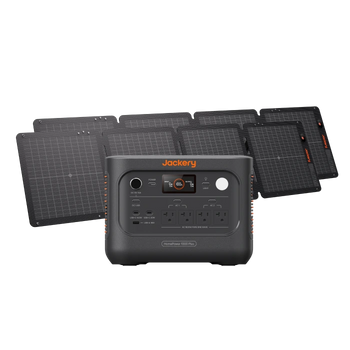


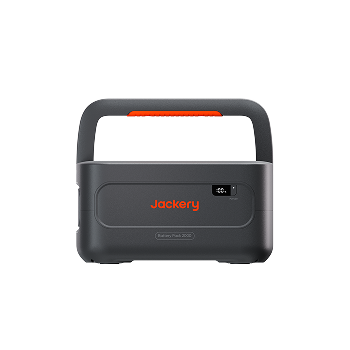
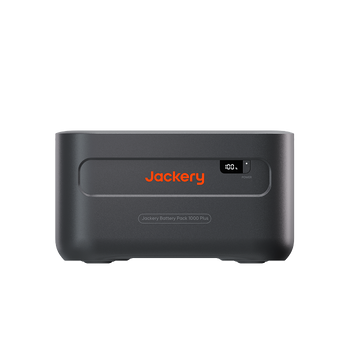









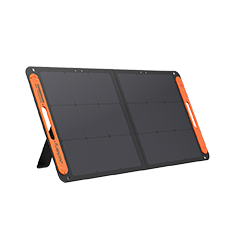



![[Add-on] Jackery SolarSaga 500 X - Jackery](http://www.jackery.com/cdn/shop/files/add-on-jackery-solarsaga-500-x-1493607.webp?v=1786503068&width=324)
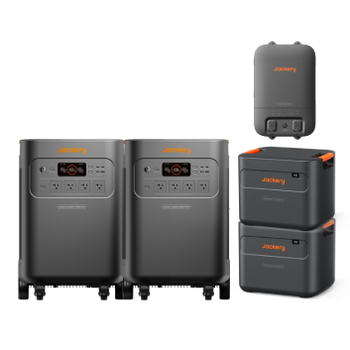
![[Add-on] Jackery Battery Pack 5000 Plus - Jackery](http://www.jackery.com/cdn/shop/files/add-on-jackery-battery-pack-5000-plus-6713401.webp?v=1786503068&width=324)










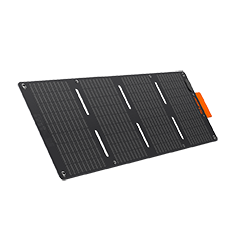
![[Add - on] SolarSaga 200W - Jackery](http://www.jackery.com/cdn/shop/files/add-on-solarsaga-200w-4834329.png?v=1754016915&width=324)
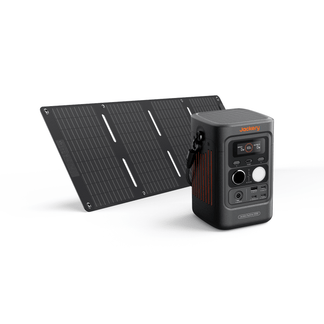


Quick Answer: The only way to pick the right portable solar generator for van life is to log your actual energy use with a Kill‑a‑Watt meter for 24 hours. Then, choose a power station with enough battery for 2–3 days of autonomy and solar input capacity to recharge in 4–6 peak sun hours. Integrated portable generators with MPPT controllers and LiFePO4 batteries eliminate component‑matching guesswork and deliver reliable plug‑and‑play power.
Key Takeaways:
- A Kill‑a‑Watt meter reveals silent loads (LED lights, water pump, vent fan) can consume 150–200Wh daily before you add a fridge.
- Modern portable solar generators bundle an MPPT controller and LiFePO4 battery into a safer, simpler unit than wiring a custom system.
- A typical cargo van roof provides only ~60 sq.ft. of usable space, so high‑efficiency 400W+ monocrystalline panels are essential.
- LiFePO4 batteries deliver 3,000–5,000 cycles with 80–90% usable capacity — a 100Ah LFP equals ~180Ah of AGM and lasts a decade.
- Always add a 20% solar buffer and a DC‑DC charger for alternator backup; without them, a week of rain or tunnel driving drains your battery.
Start with a Kill‑a‑Watt: The One Tool That Saves You from Overbuying
A Kill‑a‑Watt meter costs about $30 and saves you from the most expensive mistake in van building: guessing your loads. Plug every device you plan to use into the meter for a full 24 hours, and it logs the exact watt‑hours consumed. No spreadsheet estimates, no manufacturer claims — just hard data.
A 24‑hour load log reveals what you actually use, not what you think you use.
- 12V compressor fridge: draws 40Wh/hour in summer heat, but only 15Wh/hour at night.
- Always‑on vent fan: on low speed adds 40W continuously — nearly 1kWh per day.
- LED lights and water pump: 10W lights and a 60W pump can total 150–200Wh daily before you account for laptops or a fridge.
For real‑time tracking once the system is live, a shunt‑based battery monitor like a Victron BMV‑712 gives you live amp‑hour counts and state‑of‑charge. Many portable power stations also have their own apps, but a dedicated monitor adds precision for longer trips.
Why Portable Solar Generators Simplify Van Power: MPPT & LiFePO4
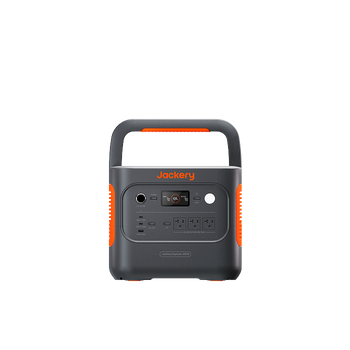
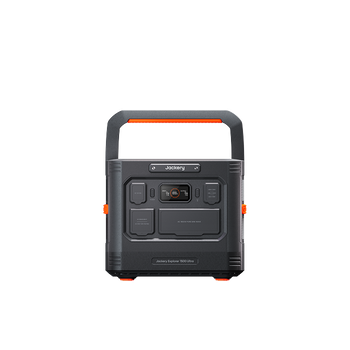
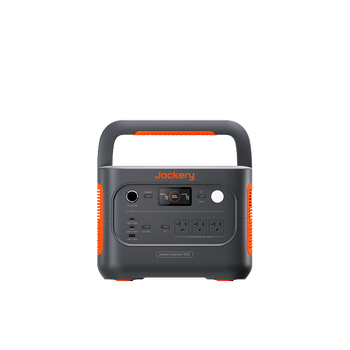
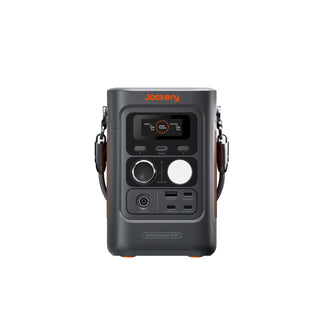
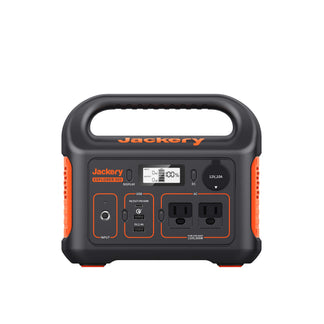
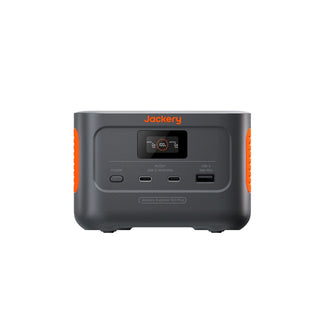
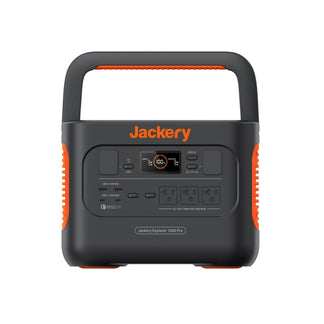
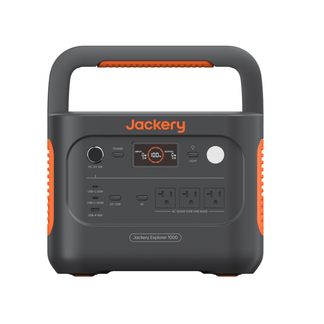
A portable solar generator bundles the battery, MPPT charge controller, and pure sine wave inverter into a single unit. That means no separate charge controller to mount, no figuring out wire gauges, and no risk of mismatched components. (If you’re unsure how a solar generator differs from a portable power station, note that a portable power station integrates the battery, inverter, and charge controller, while a solar generator adds panels — in a van, you can mix and match.) Many models today – like the Jackery Explorer series – use LiFePO4 chemistry and smart MPPT inputs.
The two features that matter most are the MPPT charge controller and the LiFePO4 battery.
MPPT controller: An MPPT tracks the panel’s maximum power point, converting excess voltage into extra current. Compared to older PWM designs, MPPT can harvest up to 30% more energy in partial shade or cooler temperatures — crucial on a van roof.
Controller Type |
Efficiency Loss |
Best Use |
PWM (older generators) |
20–30% loss in partial shade/cold |
Budget lead‑acid systems only |
MPPT (modern portable generators) |
≤5% loss, extracts 20–30% more energy |
Any lithium‑based van power setup |
LiFePO4 battery: LiFePO4 (lithium iron phosphate) delivers 3,000–5,000 full cycles versus 500–1,000 for AGM, and you can use 80–90% of its capacity without damage. A 100Ah LiFePO4 battery provides about 80–90Ah usable, while a 100Ah AGM gives only 50Ah before voltage sag — so a 100Ah LFP is functionally equivalent to a ~180Ah AGM and weighs half as much. That lifespan means a decade of service.
Look for a generator that supports at least a 400W solar input and verify that the solar input voltage rating is compatible with your panels (check the open‑circuit voltage, Voc, of your panel string against the generator’s max). Many portable generators also support pass‑through charging — you can run appliances while recharging from solar or a vehicle’s 12V port. Verify that the generator has a regulated 12V output for fridges and lights, so you don’t waste energy running the inverter for DC loads.
The Physics of Space: How Roof Real Estate Dictates Solar Harvest
A Sprinter 144" roof offers about 100 sq.ft. total, but after subtracting a Maxxair fan (14"x14"), a roof A/C unit, mounting rails, and a deck or storage box, you’re left with roughly 60 sq.ft. of usable panel space — and that dictates your entire solar harvest.
A single 400W monocrystalline panel measures about 21 sq.ft. Two of them fit, giving you 800W. Three panels (1,200W) require careful layout and often a roof rack. If your portable generator’s solar input maxes out at 400W, a single 400W panel is a perfect match; for higher input, a pair works well.
High‑efficiency monocrystalline panels (22–23% efficiency) are mandatory. A 400W panel delivers about 1,600–2,000Wh per day in full sun.
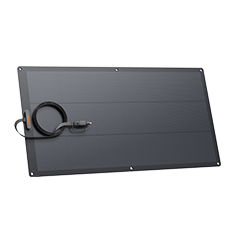
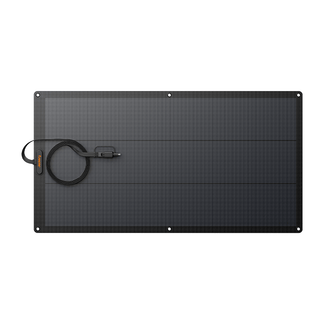
- Flexible panels can conform to curved roofs but degrade faster from heat and vibration. If you go flexible, look for ETFE coating and a solid adhesive backing rated for highway speeds.
- Rigid panels with an air gap underneath last 25+ years and dissipate heat better.
Always choose panels with UL or ETL certification and a wind/snow load rating — mobile installations vibrate constantly, and residential panels aren’t tested for that.
The 20% Safety Margin: Buffer for Shade, Dust, and Real‑World Losses
Always size your solar array to 120% of your calculated daily load to cover real‑world losses. Solar panel ratings assume perfect lab conditions (1,000W/m², 25°C cell temperature, clean glass). On a van roof in summer, panel temps hit 60°C, dropping output 10–15%; dust, bird droppings, partial shade from a roof vent, and non‑optimal tilt steal another 10–20%. So if you need 1,000Wh per day, install panels capable of producing at least 1,200Wh in your average sun hours.
Safety gear matters even with a portable generator:
- Use proper fuses on any cable you attach.
- Install a DC circuit breaker between the panels and the generator to safely disconnect the array.
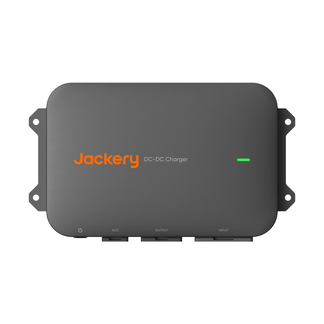
- Add a DC‑DC boost charger that pulls from the alternator as the ultimate backup — during a week of rain, heavy forest camping, or winter parking, 30–50A of alternator charging keeps your battery healthy. Without it, you’ll eventually run a generator or drive aimlessly just to recharge.
Real‑World Vampires: Calculating Your True Daily Energy Load
Silent loads add up fast. A realistic daily tally for a two‑person van without air conditioning often exceeds 1,730Wh.
Device |
Watts |
Hours/Day |
Daily Wh |
12V compressor fridge |
40W avg |
12 (compressor running) |
480 |
LED lights (4x) |
10W total |
4 |
40 |
Water pump |
60W |
0.5 |
30 |
Vent fan (low) |
40W |
24 |
960 |
Laptop charger |
60W |
3 |
180 |
Phone charging (2x) |
10W each |
2 |
40 |
Total |
1,730Wh |
That’s without an inverter’s idle draw (10–30W) or a roof A/C unit. A 1,500W roof A/C running 6 hours consumes 9,000Wh — demanding a 300Ah+ LiFePO4 bank at 24V and often forcing a 48V architecture.
Sizing guideline: For most van dwellers, a portable generator with 2,000–3,000Wh and 400‑800W of solar covers everything except air conditioning.
To save energy, run appliances on 12V or USB‑C: every DC‑to‑AC conversion wastes 10–15%.
- A 12V fridge bypasses the inverter entirely.
- A USB‑C laptop charger is more efficient than a 110V brick.
- Many portable stations keep their regulated 12V outputs on even when the inverter is off.
The correct sizing sequence: measure loads → size battery for 2–3 days autonomy → size solar to recharge in available sun hours → pick a generator that meets both. Never start with the panels.
Battery recharge time follows a simple formula: (Battery Wh) ÷ (Solar W × Sun Hours) = Recharge Hours.
Example: A 2,000Wh battery with 400W of solar in 5 peak sun hours: 2,000 ÷ (400 × 5) = 1 hour. In reality, with MPPT losses and temperature derating, expect 1.2–1.5 hours.
Limitations / What to Know Before You Buy
- Don’t skip the load measurement: Use a Kill‑a‑Watt meter first, then size battery, solar, and generator accordingly. Guessing leads to a unit too small or too large.
- Respect solar voltage limits: The generator’s max solar input voltage must exceed the temperature‑corrected open-circuit voltage (Voc) of your panel string. For example, three 40V Voc panels in series give 120V; if the generator’s limit is 100V, it will shut down.
- You don’t always need a huge inverter: Fridges, LED lights, USB chargers, and fans run on 12V natively. Leave the inverter off most of the day and use the station’s 12V regulated port to minimize idle consumption and extend battery life.
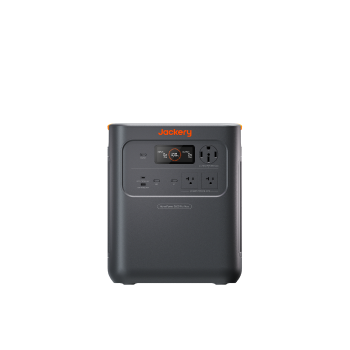
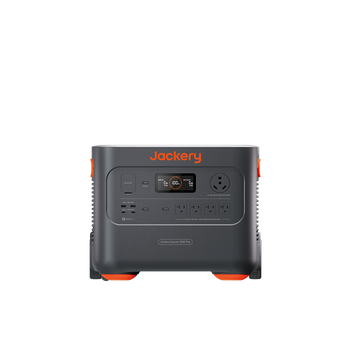
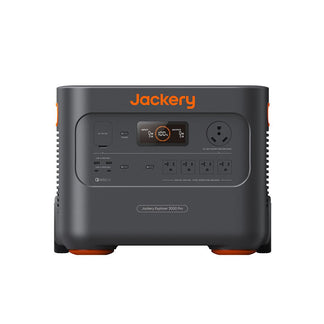
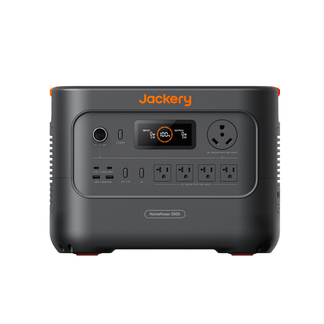
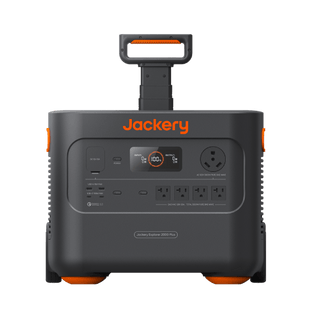
Jackery Solar Generator 2000 v2 & Explorer 2000 v2
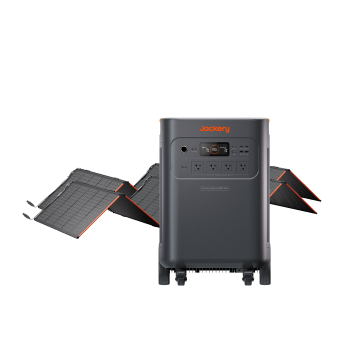
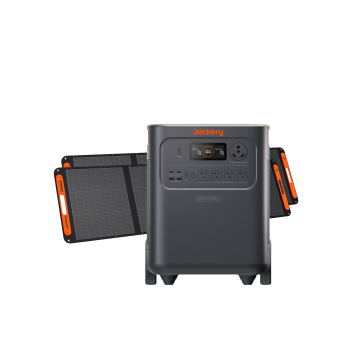
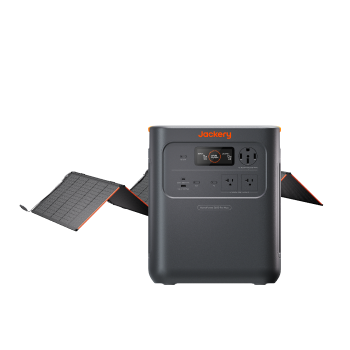
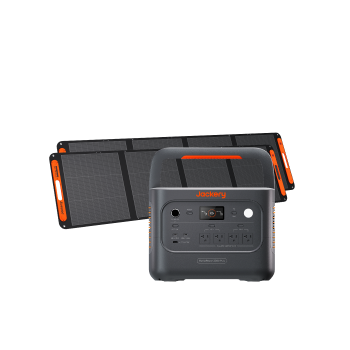
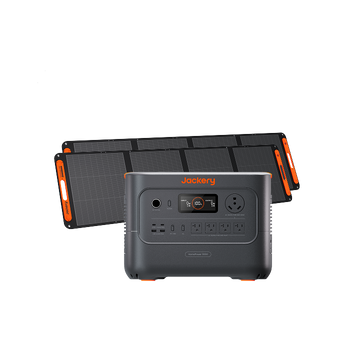
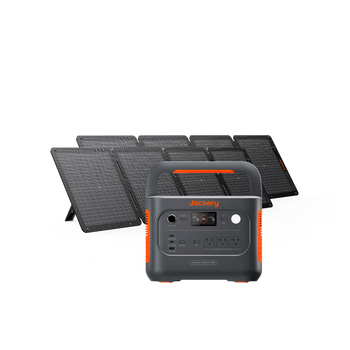
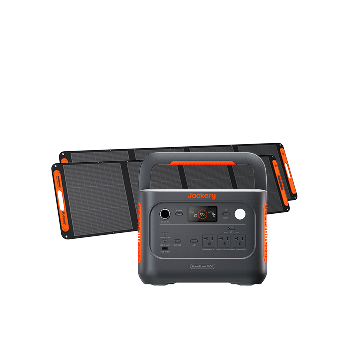
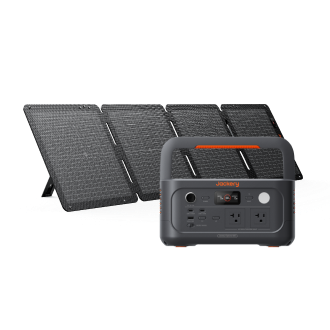
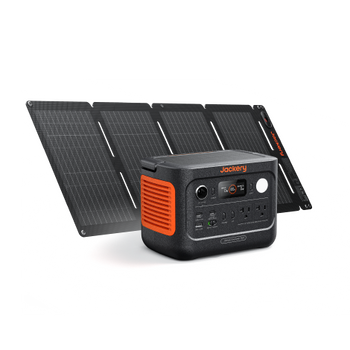
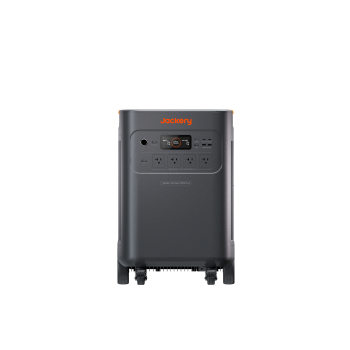
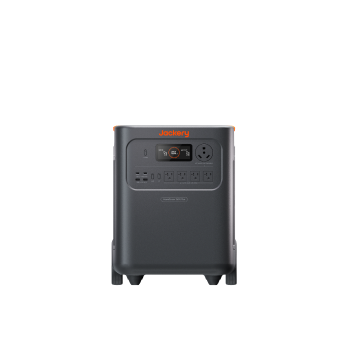
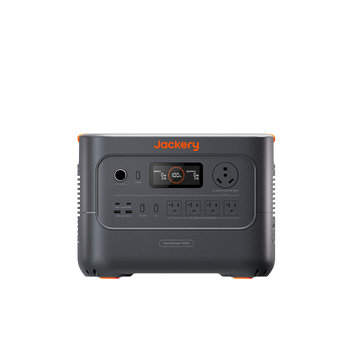
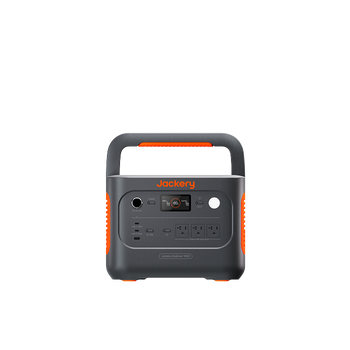
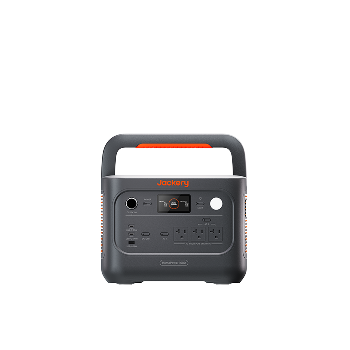
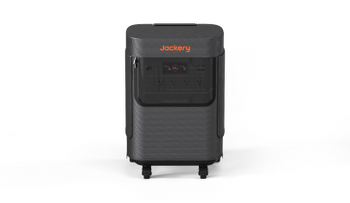
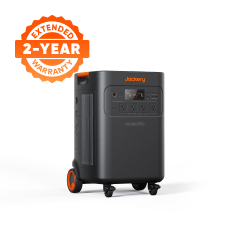
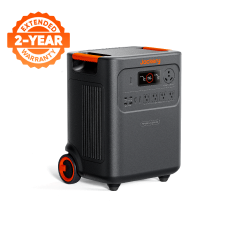
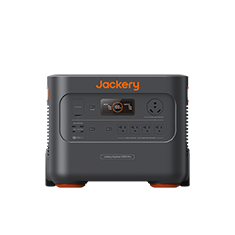
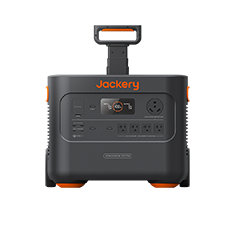
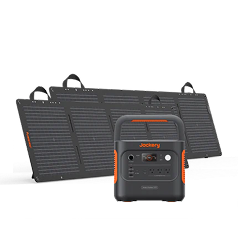
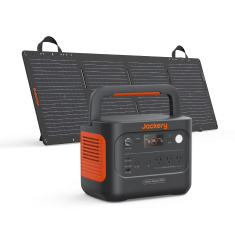
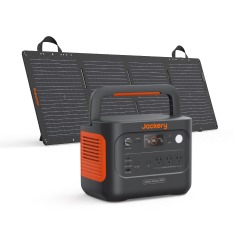
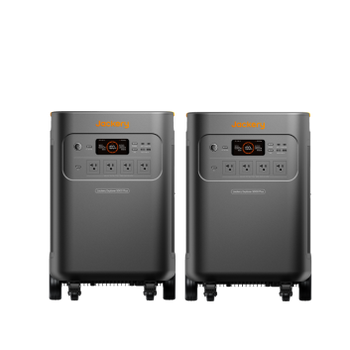
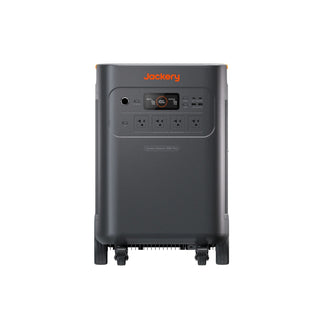
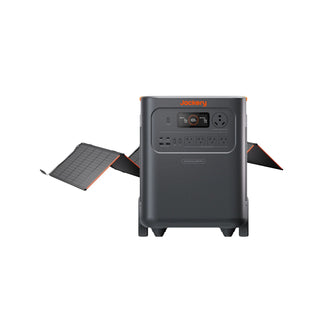
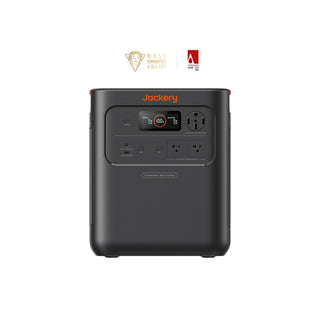
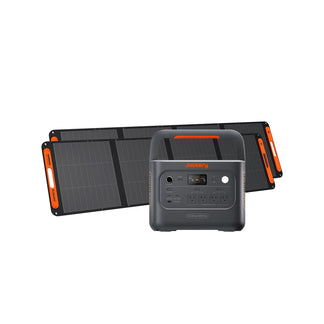
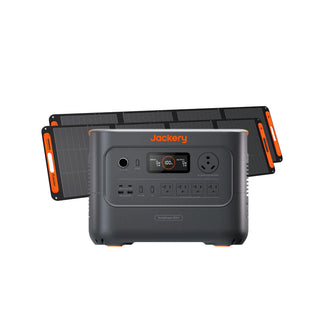
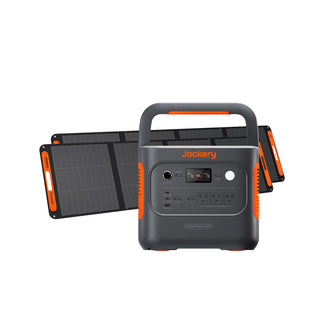
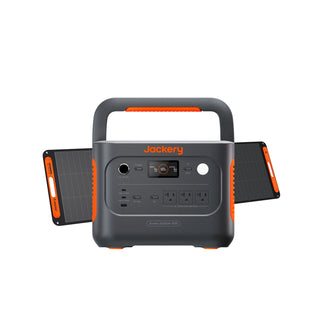
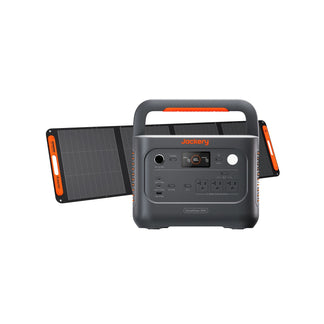
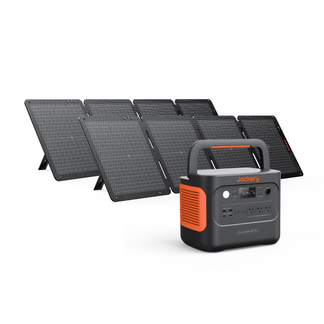
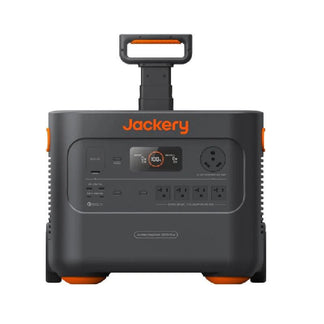
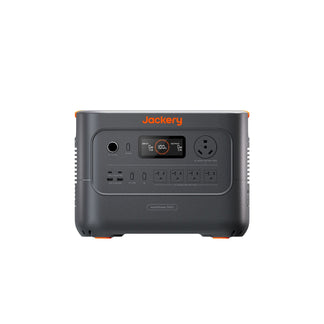
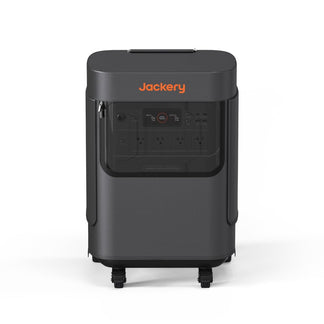
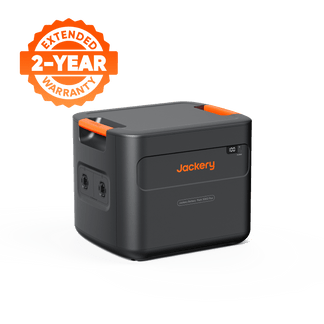
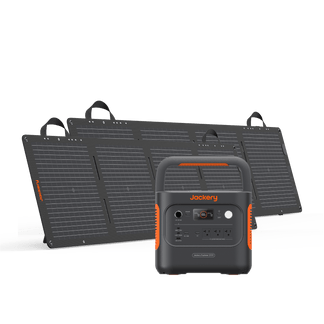
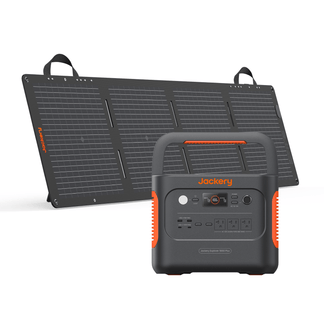
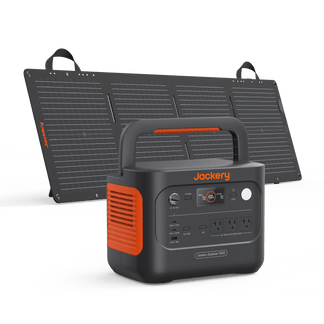
For van builders wanting a single, integrated power hub, the Jackery Solar Generator 2000 v2 bundles an Explorer 2000 v2 (2,042Wh LiFePO4, 2,200W continuous inverter, 400W MPPT solar input) that handles essential loads — fridge, lights, fan, laptop — without separate wiring.
Feature |
Specification |
Key Benefit |
Battery |
2,042Wh LiFePO4 |
Thousands of cycles, 10‑year lifespan |
Inverter |
2,200W continuous, 4,400W surge |
Runs sensitive electronics safely |
Solar input |
400W max, built‑in MPPT |
Maximizes harvest from limited roof space |
Charging options |
AC, solar, car 12V |
Flexible recharging on or off‑grid |
All ways to charge a Jackery power station include solar, AC, and vehicle 12V — you can top up while driving.
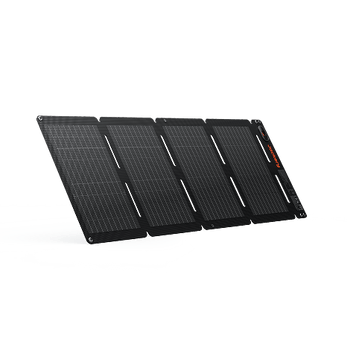
Jackery SolarSaga 500X & SolarSaga 100W Portable Solar Panels
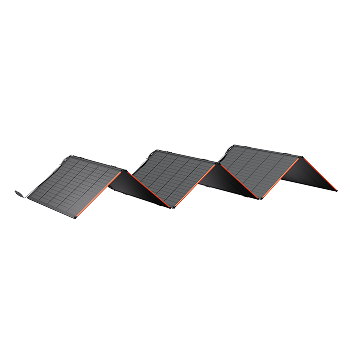
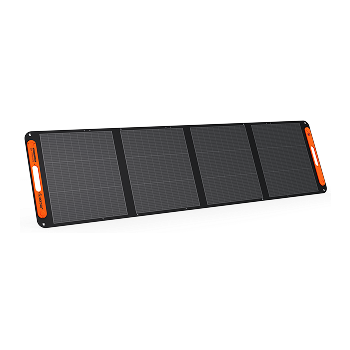
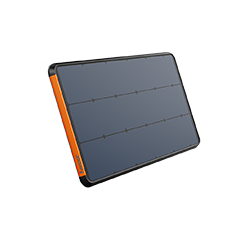
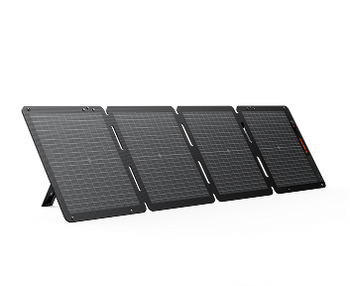
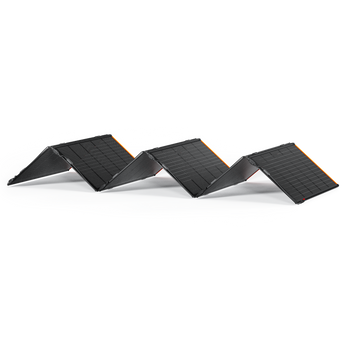
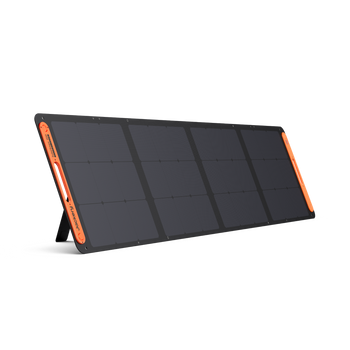
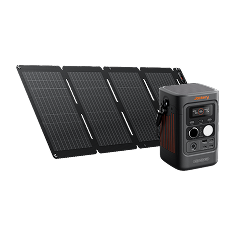
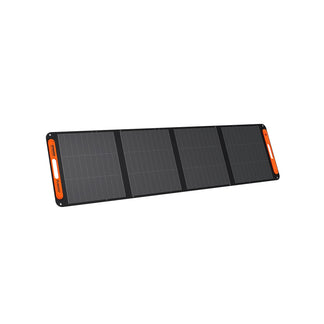
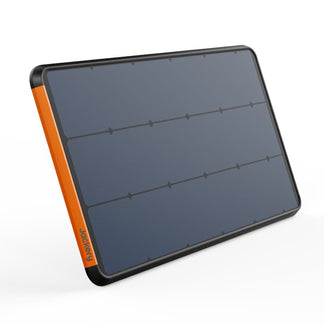
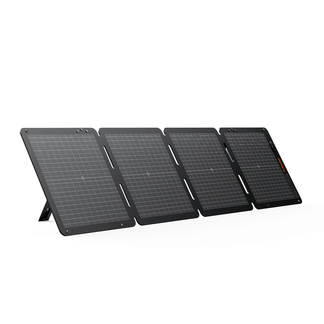
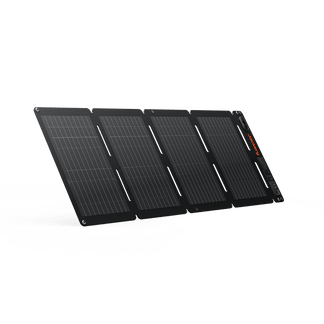
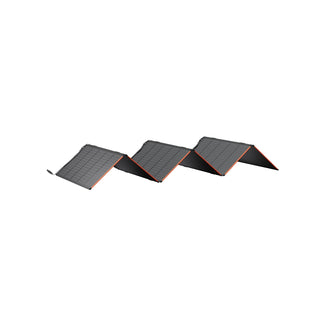
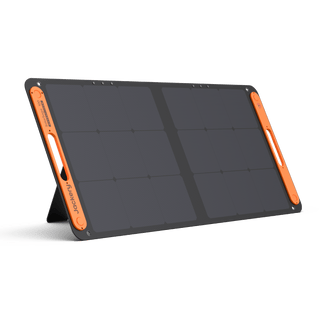
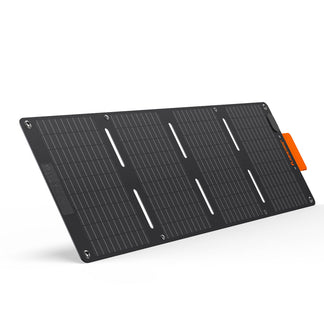
When roof space runs out, portable panels fill the gap. The SolarSaga 500X (500W, 25% bifacial TOPCon) can recharge the Explorer 2000 v2 in about 4–5 hours of good sun, while the SolarSaga 100W (100W, 24.3%, 7.94 lbs) folds flat for easy campsite deployment.
Panel |
Power |
Efficiency |
Best Use |
SolarSaga 500X |
500W |
25% bifacial |
Maximum output from minimal footprint |
SolarSaga 100W |
100W |
24.3% |
Portable, lightweight, easy to reposition |
Both panels use MC4 connectors and work with any Jackery power station with a solar input. The plug‑and‑play design lets you add panels later without rewiring the roof. Charging time from solar is simply panel wattage × peak sun hours ÷ battery capacity.
Frequently Asked Questions (FAQ)
What size portable solar generator do I need for a weeklong van trip?
Calculate your daily watt‑hours (see load table above), multiply by the number of days without sun, and add the 20% buffer. A 2,000 Wh unit with a 400 W panel usually supports 1–2 cloudy days; a 3,000 Wh unit with 600 W solar extends that to 2–3 days.
Can I connect multiple solar panels to one portable power station?
Yes, if the total voltage and current stay within the station’s solar input limits. Always wire panels in series or parallel according to the generator’s spec sheet, and use MC4‑compatible splitters if needed.
How often should I clean my van’s solar panels for best output?
Clean them monthly if parked under trees or near dust, and at least every three months in most conditions. Grime can reduce output by 10–20%.
Can a standard car alternator charge a LiFePO4 battery directly?
No. You must install a DC‑DC charger to protect both the alternator and the battery’s BMS. A direct connection can overheat the alternator and damage the battery. Many portable solar generators can accept a regulated 12 V input from a vehicle’s port while driving.
How can I monitor my van’s power system remotely without Wi‑Fi?
Many portable power stations have Bluetooth‑enabled apps that display real‑time battery status, solar input, and output loads — no internet required. If your station lacks that, a dedicated wireless battery monitor can be added.


