









![[Add - on] Jackery Manual Transfer Switch for Explorer 5000 Plus - Jackery](http://www.jackery.com/cdn/shop/files/add-on-jackery-manual-transfer-switch-for-explorer-5000-plus-9017324.png?v=1754016782&width=170)





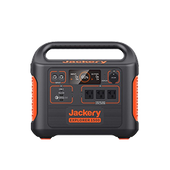
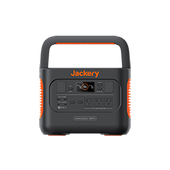
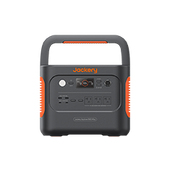
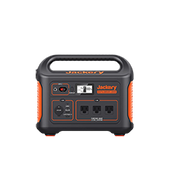
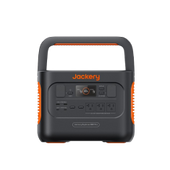
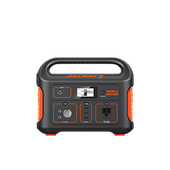

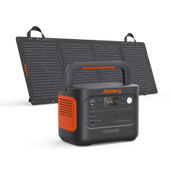
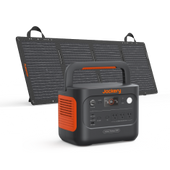
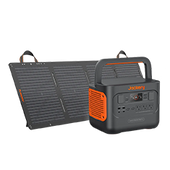

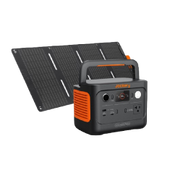




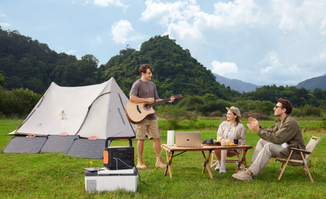
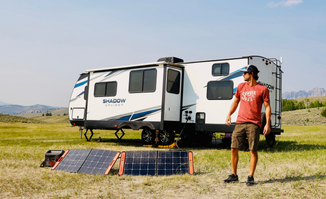

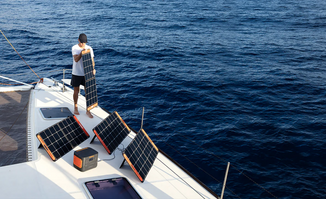
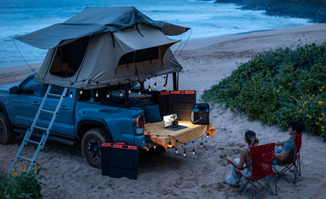



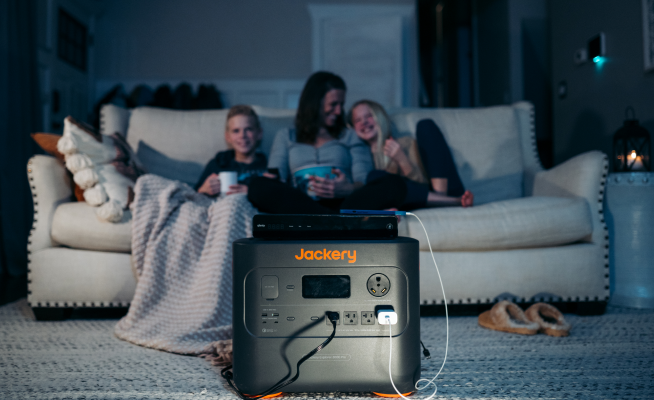


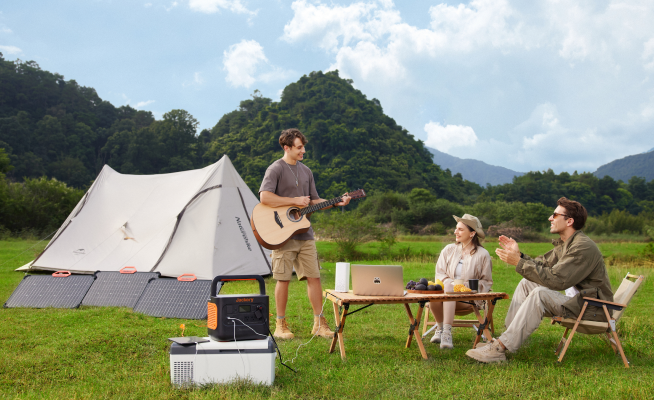

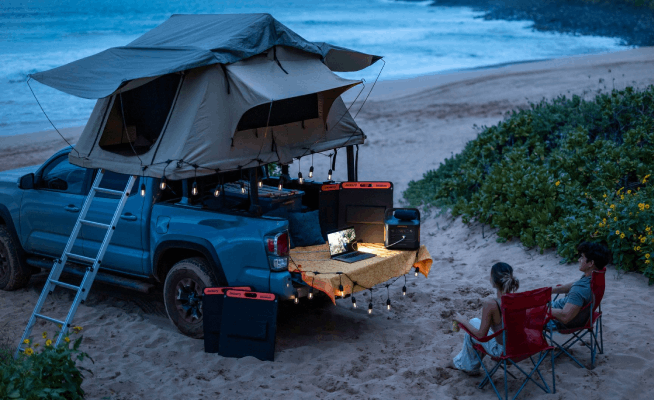
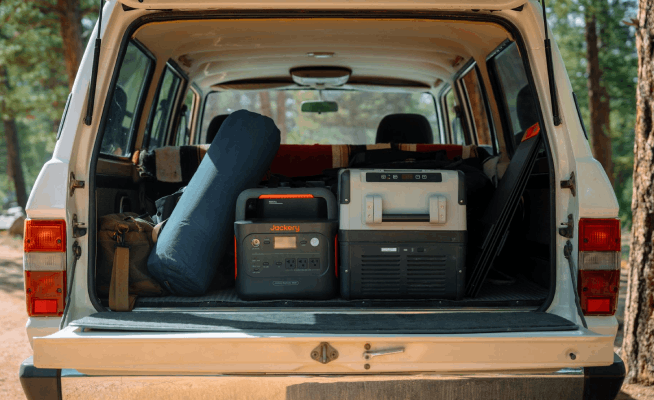
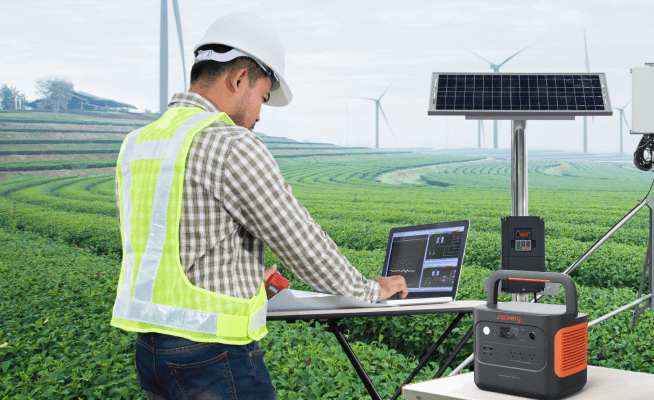
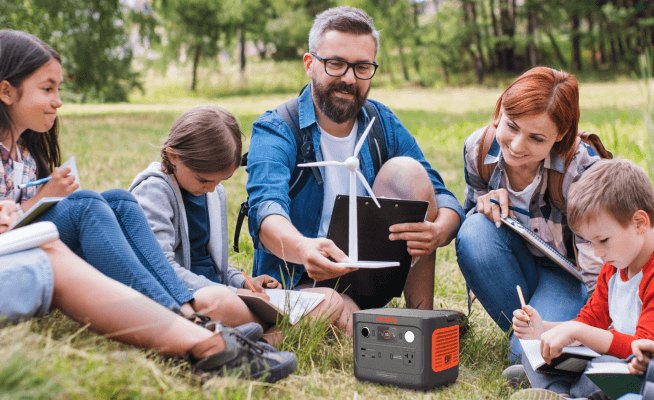







Brief Answer: Yes, a solar generator can power a tent. It can easily run essentials like lights, fans, mini-fridges, and charging devices, making camping more comfortable and convenient without relying on fuel or traditional outlets.
Tent camping has evolved from roughing it out to creating a cozy, functional outdoor setup, and power plays a big part in that. Whether it is lighting up your tent, keeping a fan running on a warm night, or charging your phone, you will need reliable access to electricity to make the experience far more enjoyable. But when you are completely off-grid, that can be a challenge.
A solar generator solves that problem effortlessly. It collects energy from the sun, stores it in the power station, and delivers clean, quiet power whenever you need it. From weekend campers to full-time travelers, solar generators like those from Jackery give you the freedom to enjoy nature with modern comfort. These battery backup solutions are portable, noise-free, and feature a large battery capacity that ensures you never run out of power halfway through your trip.
AI Takeaways
- A solar-powered tent has built-in solar panels that capture sunlight and convert it into electricity. It provides power for small devices like lights, fans, and phone chargers while camping off-grid.
- A solar-powered tent has limited built-in panels and storage, while a solar generator offers much higher capacity, allowing you to power multiple devices, such as mini-fridges, heaters, or electric pumps, for longer periods.
- The total power used inside a tent ranges from 100W to 500W or more, depending on the number of appliances, such as lights, fans, and charging devices, you use at once.
- Jackery Solar Generators are clean, quiet, and portable battery backup solutions for tents, providing reliable power for most of your camping essentials wherever you go.
What is a Solar Powered Tent
A solar-powered tent is a tent designed with integrated solar panels that convert sunlight into electricity to provide reliable power for lighting, charging electronic devices, and other appliances. These solar-powered tents offer a sustainable and convenient way to have power appliances while camping or in other outdoor situations where traditional electricity is unavailable. They work by capturing solar energy, storing it in a battery, and making it available through built-in charging ports and outlets.
Design
The solar-powered tent uses photovoltaic fabric to generate solar energy that will be used for the heater, wireless hub, and magnetic induction charging pouch. The high-quality solar power tents can also have the feature to glow gently so that you can easily find your way back to the tent in the dark. Also, in any emergency, the tent may glow fiercely to alert people around the area. The solar power available in the solar tent can also take care of cooking appliances, device charging, lighting, heating, and safety.
The solar-powered tent will use flexible solar panels fixed on the dome, while special emphasis will be given to ventilation and safety.
The general mechanism of developing a solar-powered tent is briefly described below.
- Develop the tent skeleton frame.
- Use perovskite fabric to cover the frame.
- Install the flexible solar panel over the perovskite material
- Connect the panels and the perovskite to the battery
- Connect all your appliances to the battery.
Solar Powered Tent VS. Solar Generator for Tent
A solar-powered tent comes with small built-in panels that can charge a few low-power items like lights or phones, but its capacity is limited. On the contrary, a solar generator stores much more energy and can power several devices at once, like fans, mini-fridges, and laptops, throughout the night. In short, a solar-powered tent offers basic convenience, while a solar generator provides full-scale comfort and reliability for longer camping trips.
Solar-Powered Tent
The solar-powered tent is designed with a semi-photovoltaic fabric woven with coated solar threads and conventional threads that become a solar shell. This becomes a flexible solar panel that slides around the tent's exterior. It should face direct sunlight, and you can change the direction depending on the sun's position.
Features:
Solar-powered tents have a suitable surface to absorb the sunlight while insulating it from the surrounding. Its basic and elegant design is focused on functionality. It offers self-heating, device charging, cooking, and other uses.
Solar-powered tents are ideally collapsible and foldable so they can be easily transferred to different places.
Pros:
- It provides better accommodation in chilly weather when the temperature is low.
- It saves the environment from tons of carbon emissions and fossil fuel uses.
- It is cost-effective because it offers an all-in-one solution and no additional need for other solar-powered devices.
Cons:
- The solar-powered tents are still in the design phase, so the construction is still immature. A lot of real-world testing and improvement is required before a robust design is achieved.
- Since it is not available in bulk, the entire purchase will be expensive.
- It is heavy, and transportation can be difficult.
Solar Generator for Tent
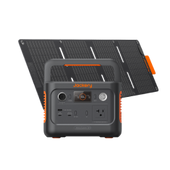
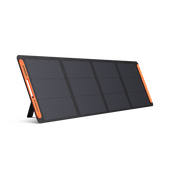
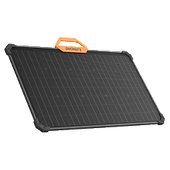
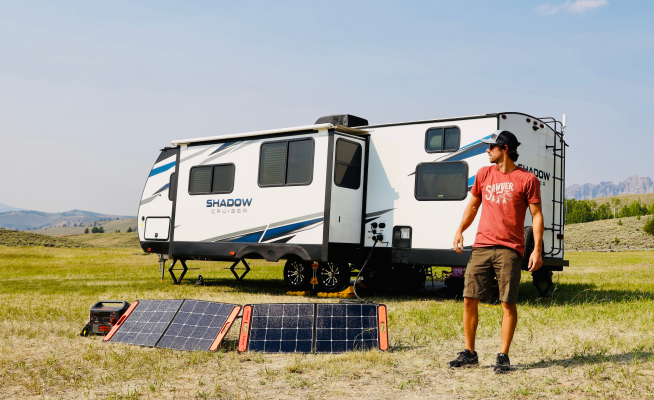
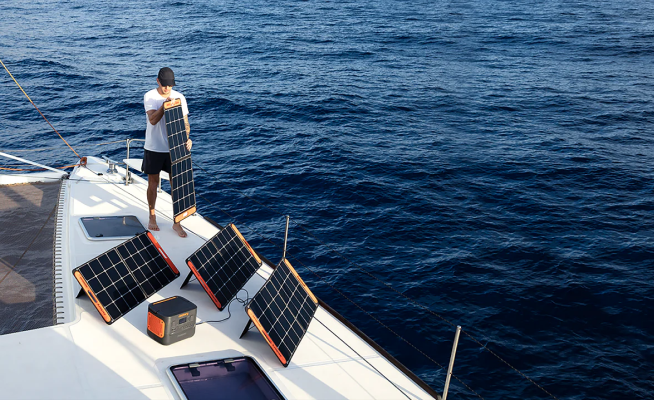
A solar power generator runs on solar power. It is a portable power station using solar panels instead of fossil fuels for power generation. A solar generator captures the sun's energy, converts it into electric current, and then stores it in a battery for later use. A solar generator is a great alternative to solar-powered tents because it has enough capacity to power all your camping power needs and is safe and robust. Solar generators can be used for RV camping, boats, and as a backup power source in the case of power outages or emergencies.

Features:
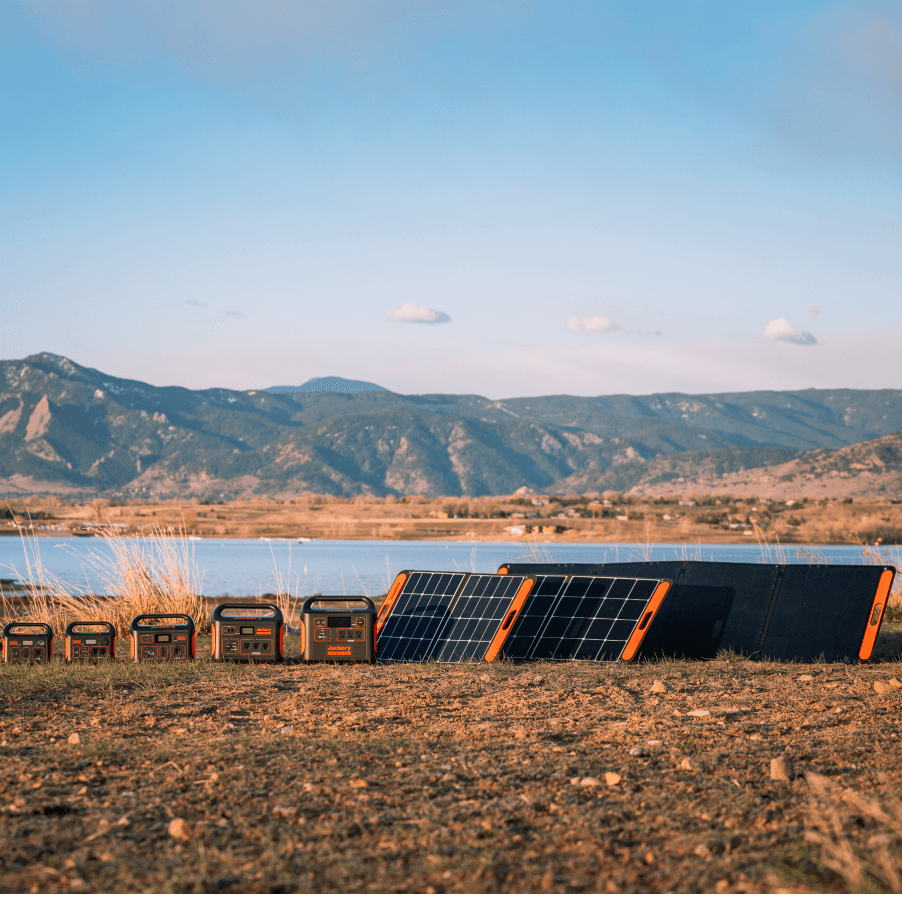
A solar generator comprises four components: solar panels, a battery, a charge controller, and an inverter. Solar panels receive energy from the sun and convert it to DC power. At the same time, the charge controller regulates the current for equipment safety. The battery stores the current. Then the inverter converts it into AC power, enabling the solar generator to run all appliances like a wall socket.
High-quality solar generators also include some safety and ease-of-use mechanisms. For example, the Jackery solar generators have an LED display to show charging, output statistics, and other useful information. Also, these generators regulate the AC supply to maintain a smooth power flow to keep your appliances safe from current fluctuations.
Pros:
- It is very cost-effective because there is no fuel cost.
- It is environmentally friendly renewable energy.
- No noise.
- Low maintenance.
- Solar generators offer high capacity for camping or RV that can power all your appliances, including a laptop, refrigerator, TV, cooking grill, lighting, and more.
- High-quality solar generators like Jackery 2000 pro, 1500 pro, and 1000 pro also offer pass-through charging, i.e., you can charge the generator and run the appliances simultaneously.
Cons:
- The upfront investment in solar generators can be high.
- Slow recharging in some generators.
|
Types |
Features |
Pros |
Cons |
|
Solar Powered Tent |
1. It offers self-heating, device charging, cooking, and other uses. 2. An all-in-one solution for all electricity use.
|
1. Cost-effective. 2. Environmentally friendly. 3. Better accommodation in chilly weather. |
1. It needs to be a more mature design. |
|
Solar Generator for Tent |
1. An all-in-one solution for both outdoor and indoor. 2. It comprises four main components: a solar panel, inverter, battery, and charge controller. |
1. Cost-effective. 2. Safe and secure. 3. No noise and low maintenance. 4. High capacity. 5. Pass through charging. |
1. They have a limited power supply. |
How Many Watts Does a Tent Use
A tent’s total power use depends on what appliances you run inside it, but most camping setups draw between 200 watts and 1500 watts in total. Smaller setups with just LED lights, fans, and phone chargers may use around 200 - 400W, while larger and more comfortable tents with electric kettles, mini-fridges, or heaters can easily reach 1000 - 1500W.
For example, if you are running a mini fridge (100W), two LED lights (20W), and a portable fan (40W), your total use would be about 160W, which a small solar generator can handle easily. But if you add an electric kettle (800W) or heater (800W), you will need a higher-capacity solar generator like the Jackery Solar Generator 2000 v2 to keep everything running smoothly.
For Oregon-based camper and community leader James Paulson, camping is about bringing people together in nature. Whether he’s hosting group trips by the lake or leading first-time campers into the wilderness, his Jackery Portable Power Station is always by his side. It keeps lights, cooking gear, and phones powered long after dark. Beyond the campgrounds, his portable power station doubles as a home battery backup when power flickers out, keeping WiFi and work running smoothly. Read James’s full Jackery story to know more.
How Many Amps Does a Tent Use
A tent doesn't use a specific number of amps. The total amperage depends entirely on the devices plugged into it, ranging from a few amps for a small setup to 50 amps or more for large, event-style tents with heating, lighting, and catering. For basic camping, power needs are usually lower and might be a maximum of 6 or 10 amps at a campsite, while large-scale setups like weddings will require significantly more power, often necessitating a generator.
Every electrical circuit follows Ohm's Law, i.e., Watts = Volts x Amps.
W = V*A
Watts show power, while Amps measure current. So, the general principle is that when you want to supply a steady amount of power, then when the voltage decreases, amps must increase.
So, if you are using a 1500-watt heater that consumes 1500 watts of power, then you need this power with a relationship of volts and amperes.
So, if you are using 12V, then you need 125 amperes.
And for 24V, then the amp requirement is 62.5.
We can have different campsites with different amp ratings, e.g., 50 amp, 30 amp, and 20 amp.
A 50-amp service provides a maximum power of 12,000 watts. In comparison, a 30-amp service RV receives 3,600 watts. Another difference is the different types of appliances that each type of RV supports. A 30-amp system usually contains one A/C unit, a microwave, a refrigerator, a TV, and several outlets. On the other hand, a 50-amp system will come with two A/C units, a residential or RV-size refrigerator/freezer, other kitchen appliances, and a TV/entertainment system. It may also include a washer and dryer.
How Much Solar Power Does a Tent Need
The solar power a tent needs depends on your electricity use, but 100W to 200W is sufficient for basic camping needs like charging phones, running LED lights, and powering a small fan. For more demanding applications like a small fridge, a larger panel or a 500W to 1000W may be necessary. If you want to calculate your exact needs, you need to list all appliances, find their wattage, multiply by hours of use to get total watt-hours, and use this to determine the required solar generator size.
|
Device |
Watts |
Hours |
Daily Energy consumption |
|
Coffee Maker |
700 |
1 |
700Wh |
|
Phone Charger |
10 |
4 |
40Wh |
|
LED light |
5 |
8 |
40Wh |
|
Speaker Charger |
10 |
4 |
40Wh |
|
Fan |
50 |
8 |
400Wh |
|
Heater |
1500 |
2 |
3000Wh |
|
Air Mattress Pump |
50 |
1 |
50Wh |
|
Fridge |
700 |
8 |
5600Wh |
|
Electric Frying Pan |
1200 |
2 |
2400Wh |
Jackery Solar Generator for Tent
Jackery Solar Generators for the tent are reliable battery backup solutions for any camping or outdoor adventure. They are lightweight, easy to carry, and easy to set up. These features make these generators ideal for those who want portability. Also, these generators are sturdy and well-built and can sustain the hard weather conditions you might experience outdoors. The most suitable Jackery Solar Generators for tents are as follows:
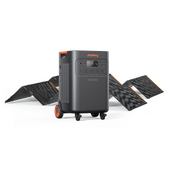
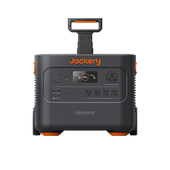
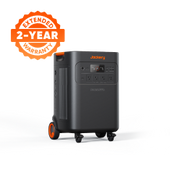
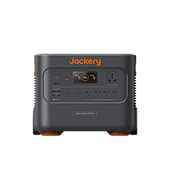
Jackery Solar Generator 2000 Plus
The Jackery solar generator 2000 Plus has a large battery capacity that can power most tent appliances for long hours. With the massive battery capacity, it can support multiple devices, such as mini freezers, laptops, cooking grills, lighting, and TVs. You can also connect extra battery packs to increase the battery capacity and run everything from lighting and fans to portable cooktops and freezers.
Appliances Running Time
- Electric Heater (1000W) = 1.6H
- Portable Air Conditioner (1000W) = 1.6H
- Electric Grill (1000W) = 1.6H
- Coffee Maker (900W) = 1.8H
- Mini Fridge (100W) = 14.2H
Who Should Buy This
The Jackery Solar Generator 2000 Plus is ideal for serious outdoor travelers, overlanders, and long-term campers who want complete energy independence. It is a suitable choice if you use multiple high-power appliances or want a tent setup that feels more like a cozy, off-grid home.

Customer Review
Fantastic - easy to use and runs our cabin like a pro! I was expecting the 2000 plus to work well, but the plug-and-play nature of the system, as well as the simple interface, exceeded my expectations!!!
— Robert Cecrle.
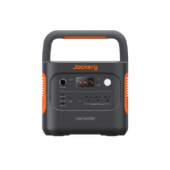
Jackery Solar Generator 2000 v2
If you're looking for a solar-powered generator that weighs less but offers more power, then you can go ahead with the Jackery Solar Generator 2000 v2. It weighs less compared to similar-capacity products available in the market, which is why it is preferred for outdoor adventures like tent camping. The lighter yet powerful charging solution can power camping lights, heaters, portable fans, and other cooking appliances.
Appliances Running Time
- Electric Heater (1000W) = 1.6H
- Portable Air Conditioner (1000W) = 1.6H
- Electric Grill (1000W) = 1.6H
- Coffee Maker (900W) = 1.8H
- Mini Fridge (100W) = 14.2H
Who Should Buy This
The Jackery Solar Generator 2000 v2 is ideal for campers who enjoy comfort and convenience outdoors. It is great for powering heavier gear like induction cookers, electric kettles, or portable heaters, making it a strong fit for long stays, glamping setups, or group camping adventures.

Customer Review
The 2000 will run my fridge/freezer for nearly a day, so it helps during a loss of power. Less running a noisy gas generator. Great to have around and less complex than a gas generator.
— William Smoak.
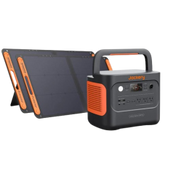
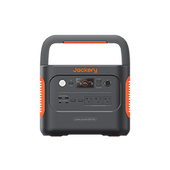
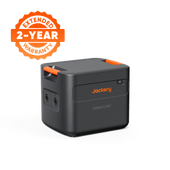
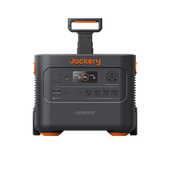
Jackery Solar Generator 1000 Plus
The Jackery Solar Generator 1000 Plus is one of the powerful yet lightweight solar-powered generators that can power most outdoor appliances for long hours. It features a foldable handle and ergonomic design that makes the solar generator ideal for outdoor adventures like tent camping. It can run camping lights to illuminate the space around the tent or mini freezers to keep food and drinks cool.
Appliances Running Time
- Electric Heater (1000W) = 1.0H
- Portable Air Conditioner (1000W) = 1.0H
- Electric Grill (1000W) = 1.0H
- Coffee Maker (900W) = 1.1H
- Mini Fridge (100W) = 8.8H
Who Should Buy This
The Jackery Solar Generator 1000 Plus is ideal for casual campers, couples, or small families who want dependable power for weekend trips. It is ideal if you need to run essentials like LED lights, fans, phones, or a small fridge in your tent without adding extra bulk.

Customer Review
I charged up the Jackery in a little more than an hour to 100%. I plugged in my new 12-volt fridge to see how much energy it would take. After 12 hours, the Jackery was still at 95%. I am very pleased and believe this will make travel and camping so much easier and more enjoyable.
— Lea Curtis.
Solar Powered Tent FAQs
1. What size of solar generator do I need to power a tent?
The size of the solar generator needed to power a tent depends on the wattage consumption of the tent's appliances and how long you want to run them. If you want to calculate how long a Jackery Solar Generator runs the appliances, visit the Jackery Buying Guide page and scroll to find the Running Time Calculator. Choose the Jackery Portable Power Station from the dropdown, input the wattage consumption, and click Enter to get an estimated runtime. For example, the Jackery Explorer 2000 v2 can run appliances consuming 500W for 3 hours on a single charge.
2. How to build your solar-powered tent?
To build your solar-powered tent by yourself, you will need pipes or rods for the structure, flexible solar panels, and a battery or a solar generator. First, make your structure and cover it with special fabric for a solar power tent, and then cover it with solar panels. However, the easier way is to use the traditional tent and then connect it to a solar generator to cover all your power needs.
3. Do solar-powered tents work on cloudy days, in winter, or without the sun?
Yes, some solar-powered tents can work on cloudy days and other times when the sun is not shining as brightly. However, the performance will not be on par with regular charging. If you plan to use solar power in an area where the sun is not bright enough, then your best bet is to use a high-quality solar generator like Jackery. The Jackery Solar Generators feature large battery capacities that can supply reliable power to appliances for long hours. These solar battery backup solutions are portable and robust and use advanced technology to recharge quickly.
Final Thoughts
Camping is becoming a popular hobby and vacation as it helps release stress and relax physically and spiritually. A solar-powered tent is a great piece of equipment to own when you are a camping enthusiast. It is an all-in-one solution; however, it is still evolving, and the design could be more mature. A more robust alternative is to invest in a high-quality Jackery Solar Generator that can power most of your tent appliances and can be quickly recharged using solar panels.




Leave a comment