
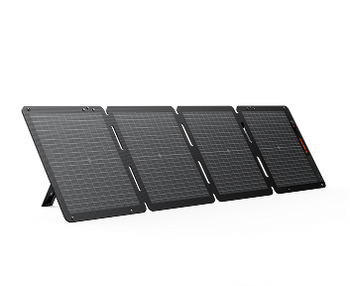
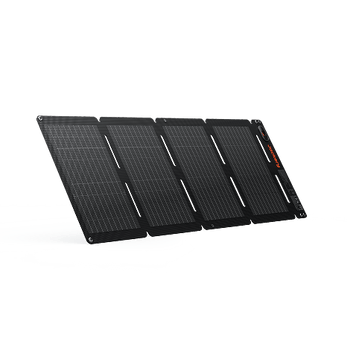


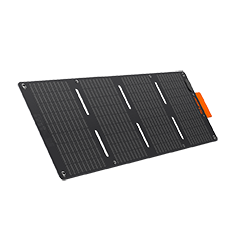



![[Add-on] Jackery SolarSaga 500 X - Jackery](http://www.jackery.com/cdn/shop/files/add-on-jackery-solarsaga-500-x-1493607.webp?v=1786503068&width=324)
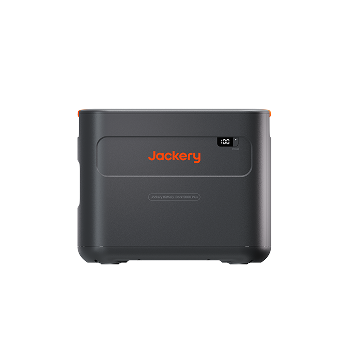
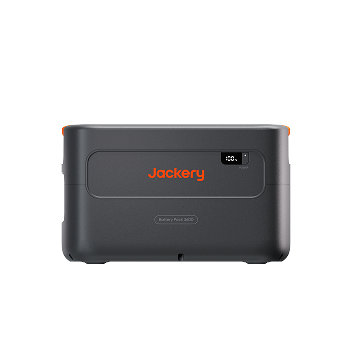
![[Add-on] Jackery Battery Pack 5000 Plus - Jackery](http://www.jackery.com/cdn/shop/files/add-on-jackery-battery-pack-5000-plus-6713401.webp?v=1786503068&width=324)




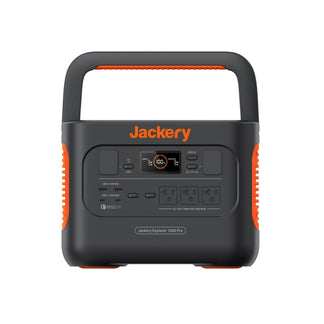
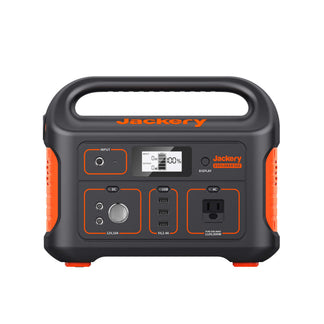
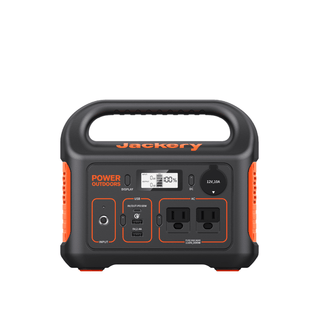
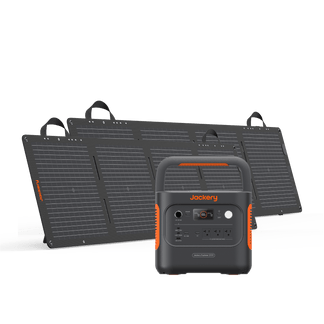
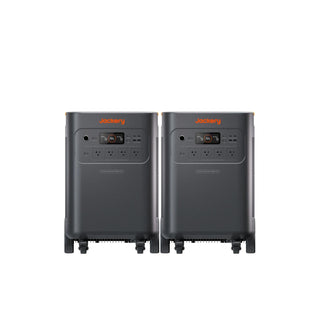
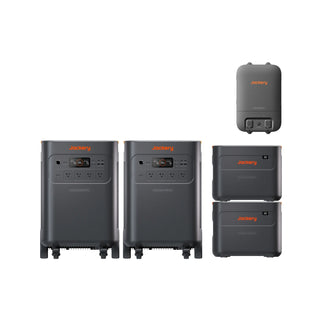
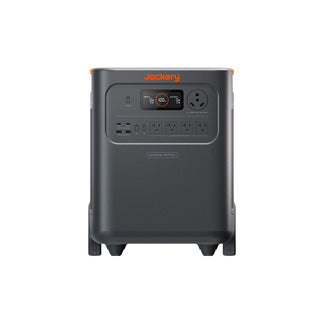
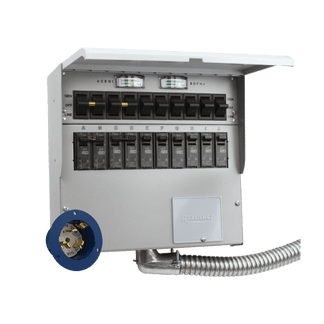


Power outages are no longer rare inconveniences. In fact, they are increasingly common and increasingly costly. Whether it is a winter storm knocking out the grid for three days, a summer heat wave overloading local infrastructure, or a wildfire forcing an evacuation, having the best portable power station for home backup is quickly moving from a luxury to a practical necessity.
The best portable power station for home backup in 2026 depends on the size of your home and which appliances you need to keep running. For most households, a power station with at least 2,000Wh of capacity covers the essentials, such as a refrigerator, lighting, phone charging, and a fan or small heater. For larger homes or multi-day outages, a 3,000Wh to 5,000Wh power station is the more reliable choice.
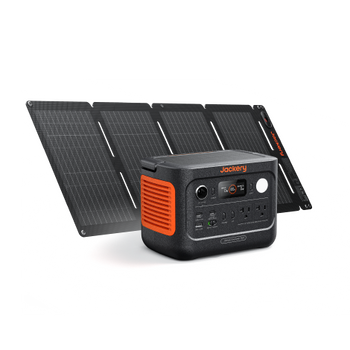
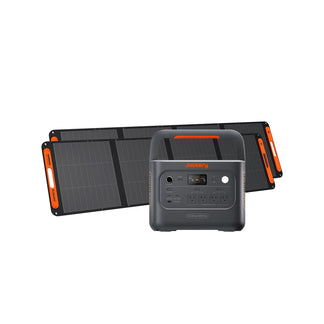
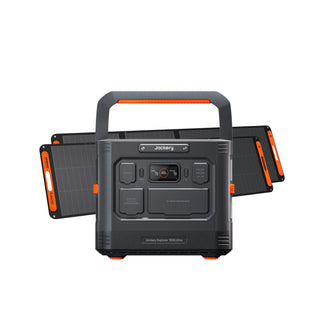
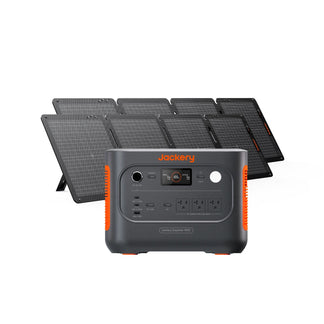
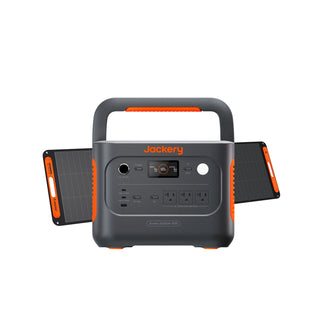
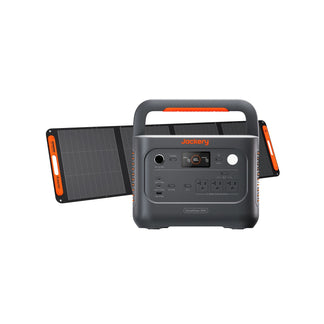
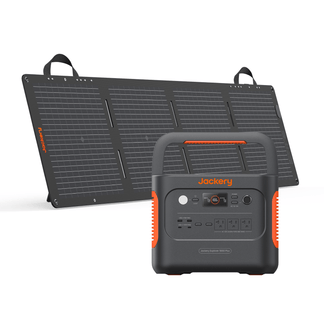
Jackery Solar Generators are reliable home battery backup solutions that can run most appliances, such as refrigerators, lights, ACs, etc. These solar generators for home backup are compact in size, so you can easily move them from one room to another.
Takeaways
- Capacity (measured in Wh) determines how long a power station can run your appliances. You should match it to your actual home needs.
- UPS (Uninterruptible Power Supply) functionality is a critical feature for home backup, as it switches to battery power in milliseconds, protecting sensitive electronics during sudden outages.
- Portability matters even for home backup units, as you may need to move the power station between rooms or take it with you during an evacuation.
- Charging speed determines how quickly the power station recharges using solar panels, wall outlets, or both. It is important for multi-day outages.
- The right power station for home backup depends on your home size, the appliances you need to run, and how long you need to run them.
What Should You Look for in a Portable Power Station for Home Backup?
Not all portable power stations are built the same, and the wrong choice for your home can leave you underpowered when it matters most. These are the five features that matter most when choosing a home backup power station.
Capacity
Capacity is measured in watt-hours (Wh) and tells you how much total energy the power station can store and deliver. A 2,000Wh unit can run a 200W refrigerator for roughly 8 - 10 hours, or keep a 10W LED lighting setup running for days. The higher the capacity, the longer your home essentials stay powered during an outage.
For context: a standard household refrigerator draws 100–200W, a window AC unit draws 500–1,500W, and a sump pump draws 800–1,050W. Add up the wattage of the appliances you need to keep running and match it to the capacity of the power station. You should always build in a buffer, as real-world consumption is rarely perfectly efficient.
Portability
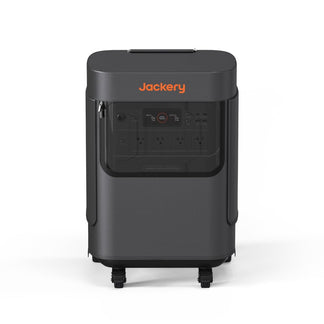
The best portable power station for home backup doesn't mean stationary. A good portable power station should be movable from the living room to the bedroom, from the house to the car during an evacuation. Look at the weight, the handle design, and whether the power station has wheels for heavier models. Home battery backups above 3,000Wh are typically heavier, but the best designs offset this with built-in wheels and ergonomic handles that make moving them manageable for one person.
UPS (Uninterruptible Power Supply)
UPS functionality is one of the most important and often overlooked features for home backup use. When the grid goes down, a UPS-enabled power station switches to battery power in milliseconds, fast enough that your devices never register an interruption.
Without UPS, a sudden outage can corrupt files, reset devices, or damage sensitive electronics like medical equipment, routers, or computers. If you are using a power station for home backup specifically, UPS capability is non-negotiable.
You can read this article for more information: Which Jackery Products Have UPS Mode and What Is It.
Output
Output is measured in watts (W) and determines what the power station can actually run at any given moment. A power station with 2,000W of output can power appliances drawing up to 2,000W simultaneously. Some high-draw appliances, like refrigerators and sump pumps, have a startup surge that briefly exceeds their rated wattage, so look for a battery backup whose peak output covers those spikes. For home backup, a minimum of 2,000W output is a practical baseline.
Charging Speed
During a multi-day outage, how fast your power station recharges is just as important as how much it holds. A power station that takes 12 hours to recharge from solar panels is a very different experience from one that fully charges in 2–3 hours. Look for home battery backups that support fast AC charging, high solar input, and ideally both simultaneously. The faster a power station recharges, the more confidently you can use it.
With 24-hour shifts that can stretch to 72 hours or more during major incidents, Kyle Miller has spent years worrying about what happens at home when a hurricane rolls in from the Gulf. After Hurricane Irma left his family without power for seven days and cost them everything in the fridge and freezer, he started looking for a real solution. That's when he found the Jackery product. Now, when a storm hits, his wife and two young children can keep the fridge cold, warm up food, charge phones, and run a bedroom fan. Read more such Jackery Stories to see how people use their solar generators.
How Long Can a Portable Power Station Run Your Home Essentials?
The runtime of a portable power station depends on two things: the capacity of your power station and the wattage of the appliances you are running. Here's a practical look at the energy needed for different home appliances:
|
Common Home Appliances |
Running Hours |
Energy Needed |
|
Fridge (100W) |
8H |
800Wh |
|
Fan (20W) |
4H |
80Wh |
|
Lights (10W) |
6H |
60Wh |
|
WiFi Router (10W) |
24H |
240Wh |
|
TV (150W) |
4H |
600Wh |
|
Space Heater (500W) |
4H |
2000Wh |
Which Jackery Power Stations are Recommended for Home Backup in 2026?
When the grid goes down, the power station sitting in your home either covers your needs or it doesn't. There's no middle ground in an outage. Jackery's home battery backup lineup is built around distinct use cases, so you can find the right match for your home, your household size, and how long you need to last without grid power. Here are some of the recommended essential home backup solutions for different scenarios:
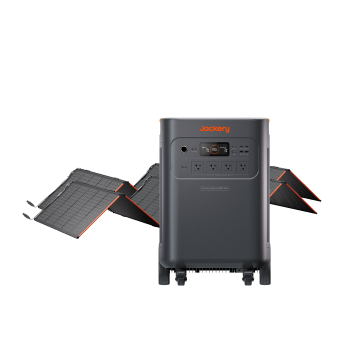
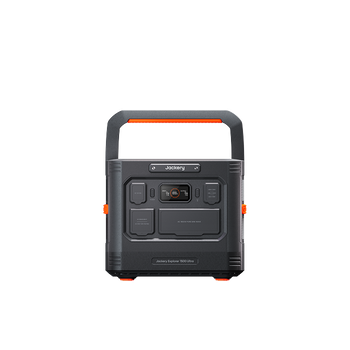
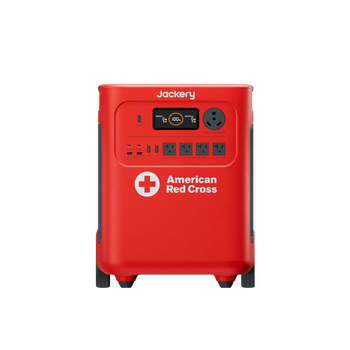
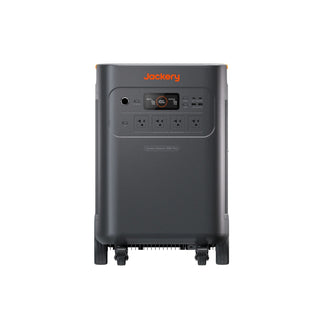
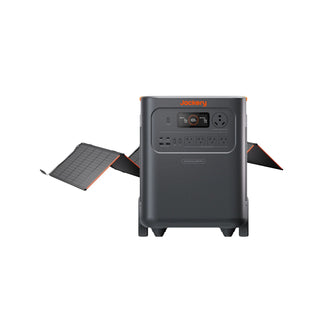
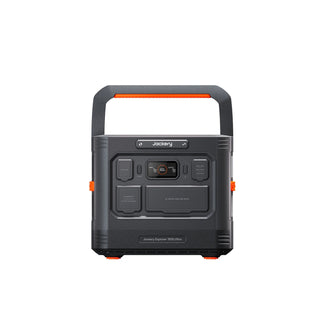
Best for Multi-Day Home Backup Needs: Jackery Explorer 5000 Plus
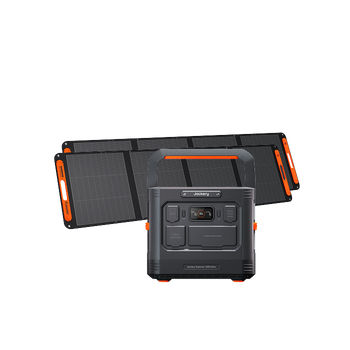
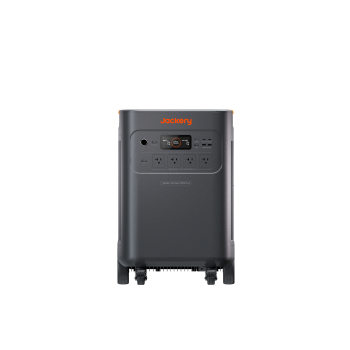
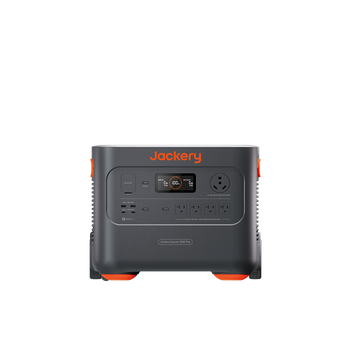
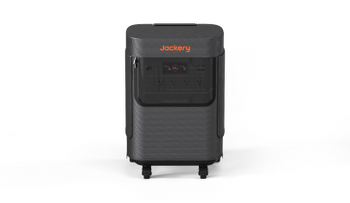
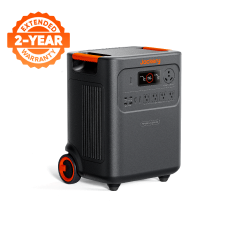
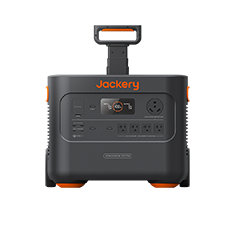
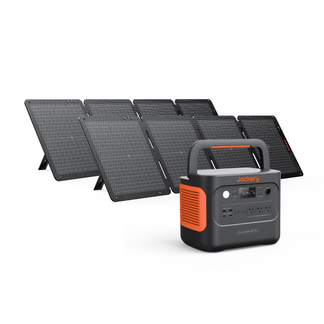
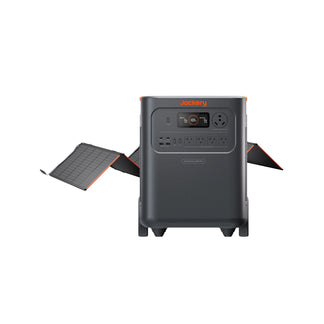
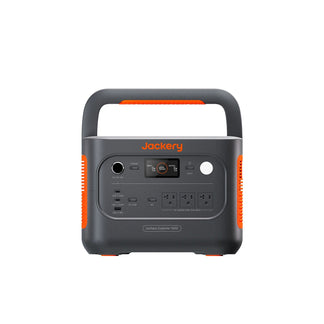
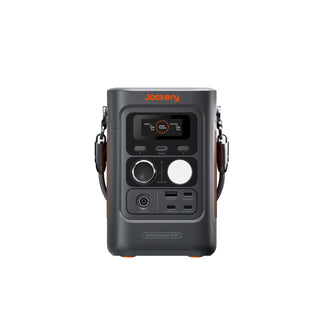
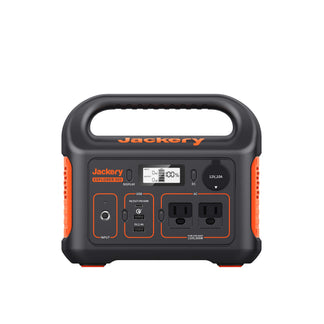
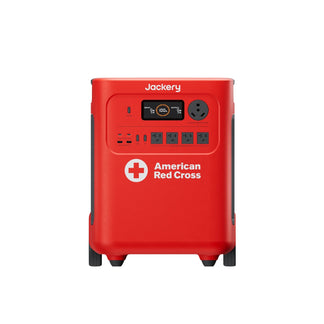
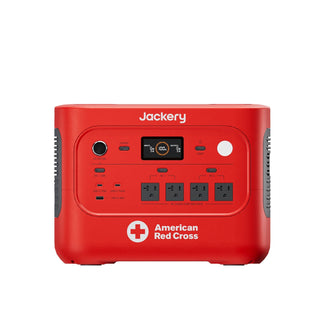
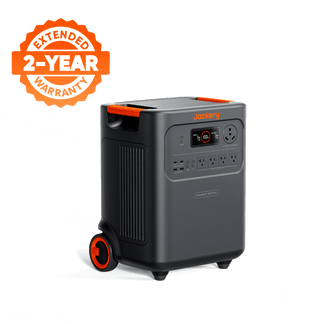
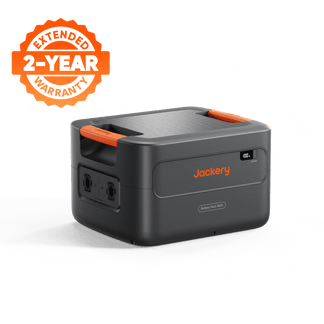
For households that need to go days without grid power, the Jackery Explorer 5000 Plus is the power station built for that. Think of a family in a hurricane-prone area of Florida, stocking up before a storm that's forecast to knock out power for three to five days. The fridge needs to stay cold. The sump pump needs to run. The kids' medical devices need to stay charged. The Jackery Explorer 5000 Plus handles that combined load with capacity to spare, and its high solar input means it can recharge during the day with the solar panels, even while appliances are drawing power simultaneously.

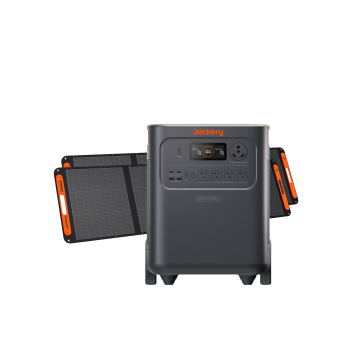
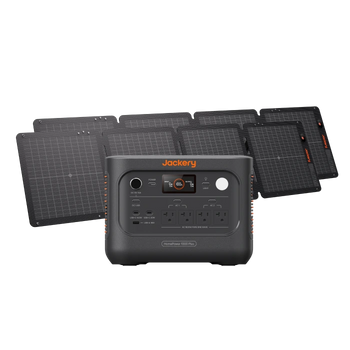
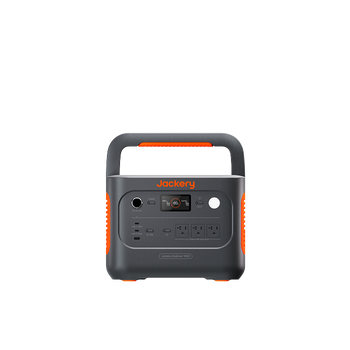
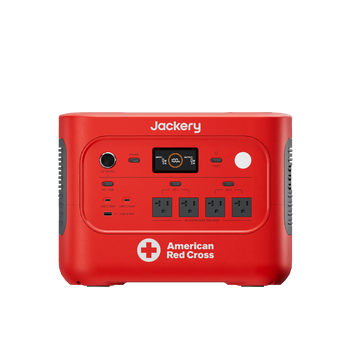
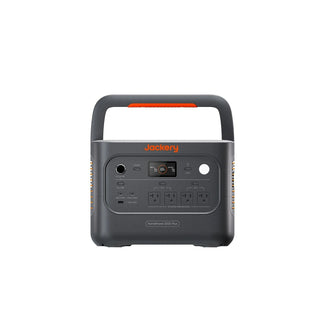
Best for Large Homes: Jackery HomePower 3600 Plus
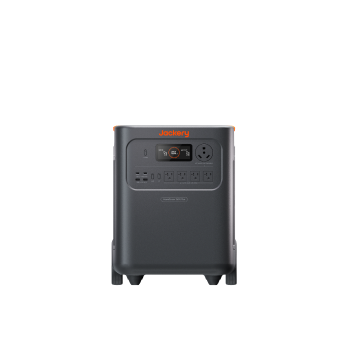
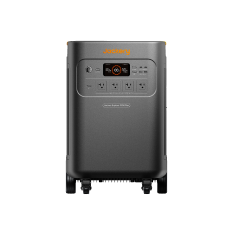
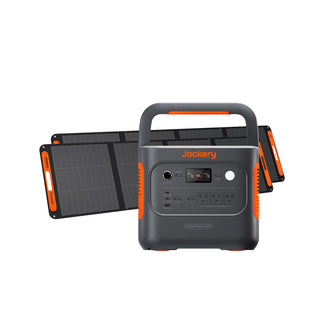
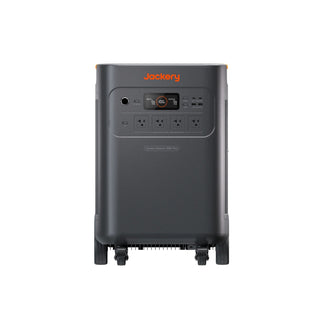
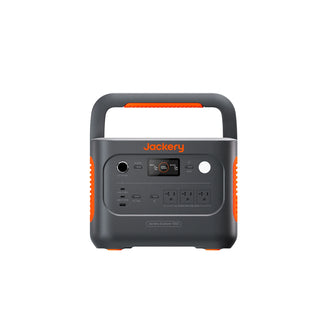
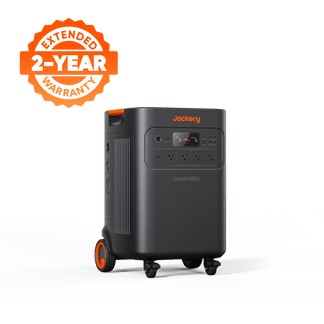
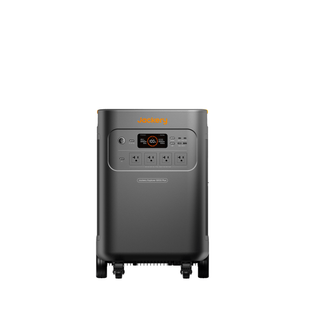
Large homes come with large power demands, such as multiple refrigerators, a chest freezer, a sump pump, central lighting across multiple rooms, and the everyday devices of a bigger household. The Jackery HomePower 3600 Plus is designed for exactly this scenario. Picture a family of five in the Midwest riding out a multi-day winter storm: the furnace fan needs power, the fridge and freezer can't be lost, and everyone needs their devices charged and working. The Jackery HomePower 3600 Plus delivers the output and capacity to cover that load without forcing painful tradeoffs between which appliances stay on.

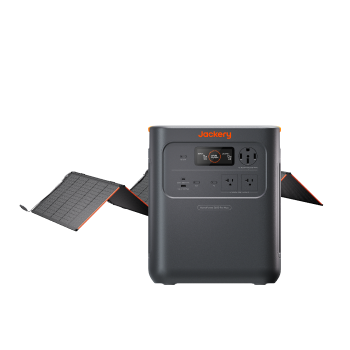
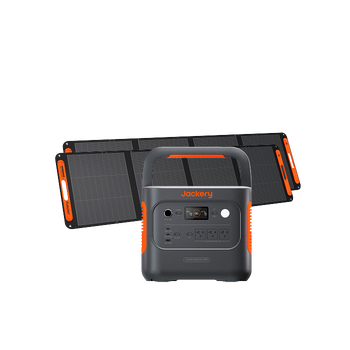
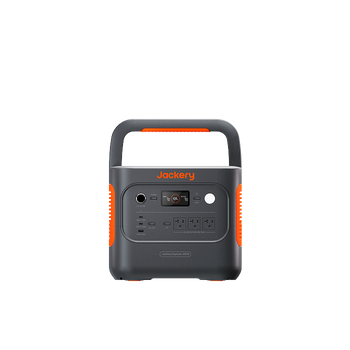
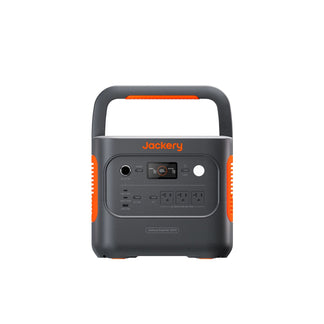
Best Value: Jackery HomePower 3000
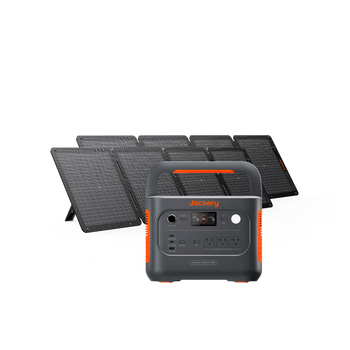
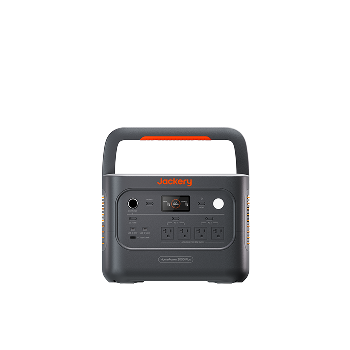
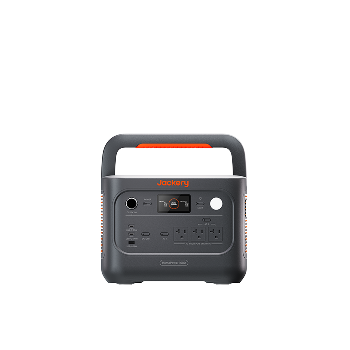
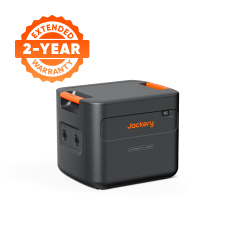
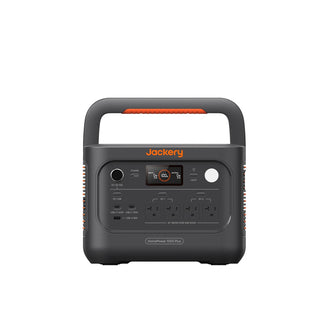
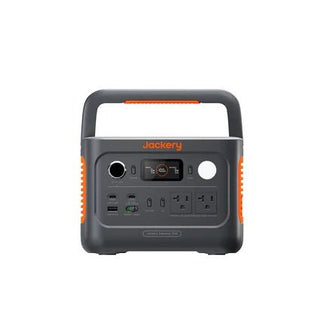
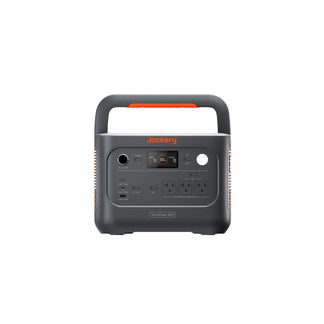
The Jackery HomePower 3000 sits at the sweet spot for most standard households, meaning it has enough capacity to cover the essentials for a full day or more at a price point that makes it the most accessible high-capacity option in the lineup. For a family of three or four in the suburbs dealing with a typical storm outage, the Jackery HomePower 3000 keeps the fridge running, the lights on, phones and laptops charged, and a fan or space heater going without breaking a sweat. It's the power station that covers the most common home backup scenario without over-investing in capacity you may rarely need.

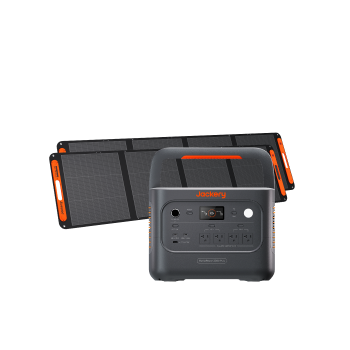
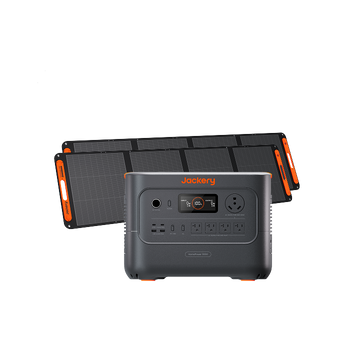
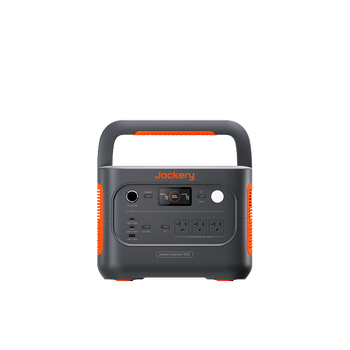
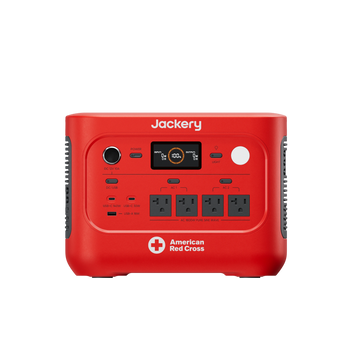
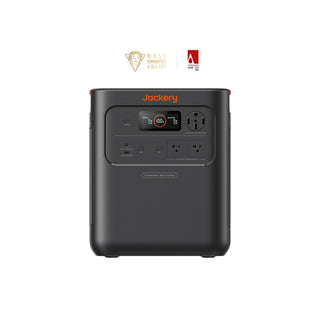
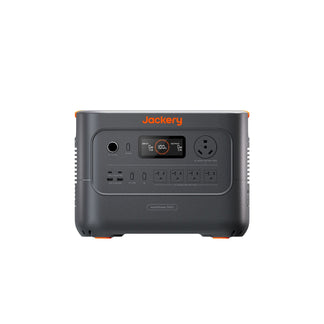
Best for Apartments: Jackery Explorer 2000 v2
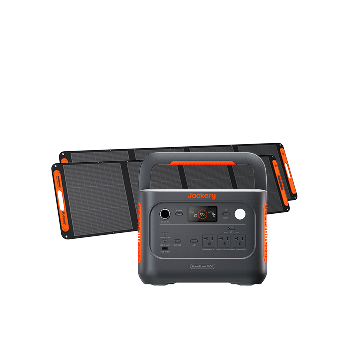
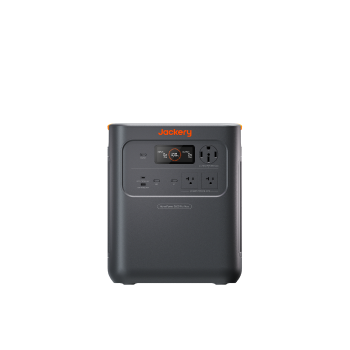
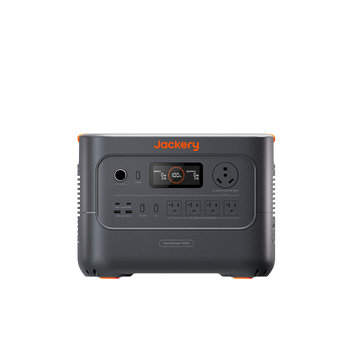
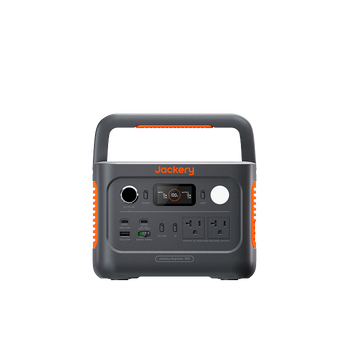
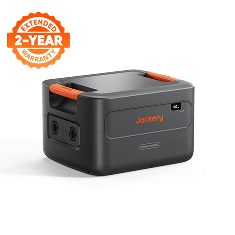
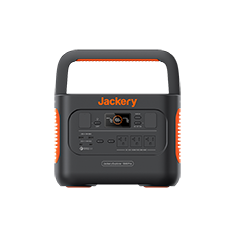
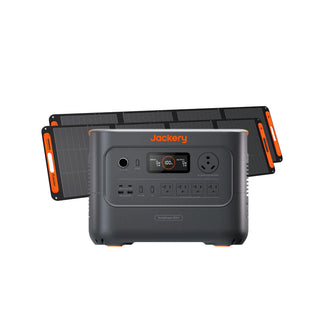
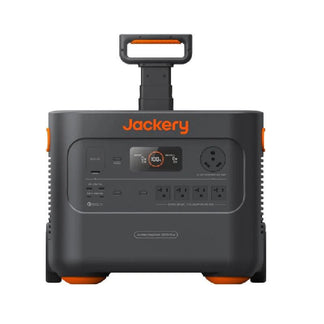
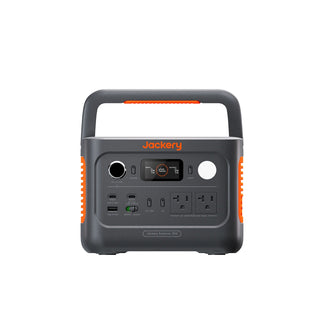
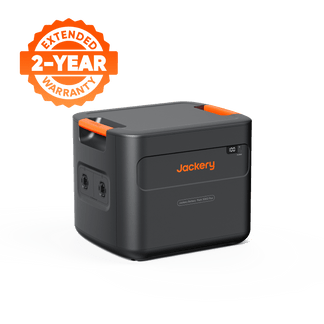
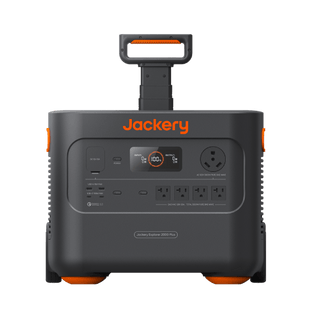
Apartments have different power needs than houses with smaller spaces, fewer appliances, and often stricter weight and storage constraints. The Jackery Explorer 2000 v2 is compact enough to store in a closet, light enough to move between rooms without help, and powerful enough to keep a mini fridge, lighting, phone charging, and a fan running through a full overnight outage. For a city dweller in a high-rise who loses power during a summer heat wave, or a renter who wants backup power without the bulk of a larger unit, the Jackery Explorer 2000 v2 fits the lifestyle.

|
Product |
Capacity |
Output |
Appliances Running Time |
Recommended for |
|
Jackery Explorer 5000 Plus |
5040Wh |
7200W |
Fridge (100W) = 28.6H Fan (20W) = 61.2H Lights (10W) = 71.4H TV (150W) = 21.4H Space Heater (500W) = 7.8H |
Multi-day outages |
|
Jackery HomePower 3600 Plus |
3584Wh |
3600W |
Fridge (100W) = 25.0H Fan (20W) = 72.5H Lights (10W) = 95.2H TV (150W) = 17.7H Space Heater (500W) = 5.8H |
Large homes |
|
Jackery HomePower 3000 |
3072Wh |
3600W |
Fridge (100W) = 21.4H Fan (20W) = 62.2H Lights (10W) = 81.6H TV (150W) = 15.2H Space Heater (500W) = 5.0H |
Midsize homes |
|
Jackery Explorer 2000 v2 |
2042Wh |
2200W |
Fridge (100W) = 14.2H Fan (20W) = 44.1H Lights (10W) = 59.8H TV (150W) = 10.0H Space Heater (500W) = 3.2H |
Apartments |
FAQs
What is the best portable power station for home use?
The best portable power station for home backup use depends on your household size and how long you need to run your essentials during an outage. For most standard homes, the Jackery HomePower 3000 covers the typical 12–24 hour outage scenario with capacity to run a refrigerator, lighting, and essential devices simultaneously. For larger homes or extended outages, the Jackery HomePower 3600 Plus and Jackery Explorer 5000 Plus step up to meet higher demands. For apartments and smaller spaces, the Jackery Explorer 2000 v2 is the most practical fit.
Can a portable power station run a house?
A portable power station can run the essential appliances in a house during an outage, but it won't power everything at once, the way a whole-home generator does. The realistic use case is prioritization: keep the refrigerator cold, maintain lighting, charge devices, and run a fan or small heater. High-draw appliances like central air conditioning, electric stoves, and water heaters typically exceed what even large portable power stations can sustain continuously. For most households, a well-chosen portable power station covers almost everything that actually matters during a standard outage.
Are portable power stations worth it for the home?
Yes, portable power stations are worth it for the home, especially as outages become more frequent and longer in duration across the US. A portable power station prevents food spoilage, keeps medical devices running, maintains communication, and removes the stress of sitting in the dark waiting for the grid to come back. Unlike fuel-based generators, they require no fuel storage, produce no exhaust, operate silently, and can be used safely indoors. For households in storm-prone, wildfire-affected, or aging-grid regions, the investment pays for itself the first time a multi-day outage hits.
What size power station do I need for my house?
Start by listing the appliances you need to keep running during an outage and adding up their wattages. A standard refrigerator runs at 100–200W, LED lighting at 10–20W per fixture, a box fan at 50W, and a laptop at 50–100W. Multiply the total wattage by the number of hours you want to run everything to get your minimum capacity in Wh. For a 24-hour outage covering a fridge, lights, and device charging, most households consume between 2,000Wh and 3,500Wh. For multi-day coverage or larger homes, 5,000Wh gives you the buffer to run confidently without rationing.
Conclusion
Power outages are unpredictable, but being underprepared for them doesn't have to be. The right solar generator for house turns a stressful, uncomfortable situation into a manageable one. Food stays cold, lights stay on, devices stay charged, and your household keeps functioning while the rest of the neighborhood waits in the dark.
Choosing the right portable power station for home backup comes down to honest math: how much power do you actually need, for how long, and for how many people? The Jackery Solar Generators cover different scenarios, from a single-person apartment outage to a five-day storm in a large family home. You should match the power station to your situation, and you won't be caught off guard when the grid goes down.


