








































































When severe weather strikes Omaha, the OPPD power outage map becomes an essential resource for thousands of residents. However, during a widespread event, relying solely on this tool can lead to frustration with its imprecise location data, update delays, and potential access issues on mobile networks.
This guide will walk you through how to effectively use OPPD's reporting tools while understanding their limits, ensuring you remain safe and comfortable no matter how long the lights are out.
How to Use OPPD's Tools (And Understand Their Limits)
Staying informed during an outage requires a multi-pronged approach. While the OPPD outage map is a good starting point, combining it with other channels provides a more accurate and timely picture of the situation. Knowing how to check the status of a power outage is a key skill for any homeowner.
How Do I Access Outage Information?
Proactive setup is crucial before a storm hits. Bookmark the official OPPD outage page on your phone, tablet, and computer for quick access.
For the most immediate alerts, download the OPPDconnect app and enable push notifications. These alerts are often the fastest way to receive confirmation that OPPD is aware of an outage in your area.
How Should I Interpret the Outage Map?
The outage map is designed for a broad overview, not pinpoint accuracy. It often uses large, shaded rectangles to indicate general areas affected by OPPD outages.
Your power can be out even if your specific home isn't inside a shaded zone. Always report your outage directly through the app or by phone to ensure your address is logged in OPPD's system, which helps them dispatch crews more effectively. This is a common feature of many utility tools, such as the ComEd outage map in Illinois.
Why Should I Use Multiple Information Channels?
During major storms, high traffic can cause the web-based map to lag or become unresponsive. This is why relying on a single source of information is risky.
Use the OPPDconnect app notifications, sign up for SMS text alerts, and keep the phone hotline number handy. Cross-referencing these channels gives you a more complete and reliable understanding of the restoration status and helps answer the common question, "when will my power be back on?".
What is the Phone Hotline Number?
Save this number in your phone's contacts now: 1-800-554-6773. It is a crucial link to OPPD when other communication lines are down.
OPPD Power Restoration Priorities
|
Priority Level |
Area of Focus |
Rationale & Description |
|---|---|---|
|
1. Highest |
Major Transmission Lines & Substations |
This is the backbone of the electrical grid. Fixing a single issue at this level can restore power to tens of thousands of customers at once, making it the most efficient first step. |
|
2. High |
Critical Infrastructure |
Once main lines are stable, the focus shifts to ensuring public safety and emergency response. This includes restoring power to hospitals, police and fire stations, water treatment plants, and major communication hubs. |
|
3. Standard |
Neighborhood Distribution & Individual Homes |
After critical facilities are online, crews repair neighborhood-level lines serving hundreds of homes. The final, most time-consuming phase is repairing service lines to individual houses. |
A Checklist for True Outage Preparedness
Basic preparedness can make the initial hours of an outage more manageable. However, true resilience requires thinking beyond flashlights and canned goods, especially when facing the possibility of a multi-day OPPD power outage.
What Should I Do for Immediate Prep?
When a storm is in the forecast, take these immediate actions:
- Build an emergency kit containing flashlights with fresh batteries, a battery-powered radio, and a complete first-aid kit.
- Fully charge all your electronic devices, including smartphones, tablets, and any portable power banks you own.
What Should I Do During the Outage?
Once the power is out, follow these steps to stay safe and protect your property:
- Unplug sensitive electronics like computers and televisions to protect them from a potential power surge when service is restored.
- Use flashlights or battery-powered lanterns for light instead of candles to minimize the risk of a fire.
- Keep your refrigerator and freezer doors closed as much as possible to preserve food for longer.
What is the Critical Gap in Most Emergency Plans?
This level of preparation is sufficient for a few hours. But what happens when an outage stretches into a second or third day? Your phone will die, the food in your fridge will spoil, and essential home systems remain offline.
This is the critical gap in many emergency plans. A truly comprehensive strategy must include a reliable power source capable of running essentials like your refrigerator, medical devices, and internet router for extended periods.
Powering Through: Your Home Backup Power Strategy
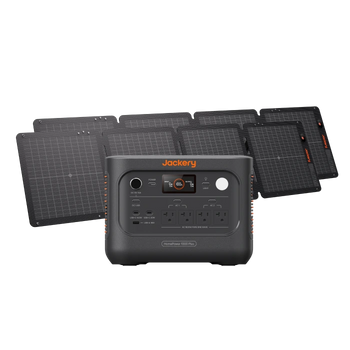
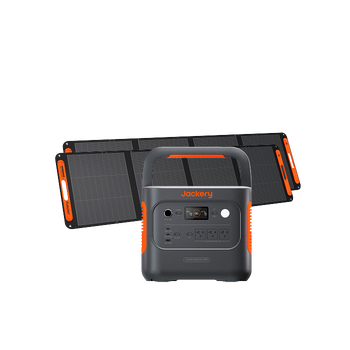
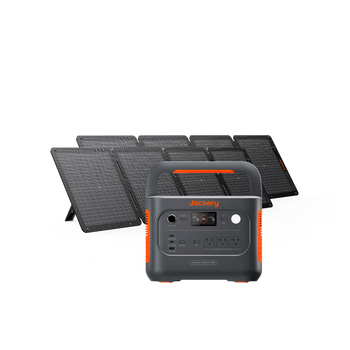
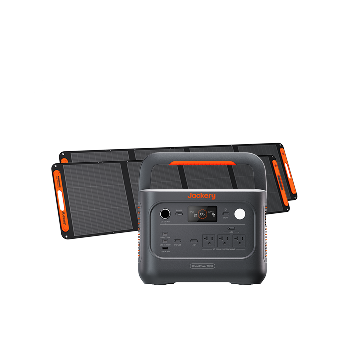
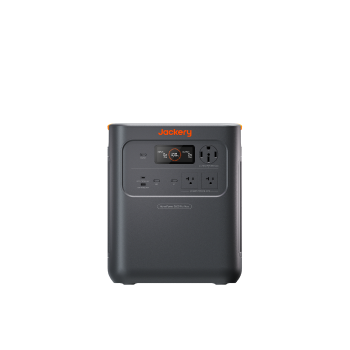
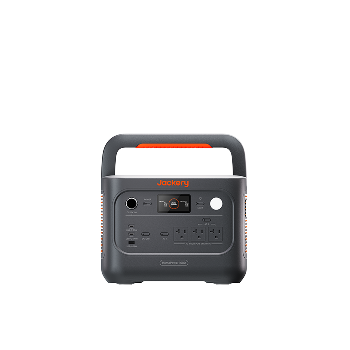
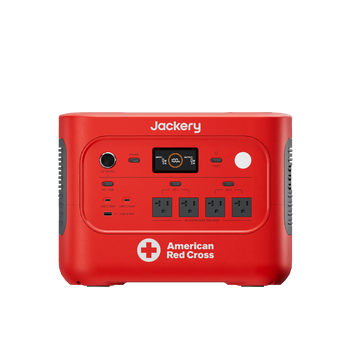
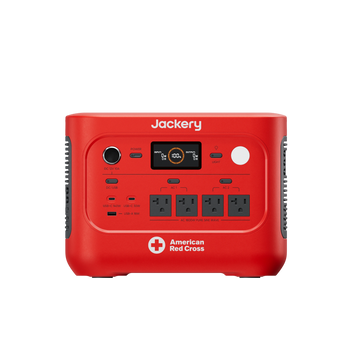
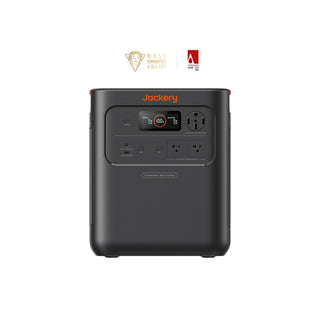
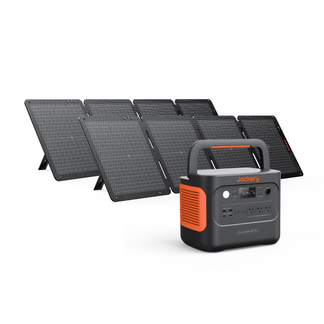
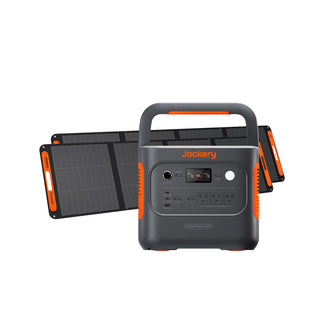
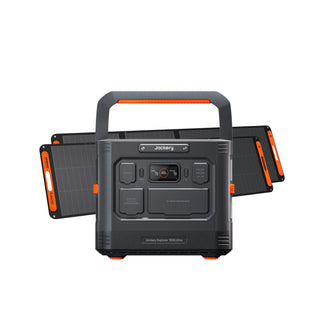
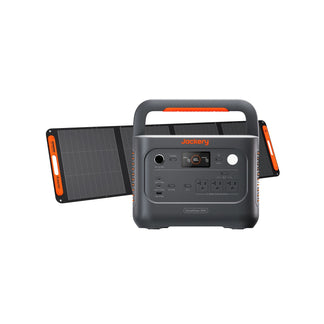
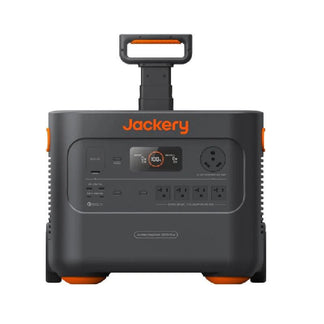
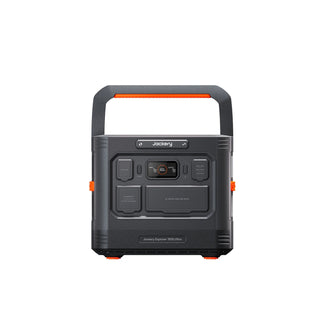
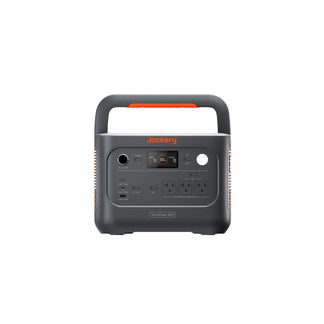
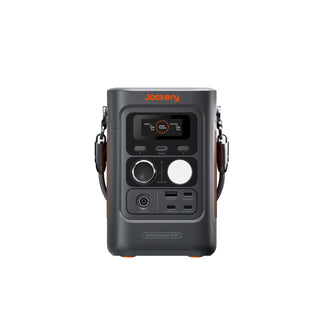
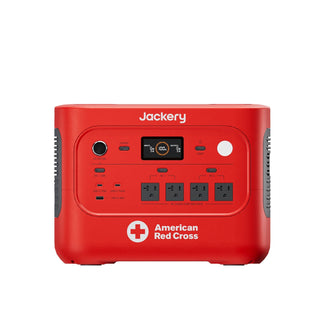
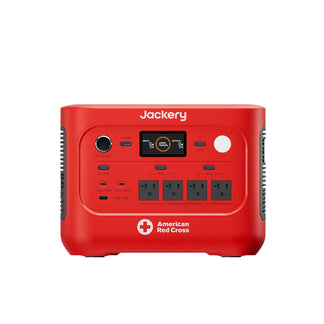
Portable power stations have emerged as the modern, safe, and versatile solution for home outage resilience. Unlike noisy, fume-producing gas generators, these devices provide clean, silent power indoors. The key is to match the solution to your specific household needs.
What's the Best Option for Basic Needs?
For those whose primary concern is keeping lights on and devices charged, a compact and portable solution is ideal. It ensures you can stay informed, connected with loved ones, and maintain a sense of normalcy.
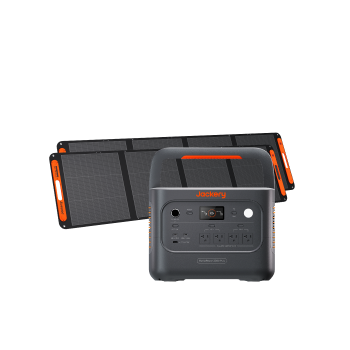
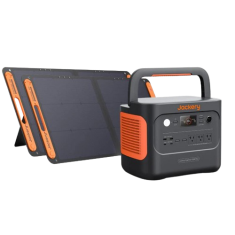
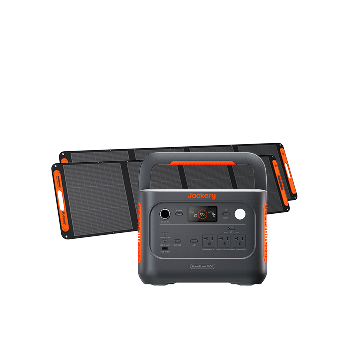
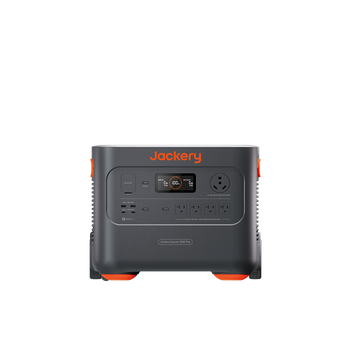
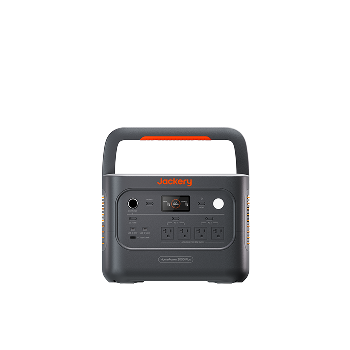
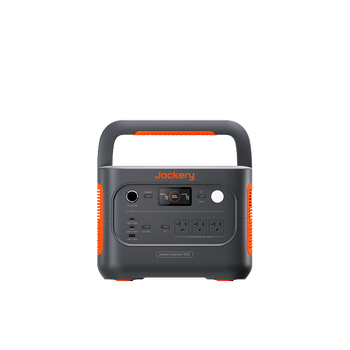
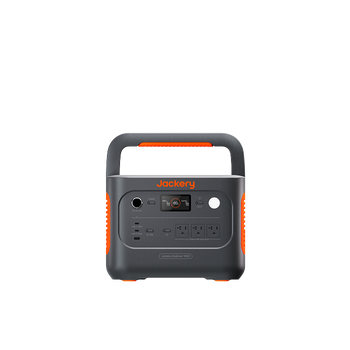
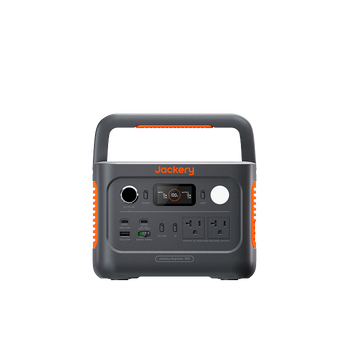
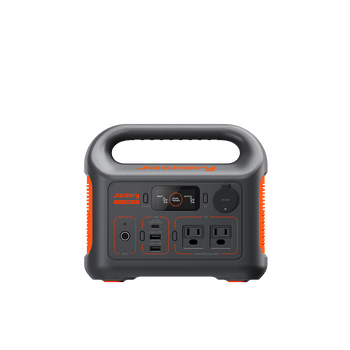
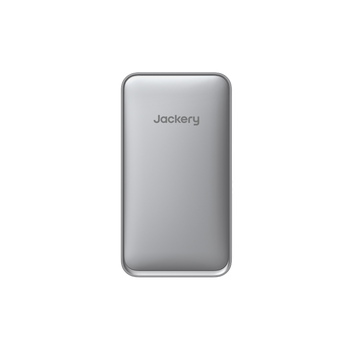
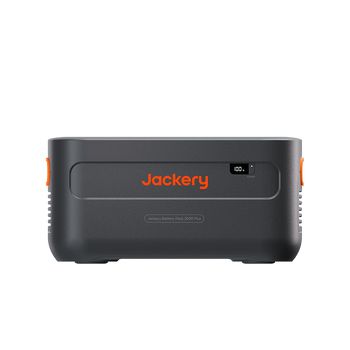
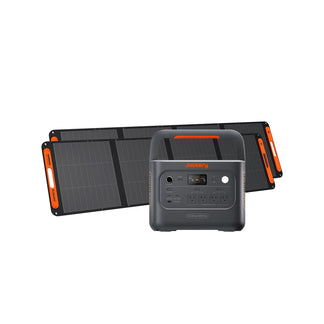
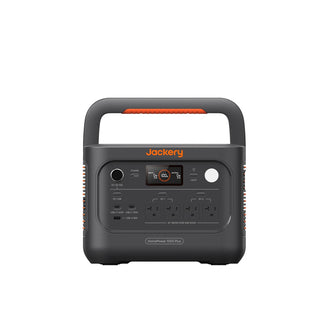
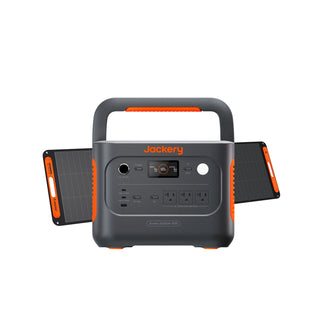
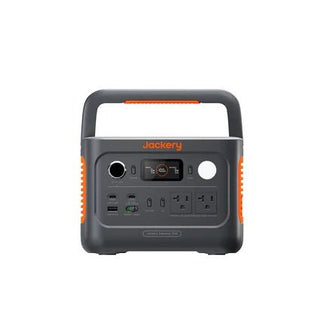
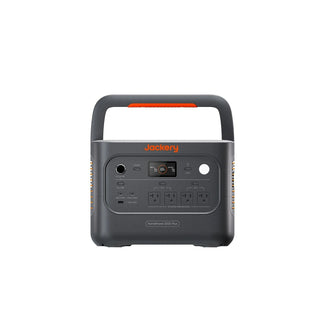
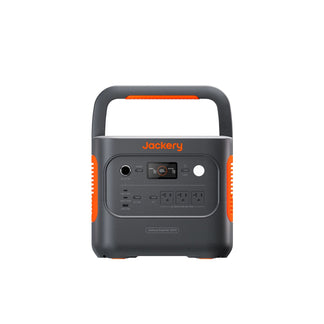
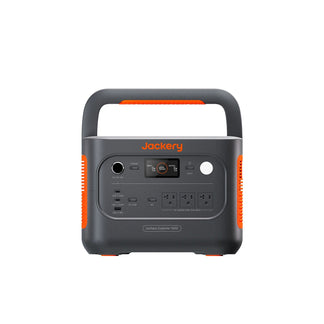
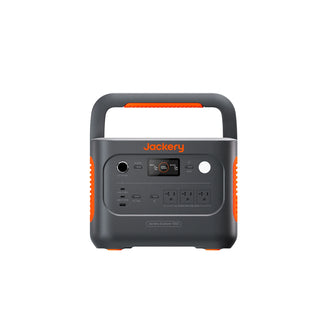
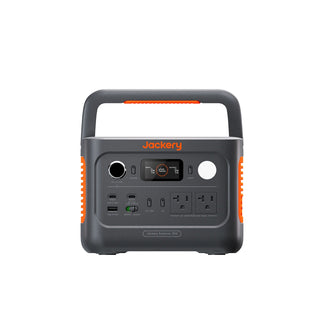
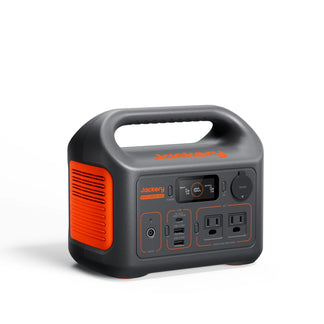
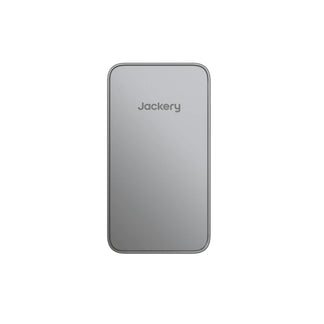
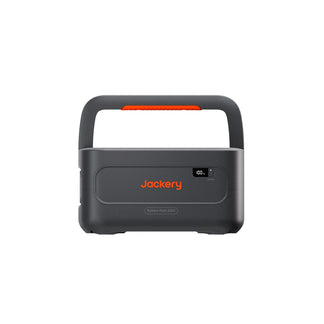
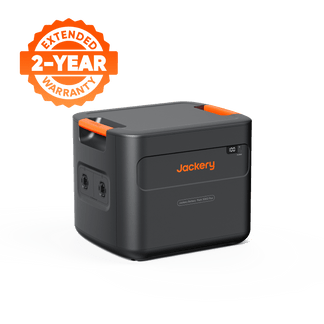
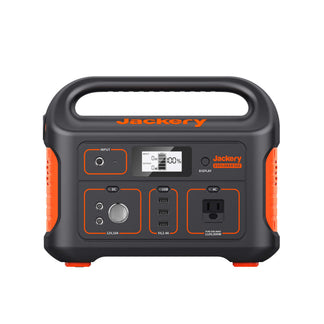
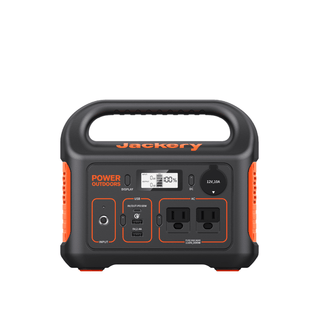
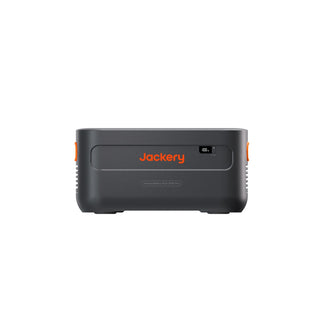
Jackery Explorer 300 Plus Portable Power Station
- Capacity: 288Wh
- Weight: 8.27 lbs (3.75 kg)
- Key Feature: Ultra-portable and travel-friendly design.
- Use Case: Ideal for keeping your phones, tablets, and laptops charged during an outage. It can charge a smartphone approximately 13 times or power a light for over 18 hours.

What's the Best Option for Essential Home Backup?
For homeowners seeking true peace of mind and the ability to power essential appliances, a more robust system is necessary. This is not just about charging phones; it's about running your home.
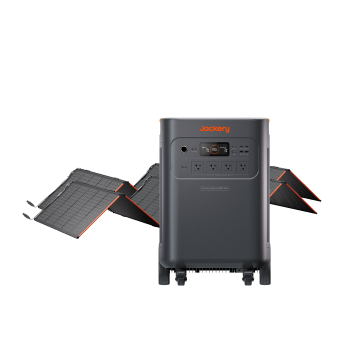
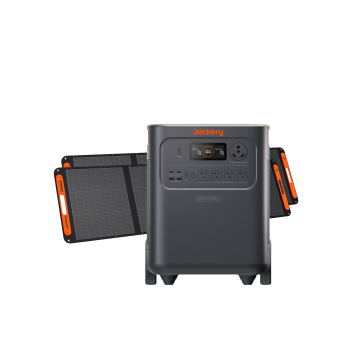
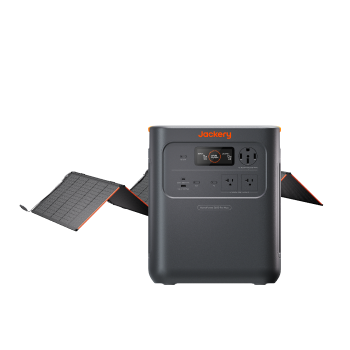
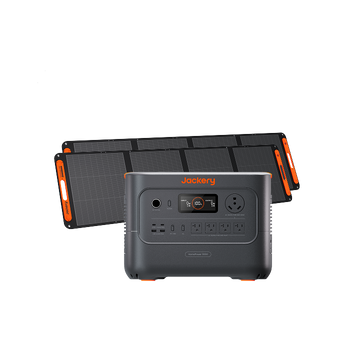
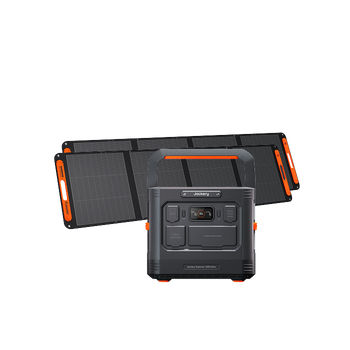
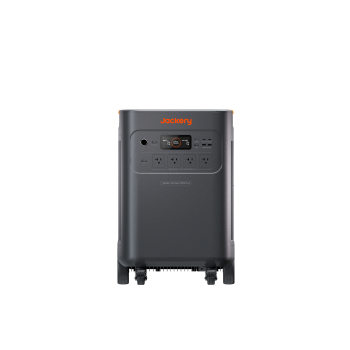
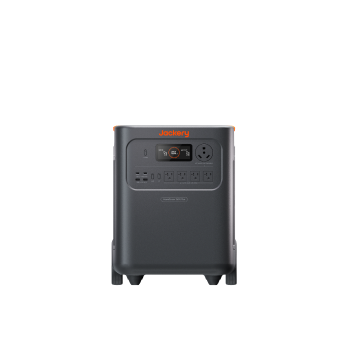
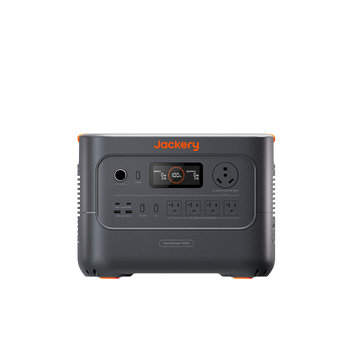
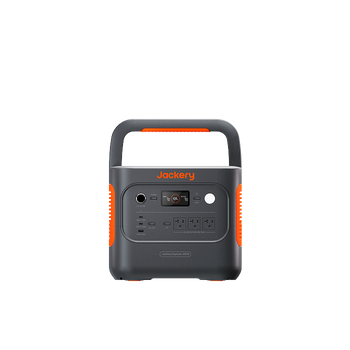
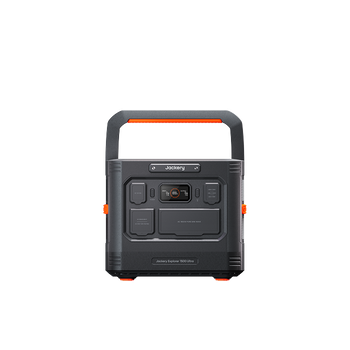
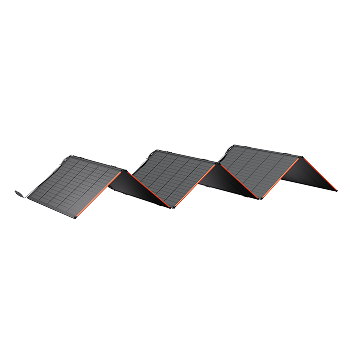
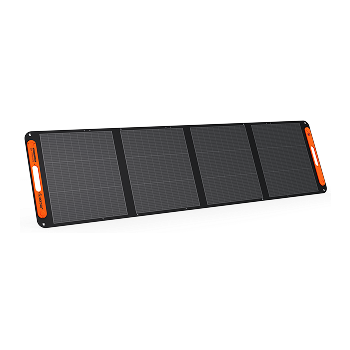
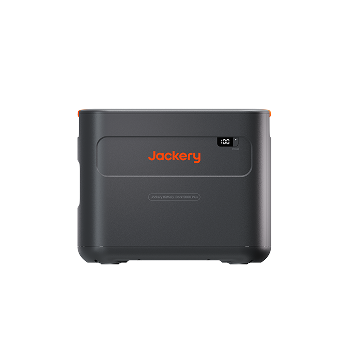
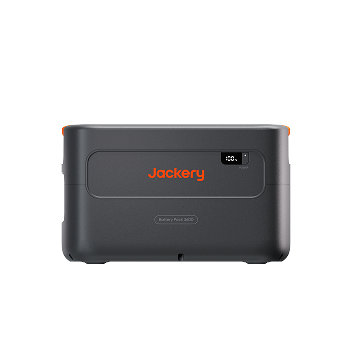
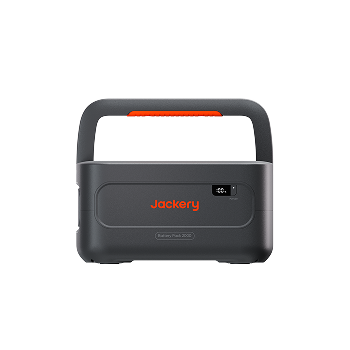
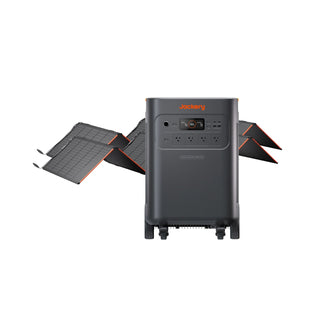
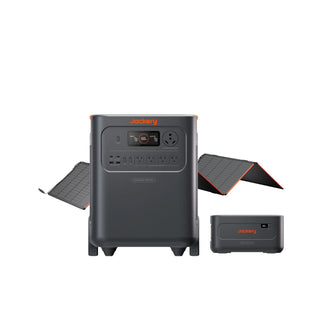
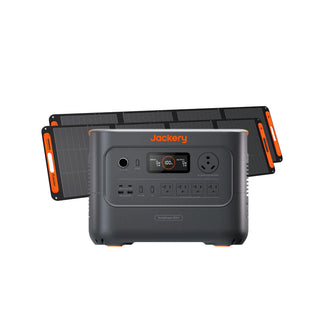
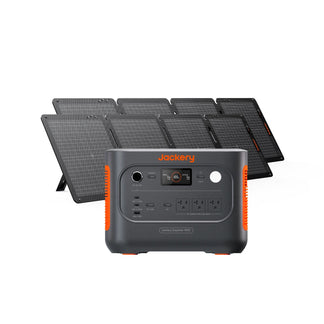
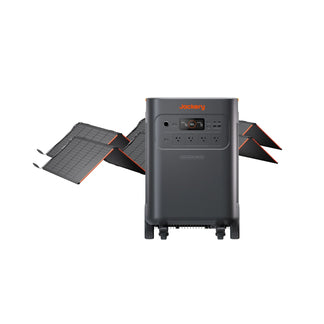
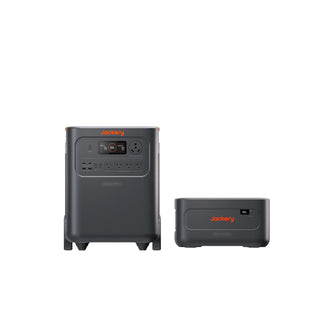
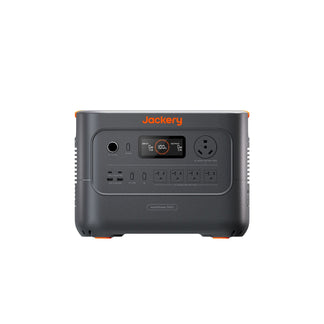
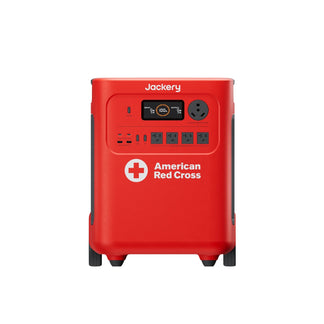
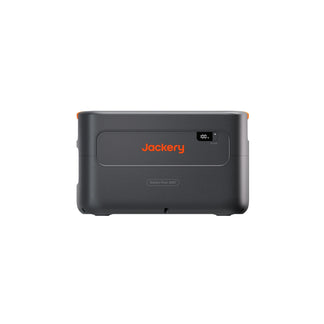
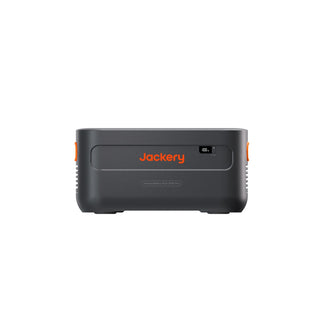
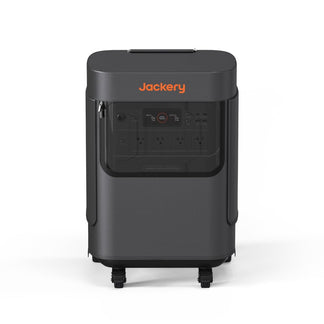
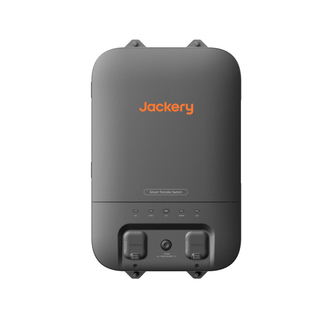
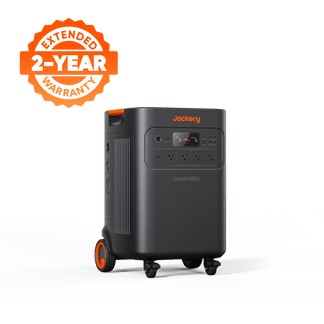
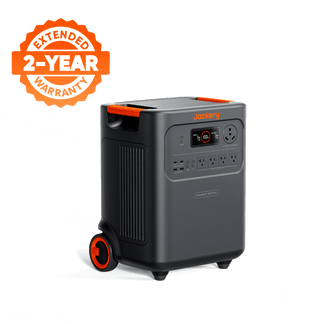
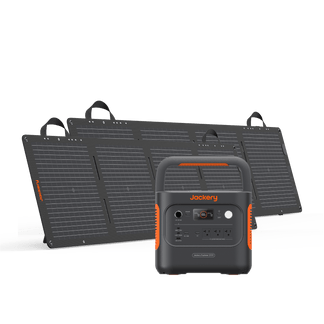
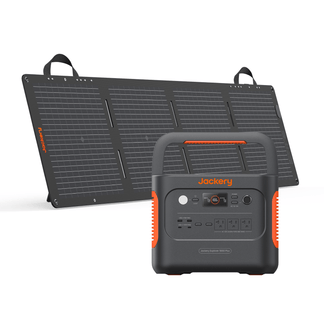
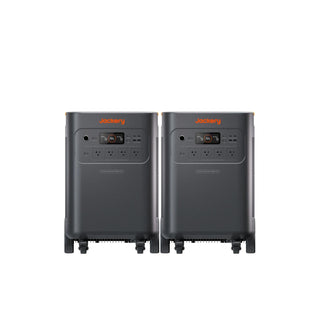
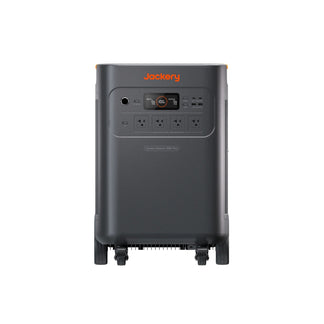
Jackery Solar Generator 5000 Plus
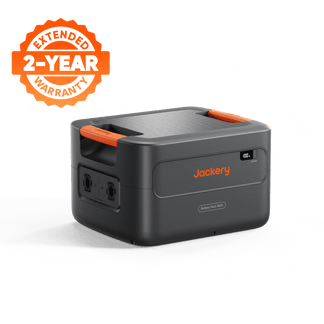
- Capacity: 5-60kWh (expandable)
- UPS Speed: 0ms power transition, acting as a true Uninterruptible Power Supply.
- Voltage: 120V/240V dual voltage output.
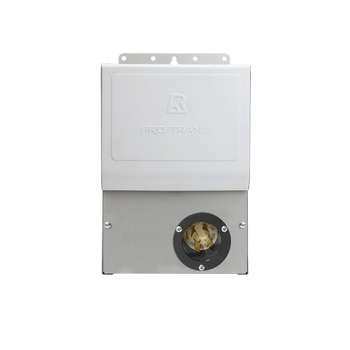
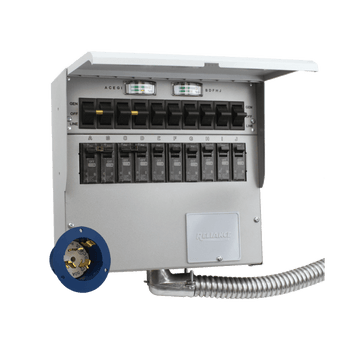
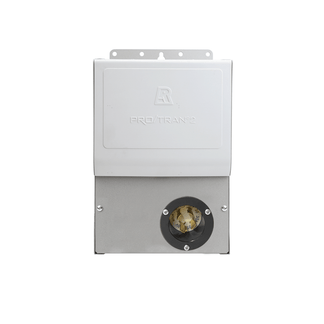
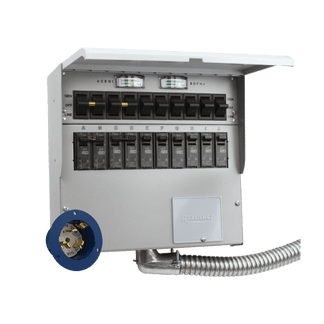
- Key Feature: Can be integrated into your home circuits with a transfer switch to power the whole house.
- Use Case: Its 0ms UPS capability instantly protects sensitive electronics like computers from shutting down. The expandable capacity can provide multi-day power, and its dual-voltage output can run large appliances like an air conditioner (for 4.1 hours) or a furnace (for 2.8 hours) on a single 5kWh battery.

From Informed to Prepared
OPPD's tools, including the OPPD outage map, are valuable for situational awareness. They tell you what is happening. They do not, however, protect you from the consequences of that event.
Proactive preparation is the only way to navigate power outages safely and comfortably. For Omaha homeowners seeking definitive peace of mind, a portable power station is the solution that transforms you from an informed observer into a prepared and resilient household.
Frequently Asked Questions
How can I prepare my home's electrical system to safely integrate a large-scale backup power solution like the Jackery Solar Generator 5000 Plus?
For whole-home integration, a licensed electrician must install a transfer switch. This ensures a safe and seamless transition between grid power and your backup generator, preventing dangerous back-feeding.
Beyond the recommended Jackery models, what are the key technical specifications I should prioritize when evaluating any portable power station for my specific backup needs?
Prioritize continuous wattage (what it can run constantly), surge wattage (for starting appliances), battery capacity in watt-hours (Wh), and the number and type of output ports.
Are there any government or local programs in Omaha that offer incentives or assistance for residents investing in home backup power solutions like solar generators?
Residents should research the federal Residential Clean Energy Credit and any local Omaha or Nebraska state programs for renewable energy or energy efficiency. These incentives can significantly reduce the cost of investing in a solar generator.
What are the best practices for maintaining the longevity and optimal performance of a portable power station, especially if it's stored for extended periods between outages?
To maintain battery health, avoid storing the unit at zero charge; aim for 60-80%. Store it in a cool, dry place and recharge it every 3-6 months to keep the battery active and ready for use.
If I rely on medical equipment that requires continuous power, how can I best communicate my critical needs to OPPD during an outage and what additional steps should I take for preparedness?
Contact OPPD to enroll in their medical-necessity or life-support equipment program, which can prioritize your restoration. However, you must also have a multi-layered backup plan, including a reliable power station like a Jackery, as priority status is not a guarantee of immediate restoration.


