









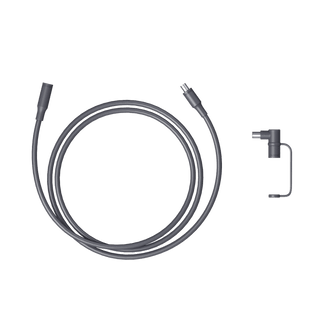
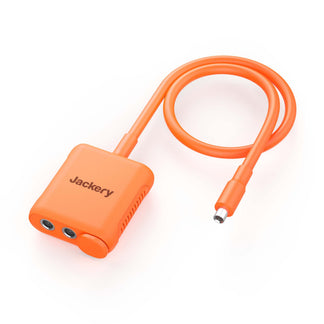
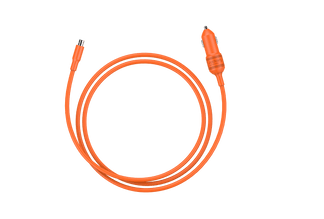
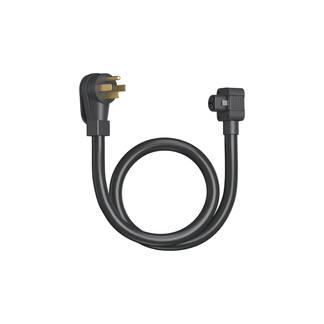











A standard residential washing machine draws between 5 and 15 amps on a normal 120V household circuit. However, the amp and volts change once you are dealing with a washer-dryer combo, a unit with a built-in electric water heater, or a commercial-grade machine. These units typically need a dedicated 240V circuit and can pull anywhere from 15 to 30 amps, especially during the heating portion of the cycle. The exact amp number always comes down to the machine's wattage, which you can find on the data plate or in the owner's manual.
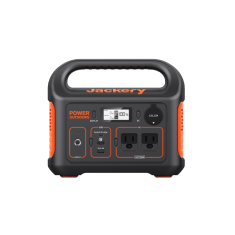
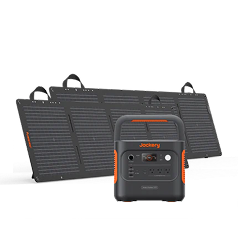
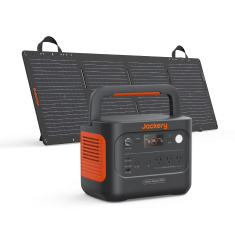
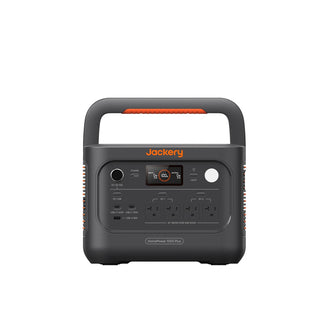
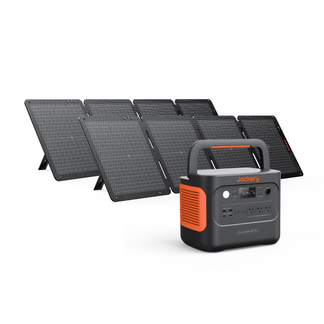
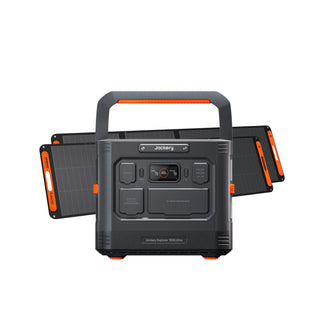
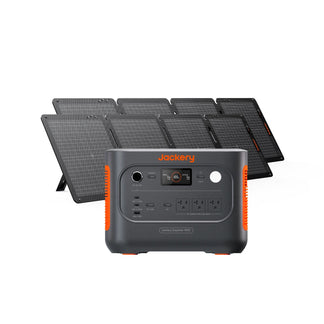
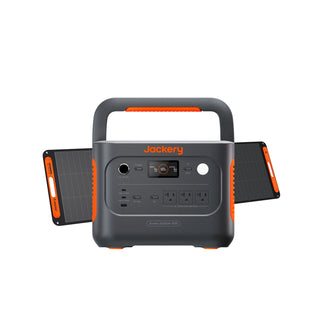
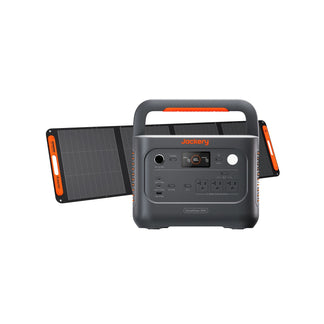
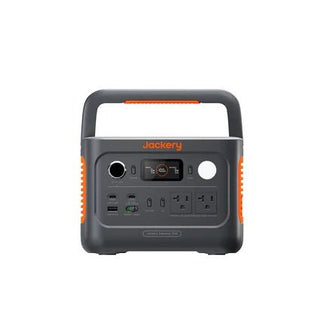
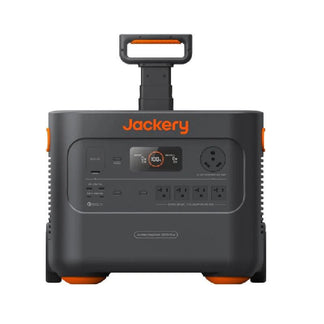
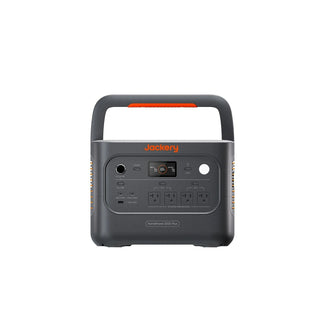
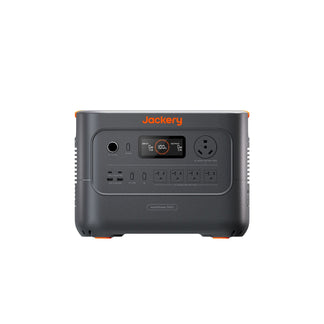
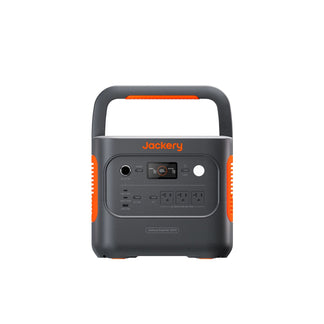
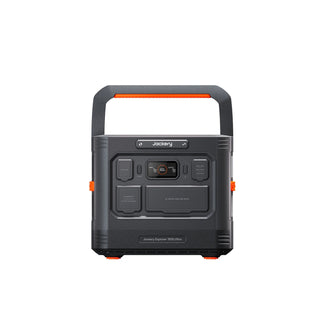
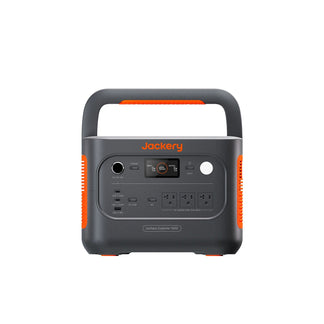
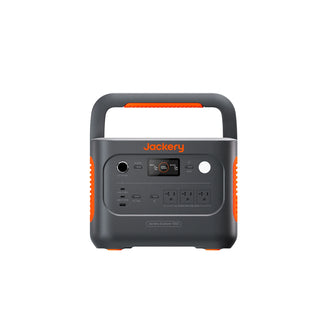
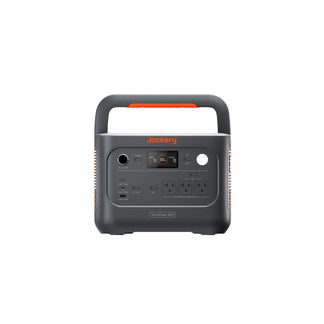
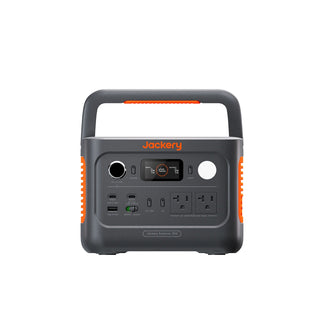
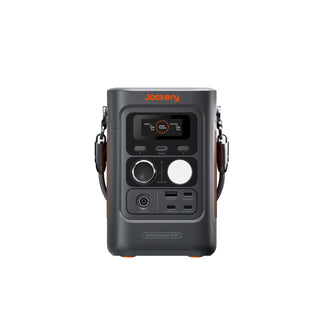
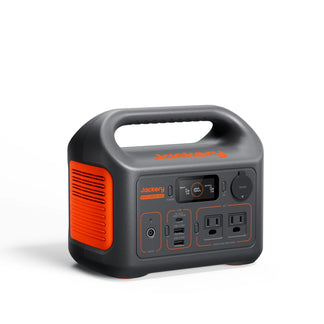
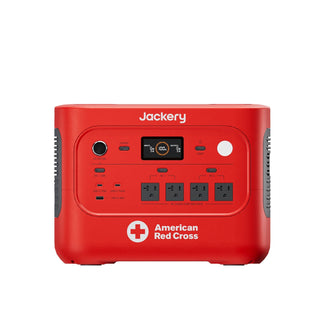
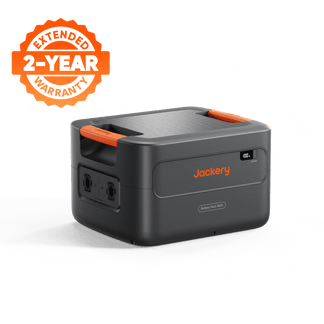
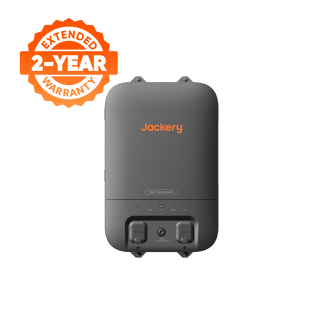
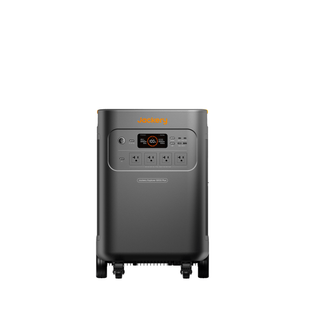
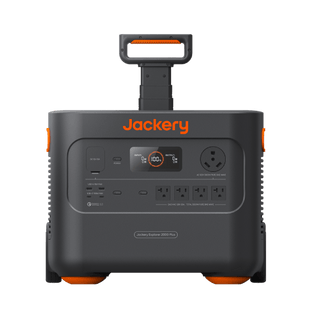
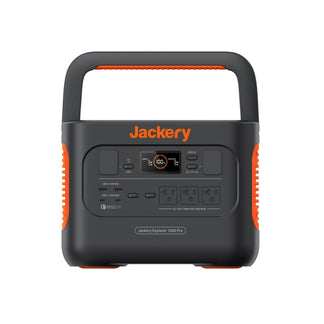
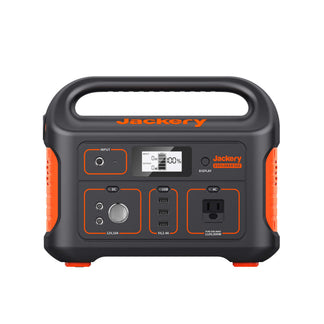
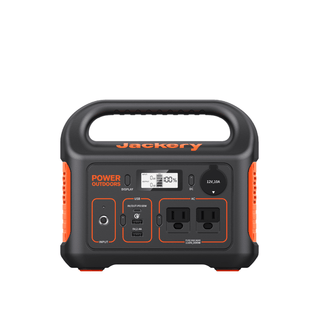
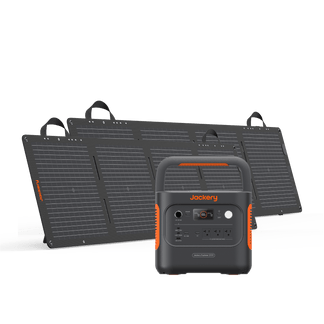
Most people never think about their washing machine's electrical demands until something trips a breaker or they are trying to figure out whether a backup power source can actually run it. That second scenario is becoming more common as more households look for ways to keep laundry running during outages or in off-grid setups where a wall outlet simply isn't an option. Jackery Solar Generators store enough usable power to run a full wash cycle, and higher-capacity models with true dual-voltage output can even handle the 240V machines.
Key Takeaways
- Standard 120V washing machines draw 5-15 amps, whereas washer-dryer combos and machines with internal heaters that require 240V can draw 15-30 amps.
- A washer rated for 1,200W needs roughly double the amps at 120V compared to the same wattage running on 240V.
- Startup amps run about 2-3 times higher than running amps for a few seconds, which is often the real reason a breaker trips.
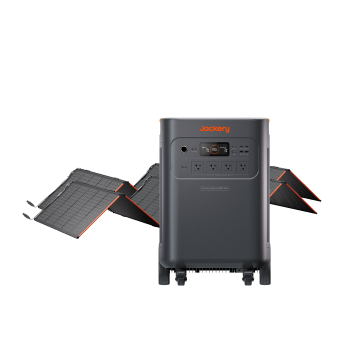
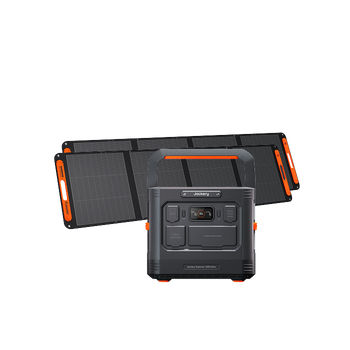
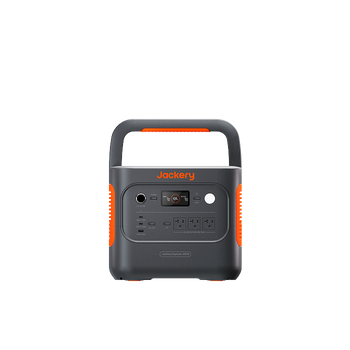
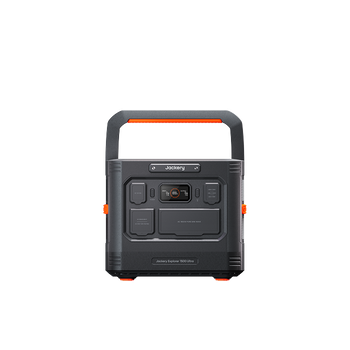
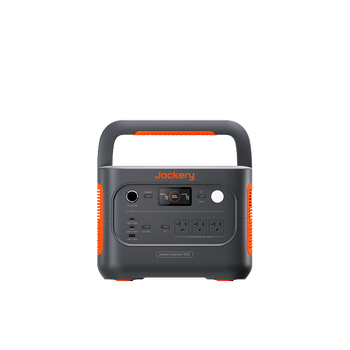
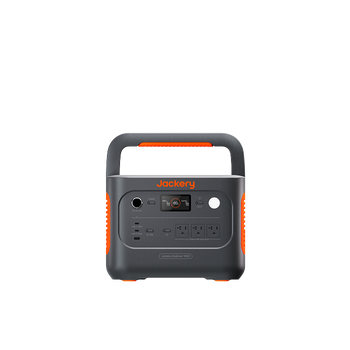
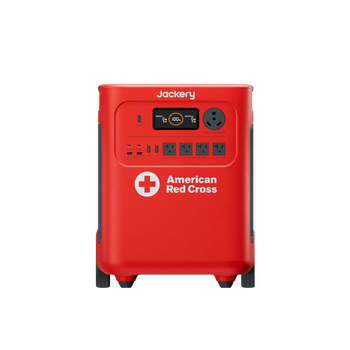
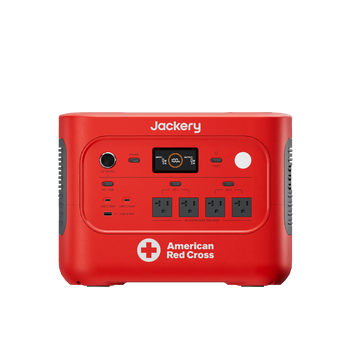
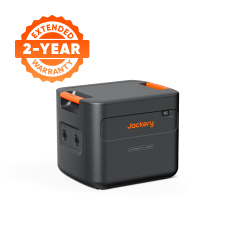
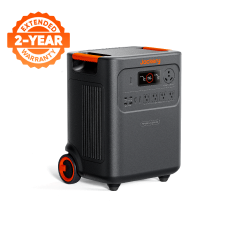
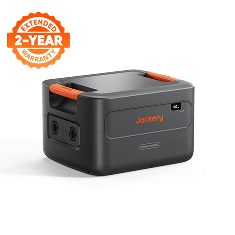
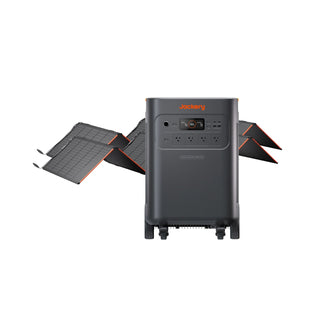
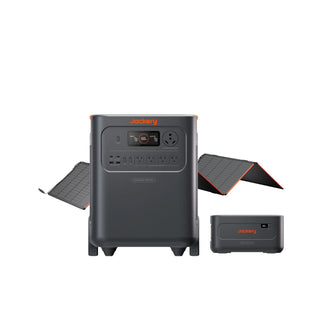
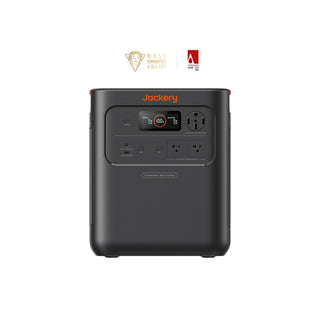
- Jackery Solar Generators with large capacity and dual-voltage support, such as the Jackery Solar Generator HomePower 3600 Pro Max and Jackery Solar Generator 5000 Plus, can run washing machines and other essential appliances to reduce the reliance on the electricity grid.
How Many Amps Does Each Type of Washing Machine Use?
The exact amp draw varies more by machine type than most people expect, since it depends on wash motor size, spin speed, and whether the unit heats its own water. Here's how the common categories break down at their actual operating voltage.
|
Washing Machine Type |
Typical Wattage |
Voltage |
Amp Draw |
|
Compact/Portable Washer |
250-450W |
120V |
2-4A |
|
High-Efficiency Top-Load |
500-800W |
120V |
4-7A |
|
Standard Top-Load |
800-1,200W |
120V |
7-10A |
|
Front-Load Washer |
500-1,400W |
120V |
4-12A |
|
Washer with Internal Water Heater |
1,800-3,000W |
240V |
8-13A |
|
Stacked Washer-Dryer Combo |
3,000-5,000W |
240V |
13-21A |
|
Commercial/Industrial Washer |
4,800W+ |
240V |
20A+ |
Why Do Some Washing Machines Need 240V?
A washing machine needs 240V when it has to generate real heat internally. A standard wash-only machine primarily needs power to run its motor and pump, which are modest loads that a 120V circuit handles without strain. But the moment a machine has to heat its own water to a specific temperature (rather than just mixing hot and cold from your home's water lines), or combine a heated dryer cycle in the same chassis, the wattage required increases dramatically. Doubling the voltage to 240V lets the same appliance pull that higher wattage without needing an unreasonably thick 120V circuit to handle the amps.
In practice, this shows up in three situations:
- European-style washer-dryer combo units, common in condos and smaller homes, almost always run on 240V because they heat water internally and often include a heated drying cycle in one chassis.
- Machines with an internal electric water heater, sometimes used for sanitizing cycles or hot-water-only setups where the home's plumbing doesn't supply hot water to the laundry area.
- Commercial and industrial washers, which need to process larger loads faster and rely on higher wattage heating elements to keep cycle times reasonable at scale.
If you are not sure which category your washing machine falls into, check the nameplate: a 240V requirement will be printed directly on it, usually alongside a NEMA plug type like 6-20 or 6-30 rather than the standard three-prong household plug.
Amps, Volts, Watts, and Running Watts: What They Actually Mean for Washing Machine
Amps measure how much current the washer actually draws while running. This is the number a breaker is rated to handle, and it rises directly with the appliance's wattage. You can also check out the detailed guide on What Is An Amp.
Amps = Watts ÷ Volts
Watts represent total power consumption. Most washing machines use somewhere between 300W and 5,000W depending on type, cycle, and whether they are heating water internally. If you want to understand the power consumption in detail, you can check out How Many Watts Does a Dryer Use.
Watts = Volts × Amps
Volts measure the electrical potential in the circuit. Nearly all standalone washers run on 120V, while combo units and internally heated machines require 240V.
Volts = Watts ÷ Amps
To know more about how these three units are connected, you can check out Ultimate Guide to Amps, Watts, and Volts.
Running watts describe steady-state consumption once the wash cycle is underway and the motor has reached normal speed, as opposed to the higher demand during startup or the heating phase.
Running Watts = Running Amps × Volts
How Many Amps Does a Washing Machine Draw on a Startup
Washing machines draw noticeably more current for the first second or two of operation than their running amp rating suggests. This inrush current comes from the motor overcoming mechanical resistance to start spinning, and it typically runs 2 to 3 times higher than the steady running amps. It is brief, but it is often exactly what trips a marginal breaker or shuts down an underpowered inverter.
Let’s say you have a washer rated for 10 running amps at 120V. Its startup draw could briefly spike to:
Startup Amps = Running Amps × 2.5 = 10A × 2.5 = 25A
That single number explains a lot of "but it's only rated for 10 amps" confusion. If you're sizing a power source, whether that is a breaker, an extension cord, or a battery backup, the surge rating matters more than the running rating, especially for machines with internal heaters, since the heating element adds its own startup demand on top of the motor's.
What Size Circuit and Breaker Does a Washing Machine Need?
Standard 120V washing machines are generally required by code to sit on a dedicated 20A circuit, even though most machines only draw 5-12 amps running. The extra headroom accounts for startup surge and prevents nuisance trips from sharing the circuit with anything else.
240V washer-dryer combos and internally heated machines typically need a dedicated 30A/240V circuit, wired with the appropriate gauge wire (usually 10-gauge for 30A) and terminated in a NEMA 6-30 or similar outlet.
Commercial washers often require even larger circuits, sometimes 40A or higher, and installation should always be confirmed against the specific machine's nameplate rather than assumed from general guidelines, since commercial washers vary widely.
If you are ever unsure, the nameplate on the machine itself lists the required voltage, amperage, and recommended breaker size directly from the manufacturer. That's the number you need to build the circuit around.
How to Calculate Your Washing Machine's Amp Draw
To calculate the washing machine’s amp draw, you can check the nameplate, find your machine's wattage and voltage rating on the manufacturer's label (usually on the back, inside the door, or in the manual) and divide the watts by the volts to get the amps, or measure it with a plug-in meter. Let’s explain these methods in detail:
Method 1: Read the Nameplate
The fastest and most reliable method to find the amps is checking the data plate, usually located on the back panel or inside the door frame. It lists voltage and either amps or wattage directly from the manufacturer, along with any 240V requirement.
Method 2: Convert Wattage to Amps Yourself
If only wattage is listed, apply Ohm's Law directly:
Amps = Watts ÷ Volts
For example, a washer-dryer combo rated at 2,400W running on 240V draws:
2,400W ÷ 240V = 10 amps
Method 3: Measure It With a Plug-In Power Meter
A power meter placed between the outlet and the machine gives a live reading across the wash, rinse, and spin cycles, which is useful since amp draw isn't constant throughout a single load. It is the spin cycle, in particular, that often pulls more than the wash cycle.
How to Lower the Electricity Cost of Doing Laundry
Lowering your laundry electricity costs is easiest when you focus on the biggest energy drain: heating water. Here are some ways to reduce the running cost of a washing machine:
Run Full Loads Only: A washer uses roughly the same amount of power for a half load as a full one, so consolidating laundry days cuts down on the number of cycles run per week.
Wash in Cold Water When Possible: Heating water is the single biggest energy cost in most wash cycles and switching from hot to cold can cut a cycle's energy use by as much as 90%, and it's gentler on fabric colors too.
Use the Eco or Quick-Wash Setting: These cycles are calibrated to use less water and less heating time, which can cut energy use per load by roughly half compared to a standard cycle.
Charge from Stored Solar Power Instead of the Grid: Pairing an off-grid washing machine with a solar generator means the electricity used for laundry doesn't show up on the utility bill at all, which matters most for households running loads daily or living somewhere with high peak-hour rates.
For Gary Wells, a hydrographic surveyor in Nova Scotia used to assessing risk offshore, storm preparedness at home was just as instinctive. After a five-day outage left his family relying on candles and a kerosene heater, he chose the Jackery Explorer 5000 Plus to keep his fridge, freezer, and internet running through the next storm. That backup proved its worth when his sister-in-law's restaurant lost power before a wedding rehearsal reception, so Gary brought the Jackery over and powered the lights, music, and WiFi himself. "It saved the day," he says. Check out other Jackery Stories to see how people power their home and outdoor appliances without a grid.
Recommended Jackery Solar Generators for Washing Machines
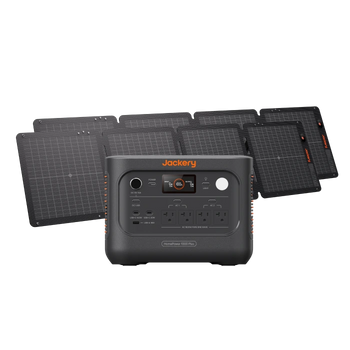
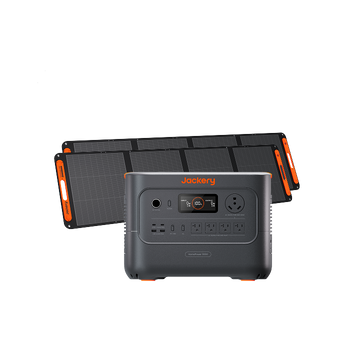
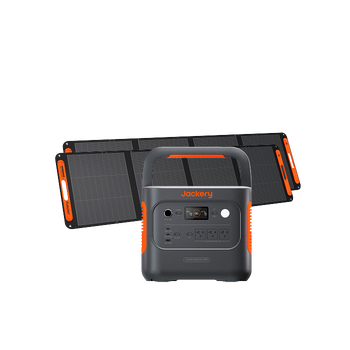
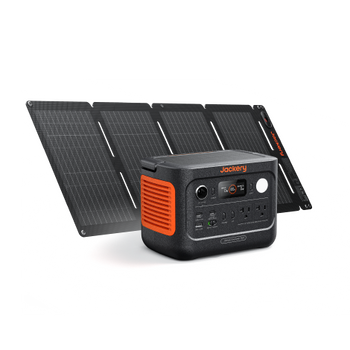
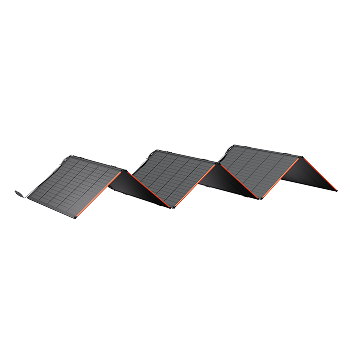
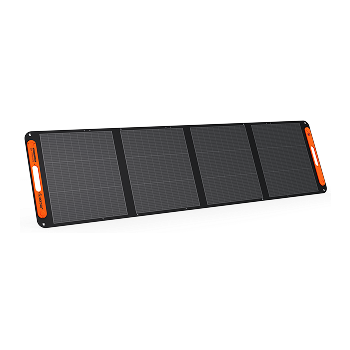
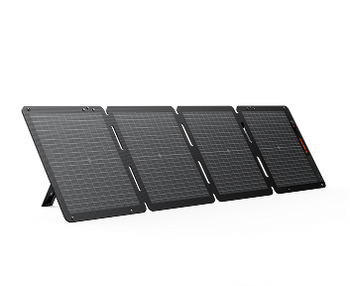
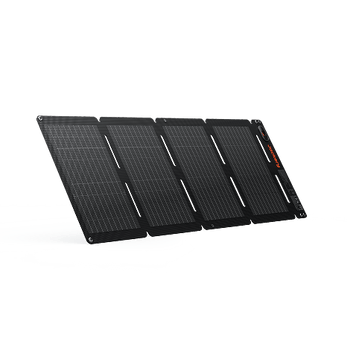
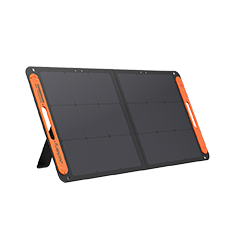
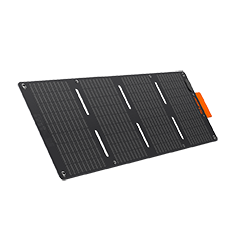
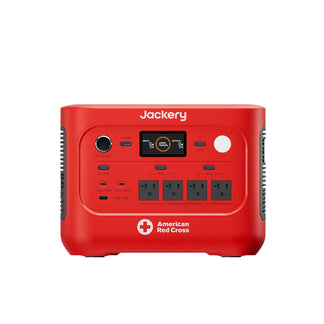
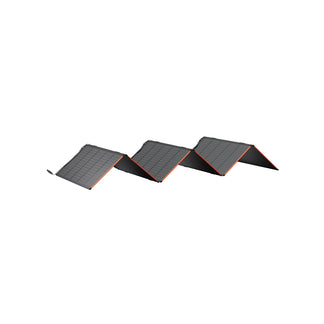
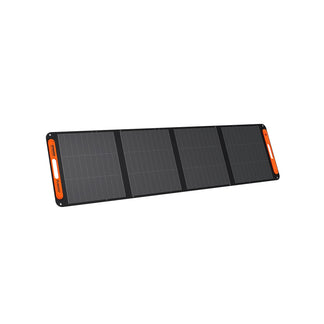
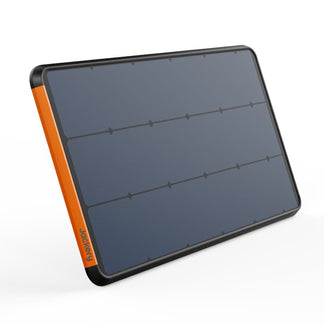
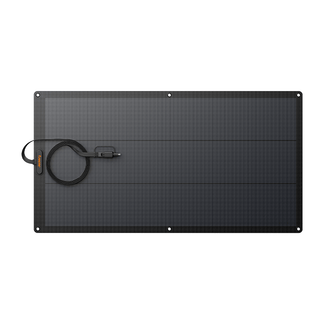
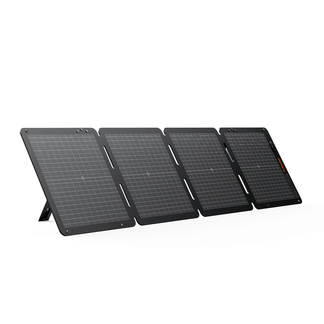
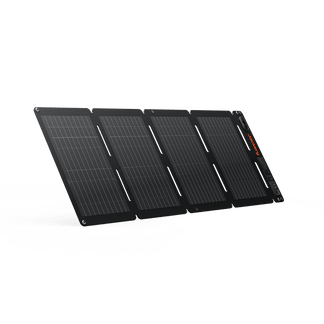
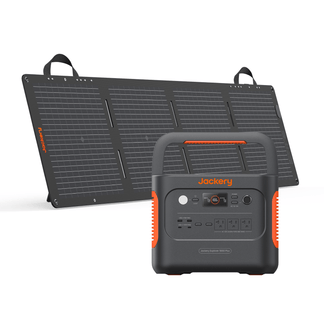
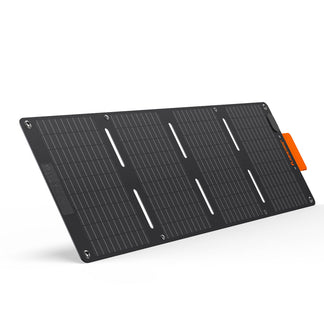
Jackery Solar Generators pair a power station with foldable solar panels, converting sunlight into stored DC power and then inverting it to clean AC electricity. It is the same type of power your washing machine expects from a wall outlet. The setup is straightforward. Position the panels in direct sun, connect them to the power station, and the unit begins charging while sitting nearby ready to run appliances.
For washing machines specifically, voltage is the deciding factor in which solar generator to choose. A standard 120V top-load or front-load washer can run on most mid-capacity Jackery Solar Generators, but a 240V washer-dryer combo or internally heated machine needs a generator built for true dual-voltage output. Here are the two reliable home battery backups that can easily power washing machines of different sizes.
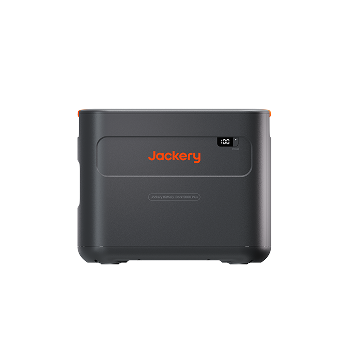
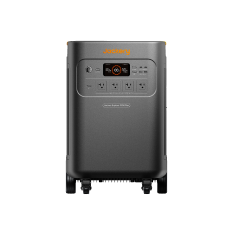
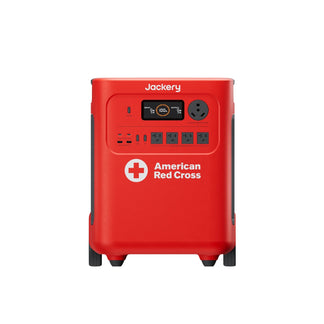
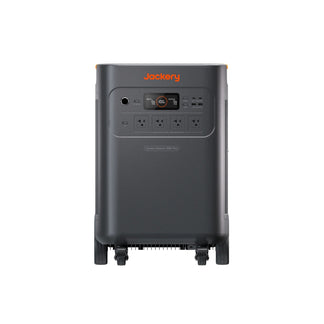
Jackery Solar Generator HomePower 3600 Pro Max
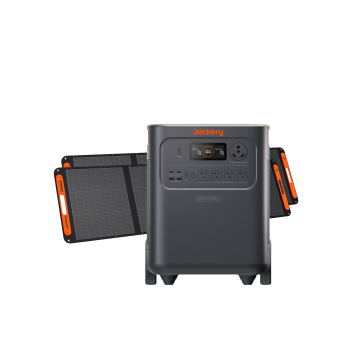
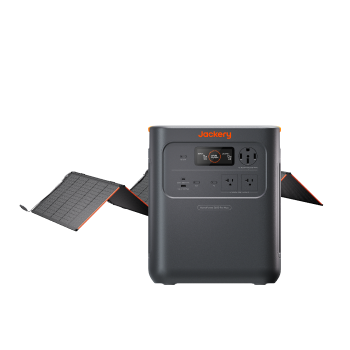
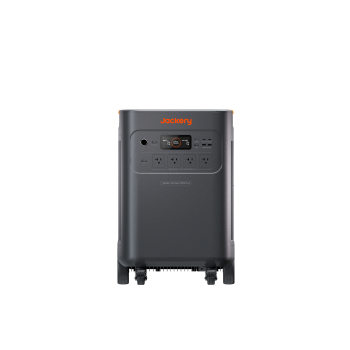
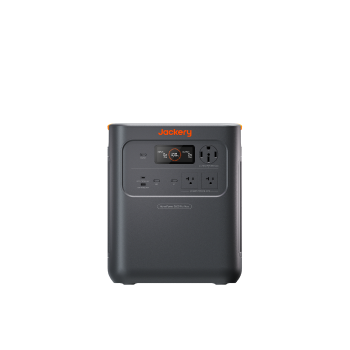
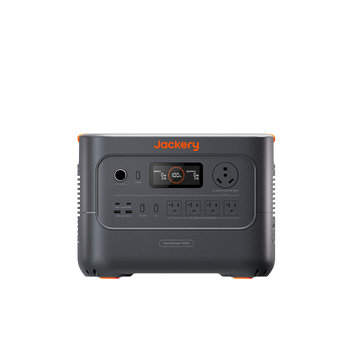
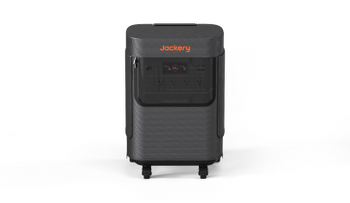
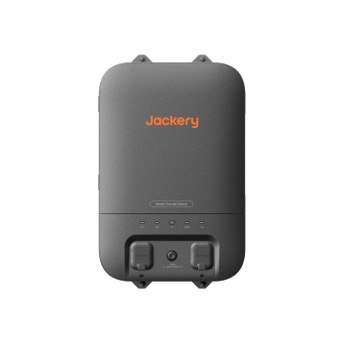
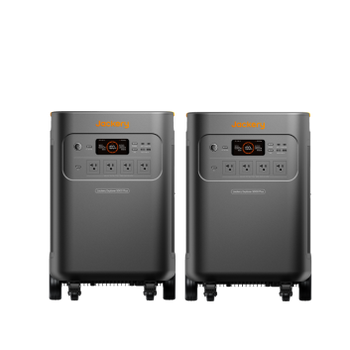
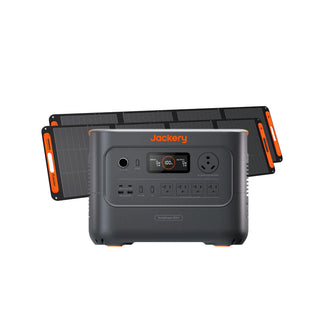
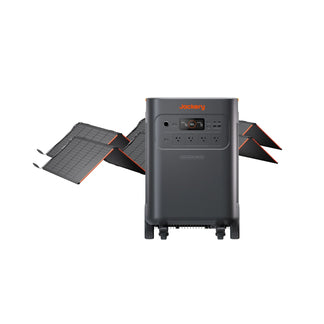
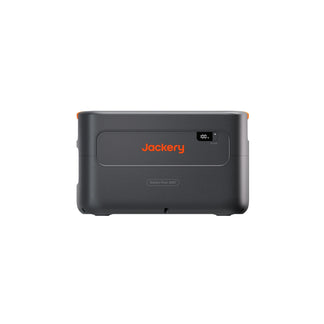
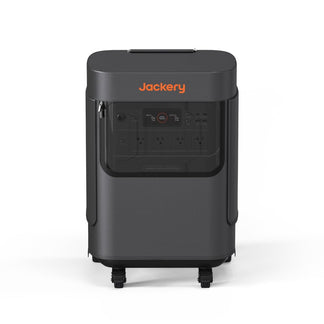
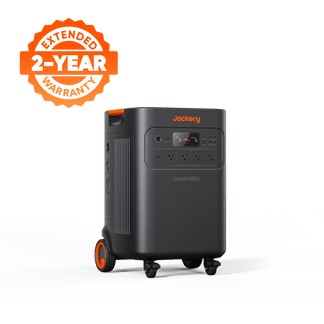
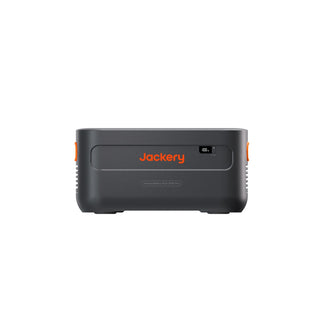
The Jackery Solar Generator HomePower 3600 Pro Max is one of the few home battery backups that delivers genuine 240V output from a single unit (4,000W at 240V or 2,000W at 120V), with a surge rating up to 7,200W that comfortably handles the startup spike of a washer with an internal heating element. With 3,584Wh of base capacity expandable to 21kWh on its own (43kWh when two units run in parallel), it's built to handle both routine laundry days and extended outages without needing a second system for 240V appliances. It's also a strong fit for anyone consolidating home backup and laundry power into a single expandable system rather than juggling separate solutions for different appliances.
Appliance Running Time
- Compact Washer (400W) = 7.2H
- Standard Top-Load (1000W) = 3.0H
- Front-Load (700W) = 4.2H
- Washer with Heater (2000W) = 1.5H
- Washer-Dryer Combo (3000W) = 1.0H
Who Should Buy This
The Jackery Solar Generator HomePower 3600 Pro Max is ideal for homeowners with a 240V washer-dryer combo, an internally heated washing machine, or any other 240V appliance who wants automatic backup that kicks in without flipping a manual switch.

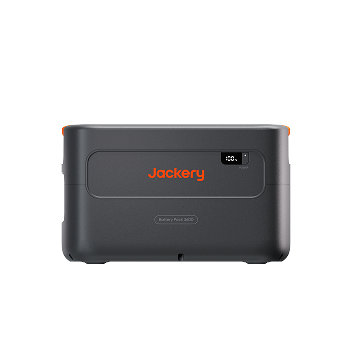
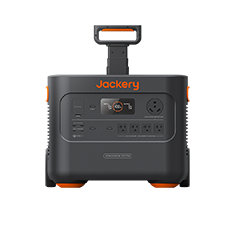
Jackery Solar Generator 5000 Plus
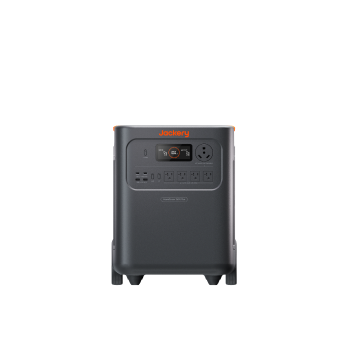
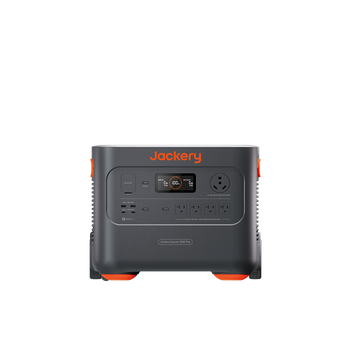
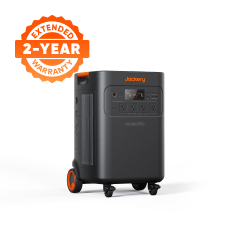
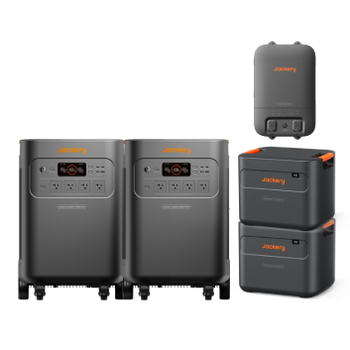
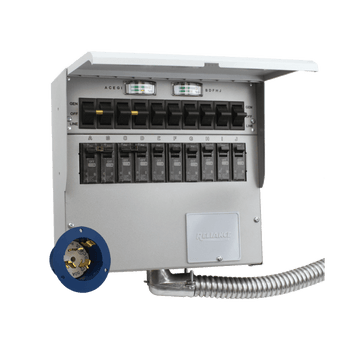
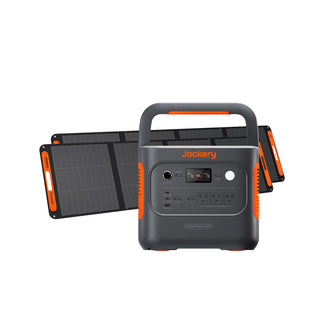
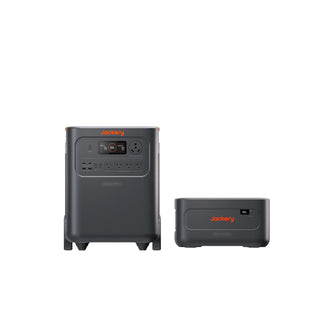
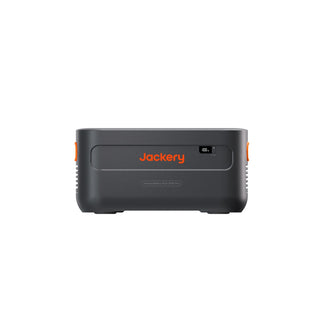
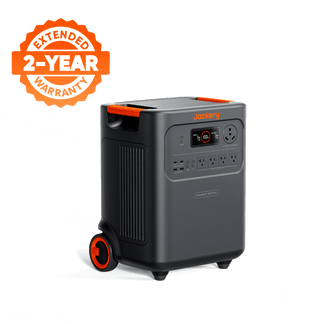
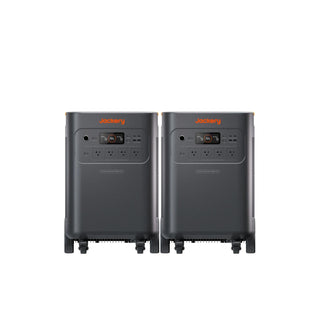
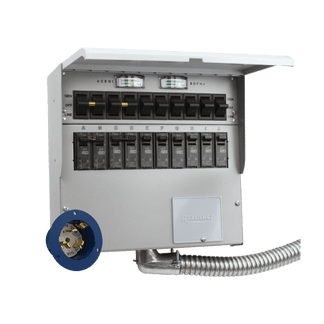
The Jackery Solar Generator 5000 Plus starts at 5,040Wh and scales up to a substantial 60kWh, with 7,200W of continuous output (14,400W when two units are paired) across both 120V and 240V. It can run a washing machine alongside several other major appliances at the same time without coming close to its limit. This essential home backup solution is useful for larger households where laundry is just one of several simultaneous loads during an outage. It pairs with Jackery's Smart Transfer Switch to power up to 12 circuits at 120V or 6 at 240V for reliable home backup.
Appliance Running Time
- Compact Washer (400W) = 9.5H
- Standard Top-Load (1000W) = 4.1H
- Front-Load (700W) = 5.7H
- Washer with Heater (2000W) = 2.1H
- Washer-Dryer Combo (3000W) = 1.4H
Who Should Buy This
The Jackery Solar Generator 5000 Plus is ideal for larger households or off-grid properties that need a washing machine (including 240V combo units) to run alongside other major appliances, such as refrigerators, well pumps, HVAC, without rationing power between them.

Customer Review
This generator is saving me a ton of money on my electricity bills. I have a 30 kWh system and it runs everything in my house for days. I have (14) 415 watt solar panels plugged into the two generators so the batteries charge back up super fast.
— Mike.
FAQs About Washing Machine Amps
Can a washing machine run on a standard 15-amp circuit?
Yes, many modern residential washing machines can safely run on a standard 15-amp, 120-volt circuit, provided it is a dedicated circuit. However, washers with internal water heaters or sanitizing cycles may require a 20-amp circuit. You should always check your appliance's nameplate and manual to find the exact amps.
Does every washing machine need 240V?
No, every washing machine does not need 240V. Standard wash-only machines run fine on 120V. Only units that heat their own water internally, stacked washer-dryer combos, and most commercial machines require a dedicated 240V circuit.
What size breaker does a 240V washing machine need?
Most 240V washer-dryer combos and internally heated machines need a 30A breaker on 10-gauge wire, though commercial units can require 40A or higher. It is better to always confirm against the specific machine's nameplate.
Can a solar generator run a 240V washing machine?
Only solar generators with true dual-voltage (120V/240V) output can run a 240V washing machine directly. Solar generators like the Jackery Solar Generator HomePower 3600 Pro Max and Jackery Solar Generator 5000 Plus supports dual-voltage and can easily run 240V washing machines.
Why does my washing machine trip the breaker during the spin cycle?
The spin cycle often draws more current than the wash cycle, since the motor works harder to reach higher RPMs. Combined with any residual startup surge, this is a common point where marginal circuits or undersized breakers get pushed past their limit.
How many amps does a washing machine draw compared to a dryer?
A standalone electric dryer typically draws more than a washer, often 20-30 amps on a dedicated 240V circuit, because heating and tumbling large loads of wet fabric takes considerably more energy than washing does.
Conclusion
Washing machine amp draw depends heavily on whether the machine simply spins a drum on 120V or heats its own water and runs on a dedicated 240V circuit. Knowing which category your washer falls into is the difference between sizing the right breaker the first time and troubleshooting nuisance trips later. For anyone who wants that power available even when the grid isn't, Jackery Solar Generator HomePower 3600 Pro Max and Jackery Solar Generator 5000 Plus are both built with true 240V output, so they can keep laundry running whether you are powering a standard washer or a 240V combo unit.


