

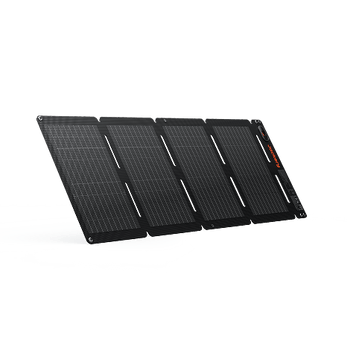






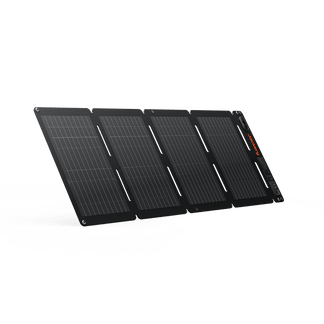
![[Add-on] Jackery SolarSaga 500 X - Jackery](http://www.jackery.com/cdn/shop/files/add-on-jackery-solarsaga-500-x-1493607.webp?v=1786503068&width=324)
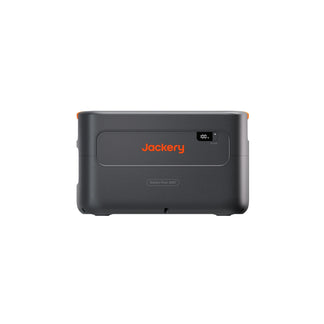
![[Add-on] Jackery Battery Pack 5000 Plus - Jackery](http://www.jackery.com/cdn/shop/files/add-on-jackery-battery-pack-5000-plus-6713401.webp?v=1786503068&width=324)









No one wants to open their refrigerator after a long storm only to find $400 of spoiled food and a ruined appliance.
While we focus on keeping our food cold, we often forget that modern refrigerators are highly sensitive electronics. Their compressor motors require clean, stable voltage to run safely. A cheap generator or a sudden grid brownout can ruin these motors in seconds. Understanding your refrigerator's true power needs is the only way to safeguard your home’s food supply. Here is how to build a reliable backup system to keep your fridge humming safely through any emergency.
Standard Residential Refrigerator Voltage: 115–120V AC
A typical residential refrigerator in the United States runs on a standard household electrical circuit, but its real-world power draw is highly dynamic.
Baseline Power Specifications
- Standard Electrical Supply: Single-phase 115V to 120V AC at 60 Hz.
- Steady-State Power Draw: Typically between 100 and 800 running watts. Actual draw depends on the unit's size, age, internal insulation, and secondary features (such as built-in ice makers or heated door seals).
The Startup Surge: Locked Rotor Amps (LRA) Every time your refrigerator's thermostat cycles on, the compressor motor requires a massive startup current to break its physical inertia. Because a stationary motor lacks inductive reactance, a massive, brief inrush current flows through its low-resistance windings.
- The Surge Multiplier: This startup surge is typically 2 to 3 times higher than the running wattage, lasting only a fraction of a second.
- The Impact: A refrigerator rated for 150W running power can easily spike to 450W or higher at startup. Your backup power system's peak surge rating must be sized to handle this split-second spike.
NEMA Voltage Tolerance Standards
According to NEMA (National Electrical Manufacturers Association) standards, standard household appliances are engineered to tolerate a voltage variance of ±10%.
Here is how that variance translates to safe operating limits:
|
Rated Voltage |
Minimum Safe Limit |
Maximum Safe Limit |
Danger Zone |
|
115V AC |
103.5V AC |
126.5V AC |
Under 103.5V (Causes motor windings to overheat and trip thermal safety switches) |
If your power grid sags below the 103.5V floor—a common occurrence during peak summer air conditioning loads—the motor windings can quickly overheat, triggering the compressor's thermal overload protector and shutting down the refrigerator to prevent a fire.
Voltage Variations by Refrigerator Type
Refrigerator voltage is not universal; it varies significantly based on your appliance's application and regional market standards:
|
Refrigerator Class |
Voltage Specification |
Typical Power Draw |
Key Gifting & Sizing Notes |
|
Standard Mini-Fridge |
120V AC |
50W – 100W |
Highly portable. For detailed sizing, see our mini-fridge backup guide. |
|
RV Compressor Fridge |
12V or 24V DC |
30W – 60W |
Highly efficient; plug directly into your power station's DC port to skip inverter losses. |
|
Commercial Built-In |
220V – 240V AC |
800W – 1,500W+ |
Requires dedicated high-voltage lines; incompatible with small 120V stations. |
Mobile RV units are often designed as dual-fuel or three-way absorption models. These refrigerators can operate on LP gas, 120V AC, or 12V DC. When operated in 12V DC mode, they use a high-wattage heating element rather than an efficient compressor. This heating element draws a massive, continuous current that can drain a standard deep-cycle RV battery in a few hours, making propane the far more efficient fuel choice when camping off-grid.
Voltage Verification and Cable Loss Mathematics
To verify your refrigerator's electrical draw, measure your wall outlet using a digital multimeter set to AC voltage. While most US homes operate near 120V, older grid infrastructure can sag to 110V or lower under peak summer cooling loads, forcing your compressor to draw more current to maintain cooling performance.
If you are operating a 12V DC portable refrigerator, you must take into account cable voltage drops. As direct current passes through a conductor, a portion of the voltage is dissipated as heat due to the line's internal resistance, which can be calculated using Ohm's Law:
Voltage Drop = Current (Amps) × Cable Resistance (Ohms)
Using thin, high-gauge 12V cables can cause a significant voltage drop. For example, a battery reading a healthy 12.6V can drop below 10.8V by the time the current reaches your refrigerator terminals, triggering the compressor's built-in low-voltage cutoff. Always measure voltage right at the compressor terminals while the unit is running to ensure electrical stability.
Real-World Power Consumption and Duty Cycles
A standard full-size residential refrigerator consumes between 1 kWh and 2 kWh of electricity per day. This represents an average over a 24-hour period. Because the compressor cycles on and off, the unit only operates under an active cooling duty cycle of roughly 30% to 50% of the time, meaning a 150W refrigerator only averages a continuous draw of 45W to 75W per hour.
However, ambient room temperatures heavily affect this duty cycle. If your refrigerator sits in a hot garage or utility room that exceeds 90°F in the summer, its duty cycle can spike to 80% or more, causing the compressor to run almost continuously and draining your backup batteries twice as fast as expected. Additionally, keep your freezer packed; a full freezer holds its temperature significantly longer because the frozen mass acts as a dense thermal buffer.
Food Safety During Outages: The 4-Hour Rule
While a refrigerator is plugged in 24/7, its compressor does not run continuously. Instead, it operates on a duty cycle—cycling on and off dynamically to maintain its target internal temperature.
The Daily Power Breakdown
- Daily Consumption: A standard full-size residential refrigerator consumes between 1 kWh and 2 kWh of electricity per day.
- Active Duty Cycle: The compressor only runs roughly 30% to 50% of the time in a standard climate-controlled room.
- Average Hourly Draw: Because of this cycling, a 150W refrigerator only averages a continuous draw of 45W to 75W per hour over a 24-hour period.
Ambient Temperature: The Battery Drainer
Ambient room temperature is the single biggest factor affecting your refrigerator's duty cycle:
- The Garage Trap: If your refrigerator is placed in a hot garage or utility room that exceeds 90°F during a summer power outage, its duty cycle can spike to 80% or higher.
- The Impact: The compressor will run almost continuously to keep the interior cold, draining your backup battery system twice as fast as standard indoor estimates.
Pro Tip: Keep Your Freezer Packed Always keep your freezer full. A packed freezer holds its temperature significantly longer because the frozen food acts as a dense thermal buffer (essentially a block of ice).
If you have empty space, fill plastic jugs with water and freeze them. During a blackout, this frozen thermal mass reduces temperature spikes when you open the door, keeping your food safe and reducing the workload on your backup power station.
Protecting Your Refrigerator Against Voltage Fluctuations
Grid power is rarely perfectly clean, and voltage transients can cause severe long-term damage to modern appliances. High-voltage surges, often triggered by lightning strikes or utility switching, can easily burn out your refrigerator's delicate digital control boards, requiring expensive repairs.
To protect your equipment, always plug your refrigerator into a high-quality surge protector or an Automatic Voltage Regulator (AVR). An AVR actively stabilizes fluctuating grid voltages, clamping dangerous spikes and boosting low-voltage sags to protect your compressor's motor windings. During severe electrical storms, unplugging your refrigerator entirely is the safest proactive protection method.

Powering Your Refrigerator with Solar Backup
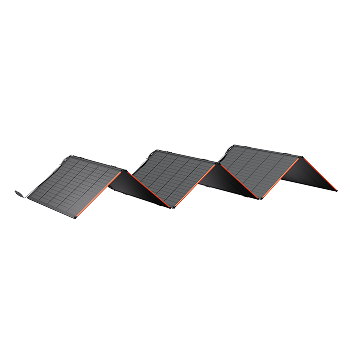
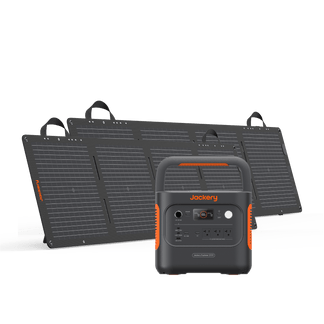
A high-capacity portable solar generator is the ideal way to back up your refrigerator. Because they produce zero emissions and run silently, they are completely safe to operate indoors right next to your kitchen appliances during a storm, eliminating the need to run long, hazardous extension cords through open windows.
To calculate your home's total critical load requirements, explore our comprehensive guide on essential home backup power planning. You can also review specific refrigerator sizing profiles in our solar generator for refrigerator guide.
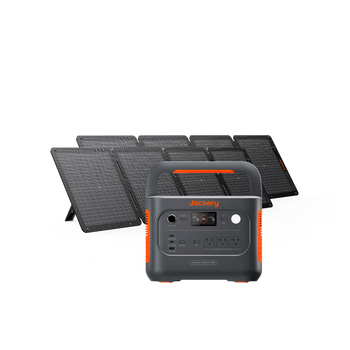
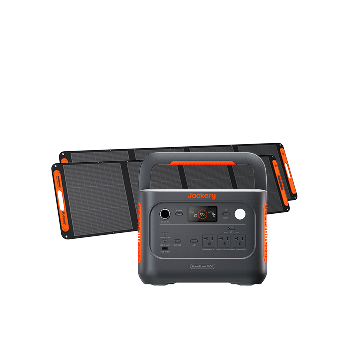
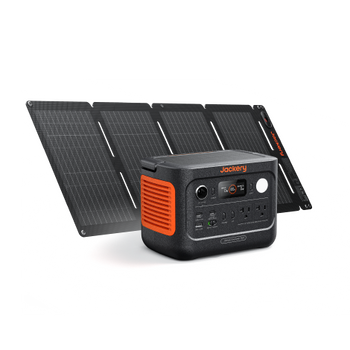
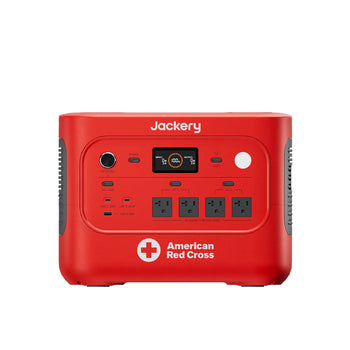
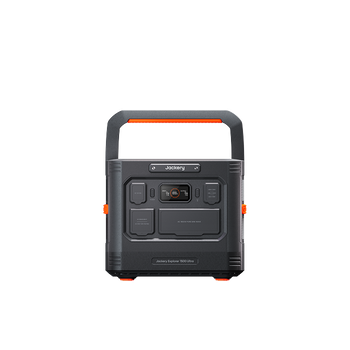
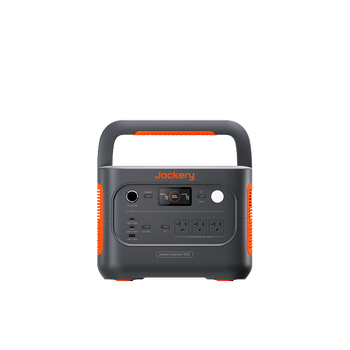
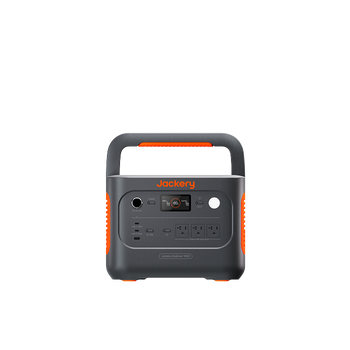
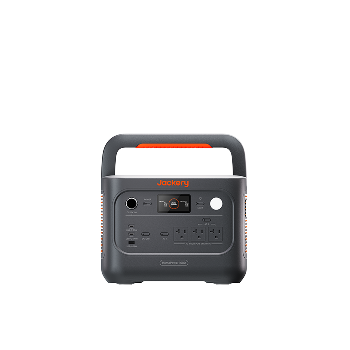
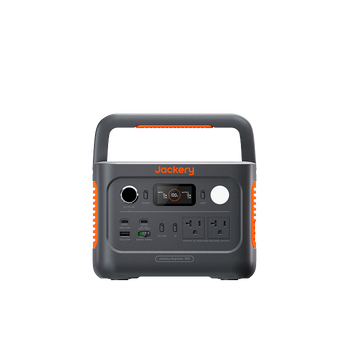
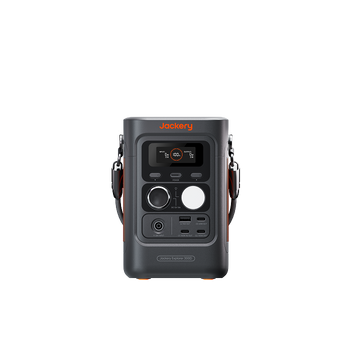
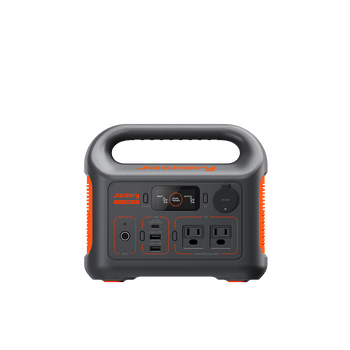
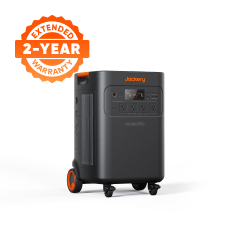
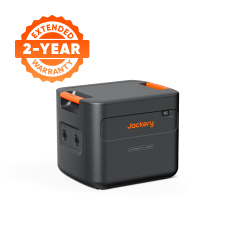
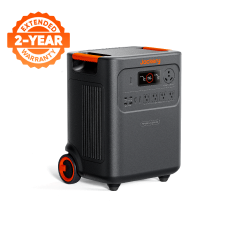
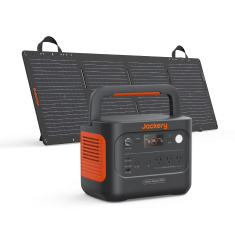
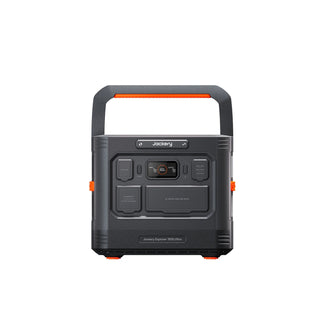
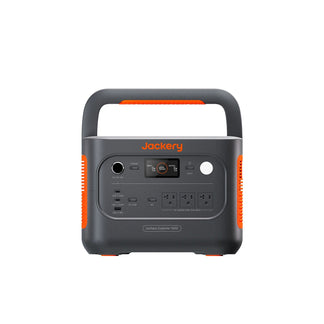
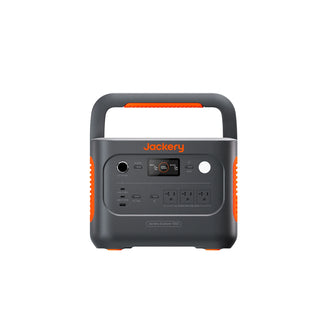
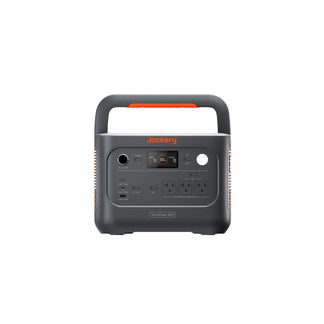
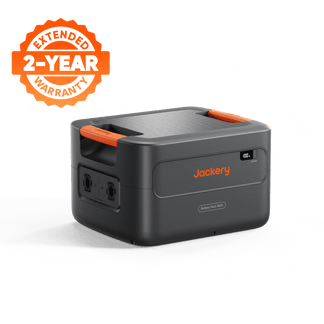
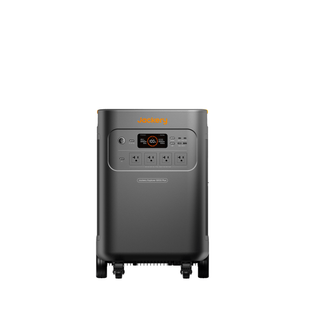
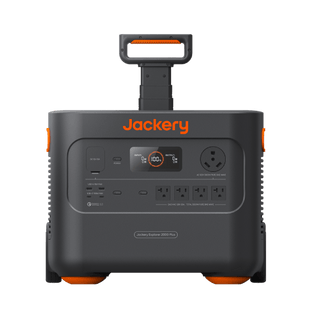
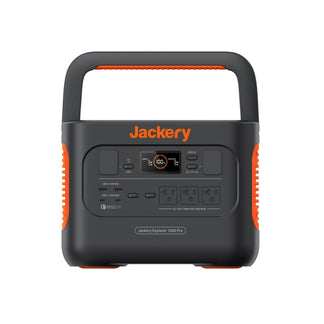
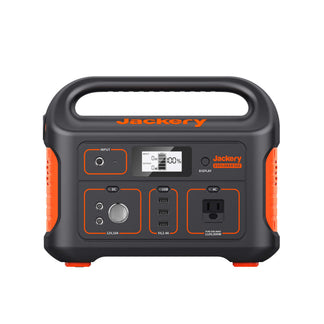
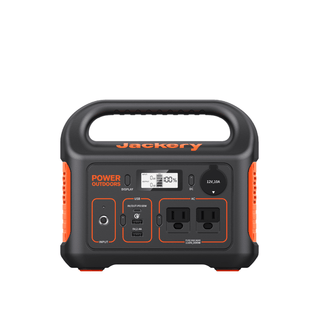
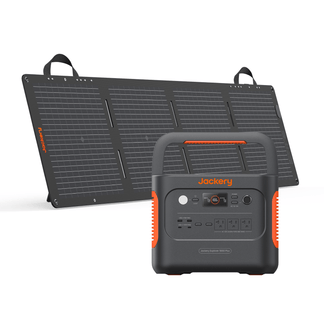
Three premium solar generators from Jackery provide ideal refrigerator backup power:
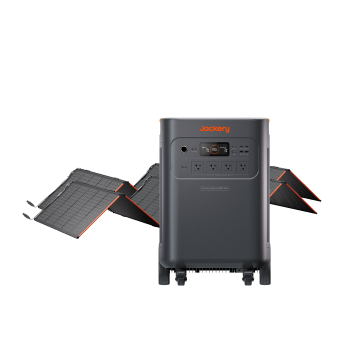
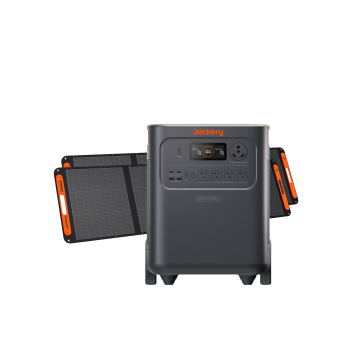
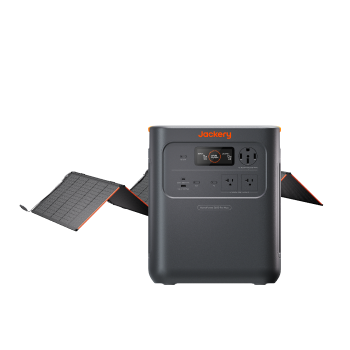
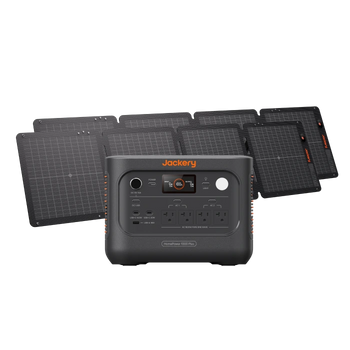
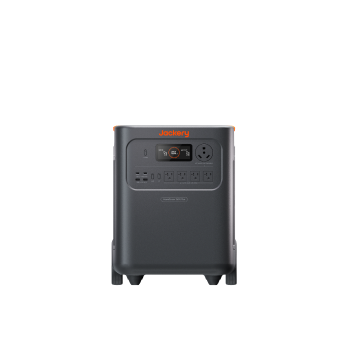
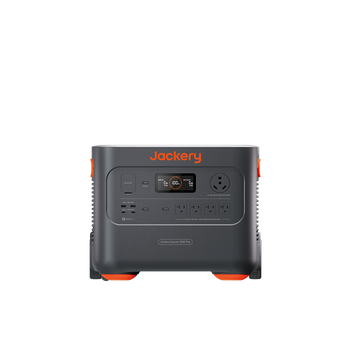
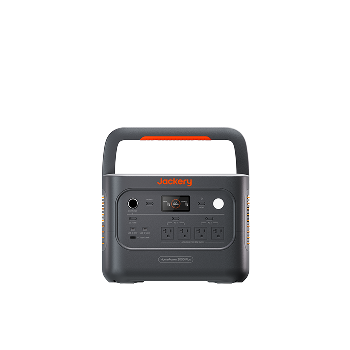
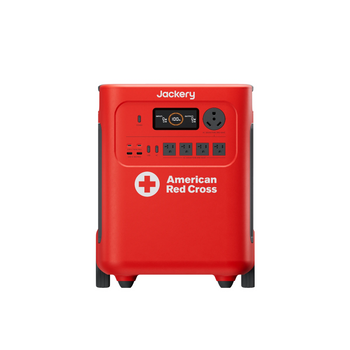
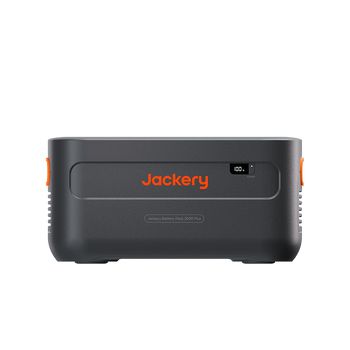
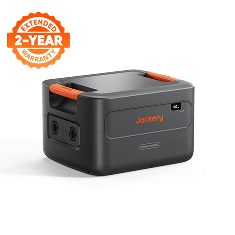
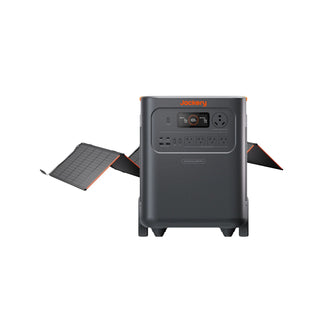
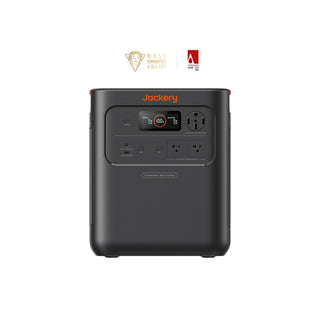
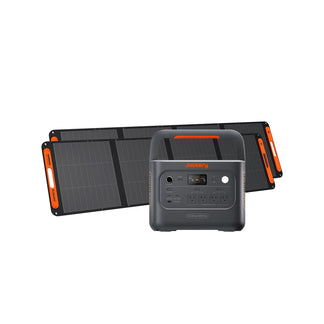
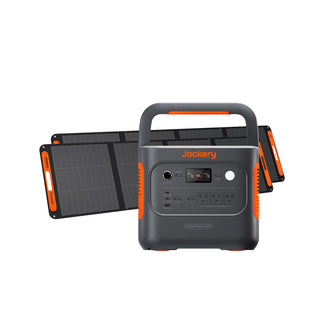
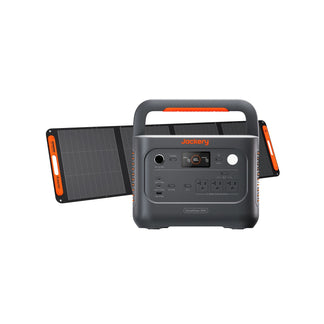
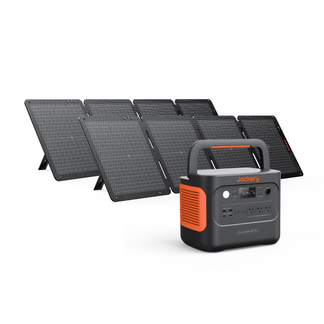
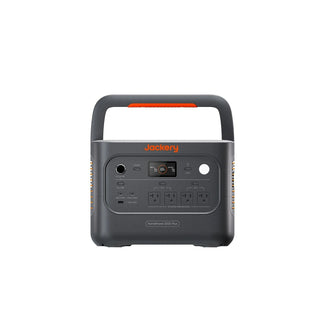
Jackery Solar Generator HomePower 3600 Plus: Houses a robust 3,584 Wh capacity, capable of running a standard 80W residential refrigerator for up to 38 hours on a single charge. Its 3,600W output (7,200W surge) can easily start multiple high-draw appliances simultaneously.
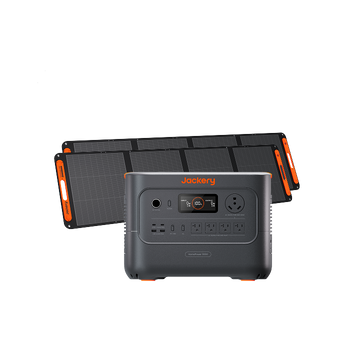
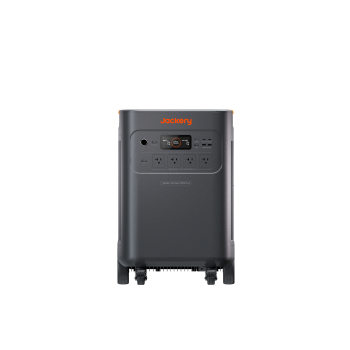
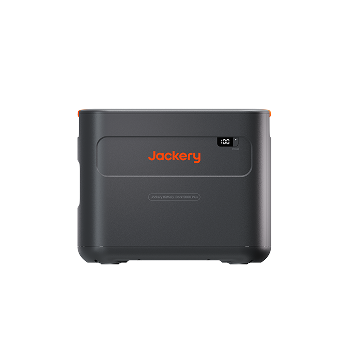
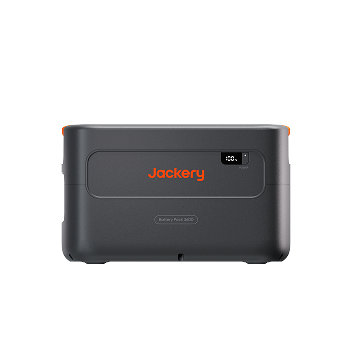
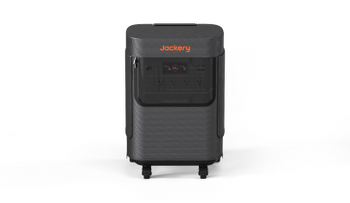
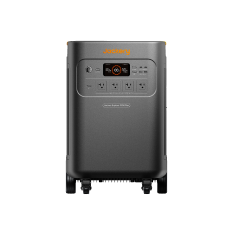
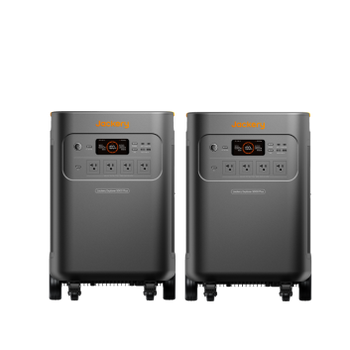
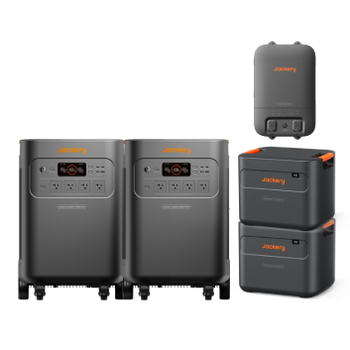
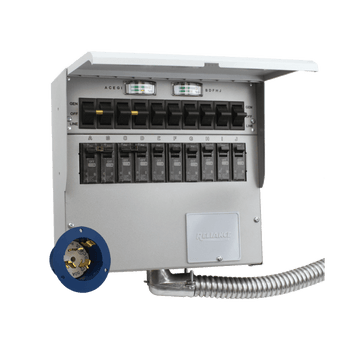
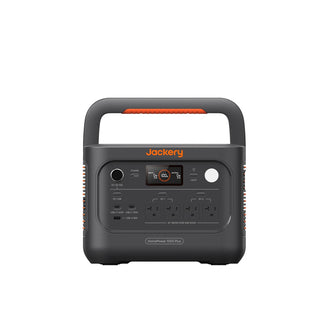
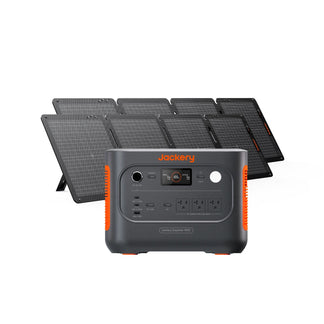
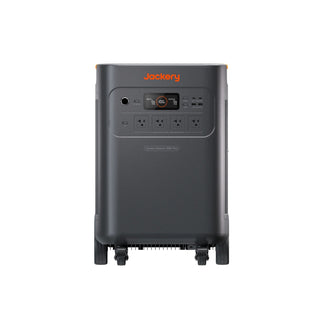
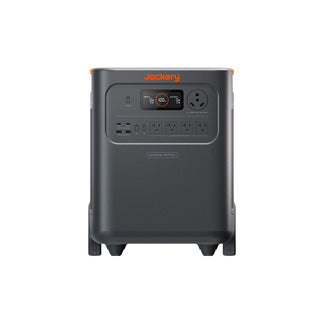
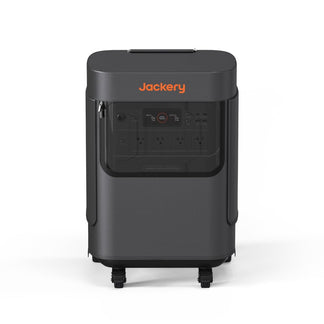
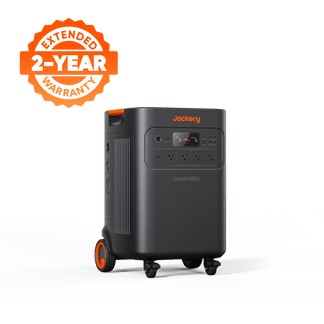
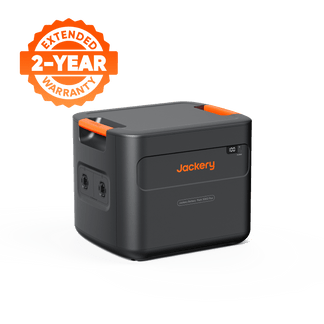
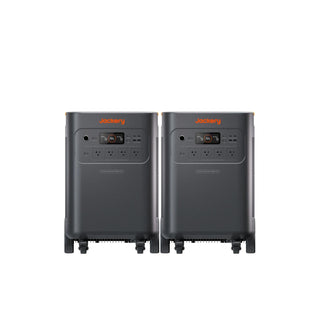
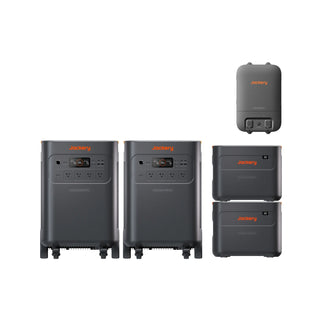
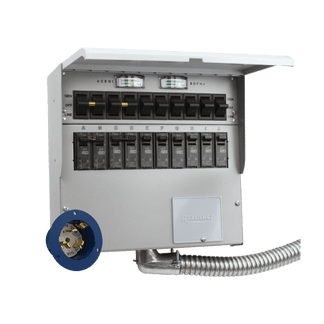
Jackery Solar Generator 5000 Plus: Sized for whole-home backup, delivering a 5,040 Wh base capacity (expandable to 60 kWh) and a massive 7,200W output (14,400W surge). When paired with a transfer switch, its 0ms online UPS provides an instantaneous, zero-delay power handoff.
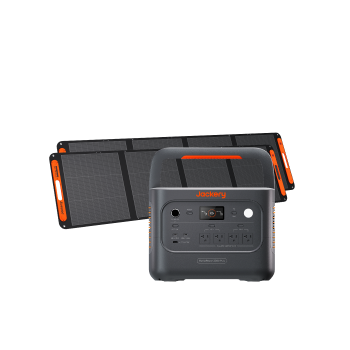
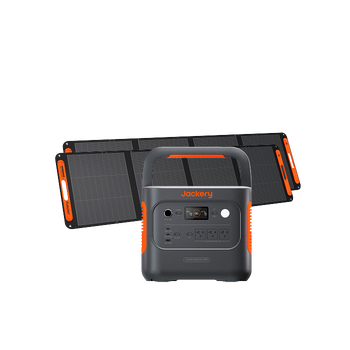
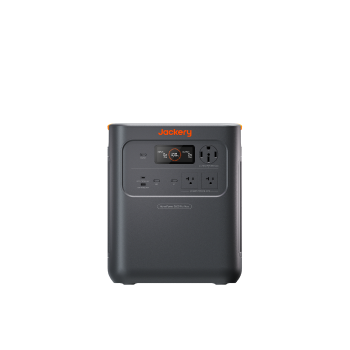
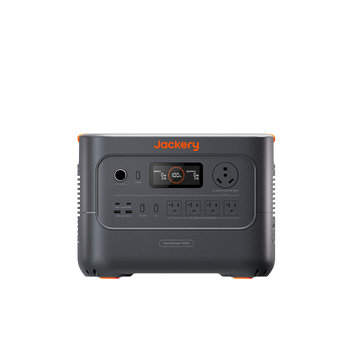
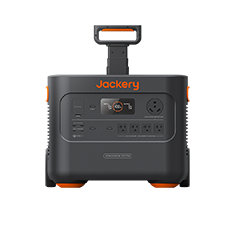
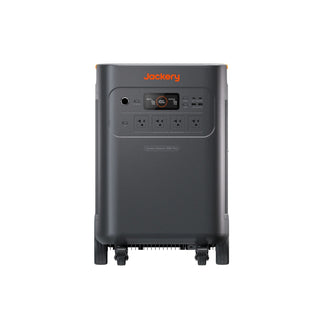
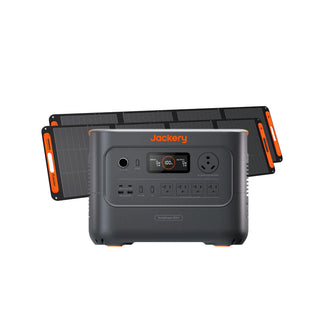
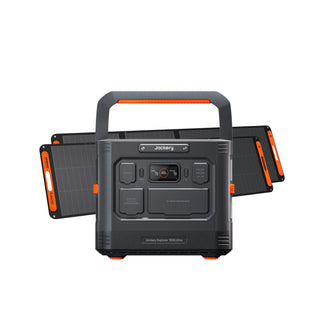
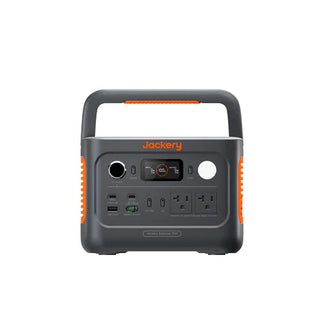
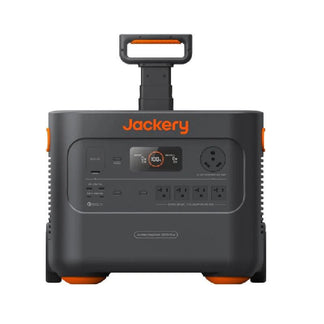
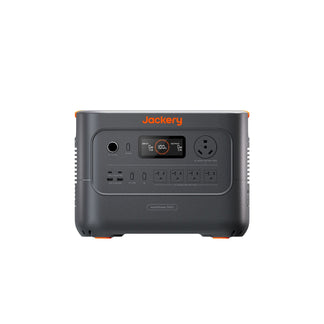
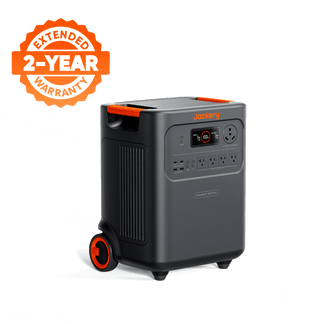
Jackery Explorer 2000 v2: If you or someone in your household relies on critical equipment that cannot afford an interruption during an outage, the Jackery Explorer 2000 v2 provides the reliability and runtime to keep it running.
Frequently Asked Questions
How many volts does a standard home refrigerator use?
Most standard residential refrigerators in the United States operate on a single-phase 115V to 120V AC electrical supply, plugging directly into a standard household wall outlet.
Can a 12V refrigerator run on a 120V outlet?
No. A 12V DC compressor refrigerator requires a direct current power source. Attempting to plug a 12V DC appliance directly into a 120V AC outlet without a certified power converter or step-down adapter will instantly destroy the electrical components.
How long will food stay safe in a fridge without power?
If the doors remain closed, an unopened refrigerator keeps food safe for up to 4 hours. A fully packed freezer can maintain safe, freezing temperatures for up to 48 hours (or 24 hours if half-full).
What voltage do commercial refrigerators require?
Commercial-grade refrigerators and large walk-in freezers typically require a dedicated 220V to 240V AC circuit, meaning they cannot be powered by standard 120V portable power stations without a heavy-duty step-up transformer.
How can I power my refrigerator during a power outage?
The safest and most reliable way is using a portable solar generator equipped with at least 1,000 Wh of capacity and a pure sine wave inverter, allowing you to run your refrigerator silently and cleanly indoors.
Can I run a refrigerator on a modified sine wave inverter?
No, this is highly discouraged. Modified sine wave inverters produce a choppy, blocky electrical waveform that can cause compressor motors to run extremely hot, buzz loudly, operate inefficiently, and suffer permanent mechanical damage. Always use a pure sine wave inverter to power inductive refrigeration loads.


