





![[Add-on] Jackery SolarSaga 500 X - Jackery](http://www.jackery.com/cdn/shop/files/add-on-jackery-solarsaga-500-x-1493607.webp?v=1786503068&width=324)
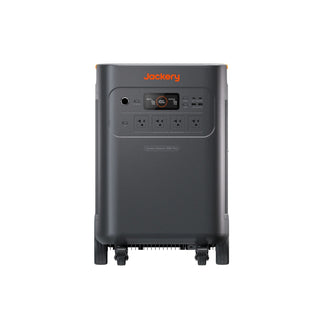
![[Add-on] Jackery Battery Pack 5000 Plus - Jackery](http://www.jackery.com/cdn/shop/files/add-on-jackery-battery-pack-5000-plus-6713401.webp?v=1786503068&width=324)



![[Add - on] SolarSaga 200W - Jackery](http://www.jackery.com/cdn/shop/files/add-on-solarsaga-200w-4834329.png?v=1754016915&width=324)
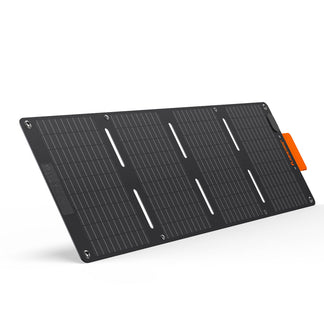
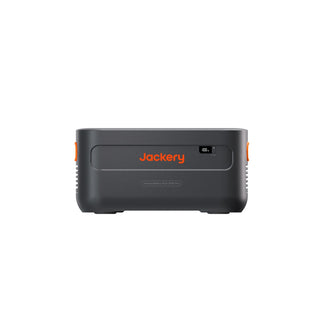
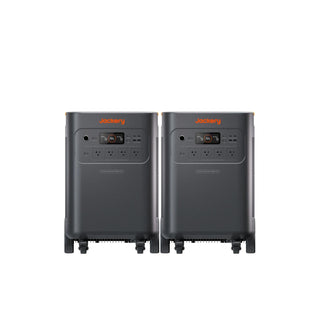
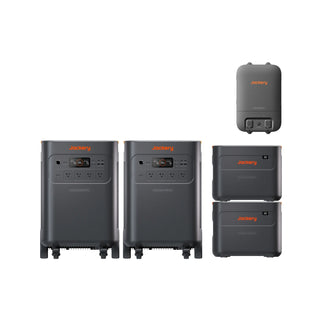


How many watts a blender uses varies widely in power depending on its motor strength and intended use. For example, compact personal models may operate around 300 - 500 watts, while full-size kitchen blenders usually range between 600 and 1200 watts. High-performance blenders designed for crushing ice or blending tougher ingredients can exceed 1500 watts, especially during short bursts of heavy blending.
As blending sessions are usually brief, total electricity consumption remains relatively low even when the motor draws higher wattage. For situations where kitchen appliances need to run without traditional outlets, Jackery Solar Generators can provide portable power capable of supporting blender use during camping trips, outdoor gatherings, or temporary outages when meal preparation still needs to continue.
Key Takeaways
- Blender power typically ranges from 300 to 1500 watts, depending on motor size and performance.
- High-powered blenders draw more electricity but usually operate for short durations, which is why they can be easily powered by a power station or solar generator.
- Jackery Solar Generators can power a blender during outdoor cooking setups or short grid interruptions.
How Many Watts Does a Blender Use?
The number of watts a blender uses varies depending on its size and crushing power. The blender wattage varies between 300W and 1000W and goes up to 1500W for professional-quality blenders.
When we want to discuss the number of watts a blender uses and its cost, we need to understand some basic terms, let's see what these terms mean.
Definition Of Amps, Volts, Watts, Running Watts, Rated Watts, Watt-Hours.
Amps
An ampere is a unit that measures electric current. One Ampere donates the electric current produced in a circuit where one-volt voltage acts through a resistance of one ohm.
Volts
The volt is a unit of voltage that measures the "pressure" in an electric circuit. Voltage is directly proportional to current. So when the current increases, the voltage also increases as the formula for voltage is;
Voltage = Ampere x Resistance
V = IR
Watts
A watt measures the power, which is the rate of energy transfer. It is the rate at which electrical work is done when one Ampere (A) of electric current flows through one volt (V).
Running Watts or Rated Watts
Running, or rated watts, is the number of continuous watts needed during the running time of any device or equipment.
Watt-Hours
Watt-hours measures watts consumed by an appliance during one hour.
How Many Watts Does A Blender Use?
A blender's power consumption generally falls between 300 and 1500 watts, depending on the model and features. The wattage of your particular blender can be checked on the product label.
The most significant factor in how many watts a blender uses is its motor. When the motor is more powerful, the crushing power of the blender is also high, and it uses more power and watts. So, lower-wattage blenders are good for lighter tasks like blending soft fruits and smoothies, while higher-wattage blenders can crush tougher ingredients like ice.
Another factor contributing to blender wattage is the speed settings. Higher speed settings generally consume more watts, and if you use the blenders for extended periods, the electricity cost will be significantly high.
Personal Blender
A 300-watt blender is trendy among fitness freaks who want to make protein shakes and mothers who serve purees to their little ones. It is excellent for smoothies and soft ingredient chopping.
Countertop Blender
Countertop blenders generally range between 700W and 1000W. They are suitable for hard ingredients like ice and nuts. These blenders are commonly found in typical households and serve many purposes. Additionally, when you use these blenders at low speed, the power consumption is lower. For high-speed settings, the power consumption goes up.
Professional Blender
Professional blenders are mostly used in restaurants, small spice businesses, and coffee shops. A 1200—to 1500-watt blender is high-powered and can easily crush even the toughest ingredients.
The following table summarizes how many watts a blender uses depending on its size and duration of use.
|
Blender |
Rated Watts |
Length of Time Powered (hours) |
Estimated energy needed daily (Watt-hours) |
|
Personal Blender |
500W |
15 minutes (0.25 Hours) |
125 Wh |
|
Countertop Blender (700W) |
700W |
15 minutes (0.25 Hours) |
175 Wh |
|
Countertop Blender (1000W) |
1000W |
15 minutes (0.25 Hours) |
250 Wh |
|
Professional Blender |
1500W |
15 minutes (0.25 Hours) |
375 Wh |
Recommended Jackery Solar Generators to Run a Blender
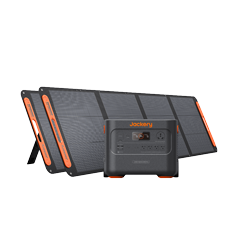
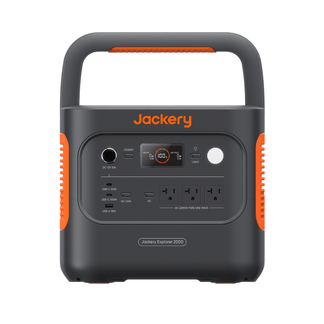
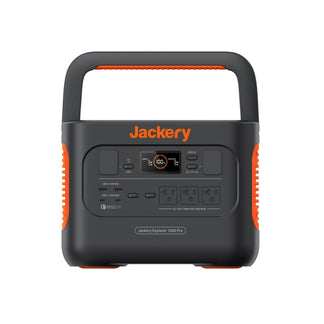
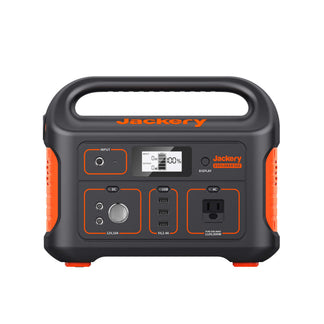
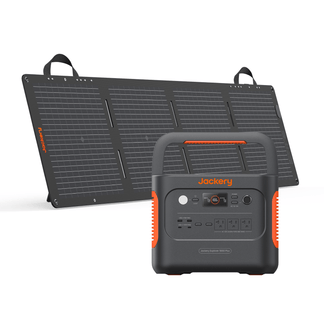
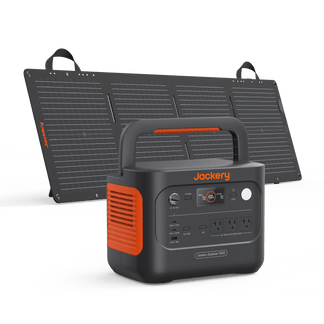
Whether you are whipping up post-workout smoothies at a remote campsite, running a pop-up juice bar at an outdoor market, or keeping your kitchen running during a grid outage, a reliable solar generator makes all the difference. Blenders draw significant wattage, typically between 300W and 1500W. Jackery Solar Generators can handle demanding appliances like blenders and other kitchen appliances during outdoor and power outages.
Choosing the right Jackery Solar Generator for your blender comes down to three things: your blender's wattage, how long you plan to run it, and whether you need to power anything else at the same time. You can use the calculator available on the Jackery Buying Guide page to match your actual blending needs, such as daily smoothie prep, catering events, and emergency home backup, to the generator capacity that fits. Enter your blender's wattage and choose the Jackery model, and you will get an estimated runtime.
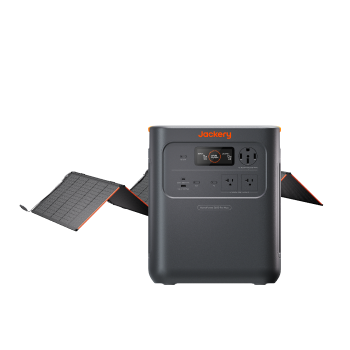
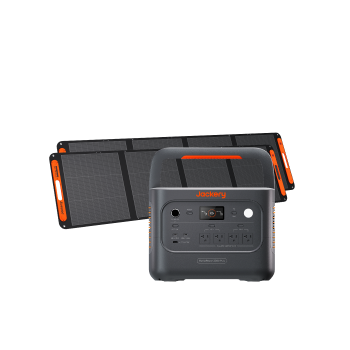
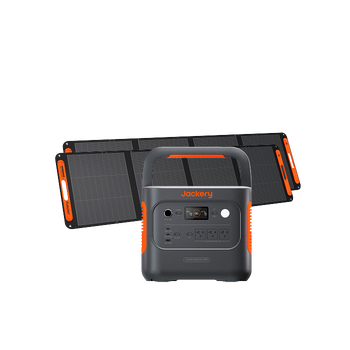
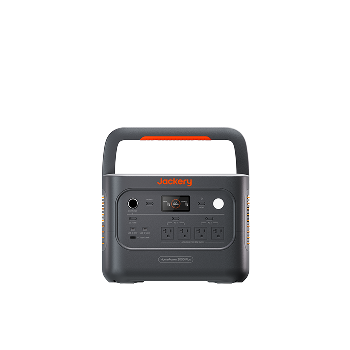
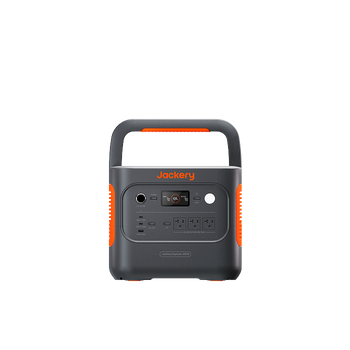
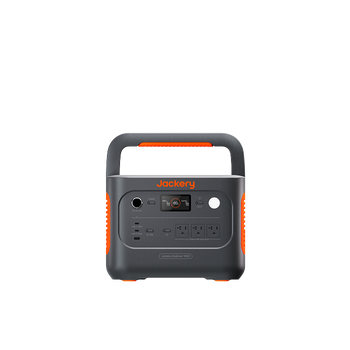
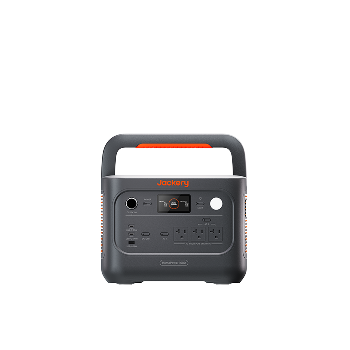
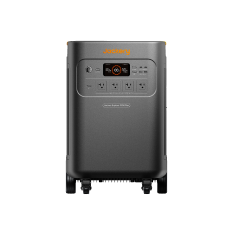
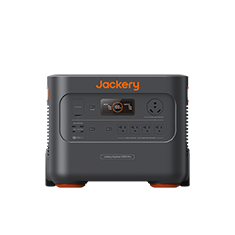
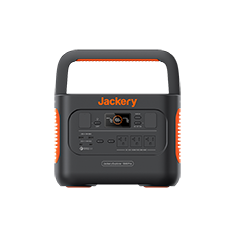
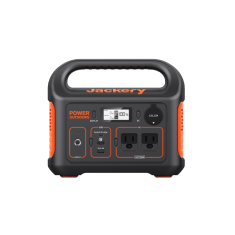
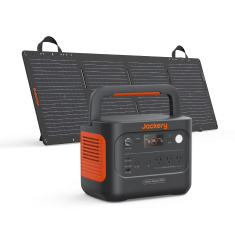
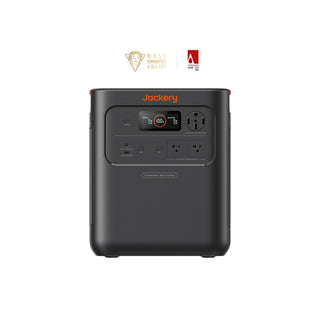
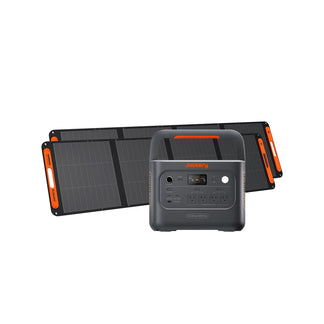
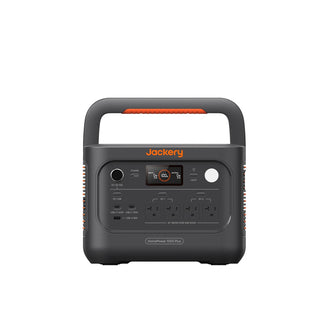
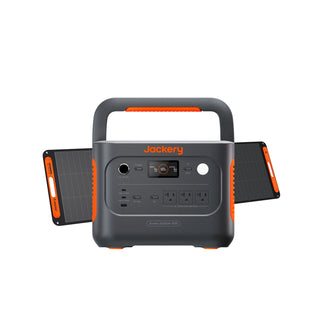
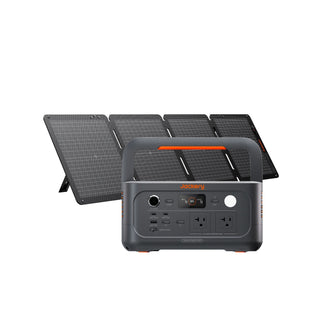
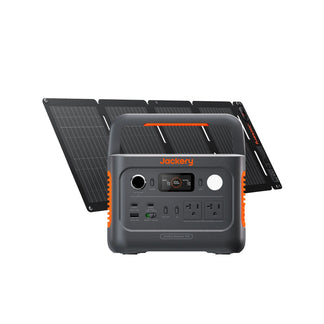
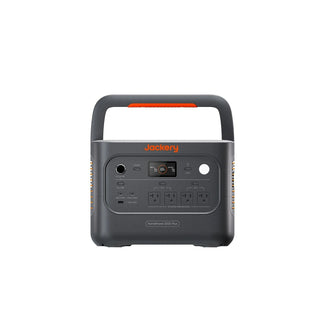
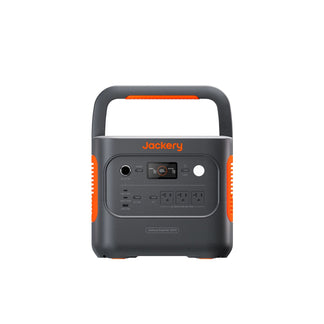
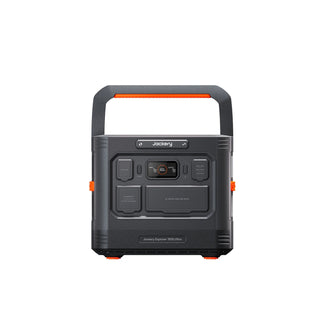
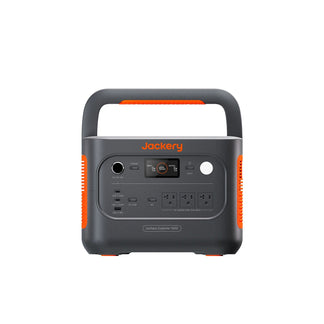
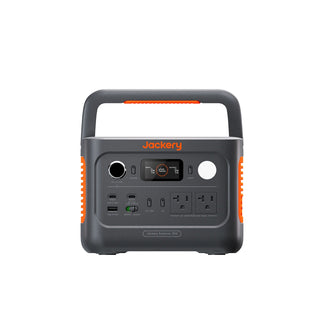
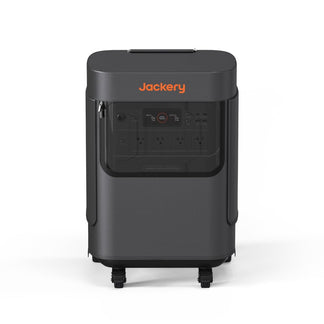
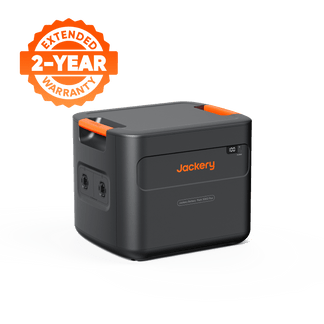
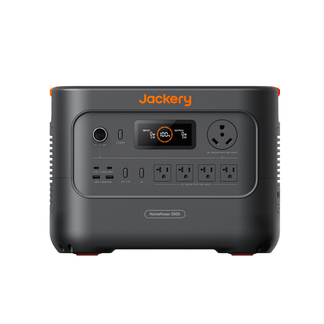
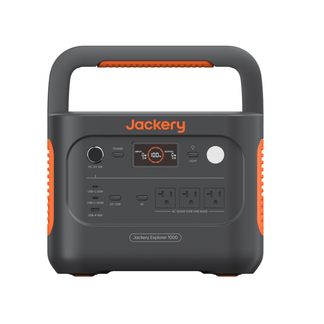
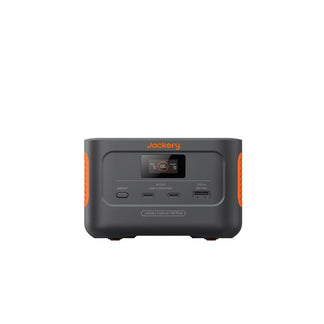
Jackery Solar Generator 1000 Plus
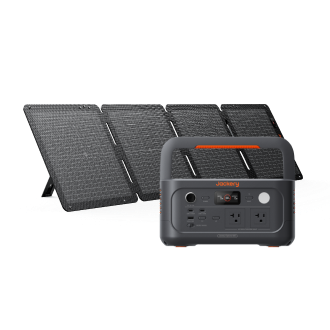
If you are a solo adventurer who refuses to give up your morning blend on the trail, the Jackery Solar Generator 1000 Plus is the go-to companion. With enough capacity to power a standard personal blender through multiple cycles on a single charge, it is ideal for weekend camping trips, van life kitchens, and tailgate setups where you are blending one or two servings at a time. It also has a compact design and a foldable handle for easier transportation wherever you go.
Appliances Running Time
- Personal Blender (500W) = 2.0H
- Countertop Blender (700W) = 1.4H
- Countertop Blender (1000W) = 1.0H
Who Should Buy This
The Jackery Solar Generator 1000 Plus is ideal for solo travelers, campers, and van-lifers who want a reliable power source for personal blending on the go.

Customer Review
"It's worth its weight in gold!" It does everything that Jackery promises. It was delivered 1 week before we had a storm. The timing was impeccable.
— Stacey.
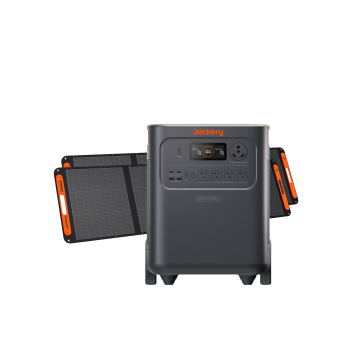
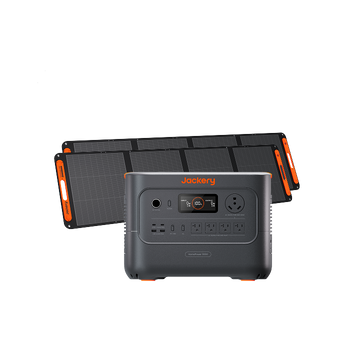
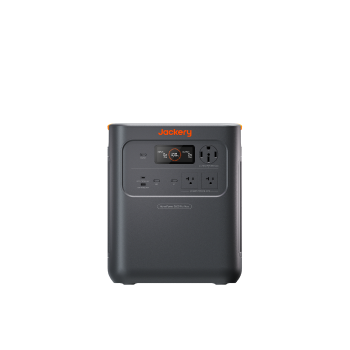
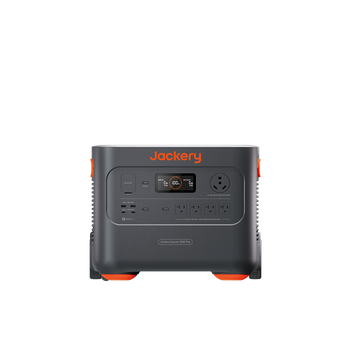
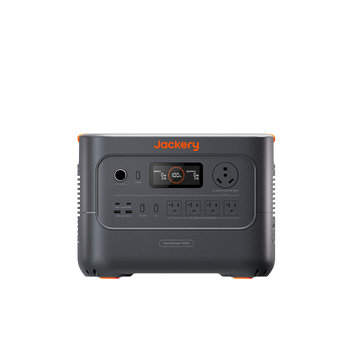
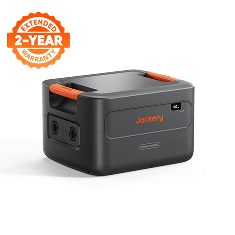
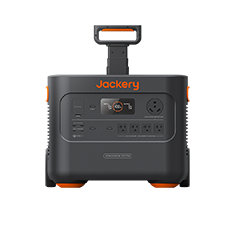
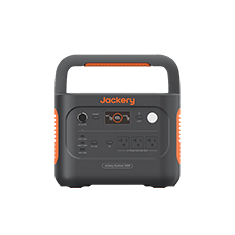
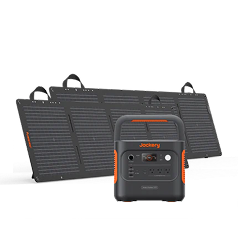
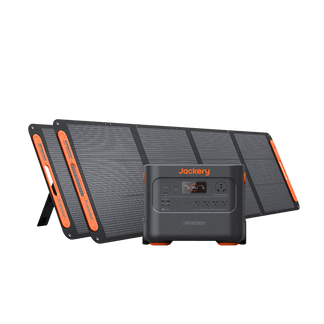
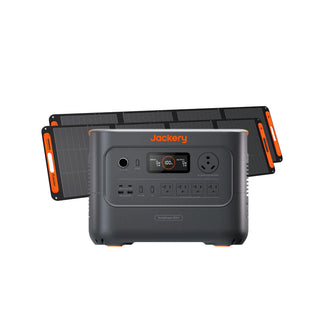
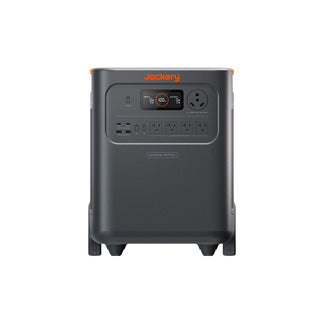
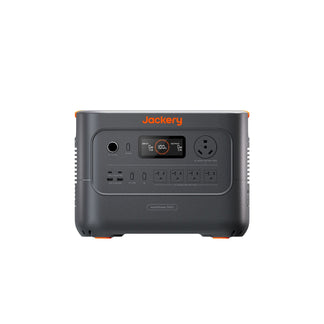
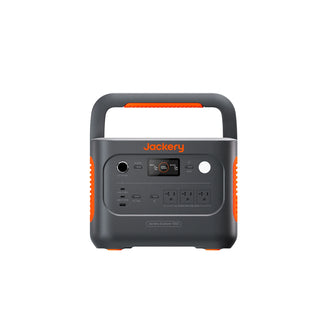
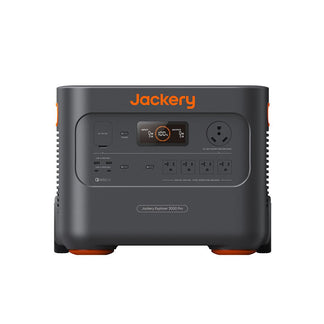
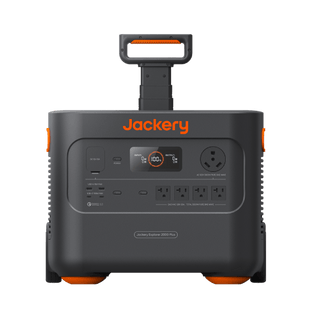
Jackery Solar Generator 2000 Plus
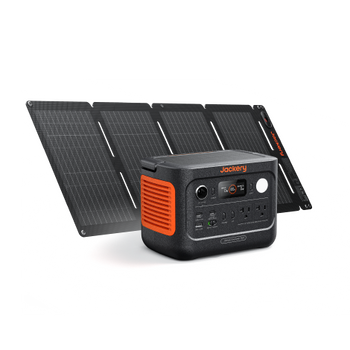
When blending moves from a personal habit to a group necessity, such as family road trips, outdoor fitness events, or a farmers market smoothie stand, the Jackery Solar Generator 2000 Plus offers reliable power to high-performance blenders running through a full day of service. Its expanded capacity handles longer run times and higher-wattage blenders. If you expect to run blending equipment multiple times during the day while powering additional cooking devices, it provides stronger runtime flexibility.
Appliances Running Time
- Personal Blender (500W) = 3.2H
- Countertop Blender (700W) = 2.3H
- Countertop Blender (1000W) = 1.6H
- Professional Blender (1500W) = 1.1H
Who Should Buy This
The Jackery Solar Generator 2000 Plus is ideal for outdoor event hosts, fitness enthusiasts, and small-group adventurers who need sustained blending power for multiple servings throughout the day.

Customer Review
Fantastic - easy to use and runs our cabin like a pro! I was expecting the 2000 plus to work well, but the plug-and-play nature of the system, as well as the simple interface, exceeded my expectations!!!
— Robert C.
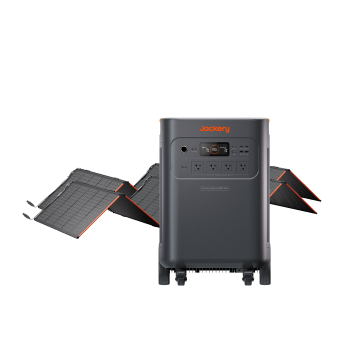
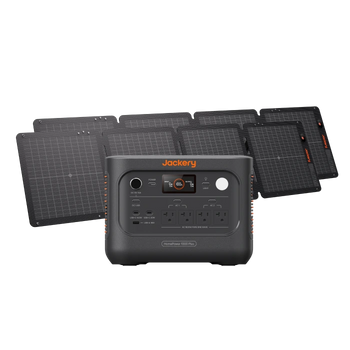
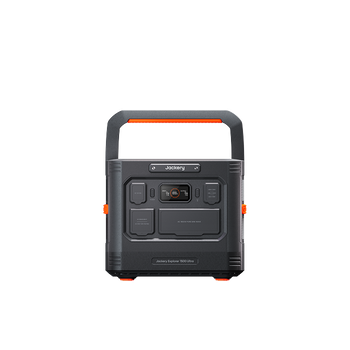
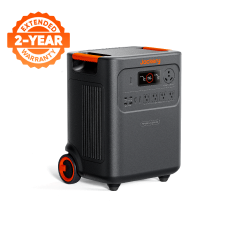
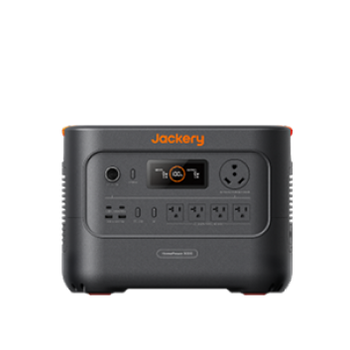
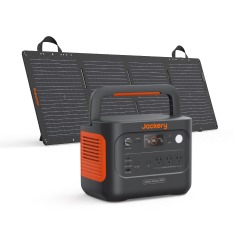
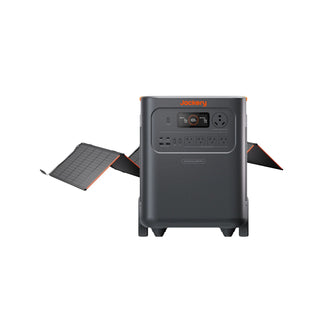
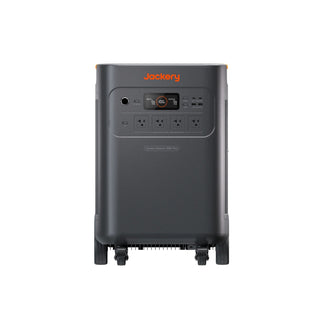
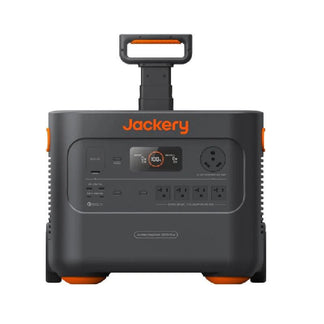
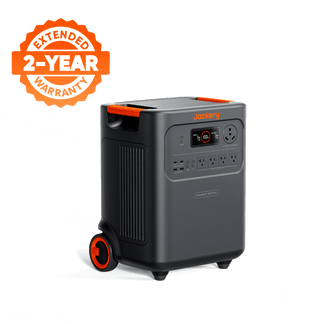
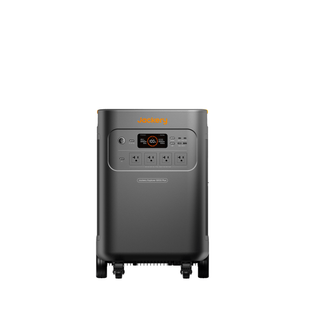
Jackery Solar Generator Homepower 3000
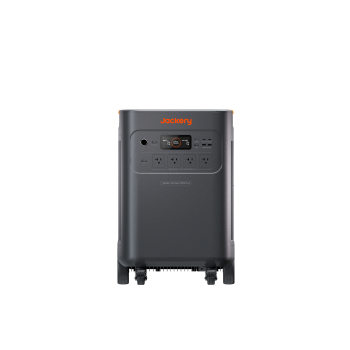
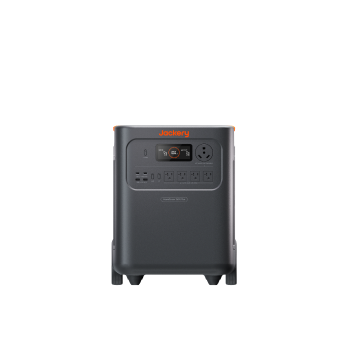
Jackery Solar Generator HomePower 3000 is designed for situations where food preparation continues during longer power interruptions. It can handle high-powered countertop blenders continuously alongside your other essential appliances, such as a refrigerator, lights, and charging devices, without forcing you to triage what stays on. For households that rely on daily blending for nutrition or meal preparation, the Jackery Homepower 3000 provides the stable output that keeps routines intact even during extended outages, making it the most reliable home battery backup for a kitchen that simply cannot go dark.
Appliances Running Time
- Personal Blender (500W) = 5.0H
- Countertop Blender (700W) = 3.6H
- Countertop Blender (1000W) = 2.6H
- Professional Blender (1500W) = 1.7H
Who Should Buy This
If you want higher-capacity essential home backup power for kitchen appliances during extended outages or frequent off-grid cooking, the Jackery Solar Generator HomePower 3000 offers greater stability and runtime headroom.

Customer Review
Powers our full-size Samsung fridge for 24 hours. Charges very fast from mains power. Looking forward to adding enough solar capacity to charge it.
— John V.
Conclusion
Blenders require moderate power but operate intermittently, making their overall electricity demand manageable. Understanding how many watts a blender uses helps estimate energy use and determine whether portable power solutions are feasible. With reliable battery backup solutions such as Jackery Solar Generators, blenders can be used beyond the kitchen, supporting smoothies, sauces, and meal preparation during travel, outdoor activities, or unexpected power outages.


