






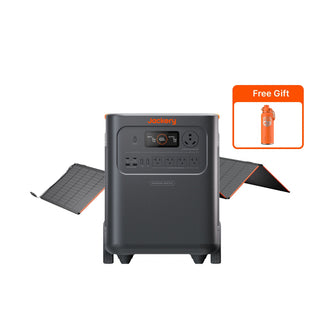

![[Add-on] Jackery SolarSaga 500 X - Jackery](http://www.jackery.com/cdn/shop/files/add-on-jackery-solarsaga-500-x-1493607.webp?v=1786503068&width=324)
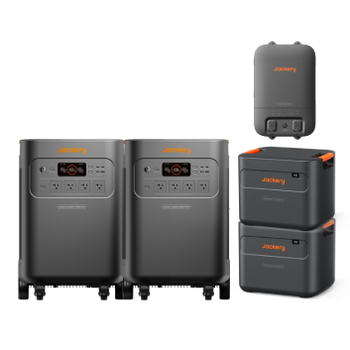
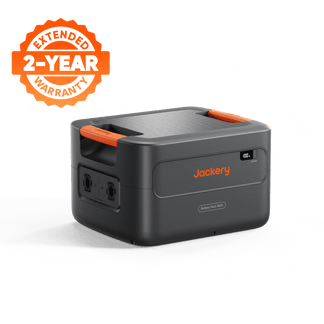
![[Add-on] Jackery Battery Pack 5000 Plus - Jackery](http://www.jackery.com/cdn/shop/files/add-on-jackery-battery-pack-5000-plus-6713401.webp?v=1786503068&width=324)






Vacuum cleaners vary widely in wattage based on design and suction power. Upright and canister models often use 800 to 1800 watts, while smaller stick or handheld vacuum cleaners may operate between 500 and 800 watts. Power demand is highest when running at full suction, especially on carpets or heavy debris, and lower when used on hard floors or eco modes.
Knowing how many watts a vacuum uses helps estimate energy costs and determine whether essential home backup power is feasible. Although vacuum cleaners are not continuous-use appliances, they draw moderate to high power during operation. Properly sized Jackery Solar Generators can support short cleaning sessions during outages or off-grid situations, provided total load is managed carefully.
Key Takeaways
- Most vacuum cleaners use 500–1800 watts. However, the exact wattage will depend on size and suction strength.
- The energy consumption of the vacuum cleaners depends on runtime, surface type, and power settings.
- Running a vacuum typically costs only a few cents per use because cleaning sessions are short.
- Mid- to high-capacity Jackery Solar Generators can power vacuum cleaners for planned cleaning during outages.
How Many Watts Does a Vacuum Use?
The wattage a vacuum cleaner uses varies significantly by type, typically ranging from 20 watts for a robotic vacuum to over 1500 watts for a full-size corded model. Most modern, full-size household vacuums average around 800–1800 watts. Here is a general outtake on how many watts does a vacuum use.
Upright vacuums: use 500–3000 watts to provide more suction for bigger areas or carpets.
Canister vacuums: compared to uprights, these clean, diverse surfaces with 1000 to 1500 watts and are more compact.
Stick or handheld vacuums: use 100 to 200 watts owing to their smaller size and lighter cleaning chores.
Robotic Vacuums: since they clean often but weakly, robotic vacuums use 20 to 40 watts.
Power Consumption over Time:
Here is how much watts a vacuum will consume when it’s used for one to four hours every day.
- An upright vacuum with 1500 watts uses 1.5 kWh per day or 45 kWh per month when operated for an hour.
- For four hours a day, it would use 6 kWh or 180 kWh a month.
Table based on 1500-watt vacuum cleaner:
|
Vacuum Cleaner Wattage |
Length of Time |
KWh of Electricity Used |
|
1500W |
Four Hours/day |
6 kWh |
|
1500W |
1 Week |
10.5 kWh |
|
1500W |
1 Month |
45 kWh |
Here are some factors that affect how many watts does a vacuum cleaner use?
Vacuum Type: Each type of vacuum, such as upright, canister, robotic and portable vacuums, demands different power. Robotic vacuums utilize less energy than uprights.
Motor Efficiency: The vacuum's motor efficiency affects its power consumption when suctioning. More efficient motors may clean with less energy.
Cleaning Surface: Cleaning hardwood floors or less dusty surfaces uses less force than vacuuming thicker carpets or severely soiled regions.
Accessories and Settings: Motorized heads and spinning brushes use more power. High suction mode and other power levels might use more energy.
Maintenance: A vacuum with clogged filters or limited airflow may use more energy to suction. More frequent and longer vacuum usage consumes more energy over time.
Energy Star ratings and other certifications indicate decreased energy use in energy-efficient products.
How Many Watts Do Different Vacuum Cleaners Use in a Year?
Vacuum cleaners typically use between 100 and 2000 watts, with annual energy consumption ranging from roughly 36 kWh to over 730 kWh when used for an hour daily. Upright models (500–3000W) consume the most, while robot vacuums (20–50W) are the most efficient.
To determine annual energy use, you need the vacuum cleaner wattage and weekly usage. Then apply this formula:
Annual energy use (kWh) = Vacuum cleaner power x daily use hours x 365
Let’s take a 1000W vacuum cleaner as an example:
Yearly energy use (kWh): 1000W x 1 hour × 365.
Yearly energy use (kWh): 365000Wh or 365kWh
Here are some of the most known vacuum cleaner brands and their energy usage.
- Dyson: Vacuum cleaners with innovative design that caters to multiple cleaning needs and power ranging from 300 to 1800W.
- Shark: Versatile vacuums that use 500 to 1400W to combine efficiency and functionality.
- Hoover: A brand with a long-standing reputation and a list of reliable vacuums to clean your living space with 600 to 2000W power.
- Miele: These vacuums give you quality, performance, and durability with 800 to 1600W of cleaning prowess.
- Bissell: Offers products with 500 to 1500W power and user-friendly design to tackle diverse cleaning situations.
|
Vacuum Brands |
Range Wattage |
Hours Per Year Run |
Yearly kWh |
|
Dyson |
(300 to 1800)W |
364 |
(109 to 655) kWh |
|
Shark |
(500 to 1400)W |
364 |
(182 to 509) kWh |
|
Hoover |
(600 to 2000)W |
364 |
(218 to 728) kWh |
|
Miele |
(800 to 1600)W |
364 |
(291 to 582) kWh |
|
Bissell |
(500 to 1500)W |
364 |
(182 to 546) kWh |
How Much Does It Cost to Run a Vacuum Cleaner?
The cost to run a vacuum cleaner (500 - 1800W) typically ranges from $0.08 to $0.30 per hour for most standard models, based on the average US electricity rate of 17 cents per kWh and usage of 1 hour every day. The total cost depends heavily on the vacuum's wattage and your local electricity price.
Let's take another example:
If you use a 1,200-watt vacuum cleaner for 1 hour, the energy consumption is:
1,200 W ÷ 1,000 = 1.2 kWh
If your electricity rate is $0.17 per kWh, the cost would be:
1.2 kWh × $0.17 = $0.20 per hour
Vacuuming sessions are usually much shorter than an hour, and the actual cost per use is often just a few cents. For households looking to reduce grid dependence or manage peak-hour electricity costs, a Jackery Solar Generator can power cleaning sessions using stored energy, helping offset grid usage during high-rate periods or outages. For more information, you can check out our guide: Can Jackery Power a Vacuum? Which Model, How Long Can It Run?
Jackery Solar Generators for Vacuums
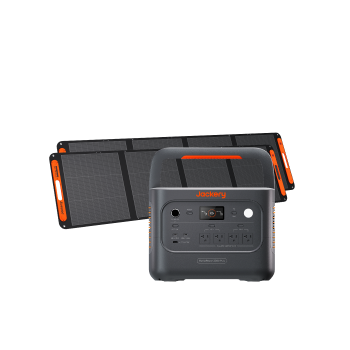
Cleaning during a power outage may not be the first priority, but there are situations where maintaining hygiene or clearing debris cannot wait. Jackery Solar Generators provide a way to run high-draw cleaning equipment, such as vacuum cleaners, without relying on wall outlets or fuel-powered generators. Choosing the right solar generator depends on suction power, runtime, and whether other household loads are operating at the same time.
How long a Jackery Solar Generator can run a vacuum depends on the appliance’s wattage and the generator’s battery capacity. For example, a 1200-watt vacuum cleaner running for 20 minutes consumes about 400 Wh (1,200 W × 0.33 hours). While the actual runtime varies by model and load conditions, the most accurate estimate can be calculated using the Running Time Calculator on the Jackery Buying Guide page, where you match wattage with available capacity.
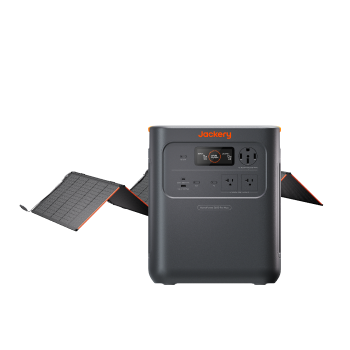
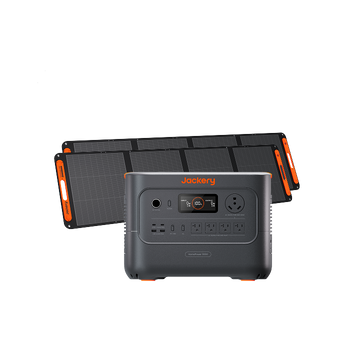
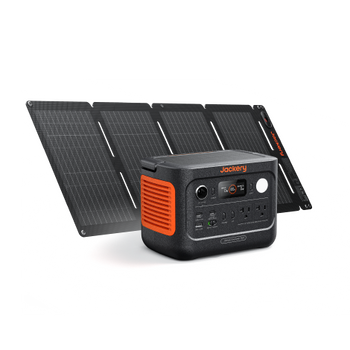
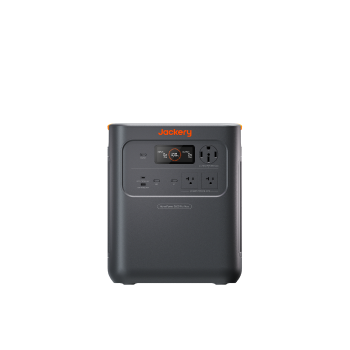
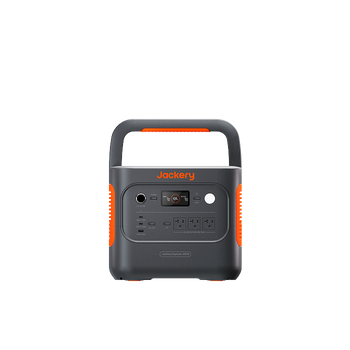
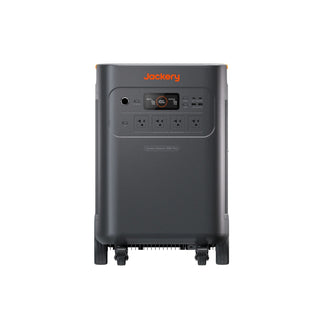
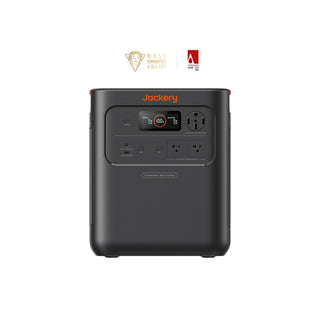
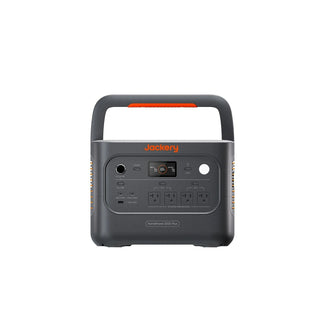
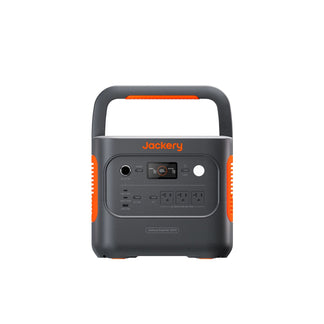
Jackery Solar Generator 2000 Plus
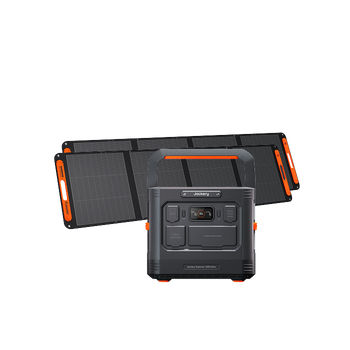
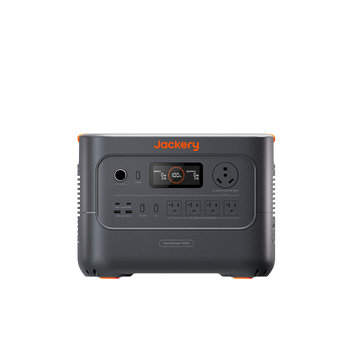
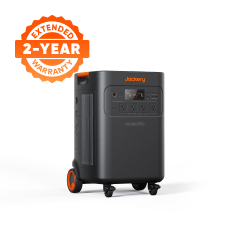
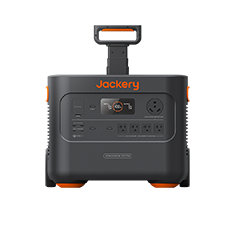
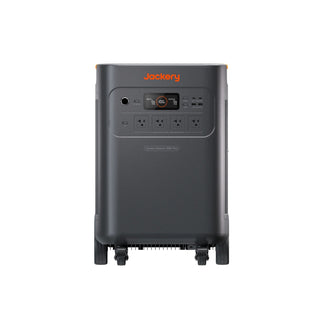
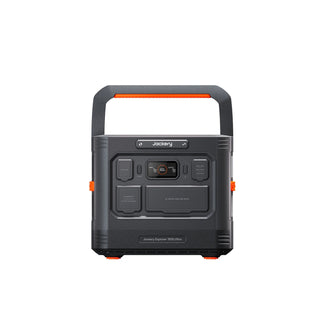
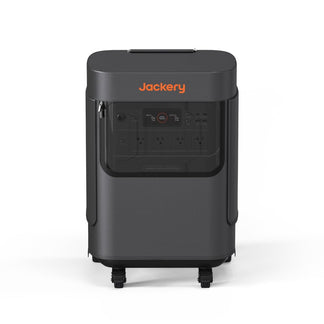
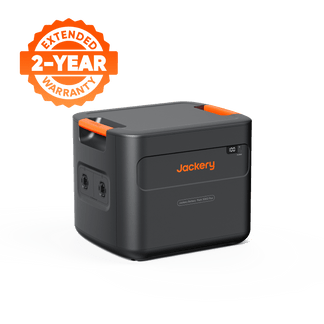
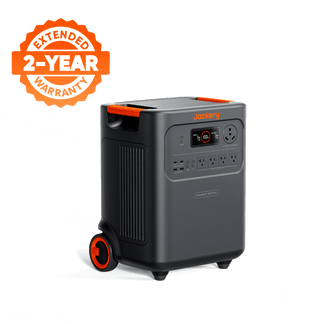
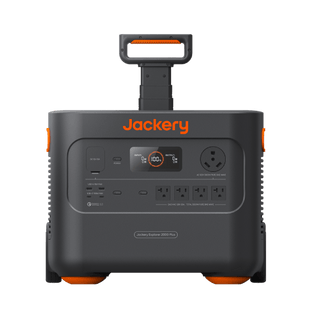
The Jackery Solar Generator 2000 Plus is a home battery backup solution that offers a balance between portability and output, making it useful for targeted cleaning in specific areas. Its expandable design allows increased runtime if needed, while still remaining easy to transport with the help of a foldable handle, wheels, and pull rod. This makes it suitable for apartments, garages, workshops, or smaller homes where mobility and scalability matter.
Appliances Running Time
- Robotic Vacuum (100W) = 14.2H
- Handheld/Stick Vacuum (500W) = 3.2H
- Canistar Vacuum (1500W) = 1.1H
- Upright Vacuum (2000W) = 0.8H
Who Should Buy This
If you want a scalable home battery backup solution that can handle focused high-power cleaning tasks, the Jackery Solar Generator 2000 Plus provides practical flexibility.

Customer Review
I have one 300 J, two 1000 J, and two 2000 plus kits. I have not had to use the 2000 yet for a long extended time. I am ready for an electrical failure. That’s a good piece of mind. Thank you jackery
— Anonymous.
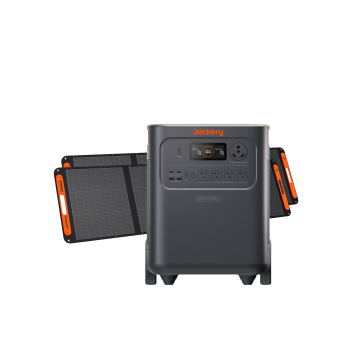
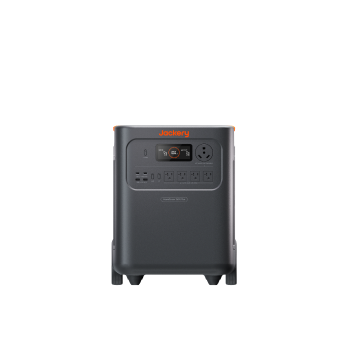
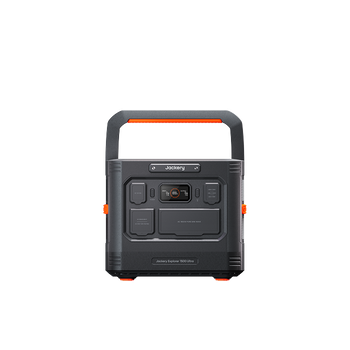
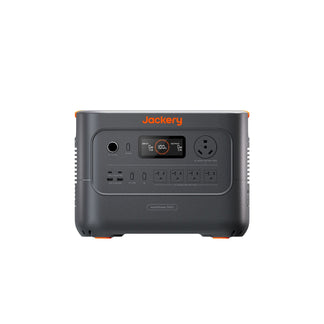
Jackery Solar Generator HomePower 3000
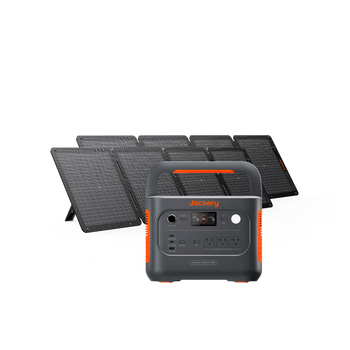
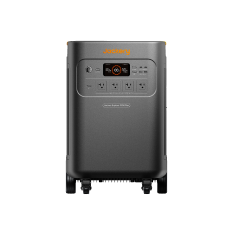
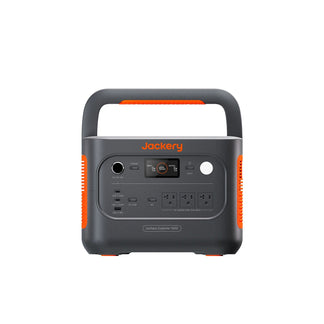
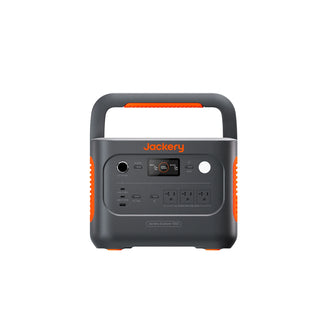
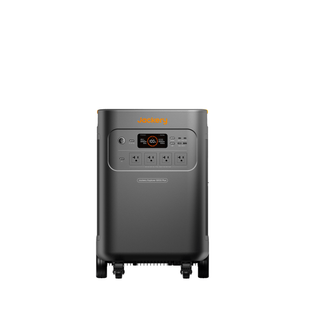
The Jackery Solar Generator HomePower 3000 is an essential home backup solution that works well for short and scheduled cleaning sessions during temporary outages. It can handle high suction loads for limited durations. This makes it suitable for clearing storm debris indoors, maintaining cleanliness before guests arrive, or finishing a quick cleanup without waiting for grid power to return. When you are running vacuum cleaners, it allows you to power critical household appliances, such as refrigerators, TVs, or kitchen equipment.
Appliances Running Time
- Robotic Vacuum (100W) = 21.4H
- Handheld/Stick Vacuum (500W) = 5.0H
- Canistar Vacuum (1500W) = 1.7H
- Upright Vacuum (2000W) = 1.3H
Who Should Buy This
If you need reliable backup power for occasional high-draw cleaning sessions during short outages, the Jackery Solar Generator HomePower 3000 offers a balanced solution.

Customer Review
2 weeks after I bought it, our area went through a 5-day power outage. Came in pretty handy.
— Todd.
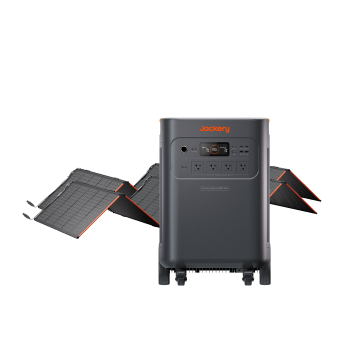
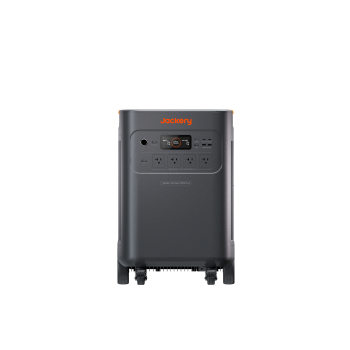
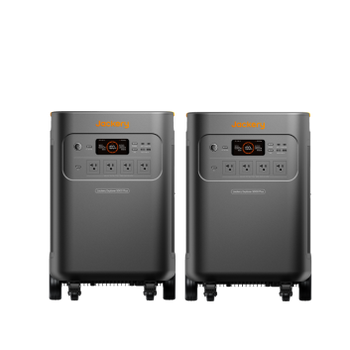
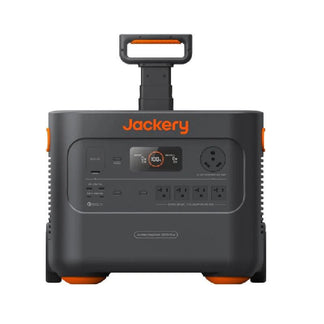
Jackery Solar Generator HomePower 3600 Plus
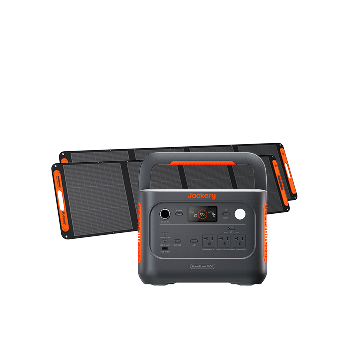
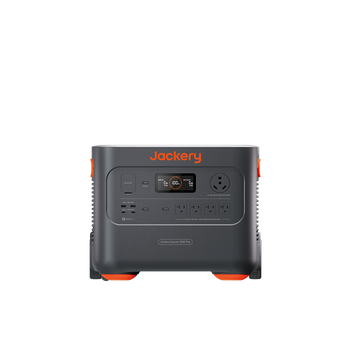
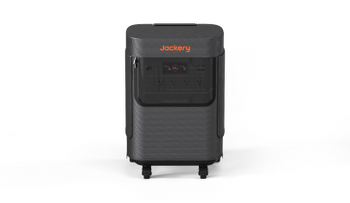
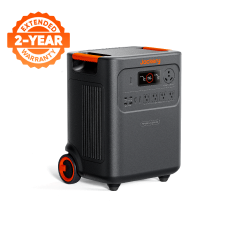
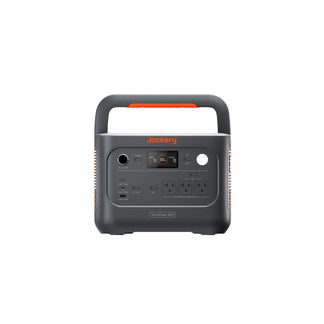
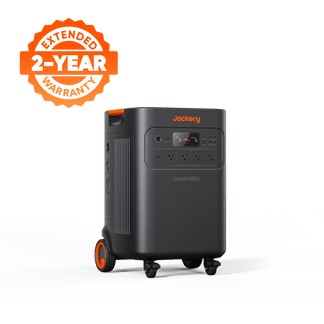
The Jackery Solar Generator HomePower 3600 Plus is an essential home backup solution that provides greater flexibility when cleaning tasks extend beyond a quick session. Its higher capacity supports longer operation while still maintaining essential circuits like refrigeration or lighting. With the help of a pull rod and double wheels, you can easily roll the battery backup solution wherever you go. When expanded with additional batteries, it becomes better suited for post-storm cleanup or extended outages where multiple rooms require attention.
Appliances Running Time
- Robotic Vacuum (100W) = 25.0H
- Handheld/Stick Vacuum (500W) = 5.8H
- Canistar Vacuum (1500W) = 2.0H
- Upright Vacuum (2000W) = 1.5H
Who Should Buy This
If you expect longer cleaning sessions or want less restrictive load management during outages, the Jackery Solar Generator HomePower 3600 Plus provides stronger runtime support.

Customer Review
I have used the power pack for three days, running my satellite radio and a Sawzall. I tested a box fan, a small fridge, and a washer and dryer. The indicator says 97 percent power left. The unit is awesome. If you need power, this will do it on a large scale. Heavy but worth it. Glad it rolls like luggage.
— Brandon.
How to Reduce Vacuum Electrical Usage
You can reduce vacuum electrical usage by regularly cleaning filters, emptying the canister, and clearing brush roll tangles to prevent motor strain. Additionally, you can use lower suction settings for hard floors, maintain proper height adjustments, seal hose leaks, and use eco-modes or smart scheduling to minimize run time. Here are some tips that will help you reduce electrical usage when using a vacuum cleaner.
Energy-Efficient Vacuums: Look for vacuums with energy-efficient ratings or adjustable suction. Variable-power vacuums use less energy for lighter cleaning tasks.
Use the Right Attachments: They boost efficiency. Various surfaces need various brushes or nozzles. Using fewer passes saves time and energy.
Regular Maintenance: Schedule frequent filter cleaning and brush roll debris removal. Clogged filters and tangled brushes make the hoover work harder and use more energy. Well-maintained vacuums work better.
Smart Cleaning Patterns: Vacuum from the furthest corner to the exit. Backtracking is avoided, saving time and energy. Cleaning high-traffic areas first where dirt collects is very important. By cleaning these areas first, you may save time.
Short Bursts of Use: Use quick bursts of vacuuming instead of one continuous session. The vacuum's motor rests occasionally, saving energy and minimizing overheating.
Switch off Unused Functions: When cleaning hard floors or surfaces without attachments, turn off motorized functions like the brush roll and reduce energy utilization.
Manual Cleaning: For tiny messes or spot cleaning, use a handheld hoover or sweep. These use less energy than bigger vacuums.
Get a Small Vacuum: Lightweight vacuums are best for smaller spaces and basic cleaning. For less demanding chores, they use less power than heavier, more powerful vacuums.
Use Natural Light: Vacuum during daylight. This lowers the need for artificial lights, conserving energy while cleaning. These methods save energy and keep your home clean.
Vacuum Wattage FAQs
Does vacuum use a lot of electricity?
Electric vacuums often don't use a lot of power. You may save money in the long term by purchasing an energy-efficient model or one with a lower wattage. However, if you are looking for a vacuum for your workplace, like a small shop, you might need to get one with more power than your household vacuum.
How can I make my appliances consume less electricity?
To cut down on standby power, disconnect electronics when they're not in use, utilize appliances with changeable settings, clean filters and components often, and choose energy-efficient models. Use Jackery solar generators to run appliances on solar energy.
Is 600 watts enough for vacuum cleaner?
When it comes to mild to moderate cleaning, a 600-watt vacuum will do the job. It may not have the suction force of a higher-wattage model, but it gets the job done for lighter trash and smaller areas.
What makes a vacuum inefficient?
Many things may reduce a vacuum's efficiency, including clogged filters, tangled brush rolls, inappropriate attachments, neglected maintenance, and utilizing too much suction force for minor chores. Greater energy use may result from this inefficiency.
Final Thoughts
Vacuum cleaners consume moderate power but are used for relatively short periods, keeping total energy cost manageable. Calculating how many watts a vacuum uses helps with budgeting electricity use and planning for backup power scenarios. With Jackery Solar Generators, you can run essential indoor or outdoor appliances. These home battery backup solutions can run vacuum cleaners for short cleaning sessions when grid power is unavailable, helping maintain cleanliness without relying on traditional outlets.


