

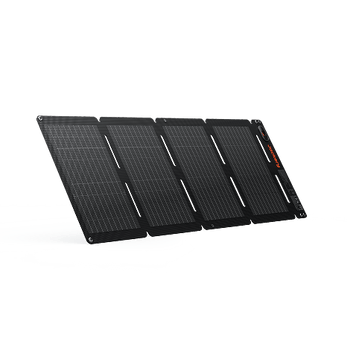
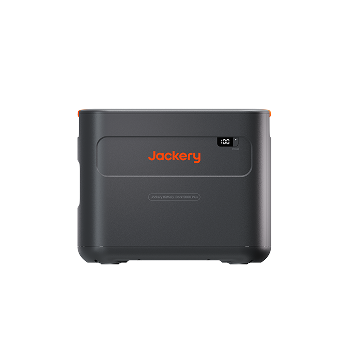
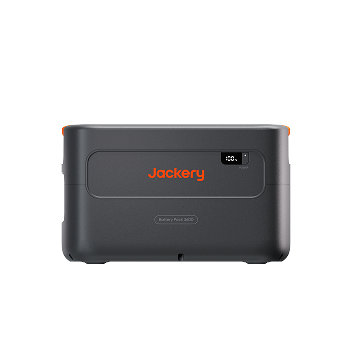
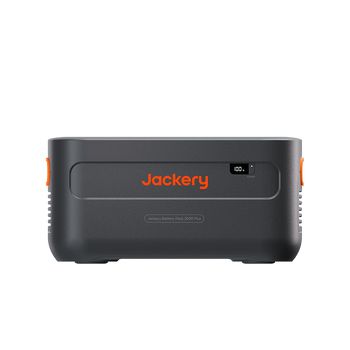





![[Add-on] Jackery SolarSaga 500 X - Jackery](http://www.jackery.com/cdn/shop/files/add-on-jackery-solarsaga-500-x-1493607.webp?v=1786503068&width=324)
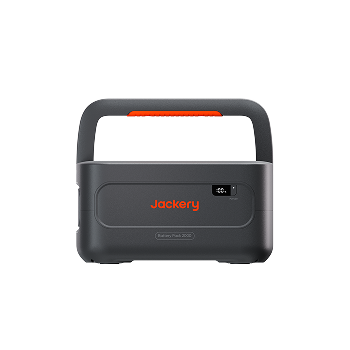
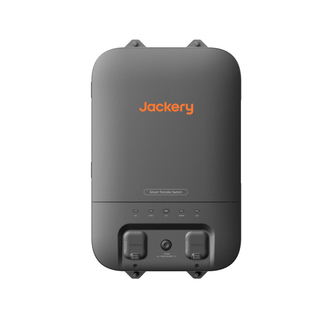
![[Add-on] Jackery Battery Pack 5000 Plus - Jackery](http://www.jackery.com/cdn/shop/files/add-on-jackery-battery-pack-5000-plus-6713401.webp?v=1786503068&width=324)





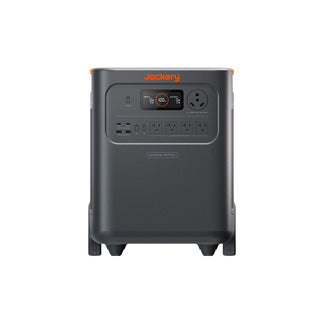
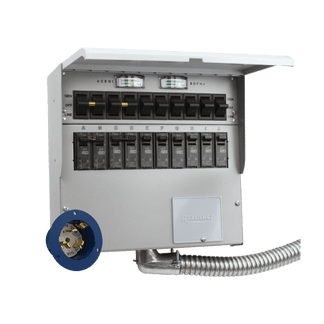


A residential well pump typically uses between 500 and 2,000 watts while running, depending on the pump type, motor size, and depth of the well. Well pumps need a significant surge (2-4 times more than running watts) during startup. If you are trying to understand how many watts a well pump uses, the most important factor is that the power demand is not constant. In fact, it rises sharply when the pump starts and drops once water pressure is restored.
Well pumps are essential for water access, and their electricity use becomes especially important during power outages. In short-term or emergency situations, Jackery Solar Generators can help support well pump operation for limited use, provided the generator’s output can handle the pump’s starting surge and runtime expectations are realistic. This article explains how well pump wattage works, what drives energy use, and how to plan power needs safely.
Takeaways
- Most well pumps run within 500–2,000 watts, but they require significantly more power when starting.
- Shallow well pumps generally use less power, while deep well submersible pumps draw more electricity.
- Well pumps don’t run continuously, but frequent cycling can increase overall energy use.
- Solar battery backup solutions like Jackery Solar Generators can support well pumps in limited scenarios if both running wattage and startup surge are accounted for.
How Many Watts Does A Well Pump Use?
A typical home well pump usually operates in the range of 500 to 2,000 watts, but it doesn’t draw power continuously like many household appliances. Actual power use depends on how hard the pump has to work to move water. Pumps serving deeper wells or higher water pressure demands require more electricity, while shallow systems draw less. Another important detail is that well pumps momentarily pull more power when they switch on, then settle into a lower running load once water flow is established. Here is a table revealing how many watts does a well pump use during the starting and running phases:
|
Water Pump Motor Size |
Running Watts |
Starting Watts |
|
1/3 HP |
750 Watts |
1500-3000 Watts |
|
1/2 HP |
900 Watts |
2000-4000 Watts |
|
3/4 HP |
1500 Watts |
3000-4500 Watts |
|
1 HP |
2000 Watts |
4000-6000 Watts |
|
1.5 HP |
2500 Watts |
5000-7500 Watts |
Definition of Volts, Watts, Amps, and kWh
To understand how many watts a well pump uses, you should know a few basic terms, i.e., volts, amperes, watts, horsepower, etc.
Volts (V): Voltage is the speed of electric current passing through an electric circuit. It is measured in volts.
Amps (A): amps measure the electric current flowing through the circuit. It is short for Amperes.
Watts (W): Wattage or watts is a device's energy consumption unit.
Horsepower(HP): Horsepower is also a power unit, defined as 746 watts.
Kilowatt-hours (kWh): Kilowatt-hours is the energy consumption over a period of time.
Well, pumps are available in a range of sizes and power consumption. The smaller well pumps can consume 400 to 500 watts. The larger ones can go from 2000 to 5000 watts. However, the average well pump size is 700 to 800 watts.
What Size Generator Do I Need for Well Pump When Off-Grid?
If you want to run a typical residential well pump off-grid, you usually need a generator with at least 2,000 to 4,000 watts of starting capacity, depending on the pump’s horsepower and startup surge. While the pump’s running wattage is often lower, the brief surge when the motor starts determines what size generator to run a well pump is needed.
As pump specifications and usage patterns vary, the Jackery Buying Guide page includes a built-in calculator that helps estimate whether a specific Jackery Solar Generator can handle both the startup demand and expected runtime of your well pump. You can visit the Jackery Buying Guide page and scroll down to find the calculator. Then, choose the Jackery product from the dropdown and enter the well pump wattage to get an estimated runtime.
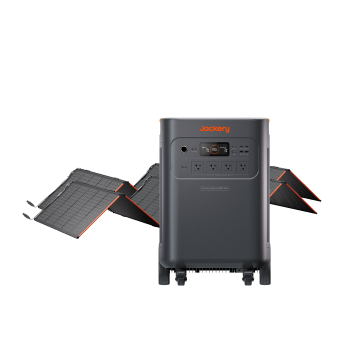
When Scott Simpson, an engineer by profession, began planning for power outages, his focus was on keeping critical household systems operating without delay, including his well pump. He needed a solution that could quickly restore essentials such as lighting, refrigeration, water heating, and Wi-Fi, even during severe winter conditions. After switching to the Jackery Solar Generator 5000 Plus, he no longer has to worry about losing access to water or fuel during snowstorms. You can read more about how people use Jackery products in Jackery Stories.
Jackery Solar Generators for Well Pump When Off-Grid
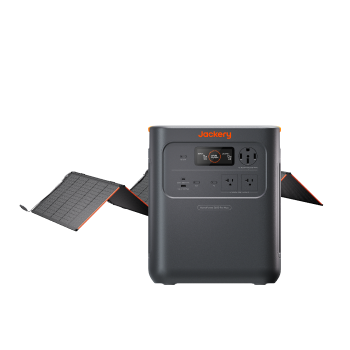
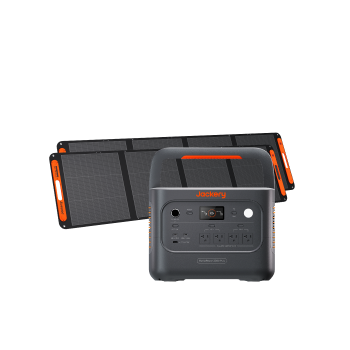
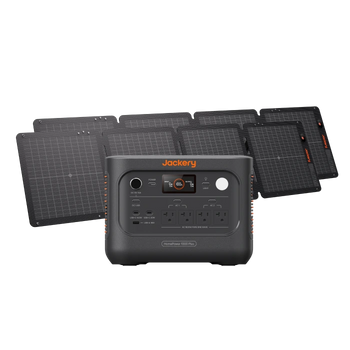
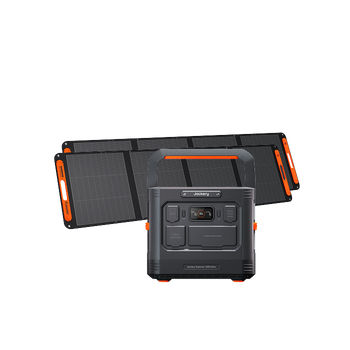
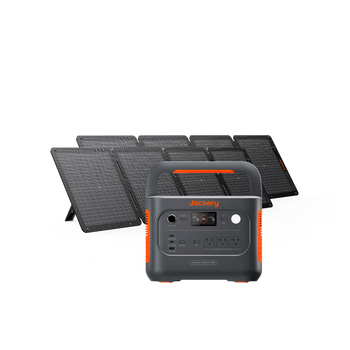
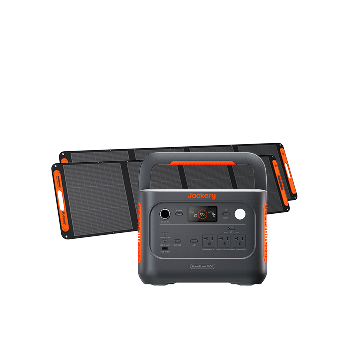
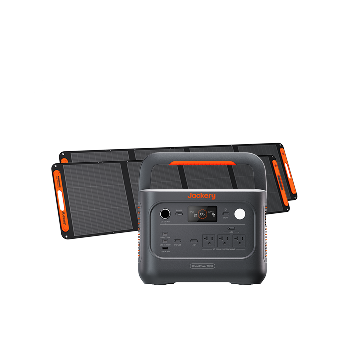
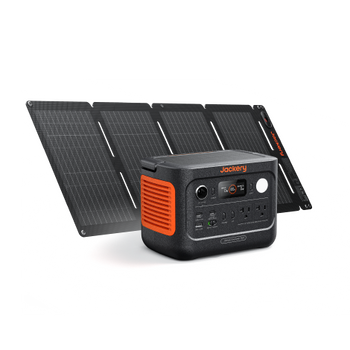
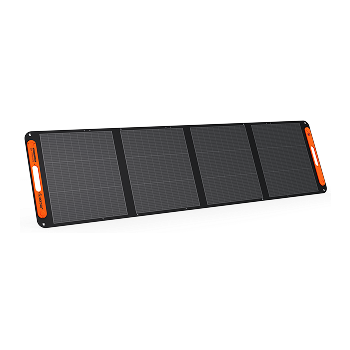
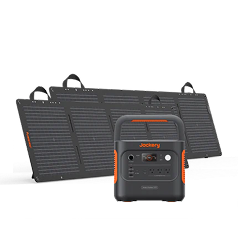
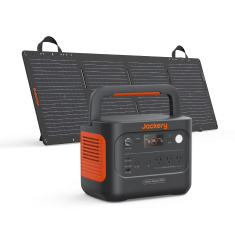
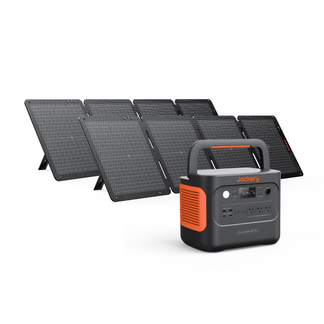
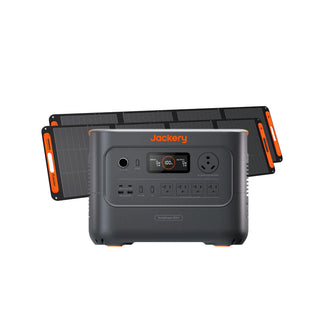
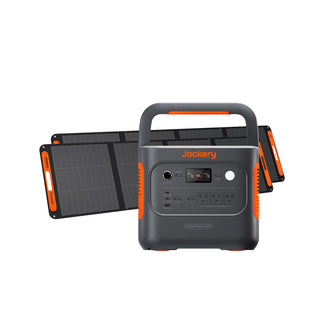
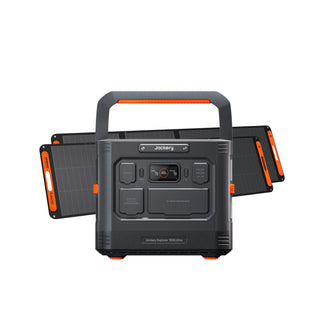
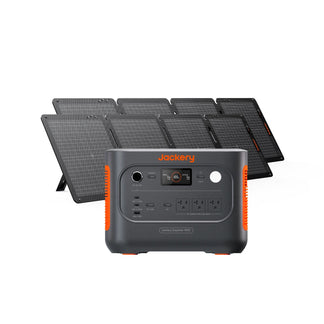
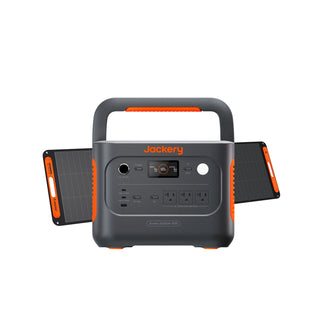
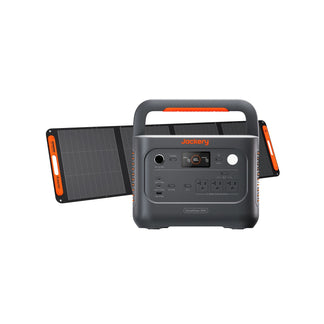
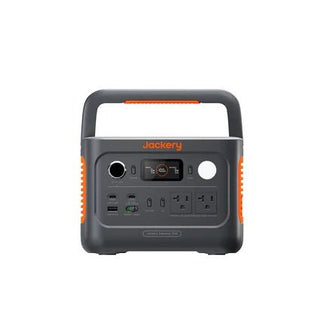
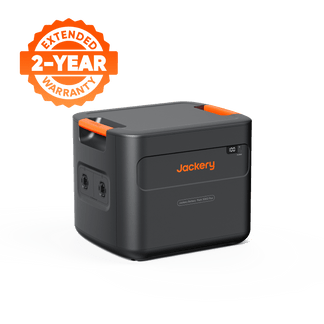
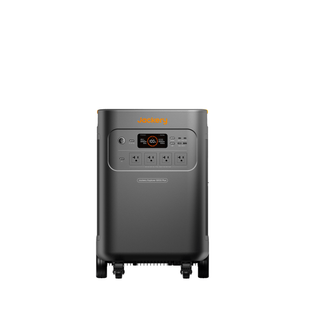
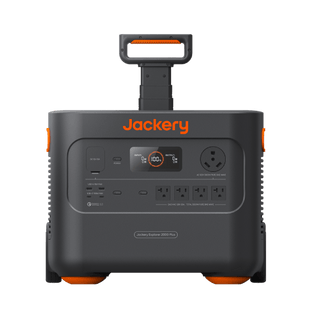
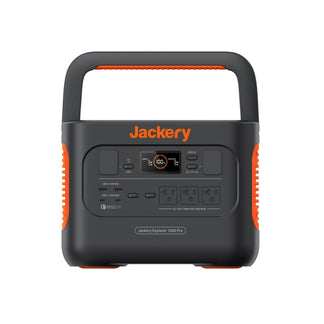
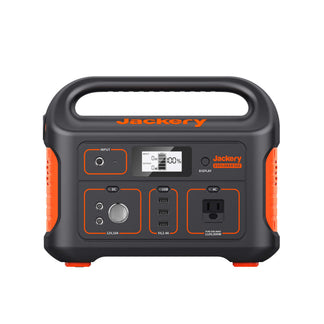
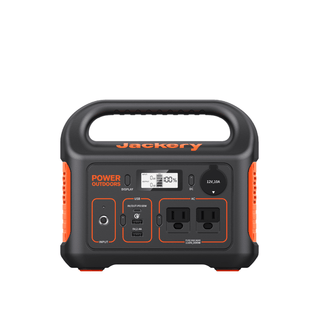
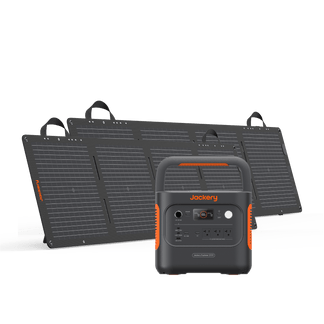
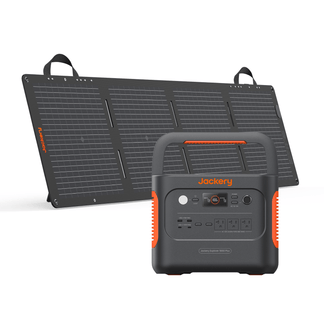
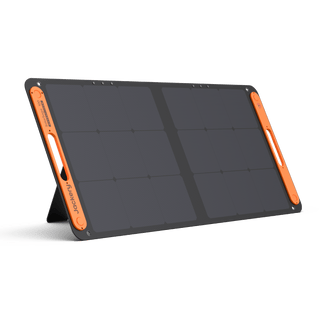
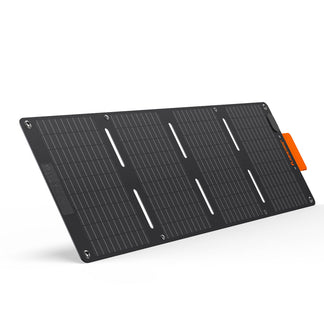
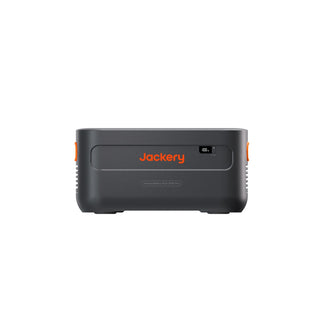
When running a well pump off-grid, you need a solar generator that can safely handle the startup surge without stalling the motor or cutting water access. Jackery Solar Generators with large battery capacities are designed to deliver stable output for motor-driven appliances, making them suitable for short, essential well pump operation during outages or in off-grid homes. The portable power station and solar panels in the solar generator bundle help maintain access to water without relying on fuel-based generators or constant grid power. Here are some of the solar generators from Jackery that can power well pumps of different sizes:
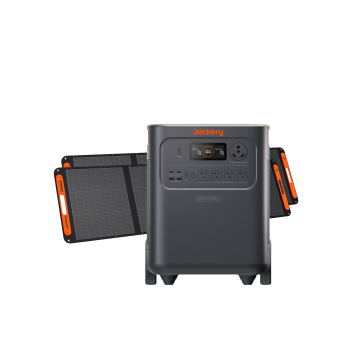
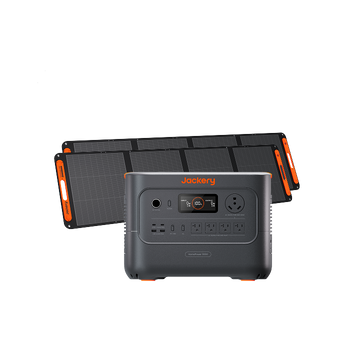
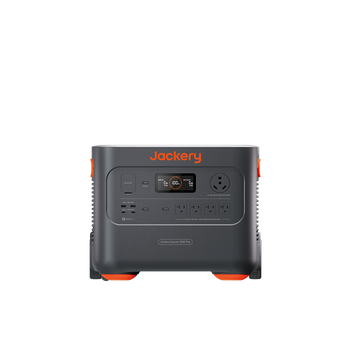
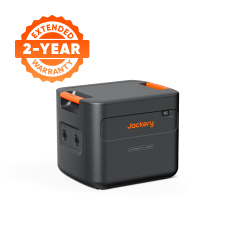
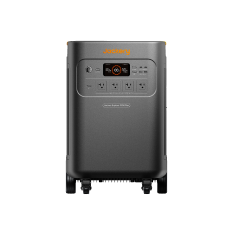
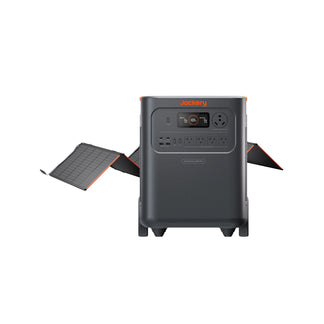
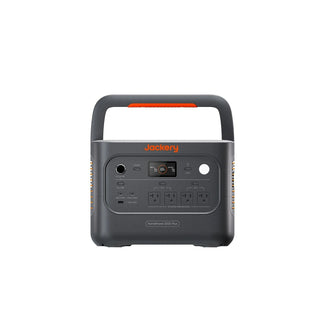
Jackery Solar Generator HomePower 3600 Plus
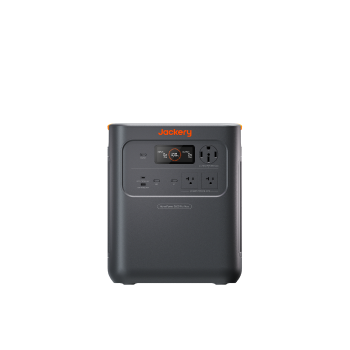
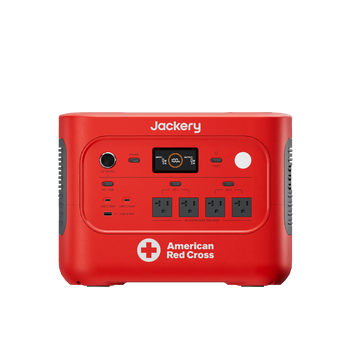
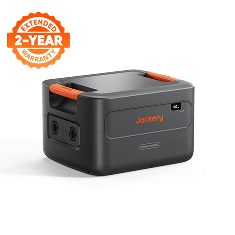
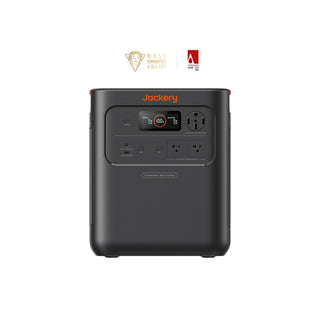
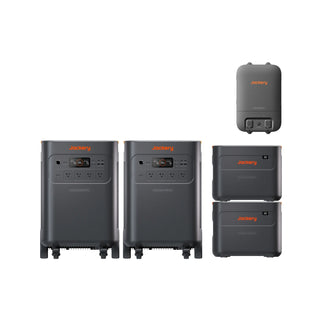
Jackery Solar Generator HomePower 3600 Plus can run a 240-volt well pump when expanded with compatible battery packs. Many residential well pumps operate on 240V and draw high startup current, making them unsuitable for smaller or non-expandable systems. In an expanded configuration, the Jackery Solar Generator HomePower 3600 Plus can be used for short, controlled well-pump operation, such as running the pump intermittently to fill a pressure tank during an outage.
Appliances Running Time
- Shallow Well Jet Pump (1000W) = 3.0H
- Deep Well Jet Pump (1500W) = 2.0H
- ½ HP Submersible Well Pump (1500W) = 2.0H
- 1 HP Submersible Well Pump (2500W) = 1.2H
- Constant-Pressure Well Pump (2000W) = 1.5H
Who Should Buy This
If you have a well pump and want limited, short-duration pump support during outages by expanding battery capacity, the Jackery Solar Generator HomePower 3600 Plus can work.

Customer Review
We had a scheduled power outage shortly after our purchase, and we were able to keep all essential appliances running.
— Michael R.
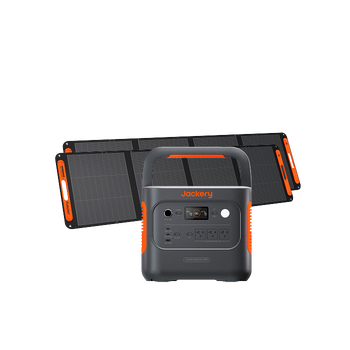
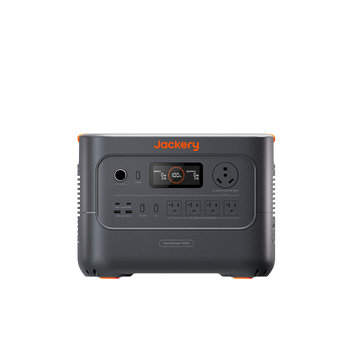
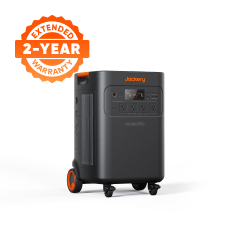
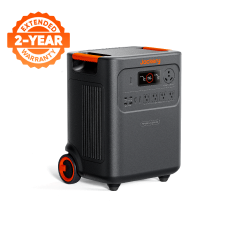
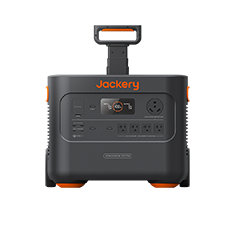
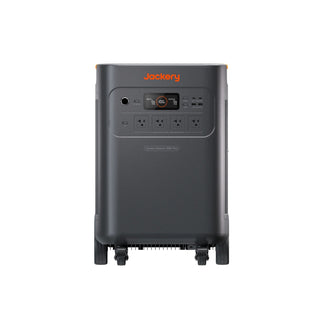
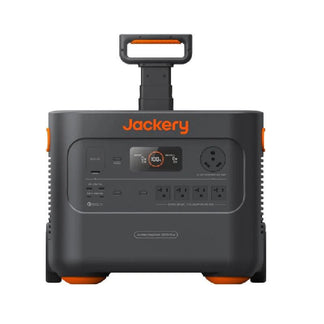
Jackery Solar Generator 5000 Plus
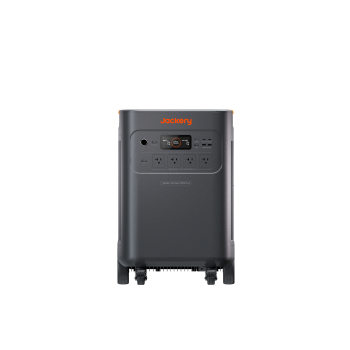
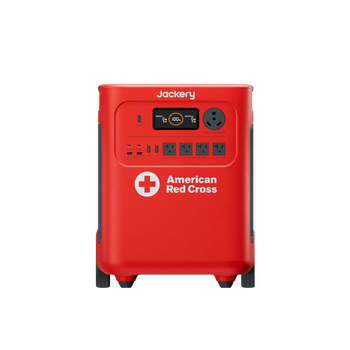
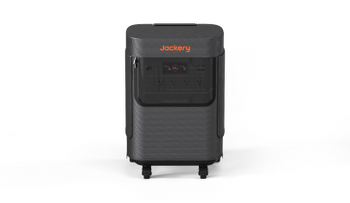
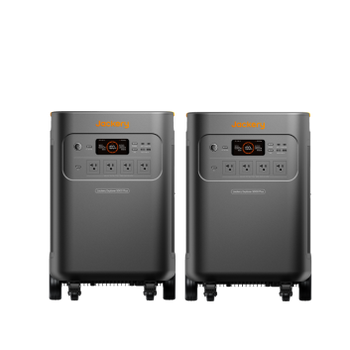
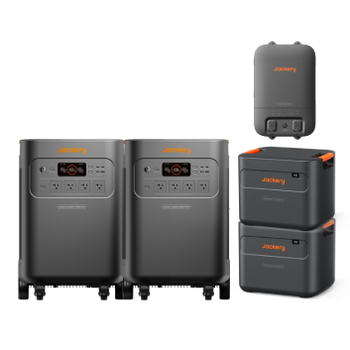
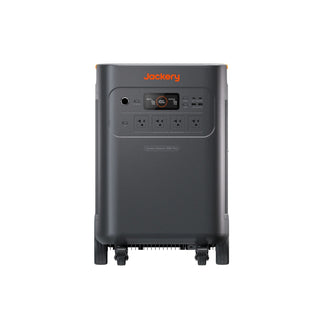
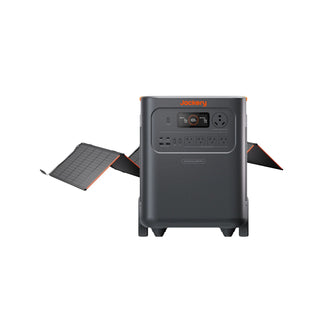
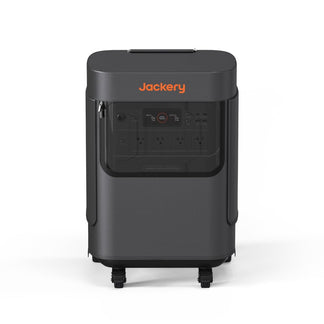
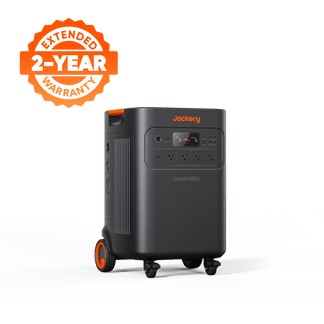
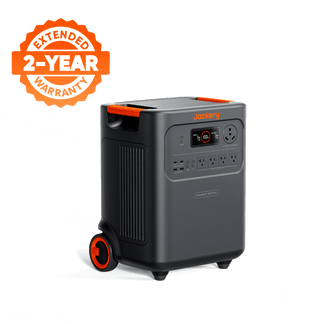
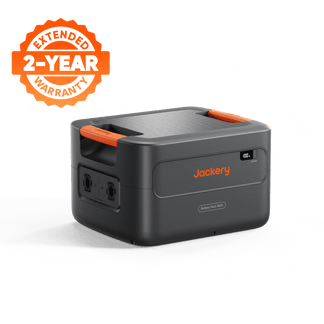
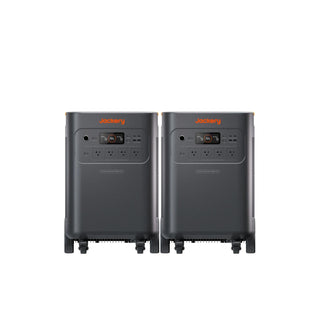
Jackery Solar Generator 5000 Plus is designed with a built-in 120 V/240 V dual-voltage output. This means you can easily power well pumps or other household loads that operate on 240V. When paired with expansion batteries, the Jackery Solar Generator 5000 Plus offers more headroom to handle the high startup demand typical of well pumps, making it more suitable for intermittent well-pump operation alongside essential household loads. Despite a larger capacity, it has a pull rod and double wheels for easier transportation.
Appliances Running Time
- Shallow Well Jet Pump (1000W) = 4.1H
- Deep Well Jet Pump (1500W) = 2.8H
- ½ HP Submersible Well Pump (1500W) = 2.8H
- 1 HP Submersible Well Pump (2500W) = 1.7H
- Constant-Pressure Well Pump (2000W) = 2.1H
Who Should Buy This
If your well pump requires 240V and you want a solar generator that natively supports that voltage with expandable capacity for short-term pump operation, the Jackery Solar Generator 5000 Plus is the more suitable option.

Customer Review
This is a great system. This is the 2nd whole house system that I have purchased in the last year. People really overthink power outages. The longest power outage I have had in the last 8 years has been 3 days. My Jackery had no issues keeping the lights on and maintaining my refrigerators (2).
— Paul B.
FAQ about Well Pump Wattage
How much electricity does a well pump use in 24 hours?
A typical residential well pump uses about 1 to 4 kWh over 24 hours because it does not run continuously throughout the day. For example, a 1,000-watt well pump may run for about 2 hours total in a full day, spread across short cycles.
Electricity = 1,000 watts × 2 hours = 2 kWh per day.
However, the actual electricity usage will depend on household water demand, well depth, and pump efficiency.
Can a solar generator run a well pump?
Yes, the high-capacity solar generators can run average well pumps. Depending on how many watts a well pump uses, even smaller solar generators can support the smaller one. Jackery offers various sizes of solar generators and solar panels so that you can make your bundle based on your requirements.
Does running a well pump on solar generators saves money?
Yes. Solar generators are inexpensive to run because they have zero fuel cost when you charge them with solar panels. Also, they are very low maintenance and weather resistant, so practically, there is no operational cost.
Conclusion
Well pumps are essential systems with moderate running wattage but high startup demand, which makes understanding how many watts does a well pump use especially important during outages or off-grid living. While they don’t run continuously, their brief surge at startup determines whether a power source can reliably support them.
In off-grid or emergency situations, Jackery Solar Generators can help maintain access to water for short, essential use when properly sized for the pump’s startup requirements. With realistic planning for wattage, surge capacity, and runtime, portable solar generators offer a practical way to support critical water needs without relying entirely on the grid.


![Best Well Pump Battery Backup [2024 Updated]](http://www.jackery.com/cdn/shop/files/best-well-pump-battery-backup-2024-updated-8355220.jpg?v=1786014083&width=90)


