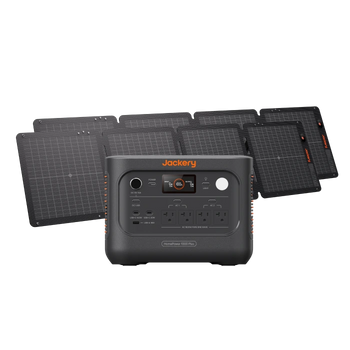
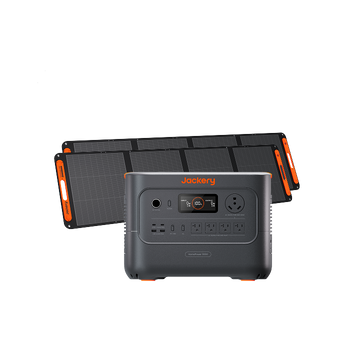
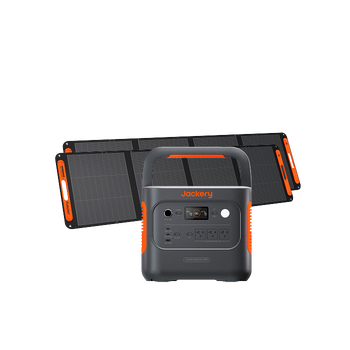
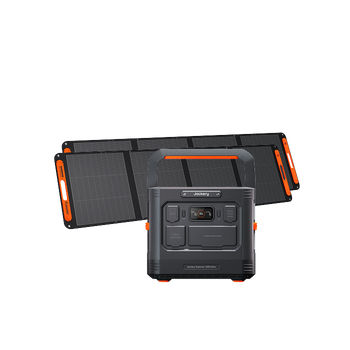
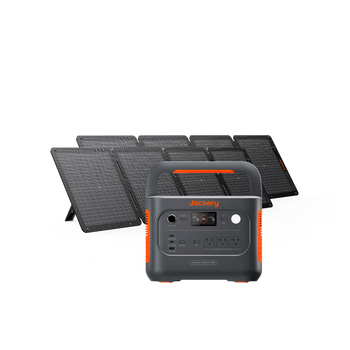
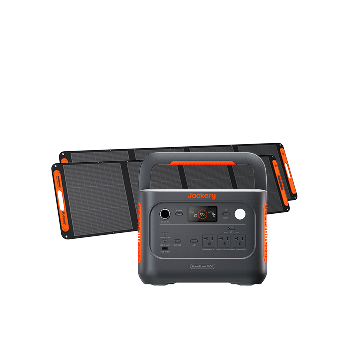
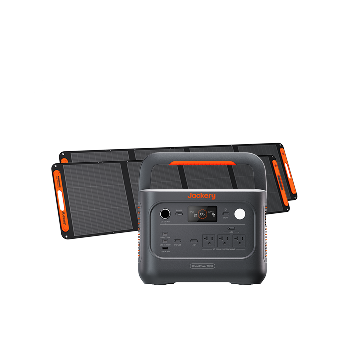







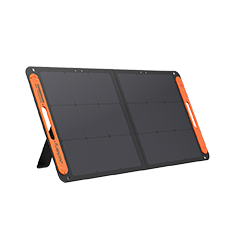
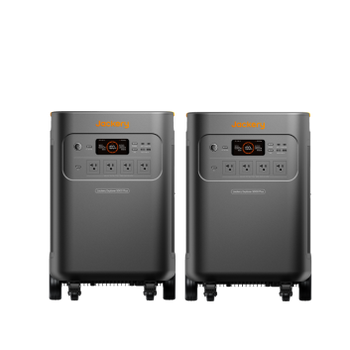



![[Add-on] Jackery SolarSaga 500 X - Jackery](http://www.jackery.com/cdn/shop/files/add-on-jackery-solarsaga-500-x-1493607.webp?v=1786503068&width=324)
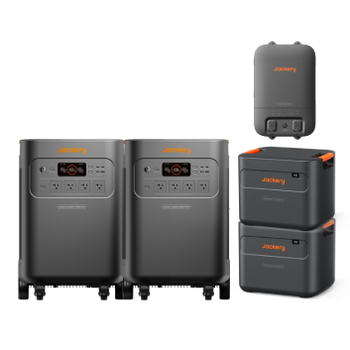
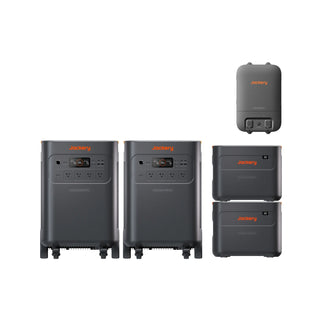
![[Add-on] Jackery Battery Pack 5000 Plus - Jackery](http://www.jackery.com/cdn/shop/files/add-on-jackery-battery-pack-5000-plus-6713401.webp?v=1786503068&width=324)




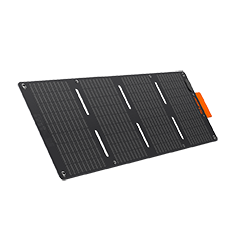
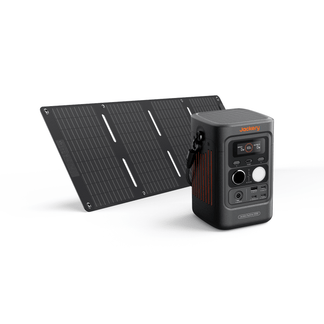
![[Add - on] SolarSaga 200W - Jackery](http://www.jackery.com/cdn/shop/files/add-on-solarsaga-200w-4834329.png?v=1754016915&width=324)


A standard 2-slice toaster draws between 800 and 1,200 watts during a toast cycle, while a 4-slice toaster typically uses 1,200 to 1,800 watts. The exact figure depends on the toaster's size, browning setting, and heating element design. Most toast cycles last 2 to 4 minutes, which means a toaster consumes a meaningful surge of electricity in a very short window. This is important to understand when sizing a solar generator for kitchen backup.
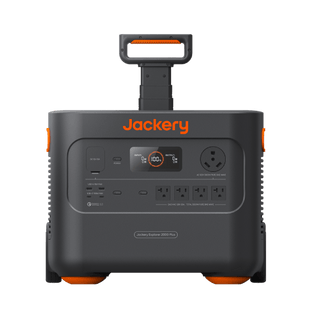
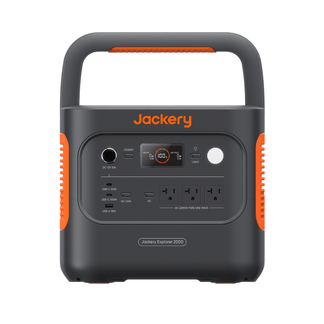
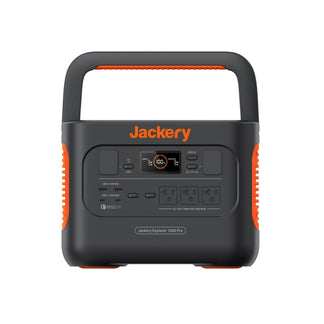
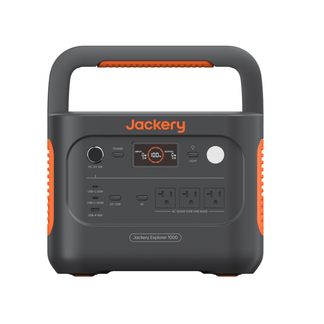
The good news: because toast cycles are brief, a toaster's total daily and annual electricity contribution is modest. But the instantaneous wattage is high enough that the wrong solar generator will trip its overload protection the moment you push down the lever. The Jackery Solar Generators with large battery capacities are matched to the full range of residential toaster wattages. These solar battery backups can power toasters, ranging from a compact 800W 2-slice model to a 1,800W 4-slice unit.
Key Takeaways
- A 2-slice toaster draws 800 to 1,200 watts during toasting. A 4-slice toaster requires 1,200 to 1,800 watts. Commercial and high-performance toaster ovens can reach 2,000 watts or more.
- A single toast cycle (2 to 4 minutes) consumes approximately 0.03 to 0.12 kWh, which is far less than most kitchen appliances on a per-use basis.
- Toasters are purely resistive loads with no startup surge. A solar generator only needs to match or exceed the toaster's rated wattage in continuous output without an additional surge buffer required.
- In order to calculate how long a Jackery Solar Generator will run a toaster continuously, you can use the Running Time Calculator available on the Jackery Buying Guide page.
- Running a 1,000W toaster for 10 minutes daily costs approximately $11.45 per year at the US average electricity rate of 18.83 cents per kWh, making toasting one of the lowest-cost kitchen habits, despite its high peak wattage.
How Many Watts Does a Toaster Use?
The answer to how many watts does a toaster use varies by slice capacity, browning setting, and heating element configuration. The table below covers every common toaster type with wattage ranges, average consumption, and typical toast cycle duration:
|
Toaster Type |
Wattage Range |
Average Wattage |
Typical Toast Cycle |
Energy Per Cycle |
|
Compact 2-Slice (basic) |
800–1,000W |
900W |
2–3 minutes |
~0.03–0.05 kWh |
|
Standard 2-Slice |
1,000–1,200W |
1,100W |
2–4 minutes |
~0.03–0.08 kWh |
|
High-Power 2-Slice |
1,200–1,600W |
1,400W |
2–3 minutes |
~0.04–0.08 kWh |
|
Standard 4-Slice |
1,200–1,600W |
1,400W |
3–5 minutes |
~0.06–0.13 kWh |
|
High-Performance 4-Slice |
1,600–1,800W |
1,700W |
3–4 minutes |
~0.08–0.12 kWh |
|
Toaster Oven (small) |
1,100–1,500W |
1,300W |
5–15 minutes |
~0.09–0.38 kWh |
|
Toaster Oven (large / convection) |
1,500–2,200W |
1,800W |
10–30 minutes |
~0.25–1.1 kWh |
|
Commercial Pop-Up Toaster |
1,800–2,400W |
2,100W |
1–2 minutes |
~0.03–0.08 kWh |
Toaster Wattage by Brand
|
Toaster Brand / Model |
Wattage |
Slice Capacity |
Notes |
|
Cuisinart CPT-122 |
900W |
2-slice |
Compact; lower-draw |
|
Hamilton Beach 22708 |
820W |
2-slice |
Budget-friendly; efficient |
|
Breville BTA820XL |
1,800W |
4-slice |
High-performance; rapid toasting |
|
KitchenAid KMT4115 |
1,500W |
4-slice |
Wide-slot design |
|
Oster TSSTTRJBG1 |
1,100W |
2-slice |
Mid-range; common household |
|
Black+Decker TR3500SD |
1,500W |
4-slice |
Even toasting; mid-power |
|
Dualit 26478 |
2,200W |
4-slice |
Commercial-grade; high power |
|
Ninja ST101 |
1,800W |
4-slice |
Smart toaster with additional settings |
|
De'Longhi CTH2003BK |
1,000W |
2-slice |
Stylish; efficient 2-slice |
|
Smeg TSF01 |
1,000W |
2-slice |
Retro design; standard draw |
2-Slice vs. 4-Slice Toaster Wattage Summary
|
Category |
2-Slice Toaster (US) |
4-Slice Toaster (US) |
|
Lowest Wattage |
500W |
900W |
|
Typical Range |
800–1,200W |
1,200–1,800W |
|
Average Wattage |
880W |
1,515W |
|
High-Performance |
Up to 1,600W |
Up to 1,800W |
|
Common Wattage |
1,000W |
1,300W |
How Much Electricity Does a Toaster Use Per Cycle and Per Year?
Since toast cycles are short, total electricity consumption is far lower than the headline wattage suggests. The table below shows electricity consumed per use based on toasting time and browning setting:
|
Bread Slices |
Setting |
Toast Duration |
Electricity Consumed |
|
2 slices |
Light (medium setting) |
2 minutes |
~0.033 kWh |
|
2 slices |
Dark (high setting) |
4 minutes |
~0.067 kWh |
|
4 slices |
Medium setting |
3 minutes |
~0.075 kWh |
|
4 slices |
High setting (1,800W) |
4 minutes |
~0.12 kWh |
|
Toaster oven |
Bake at 375°F, 15 minutes |
15 minutes |
~0.38 kWh |
Annual consumption estimate (10 minutes daily at 1,000W): 1,000W × (10/60)H × 365 days = 60.8 kWh per year
At the U.S. average electricity rate of $0.1883/kWh: 60.8 × $0.1883 = approximately $11.45 per year.
How Much Does It Cost to Run a Toaster?
The cost of toasting bread is one of the most economical kitchen activities, but it still adds to your annual electricity bill, particularly in high-rate states. The table below shows the annual electricity cost of a 1,000W toaster used for 10 minutes per day across major US states:
|
State |
Average Electricity Rate |
Daily Cost (10 min, 1000W) |
Monthly Cost |
Annual Cost |
|
California |
35.25¢/kWh |
$0.06 |
$1.69 |
$20.30 |
|
New York |
29.45¢/kWh |
$0.05 |
$0.35 |
$4.24 |
|
Texas |
16.99¢/kWh |
$0.03 |
$0.20 |
$2.45 |
|
Massachusetts |
29.45¢/kWh |
$0.05 |
$0.35 |
$4.24 |
|
Florida |
15.38¢/kWh |
$0.02 |
$0.18 |
$2.21 |
|
Virginia |
17.38¢/kWh |
$0.03 |
$0.21 |
$2.50 |
|
New Jersey |
23.53¢/kWh |
$0.04 |
$0.28 |
$3.38 |
|
Maryland |
22.07¢/kWh |
$0.04 |
$0.26 |
$3.18 |
|
Washington |
14.36¢/kWh |
$0.02 |
$0.17 |
$2.07 |
|
US Average |
18.83¢/kWh |
$0.03 |
$0.23 |
$2.71 |
Source: U.S. Energy Information Administration (EIA). Actual rates vary by utility provider and plan.
Toaster electricity cost formula:
Annual Cost = Toaster Wattage × Daily Use Minutes ÷ 60 ÷ 1,000 × 365 × Electricity Rate
For a 1,500W 4-slice toaster used 10 minutes daily in California (35.25¢/kWh): 1,500 × (10/60) ÷ 1,000 × 365 × $0.3525 = $32.16 per year.
For Richard Hart, a retired air traffic controller in Tampa who built his career on always having a backup plan, that instinct carried straight into retirement, especially once Florida hurricane season became a regular test of his home systems. One morning, that plan proved itself in the simplest way: Richard woke up, glanced at the oven, and saw the clock blinking, the telltale sign of an overnight power outage. Yet the microwave was still running, and his bedroom fan was still spinning, both quietly kept alive by the Jackery units he'd wired into his home. Explore more such Jackery Stories to see how a Jackery product can keep your home's essentials running, no matter what the grid does.
Recommended Jackery Solar Generators for Toasters
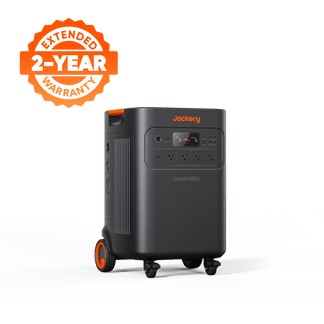
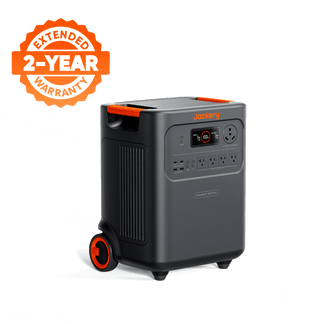
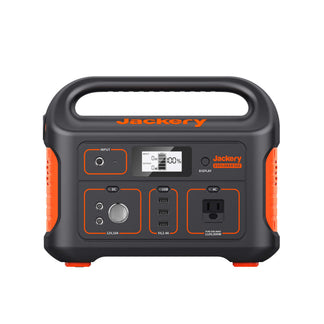
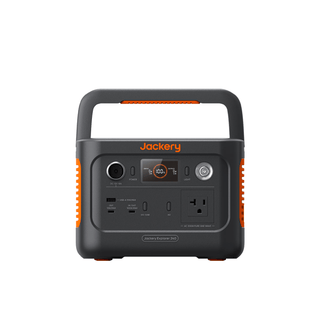
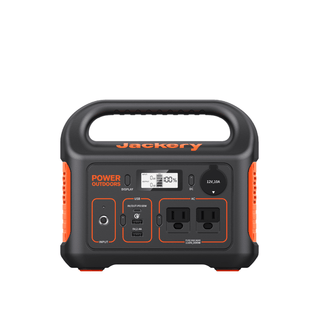
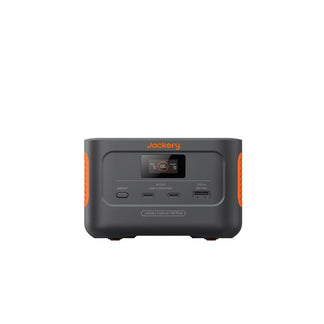
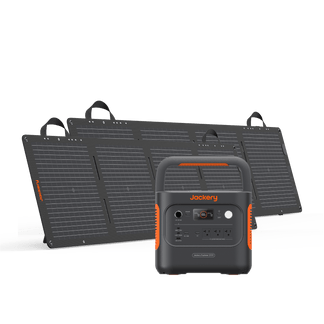
A toaster's high wattage during the brief toast cycle makes solar generator selection specific: the generator's rated continuous output must exceed the toaster's wattage, or the unit will trip its overload protection when the lever is pushed. As toasters are purely resistive loads, there is no startup surge to add, and only the rated wattage matters. Jackery is a leading manufacturer of solar panels, solar generators, and portable power stations that can power most appliances, including toasters of different sizes. These solar battery backups are portable, so you can keep essential appliances charged during outdoor adventures and even at home during unexpected outages.
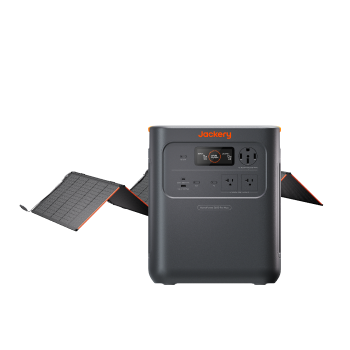
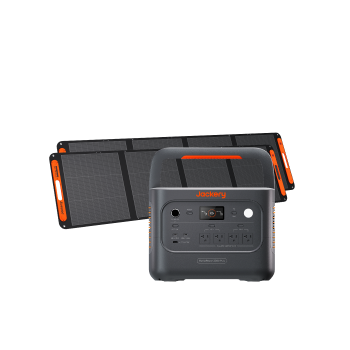
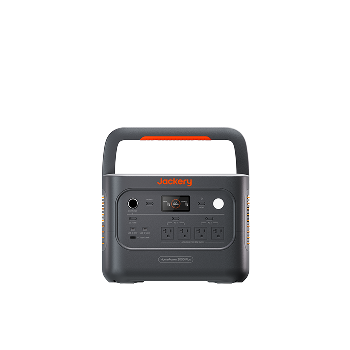
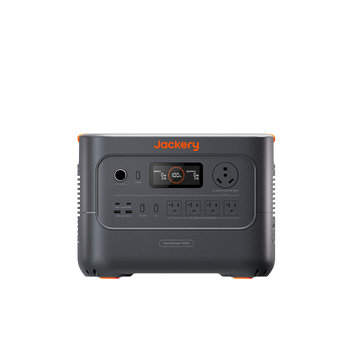
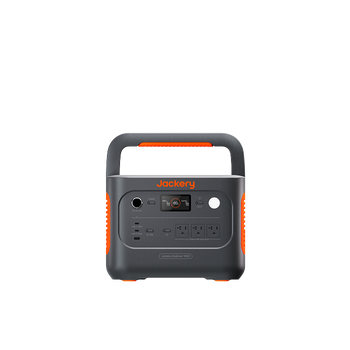
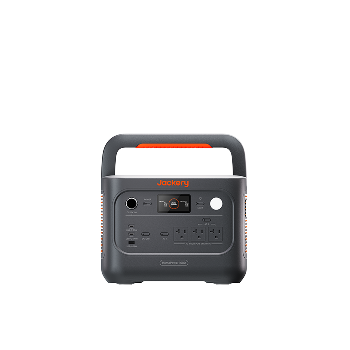
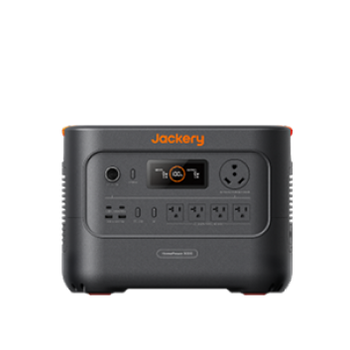
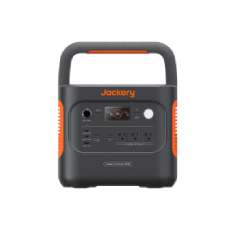
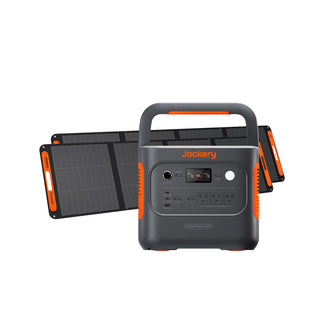
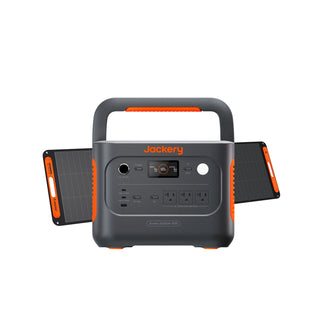
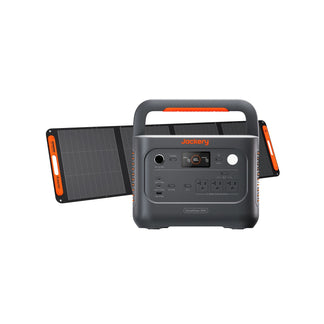
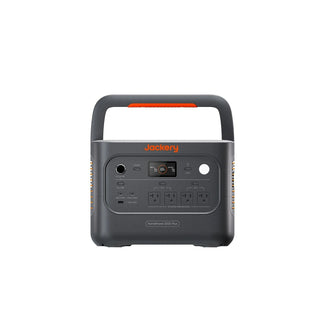
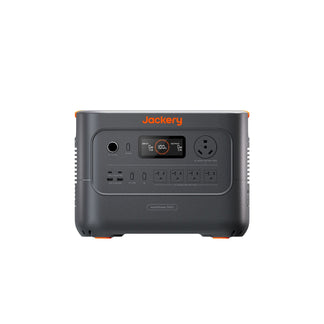
Jackery Solar Generator 1000 v2: Recommended for Standard 2-Slice Toasters and Single-Appliance Breakfast Backup
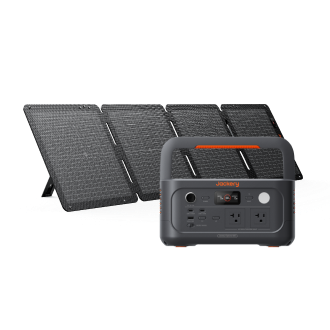
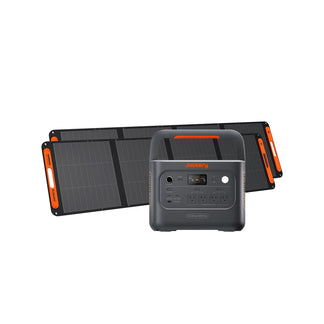
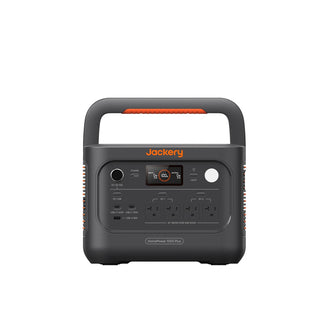
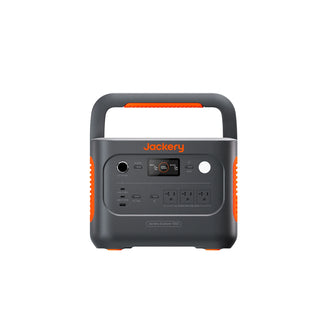
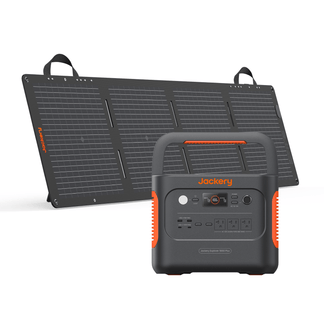
The Jackery Solar Generator 1000 v2 is the most practical entry point for running a standard 2-slice toaster during a power outage or at an off-grid breakfast spot. It has enough battery capacity to handle any 2-slice toaster comfortably. At an 800W toaster drawing current for 3 minutes per cycle, the Jackery Solar Generator 1000 v2 delivers approximately 22 toast cycles from a full charge, which is well over a week of daily breakfasts for a two-person household before needing a recharge. The 1-hour Emergency Super Charge mode means a brief pre-storm window is enough to restore the majority of capacity.
Appliances Running Time (Assuming a 4 minute toast cycles)
- Compact 2-Slice (800W) = 16.5 cycles
- Standard 2-Slice (1,000W) = 13.5 cycles
- High-Power 2-Slice (1,200W) = 10.5 cycles
- Standard 4-Slice (1,400W) = 9 cycles
Who Should Buy This
The Jackery Solar Generator 1000 v2 is suited for couples and solo households with a standard 2-slice toaster who want a capable breakfast backup for short-to-medium outages, or an off-grid kitchen power source that also handles a laptop, router, and lights alongside the morning toast.

Customer Review
Works great. I needed a battery pack to power a 12V fridge and the starlink mini and the Jackery works great powering both.
— Timothy C.
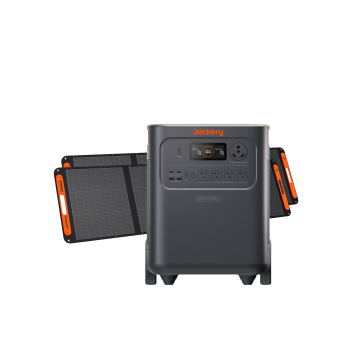
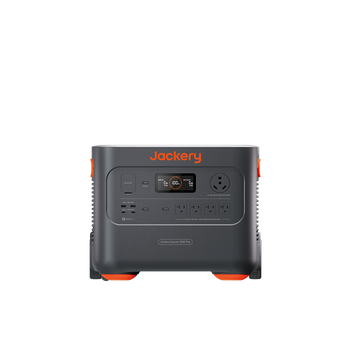
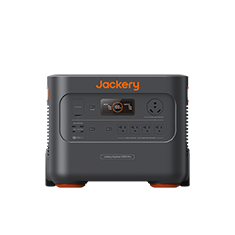
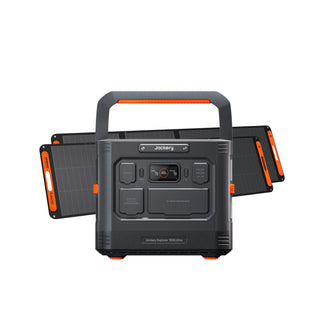
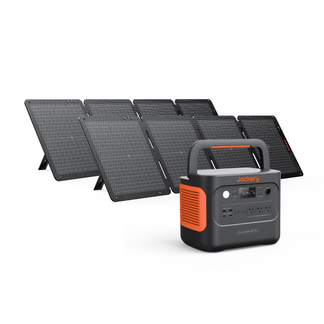
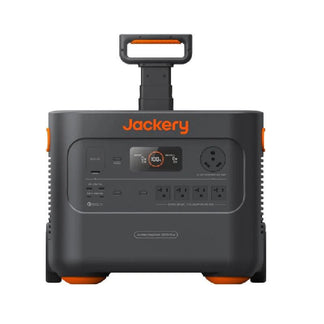
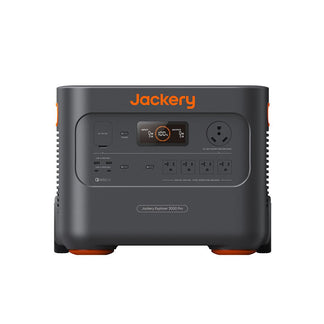
Jackery Solar Generator 2000 v2: Recommended for 4-Slice Toasters and High-Wattage Kitchen Setups
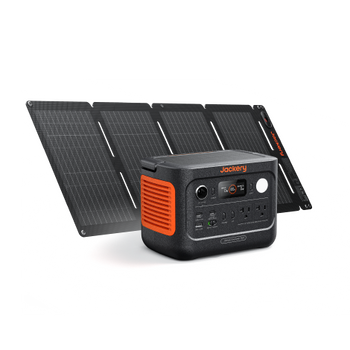
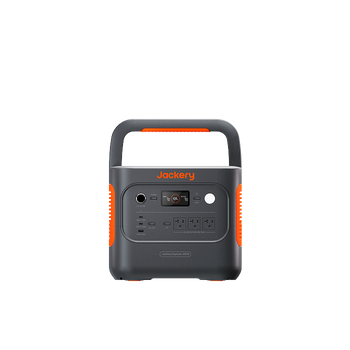
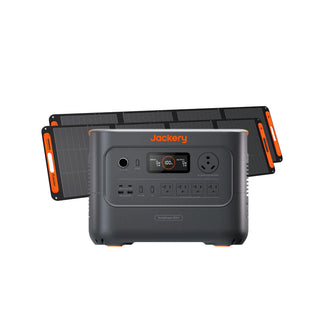
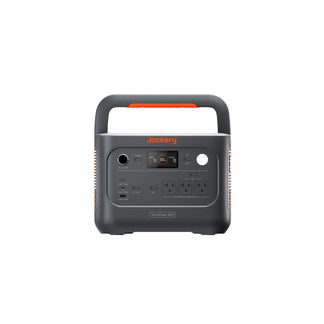
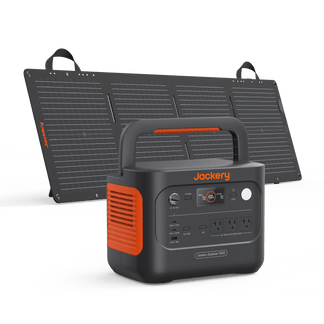
When breakfast involves a 4-slice toaster and the rest of the kitchen running alongside it, including a kettle, a small appliance, device chargers, and LED lighting, the Jackery Solar Generator 2000 v2 brings the capacity and the output headroom to handle all of it without constraints. It covers most 4-slice toasters, including high-performance models drawing up to 1,800W, while simultaneously supporting the rest of a morning kitchen routine. A 1,500W 4-slice toaster running 4-minute cycles draws approximately 16 complete cycles from a full charge, which is enough for a family of four to have toast every morning for nearly a week without recharging.
Appliances Running Time (Assuming a 4 minute toast cycles)
- Compact 2-Slice (800W) = 30 cycles
- Standard 2-Slice (1,000W) = 24 cycles
- High-Power 2-Slice (1,200W) = 21 cycles
- Standard 4-Slice (1,400W) = 18 cycles
- High-Performance 4-Slice (1,800W) = 13.5 cycles
Who Should Buy This
The Jackery Solar Generator 2000 v2 is ideal for families with a 4-slice toaster who want kitchen backup for multi-day outages, or RV owners and van lifers who need a morning kitchen routine that includes real toast alongside other high-draw breakfast appliances.

Customer Review
Best purchase for camping. Also thankful this is solar and can charge if electricity goes out. We used it for 3 days and the charge only went down to 91%.
— Marissa.
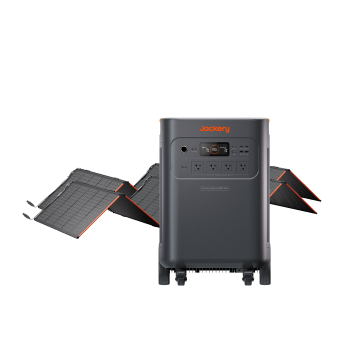
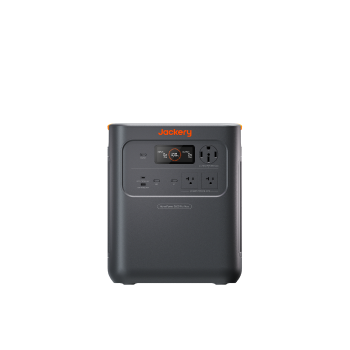
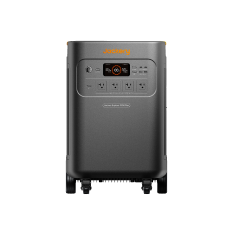
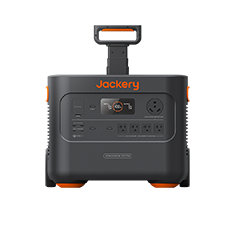
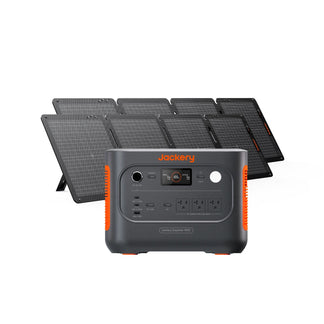
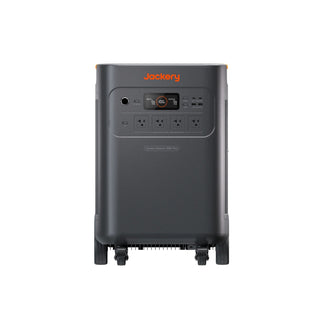
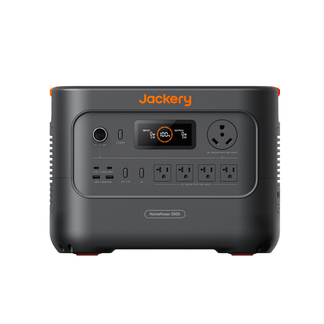
Jackery Solar Generator HomePower 3000: Recommended for Complete Kitchen Backup
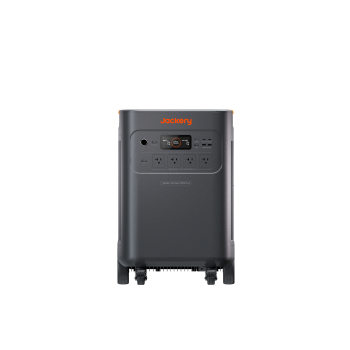
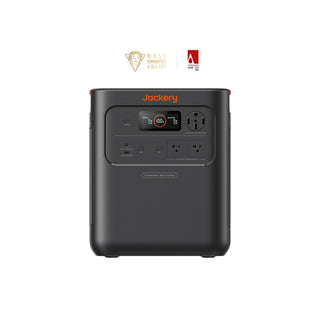
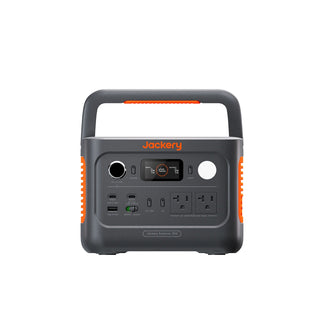
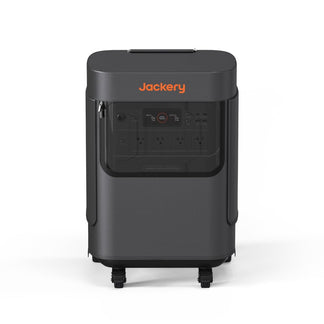
When the goal is not just toast but a complete working kitchen during an outage, including a refrigerator staying cold, toaster running, kettle boiling, and lights and WiFi on, the Jackery Solar Generator HomePower 3000 is the right home battery backup solution. As the world's lightest and smallest 3kWh solar generator, it can comfortably sustain a 1,800W toaster alongside a 200W refrigerator, a 12W router, and LED kitchen lighting (40W) simultaneously. More practically: the toaster runs for 3 to 4 minutes per breakfast cycle while the refrigerator, lights, and router run continuously for the full outage duration.
Appliances Running Time (Assuming a 4 minute toast cycles)
- Compact 2-Slice (800W) = 48 cycles
- Standard 2-Slice (1,000W) = 39 cycles
- High-Power 2-Slice (1,200W) = 31.5 cycles
- Standard 4-Slice (1,400W) = 27 cycles
- High-Performance 4-Slice (1,800W) = 21 cycles
Who Should Buy This
The Jackery Solar Generator HomePower 3000 is suitable for families who need the toaster to be one part of a full kitchen and home backup picture, such as refrigerator, cooking appliances, lights, and device charging all running simultaneously, and who want an essential home backup that stores in a closet and is always charged and ready without regular maintenance.

Customer Review
Received and charged 1 week before a 22 hour power outage. Kept fridge and large freezer running and 2 fans for 10 hours. I was able to charge and keep things going.
— Brad L.
How to Reduce Toaster Electricity Consumption?
If you want to reduce toaster electricity consumption, unplug it when not in use to stop standby (phantom) power. Lower the browning setting for faster, less-energy-intensive cycles, and clean out accumulated crumbs so the heating elements don't work harder to compensate for poor heat distribution. Here are some more ways to reduce toaster electricity consumption and your electricity bills:
Use the Correct Browning Setting Rather Than the Darkest. Most people set their toaster darker than needed and then eject the toast before the cycle completes. This wastes the energy of the final heating phase. Selecting a slightly lower browning setting and completing the full cycle is more energy-efficient than a high setting with early ejection.
Allow Consecutive Cycles. The toaster's heating elements remain warm for several minutes after a cycle. Toasting back-to-back batches requires less energy to maintain temperature than restarting from cold. If breakfast needs multiple rounds of toast, run them consecutively rather than interspersed with other tasks.
Choose a Two-Slot Model If Your Household Regularly Toasts Two Slices or Fewer. A 2-slice toaster drawing 1,000W over a 3-minute cycle uses approximately half the energy of a 4-slice model at 1,800W over the same duration for the same output, as long as you are only making two slices.
Match Toaster Capacity to Actual Use. A 4-slice toaster running on only 2 slots still energizes all four heating elements in most models, drawing near-full wattage for a 2-slice load. Choosing a dedicated 2-slice model for households that consistently toast two slices at a time is more efficient.
FAQs
How many watts does a toaster use per slice?
A standard 2-slice toaster at 1,000W draws approximately 500W per slot during toasting. A 4-slice toaster at 1,600W draws approximately 400W per slot. Running fewer than the full slot capacity on most models does not reduce wattage proportionally, as the full heating array activates regardless of how many slots are loaded.
Does a toaster use electricity when not toasting?
When plugged in but not in use, most toasters draw near-zero watts under 0.5W of standby power. The heating elements only activate when the lever is depressed. Unlike microwaves or ovens with digital clocks, most pop-up toasters have no active standby draw worth measuring.
How many watts does a toaster oven use compared to a regular toaster?
A toaster oven draws 1,100W to 2,200W, depending on size and function. A standard pop-up toaster draws 800W to 1,800W. The key difference is duration: a pop-up toaster completes a cycle in 2 to 4 minutes, while a toaster oven bakes or broils for 10 to 30 minutes. A toaster oven used for 20 minutes at 1,500W consumes 0.5 kWh per use, which is ten times more energy than two slices of pop-up toast at 3 minutes.
Can a solar generator run a toaster during a power outage?
Yes, a solar generator can run a toaster during a power outage as long as the solar generator's rated continuous output exceeds the toaster's wattage. The Jackery Solar Generator 1000 v2 (1,500W output) handles any 2-slice toaster up to 1,400W. The Jackery Solar Generator 2000 v2 (2,200W output) handles all 4-slice models up to 1,800W. The Jackery Solar Generator HomePower 3000 (3,600W output) runs a 4-slice toaster alongside a refrigerator, router, and kitchen lights simultaneously.
Conclusion
A toaster's wattage, ranging from 800W for a compact 2-slice model to 1,800W for a high-performance 4-slice unit, determines both the electricity cost of your morning routine and which solar generator can sustain it during a grid outage. Despite the high peak wattage, toasting bread costs only $8 to $14 per year for most US households, because each toasting cycle lasts just a few minutes.
The Jackery Solar Generator 1000 v2 is the practical match for 2-slice households that need a capable outage backup with plenty of capacity for other morning appliances. The Jackery Solar Generator 2000 v2 handles the full 4-slice toaster category and a complete morning kitchen load without the output constraints of a 1kWh unit. And the Jackery Solar Generator HomePower 3000 provides essential kitchen backup to the toaster, refrigerator, lights, and devices running simultaneously.


