
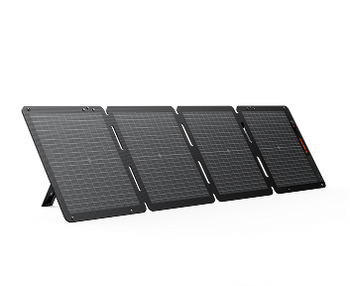
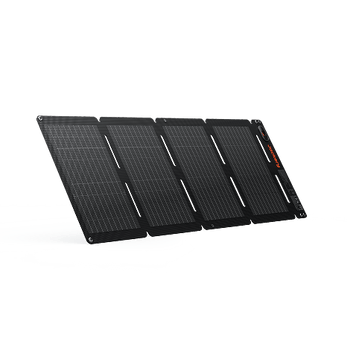











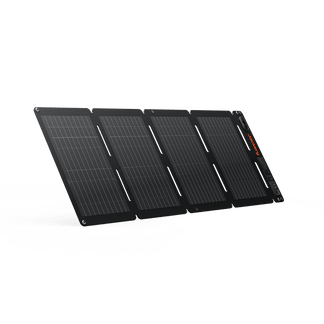
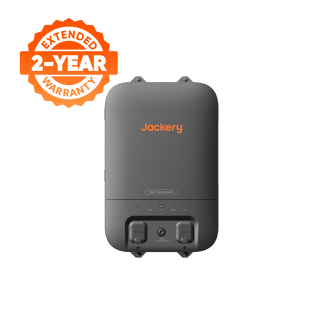
![[Add-on] Jackery SolarSaga 500 X - Jackery](http://www.jackery.com/cdn/shop/files/add-on-jackery-solarsaga-500-x-1493607.webp?v=1786503068&width=324)
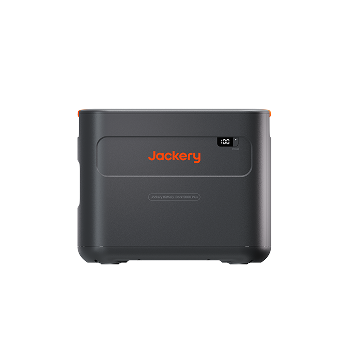
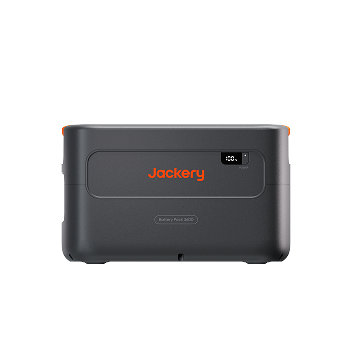
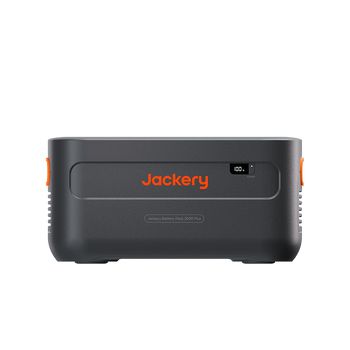
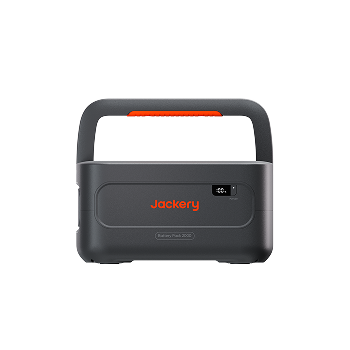
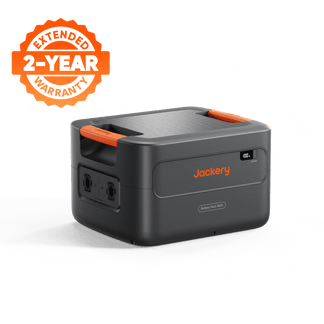
![[Add-on] Jackery Battery Pack 5000 Plus - Jackery](http://www.jackery.com/cdn/shop/files/add-on-jackery-battery-pack-5000-plus-6713401.webp?v=1786503068&width=324)
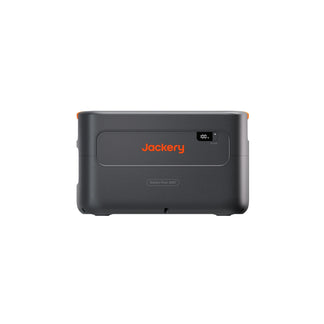
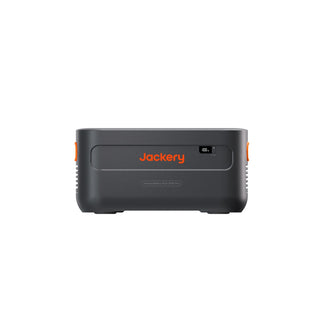
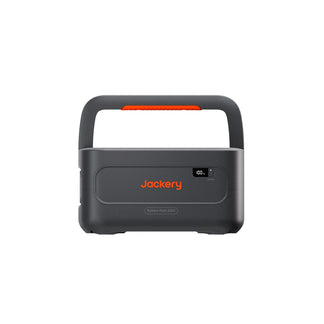












Laundry day has a hidden cost most people never actually calculate, and the dryer is almost always the bigger half of it compared to the washer. A standard 3000W electric dryer running 1 hour a day costs about $0.55 daily and $16.51 a month at the current US average electricity rate of 18.34 cents per kWh, which works out to roughly $198 a year. And that is before accounting for the fact that many households run more than one load a day.
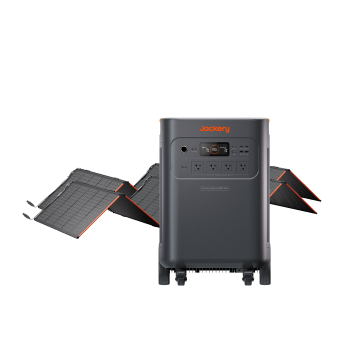
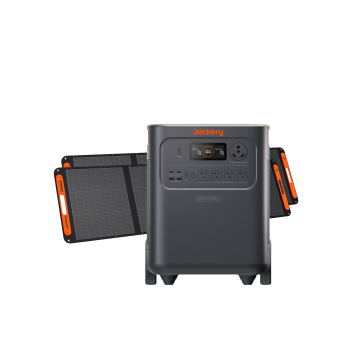
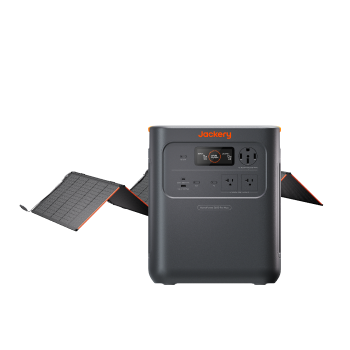
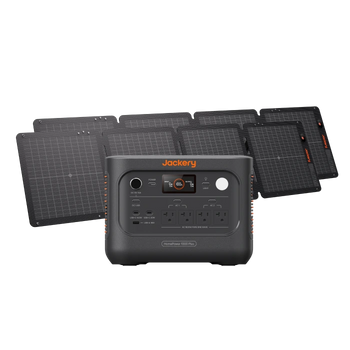
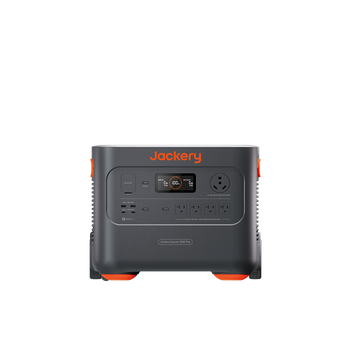
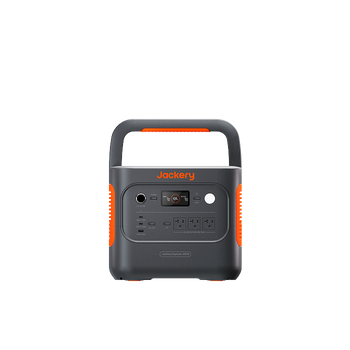
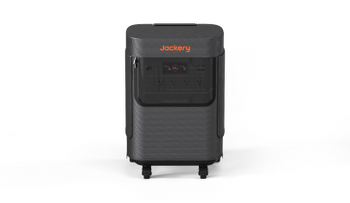
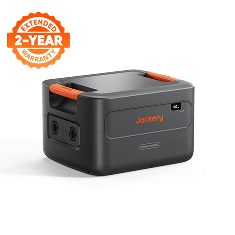
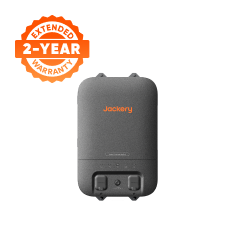
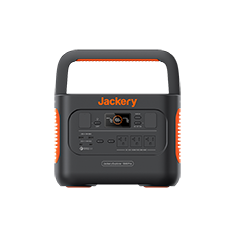
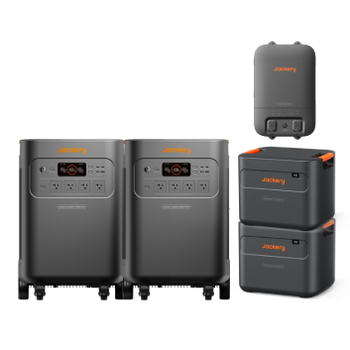
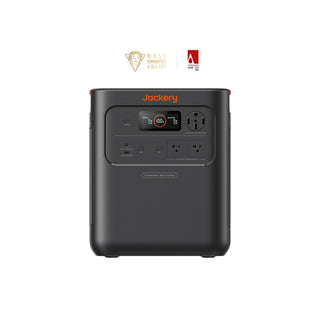
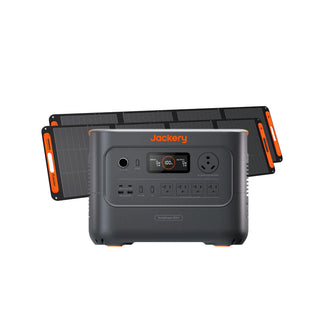
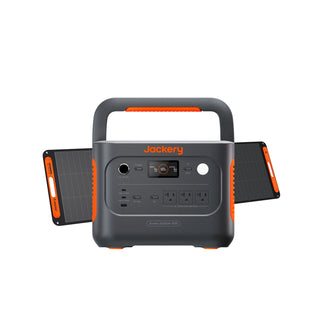
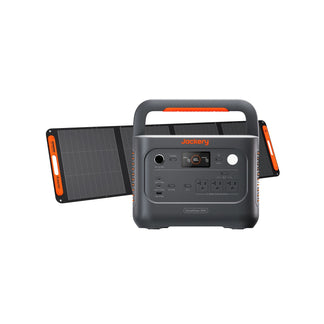
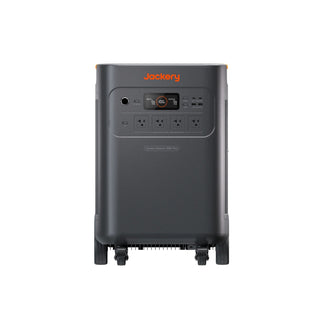
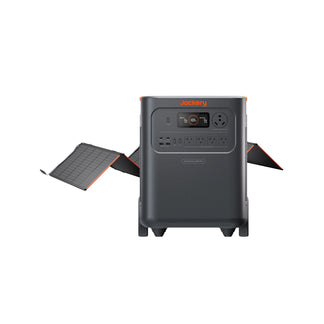
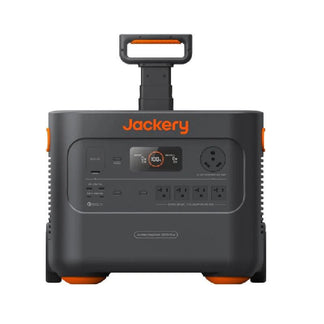
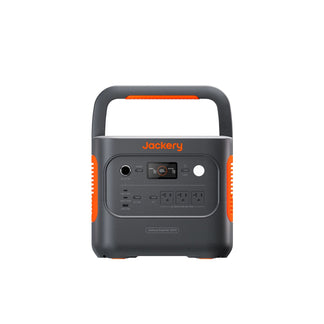
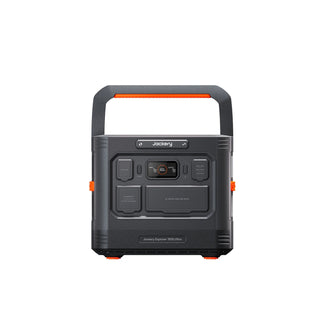
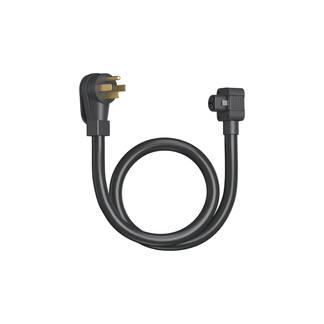
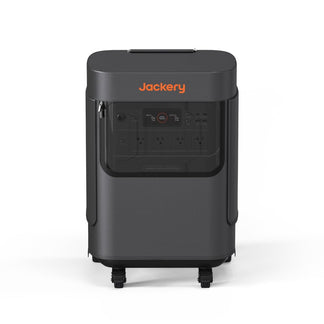
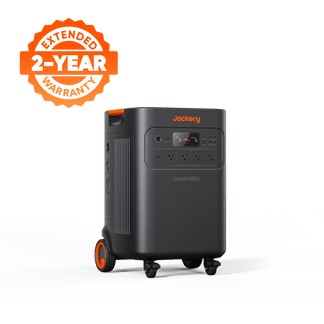
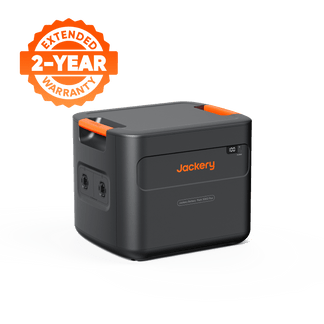
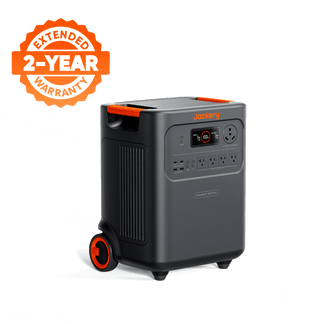
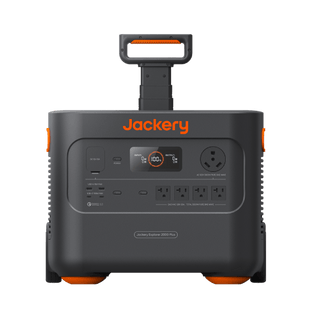
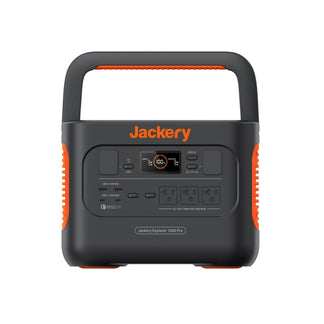
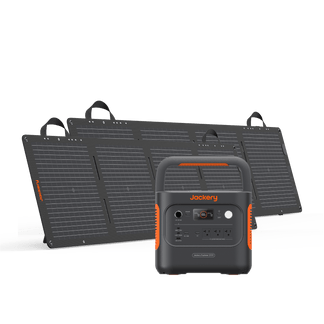
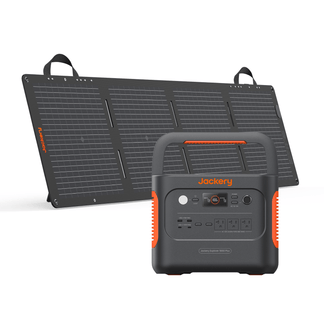
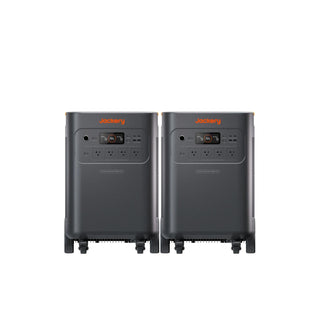
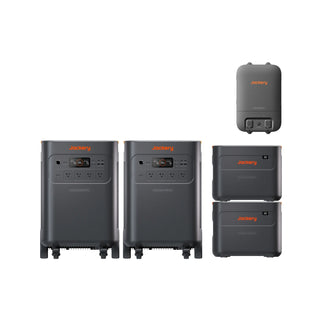
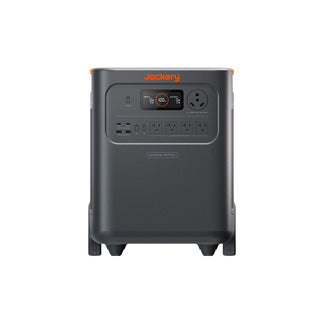
Since a dryer is also one of the few household appliances that specifically needs a 240V connection to run at full power, it's worth knowing which backup power options can actually handle it. Jackery Solar Generators like the Jackery Solar Generator HomePower 3600 Pro Max and Jackery Solar Generator 5000 Plus are built with native dual-voltage (120V/240V) output, which means they can power a standard electric dryer directly.
These solar generators can either offset the electricity cost with stored solar energy or finish a load during a power outage instead of leaving a wet, half-dried load sitting in the machine.
Key Takeaways
- Standard, full-size electric dryers require a 240V circuit and typically draw 3,000W to 5,000W. Compact/ventless electric dryers often run on 120V or 240V at 1,500W to 3,000W. Gas dryers only use 120V for the motor and controls, drawing around 300W to 500W.
- At the US average rate of 18.34¢/kWh, a 3000W electric dryer running 1 hour a day costs about $0.55 daily, $16.51 monthly, and around $198 a year.
- Not every home battery backup power system can handle a standard dryer. A dryer needs both enough continuous wattage and true 240V output to run via a solar generator.
- Large Jackery Solar Generators support native 120V/240V output, making these home battery backup solutions capable of running standard electric dryers directly.
Does a Dryer Need 240V?
Most full-size electric dryers sold in the US do need a 240V circuit. The heating element in the dryer needs that extra voltage to generate enough heat to dry a full load in a reasonable time, and a standard 120V outlet simply cannot push enough power through the coil to do it efficiently. That is why nearly all electric dryers ship expecting to plug into a dedicated 30-amp, 240V outlet (commonly a NEMA 14-30 or 10-30).
There are exceptions worth knowing about, though:
- Compact or ventless electric dryers, often used in apartments or homes without a 240V laundry hookup, are built specifically to run on a standard 120V outlet, though they typically take longer to dry a full load than their 240V counterparts.
- Gas dryers use gas for the actual heat, so their electrical draw is limited to the drum motor, control panel, and igniter, all of which run on a regular 120V household circuit.
If you are trying to power a dryer from a battery-based backup system, this distinction matters more than almost anything else in this article: a system that only outputs 120V simply cannot run a standard electric dryer, no matter how much battery capacity it has.
Outlet type is a quick visual way to tell what you are dealing with. A 120V outlet looks like any other household plug with two vertical slots and a ground hole. A 240V dryer outlet looks different: the two most common types are the 4-prong NEMA 14-30, required in homes built or rewired since the mid-1990s, and the older 3-prong NEMA 10-30, still found in older homes that have not been updated. If your laundry area has one of these larger, differently-shaped outlets, that is a 240V circuit.
How Many Amps Does a Dryer Draw?
Amperage matters just as much as voltage if you are choosing a circuit or a backup power system. Here is the general breakdown, covered in more detail in our guide on how many amps a dryer uses:
|
Dryer Type |
Voltage |
Typical Amp Draw |
|
Gas Dryer |
120V |
3 – 6 amps |
|
Compact/Ventless Electric |
120V or 240V |
10 – 15 amps |
|
Standard Electric |
240V |
21 – 26 amps |
Standard electric dryers require a dedicated 30-amp, 240V circuit to handle both normal operation and the higher draw at startup.
How Many Watts Does a Dryer Use?
Most full-size residential electric dryers land right around 3,000W, which is the figure used throughout the cost estimates below. You can check how many watts your specific dryer uses on the data plate, typically located on the inside of the door frame or on the back panel.
|
Dryer Type |
Voltage |
Typical Wattage |
|
Gas Dryer |
120V |
300W – 500W |
|
Compact/Ventless Electric |
120V or 240V |
1,500W – 3,000W |
|
Standard Electric |
240V |
3,000W – 4,000W |
|
High-Capacity/Steam Electric |
240V |
4,000W – 5,000W |
How Much Does It Cost to Run a Dryer?
To estimate the cost to run a dryer, you need to multiply the dryer's wattage by the hours it runs per day, divide by 1,000 for kilowatt-hours, then multiply by your electricity rate.
For example, a 3000W standard electric dryer running 1 hour a day uses 3 kWh. At the national average rate of 18.34 cents per kWh, that is around $0.55 a day, $16.51 a month, and about $198.07 a year.
How Much Does It Cost to Run a Dryer Type
Since dryer wattage varies so much by type, here is what a single 1-hour cycle costs at the national average rate for each:
|
Dryer Type |
Wattage |
Daily Cost |
Monthly Cost |
|
Gas Dryer |
400W |
$0.07 |
$2.20 |
|
Compact/Ventless Electric |
1,500W |
$0.28 |
$8.25 |
|
Standard Electric |
3,000W |
$0.55 |
$16.51 |
|
High-Capacity/Steam Electric |
5,000W |
$0.92 |
$27.51 |
How Much Does It Cost to Run a Dryer by State
Electricity rates vary considerably by state, so the same dryer can cost nearly three times as much to run in one state as another. Using a 3000W standard electric dryer running 1 hour a day as the baseline:
|
State |
Rate (¢/kWh) |
Daily Cost |
Monthly Cost |
Yearly Cost |
|
New Jersey |
24.95 |
$0.75 |
$22.46 |
$269.46 |
|
New York |
29.49 |
$0.88 |
$26.54 |
$318.49 |
|
Illinois |
19.89 |
$0.60 |
$17.90 |
$214.81 |
|
Ohio |
19.19 |
$0.58 |
$17.27 |
$207.25 |
|
North Dakota |
14.12 |
$0.42 |
$12.71 |
$152.50 |
|
South Dakota |
15.36 |
$0.46 |
$13.82 |
$165.89 |
|
Florida |
15.10 |
$0.45 |
$13.59 |
$163.08 |
|
Georgia |
16.36 |
$0.49 |
$14.72 |
$176.69 |
|
North Carolina |
14.74 |
$0.44 |
$13.27 |
$159.19 |
|
South Carolina |
15.55 |
$0.47 |
$14.00 |
$167.94 |
|
Texas |
15.94 |
$0.48 |
$14.35 |
$172.15 |
|
Colorado |
17.13 |
$0.51 |
$15.42 |
$185.00 |
|
Idaho |
14.37 |
$0.43 |
$12.93 |
$155.20 |
|
Alaska |
28.21 |
$0.85 |
$25.39 |
$304.67 |
|
Hawaii |
52.72 |
$1.58 |
$47.45 |
$569.38 |
|
US Average |
18.34 |
$0.55 |
$16.51 |
$198.07 |
Source: Electric Power Monthly, U.S. Energy Information Administration (EIA)
Note: These figures assume a 3000W standard electric dryer running 1 hour a day. Rates change periodically, so check the EIA link above for the latest figures in your state.
Official Tips to Reduce the Cost of Dryers
There's no doubt that clothes dryers can add to your electricity bills. Thankfully, there are many ways to reduce the utility bills. Here are a few official tips offered by Energy Star and the US Department of Energy:
Choose Dryers With Humidity Sensors
Many clothes dryers come with energy-saving moisture or humidity sensors. These sensors shut off the heat when the clothes are dry, saving energy and money. According to Energy Star reports, a dryer operating an extra 15 minutes per load can cost up to $34 every year. So, shutting off the heat when not required can save on utility bills.
Look for Energy Star Clothes Washers
Energy Star clothes washers use 20% less energy than standard washers. They come with a moisture sensor that automatically shuts off the washing machine when the clothes are dry. Thus, they save not only energy but also prevent the wear and tear on the clothes caused by over-drying.
Run Dryers During Off-Peak Hours
Running dryers during off-peak electricity hours can help you save on utility bills. The electricity rates during off-peak hours are generally low compared to on-peak hours. Some energy-efficient dryers come with a delayed start feature that lets you set the dryer to begin according to a schedule.
Power Dryers With Solar Generators
Solar generators can power various household appliances, such as dryers, and reduce the reliance on the electricity grid. Jackery Solar Generators are essential home backup power that can supply electricity to appliances like dryers, washing machines, ovens, etc., even in outage-prone areas. Depending on the power consumption of the appliance, you can calculate what size generator is needed to run electric dryers.
How to Save on Your Electricity Bills With Jackery Solar Generators
A typical 3,000W electric dryer running a single 60-minute cycle uses 3kWh of electricity. At the US average rate of 18.34 cents per kWh, that's about $0.55 per load. If you are running five loads a week, you might be spending roughly $11.92 a month just to keep the laundry moving.
Since most full-size dryers run on 240V and pull more power than almost anything else in the house, they are also one of the more demanding appliances to back up, which is exactly where a properly sized Jackery Solar Generator is important.
The right solar generator can run that same 3,000W load directly off stored solar power, keeping laundry day from adding to your grid usage at all, while still having enough capacity left over for whatever else is running in the house at the same time.
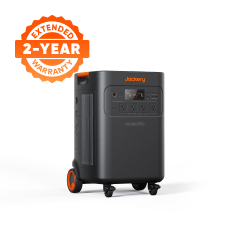
Jackery Solar Generator HomePower 3600 Pro Max
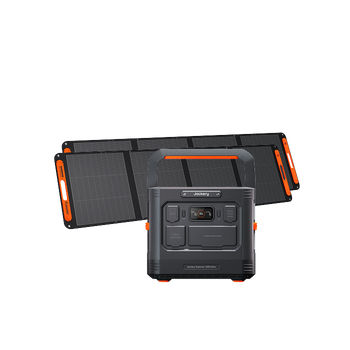
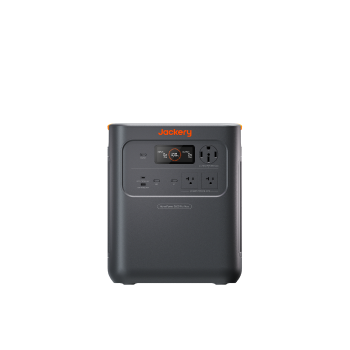
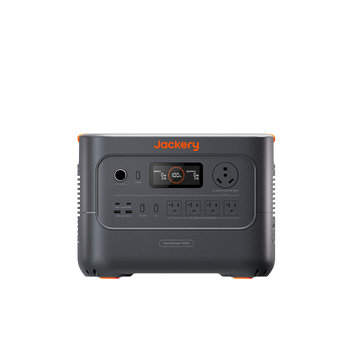
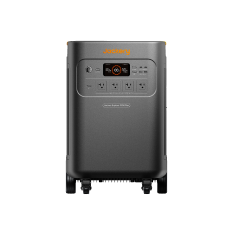
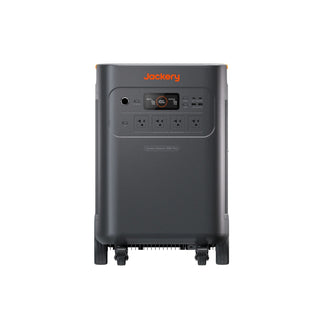
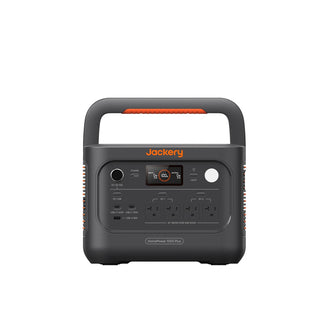
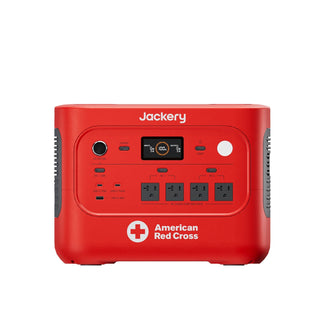
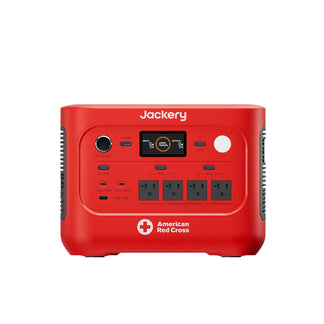
The Jackery Solar Generator HomePower 3600 Pro Max is an essential home backup solution with 3,600Wh of capacity and dual-voltage output rated at 2,000W continuous on 120V and up to 4,000W continuous on 240V, which covers most standard electric dryers in the 3,000W to 3,500W range without issue. For a compact or ventless electric dryer running at 1,500W for 1 hour a day, that would cost about $0.28 daily and $8.25 monthly in grid electricity at the national average rate. However, you can offset costs by running the dryer off the Jackery Solar Generator HomePower 3600 Pro Max instead, especially when it is charged with solar during the day.
Appliances Running Time
- Gas Dryer (400W) = 7.2H
- Compact/Ventless Electric (1500W) = 2.0H
- Standard Electric (3000W) = 1.0H
- Portable Dryer (1500W) = 2.0H
Who Should Buy This
The Jackery Solar Generator HomePower 3600 Pro Max is a strong fit for households with a standard-size electric dryer drawing up to around 3,500W, or apartments and smaller homes running a compact 120V/240V dryer, especially where automatic UPS-style switchover matters for finishing a load mid-outage without a manual restart.

Customer Review
Been using this now for a couple weeks. Loving it. It seems to be working great for my usage.
— Nancy J.
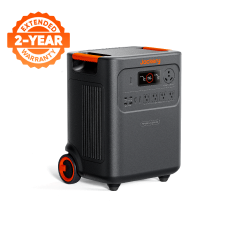
Jackery Solar Generator 5000 Plus
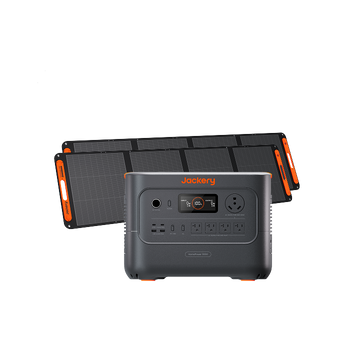
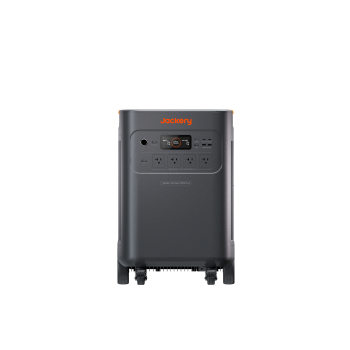
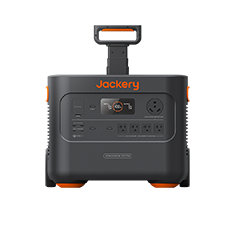
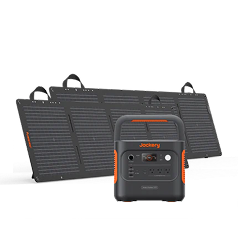
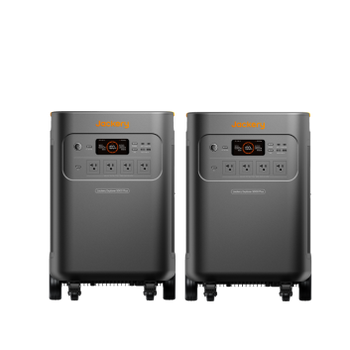
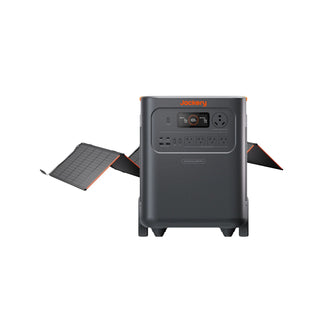
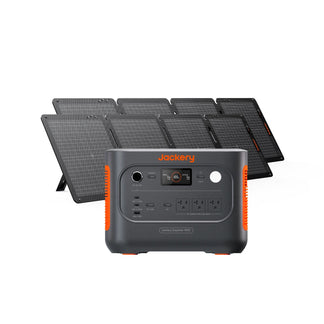
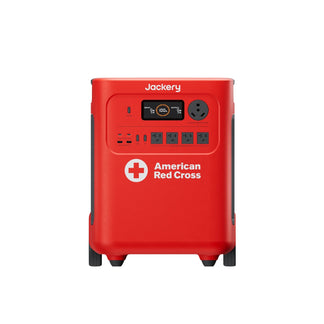
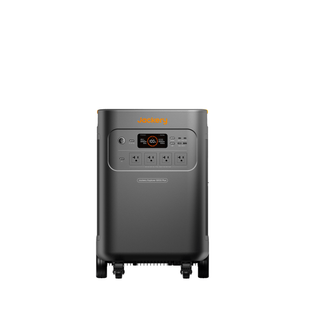
For higher-wattage or high-capacity/steam dryers, the Jackery Solar Generator 5000 Plus offers 5,040Wh of capacity with up to 7,200W of output on native 120V/240V, giving it enough power to run even a 5,000W high-capacity dryer alongside other essentials. If you are running a 3,000W standard electric dryer for 1 hour a day on grid power, it would cost about $0.55 daily and $16.51 monthly at the national average rate. Switching the usage to the Jackery Solar Generator 5000 Plus can offset this cost entirely when paired with solar panels.
Appliances Running Time
- Gas Dryer (400W) = 9.5H
- Compact/Ventless Electric (1,500W) = 2.8H
- Standard Electric (3,000W) = 1.4H
- High-Capacity/Steam Electric (5,000W) = 48 min
- Portable Dryer (1500W) = 2.8H
Who Should Buy This
The Jackery Solar Generator 5000 Plus is the ideal choice for larger households, homes with a high-capacity or steam-equipped electric dryer, or anyone who wants a single system that can run the dryer alongside a refrigerator, well pump, or other essentials during an extended outage.

Customer Review
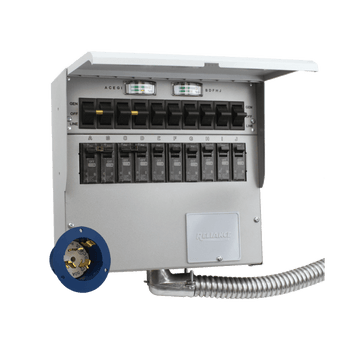
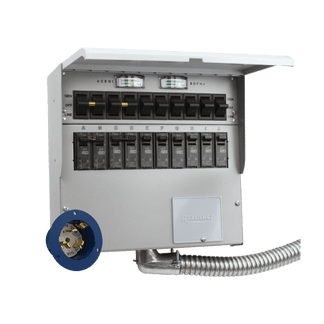
Love my jackery solar generator and smart transfer switch. I have already put it to use to offset reliance on the grid and stand ready for any outages.
— Gmeghoo.
How Much Does It Cost to Run a Dryer FAQs
Do all electric dryers need 240V?
No. Standard, full-size electric dryers do need 240V, but compact and ventless electric dryers are often built to run on a standard 120V outlet, and gas dryers only use 120V for their motor and control panel since the heat itself comes from gas.
How much does it cost to run a dryer for one hour?
A standard 3000W electric dryer running for 1 hour costs about $0.55 at the national average electricity rate of 18.34 cents per kWh.
How much does it cost to hang dry vs. using the dryer?
Hang drying is essentially free once you own a rack or clothesline, aside from the modest one-time cost of the equipment itself. Using an electric dryer for a typical load costs somewhere around $0.45 to $0.60, depending on your local electricity rate and the dryer's wattage.
Is a gas dryer cheaper to run than an electric dryer?
A gas dryer's electricity draw is much lower than an electric dryer's, since electricity is only powering the motor and controls rather than the heat itself. You'll still pay for the natural gas the dryer uses, so the total cost comparison depends on your local gas rate, but gas dryers are generally the cheaper option to operate where natural gas service is available.
Conclusion
A dryer's running cost comes down to three straightforward factors: its wattage, how long it runs, and your local electricity rate. However, unlike most appliances, it also comes with a voltage requirement that is easy to overlook until you're trying to power one during an outage. Knowing whether your dryer needs 120V or 240V is the first real question to answer, both for understanding your electricity bill and for choosing backup power that can actually handle it. When the grid goes down mid-cycle, a Jackery Solar Generator with true 120V/240V output can finish the load instead of leaving it wet.


