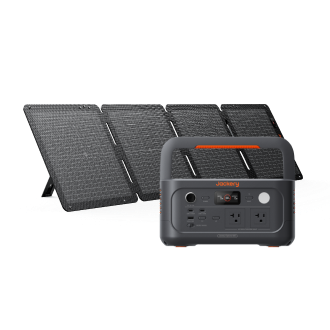
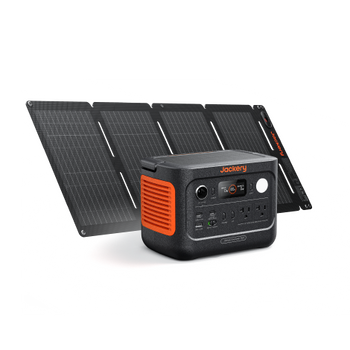
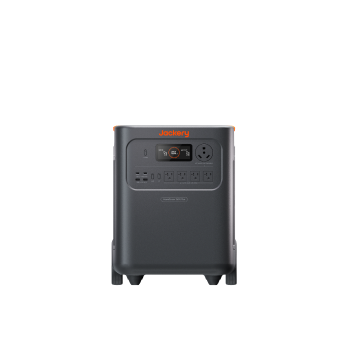

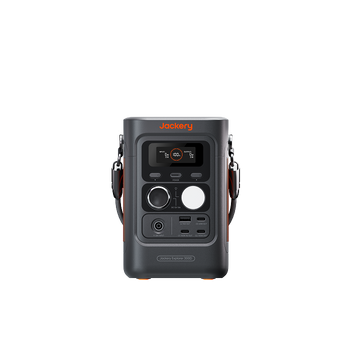
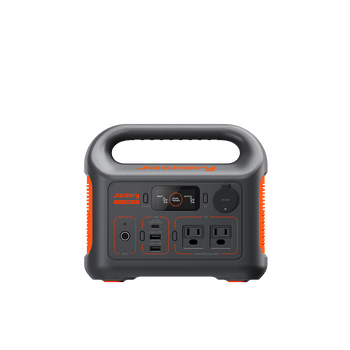

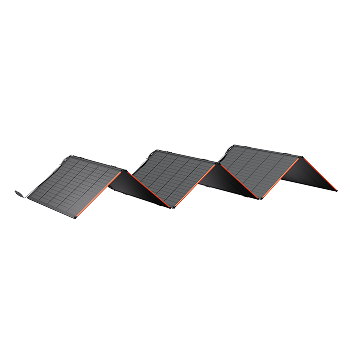







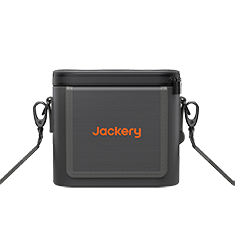
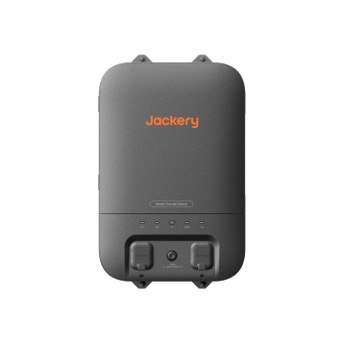


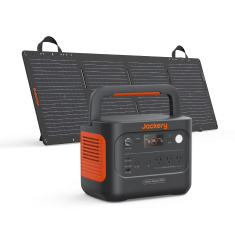
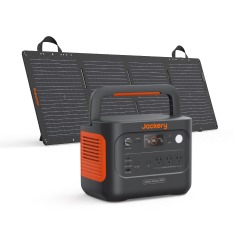
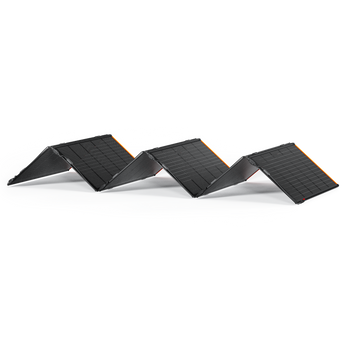
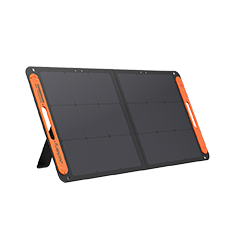


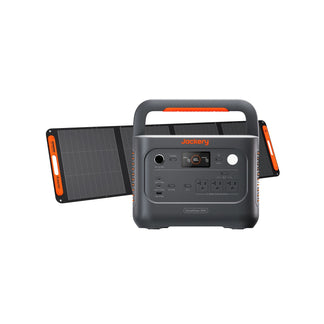
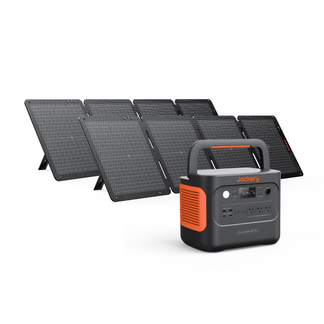
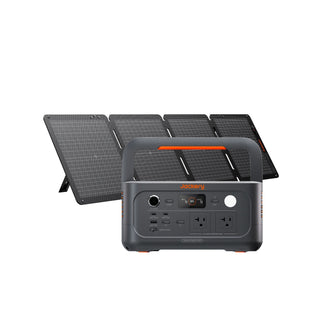
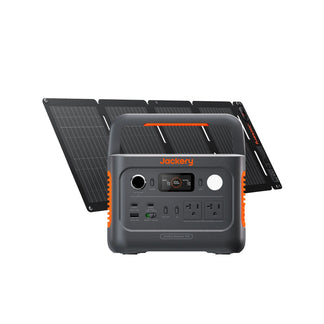


![[Add-on] Jackery SolarSaga 500 X - Jackery](http://www.jackery.com/cdn/shop/files/add-on-jackery-solarsaga-500-x-1493607.webp?v=1786503068&width=324)

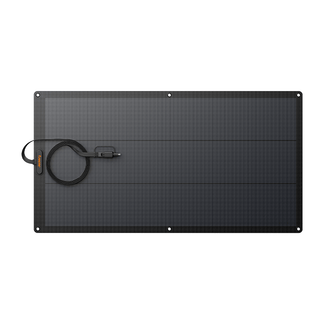
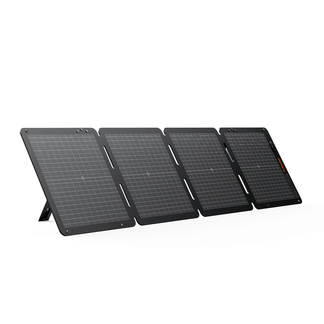
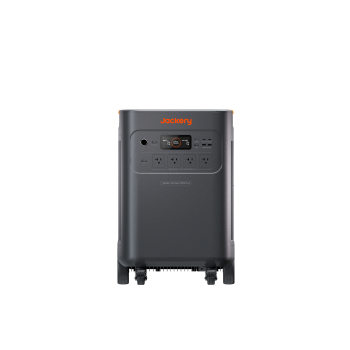
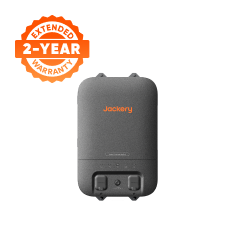
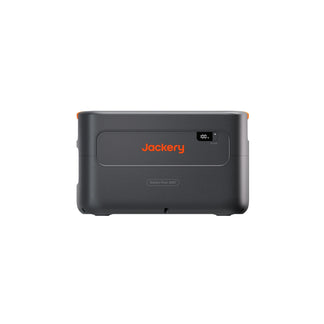
![[Add-on] Jackery Battery Pack 5000 Plus - Jackery](http://www.jackery.com/cdn/shop/files/add-on-jackery-battery-pack-5000-plus-6713401.webp?v=1786503068&width=324)








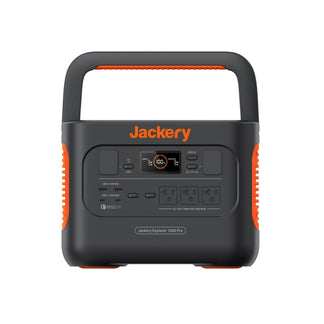
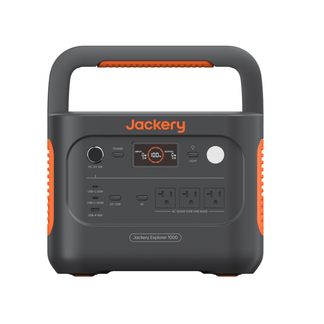
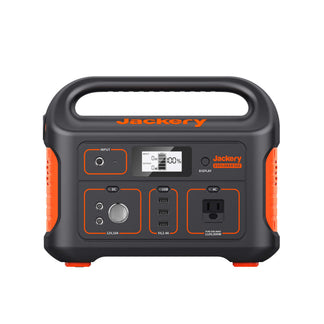
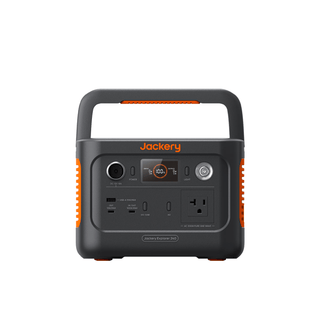
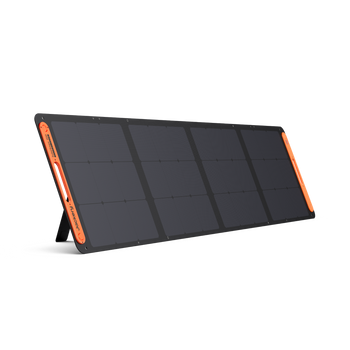
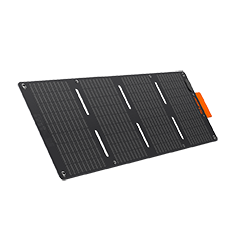
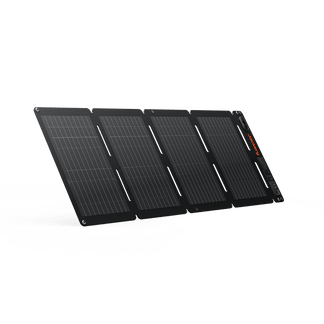
![[Add - on] SolarSaga 200W - Jackery](http://www.jackery.com/cdn/shop/files/add-on-solarsaga-200w-4834329.png?v=1754016915&width=324)

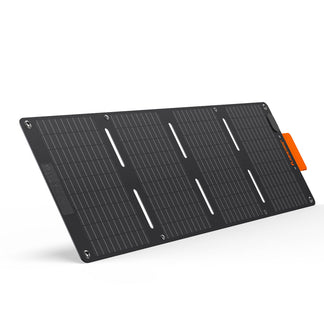
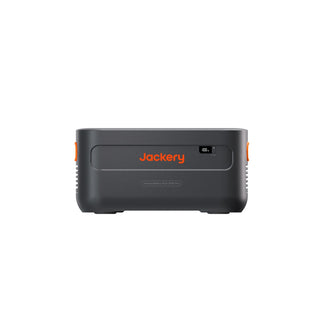
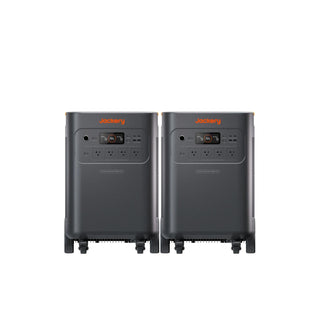
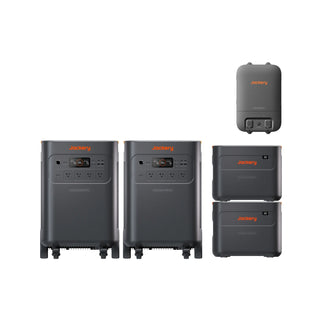
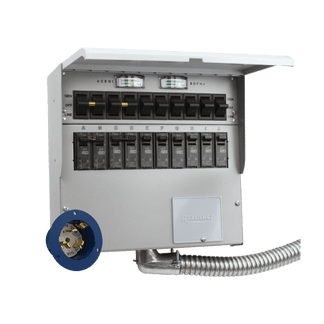
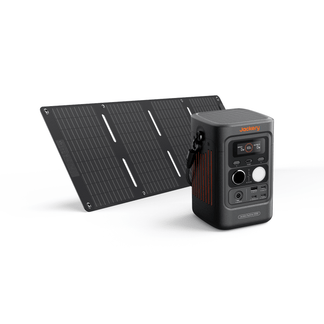


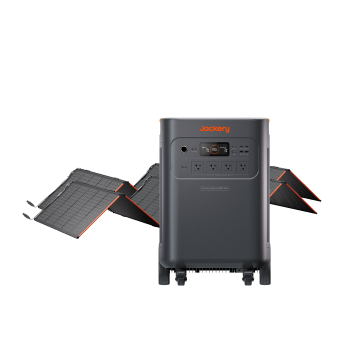
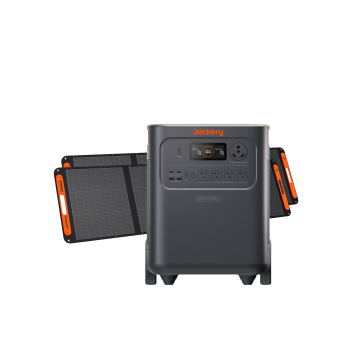
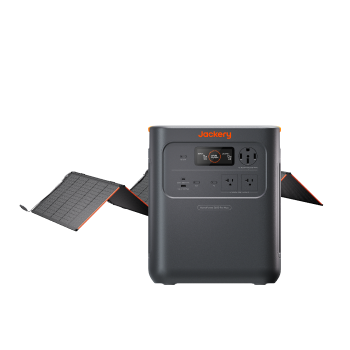
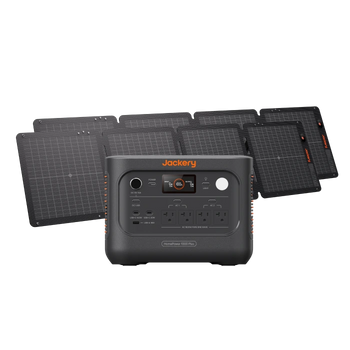
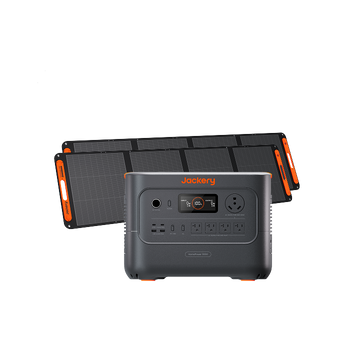
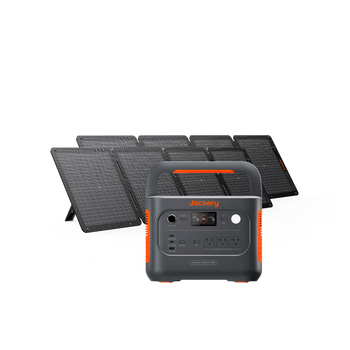
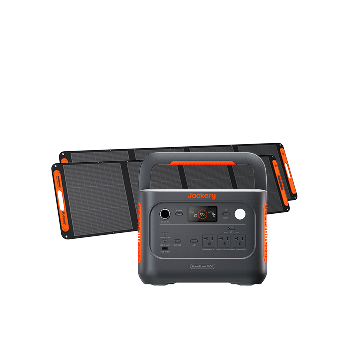
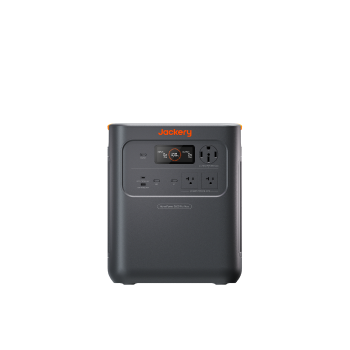
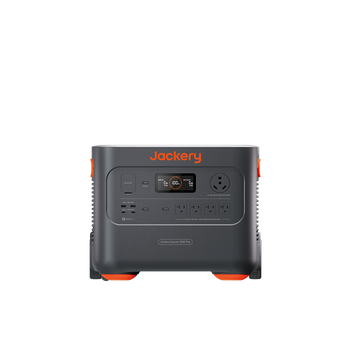
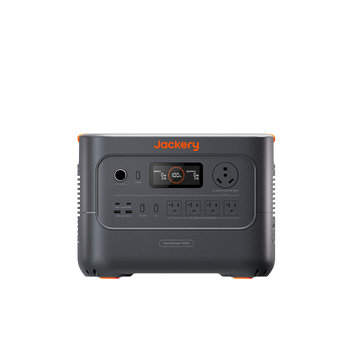
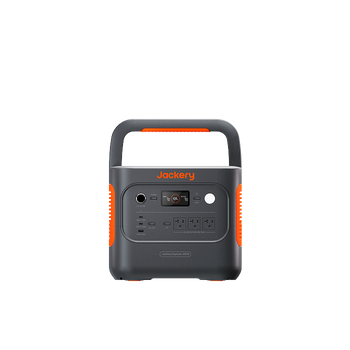
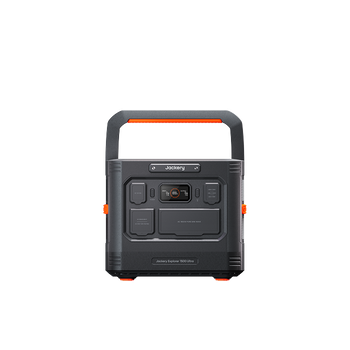
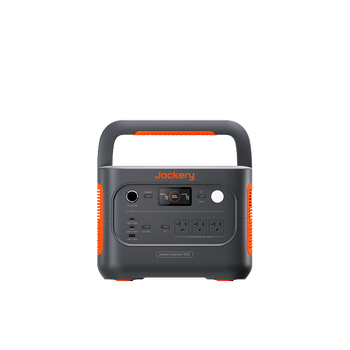
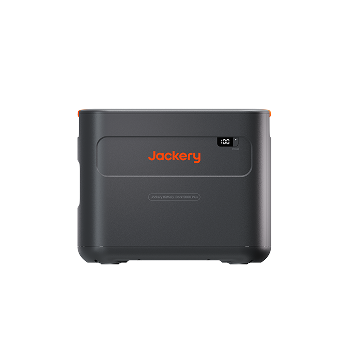
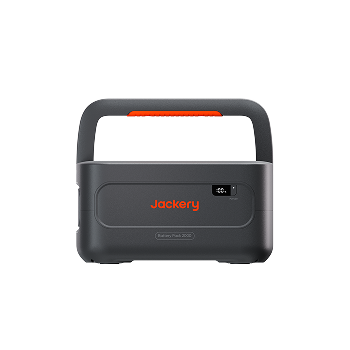
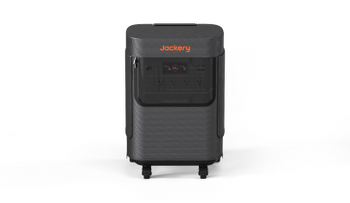
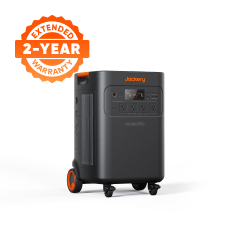
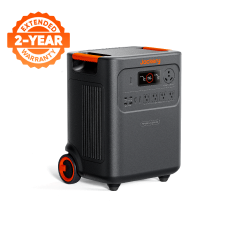
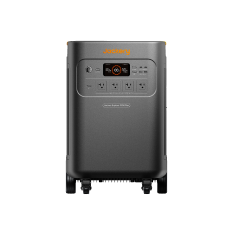
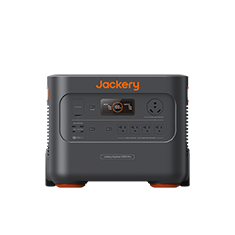
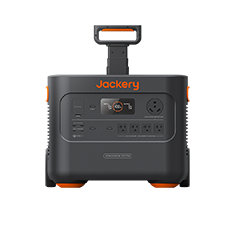
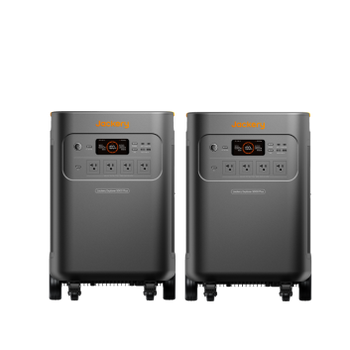
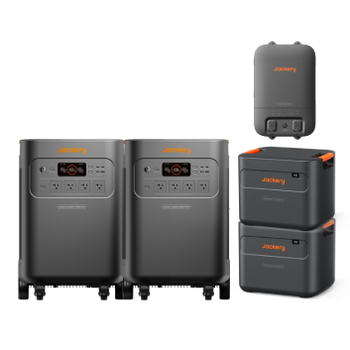
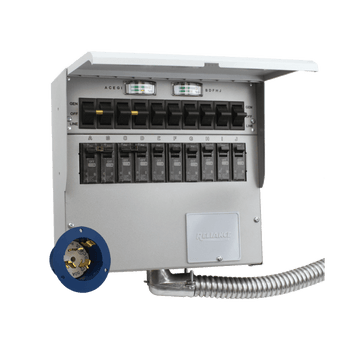
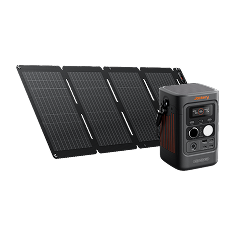
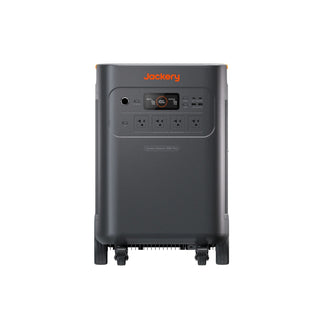
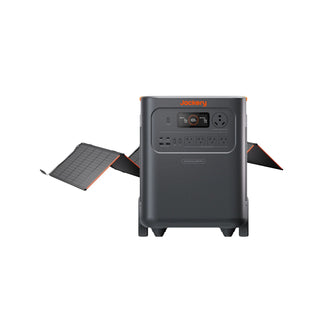
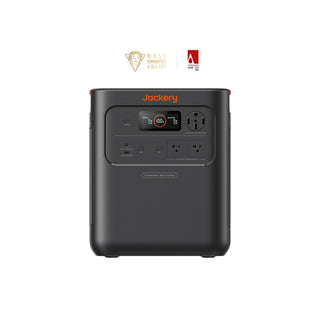
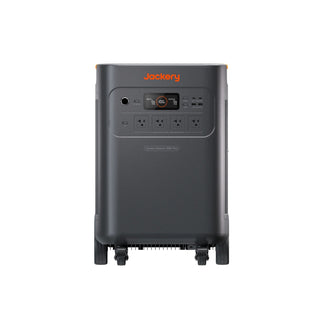
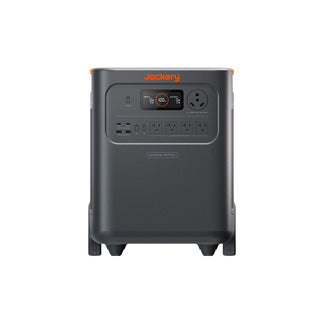
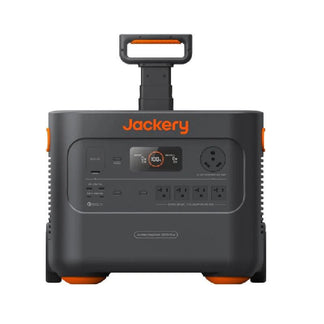
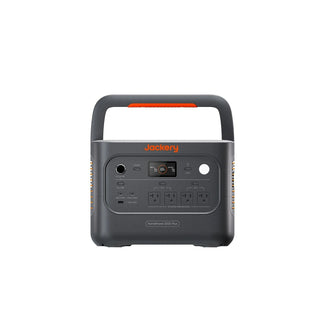
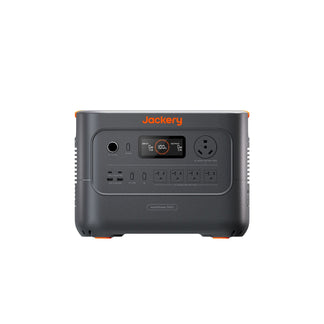
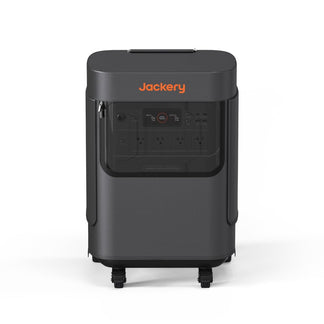
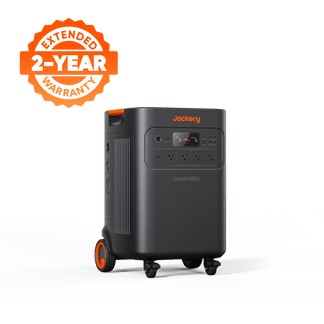
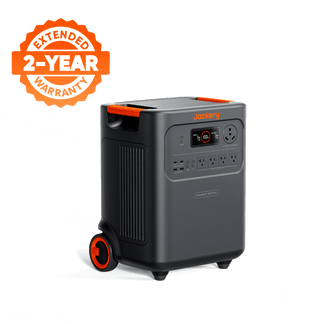
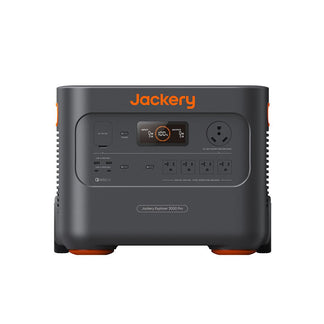
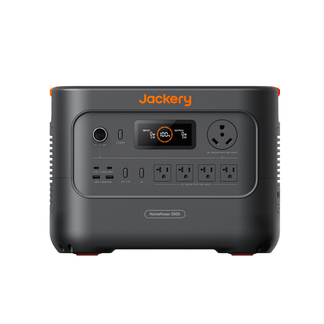
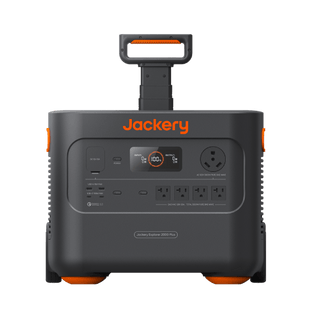
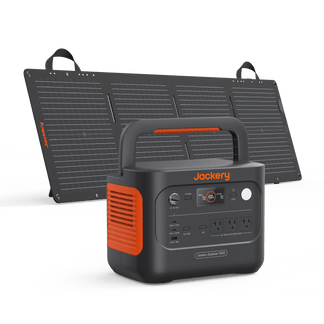
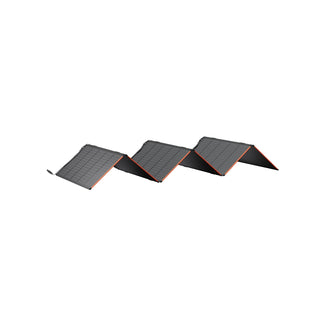
Jackery Whole Home Backup Kit is a solar-powered home energy system built around the Jackery Explorer 5000 Plus. It has a large battery capacity and is expandable with add-on battery packs. It recharges itself using the solar panels, so you don’t have to worry about the grid power. When grid power fails, this home battery backup solution keeps your refrigerator running, heat on, and medical equipment powered without generators, gas lines, permits, or contractors.
The whole home backup kit matters because power outages have gotten measurably worse. Long hours of the power outages lead to spoiled food, frozen pipes, and non-working medical equipment. This guide uses government data, insurance industry figures, and clinical sources to quantify exactly what a prolonged outage costs and how the Jackery Whole-Home Backup Kit 5000 Plus (20kWh) stacks up against those losses.
Takeaways
- US customers averaged 11 hours without power in 2024, the worst in a decade, according to the EIA's December 2025 report.
- The USDA puts the food-safety window at 4 hours for a refrigerator and 48 hours for a full freezer.
- The Jackery Solar Generators can help you run essential household appliances, such as refrigerators, fans, medical equipment, etc., to ensure you stay comfortable during unexpected power outages.
What Does a Power Outage Actually Cost a Homeowner?
A power outage can cost a homeowner anywhere from a few hundred dollars to over $85,000, depending on the damage, though typical costs often include food spoilage ($250-$500) and hotel stays at $110 per night. Major expenses include flooded basements ($500-$85,000), burst pipes (>$5,000), and mold remediation ($2,000). Most homeowners underestimate outage costs because the losses happen across multiple categories simultaneously. Here is what the data shows for each.
How Much Does Food Spoilage Cost During a Multi-Day Outage?
The USDA and FDA are explicit about the timeline: a refrigerator keeps food safe for a maximum of 4 hours during a power outage when the door is kept closed. According to the CDC, a full freezer holds for approximately 48 hours, whereas a half-full one holds for only 24 hours. After those thresholds, the guidance is straightforward: when in doubt, throw it out.
For a household with $400 to $600 in refrigerated food and a stocked freezer, a 48-hour outage without any backup power is a near-total loss. Higher-income households with premium cuts of meat, specialty items, chest freezers, or wine refrigerators face losses well above $1,000 per event. You can also check our detailed guide to understand how to keep fridge cold without power.
What Does a Frozen or Burst Pipe Actually Cost to Fix?
The average homeowners' insurance claim for water damage and freezing in the US is approximately $13,954 to $15,400. For more severe cases, including pipes buried behind walls, flooding that reaches flooring, drywall, or insulation, mold remediation, and total losses, the total losses routinely reach $30,000 or more.
The Michigan Committee for Severe Weather Awareness estimates that a quarter-million (250,000) homes in the US are damaged each winter due to frozen and burst water pipes. Water damage from freezing pipes accounts for 11-20% of all homeowner insurance claims, making it the second most common claim category after wind and hail damage.
The preventive solution is to use a single 1,500W electric space heater and run it intermittently during an outage to keep interior temperatures above the freezing threshold and eliminate the risk entirely. For example, the Jackery Solar Generator 5000 Plus can run an electric space heater (1500W) for 2.8 hours on a single charge, ensuring you can easily deal with short power outages.
What's the Real Cost of Medical Equipment Going Offline?
Approximately 4.5 million Medicare recipients, and likely millions more covered by private insurance, use electricity-dependent home medical equipment. That includes ventilators, oxygen concentrators, and BiPAP machines, powered wheelchairs, hospital beds, and infusion pumps.
The problem is a mismatch between the device's battery capacity and the outage duration. On average, most home medical devices carry built-in batteries that last only 3 to 8 hours. Of the total customer outages caused by major outage events in the contiguous United States, 50% last 12 hours and 36% last 24 hours.
Among the major power outages in the southern United States between 2015 and 2021, 2.6% lasted longer than 1 week, according to the same research. The American Lung Association warns that for patients relying on oxygen concentrators, ventilators, power loss can be life-threatening.
The financial downstream effects include emergency room visits ($1,500 to $5,000+), replacement equipment costs, and medication spoilage. Insulin and biologics requiring refrigeration between 36°F (2.2°C) and 46°F (7.7°C) can cost $300 to $1,000 or more per event when lost.
How Does the Jackery Whole-Home Backup Kit Address Each of These Risks?
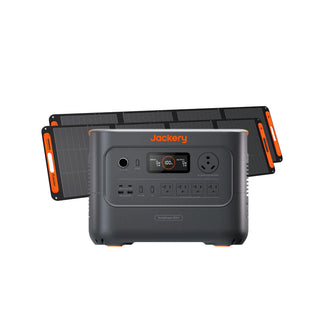
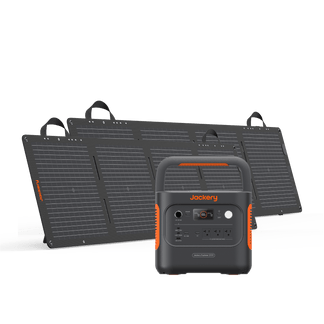
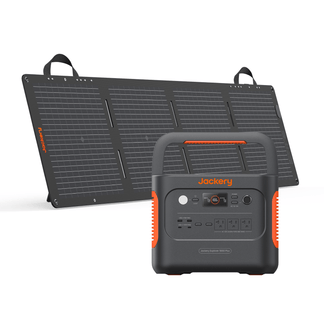
The Jackery Whole Home Backup Kit 5000 Plus (20kWh) is engineered around the Jackery Solar Generator 5000 Plus, which combines a portable power station and solar panels. These solar generators provide stable AC power with pure sine wave output, the type of clean power required by sensitive electronics and medical equipment, and recharge continuously from sunlight while the grid is down.
|
Risk Scenario |
Jackery Solar Generator 5000 Plus Capability |
Outcome |
Data-Backed Loss Avoided |
|
Food Spoilage (Fridge + Freezer) |
Base capacity keeps a full-size fridge + freezer running 20–30+ hours; expandable with add-on battery |
All refrigerated and frozen food preserved |
$400–$1,200 per event (USDA/FDA guidance) |
|
Frozen/Burst Pipe |
Powers a 750–1,500W space heater in rotation while solar recharges the battery |
Interior temperature stays above freezing; pipe integrity maintained |
Average water damage claim: $13,954 |
|
Medical Equipment Continuity |
Pure sine wave AC output; support oxygen concentrators (300–600W), insulin fridges (100–150W) |
Uninterrupted therapy; no emergency intervention required |
4.5 million Medicare recipients rely on powered home medical equipment |
|
Extended 3–7 Day Outage |
Modular battery expansion + solar panel array creates continuous solar recharge loop |
Self-sustaining power without fuel or grid |
$0 fuel cost vs. $30–$100+/day for a gas/propane generator |
No Permits or Gas Lines
One of the most significant practical advantages of the Jackery Whole Home Backup Kit 5000 Plus (20kWh) is what it does not require. A traditional standby generator installation requires a licensed electrician, a natural gas or propane line, a concrete pad, and local permits and inspections.
In other words, installing a standby generator typically involves a process that takes weeks and costs $3,000 to $7,000 in labor alone before you've paid for the generator itself. The Jackery Solar Generator skips all of it. You do not need permits or gas lines for this essential home backup to work. Simply turn on the power station and connect the appliances to power them.

Modular Expansion Path
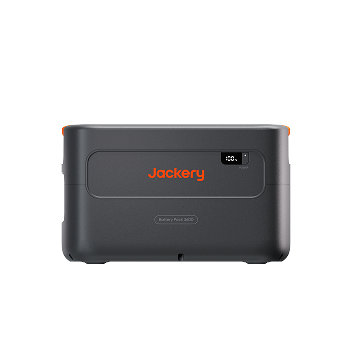
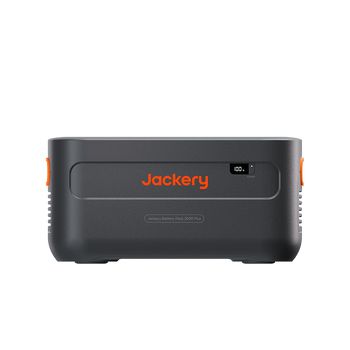
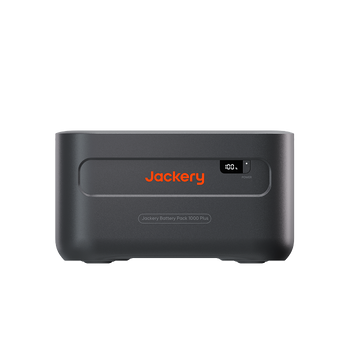
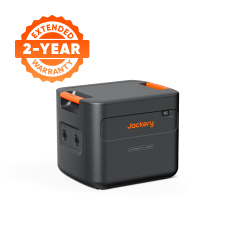
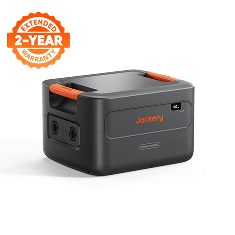
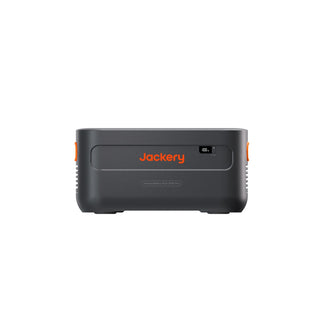
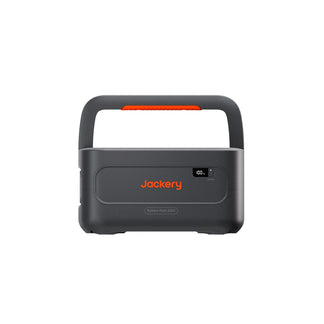
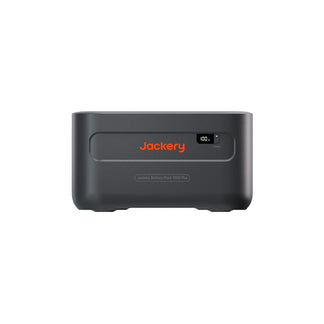
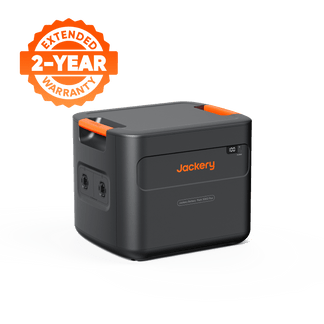
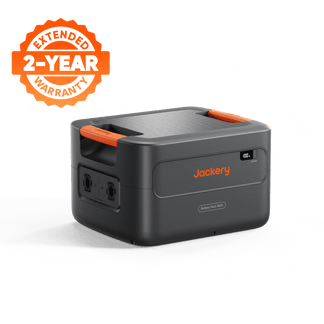
The Jackery Solar Generator 5000 Plus is designed to grow with your energy requirements. You can add expansion battery packs to increase total storage capacity, extending runtime for higher-demand scenarios, such as an extended winter outage, a week of severe storms, or a household with multiple high-draw medical devices running simultaneously. You can start at the base configuration and expand as budget allows.
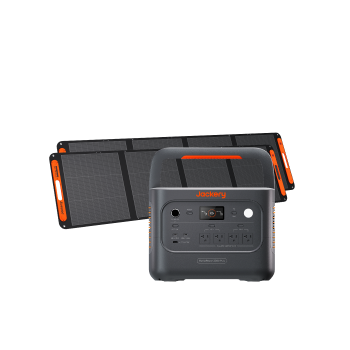
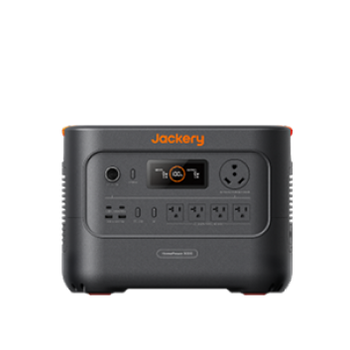
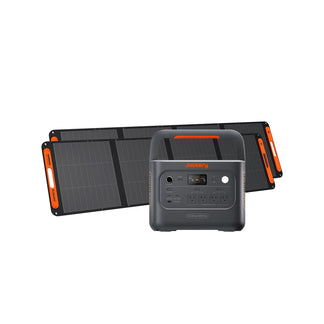
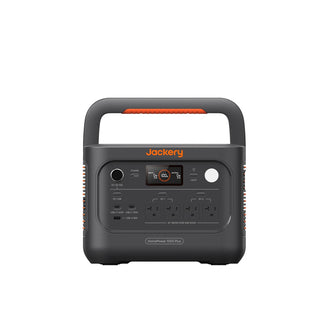
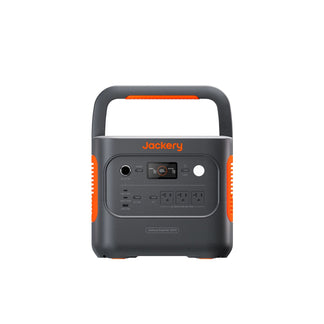
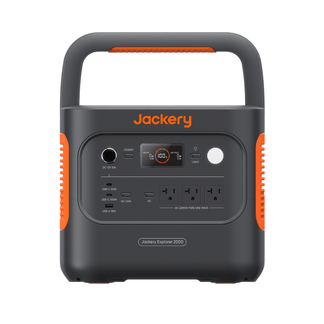
Andrew Evans used the Jackery Solar Generator 1000 v2 with compatible solar panels to make off-grid RV camping more comfortable and reliable. Instead of relying solely on propane and carefully rationing electricity, he could power everyday appliances like an electric kettle, toaster, slow cooker, and personal devices with ease. The fast charging and dependable solar performance allowed him to enjoy longer stays without worrying about running out of power. Impressed by the system's reliability, Andrew later expanded his setup with the Jackery Solar Generator 5000 Plus and an additional battery pack, giving him a portable backup power solution for both camping trips and potential home power outages. Check out more such Jackery Stories to see how people use their home backup solutions.
If you are still confused, you can check out the Jackery Whole-Home Backup Kit Review: Is the Investment Worth It.
Jackery vs. a Traditional Standby Generator: A 10-Year Cost Comparison
Many homeowners weighing home battery backup power solutions already know that standby generators exist. Here is a direct comparison over a realistic 10-year ownership horizon, using published cost data:
|
Cost Category |
Traditional Standby Generator |
Jackery Whole Home Backup Kit 5000 Plus (20kWh) |
|
Purchase Price |
$5,000–$20,000+ |
$9,999 |
|
Professional Installation |
$3,000–$7,000 (electrician, gas line, concrete pad) |
$0 (plug-and-play, no contractor needed) |
|
Annual Maintenance |
$200–$500/yr (oil changes, filters, annual load test) |
Minimal (firmware updates, panel cleaning) |
|
Fuel Cost Per Outage Event |
$30–$100+/day (propane or natural gas) |
$0 (recharged by solar panels) |
|
Permits and Inspections |
Required in most U.S. jurisdictions |
Not required |
|
Estimated 10-Year Total |
$12,000–$35,000+ |
$9,999 all-in |
Over 10 years, the Jackery Whole Home Backup Kit 5000 Plus (20kWh) costs an estimated $9,999 all-in. A traditional standby generator, when factoring in purchase, installation, permits, annual maintenance, and fuel, runs $12,000 to $35,000 or more over the same period. The installation cost of a standby generator alone often exceeds the entire cost of the Jackery Whole Home Backup Kit.
Where a Standby Generator Leads:
- Runtime: The best standby generators run as long as they have fuel, with no capacity ceiling.
- Automatic Transfer Switches: Many whole-home standby units restore power within seconds of an outage, without manual action required.
- Very High Sustained Wattage: Appropriate for powering an entire home panel simultaneously, including HVAC systems with large startup loads.
Where the Jackery Solar Generator Leads:
- Zero Emissions: A solar generator can be operated safely indoors, with no risk of carbon monoxide.
- Silent Operation: It does not emit any engine noise.
- No Fuel Dependency: It does not have propane tanks to refill, gasoline to store or rotate, or supply-chain risk during a regional disaster.
- Solar Self-Sufficiency: During weather-event outages that include daylight hours, the Jackery Portable Power Station recharges continuously and can operate indefinitely.
- Zero Installation Liability: It does not require gas lines, permits, annual inspections, or a licensed contractor.
The EIA's 2024 data is relevant here: major events such as Hurricanes Beryl, Helene, and Milton drove 80% of total outage hours. These events typically occur during daylight hours with usable solar irradiance, precisely when the Jackery Portable Power Station’s recharge advantage is most pronounced.
What is the Return on Investment for a Jackery Whole-Home Backup System?
Here is a structured ROI analysis built on the cost data from Parts 2 and 3. The system cost reference point is approximately $9,999 for the Jackery Whole Home Backup Kit 5000 Plus (20kWh). However, the actual pricing varies, and you must check the official website for the latest prices.
Scenario A: One Prevented Pipe Burst
A winter outage that runs long enough to freeze your pipes can turn into an expensive repair fast. A single pipe burst typically costs between $5,000 and $15,000 once you factor in plumbing, drywall, flooring, and water-damaged belongings, and that's before you account for your insurance deductible or the time lost managing contractors. One prevented event, and the system has already paid for itself.
Scenario B: Food Savings Across a Full Year
Most outages are enough to spoil everything in your refrigerator and freezer. For a well-stocked household, that adds up to $600 to $1,200 in food loss per event. Across two or three outages in a year, that's $1,200 to $3,600 gone. At that rate, the Jackery Whole-Home Backup Kit 5000 Plus (20kWh) recovers its cost in food savings alone within one to three years.
Scenario C: Medical Equipment and Medication
If someone in your home depends on powered medical equipment, such as refrigerated medication like insulin, an outage is not just an inconvenience. A single emergency visit costs $1,500 to $5,000 or more. Medication spoilage for insulin or specialty drugs can add another $300 to $1,000 per event. The Jackery Whole-Home Backup Kit 5000 Plus (20kWh) keeps those systems running so an outage does not become a medical situation.
One additional ROI factor: homeowners who finance system purchases during promotional periods can further reduce the effective out-of-pocket cost.
Conclusion
The US power grid is experiencing its worst outage performance in a decade. The EIA's 2024 data is unambiguous: average customers lost 11 hours of power (twice the prior decade's norm), and residents in storm-affected states lost far more. The pattern is structural, driven by aging infrastructure meeting increasingly severe weather.
The Jackery Whole-Home Backup Kit 5000 Plus (20kWh) is a practical response to a documented and growing risk. The financial case rests on real numbers: $13,954 average water damage claim, $400 to $1,200 per outage in food losses, and the fact that most home medical devices fail within 3 to 8 hours, well within the duration of an average major-event outage.
Whether the calculation that matters most to your household is a single avoided pipe repair, years of food preservation, or the continuity of a family member's medical care, the data points in the same direction.


