









![[Add - on] Jackery Manual Transfer Switch for Explorer 5000 Plus - Jackery](http://www.jackery.com/cdn/shop/files/add-on-jackery-manual-transfer-switch-for-explorer-5000-plus-9017324.png?v=1754016782&width=170)
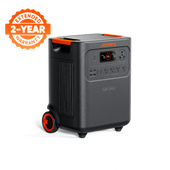
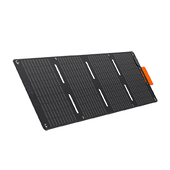
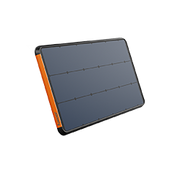
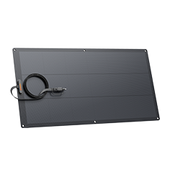
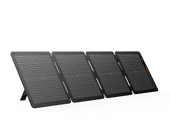





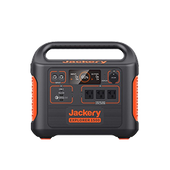
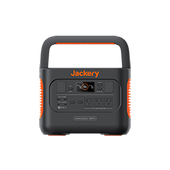
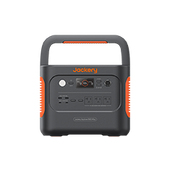
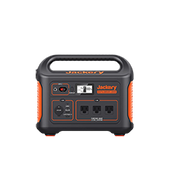
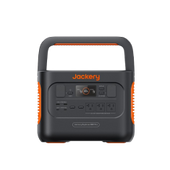
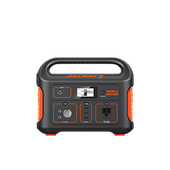

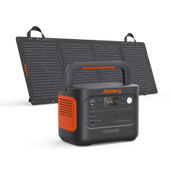
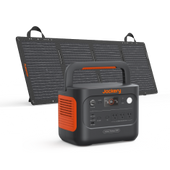
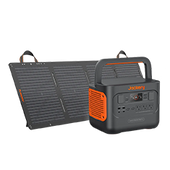

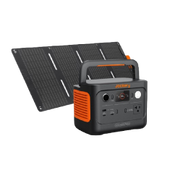
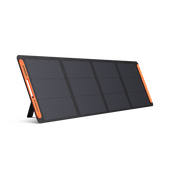
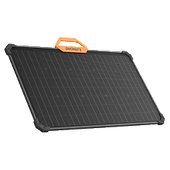


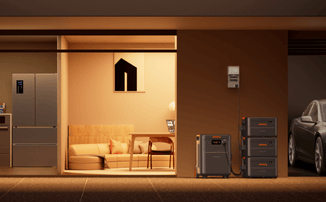
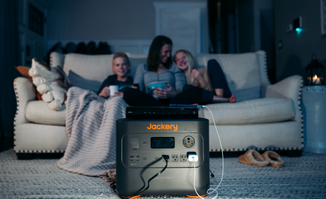


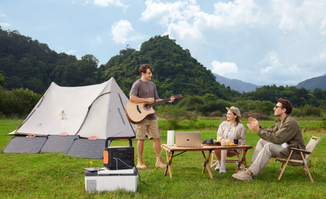
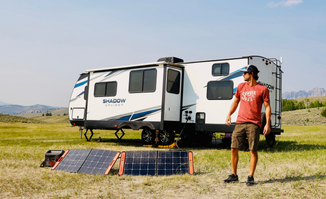

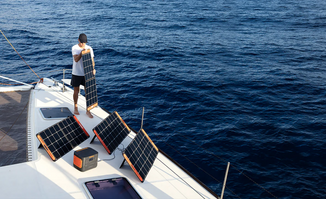
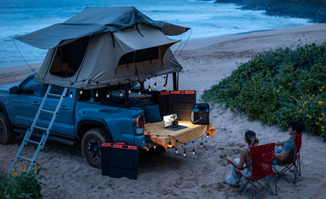
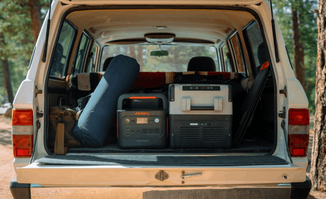

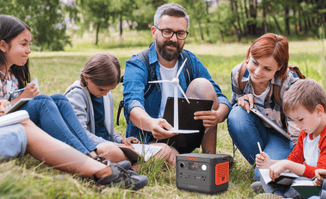


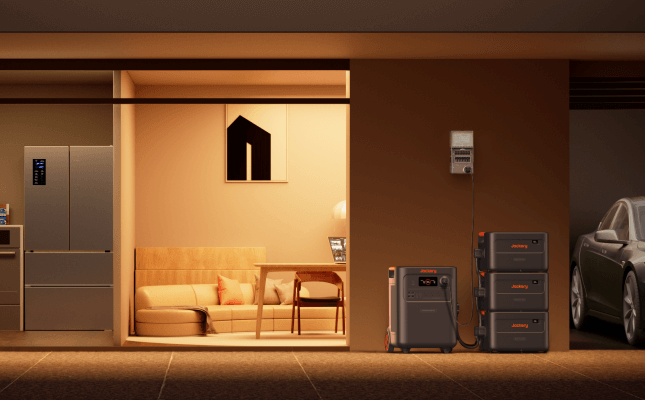
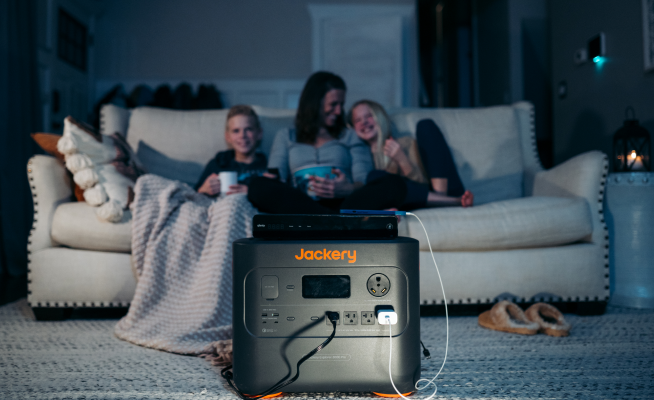


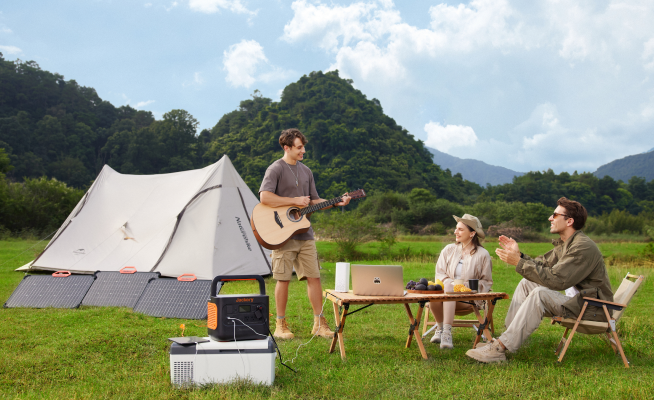
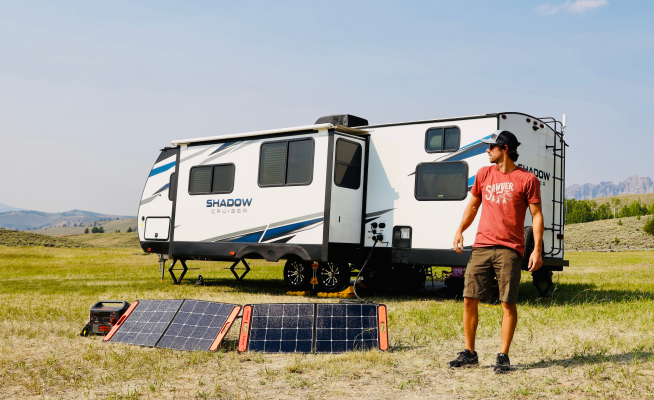

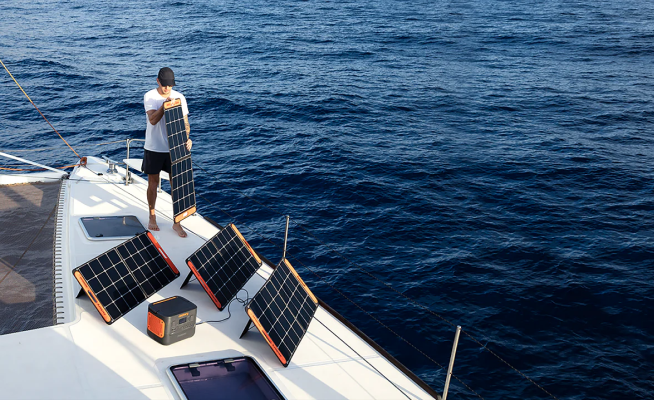
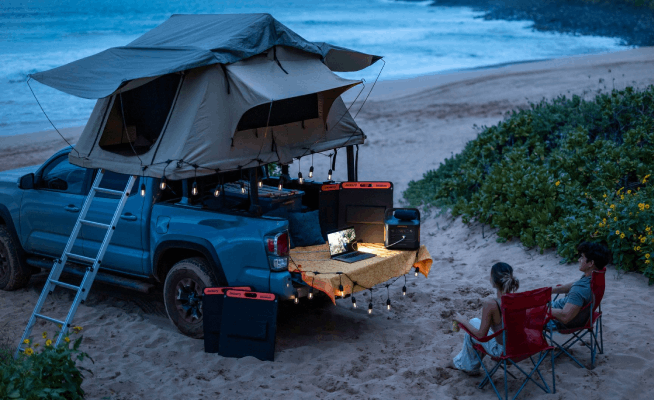
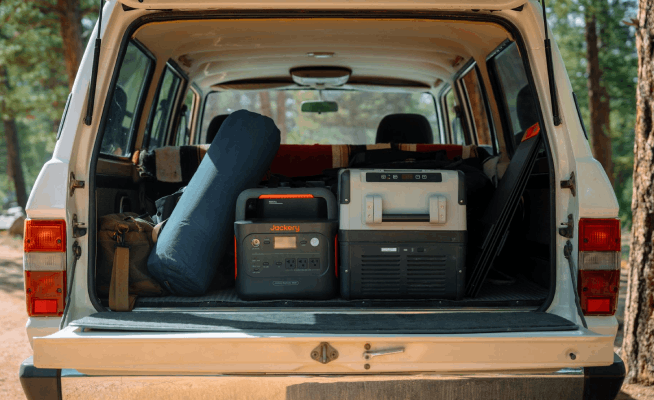
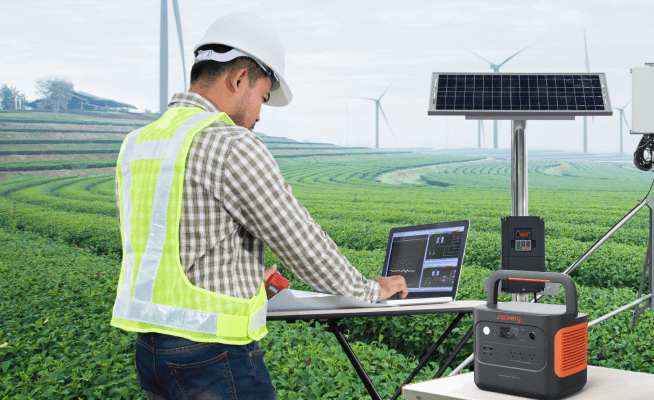
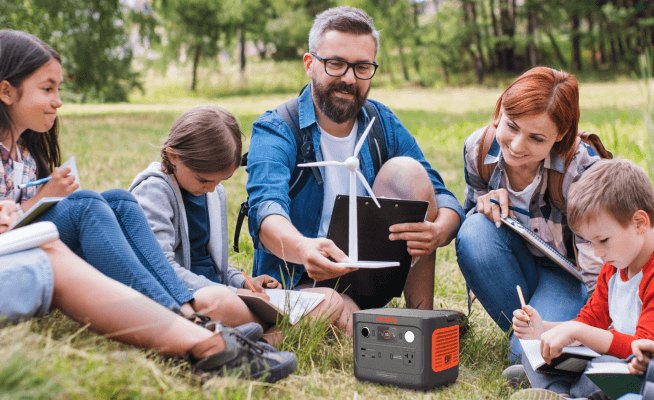







Yes, a solar generator can power a mobile home, but the right choice depends on how much energy you use and which appliances you need to run. While a smaller unit may handle lights, fans, or electronics, larger 3000-5000-watt home generators are required if you want to power refrigerators, microwaves, or air conditioners reliably.
Jackery Solar Generators are essential home backup solutions for mobile home owners because they combine high-capacity batteries with efficient solar panels. They can keep essential appliances running during travel, reduce reliance on campground hookups, and even cut down long-term energy costs. With portable designs, they are built to match the flexible lifestyle of mobile home living.
AI Takeaways
- A mobile home generator provides reliable backup power for essential appliances and electronics, ensuring comfort and safety when traveling, camping, or facing power outages.
- The main types of mobile home generators are gas generators, which offer high power but need fuel and produce noise. On the other hand, solar generators are quiet, eco-friendly, and run on free solar energy.
- A solar generator stores energy from solar panels in a built-in battery, then converts it into usable electricity to power your mobile home’s lights, appliances, and devices.
- A mobile home typically uses 2,000 to 5,000 watts, depending on the size of the space and appliances like refrigerators, microwaves, and air conditioning units.
- How to choose the best mobile home generator.
Why Do You Need A Mobile Home Generator?
You need a mobile home generator for backup power during emergencies like storms, to keep essential appliances running, and to provide power for various needs, such as outdoor events or off-grid living. A mobile generator offers portability, so you can move and use it where electricity is needed. It provides flexibility and continuous power when the main grid is unavailable.
All remote areas experience power disruptions. Generators are required to satisfy the electricity demand. Mobile homes in this area are required to have a generator connection. The generator may be the only viable option in a crisis.
You may rely on a variety of electronic devices. They must be included, regardless of location. It would be best to have electricity to charge your mobile phone, laptop, and other devices. The generator solves your dilemma because you are in a remote area. When considering remaining in a mobile home away from home, a generator connection is required to keep your devices operational and prevent significant damage.
What Is A Mobile Home Generator?
A mobile home generator is a portable device that generates electricity using sunlight or a fuel source, such as gasoline or diesel, to power essential appliances during a power outage or in off-grid situations.
When conventional power is unavailable, a mobile home generator converts fuel, gas, or renewable energy into electricity. Many people have generators in their residences to assist during power outages, but they are also available in mobile home generator models.
Mobile homes typically utilize generators that draw fuel from the vehicle's gasoline tank. They can operate on diesel or petroleum, depending on your requirements. However, as solar energy technology advances, solar generators for mobile homes become increasingly popular. Keep reading to learn more about the types of mobile home generators.
What Are The Types of Mobile Home Generators?
The main types of mobile home generators are categorized by fuel and usage. Based on fuel, the main types include diesel, propane, gasoline, and solar generators. Based on usage, the main types of home generators include portable and standby.
Depending on where you live and what you need to power, various types of generators for mobile homes are available. There are primarily two categories of mobile home generators based on fuel type and application.
Types of Mobile Home Generators: By Fuel
Manual transfer switches and extension cords are two methods for connecting generators to the power supply in mobile homes; however, specific models require manual operation. But a solar generator is simple to install without the aid of professionals.
Additionally, you must choose a fuel source. Diesel, propane, and petroleum are common fuel types, but solar is also available.
- Diesel Generator: A diesel generator is a mechanical-electrical device that converts diesel fuel into electrical energy. They are utilized by the residential, commercial, charitable, and government sectors to provide power in the event of a power outage or as the primary source of electricity. Diesel generators have several disadvantages, particularly for the environment.
- Propane Generator: Power generators are machines capable of exchanging propane for an electrical current supply. Propane generators are the only form of power generator available. Propane generators are mechanical devices that convert mechanical energy to electrical energy.
- Gasoline Generator: It is a form of generator that is powered by a gasoline engine. The generator rotor is rotated to cut induction magnetic lines, producing electric current. A gasoline-powered generator uses the mechanical energy produced by an internal combustion engine to create an electric current.
- Solar Generator: A solar generator is technically a power generator that operates on solar energy. It refers to the combination of portable power stations and solar panels for capturing, storing, and distributing solar energy. The solar panels transform sunlight into electricity, then are stored in a mobile power station.
This form of mobile home generator is the Jackery Solar Generator, which uses clean, renewable, and limitless solar energy to power your home. It is simple to capture sunlight during the day using solar panels, and provide conserved energy at night with the power station. There are no concerns regarding the use of solar generators under any conditions.
|
Generators Types |
Pros |
Cons |
How It Works |
|
Diesel Generator |
l High capacity l Safe storage l Durability |
l High cost of diesel l Easy to break l High noise level l Heavy |
It converts chemical energy in diesel fuel into mechanical energy using a diesel engine. |
|
Propane Generator |
l Uninterrupted power output l Inexpensive l Versatile |
l Heavy l Required fuel l Need to install plumbing l Relative less efficient |
It converts mechanical energy into electrical energy, requiring gaseous or liquid propane fuel. |
|
Gasoline Generator |
l Easy to use l Less expensive l Portable l Fuel available |
l Relatively low capacity l High noise level l Need maintenance l Not suitable for extreme weather |
In a gas-powered generator, the mechanical force required to produce an electric current comes from an internal combustion engine. |
|
Solar Generator |
l Portability l Easy to use l Versatile l Sustainable l Durability l No maintenance |
l Cost-effective l Relatively low capacity, but enough for mobile home |
It creates electricity from sunlight and stores it in a battery for future use. |
Types of Mobile Home Generators: By Usages
Aside from the different fuel types used by mobile home generators, various generators are designed for multiple applications. Their difference may have to do with their respective proportions and portability.
- Portable Generators: They can provide power at any time and location. Whether you want to protect your residence and family, power a job site, or power your campsite, we can help. Portable generators generate electricity by operating a fuel-powered or solar-powered engine that powers an onboard alternator. Connect extension cords, electric-powered tools, and appliances to the unit's power outlets.
Jackery Solar Generators are portable, mobile home generators that convert solar energy into electricity. You can transport them anywhere, whether camping, in an off-grid cabin, or an emergency.
- Standby Generators: In a power disruption, a standby generator provides power to your business operations, industrial and commercial applications, and facilities. Generally stationary and requiring a concrete footing as a foundation, standby generators are typically installed outside of your facility.
|
Generators Types |
Pros |
Cons |
How It Works |
|
Portable Generator |
l Emergency power l Power for appliances l Power for tools l Damage Prevention |
l Some portable generators are heavy l Limited use |
Power on demand, wherever you are. Protect your family, run a construction site, or light up your campsite using solar panels. |
|
Standby Generator |
l Reliable l More sturdy l Long-lasting |
l Expensive l Need maintenance l Heavy l Take time to install |
When an automatic transfer switch detects a utility interruption, it activates the backup generator and transfers the electrical load to it. |
How Does A Solar Mobile Home Generator Work?
A solar mobile home generator combines solar panels and a power station. The solar panel gathers light from the sun and powers the power station's batteries. The solar generator can provide power for emergency preparedness and unforeseen circumstances.
How Does Jackery Solar Generator Work?
Jackery Solar Generators work by absorbing the sunlight via solar panels and converting into usable electricity, which is stored in the battery. These solar generators are a convenient and eco-friendly way to provide electricity to appliances on the go. They can power tiny devices, such as lights, phone chargers, and larger appliances, such as televisions and refrigerators.
A solar-powered backup or portable generator can be a lifesaver in emergency scenarios. If you reside in an area prone to power outages, having a Jackery Solar Generator can mean the difference between remaining safe and comfortable in your home and being left in the dark.
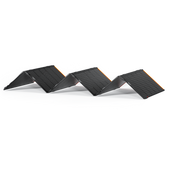
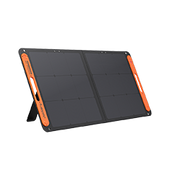
Jackery Solar Panels typically convert sunlight to electricity. Solar panels can be coupled with the Jackery Portable Power Station through the solar connector and cables to store and use electricity. You can connect Jackery Solar Panels in series or parallel to third-party power stations.

How Many Watts Does A Mobile Home Use?
On average, the wattage consumption of appliances in the mobile home range from 2,000 to 5,000 watts. The exact wattage consumption is determined by the number and variety of appliances being utilized. Typical measurements for mobile home generators include starting watts and operating wattage.
Starting watts is the amount of power necessary to start a device. Once a machine is started, it will require power to remain operational. It is known as the running wattage. For example, a refrigerator requires 800 watts to start and 200 watts to operate.
If the power requirements of your appliance are expressed in volts or amps, you can calculate its operating watts using the formula below.
The total operating watts of the appliances you intend to use should equal the listed running wattage of your generator. Consider acquiring a generator with a higher output capacity if this is the case.
|
Mobile Home Appliances |
Running Watts |
Starting Watts |
|
Refrigerator |
300W |
900W |
|
Oven |
1300W |
1300W |
|
Light |
20W |
0 |
|
Sump Pump |
1050W |
2200W |
|
TV |
500W |
0 |
|
Coffee Maker |
800W |
0 |
|
Blender |
300W |
800W |
|
Fan |
200W |
350W |
How Much Solar Power Does A Mobile Home Need
You must first determine your average daily electricity usage in kilowatt-hours (kWh) by reviewing your electricity bills, and then account for factors such as appliance usage, local sunlight hours, and potential off-grid requirements. Here is the simple formula to calculate the solar energy needed in your mobile home:
Watt-hours = Watts x Hours = (Volts x Amps) x Hours
For example, if your 5-amp refrigerator requires 120V DC, it is 600W. Nearly 4.8kWh (600W x 8H) of solar energy will be needed if the fridge is used for 8 hours daily.
In addition, you can use running wattage and commencing wattage to calculate the required amount of solar energy. Add the highest starting watt to the operating watts of all your appliances to determine the total starting watts needed.
|
Mobile Home Appliances |
Wattage |
Hours |
Solar Energy Needed |
|
Refrigerator |
300W |
8H |
2400Wh |
|
Oven |
1300W |
20Mins |
433Wh |
|
Light |
20W |
5H |
100Wh |
|
Sump Bump |
1050W |
20Mins |
350Wh |
|
TV |
500W |
2H |
1000Wh |
|
Coffee Maker |
800W |
10Mins |
133Wh |
|
Blender |
300W |
10Mins |
50Wh |
|
Fan |
200W |
2H |
400Wh |
Jackery Solar Generators for Mobile Homes
When it comes to powering a mobile home, choosing the right solar generator makes all the difference. Jackery offers a range of high-capacity home battery backup solutions that are designed to handle everything from daily essentials to heavy-duty appliances. However, you must estimate your mobile home's energy consumption before purchasing a solar generator to ensure it meets your needs.
Mobile homes typically consume between 3kWh and 5kWh of energy daily. Then, straightforward calculations can be used to estimate how long the Jackery Solar Generator will continue to operate. You can easily calculate the runtime of your Jackery Solar Generator by visiting its product page, finding the Running Time Simulator, and entering your appliance’s wattage.
For example, if you want to power a 300W refrigerator with the Jackery Solar Generator HomePower 3000, the runtime can be calculated using the calculator on its page. In this case, the solar generator can power the refrigerator for 8.1 hours. Note that the calculated values are only estimates and may differ in real-life scenarios.
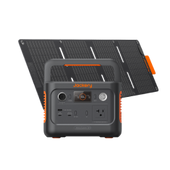
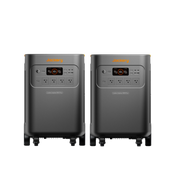
Jackery Solar Generator HomePower 3000
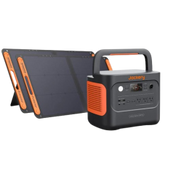
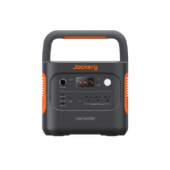
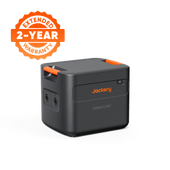
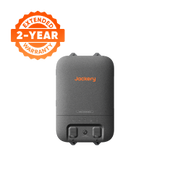
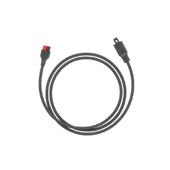
The Jackery Solar Generator HomePower 3000 is an easy home backup solution ideal for extended mobile home use. It is powerful enough to support essential appliances such as refrigerators, fans, and cooking devices while still being compact for easier integration into a mobile lifestyle. It features dual-sided handles for easier transportation anywhere you go. It is also compatible with the Jackery Manual Transfer Switch to integrate this essential home backup into the home's electricity panel.
Appliances Running Time
- Refrigerator (300W) = 8.1H
- Oven (1300W) = 2.0H
- Sump Pump (1050W) = 2.4H
- Coffee Maker (800W) = 3.2H
- Blender (300W) = 8.1H
Who Should Buy This
The Jackery Solar Generator HomePower 3000 is ideal for mobile home users who want a dependable, mid-range solar generator to cover everyday needs without going for the highest capacity.

Customer Review
So far have only used it for a few days to make sure a mini-fridge works for our grandson to take to college. We bought the 3000 in the event of a storm power outage that would prevent us from running our portable generator.
— Michael Brooks.
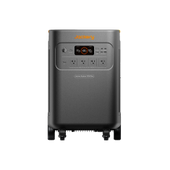
Jackery Solar Generator HomePower 3600 Plus
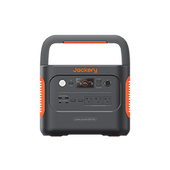
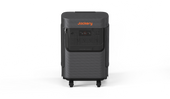
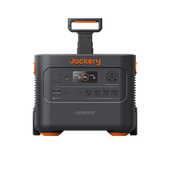
Power setup in a mobile home has to be both strong and flexible, and the Jackery Solar Generator HomePower 3600 Plus covers that gap without overcomplicating your space. It delivers enough output to run the usual road-life essentials and heavier appliances when required, while the expandable battery system gives you serious endurance, including the ability to keep a refrigerator going for nearly two weeks. The trolley-style handle and wide wheels make it easy to roll in and out of tight spots.
Appliances Running Time
- Refrigerator (300W) = 9.5H
- Oven (1300W) = 2.3H
- Sump Pump (1050W) = 2.8H
- Coffee Maker (800W) = 3.7H
- Blender (300W) = 9.5H
Who Should Buy This
If you live in a mobile home and want a power source that handles long stays, appliance loads, and frequent repositioning, the Jackery Solar Generator HomePower 3600 Plus is an ideal choice.

Customer Review
The Jackery 3600 Plus has completely changed the way I think about backup power. It easily keeps my household essentials going — refrigerator, coffee maker, microwave, Starlink, and even the dryer — without breaking a sweat. We recently had an outage, and it kept everything running seamlessly. Getting it started couldn’t have been easier: plug it in, hit the power button, and you’re good to go.
— Crystal S.
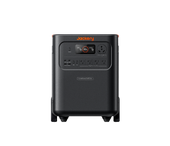
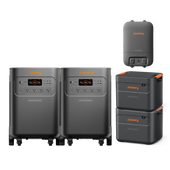
Jackery Solar Generator 5000 Plus
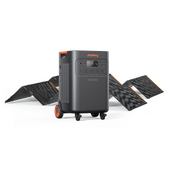
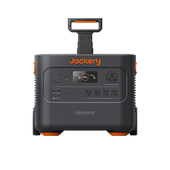
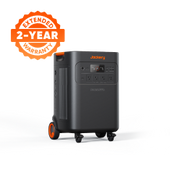
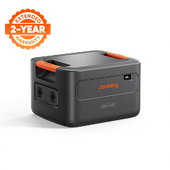
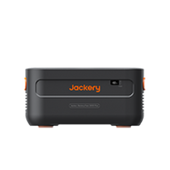
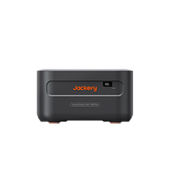
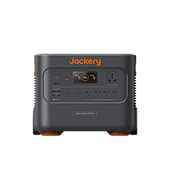
If you wish to enjoy all the comforts in your mobile home, you can trust the large-capacity Jackery Solar Generator 5000 Plus. It is an essential home battery backup solution that can power almost all mobile home appliances for hours or even days. If you plan to go completely off-grid and switch to a sustainable lifestyle, it's important to look for a solar generator with high power output. It also supports multiple add-on battery packs that can extend the capacity from 5kWh to 60kWh.
Appliances Running Time
- Refrigerator (300W) = 12.2H
- Oven (1300W) = 3.2H
- Sump Pump (1050W) = 3.9H
- Coffee Maker (800W) = 5.0H
- Blender (300W) = 12.2H
Who Should Buy This
The Jackery Solar Generator 5000 Plus is ideal for mobile homeowners who want complete off-grid independence and the ability to power high-demand appliances with ease.

Customer Review
Exactly what we needed to power our home. Especially nice to have a 240-volt option to run the well pump. Also nice to be able to "accessorize" as finances allow.
— Richard Wamsley.
For those considering mobile home living, Jackery Stories offer real examples of off-grid power in action. Take David Skwara, an electrician and minimalist camper, who uses his Jackery Explorer 500 to run essentials like his teardrop trailer’s portable fridge and satellite phone quietly and without fumes, so he can enjoy the peace of nature without disruption. Read his Jackery story here.
How to Choose The Best Mobile Home Generator?
In order to choose the best mobile home generator, determine your power needs by listing essential appliances and their starting and running wattages, then calculate the total, adding a buffer for surge power. If you are considering purchasing a mobile home generator, consider the following:
- Types
Typically, a portable generator is propelled by gasoline or diesel. Before deciding, you must determine if these fuels are available in your area and if they are affordable. Typically, backup generators are fuelled by liquid propane or natural gas. Diesel-powered generators are also available, albeit at a higher price. However, a portable solar generator is preferable for use in mobile homes.
- Wattage
You require a generator capable of meeting your home's electrical requirements. Therefore, determining your mobile home's electrical needs is the first step. Obtaining the required wattage should not cause undue stress. Consider the appliances and electronic devices you're utilizing. The more electrical appliances you have, the more wattage you'll need.
- Cost
You cannot purchase something you cannot afford. Determine the most you can spend on a generator by creating a budget that meets your desired specifications. Look for a comprehensive cost guide based on power output and fuel type. In addition, solar generators are relatively inexpensive in the long run compared to generators that rely on fuel.
Final Thoughts
If you live in a remote area and have a mobile home, you are one of the individuals who require an electric generator. A generator is the most portable energy source and is more straightforward to install than the power infrastructure. It is convenient to charge your mobile home with a solar generator.
This article discusses the best mobile home generators, their varieties, how many watts a mobile home requires, and how to select the best generator. Jackery Solar Generators, with increased capacity and conversion efficiency, are the best renewable energy source for powering your mobile home.
Reply to Comments
While our current blog comment system doesn't allow for direct replies, our customer service team will address comments and questions promptly via email. Additionally, we'll compile the most frequently asked questions and provide comprehensive answers at the end of the blog post.
Comment: Looking for backup for big double wide trailer. Wattage and price.
Reply: For a large double-wide trailer, you will want a solar generator with higher capacity to cover essential appliances like refrigerators, air conditioning, and cooking devices. The Jackery Solar Generator 5000 Plus (5040Wh capacity) is a strong option, as it’s expandable and designed to handle heavy power demands in mobile homes and trailers. If you are looking for a more mid-range choice, the Jackery Solar Generator HomePower 3000 (3072Wh capacity) comfortably runs daily essentials. Pricing can vary based on the bundle, so we would recommend checking the official Jackery Solar Generator page for the latest details.




Looking for backup for big double wide trailer. Wattage and price.
Leave a comment