





![[Add-on] Jackery SolarSaga 500 X - Jackery](http://www.jackery.com/cdn/shop/files/add-on-jackery-solarsaga-500-x-1493607.webp?v=1786503068&width=324)
![[Add-on] Jackery Battery Pack 5000 Plus - Jackery](http://www.jackery.com/cdn/shop/files/add-on-jackery-battery-pack-5000-plus-6713401.webp?v=1786503068&width=324)



![[Add - on] SolarSaga 200W - Jackery](http://www.jackery.com/cdn/shop/files/add-on-solarsaga-200w-4834329.png?v=1754016915&width=324)


Hosting a massive commercial fan zone or stadium watch party during a major sporting event requires a robust, flawless electrical strategy. To run heavy LED video walls, professional sound systems, and multiple food vendor stalls simultaneously, your backup power system must deliver 30 kW to 60 kW of continuous load without a single brownout.
While relying on loud, exhaust-spewing diesel generators is increasingly restricted by modern stadiums, a tailored commercial solar panel installation provides a silent, code-compliant, and highly efficient solution.
What are the Real Challenges of Temporary Fan Zone Power?
Designing an off-grid solar energy system for a stadium outbuilding presents unique physical and environmental constraints:
- Rooftop Obstruction Shading: Air-handling units, satellite dishes, and parapet walls on stadium roofs can cast heavy shadows over your solar array. In a standard fixed-string setup, even partial shading on a single module can slice your total system output by 30% to 50% during peak sun hours.
- Limited Contiguous Roof Area: A standard 50 kW array using high-efficiency 400W panels requires approximately 6,000 to 7,500 square feet of clean, unshaded roof space. Many outbuildings do not have this contiguous footprint free of vents, skylights, or mechanical equipment.
- Summer Thermal Hardening: Roof surfaces can easily reach 65 degrees Celsius (149 degrees Fahrenheit) on hot summer afternoons. If your inverters and charge controllers lack active, fan-forced cooling, they will experience thermal throttling and shut down at the exact moment your fan zone is drawing peak power.
- Zero Tolerance for Downtime: Unlike residential setups, commercial watch parties tolerate zero downtime. A single power glitch forces video walls to go through a 90-second reboot cycle, crashes POS terminals, and disrupts sales—directly costing real revenue.
What is the True Power Demand of a Stadium Watch Party?
To prevent overloads, you must calculate the composite electrical load of your entire fan zone setup during a typical 6-hour event:
- LED Video Walls: Commercial-grade, high-density LED walls draw substantial continuous power. A standard 5x4 matrix wall can easily draw 2 kW to 6 kW of power before factoring in the media servers and processors.
- Professional Audio Systems: Line arrays, stage monitors, and subwoofers required to deliver clear commentary to a crowd of 2,000 to 5,000 people will pull a steady 5 kW to 15 kW of continuous power.
- Temporary Vendor Stalls: Food trucks, cooling fridges, and cooking appliances add massive, highly volatile loads. A single commercial espresso machine draws 3,600W, while electric fryers can draw up to 5,000W. Across ten stalls, this creates an intermittent demand of 15 kW to 25 kW.
- Stadium-Quality LED Lighting: Lighting a 50,000-square-foot outdoor fan zone to safe evening levels requires approximately 50 high-efficiency fixtures, drawing about 2 kW to 5 kW of power.
- Combined Surge Currents: Large motor startup currents (from vendor refrigeration compressors and AC units) can temporarily draw 3 times their running wattage. Your inverter must be sized to handle these massive inrush surges.
Summing these individual loads reveals that a standard stadium fan zone requires a composite load of 30 kW to 60 kW, consuming between **200 and 800 kWh** of total daily energy.
How Do You Size a Commercial Solar Array for Peak Event Loads?
Sizing a commercial solar array must be data-driven. Do not guess; use a detailed spreadsheet to list every appliance's continuous draw, surge requirements, and runtimes:
- Calculate Total Daily Energy (kWh): Multiply each load's wattage by its total hours of use and sum them. For a typical fan zone (video wall, sound, lighting, and vendor rows with a 70% diversity factor), your baseline consumption will hover around 158 to 200 kWh.
- Factor in System Efficiencies: Divide your raw load by your inverter's efficiency (typically 92% to 96%) and your battery's round-trip efficiency (90% to 95%). For a 200 kWh daily load, your array must produce approximately 242 kWh before the inverter stage to cover conversion losses.
- Convert to Array Size: Divide your gross required production by the site's average peak sun hours (typically 3.5 to 5.5 hours). With 4.5 peak sun hours, you will need a 55 kW to 60 kW solar system to fully cover your daily needs. Sizing your panels accurately is essential; check our guide on how many watts of solar power are needed to understand the math.
- Calculate Panel Count: Divide your target system capacity by individual panel wattage. If you are using high-efficiency 400W panels, a 50 kW array requires exactly 125 panels.
How Do You Overcome Rooftop Shading, Heat, and Limited Space?
To maximize your solar harvest on a crowded, obstacle-filled stadium roof, apply these advanced engineering principles:
- Use Microinverters or DC Optimizers: These allow each panel to operate independently. If a vent pipe shadow blocks one panel, the remaining modules in the string continue to produce at 100% capacity, eliminating the "single-shade" string penalty.
- Install Bifacial Solar Panels: Bifacial panels capture reflected light from white, highly reflective commercial roofs, generating 5% to 15% more energy in tight, space-constrained footprints.
- Utilize East-West Panel Orientation: Placing panels in an east-west configuration allows you to pack more kW per square foot of roof space than traditional south-only racking, while flattening the midday peak to match your long-duration event load.
- Ensure High-Voltage Long Strings: Designing high-voltage (800V to 1000V) DC strings minimizes voltage drop and reduces cable losses, keeping more solar energy flowing to your batteries.
Why is Battery Storage the Backbone of Event Reliability?
To ensure 100% reliability, your commercial solar panel installation must be paired with high-capacity battery storage. Utilizing solar battery storage for commercial applications provides several vital operational benefits:
- Long-Lasting, Stable Chemistry: Prioritize Lithium Iron Phosphate (LiFePO4) chemistry. Unlike NMC, LiFePO4 carries a negligible risk of thermal runaway in extreme heat, requires zero active maintenance, and supports over 5,000 cycles.
- Outlast Cloud Cover: Size your battery storage to run your critical loads for at least 4 to 6 hours (typically 200 to 500 kWh). If a massive cloud bank blocks the sun, the battery bank must be able to carry the entire fan zone without interruption.
- Black-Start Capability: Ensure your inverter and battery management system are configured for "islanding" with a form-C relay, allowing the off-grid system to safely re-energize itself without any grid utility support.
- Hybrid Generator Integration: For multi-day tournaments during overcast weather, integrate your hybrid inverter with a clean, low-emission generator. The generator only runs for 1 to 2 hours during low-activity windows to top off the batteries, allowing you to run silently during the event itself. To evaluate alternative setups, consult our overview of the best generators for events.
How Can You Mitigate Commercial Demand Charges and Surcharge Risks?
For commercial event organizers, managing utility bills is all about controlling peak power draws:
- The Demand Charge Burden: Commercial utility bills are heavily driven by peak demand charges, which can add $15 to $40 per kW to your monthly bill. A single 15-minute spike at 60 kW can add up to $2,400 to your bill.
- Battery Peak Shaving: While solar panels reduce your total consumption, they cannot eliminate demand charges on cloudy days. Sizing your battery to perform "peak shaving"—discharging stored solar power during high-load vendor cooking spikes—caps your grid draw and saves thousands.
- Time-of-Use (TOU) Arbitrage: Use your battery system to store cheap, off-peak grid power late at night (e.g., at $0.08/kWh) and discharge it during peak afternoon hours when rates climb to $0.25/kWh or more.
- Power Purchase Agreements (PPAs): If you want to avoid upfront capital expenses, PPA models allow a third party to install and maintain the solar infrastructure on your stadium. You simply buy the clean power at a fixed rate below the utility's retail price.

What are the Differences Between Temporary and Permanent Solar Designs?
Before investing, evaluate whether your watch party events require a permanent fixed installation or a temporary, mobile setup:
|
Operational Metric |
Temporary Mobile Setup |
Permanent Fixed Installation |
|
Best Suited For |
3 to 5 seasonal watch parties or one-off events per year. |
Multi-use stadiums hosting more than 100 event days per year. |
|
Hardware |
Containerized solar systems (10–30 kW) or portable battery carts. |
Fixed roof or carport arrays connected to permanent battery banks. |
|
Permitting Timelines |
Fast; typically permitted as temporary portable generators. |
6 to 12 months for structural, fire, and utility interconnection reviews. |
|
Structural Roof Load |
None (no physical roof penetrations are required). |
Requires extensive structural reviews to handle 3–5 lb/ft² dead loads. |
|
Capital Cost (CapEx) |
Lower upfront costs; pay-per-use configurations. |
Higher initial capital investment with long-term ROI. |
Which Portable Power Solutions are Best for Scalable Fan Zones?
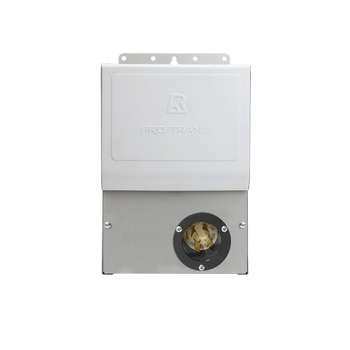
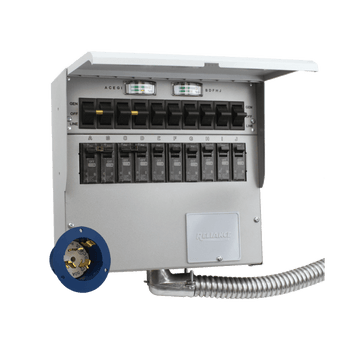
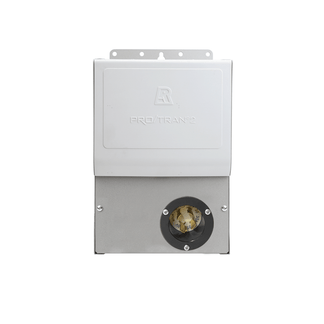
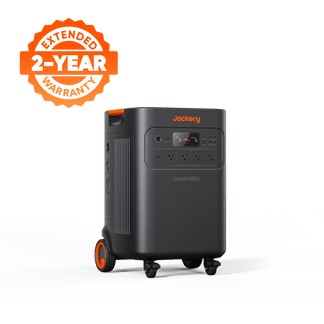
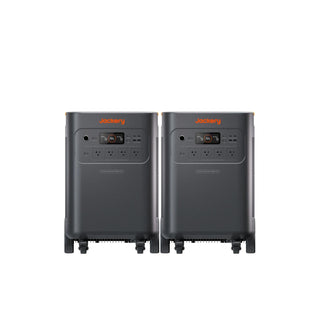
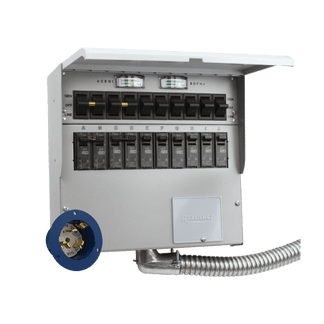
If permanent commercial solar panel installations are unviable due to structural limits or permitting delays, Jackery's expandable, pre-certified LiFePO4 systems deliver instant, silent, and emission-free power. These units can easily connect to your manual distribution panels. To learn how, read our guide on connecting a solar generator to a breaker panel:
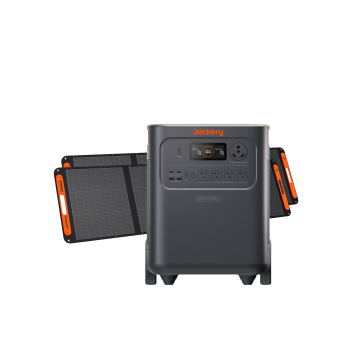
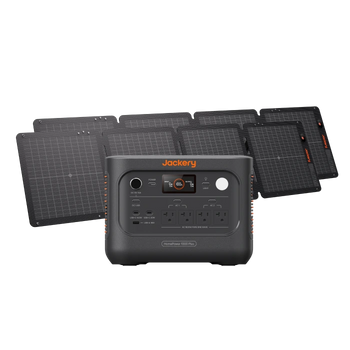
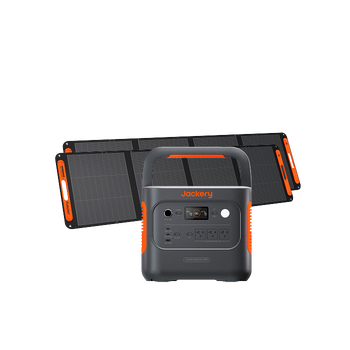
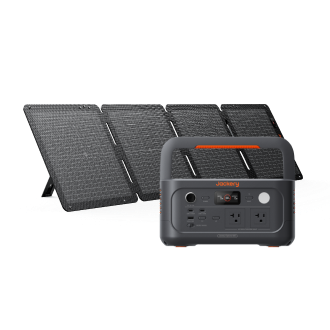
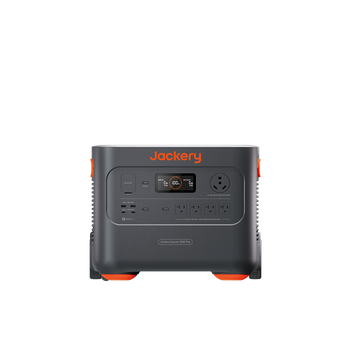
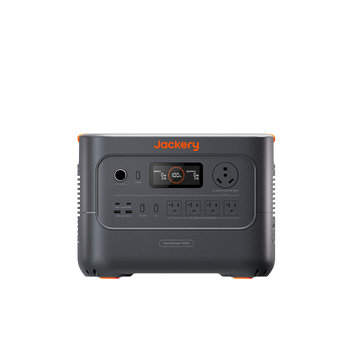
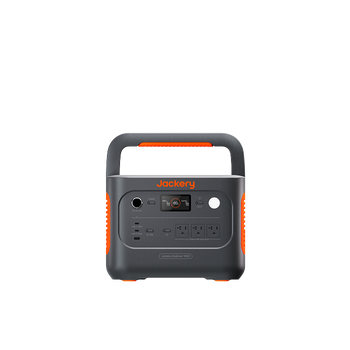
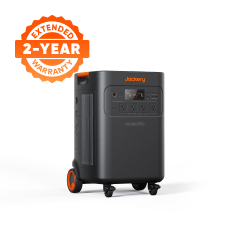
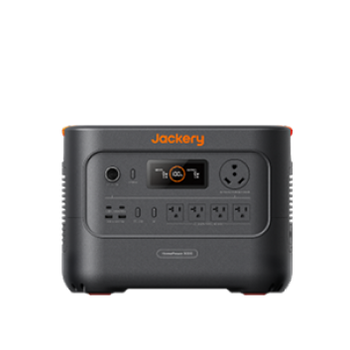
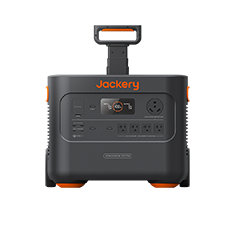
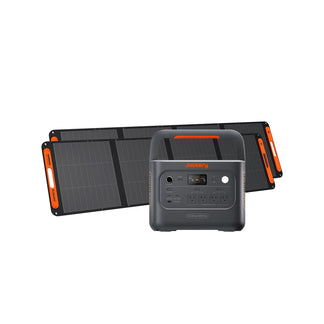
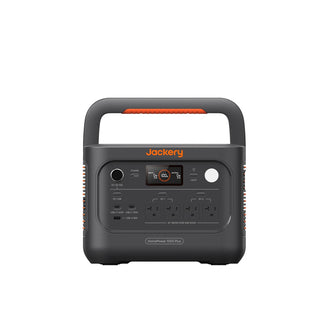
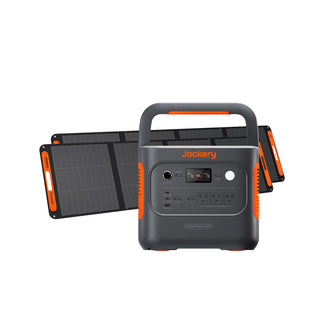
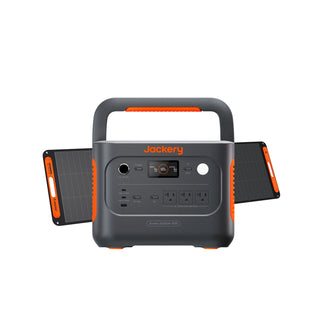
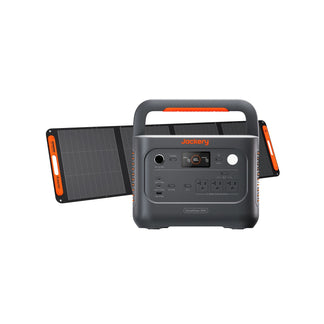
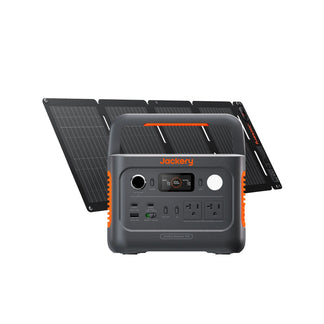
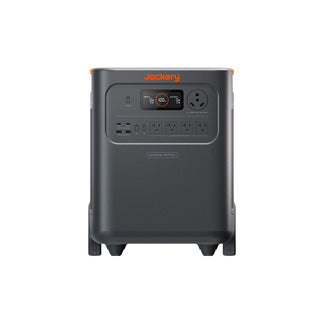
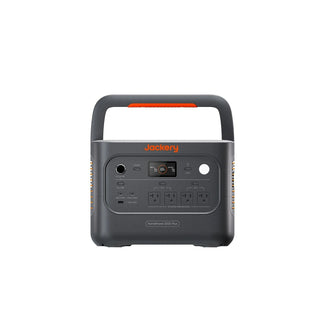
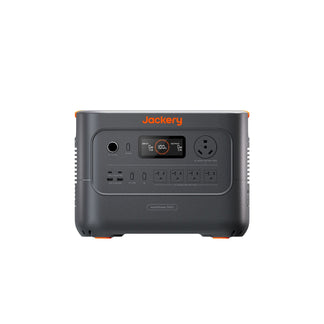
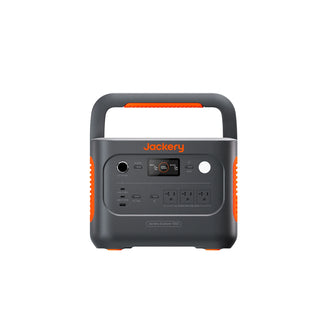
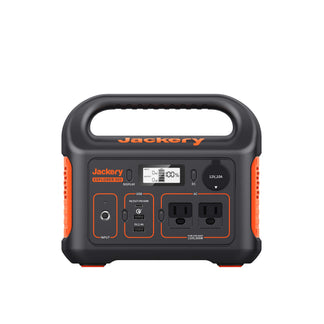
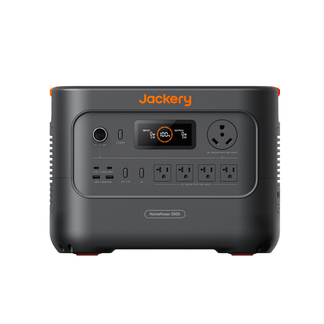
Jackery Solar Generator HomePower 3600 Plus
The perfect silent power backup designed for individual vendor stalls and food trucks:
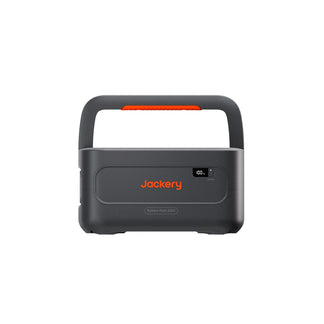
- Specs & Capacity: Holds a 3,584 Wh base capacity (expandable to 21.48 kWh) to run a standard 60W vendor refrigerator for up to 50 hours continuously.
- Clean Output: Delivers 3,600W of continuous power (7,200W surge) to safely run commercial espresso machines and LED displays simultaneously.
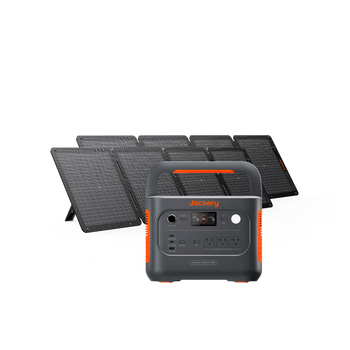
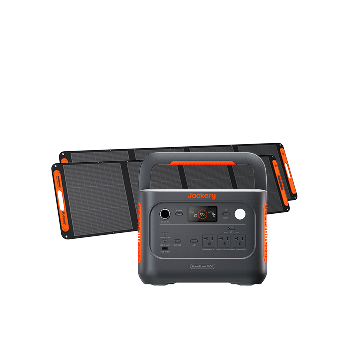
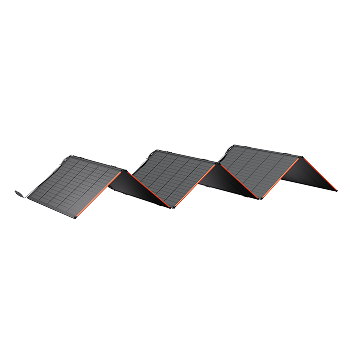
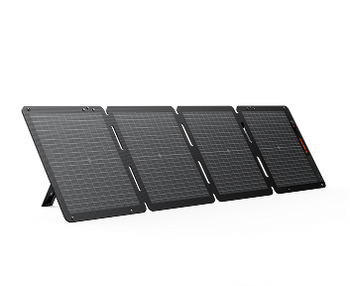
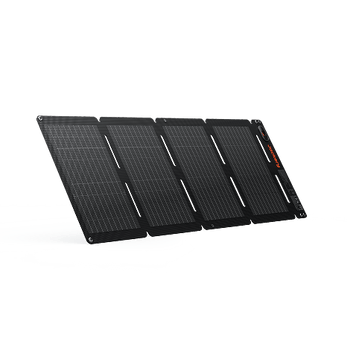
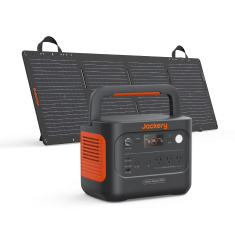
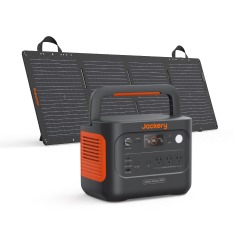
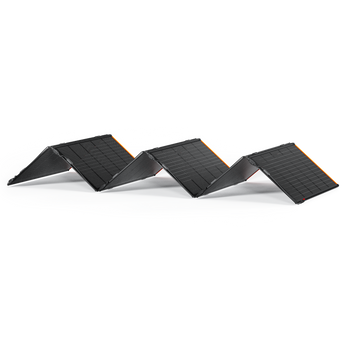
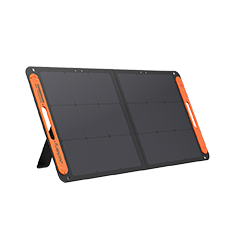
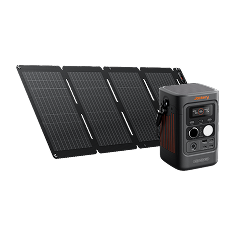
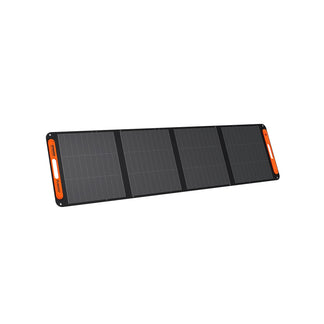
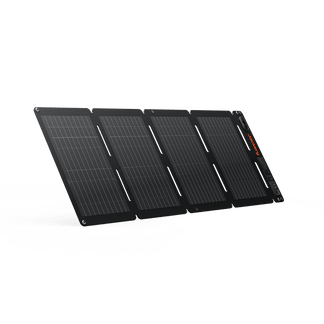
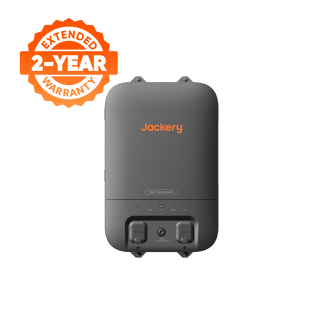
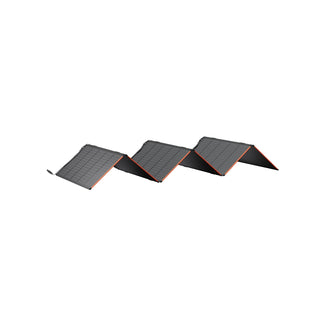
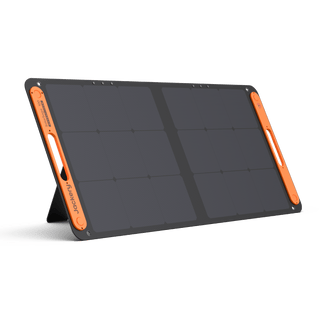
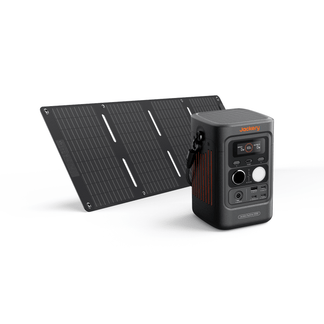
- Rapid Recharging: Fully recharges in just 2.5 hours from an AC outlet, or recharges off-grid using the SolarSaga 500X Solar Panel.
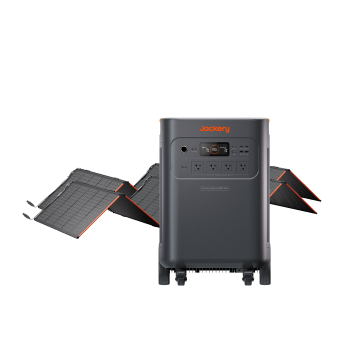
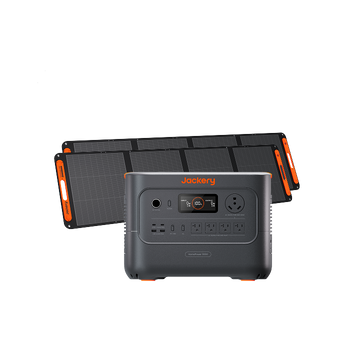
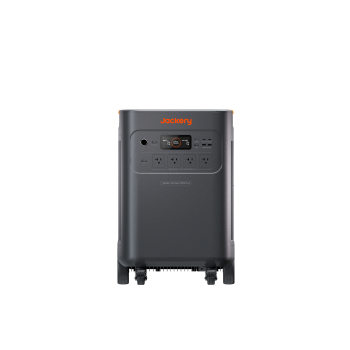
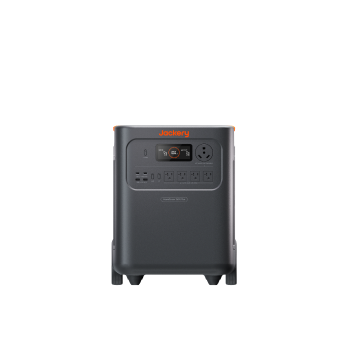
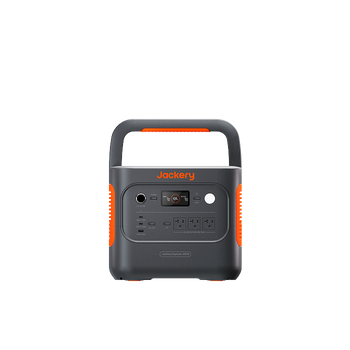
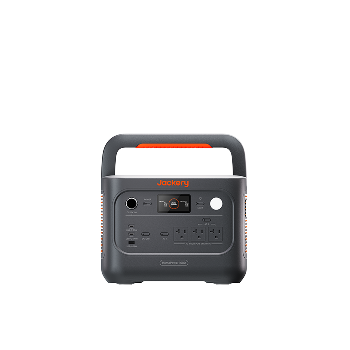
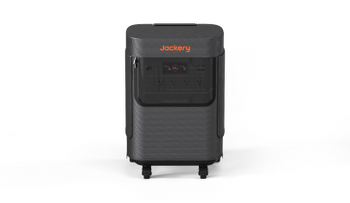
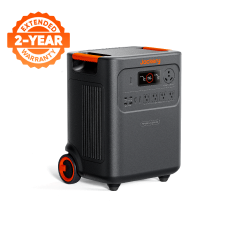
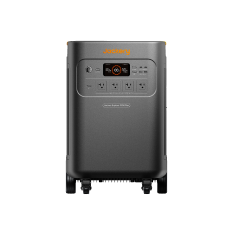
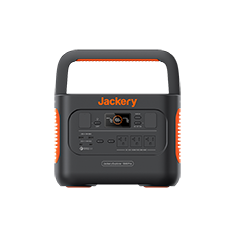
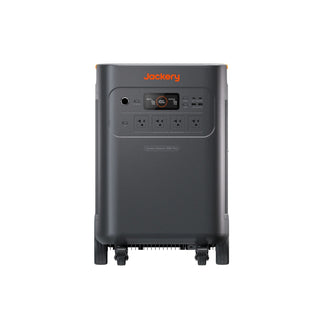
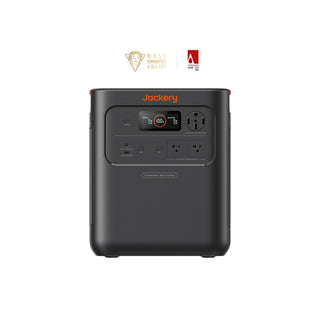
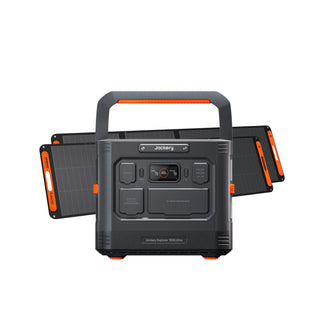
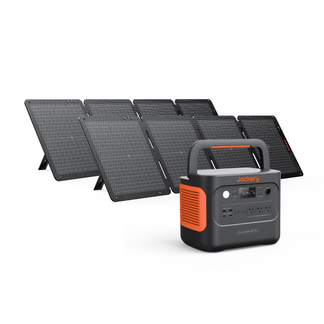
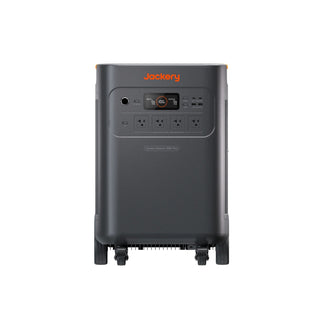
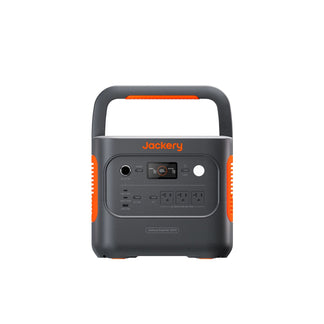
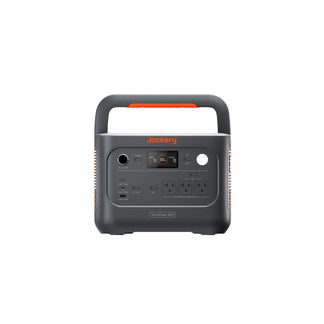
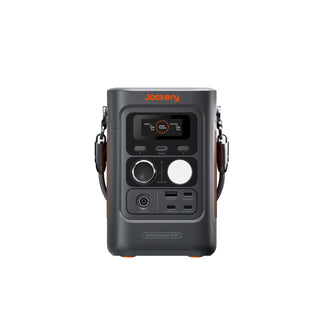
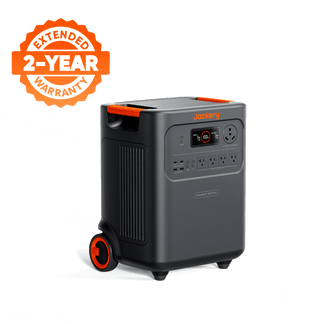
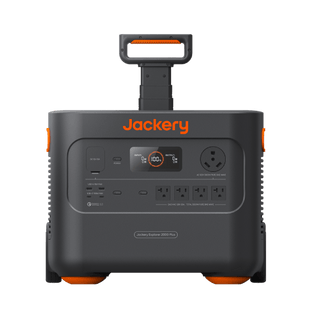
Jackery Solar Generator 5000 Plus
The high-output, split-phase power station designed for full fan-zone infrastructure:
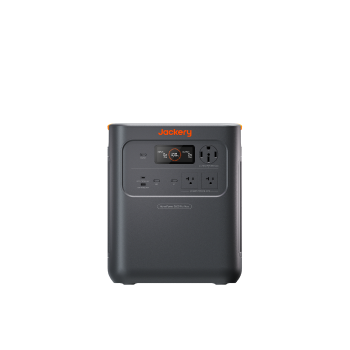
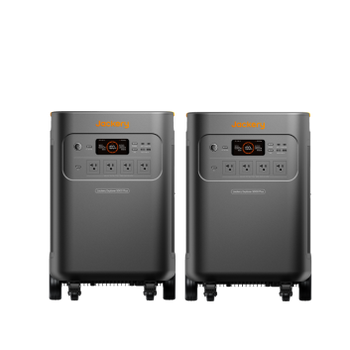
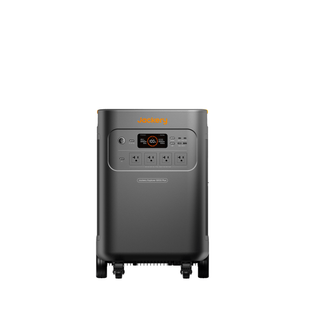
- Brute-Force Output: Delivers 7,200W of continuous output and 14,400W of surge capacity, supporting dual-voltage 120V/240V to power heavy-duty sound systems and large video screens.
- True 0ms Online UPS: Features a true 0ms online UPS switchover, ensuring absolutely zero relay delay or screen flickering during power grid transitions.
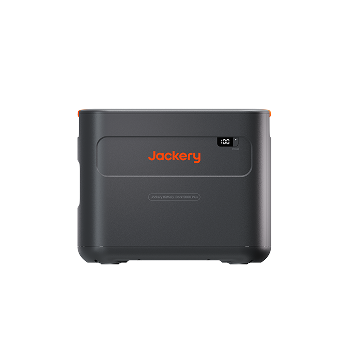
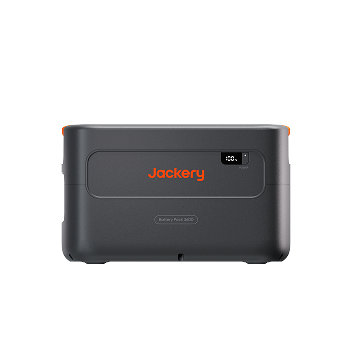
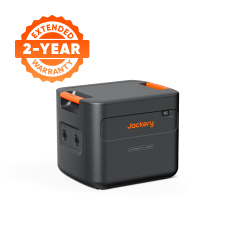
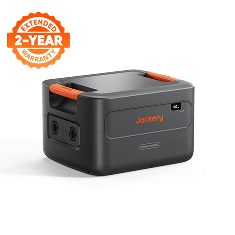
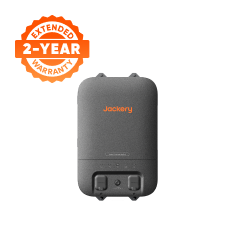
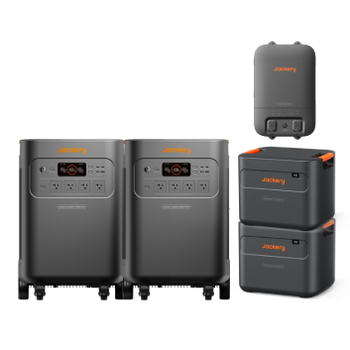
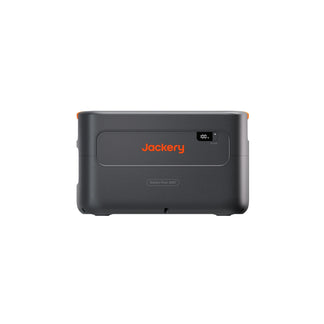
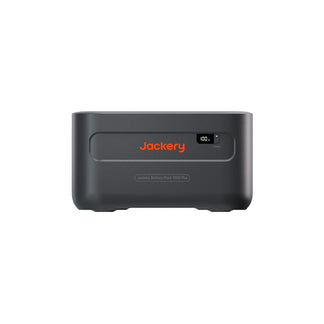
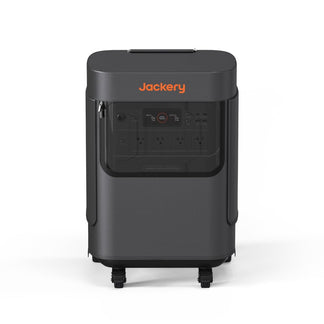
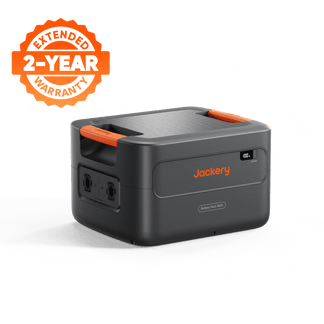
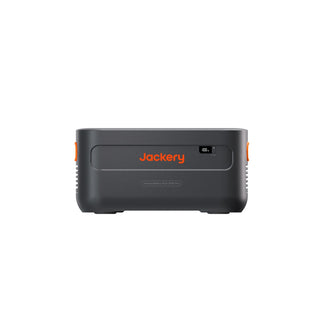
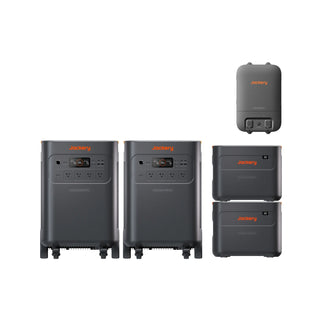
- Scalable Capacity: Starts at 5,040 Wh of base capacity and scales up to 60 kWh with add-on battery packs.
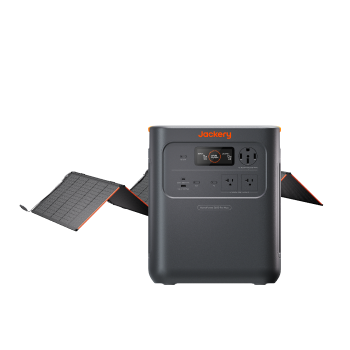
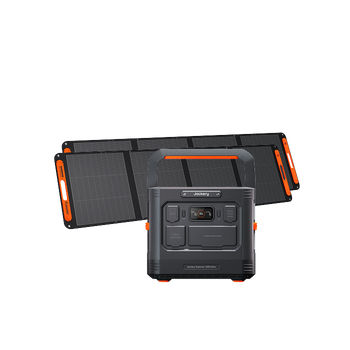
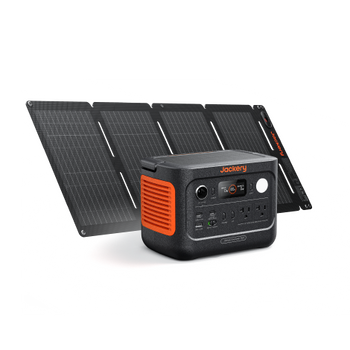
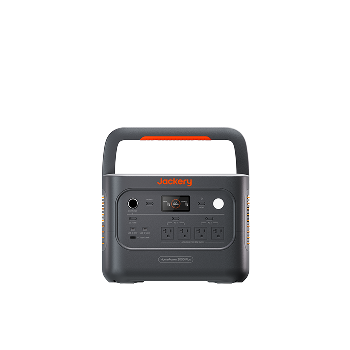
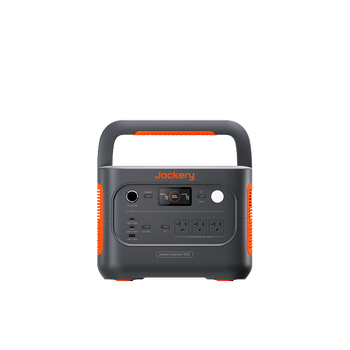
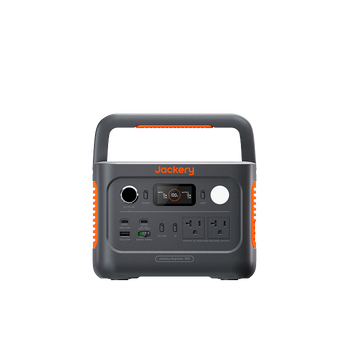
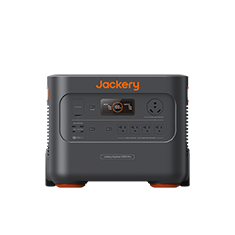
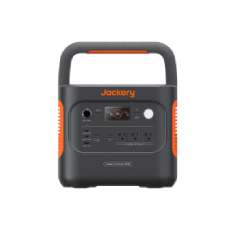
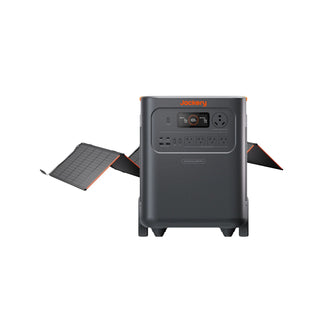
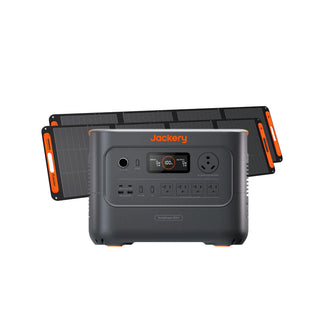
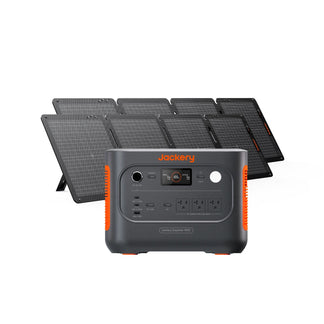
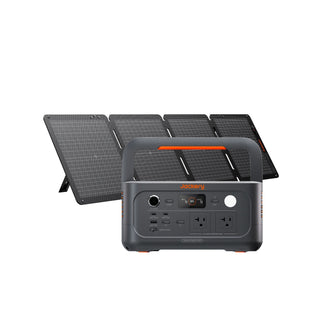
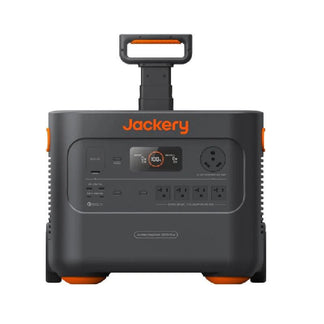
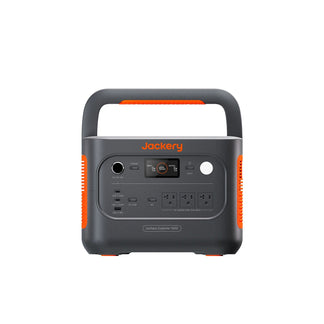
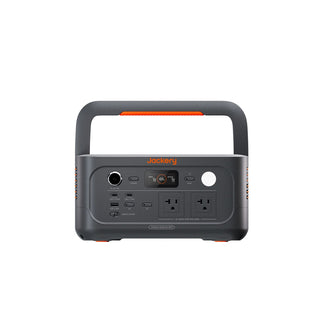
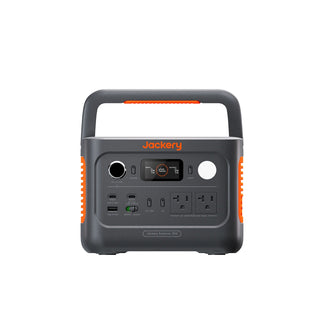
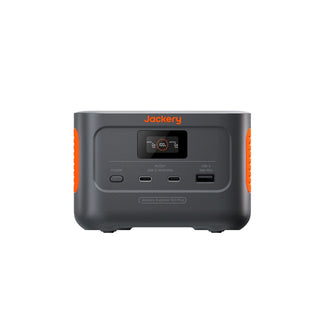
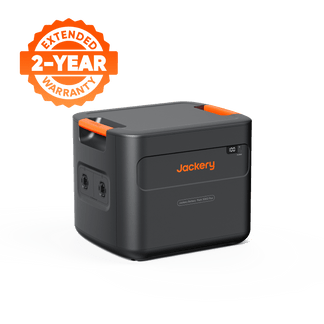
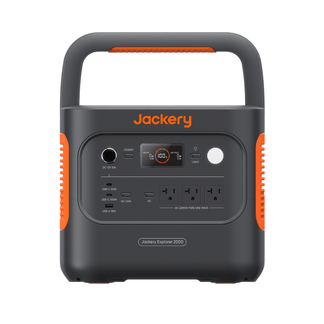
Jackery Solar Generator 2000 v2
The compact, lightweight, and versatile backup system designed for VIP lounges and single circuits:
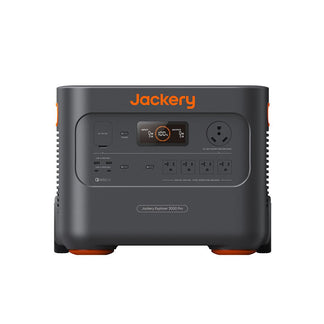
- Specs & Portability: Packs 2,042 Wh of capacity into a portable, 39.5-pound frame that can run a 400W refrigerator for 4 hours or power LED string lighting for 59 hours on a single charge.
- Emergency Fast Charge: Recharges from empty to 100% in 1.7 hours from a standard AC outlet, making it perfect for rapid turnaround between events.
Frequently Asked Questions
How long can a solar generator power a stadium video wall?
A standard 5,040 Wh unit can power a 400W LED video wall for more than 10 hours. Sizing your battery capacity to match your screen size and brightness allows you to scale the runtime to cover an entire multi-day tournament without recharging.
Is a permanent commercial solar panel installation necessary for temporary watch parties?
No. For seasonal or temporary watch parties, portable solar generators provide the necessary off-grid power at a fraction of the cost with zero permitting delays. Permanent installations are only recommended if the venue hosts more than 100 event days per year.
How do I calculate the runtime of my battery backup for back-to-back events?
Multiply your total battery capacity by 0.9 to account for internal inverter losses, and then divide by the continuous wattage drawn by all connected appliances. For example, a 10,000 Wh battery running a 6,000 W continuous load will yield approximately 1.5 hours of runtime.
What happens when a massive cloud bank cuts solar production during an event?
Your battery storage must be sized to carry the complete fan zone load through the longest expected overcast period (typically 3 to 4 hours) rather than relying only on the peak sun window.
Can I connect portable solar generators to a permanent rooftop solar array?
Yes, provided you have a manual transfer switch or hybrid inverter installed to safely isolate the systems. This prevents dangerous electrical backfeeding and ensures safe, code-compliant operation.


