






















![[Add-on] Jackery Battery Pack 5000 Plus - Jackery](http://www.jackery.com/cdn/shop/files/add-on-jackery-battery-pack-5000-plus-6713401.webp?v=1786503068&width=324)




















If you are looking for a cleaner, quieter, and low-maintenance battery backup power solution for home backup or outdoor adventures, a solar generator is a better choice. However, if you need affordable and instant high-wattage output for heavy tools or extended off-grid work, gas generators may better suit your needs.
Choosing between solar and gas generators comes down to how often you will use them, the devices you need to power, and whether you are prioritizing convenience or cost efficiency in the long run. In this solar vs. gas generator article, we break down the major differences, features, maintenance, portability, and use cases, so you can decide what works for your situation.
Takeaways
- Solar generators offer a clean, quiet, and low-maintenance solution. It is ideal for indoor use, emergency preparedness, and long-term sustainability.
- Gas generators provide high power output and immediate performance. It might be an ideal choice for heavy-duty job sites and extended outages without sunlight.
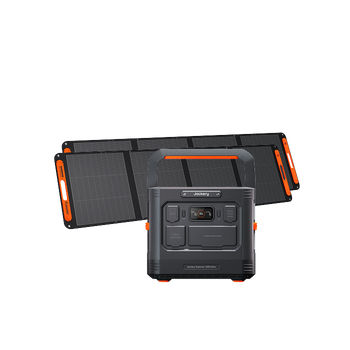
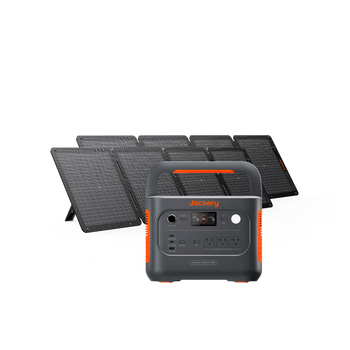
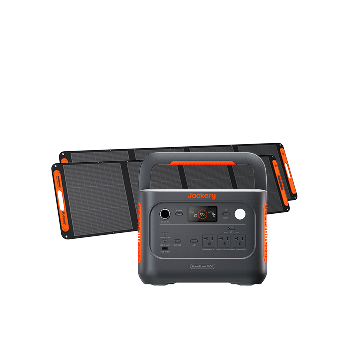
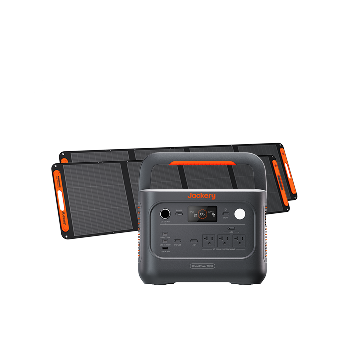
- Jackery Solar Generators are essential home backup solutions that can easily run most of the appliances for long hours and can even be transported anywhere you go.
- How do the features of solar and gas generators compare.
- Which generator fits your use case best.
What Should You Choose: Solar or Gas Generator?
Choosing between a solar and a gas generator depends on what you are using it for, how often, and where you will be using it. Each type has its strengths and trade-offs, and the choice will vary based on your priorities, such as sustainability, long runtime, ease of use, or power output.
According to a report by the US Census Bureau's American Housing Survey (AHS), 33.9 million or 1 in 4 households reported a power outage at least once in the 12 months. Nearly 70% or 23.6 million of the households reported a power outage that lasted 6 hours or more, highlighting the need for a reliable home battery backup system.
In order to make the choice easier, you must compare solar and gas generators across several key areas:
- Key Features and Specs: How do they differ in design, performance, and output?
- Functionality: How do they work, and what does the setup look like?
- Portability: Which one is easier to carry, store, or travel with?
- Ease of Operation and Maintenance: Which requires more hands-on work?
- Safety and Environmental Impact: How safe are they for home or enclosed use?
- Noise Levels: Which one runs quieter?
- Use Cases: Which generator works better for: Home Backup Power, RV Living or Travel, and Outdoor Events or Emergency Situations?
How Do the Features of Solar and Gas Generators Compare?
Choosing between a solar and gas generator involves understanding how each option fits into your daily life or emergency plan. Understanding how they differ in features such as portability, maintenance, safety, and environmental impact can help you make a more informed decision.
What are the Key Features of Solar vs. Gas Generators?
Solar generators are clean, quiet, and low-maintenance, while gas generators offer higher power output and longer continuous runtime but require fuel, ventilation, and frequent maintenance. The right choice depends on whether you prioritize ease of use and sustainability or raw power and runtime.
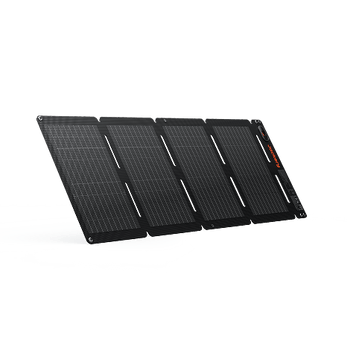
- Solar generators combine solar panels, batteries, charge controllers, and inverters into an all-in-one system. They are ideal for users who want a plug-and-play backup solution without dealing with gasoline, noise, or emissions.
- Gas generators rely on combustion engines powered by gasoline, diesel, or propane. They are capable of generating large amounts of power continuously. But this power comes at the cost of regular oil changes, engine servicing, fuel storage, and noisy operation.
How Does the Functionality of Solar and Gas Generators Differ?
Solar generators operate quietly and automatically with minimal effort, while gas generators need manual handling, refueling, and regular maintenance. Your choice depends on whether you prefer a set-it-and-forget-it ease or a higher level of power with more involvement.
- Solar generators are plug-and-play systems. Once set up, the power stations recharge via solar panels and deliver power without noise or fuel. They are ideal for home use, RVs, and emergencies, especially when safety and convenience are priorities.
- Gas generators require manual start-up, regular fuel refills, and ongoing engine maintenance. While they can handle heavier loads, they are louder and need more hands-on control. They are better suited for job sites that require high output.
One of the most noticeable differences between solar and gas generators becomes clear during periods of fuel price volatility. In early March 2026, disruptions in global oil supply pushed Brent crude above $100 per barrel, leading to a rapid rise in US gasoline prices. In Massachusetts, the average price at the pump increased by about 40 cents within a single week, indicating the sharpest jump since 2022. California saw prices reach around $5.20 per gallon, while Colorado experienced monthly increases of more than 20%.
For gas generators, operating costs are directly tied to fuel prices, which can change quickly due to global market conditions. When gasoline prices rise, the cost of running a gas generator rises with them. Solar generators work differently. They generate power from sunlight, which is freely available and unaffected by disruptions to fuel supplies. This difference in how energy is sourced can make solar generators a more predictable and stable option for powering essential devices during outages or emergencies.
Which Generator is More Portable and Travel-Friendly?
Solar generators are generally more portable and user-friendly for travel, especially with foldable solar panels and compact battery backups. On the other hand, gas generators tend to be heavier, bulkier, and less ideal for quick setup on the go.
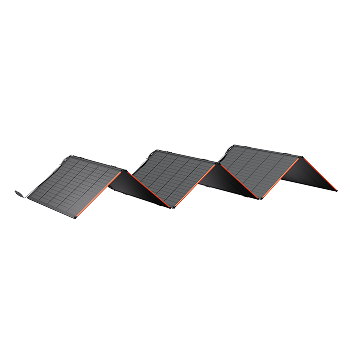
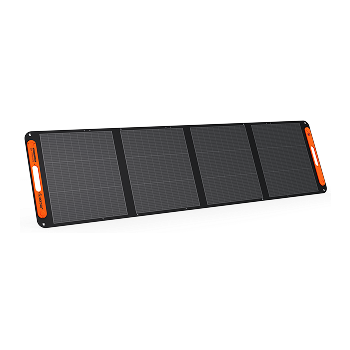
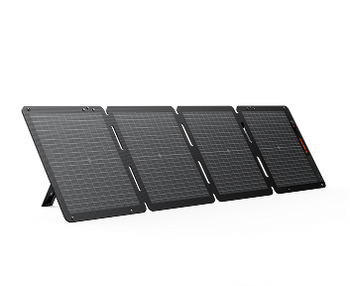
- Solar generators are designed for mobility. Most models come with sturdy handles and foldable solar panels that fit neatly into RVs, cars, or even backpacks. They are especially great for weekend travelers, campers, and van-lifers who want hassle-free power.
- Gas generators are much bulkier and typically come with metal frames, wheels, and fuel tanks. Their weight and fuel requirements make them harder to transport, and using them in parks or campsites may require permits or be prohibited due to noise or emissions.
Which Generator is Easier to Operate and Maintain?
Solar generators are significantly easier to operate and require almost no maintenance, while gas generators demand regular upkeep, fuel handling, and mechanical checks.
- Solar generators are easier to operate and maintain. You simply connect the solar panels, charge the battery backup, and plug in your devices. There are no moving parts, oil changes, or fuel management required. Most models feature LCD displays that display battery levels and input/output statistics, making them user-friendly for anyone.
- Gas generators require more effort to maintain. You need to monitor fuel levels, refill gas, change the oil regularly, clean spark plugs, and store them properly during off-seasons. Starting them may require manual pulling or choke adjustments, and improper use can lead to breakdowns.
Which Generator is Safer and More Environment-Friendly?
Solar generators are safer and more environmentally friendly than gas generators, which emit harmful fumes and pose higher risks in enclosed spaces.
- Solar generators operate silently and cleanly. They don't produce any emissions, fumes, or heat during use, making them safe to run indoors or in small spaces. Since they do not involve fuel combustion or moving parts, there's also no risk of carbon monoxide poisoning, fire hazards, or fuel leaks.
- Gas generators release carbon monoxide and other pollutants, making them dangerous to use indoors or near living areas. Improper ventilation can lead to life-threatening situations. Additionally, fuel storage poses a fire risk, and handling gasoline can be messy and hazardous.
Which Generator is Quieter?
Solar generators are significantly quieter than gas generators, making them the better option for indoor, nighttime, or noise-sensitive use.
- Solar generators operate silently, with a noise level of under 30dB, which is comparable to the quietest library. Since they don't rely on engines or moving mechanical parts, they generate little to no noise. This makes them ideal for use in homes, during camping, or in emergency situations.
- Gas generators produce constant engine noise, which often ranges from 65 to 100dB, depending on the size and load. That is as loud as a vacuum cleaner or even a motorcycle, and you might need to look for how to make a generator as quiet as a cricket. They can disturb neighbors, interrupt sleep, or violate noise regulations in certain residential or outdoor areas.
Which Generator Fits Your Use Case Best?
The best generator depends on your needs and use case. For example, solar generators are suitable for indoor, quiet, and eco-conscious use, while gas generators handle high power demands and long, uninterrupted runtime.
Which Generator is Better for Home Backup Power?
Gas generators are generally better suited for whole-home backup due to their higher continuous power output, while solar generators offer a safer and quieter solution for powering essential appliances and electronics during outages.
- Solar generators are an excellent choice for backup power if your goal is to run critical devices, such as refrigerators, medical equipment, routers, lights, or laptops, during power outages. They are ideal for apartments, small homes, or selective backup in larger homes. Plus, they operate silently and require no fuel, which is especially helpful during storms or grid failures.
- Gas generators, on the other hand, are better suited for whole-home backup needs. Since they run on gasoline or propane, they can deliver higher surge and continuous wattage as long as you have enough fuel supply. However, they must be operated outdoors due to carbon monoxide emissions, require regular maintenance, and depend on fuel availability during emergencies.
Which Generator Works Best for RVs and Travel?
Solar generators are a better fit for RVs and travel due to their quiet operation, ease of use, and fuel-free functionality. On the other hand, gas generators may be preferred for energy-intensive setups with high-power demands.
- For RV enthusiasts and travelers who prioritize low-maintenance and clean energy, solar generators are an ideal companion. These are quiet, compact, and safe to use near your vehicle. They are suitable for running small kitchen appliances, charging electronics, and keeping lights or fans on during overnight stays.
- Gas generators can support heavier RV loads, such as air conditioning units or large appliances, especially in setups that mimic home use. However, they are noisy, require proper ventilation, and require gasoline or propane to be on hand. Most RV parks also have quiet-hour rules, which make the loud engine of a gas generator less ideal for creating a peaceful environment.
Which Generator is Ideal for Outdoor and Emergency Use?
Solar generators are better for light to moderate outdoor and emergency needs due to their safety and portability. On the other hand, gas generators are more suitable for powering energy-intensive tools or large appliances during prolonged emergencies.
- In emergencies such as storms or wildfires, a solar generator is safer to use indoors or in confined spaces. It is especially helpful forbpowering small refrigerators, or lighting up your home during grid failures. For outdoor use, solar generators are quiet, require no fuel, and are easy to recharge with solar panels.
- Gas generators are ideal when you need sustained, high-wattage output for heavy-duty appliances or construction tools during outdoor work. However, they must be used outdoors only, with proper ventilation, fuel storage, and maintenance. For rural properties or job sites with limited solar access, gas generators provide a more powerful solution.
Jackery Solar Generators for Different Scenarios
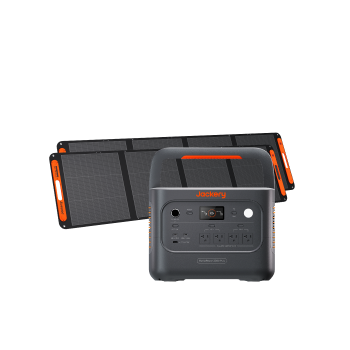
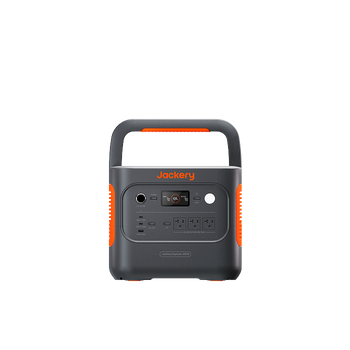
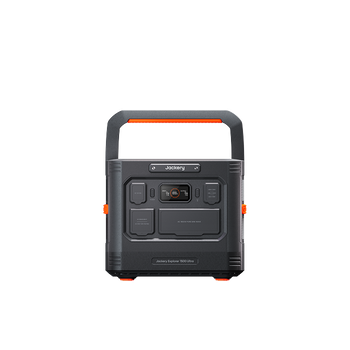
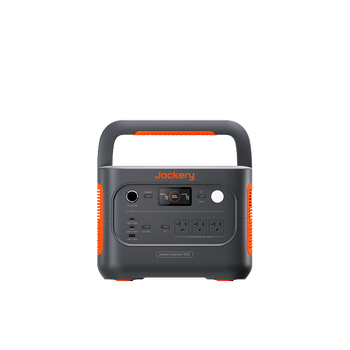
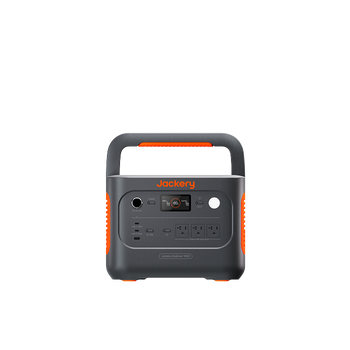
When it comes to powering your home during outages or preparing for emergencies, Jackery Solar Generators offer reliable home or outdoor battery backup solutions. Let's explain them briefly:
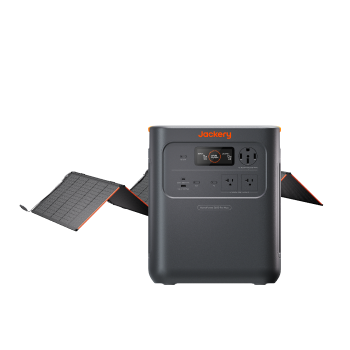
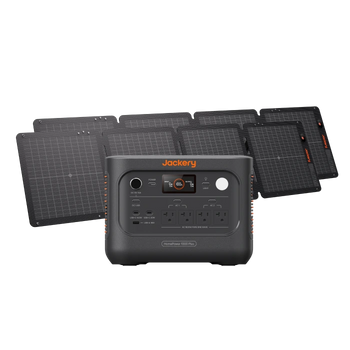
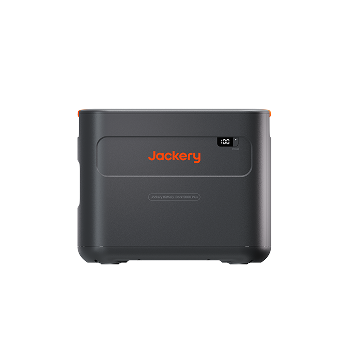
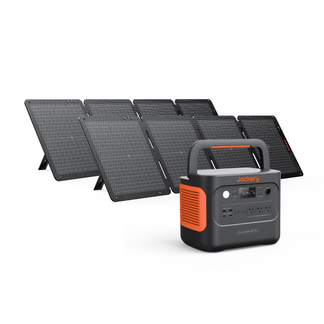
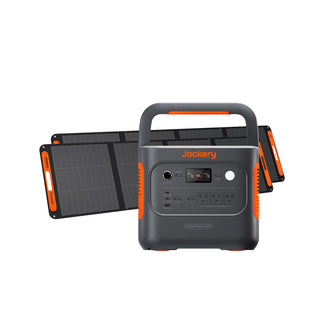
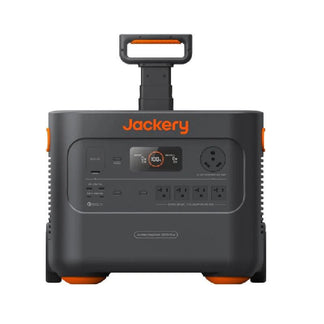
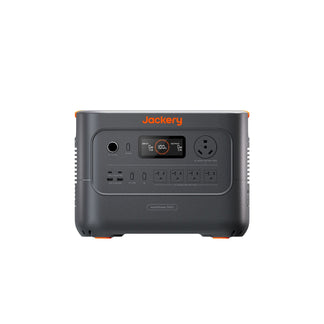
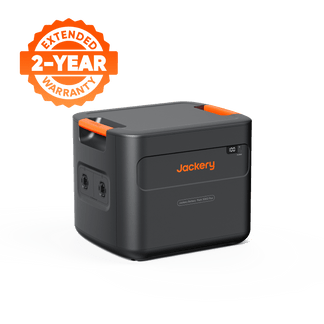
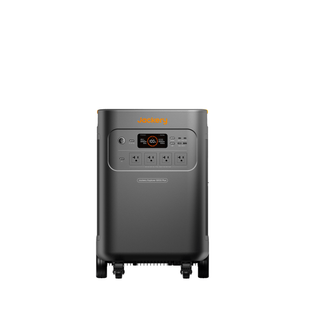
Jackery Solar Generator HomePower 3000
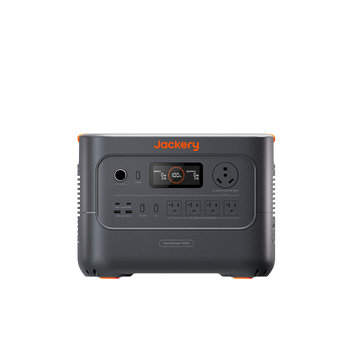
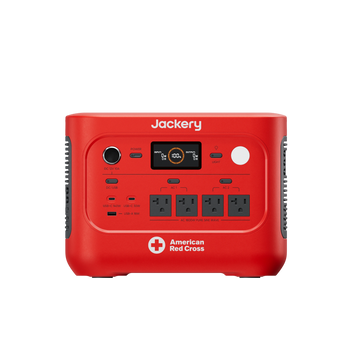
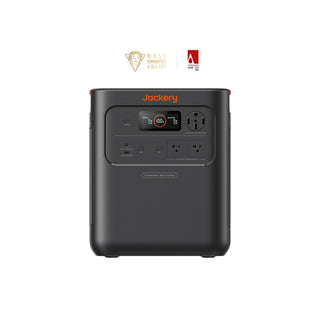
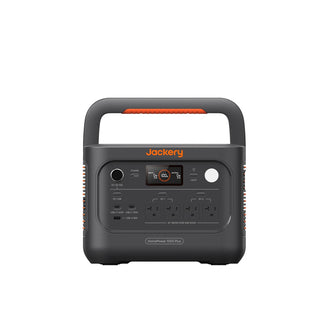
The Jackery Solar Generator HomePower 3000 offers a powerful balance between capacity and portability. It can power essential home devices, such as refrigerators, routers, lights, fans, and even medical equipment. If you already have a gas generator, you can fully recharge this easy home backup solution in just 2.2 hours.
Appliances Running Time
Fridge (200W) = 11.8H
Cooler (300W) = 8.1H
Coffee Maker (1000W) = 2.6H
Fan (50W) = 36.3H
Washer Combo (1000W) = 2.6H

Who Should Buy This
The Jackery Solar Generator HomePower 3000 is ideal for homeowners who want to cover their core essentials during short to medium power outages.
Customer Review
"Jackery HomePower 3000 has worked out great for me and my wife living off grid on our property in Panguitch Lake, Utah. These powers are 50-amp toy haulers converted down to 30-amp. So far, I love the system." — Rich Frei.
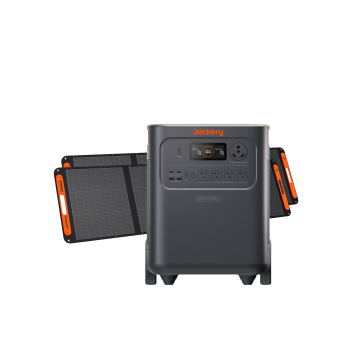
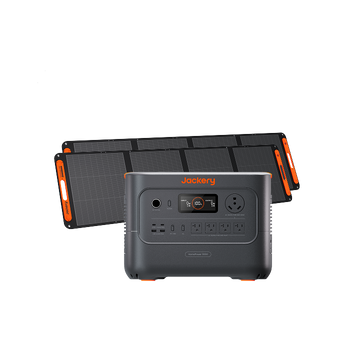
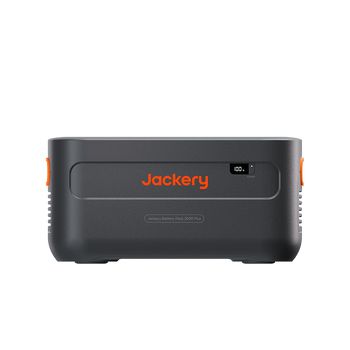
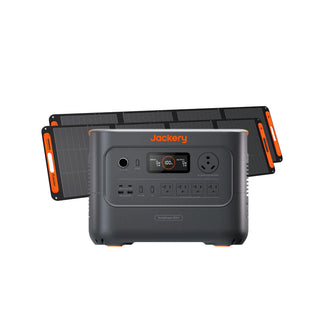
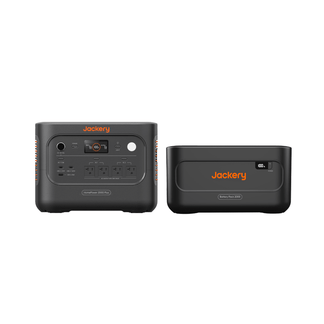
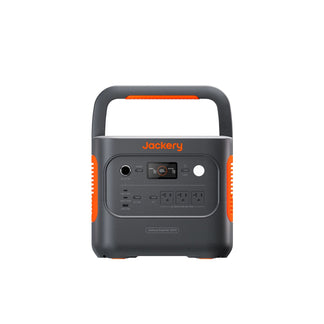
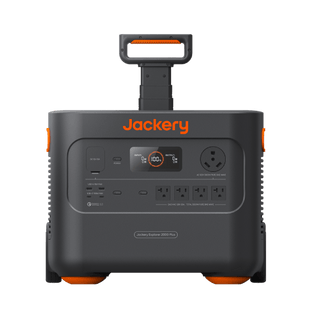
Jackery Solar Generator HomePower 3600 Plus
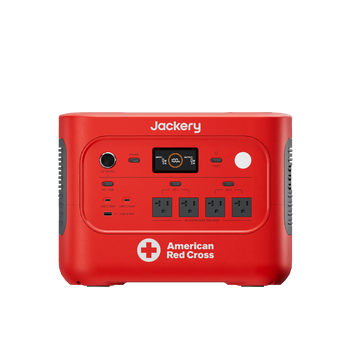
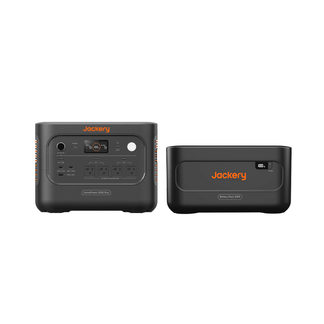
The Jackery Solar Generator HomePower 3600 Plus is an essential home backup solution built for households that want reliable power without the functional limitations of a gas generator. It is expandable up to 21kWh, enough to keep a refrigerator running for up to 14 days. It supports four charging methods, so you are never dependent on a single source. It runs silently, produces zero fumes, and can be used indoors, making it functionally versatile in ways a gas generator simply cannot match.
Appliances Running Time
Fridge (200W) = 13.7H
Cooler (300W) = 9.5H
Coffee Maker (1000W) = 3.0H
Fan (50W) = 42.3H
Washer Combo (1000W) = 3.0H

Who Should Buy This
If you want backup power that works across every use case, such as home outages, RV trips, or off-grid living, without the noise, exhaust, or fuel logistics of a gas generator, the Jackery Solar Generator HomePower 3600 Plus is built for you.
Customer Review
I LOVE it so far. It gives me great peace of mind to know that I have it in case of a power failure. It has charged up really well with regular plug-in and with the 200w Jackery panels that I have. It powered both of my refrigerators all day long so far as a test. REALLY APPRECIATE YOU JACKERY!!!!!! Peace of mind is priceless! — Rose M.
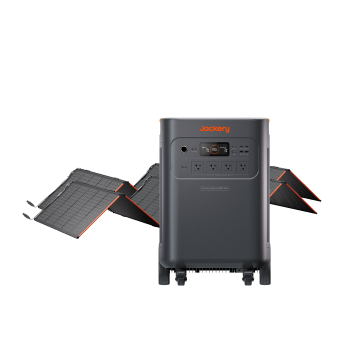
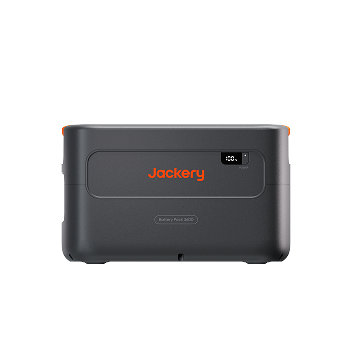
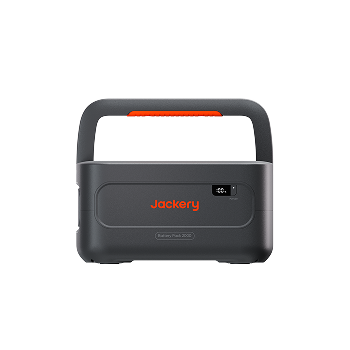
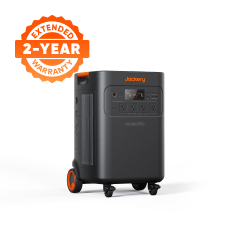
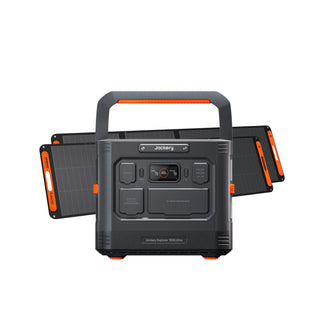
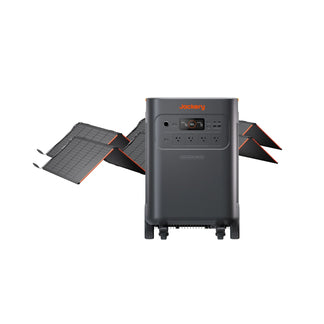
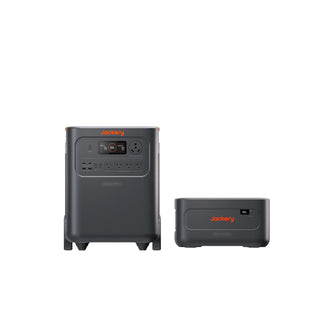
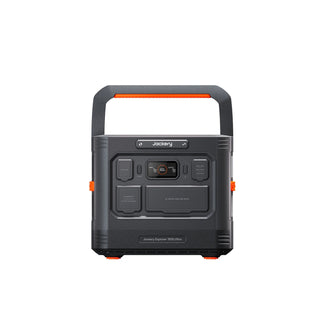
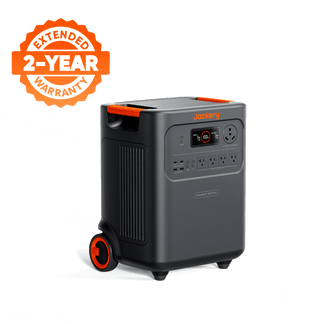
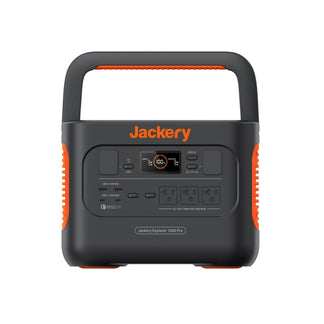
Jackery Solar Generator 5000 Plus
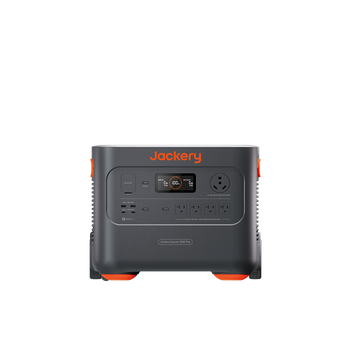
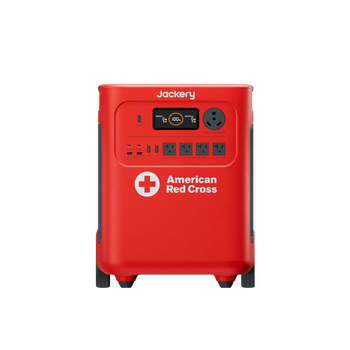
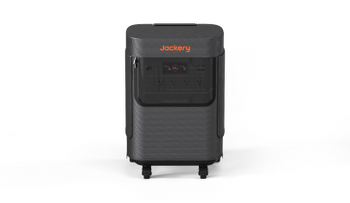
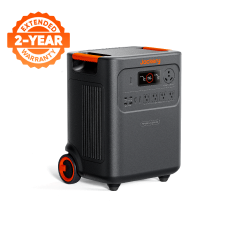
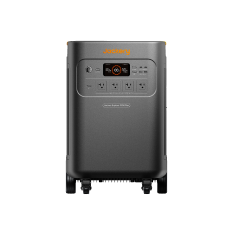
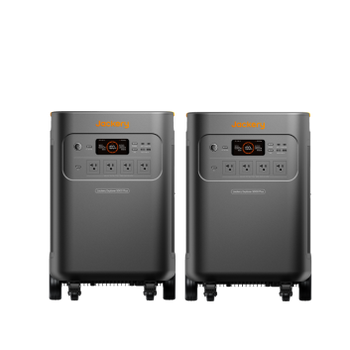
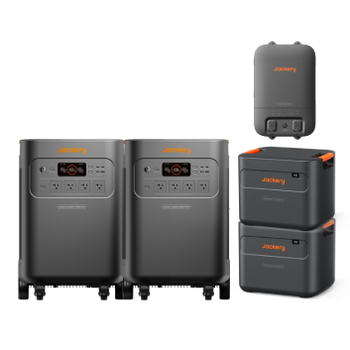
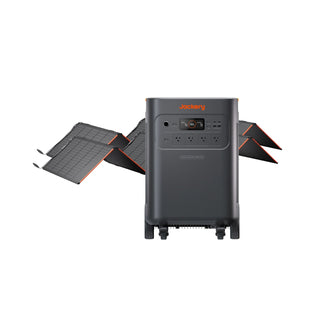
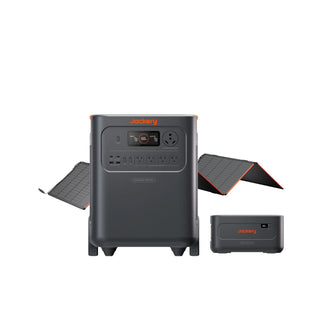
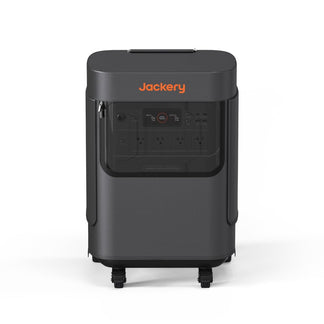
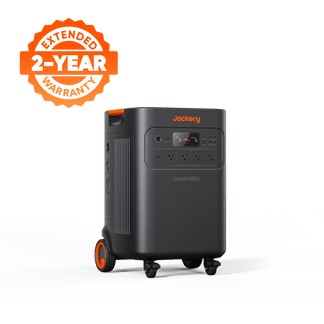
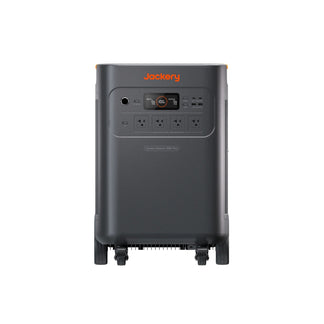
The Jackery Solar Generator 5000 Plus can run almost everything in your home, including refrigerators, sump pumps, microwaves, medical devices, and even central air conditioning. It can handle essential appliances during long outages. It remains whisper-quiet and features a pull rod for easy transportation around the home.
Appliances Running Time
Fridge (200W) = 17.1H
Cooler (300W) = 12.2H
Coffee Maker (1000W) = 4.1H
Fan (50W) = 42.8H
Washer Combo (1000W) = 4.1H

Who Should Buy This
If you live in a region prone to severe weather or extended blackouts, the Jackery Solar Generator 5000 Plus is your best bet.
Customer Review
"I love Jackery products in general. I upgraded to this unit to ensure my house has power to sustain me if needed. Easy to use and excellent customer service." — Y.S.
Common Questions About Solar vs. Gas Generators
What is the best backup generator for home use?
The best backup generators for home use are solar generators. These are clean, quiet, and reliable home battery backup solutions that can supply steady electricity to essential appliances, such as refrigerators, lights, TVs, etc.
What size generator do I need to backup my house?
The size of the generator needed for home backup depends on your power requirements. For example, a 3000-watt solar generator is suitable for powering most essential appliances during outages.
How to calculate the generator size for a home?
To calculate the right size generator for a home, you need to identify the appliances that you would like to power, along with their wattages. Multiply the wattage consumption of each appliance by the running time, and then add all the watt-hour values to get the battery capacity of the solar generator.
What size generator to run a house with AC?
To choose the right size generator to run a house with AC, start by checking the running and starting wattage of the air conditioner. For a portable AC consuming 1000 watts (running), a 2000-watt generator would be sufficient. Central air conditioners consume more wattage and need a 5000-watt generator.
How much kVA is required for a house?
For an average home, a generator of at least 3 to 5 kVA is required. It is sufficient to run most household appliances, including refrigerators, lights, air conditioners, and other electrical devices.
Conclusion
Choosing between a solar and gas generator ultimately comes down to your needs, lifestyle, and long-term priorities. If you value clean energy, quiet operation, and low maintenance, solar generators are a reliable and eco-friendly choice. On the other hand, if you need high wattage for extended periods without relying on weather, gas generators remain a robust solution. If you're looking for a portable and powerful battery backup solution, consider investing in the Jackery Solar Generator. These can run most appliances during power outages or outdoor adventures.


