

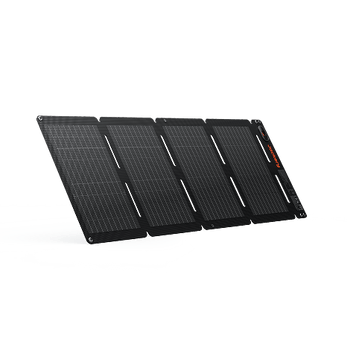






![[Add-on] Jackery SolarSaga 500 X - Jackery](http://www.jackery.com/cdn/shop/files/add-on-jackery-solarsaga-500-x-1493607.webp?v=1786503068&width=324)
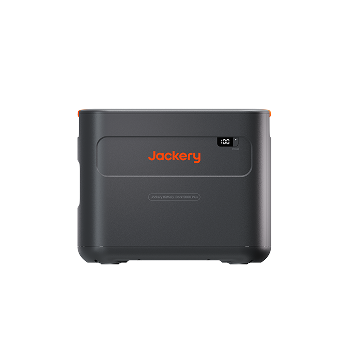
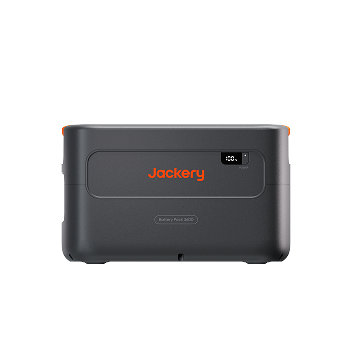
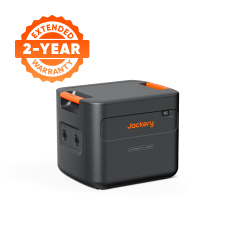
![[Add-on] Jackery Battery Pack 5000 Plus - Jackery](http://www.jackery.com/cdn/shop/files/add-on-jackery-battery-pack-5000-plus-6713401.webp?v=1786503068&width=324)




![[Add - on] SolarSaga 200W - Jackery](http://www.jackery.com/cdn/shop/files/add-on-solarsaga-200w-4834329.png?v=1754016915&width=324)
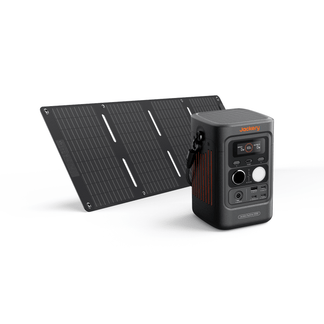


Rising electricity prices are driving homeowners across the country to search for alternatives to grid reliance. Many consumers are turning to specialized solar retailers that cater to diverse energy needs by offering DIY kits, RV setups, and comprehensive off-grid storage solutions. Finding reliable solar power stores near you helps avoid predatory, high-pressure door-to-door sales tactics while giving you access to technical expertise. This guide covers vetting installers, selecting the right equipment, and exploring custom solar setups so you can take control of your energy costs today.
Strategies for Finding Reliable Local Solar Installers
Local installers offer faster scheduling, deep knowledge of county permitting, and familiarity with state rebates.
|
Installer Type |
Key Advantages |
|
Local Installers |
Faster scheduling, deep knowledge of county permitting, familiarity with state rebates, and understanding of specific municipal building codes to prevent costly inspection delays. |
|
National Companies |
Broader manufacturer dealer networks and potentially longer, standardized warranty coverage. |
Use online comparison marketplaces to force local installers to compete directly for your business. This competitive tension yields lower, transparent quotes and weeds out overpriced contractors. Look for platforms offering low-pressure quoting without requiring a phone number to avoid aggressive telemarketing campaigns.
Vetting Credentials for Your Solar Installation
Verify that potential installers hold active state electrical licenses and adequate liability insurance coverage. A general contractor's license is not sufficient for complex high-voltage electrical work. Look for industry-standard credentials to ensure high-quality, code-compliant workmanship.
Demand side-by-side transparency with clear breakdowns of hardware specifications and long-term value estimates. Ensure matched local installers are fully vetted professionals to guarantee trustworthy installations and accurate site surveys. Look for these specific credentials before signing a contract:
- State Licenses: Active state electrical and roofing licenses
- Insurance Coverage: Comprehensive liability and workers' compensation insurance
- Industry Certification: NABCEP (North American Board of Certified Energy Practitioners) certification
Essential Solar System Sizing and Design Rules
Prioritizing High-Efficiency Panels and Custom Kits
When sizing your system, the first thing to look for is solar panel brands with above-average efficiency ratings to maximize your energy output. Sizing a system precisely to your current usage leaves zero margin for error, so it is crucial to work with retailers that offer deep technical expertise to help you build the right system.
Whether you are purchasing small quantities for an off-grid setup or designing custom kits for a full-scale residential system, relying on expert guidance ensures you get the right hardware. Future-proofing your home for high-demand lifestyles, like adding an Electric Vehicle (EV) or supporting a growing family, is best achieved through high-efficiency equipment and custom-tailored designs. Building this capacity upfront with the right technical support is drastically cheaper than retrofitting additional panels later.
Navigating Fire Safety and Roof Coverage Limits
Local fire codes typically require around the roe 3-foot setbacks and pathways of edges and ridges, following standard International Fire Code (IFC) and NFPA 1 guidelines. Rather than a flat 33% percentage limit, these physical setbacks dictate your maximum array size. You cannot cover every square inch of your roof with panels.
These 3-foot setbacks ensure firefighters have safe access pathways for vertical smoke ventilation during emergencies. Failing to accommodate these access paths triggers strict permitting rejections, requiring complete system redesigns to meet safety setbacks before installation can proceed.
Maximizing Yield with Inverter Oversizing
Installers often size a DC solar array up to 133% of the inverter's AC rating to maximize yield. An inverter converts the direct current (DC) from your panels into alternating current (AC) for your home. Because panels rarely produce their absolute maximum laboratory-rated output in real-world conditions, a perfectly matched inverter sits underutilized.
This over-paneling strategy boosts power production during early mornings, late afternoons, and cloudy winter days. The inverter runs closer to its maximum capacity for a longer portion of the day, delivering a higher total energy harvest over the year.
Financial Planning and Cost Analysis for Solar
How Much Do Solar Panels Cost for a 2000 Square Foot House?
A typical 2,000-square-foot home requires a 5 kW to 10 kW system based on average energy usage. Gross costs typically range between $14,210 and $28,241 before applying any government incentives.
Pricing is driven by actual electricity consumption (kWh) and roof complexity, not just square footage. Two identically sized homes will require vastly different solar arrays if one runs a pool pump while the other relies on minimal cooling. You can compare state electricity rates to understand your baseline costs before sizing a system.
Using a Home Solar Power System Cost Calculator
Important 2026 Update: The direct 30% federal tax credit (Section 25D) for homeowners purchasing their own systems expired on December 31, 2025. Homeowners can no longer directly claim this credit on their personal tax filings.
Explore how commercial tax credits (Section 48E) can still indirectly benefit you through Third-Party Ownership (TPO) models like solar leases or Power Purchase Agreements (PPAs), where savings are passed down via lower monthly rates. Expect post-survey adjustments; initial online quotes may shift after physical roof and electrical panel inspections.
Evaluating Home Solar Power System Near Me Cost and ROI
Evaluating solar ROI requires factoring in future rate increases, as comparing fixed solar payments to today's utility rate is flawed. If your utility raises rates by 5% annually, your grid power costs double in 14 years. Cash purchases offer the highest long-term savings and a typical payback period of 6 to 10 years.
Solar loans allow ownership with little money down, but as of 2026, homeowners purchasing their own systems can no longer directly claim the federal tax credit due to its expiration. Consider how Third-Party Ownership models leverage active commercial tax credits to provide savings. Maximizing energy independence with battery storage is the logical next step to protect against grid instability, which you can track via power outage maps.
Maximizing Energy Independence with Battery Storage
The Role of Modular Battery Storage
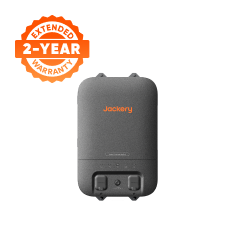
If roof coverage limits restrict panel count, battery storage maximizes the solar energy you capture. Instead of exporting excess daytime generation to the grid for pennies, you store it to power your home through the evening.
Users utilize state programs to drain batteries during peak demand, earning premiums and supporting the grid. Global demand for home batteries is surging as a vital complement to decentralized rooftop solar generation. This shift transforms homes from passive energy consumers into active microgrids.
Recommended Battery Backup Solutions
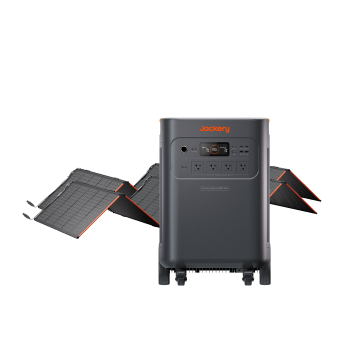
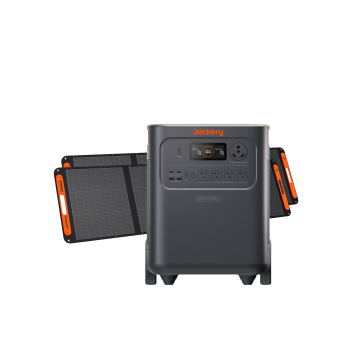
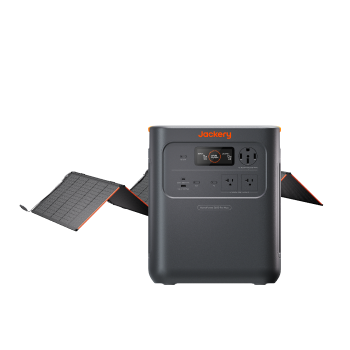
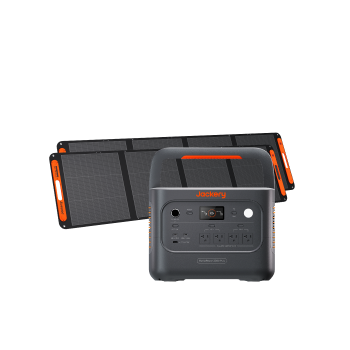
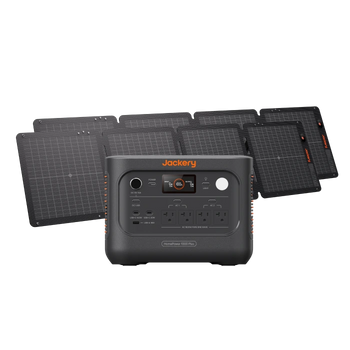
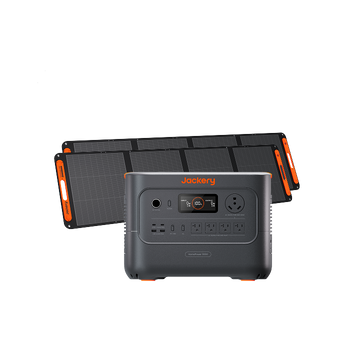
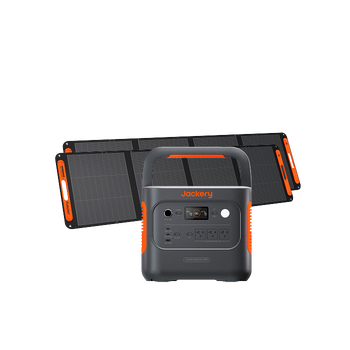
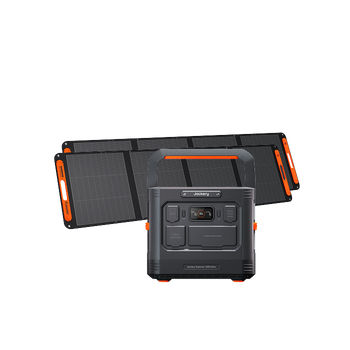
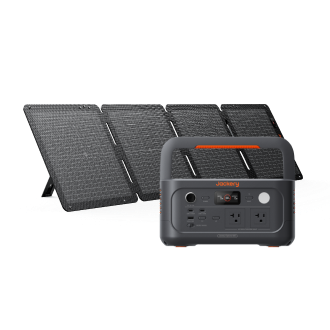
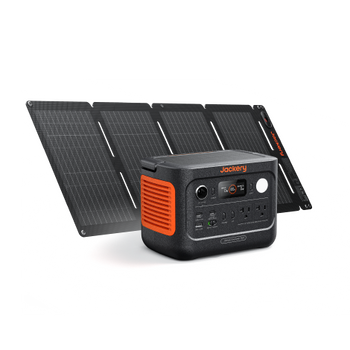
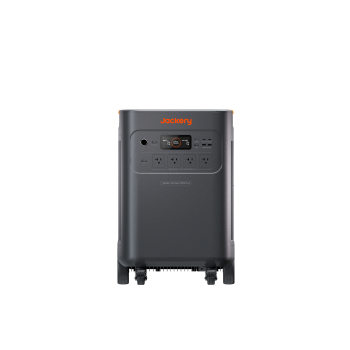
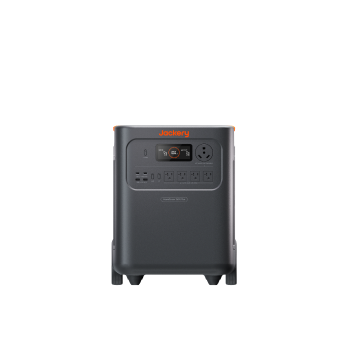
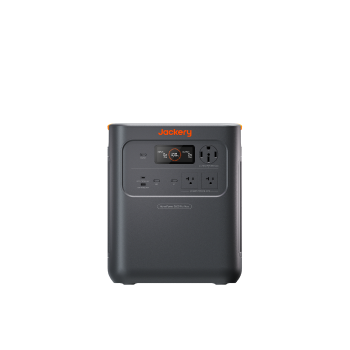
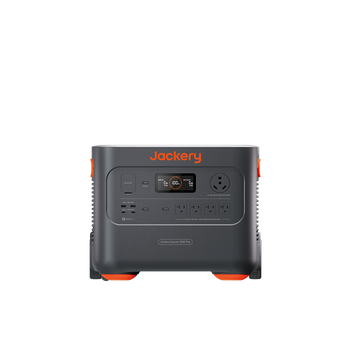
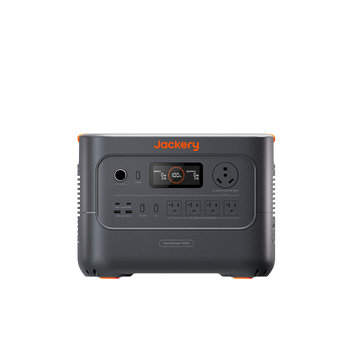
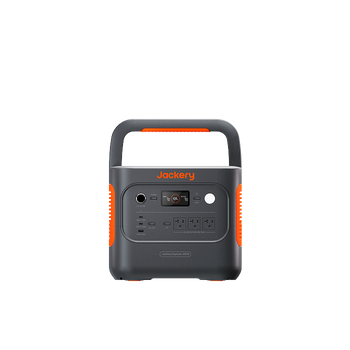
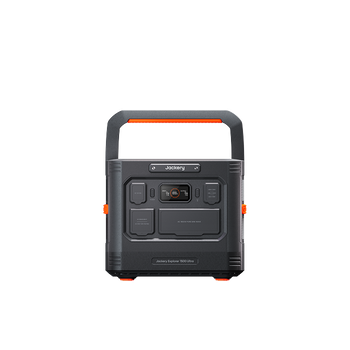
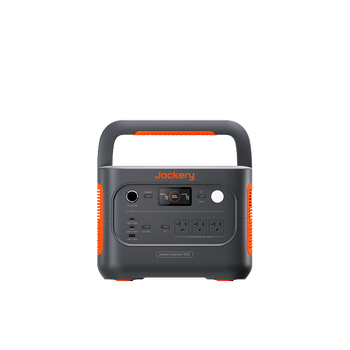
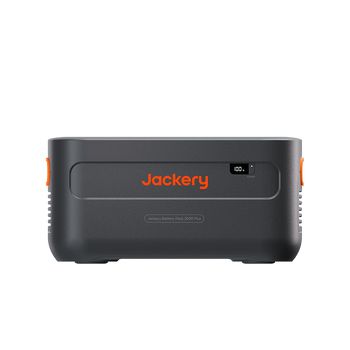
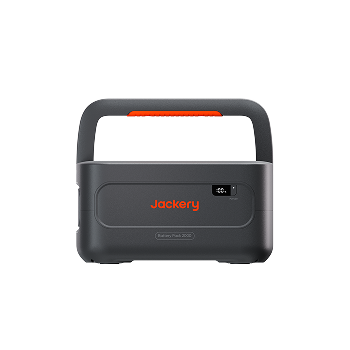
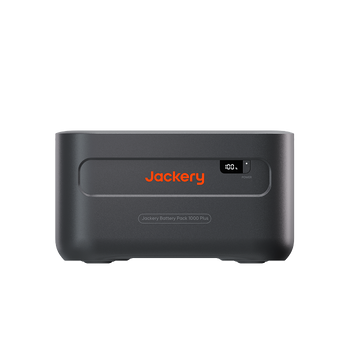
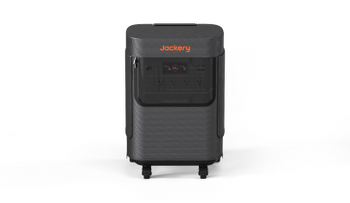
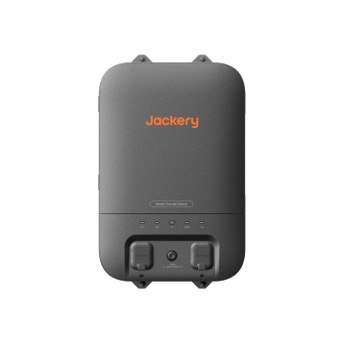
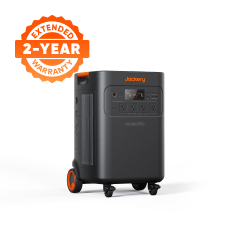
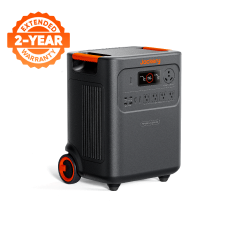
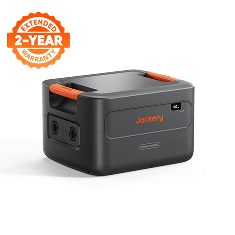
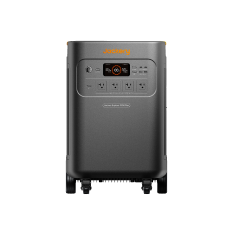
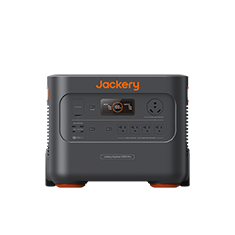
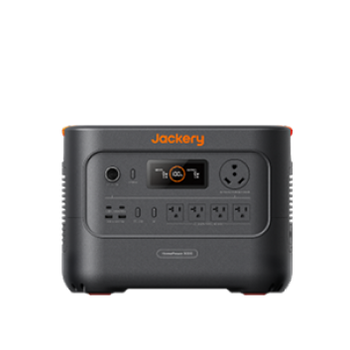
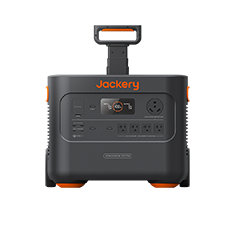
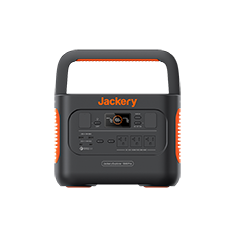
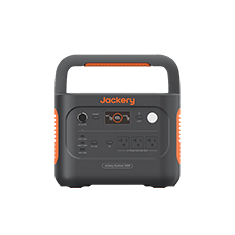
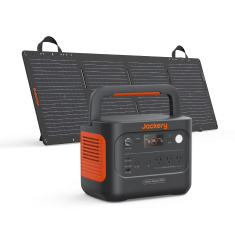
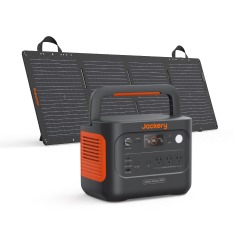
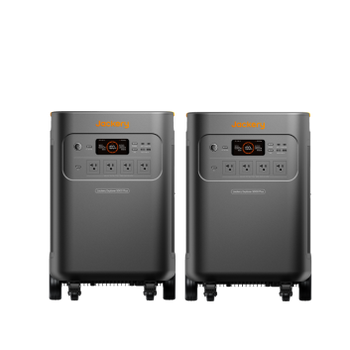
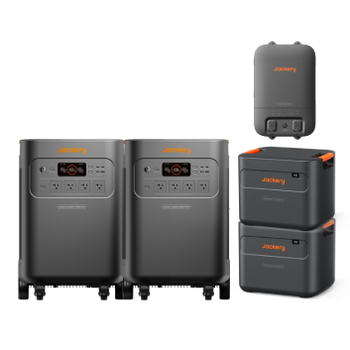
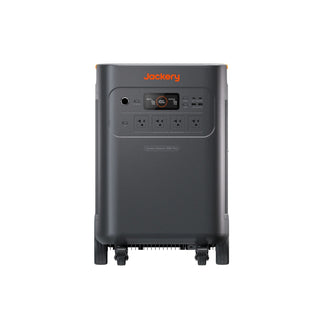
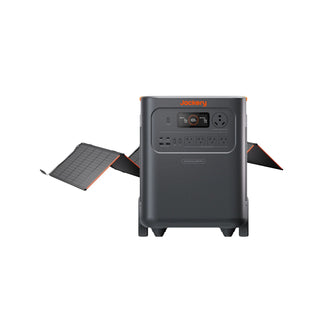
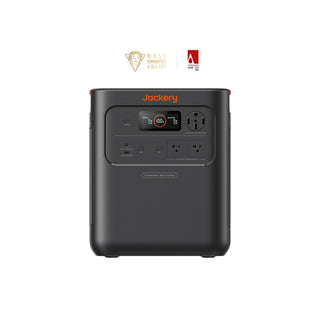
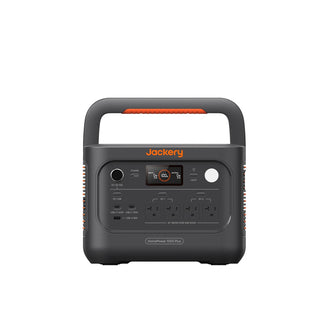
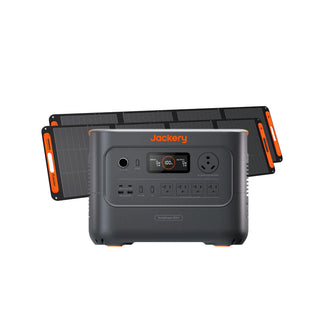
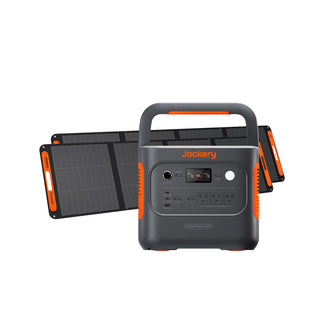
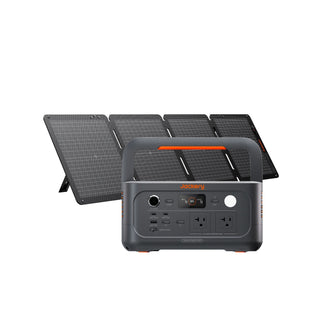
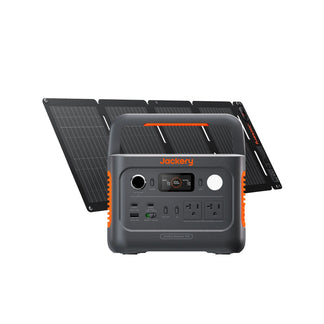
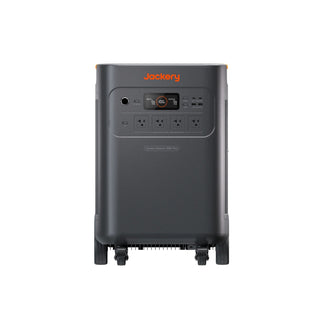
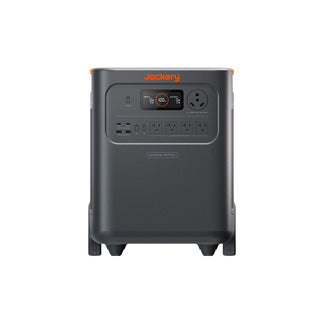
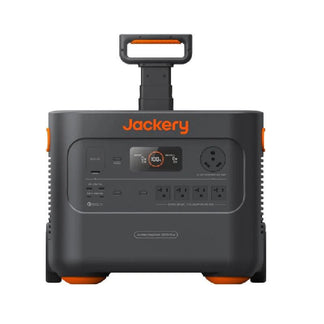
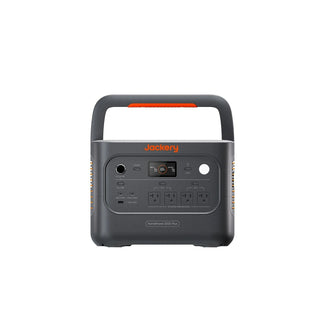
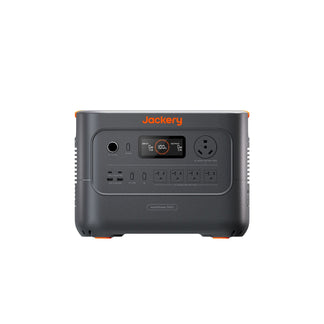
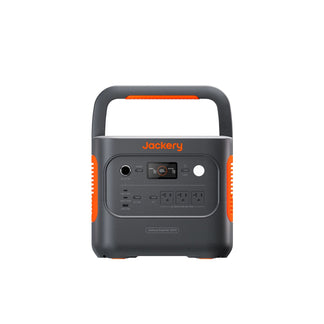
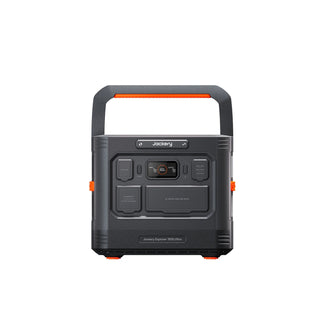
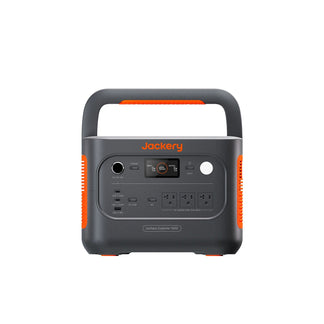
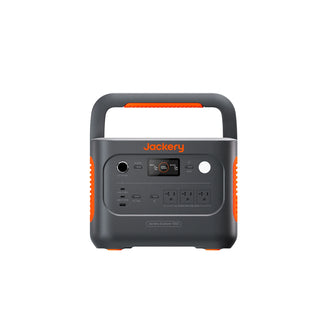
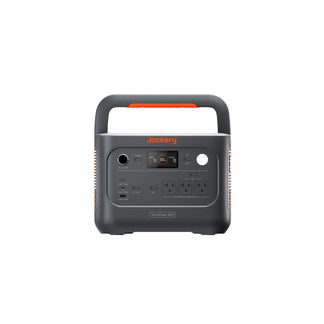
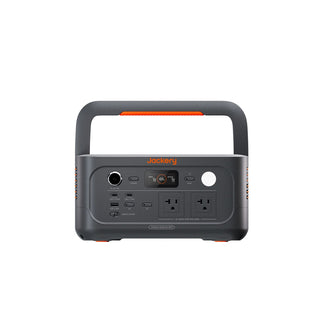
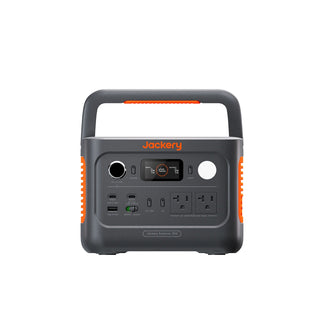
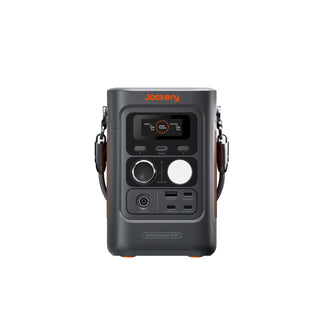
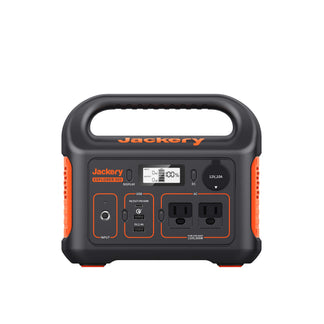
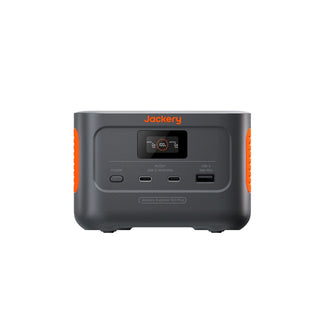
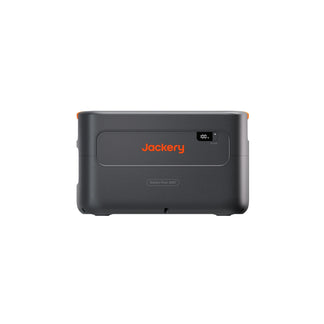
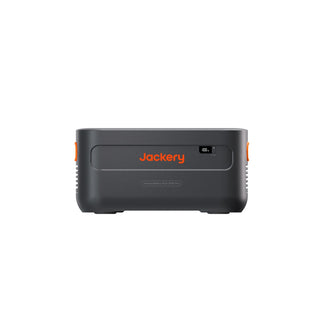
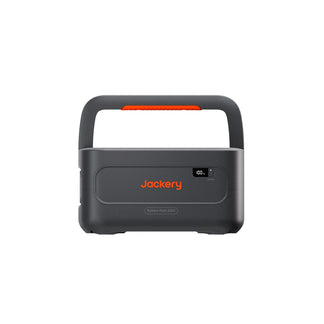
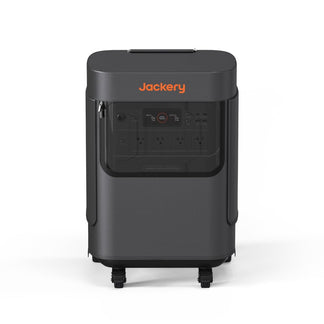
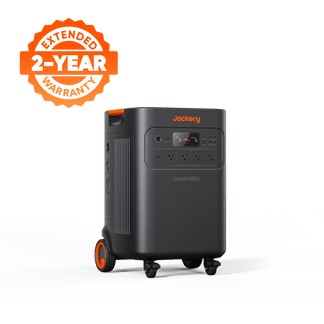
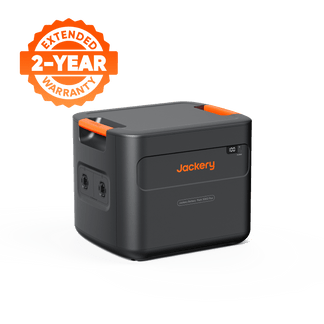
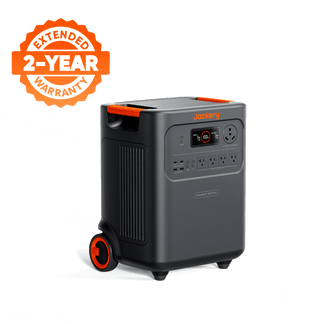
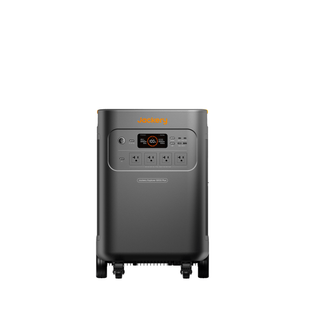
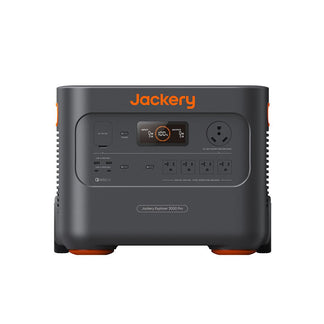
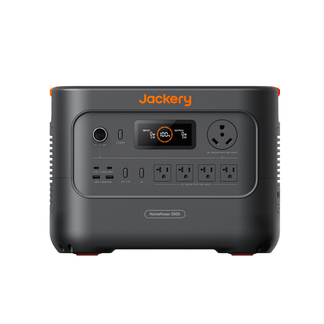
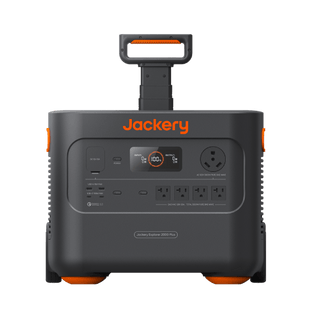
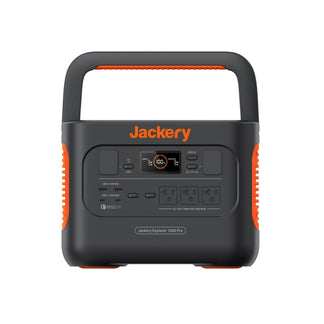
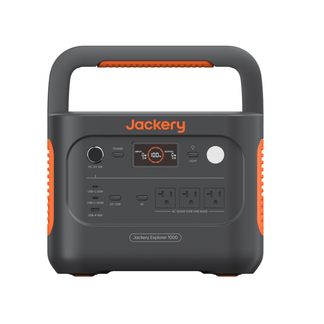
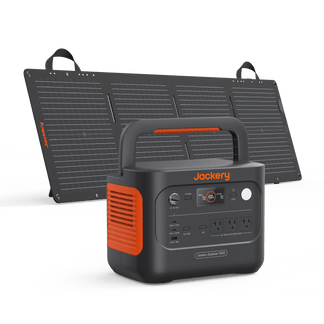
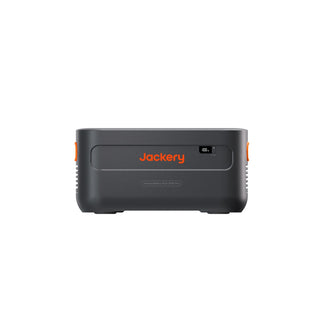
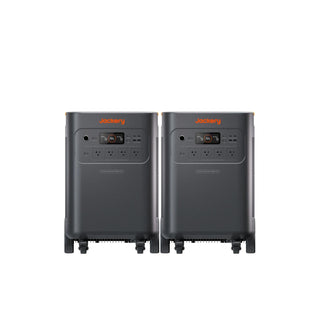
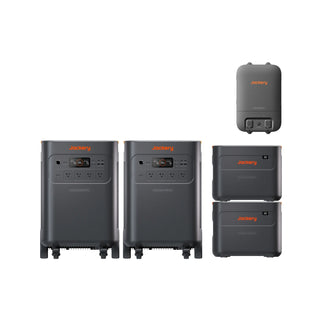
High-capacity power stations like the Jackery Solar Generator HomePower 3600 Plus safely store excess solar energy for later use. These units integrate directly with your home circuits. The Jackery Solar Generator 5000 Plus offers a massive 5040Wh capacity, expandable to 60kWh for whole-home backup.
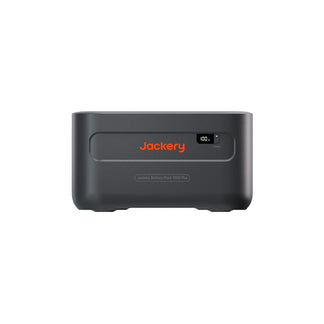
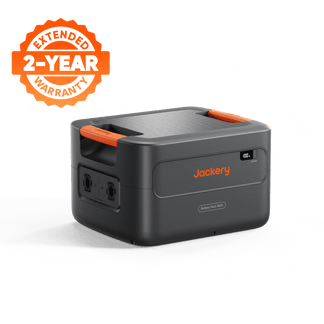
Modular battery systems provide permit-free energy expansion without permanently altering your roof structure. Integrating the Jackery Solar Generator HomePower 3600 Plus ensures critical load backup with a seamless <20ms switchover during outages. Your refrigerator, internet router, and medical devices stay powered without interruption when the grid fails.

Navigating Real Estate with Solar Installations
Understanding Owned vs. Leased Systems
Owned solar systems generally increase home resale value and are easier for appraisers to evaluate accurately. Buyers acquire an immediate asset that drastically reduces their monthly carrying costs. Leased panels require buyers to qualify for and assume long-term contracts, which can delay the sale. Sellers should consider buying out a solar lease before listing the property to attract more buyers.
|
System Type |
Impact on Home Value |
Real Estate Transaction |
Best Strategy for Sellers |
|
Owned System |
Increases resale value |
Seamless transfer to buyer |
Highlight low utility bills in MLS |
|
Leased System |
Neutral to negative |
Requires buyer credit qualification |
Buy out the lease before listing |
Transferring Warranties and Documentation
Provide prospective buyers with past utility bills to clearly demonstrate the system's financial savings. Tangible proof of a $15 monthly electric bill is a powerful selling tool. For context on regional savings, review the average electric bill in your specific state.
Ensure a smooth transfer of essential documents, including panel, inverter, and workmanship warranties. Clearly disclose the system's financing status in MLS listings to avoid legal and financial complications. State-level programs, like local solar incentives, may also impact the transferability of certain benefits.
Conclusion: Achieving Long-Term Energy Independence
Transitioning to solar power protects your household from unpredictable utility hikes and grid instability. Thoroughly vet local installers using online comparison tools to ensure compliance and transparent pricing. Pair your rooftop array with advanced battery storage to achieve true, long-term energy independence.
Frequently Asked Questions
Can my HOA block me from installing solar panels?
"Solar access rights" laws in many states prevent Homeowner Associations from outright banning rooftop solar installations. While HOAs can enforce reasonable aesthetic guidelines, they cannot legally block you from generating your own solar power.
What happens if I need a new roof later?
A professional solar company will temporarily remove the array, allow the roofers to work, and then reinstall the panels safely. This process typically costs between $1,500 and $3,000 depending on the size and complexity of your system.
Will solar panels increase my home insurance premium?
Adding solar panels usually requires increasing your dwelling coverage limit to account for the new asset's value. However, the resulting premium bump is typically minimal, often costing less than $100 annually.
How often do residential solar panels need professional cleaning?
Homeowners should schedule cleanings once or twice a year to maintain optimal energy production. The exact frequency depends heavily on local rainfall, pollen levels, and dust accumulation in your specific region.
How long do rooftop solar panels actually last?
Most modern residential solar panels will continue producing viable, cost-saving electricity for 25 to 30 years. After this period, they do not stop working but will experience significant degradation in their overall power output.


