












![[Add-on] Jackery SolarSaga 500 X - Jackery](http://www.jackery.com/cdn/shop/files/add-on-jackery-solarsaga-500-x-1493607.webp?v=1786503068&width=324)
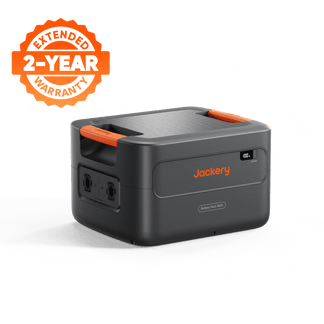
![[Add-on] Jackery Battery Pack 5000 Plus - Jackery](http://www.jackery.com/cdn/shop/files/add-on-jackery-battery-pack-5000-plus-6713401.webp?v=1786503068&width=324)







What Is Sump Pump Battery Backup?
A sump pump battery backup is a system designed to kick in automatically when your primary pump fails or loses power. While traditional systems use a secondary 12V pump, modern solutions also include AC inverters and portable power stations like Jackery Solar Generators. These ensure your powerful primary pump continues functioning during power cuts, brownouts, or electricity trips, often using renewable solar energy to keep the battery charged indefinitely.
How Does Sump Pump Battery Backup Work?
The Standard Two-Stage System
Most traditional installed battery backups operate as a two-stage system. You have your primary AC pump plugged into the wall. Installed right next to it (or above it) is a secondary DC-powered pump.
- Normal Operation: The primary pump handles all water removal using home electricity.
- Power Outage: If power fails, the primary pump stops. As water rises in the pit, it triggers a separate float switch dedicated to the backup pump.
- Activation: The backup system draws power from a heavy-duty 12V marine battery to run the secondary DC pump, ejecting water away from the foundation.
AC Inverter / UPS Systems
Alternatively, some homeowners use an inverter system, which functions similarly to the best outlet battery backups on the market. This unit plugs into the wall, and your existing primary pump plugs into the unit. During normal times, power passes through to the pump. When power is cut, the unit instantly switches to an internal battery, converting DC power to AC power to run your main pump.
According to FEMA, just one inch of water in a home can cause up to $25,000 in damage. That said, investing in a sump pump battery backup system is not just a convenience; it is vital financial protection.
How does a Jackery Portable Power Station work as a backup?
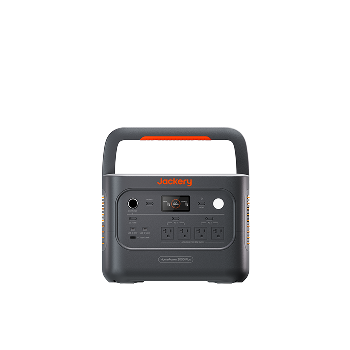
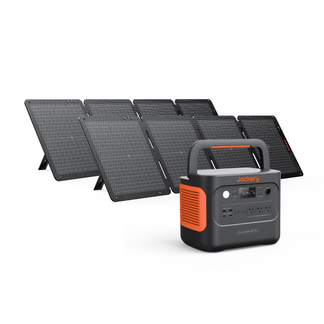
Unlike complex plumbing installations, a Jackery Solar Generator acts as a high-capacity, portable power source for your existing pump. You simply plug your sump pump into the AC outlet of the Jackery Portable Power Station.
- Pass-Through Charging: When grid power is on, the Jackery Portable Power Station can pass power to the pump (depending on the model and setup) or sit ready in standby.
- Solar Recharging: The distinct advantage of the Jackery Portable Power Station is solar capability. While a standard 12V battery will eventually die after 6–12 hours of pumping, a Jackery Portable Power Station connected to solar panels can recharge during the day, potentially keeping your sump pump running for days during extended grid failures.
Types of Sump Pump Backup Systems
Choosing the right backup depends on your plumbing skills, budget, and power needs. Here are the three main categories:
|
Solution Type |
Mechanism |
Pros |
Cons |
|---|---|---|---|
|
DC Battery-Operated Auxiliary Pumps |
A separate plastic or cast iron pump installed alongside the main pump. (The most common "installed" solution). |
• Provides mechanical redundancy. |
• Requires plumbing work (check valves, tee pipes). |
|
Water-Powered Backup Pumps |
Uses municipal water pressure to create suction (venturi effect) to remove pit water. |
• No electricity or batteries required. |
• Cannot be used with well water. (requires a specific well pump battery backup); |
|
Portable Power Stations (Solar Generators) |
High-capacity battery units that function as an external power source. |
• Zero installation costs (no plumbing changes). |
• Requires manual setup during a storm (unless the unit supports UPS features). |
Best Battery Backup For Existing Sump Pump
If you do not want to tear apart your basement plumbing to install a secondary pump, the best solution is a high-capacity portable power station that can run your existing high-horsepower pump.
Jackery offers industry-leading solar generators that can handle the high "starting watts" (surge power) required by sump pump motors. Here are the top recommendations:
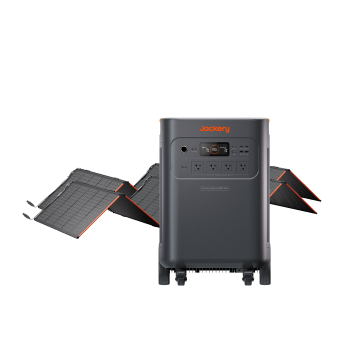
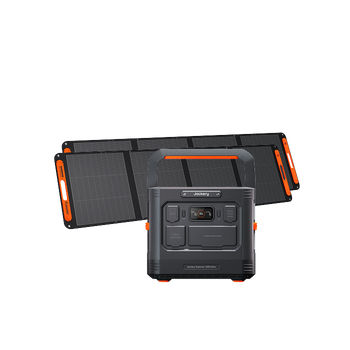
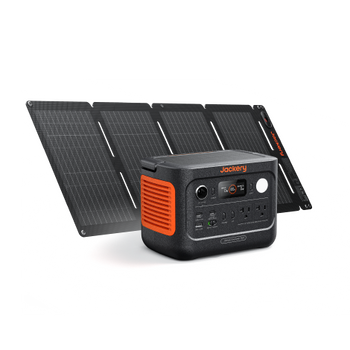
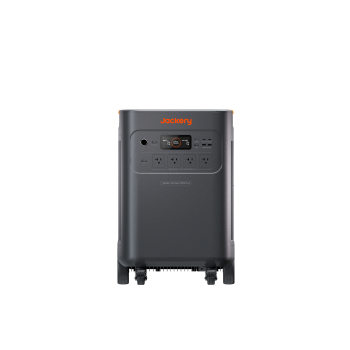
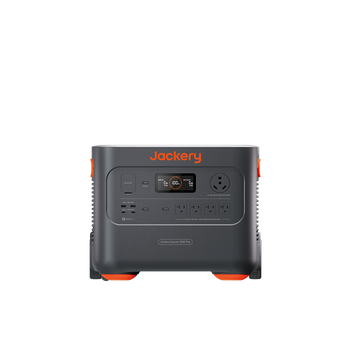
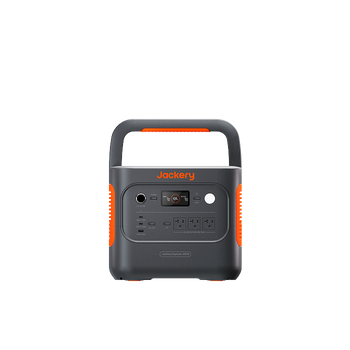
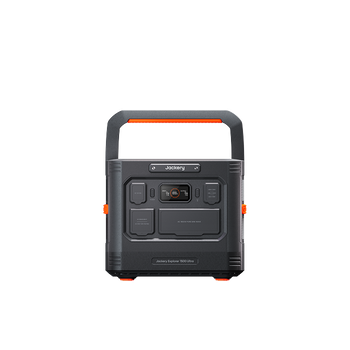
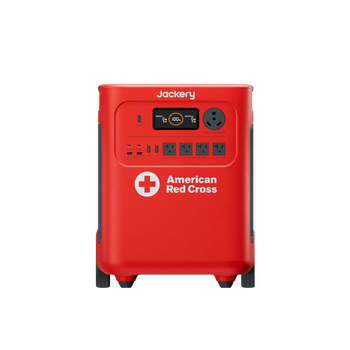
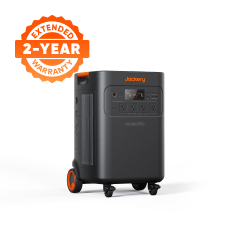
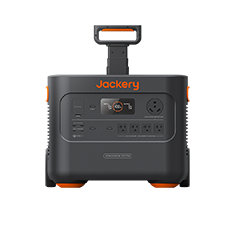
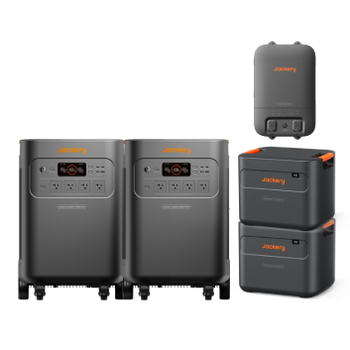
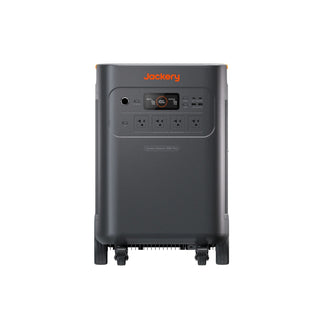
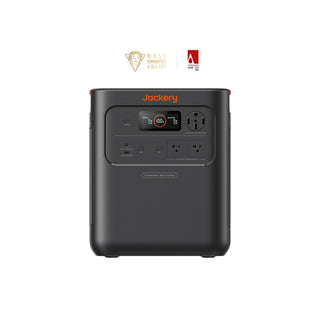
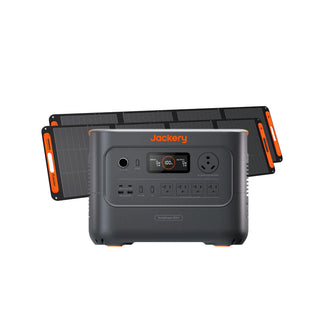
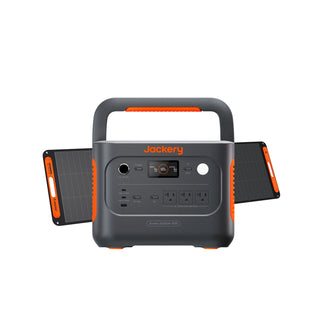
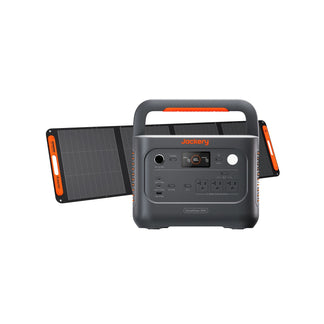
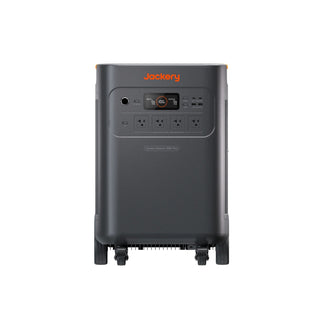
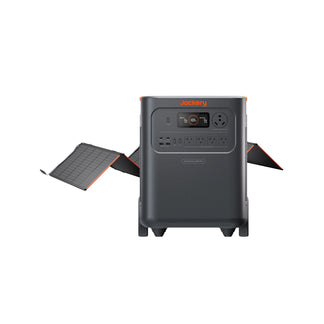
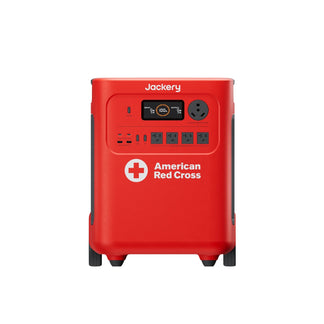
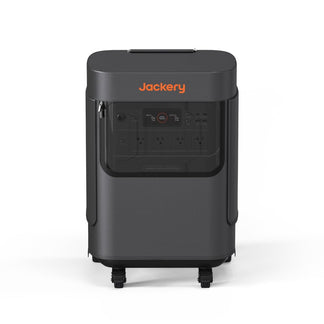
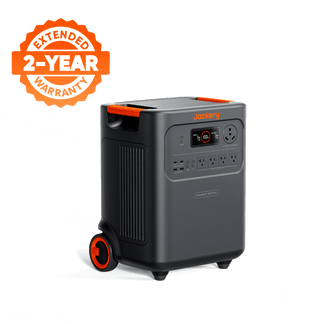
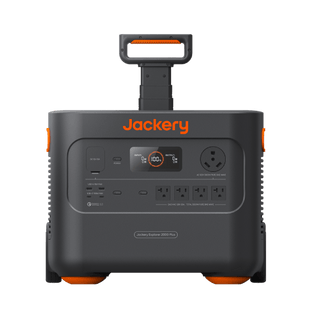
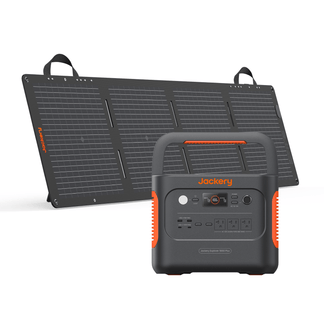
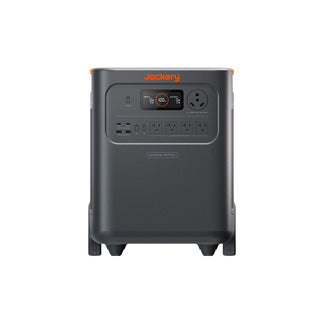
Jackery Solar Generator 5000 Plus
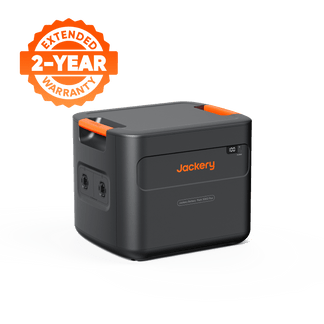
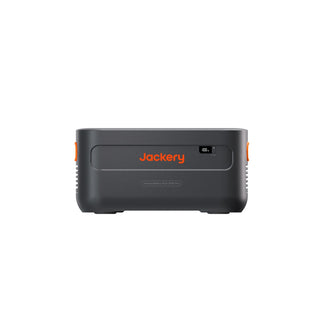
The Jackery Solar Generator 5000 Plus is a powerhouse designed for essential home backup. It offers massive capacity, ensuring your sump pump can run for extended periods—even during multi-day outages. Its modular design allows you to expand capacity if you live in an area with high water tables where the pump runs frequently.
- Capacity: 5040Wh (Expandable up to 60kWh with add-on battery packs).
- AC Output: 7200W Rated (14400W Surge). This is critical for sump pumps, which require a high surge of power to start the motor.
- Recharging: Fast charging via AC wall outlet (approx. 2 hours) or solar panels.
- Best For: Homeowners with 1/2 HP or 3/4 HP pumps who need long-term security without worrying about battery life.
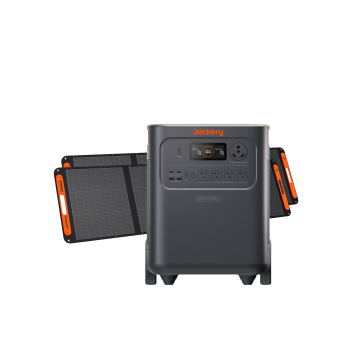
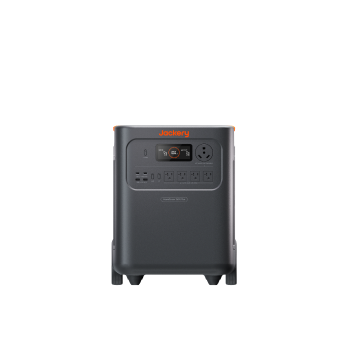
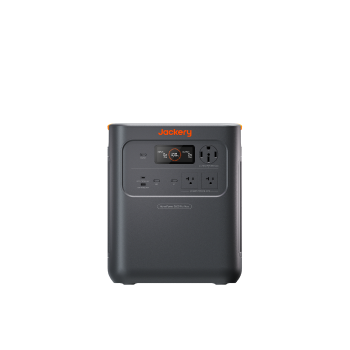
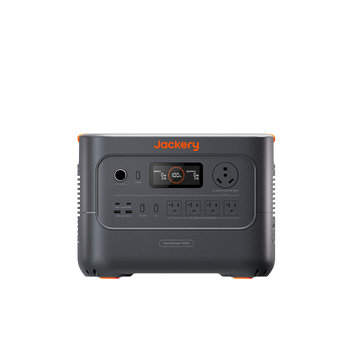
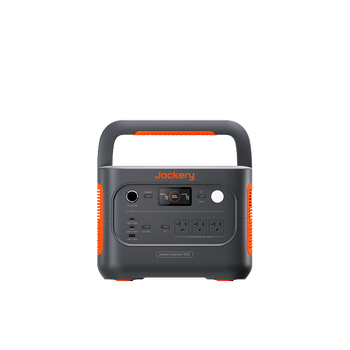
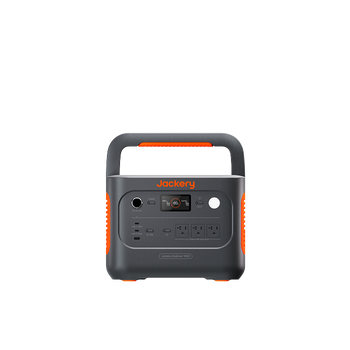
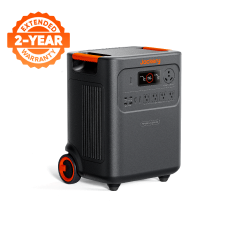
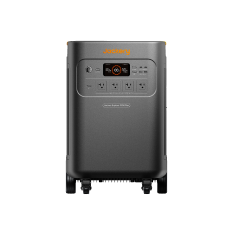
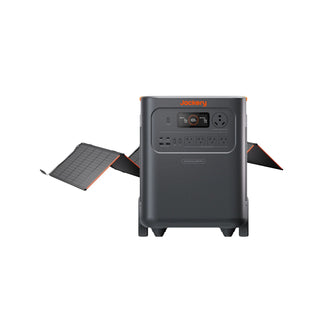
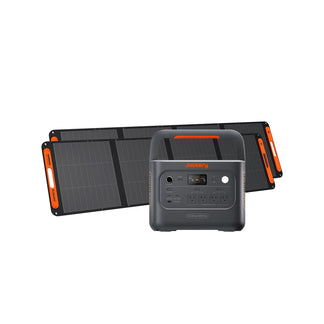
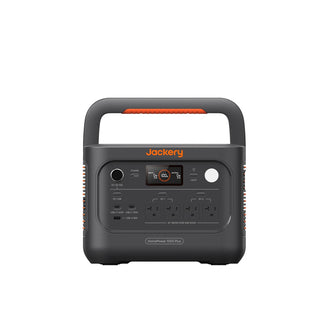
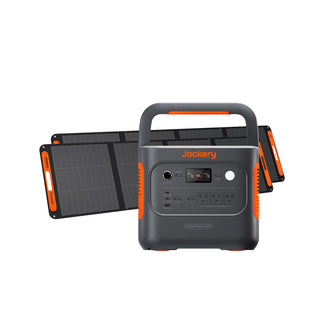
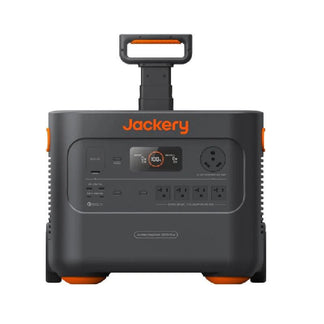
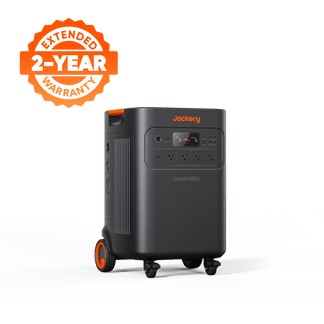
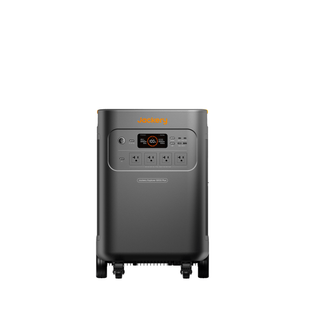
Jackery Solar Generator HomePower 3600 Plus
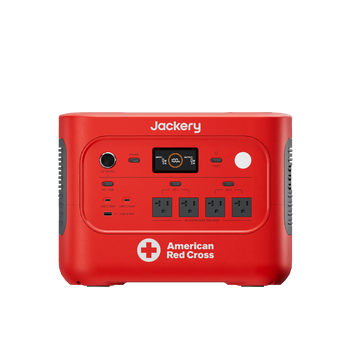
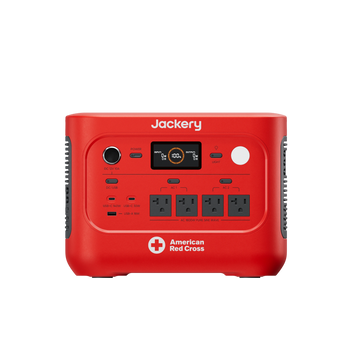
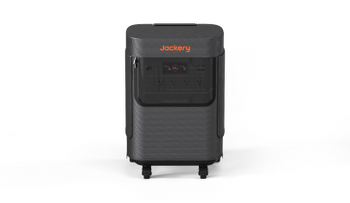
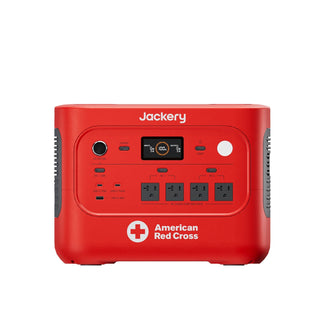
The Jackery Solar Generator HomePower 3600 Plus strikes a balance between extreme power and portability. It provides enough energy to keep a standard sump pump running through the night and can be recharged via solar panels the next day.
- Capacity: 3584Wh (Expandable).
- AC Output: 3600W Rated (7200W Surge). Easily handles the startup current of 1/3 HP and 1/2 HP sump pumps.
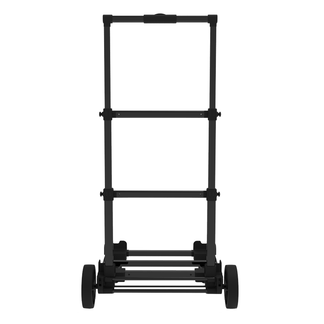
- Design: Features a pull-rod and double wheels for easy movement, allowing you to move it from the basement to the kitchen to power the fridge once the storm passes.
- Best For: Standard residential basements with 1/3 HP or 1/2 HP pumps.
Comparison: Jackery Models for Sump Pumps
|
Series |
Capacity |
AC Output |
Est. Runtime (1/3 HP Pump @ 800W running) |
Best Use Case |
|---|---|---|---|---|
|
Jackery Solar Generator 5000 Plus |
5040Wh |
7200W (14400W Surge) |
~5.0 - 6.0 Hours (Continuous)* |
Heavy storms, high water tables, 3/4 HP pumps |
|
Jackery Solar Generator HomePower 3600 Plus |
3584Wh |
3600W (7200W Surge) |
~3.5 - 4.0 Hours (Continuous)* |
Standard residential backup, 1/3 to 1/2 HP pumps |
*Note: Sump pumps rarely run continuously. They cycle on and off. If your pump runs for 1 minute every 10 minutes (10% duty cycle), the Jackery Solar Generator 5000 Plus could theoretically protect your basement for over 50 hours.
Sump Pump Watts and Sizing
To ensure your battery backup can handle the load and determine what size generator to run a sump pump, you must know your pump's wattage. Sump pumps have two wattage ratings:
- Running Watts: The power used while pumping water.
- Starting (Surge) Watts: The split-second burst of power needed to start the motor (usually 2x to 3x the running watts).
Estimated Sump Pump Wattage Guide:
|
Sump Pump Size |
Est. Running Watts |
Est. Starting Watts |
Approx. Gallons Per Hour (GPH) |
|---|---|---|---|
|
1/4 HP |
550W - 600W |
1050W |
3000 GPH |
|
1/3 HP |
800W |
1300W - 2900W |
2000 GPH |
|
1/2 HP |
1050W |
2150W - 4100W |
4400 GPH |
|
3/4 HP |
1500W |
3000W |
5100 GPH |
|
1 HP |
2000W |
4000W |
6000 GPH |
Note: GPH varies based on "Head Pressure" (vertical lift). The higher the water must be pumped to exit the house, the lower the GPH.
How To Choose Battery Backup For Sump Pump?
Unexpected power outages can cause a flood in your basement, damaging property and lowering home value. Here are the critical factors to consider when selecting a system.
Pump Capacity (GPH) and Head Pressure
Your backup must match the inflow of water. If your main pump handles 3000 GPH during a storm, a small 12V backup pump rated for 1000 GPH will be overwhelmed, leading to flooding. Ensure the backup system can handle the "Vertical Lift" (height from the pump to the discharge pipe exit).
Battery Chemistry and Lifespan
If you choose a traditional installed system, you must select the battery separately.
- Lead-Acid (Wet Cell): The cheapest option ($100-$150). Requires adding distilled water every 3-6 months. Lifespan: 3-5 years.
- AGM (Absorbed Glass Mat): Maintenance-free and safer. Cost: $180-$250. Lifespan: 5-7 years.
- LiFePO4: Used in Jackery Solar Generators. These are lightweight, maintenance-free, safe for indoor use, and last 10+ years (4000+ cycles).

Capacity (Amp-Hours vs. Watt-Hours)
Battery capacity determines how long the pump runs.
- Traditional Batteries: Measured in Amp-Hours (Ah). A 75Ah battery might run a pump continuously for 6-7 hours.
- Solar Generators: Measured in Watt-Hours (Wh). The Jackery Solar Generator 5000 Plus (5040Wh) offers massive capacity comparable to multiple large marine batteries, with the added benefit of solar recharging.
Installation Complexity
Do you have plumbing skills? Installing a secondary DC pump requires cutting PVC pipes, gluing fittings, and installing check valves. If you prefer a plug-and-play solution, a portable power station or AC inverter is superior.
Cost Analysis: Investment vs. Value
Is a backup system worth the money? Considering the average insurance claim for basement water damage is thousands of dollars, the ROI is immediate after a single prevented flood.
Estimated Costs for Standard Systems:
- DIY DC Pump Kit: $200 - $450 (Hardware only).
- Battery (Lead-Acid/AGM): $120 - $250.
- Professional Installation: $600 - $1,200 (Labor + Parts).
- Total Installed Cost: $900 - $1,900.
Estimated Costs for Jackery Solution:
- Jackery Solar Generator: Price varies by model (check current listings for Jackery Solar Generator 3600 Plus/Jackery Solar Generator 5000 Plus).
- Installation: $0 (Plug and play).
- Maintenance: $0.
- Value Add: Can be used for camping, RVs, and powering other home appliances, unlike a dedicated sump pump battery which sits idle 99% of the time.
Installation and Maintenance Best Practices
Even the best equipment fails without proper setup and care.
Installation Tips
- Check Valves: Essential. You must install a check valve on the discharge pipe of both the primary and backup pumps. This prevents water from pumping out of one and flowing back down into the pit through the other.
- Separate Discharge: Ideally, the backup pump should have its own discharge pipe to the exterior. If they share a pipe, ensure the pipe diameter is wide enough to handle the volume if both pumps run simultaneously.
- Keep Batteries Dry: Never place the battery on the damp floor of the sump pit. Mount it on a shelf or in a plastic battery box to prevent corrosion.
Maintenance Checklist
- Monthly Test: Lift the float switch of the backup pump manually to ensure it activates and pumps water.
- Battery Check: For lead-acid batteries, check fluid levels every 3 months. For Jackery units, check the charge level on the LCD screen every few months and top up if necessary (though they hold charge extremely well).
- Clean the Pit: Remove debris, stones, or silt that could block the intake screen of the pump.
- Replace Batteries: Replace standard lead-acid batteries every 3-5 years, regardless of appearance.
Benefits Of Investing In A Jackery Solar Generator
Investing in a dedicated battery backup sump pump system can be costly and labor-intensive. Jackery Solar Generators offer a modern, versatile alternative.
No Plumbing Required
The biggest barrier to sump pump backups is the plumbing, you simply plug your existing pump into the solar generator. There are no pipes to cut, no glue to smell, and no plumbers to call.
Renewable Energy Source
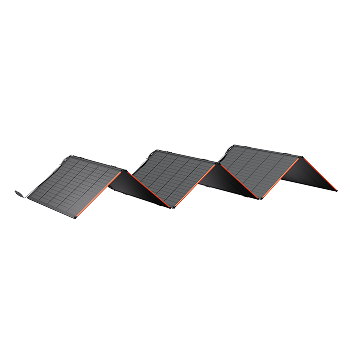
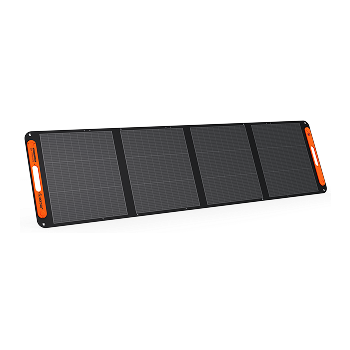
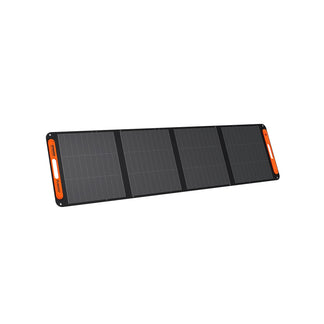
A standard battery backup dies once the battery is drained. If the power is out for 3 days, your basement floods on day 2. Jackery Solar Generators connect to SolarSaga panels, allowing you to recharge the battery using the sun. This provides an indefinite runtime as long as you have sunlight.
Multi-Purpose Investment
A dedicated sump pump battery sits in a dark basement doing nothing for years. A Jackery Solar Generator is a lifestyle investment. You can take it camping, use it to power tools in the yard, or use it to run your refrigerator and Wi-Fi during a blackout.
Weather Resistant & Reliable
Jackery Solar Generators are designed to withstand varying temperatures. The LiFePO4 battery chemistry ensures safety and longevity, providing reliable power whether it's a summer thunderstorm or a winter blizzard.
FAQs About Sump Pump Battery Backup
How long does a battery backup sump pump last?
A fully charged 12V marine battery typically lasts 5-7 hours of continuous pumping, or 1-3 days of non-continuous cycling depending on rain intensity. A Jackery Solar Generator 5000 Plus can last significantly longer due to its high capacity and ability to recharge via solar panels during the outage.
Is there a battery backup for a sump pump without changing plumbing?
Yes. You can use an AC Inverter system or a Portable Power Station like the Jackery Solar Generator HomePower 3600 Plus. These allow you to plug your existing main pump directly into the battery unit, requiring no pipe modifications.
What size generator do I need for a sump pump?
You need a generator that can handle the "starting watts" of your pump. A 1/3 HP pump needs about 1300W surge, while a 1/2 HP pump needs over 2100W surge. The Jackery Solar Generator HomePower 3600 Plus and Jackery Solar Generator 5000 Plus both offer a high surge capability, making them safe for almost all residential sump pumps.
How often should I replace my sump pump battery?
Standard lead-acid batteries should be replaced every 3-5 years. AGM batteries last 5-7 years. The LiFePO4 batteries in Jackery Solar Generators are rated for 4000+ cycles, effectively lasting over 10 years with proper care.


![3 Best Watchdog Battery Backups For Sump Pump [2024 Updated]](http://www.jackery.com/cdn/shop/files/3-best-watchdog-battery-backups-for-sump-pump-2024-updated-7775667.jpg?v=1786014083&width=90)

![Best Well Pump Battery Backup [2024 Updated]](http://www.jackery.com/cdn/shop/files/best-well-pump-battery-backup-2024-updated-8355220.jpg?v=1786014083&width=90)


